Why Maryland Gardeners Should Trim Evergreens By Late July, Not Later
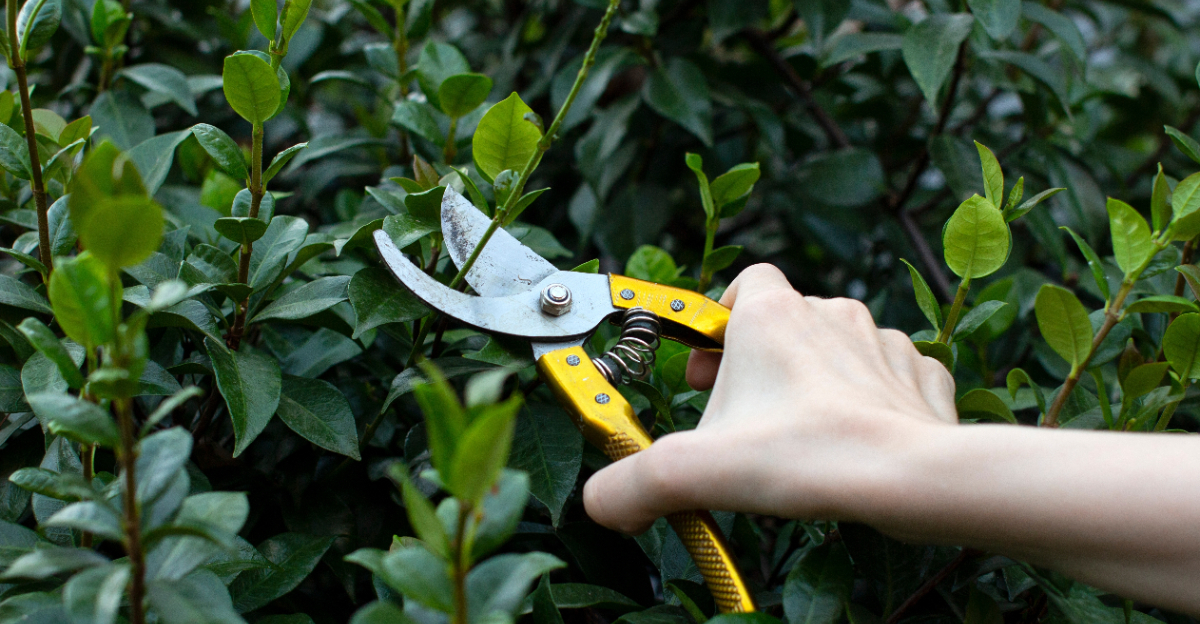
Evergreens sit there looking effortless all year, holding their color while everything else goes bare. That’s exactly why so many Maryland gardeners forget they need attention at all, let alone attention timed to the calendar.
Grab the shears in August or September thinking you’re doing your yard a favor, and you’ve actually opened a door you can’t close before winter arrives. Each cut tells the plant to push out fresh growth, and that new growth needs weeks to toughen up before frost tests it.
Cut too close to fall, and those tender shoots never get the chance. The result shows up months later: branch tips gone brown, patches that look scorched, growth that never quite recovers its shape.
That window closes by late July in Maryland. Miss it, and brown branches aren’t bad luck. They’re the bill coming due.
1. Trimming After Late July Stresses Evergreens Before Winter
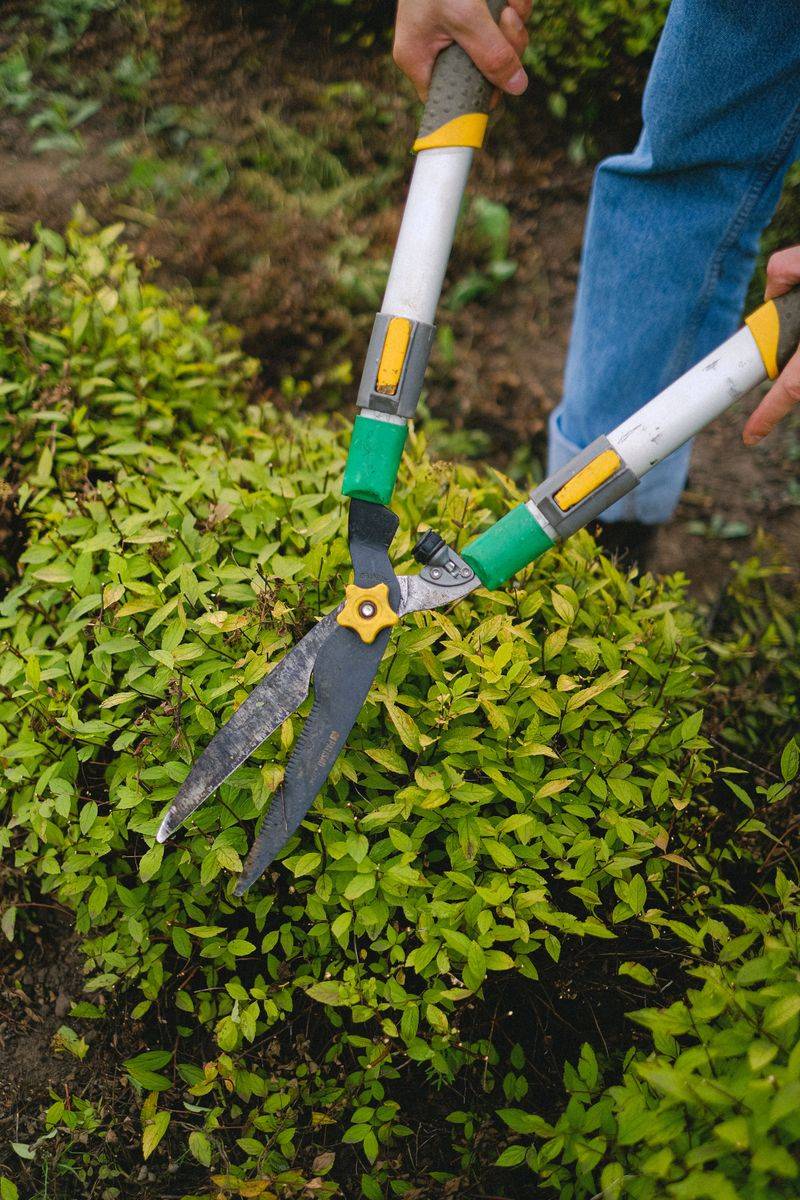
Snip at the wrong time, and your evergreen pays the price all winter long. Pruning after late July forces the plant to push out fresh, soft new growth.
That tender growth cannot harden off before cold temperatures arrive. Hardening off is the natural process where plant tissue toughens up for freezing weather.
When you trim evergreens by late July, new shoots have enough warm weeks to mature. Mature growth handles frost, ice, and bitter winds far better than soft green tips.
It’s the plant equivalent of heading into winter without the right gear. The plant simply is not ready for what is coming.
Late pruning also forces the plant to redirect energy. Instead of storing nutrients in roots for winter survival, it burns resources growing new branches.
That energy drain weakens the entire shrub heading into the coldest months. A weakened plant is more vulnerable to disease, pest damage, and winter burn.
Maryland winters are unpredictable, swinging between mild stretches and hard freezes. Evergreens need every advantage they can get before the first frost hits.
Giving your plants a proper summer haircut is one of the easiest ways to protect them. Respect the late July window, and your evergreens will thank you come spring.
2. Why Late July Is Maryland’s Cutoff For Evergreen Pruning
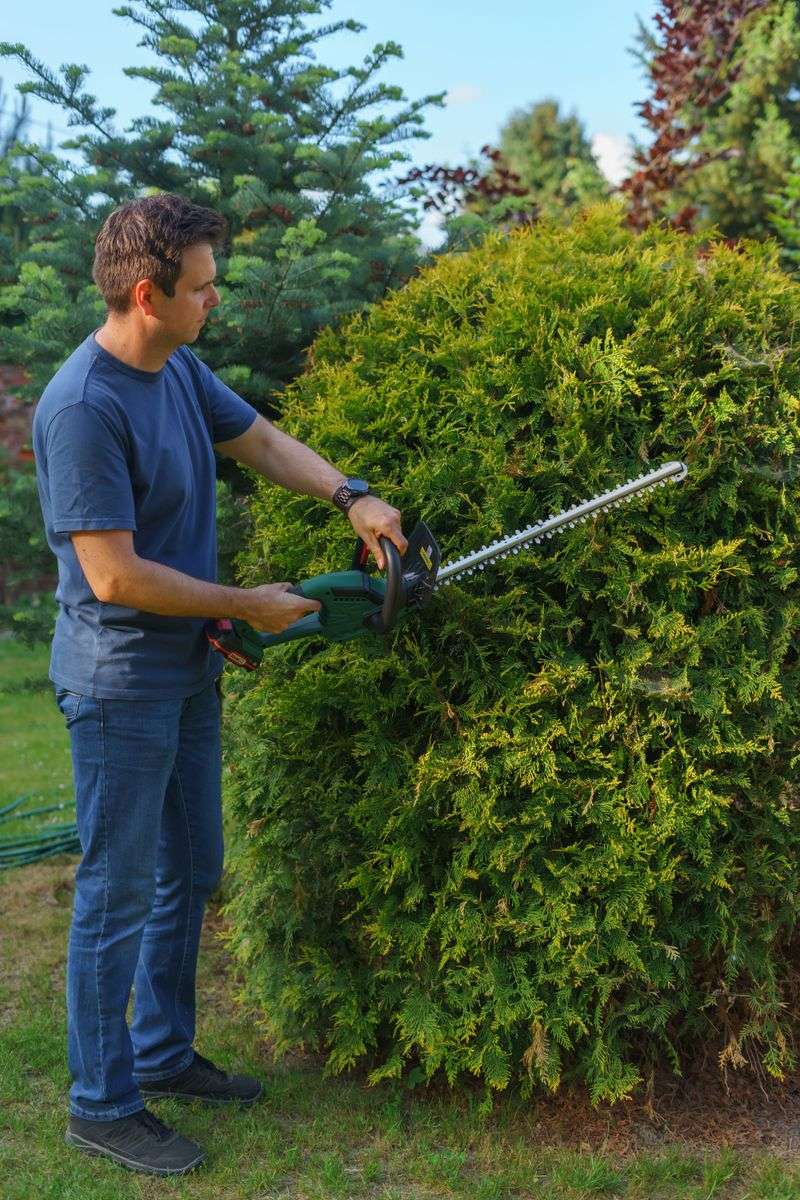
Maryland summers are hot, humid, and surprisingly short when you count the weeks that actually matter for plant growth. Late July is widely considered the safe cutoff point, giving evergreens enough warm time to recover from a trim.
After late July, the days start getting noticeably shorter. Plants sense that shift and begin slowing down their growth cycles naturally.
Trimming evergreens by late July keeps you in sync with that biological clock. You work with the plant instead of against it.
Most evergreen species, including arborvitae, boxwood, and yew, follow a predictable growth pattern tied to daylight hours. Once day length drops past a certain point, new growth simply stops maturing properly.
August pruning in Maryland often leads to exactly the kind of soft, immature shoots that freeze damage targets first. The math is straightforward: less time to harden equals more risk of winter injury.
Your Maryland Garden Changes Every Week. Your Plan Should Too.
Gardening in Maryland changes quickly throughout the season. Every Friday you’ll receive a simple weekly plan showing exactly what to plant, prune, fertilize, harvest, and protect so you never miss the right timing.
Many local gardeners have run into this problem after pruning too late in the season. Brown, scorched-looking branches in March are often the direct result of an August haircut the year before.
Sticking to a late July cutoff also gives you a built-in reminder each season. Mark it on your calendar now so next year you are not scrambling in August wondering if it is too late.
Timing your pruning right is one of the smartest and simplest things you can do for your yard’s long-term health.
3. What Happens To New Growth Cut Too Close To Fall
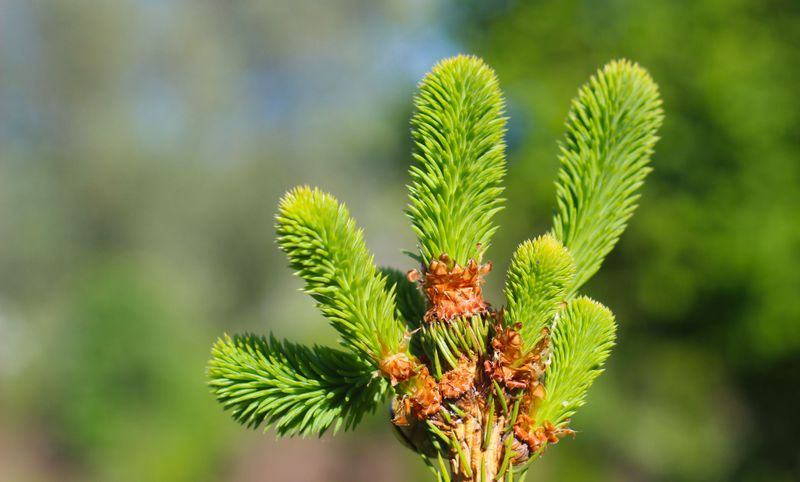
Fresh cuts in August look innocent enough at first. But beneath those bright green tips is a plant in serious trouble heading into autumn.
When you prune close to fall, the plant scrambles to replace what was removed. New shoots emerge fast, soft, and full of water.
Water-heavy tissue is the first thing to freeze when temperatures drop below 32 degrees. Those tips turn brown, collapse, and often do not recover until the following year, if at all.
Arborvitae can be particularly vulnerable to this kind of damage after late pruning. Their feathery new growth looks lush but is remarkably fragile when exposed to hard frost.
Junipers and hollies can face similar risks when cut too late in the season. Each species has its own timeline, but all of them respect the same basic rule about fall hardiness.
Gardeners sometimes confuse the lush look of late-season new growth with health. In reality, that soft flush of green is a vulnerability, not a sign of vigor.
The plant is essentially trying to heal a wound at the worst possible time. Its energy is split between recovery and preparing for cold weather.
Cutting evergreens by late July avoids this conflict entirely. The plant heals during the warmest weeks, hardens through August, and enters fall ready to handle whatever the season brings.
Healthy, mature growth going into winter is the goal every gardener should aim for.
4. How Late Pruning Increases Winter Damage Risk
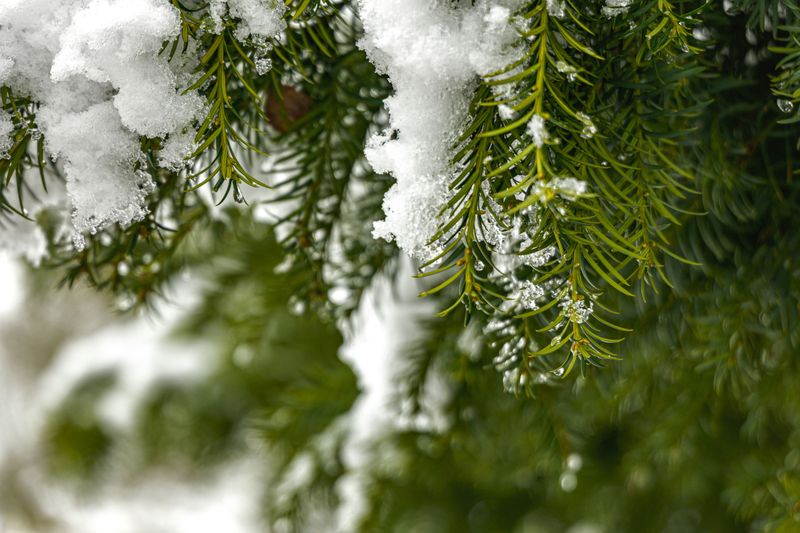
Winter damage on evergreens is painful to look at in spring. Brown patches, split bark, and bare sections are all signs that something went wrong months earlier.
Late pruning is one of the most common and most preventable causes of that damage. It sets off a chain reaction that plays out slowly over the cold months.
First, fresh cuts trigger new growth at exactly the wrong time. Second, that growth cannot harden before frost arrives.
Third, frozen soft tissue creates entry points for fungal infections and bacteria. By the time you notice the problem in spring, the damage has often been building for months.
Maryland experiences a wide range of winter conditions depending on the year. Some winters bring mild stretches followed by sudden hard freezes that catch soft growth completely off guard.
Plants that were properly pruned by late July handle those swings much better. Their mature tissue acts like armor against temperature extremes.
Late-pruned plants, by contrast, enter winter already stressed and struggling. Any additional challenge, whether ice, drought, or wind, pushes them closer to serious injury.
Desiccation, where winter wind pulls moisture out of leaves faster than roots can replace it, hits soft growth the hardest. Broad-leaved evergreens like holly and mountain laurel are especially vulnerable.
Protecting your plants starts with a simple calendar commitment. Prune before late July, and you lower the odds of a rough spring cleanup ahead.
5. Signs Your Evergreens Were Trimmed Too Late

Spring has a way of revealing every mistake you made in the garden the previous year. Brown tips on your arborvitae are often the first clue something went wrong.
If the damage is concentrated on the newest growth, late pruning is often a likely cause. Older, more established branches usually come through winter in much better shape.
Look closely at where the browning starts. Damage that begins right at the cut points from last summer is a common sign of late-season pruning stress.
Another red flag is uneven browning across the shrub. One side may look fine while the other, which may have received a late trim, shows significant winter damage.
Soft, mushy branch tips in early spring can indicate that frost reached tissue that never had time to harden. Gently pinch a damaged tip to check its texture.
Healthy evergreen growth feels firm even after a rough winter. Soft, papery, or hollow-feeling tips signal that the freeze got deep into the tissue.
Some plants push out fresh growth in spring and appear to recover. But that recovery costs energy the plant needs for root development and disease resistance.
Repeated late pruning over multiple seasons compounds the problem each year. Plants get progressively weaker and more vulnerable with every late-season cut.
Recognizing these signs early gives you a chance to adjust your schedule. Catch the pattern now, and next year your evergreens can start the season looking sharp and strong.
6. How To Plan Evergreen Pruning Earlier Next Season
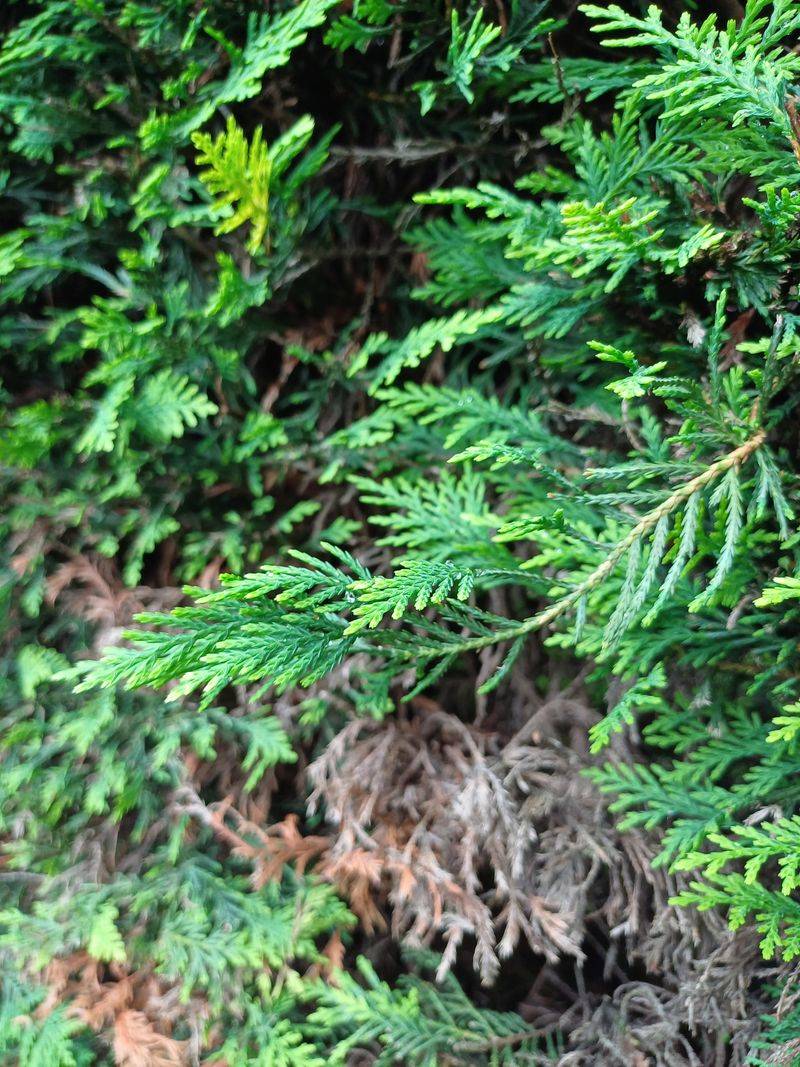
Planning ahead sounds obvious, but most gardeners only think about pruning when they notice something looks overgrown. By that point, the best window may already be closing.
Set a reminder on your phone for the first week of July. Label it something simple like early evergreen check so it does not get ignored.
Walk your yard in early July and assess which shrubs need attention. A light trim now is usually easier than a heavy correction in August or September.
If your evergreens need significant shaping, start even earlier in June. More dramatic cuts need more recovery time, so earlier is generally safer than later.
Keep a simple garden notebook or use a free app to track what you pruned and when. Patterns become obvious after just one or two seasons of consistent record-keeping.
Also note which plants showed winter damage the previous spring. Those are your most at-risk shrubs and should be prioritized for early attention each summer.
Talk to neighbors or local nursery staff about what works in your specific neighborhood. Microclimates, shade patterns, and soil differences all affect how quickly evergreens in Maryland harden for winter.
The goal is to make early pruning a habit, not a scramble. When trimming evergreens by late July becomes part of your summer routine, the results show up every single spring.
Healthy, full, and undamaged evergreens are well worth a small commitment to better timing.