The Forgotten Herb That Maryland Gardeners Are Rediscovering
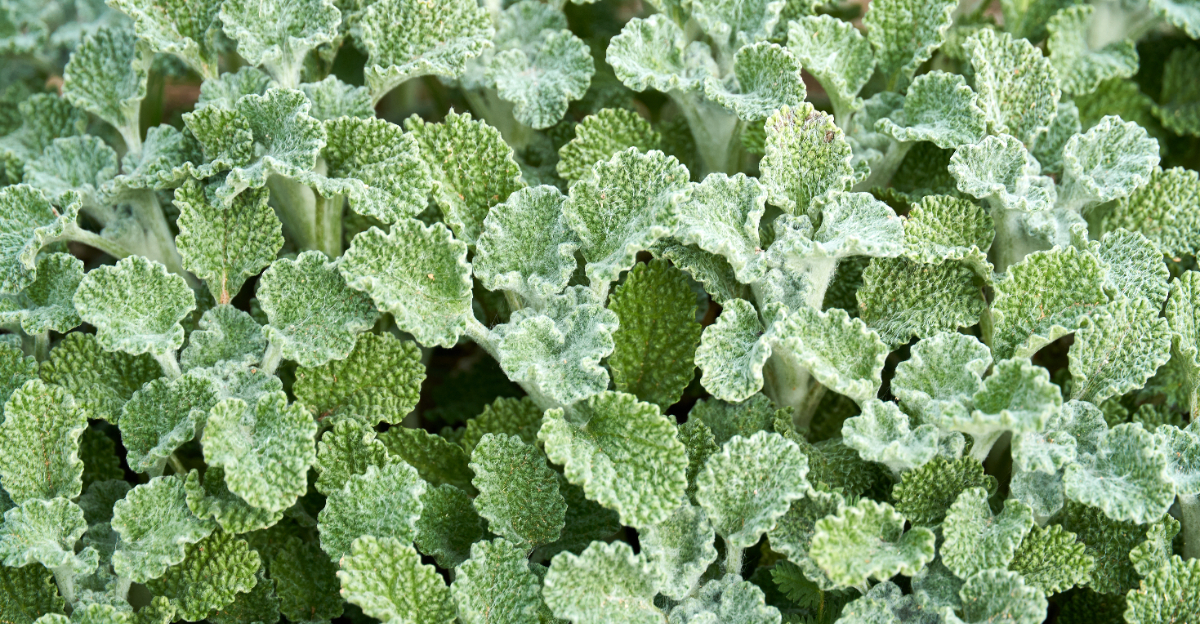
Some plants vanish so quietly that most people never notice they are gone. They stop appearing in backyard gardens, disappear from family conversations, and slowly become little more than a footnote in old gardening books.
Yet every so often, one of these forgotten favorites starts making an unexpected return. That is exactly what is happening in parts of Maryland.
It handles poor soil, shrugs off dry weather, and has earned a reputation that stretches back hundreds of years. Its scent is surprisingly bold. Its flavor catches almost everyone off guard. Even so, generations refused to let it disappear completely.
A Garden Staple That Faded From Memory Over Generations
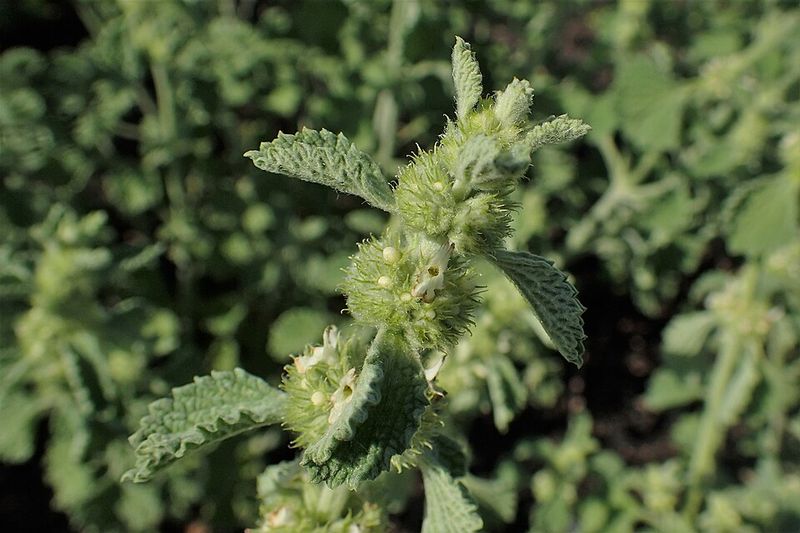
Not long ago, horehound grew in nearly every American backyard. Grandmothers pinched its fuzzy leaves without even thinking about it.
For centuries, this herb sat beside sage and thyme as a household essential. Families passed seeds down like heirlooms, season after season.
Then something shifted. Grocery stores filled with packaged medicines, and home herb gardens slowly shrank. Horehound got crowded out by convenience.
By the mid-20th century, most Americans had largely forgotten the plant. Only a few old-timers remembered its sharp, distinctive scent.
Seed catalogs stopped featuring it prominently. Nurseries swapped it out for flashier, more popular herbs.
But horehound rarely disappeared completely. It kept growing wild along roadsides, in forgotten fields, and at the edges of old farmsteads.
Now gardeners are looking backward for answers. Heritage plants are having a serious moment across the country.
People want plants with history, purpose, and resilience. Horehound checks nearly all of those boxes.
Community gardens and homesteaders across the region are showing renewed interest in growing it.
There is something powerful about growing what your ancestors grew. It connects you to a longer, richer story of land and care.
Horehound did not fade because it failed anyone. It faded simply because gardening habits shifted toward convenience.
Now that people are looking again, the herb is ready and waiting. Its comeback reflects a broader return to heritage gardening.
Horehound’s Appearance And Ideal Growing Conditions
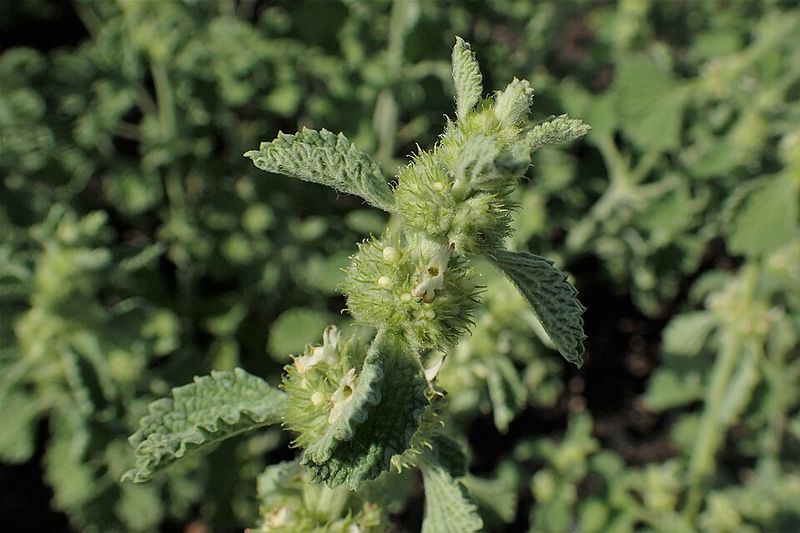
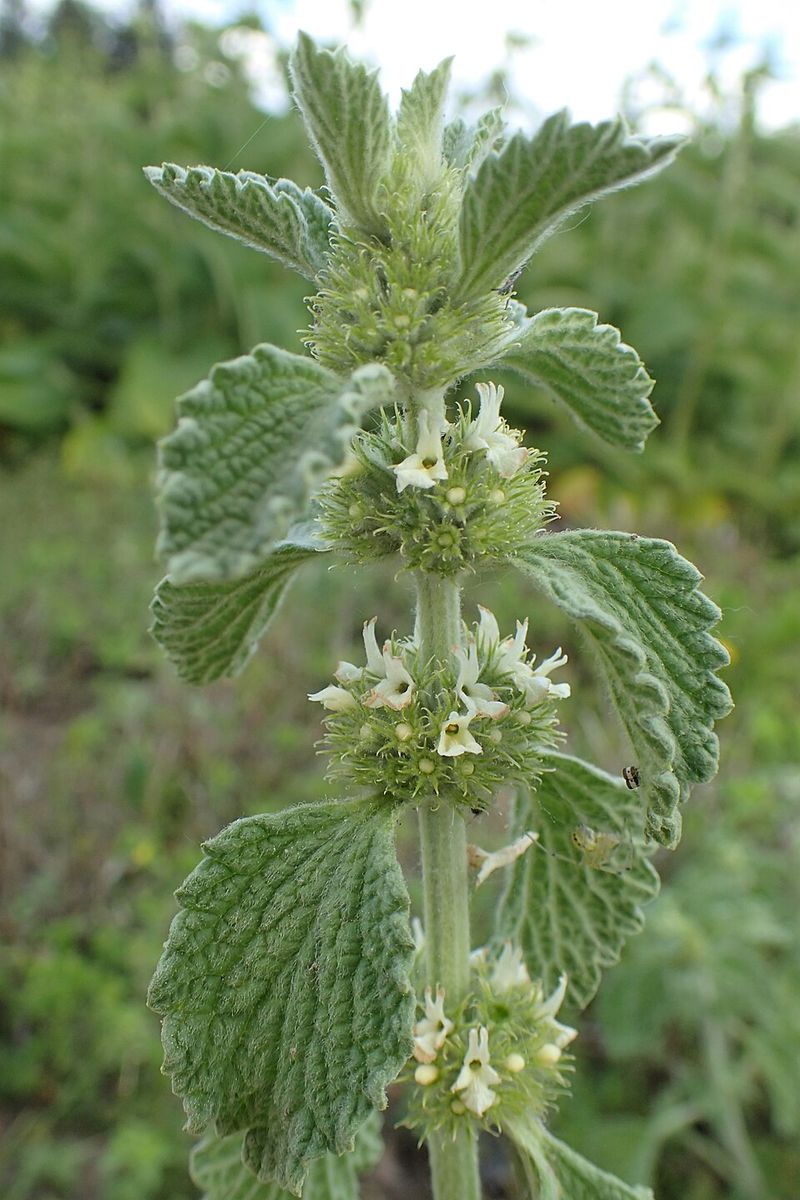
Horehound is not the prettiest herb in the garden, but it has serious character. Its leaves are thick, wrinkled, and covered in soft white fuzz.
The plant grows in a low, bushy mound that usually reaches about two feet tall. Small white flowers bloom in tight clusters around the stem in summer.
Up close, the leaves feel almost like velvet. That fuzzy coating actually helps the plant survive dry spells by trapping moisture near the surface.
The scent is hard to describe without experiencing it firsthand. Think earthy, slightly musky, and undeniably herbal.
Horehound belongs to the mint family, which explains its square stems and spreading habit. It shares that bold, assertive personality that mint lovers already know well.
This plant thrives in full sun and well-drained soil. Poor, rocky, or sandy ground suits it just fine.
Your Maryland Garden Changes Every Week. Your Plan Should Too.
Gardening in Maryland changes quickly throughout the season. Every Friday you’ll receive a simple weekly plan showing exactly what to plant, prune, fertilize, harvest, and protect so you never miss the right timing.
Rich, heavily amended garden beds are not necessary for this plant. It performs reliably even in lean, poor soil.
Horehound handles heat, drought, and neglect better than most garden herbs. Once established, it practically takes care of itself.
In the Mid-Atlantic region, it fits naturally into sunny borders and herb spirals. Raised beds with gritty soil are another excellent option.
The plant is perennial in USDA zones 3 through 10, which covers nearly the entire country. That kind of toughness is rare and worth celebrating.
If your garden has a sunny, dry corner that nothing else wants, horehound will claim it happily. It turns problem spots into productive ones.
The Traditional Remedies Behind Its Bitter Reputation
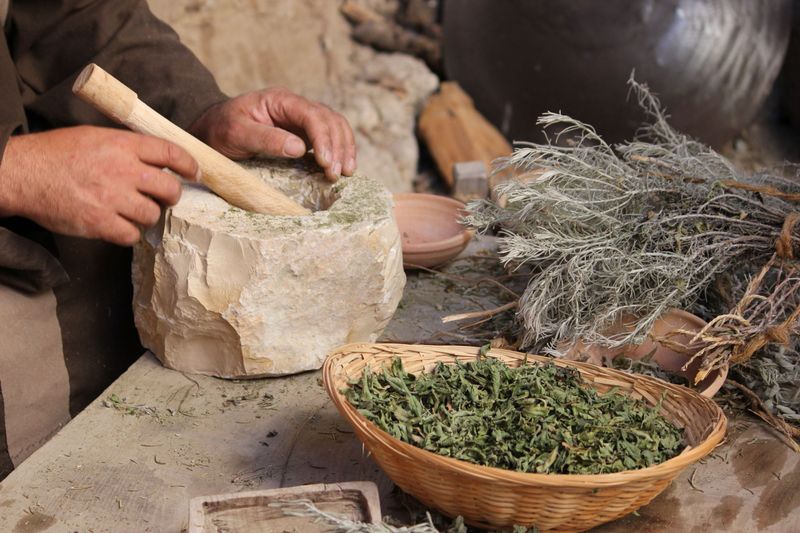
Horehound has one of the most recognized tastes in old-fashioned folk medicine. One lick of a horehound drop and your whole face tells the story.
That bitterness is not a flaw. It is actually the source of the plant’s legendary reputation as a throat and chest remedy.
For thousands of years, herbalists used horehound to ease coughs and soothe irritated airways. Ancient Egyptians, Romans, and colonial Americans all turned to this plant when illness struck.
The active compound is called marrubiin. It has traditionally been used to help loosen mucus and calm bronchial irritation.
Horehound candy was once a pharmacy staple across the United States. Tins of the hard drops were a common sight on drugstore counters for much of the 20th century.
Parents gave children horehound syrup for winter coughs before pharmaceutical cough medicines dominated the market. The taste was strong, but families trusted it.
Beyond respiratory support, traditional healers used the herb for digestive complaints. A weak tea made from the leaves was traditionally used to settle upset stomachs after heavy meals.
Some communities also applied horehound poultices to minor skin irritations. Its soothing properties were valued long before science had words to explain them.
Modern herbalists still recommend horehound tinctures and teas for seasonal coughs. Interest in plant-based wellness has brought fresh attention to these old preparations.
Always consult a healthcare provider before using any herbal remedy. But knowing the history of horehound gives you a deeper respect for what plants can offer.
Bitter does not mean bad. Sometimes the sharpest flavors carry the longest medicinal history.
Maryland’s Climate And Soil Suit This Hardy Perennial
Maryland sits in a sweet spot for growing tough, adaptable perennials. The state’s mix of humid summers and mild winters creates ideal conditions for horehound.
The plant handles the region’s occasional drought stretches without complaint. Its root system is well adapted to pulling moisture from dry soil.
Coastal areas near the Chesapeake Bay offer sandy, fast-draining soils well suited to horehound. The herb has naturalized in similar environments across the Mid-Atlantic for generations.
Inland counties with clay-heavy soil require a bit more preparation. Mixing in sand or gravel before planting helps drainage and prevents root rot.
The state’s long growing season gives horehound plenty of time to establish strong roots in its first year. By year two, the plant is fully established and low-maintenance.
Summer heat in the region can be intense, but horehound shrugs it off. The woolly leaf coating reflects harsh sunlight and keeps the plant cool.
Winters in most parts of the state are mild enough that horehound dies back only lightly. Fresh growth typically returns quickly once the weather warms.
The plant needs good drainage to handle the region’s occasional wet springs. Good air circulation around the mound also helps keep fungal issues at bay.
Pollinators native to the Mid-Atlantic love horehound’s small white blooms. Bees work the flowers enthusiastically throughout the summer months.
Deer tend to avoid horehound because of its strong scent. That alone makes it a smart choice for gardens in suburban and rural areas.
Growing horehound here is not a gamble. It is a well-matched partnership between plant and place.
Planting And Care Basics
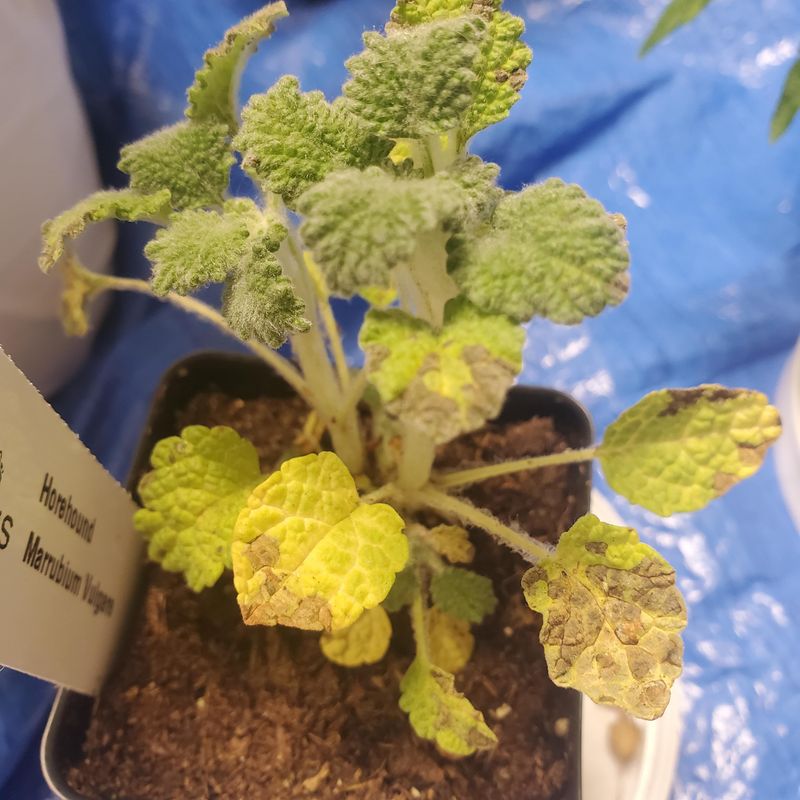
Starting horehound from seed takes a little patience, but the payoff is absolutely worth it. Seeds germinate slowly, so starting indoors four to six weeks before the last frost gives you a head start.
Press seeds lightly into moist seed-starting mix and keep them at room temperature. Germination can take two to three weeks, so do not give up early.
Transplant seedlings outdoors after frost danger passes. Space them about twelve inches apart to allow good airflow as they fill out.
Established plants need almost no extra watering once summer arrives. Overwatering is actually the most common mistake new growers make with horehound.
Keep fertilizer light. This herb performs best in lean soil, and feeding it too much can reduce the concentration of its beneficial compounds.
Prune the plant back by about one-third after it flowers each year. This keeps the mound tidy and encourages fresh, flavorful new growth.
Horehound can spread by self-seeding if you let the flowers go to seed. Removing spent blooms gives you more control over where the plant spreads.
Pests rarely bother horehound, which makes it a low-stress addition to any herb bed. Its strong scent seems to deter most common garden insects.
Container growing works well for those with limited space. Choose a pot at least twelve inches wide with drainage holes and gritty potting mix.
Bring potted plants under a covered porch during heavy rain to prevent waterlogging. A little protection goes a long way for container-grown herbs.
Horehound rewards minimal care with maximum output. The less you fuss, the better it grows.
Simple Ways To Use Horehound In The Modern Garden
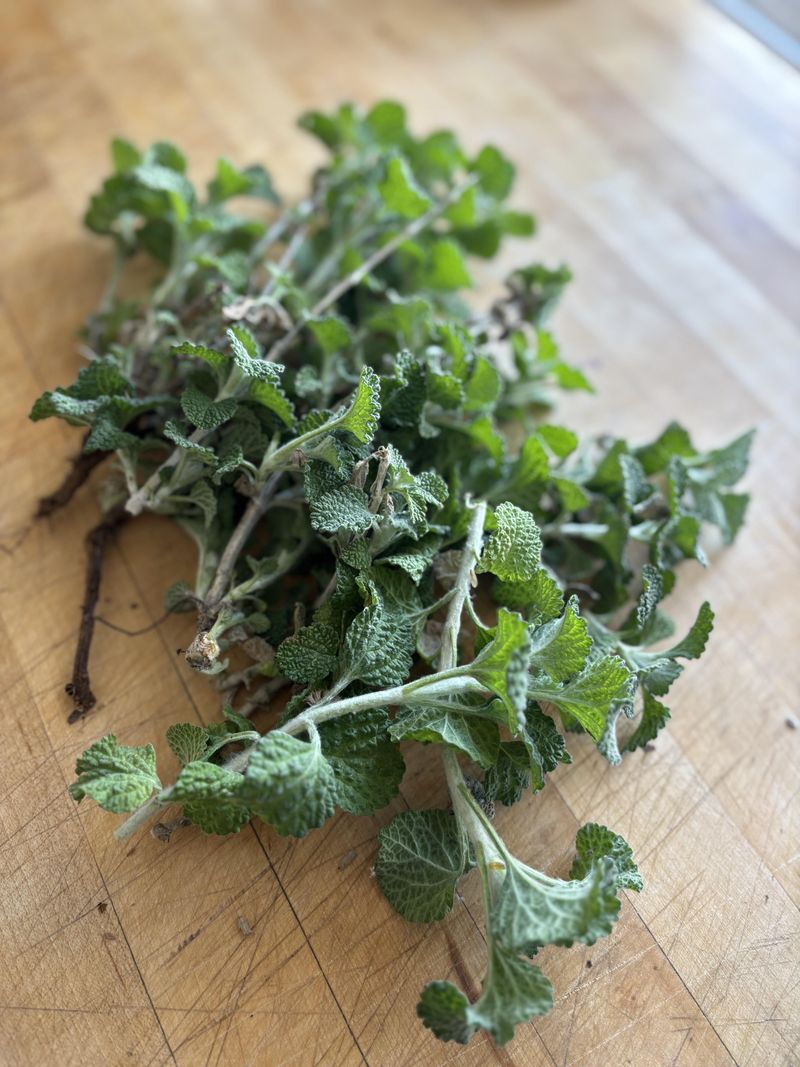
Once your horehound plant is thriving, the fun part begins. Harvesting is simple: snip stems just before the plant flowers for the most potent flavor.
Fresh leaves can be steeped in hot water for a simple herbal tea. Add honey and lemon to soften the bitterness into something genuinely enjoyable.
Horehound syrup is one of the easiest and most satisfying projects for a home cook. Simmer leaves with water and sugar, strain, and store in the refrigerator for short-term use.
That syrup works beautifully stirred into hot drinks during cold season. A spoonful in warm apple cider makes a comforting seasonal pairing.
Making old-fashioned horehound candy at home has become a popular project for heritage food enthusiasts. The process is straightforward and requires only basic candy-making equipment.
Dried horehound bundles add a striking visual element to kitchen herb displays. The silvery foliage looks beautiful hanging alongside lavender and sage.
Companion planting is another smart use for this forgotten herb. Planting horehound near tomatoes may help support a longer, heavier harvest.
The flowers attract native bees and beneficial wasps that help control aphid populations nearby. That makes horehound a quiet workhorse in the ecological garden.
Crafters use dried horehound in wreaths and herbal sachets for a distinctive, old-world scent. The woolly leaves hold their texture well after drying.
Even if you never brew a single cup of tea, horehound earns its place in many gardens. It gives back more than it asks for.
The forgotten herb that Maryland gardeners are rediscovering is not just a plant. It is a small, practical link to a more self-sufficient way of gardening.