Why Weeding Bone-Dry Ohio Soil This Way Causes More Problems
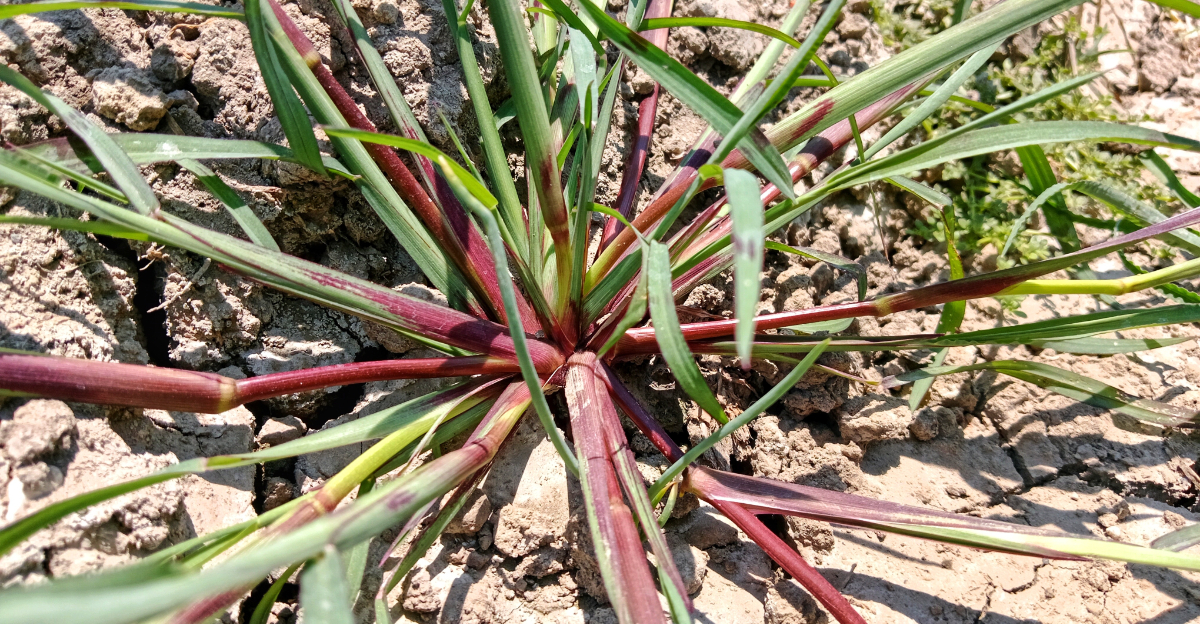
Your dry Ohio soil looks tough enough to survive anything, including a rushed weeding session. It isn’t.
Pull weeds from parched ground and the roots snap off clean, while the soil around them turns to loose powder underneath your feet. That powder scatters weed seeds you just disturbed across a wider patch of your yard than before you started.
Worse, dry soil grips desirable plant roots just as loosely, so one careless tug can drag out flowers and vegetables right alongside the weeds you meant to remove. Compaction follows close behind.
Dry particles crush together under boot pressure with none of the give that moist soil provides, and that damage can linger for weeks after a single afternoon of work. A quick fix exists, and it costs you nothing but timing.
Adjust one small habit before your next weeding session, and bone-dry Ohio soil stops fighting back against every plant you’re trying to protect.
1. Hard Dry Soil Makes Weed Roots More Likely To Break
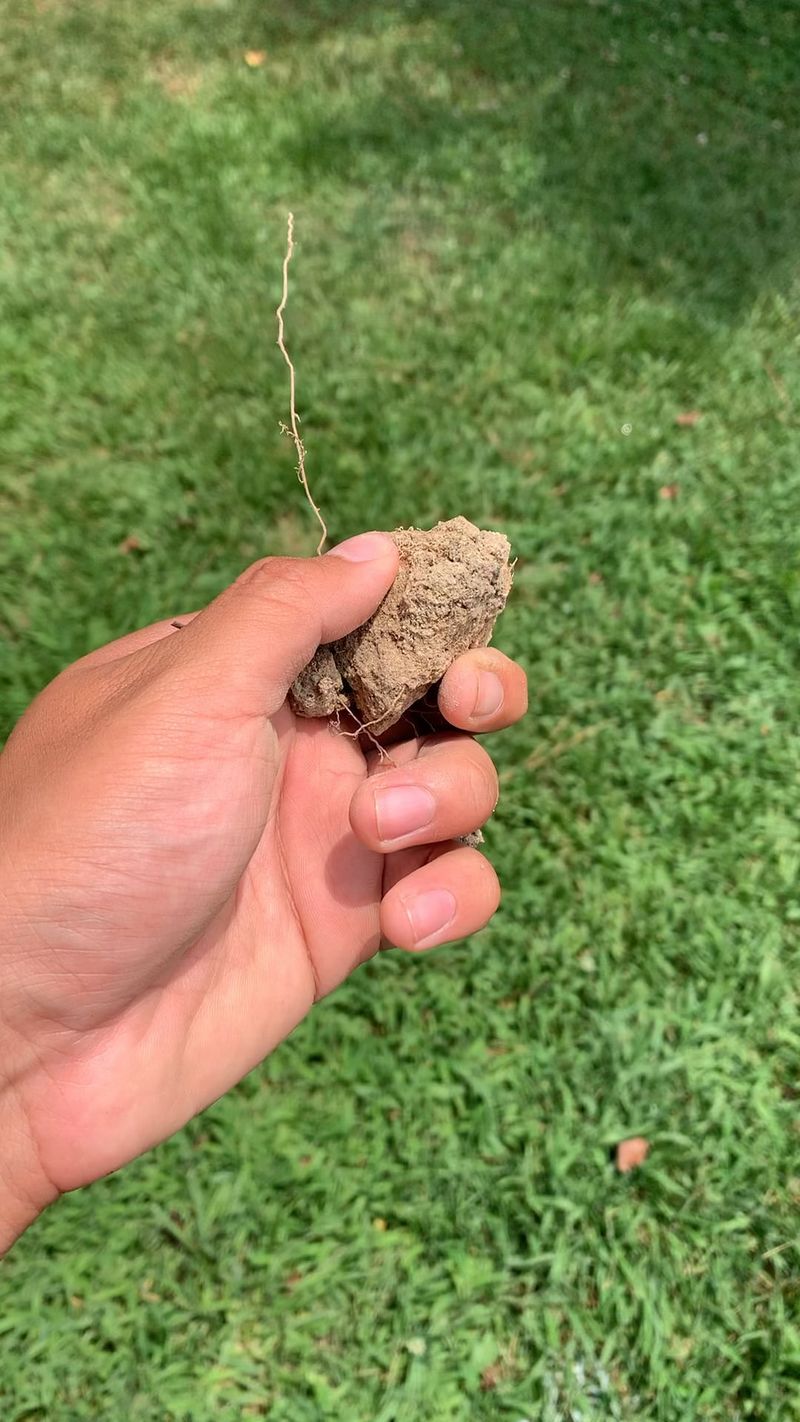
Reaching down to grab a well-established plant in a parched bed can feel like tugging on something anchored in concrete. Very dry soil can grip an established root system tightly.
That resistance makes complete removal much harder than it looks.
Extension guidance from land grant universities notes that hand-pulling tends to work better when soil moisture is higher. Moist soil releases roots more readily.
Firm, dry ground resists that release, and the stem often gives way before the root does.
Shallow-rooted annual seedlings are a different story. A tiny seedling has little holding it in place, so dryness matters less.
The real problem shows up with plants that have pushed roots deep into the soil profile over several weeks or months.
Ohio gardeners working in beds that have hardened after a dry stretch may notice this problem most with taprooted or thick-crowned perennial weeds. The top growth snaps, but the underground portion stays intact.
That is not a complete removal.
Soil type also plays a role. Clay-heavy beds can become especially firm as they dry, forming a dense grip around established roots.
Sandy soil behaves differently. No single description fits every garden, but the general pattern holds: very firm soil makes intact root removal harder, regardless of how hard the pull.
2. A Snapped Taproot Can Leave The Problem Behind
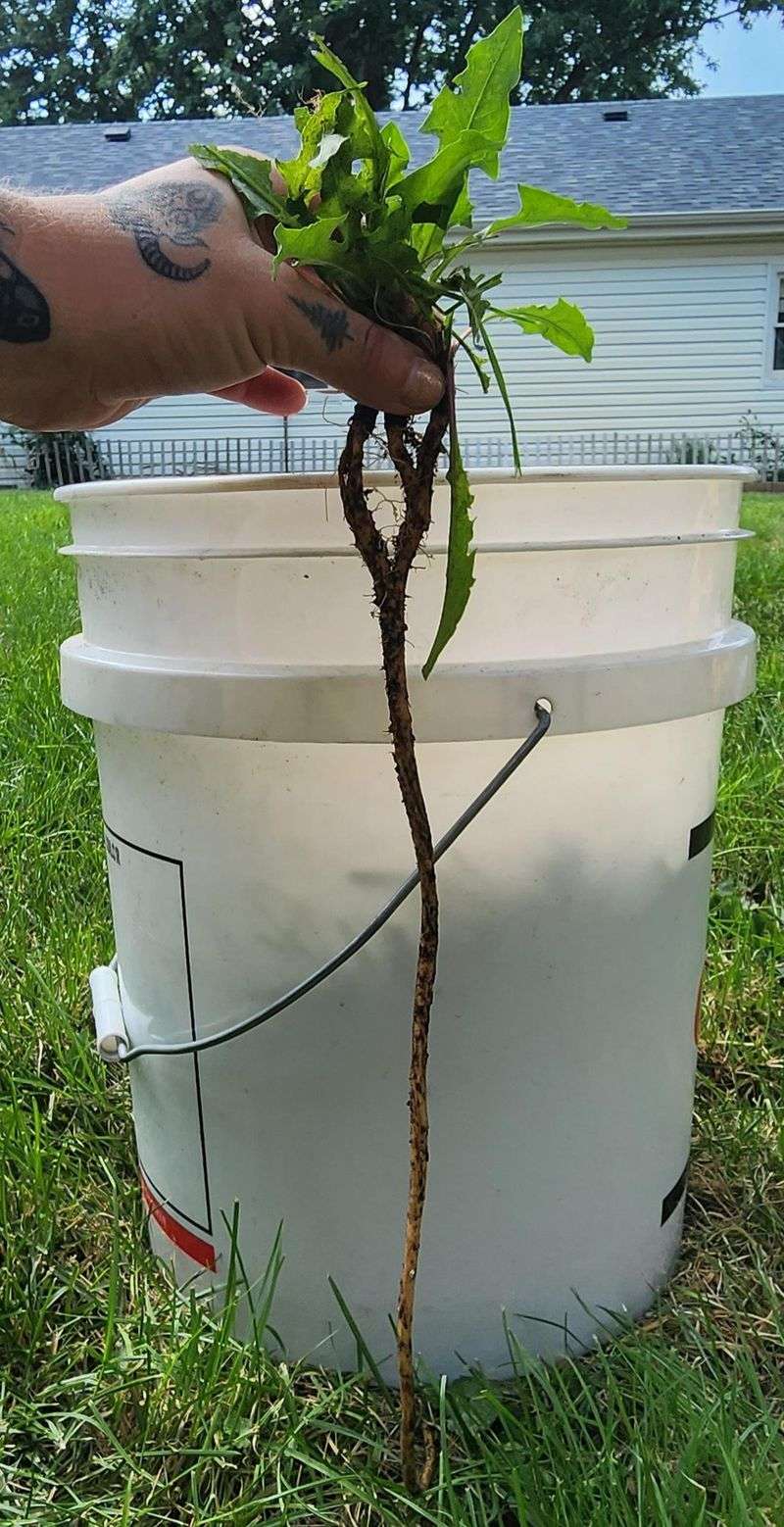
Common dandelion, known botanically as Taraxacum officinale, is one of the most familiar taprooted plants in residential gardens. Its thick central root can extend several inches straight down.
Removing the top without the root is not the same as removing the plant.
Extension guidance supports the idea that dandelions can regrow when a substantial portion of the taproot remains in the soil. The crown and upper taproot hold energy reserves.
That stored energy can push new leaf growth back toward the surface.
Not every broken fragment produces a new plant. That claim goes further than the evidence supports.
The concern is leaving a large, viable section of taproot behind, not microscopic traces.
A taproot is simply a thick central root that grows downward rather than spreading sideways. Not every unwanted plant in your bed has one.
Your Ohio Garden Changes Every Week. Your Plan Should Too.
Gardening in Ohio changes quickly throughout the season. Every Friday you’ll receive a simple weekly plan showing exactly what to plant, prune, fertilize, harvest, and protect so you never miss the right timing.
Many spread through rhizomes, creeping roots, or stolons instead. Those structures behave very differently underground.
The clearest takeaway from the dandelion example is practical. Removing the crown and top leaves gives the appearance of success.
But if the lower taproot snaps off and stays buried, the plant has a reasonable chance of recovering. Firm dry soil increases the chance of that snap happening before the full root releases.
That is the core problem this section points to.
3. Aggressive Pulling Can Disturb More Soil Than You Think
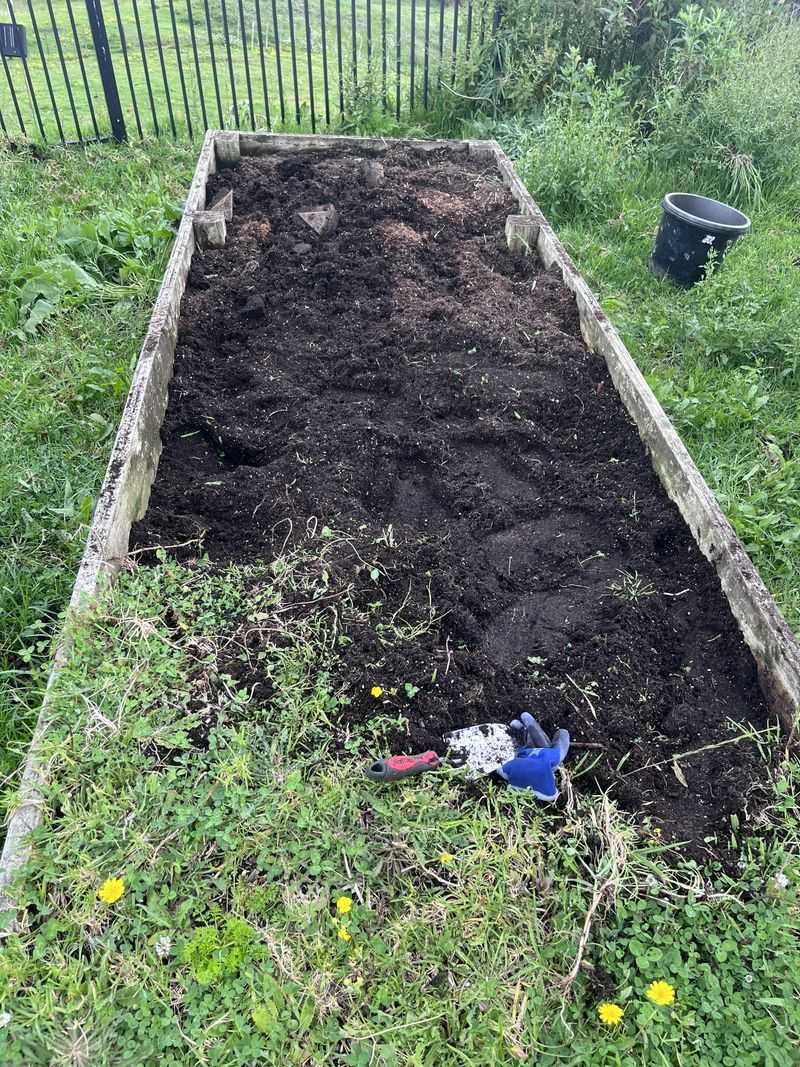
Sometimes a stubborn plant refuses to budge, and the natural response is to push harder. A gardener might start twisting, levering, or digging with increasing force.
That escalation can move far more soil than the job actually requires.
Ohio gardeners sometimes face this situation in perennial beds where roots have had a full season to establish. The goal of hand weeding should be targeted removal, not a full excavation.
Using more force than the task needs can disrupt the surrounding soil structure unnecessarily.
Soil disturbance is not always harmful. Shallow, careful loosening beside a root can actually help.
The issue is when struggling with a stubborn plant turns into aggressive digging across a wide area. That kind of rough handling affects more than just the weed.
Digging can be the right move for certain deep-rooted plants. A narrow tool worked carefully beside the root is often far more effective than repeated yanking from above.
The method matters as much as the effort applied.
Excessive disturbance is also harder to justify when the plant could simply be handled after a bit of rain or targeted watering. Patience and the right technique reduce the need for force.
Using more physical effort than the situation calls for tends to create secondary problems that a calmer approach would have avoided entirely.
4. Freshly Turned Soil Can Bring Buried Weed Seeds Up
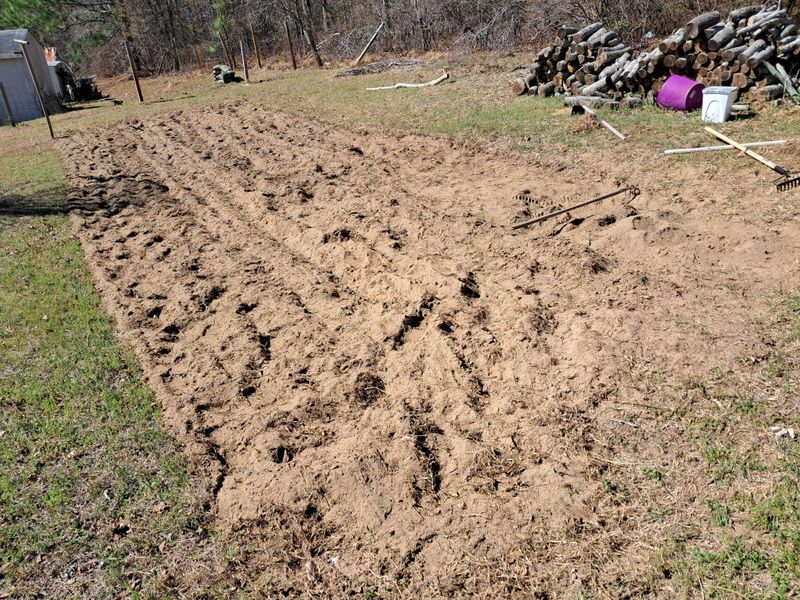
Garden soil holds a surprising inventory of dormant seeds just waiting for the right conditions. Weed scientists refer to this as the seed bank.
Many of those seeds were buried too deep to sprout on their own.
Soil disturbance can change that. Turning or digging the ground can shift buried seeds closer to the surface.
Once near the top, some may encounter the light and warmth they need to germinate. Extension guidance from multiple land grant programs notes that cultivation can expose seeds to germination cues they lacked underground.
Not every exposed seed sprouts. Germination depends on species, temperature, moisture, and seed dormancy, among other factors.
No single weeding session causes an instant flush of new growth. The risk is real but not guaranteed.
Shallow hoeing of tiny annual seedlings is a different practice entirely. Shallow cultivation used correctly keeps the blade near the surface and avoids pulling up deep seed reserves.
The problem described here is unnecessary deep disturbance from struggling to remove one established plant.
A gardener trying to extract a single stubborn plant should not end up turning over a wide swath of the surrounding bed. Minimal disturbance keeps buried seeds where they have less chance to sprout.
Targeted, careful removal reduces how much of the seed bank gets a chance to move upward and find favorable conditions.
5. Nearby Perennial Roots Can Get Tugged In The Process
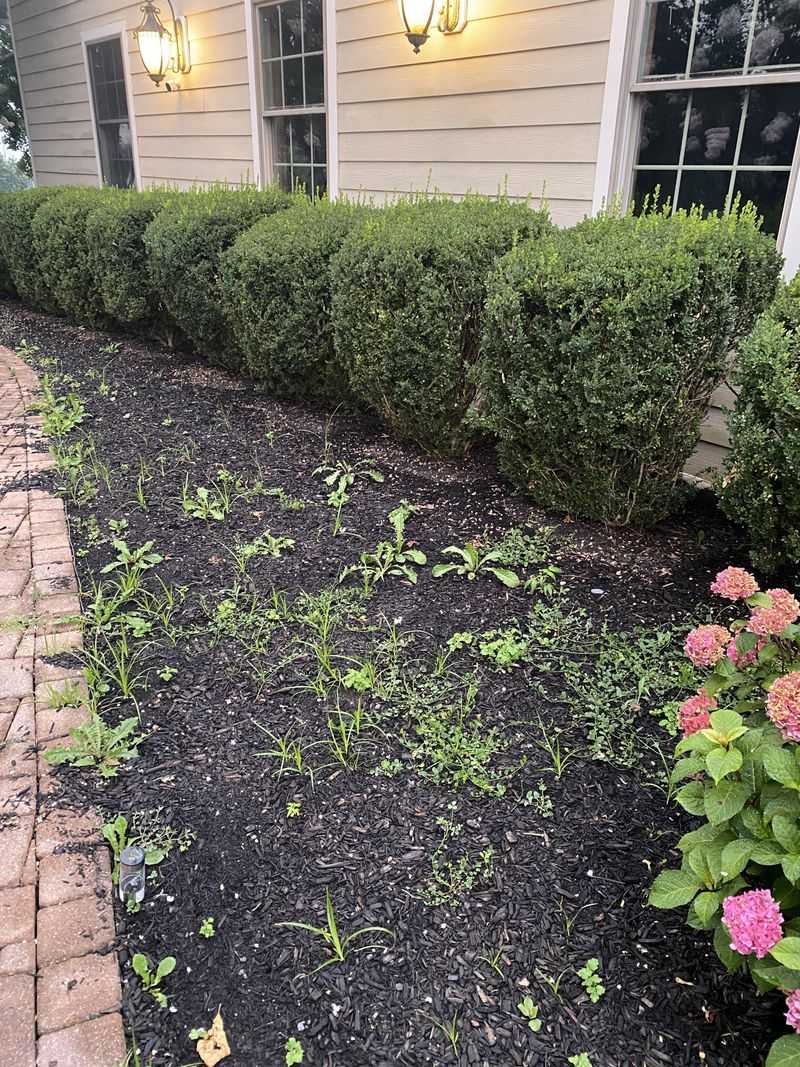
Planting beds rarely give weeds their own isolated space. An unwanted plant often takes root right beside something valuable.
That proximity creates a real challenge when it is time to remove it.
Digging or levering around a weed can send a tool into the root zone of a nearby perennial. Ohio landscapes commonly include crowded mixed beds where hostas, coneflowers, and ornamental grasses grow close together.
A deep tool inserted near a weed can clip or shift the roots of a plant you want to keep.
Extension guidance warns against cultivating too deeply near established garden plants. Root systems vary widely in depth and spread.
No universal safe distance applies to every species or bed layout. Precision matters more than speed in a crowded planting.
A narrow hand tool may cause less collateral disturbance than a broad one in tight spaces. Working carefully beside the weed rather than underneath the entire planting gives you more control.
The goal is to isolate the unwanted plant rather than disturb everything around it.
The risk is greater when a weed has been allowed to grow large beside a perennial crown. Smaller weeds removed early cause far less disruption to neighbors.
Catching unwanted plants while they are still small reduces the need for deep work near the roots of plants you are trying to protect.
6. A Little Water Makes Hand Pulling Much More Effective
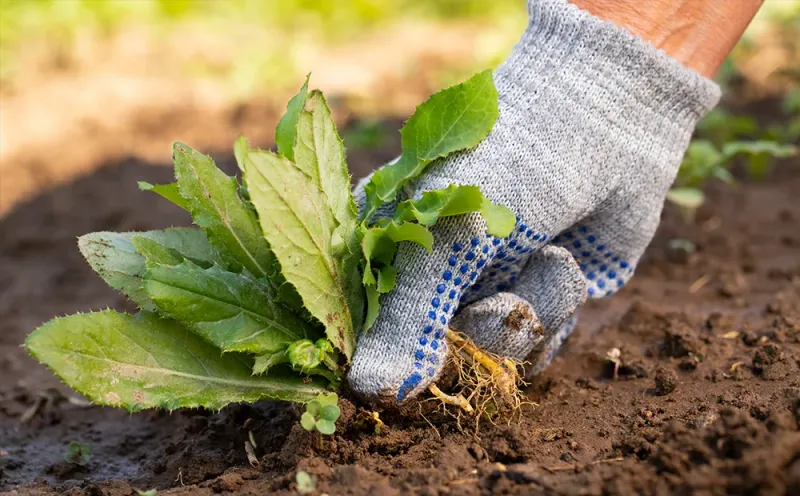
Softening the root zone before attempting removal is one of the most practical adjustments a gardener can make. Targeted moisture applied near the base of a stubborn plant can change how the soil responds.
The goal is workable soil, not a muddy patch.
Extension recommendations consistently support pulling weeds after useful rainfall or after watering the immediate root zone. Moist soil releases established roots more readily than firm, dry ground does.
That does not mean the entire bed needs soaking.
Working saturated soil creates its own problems. Very wet ground can compact under foot traffic and tool pressure.
The target is soil that has softened enough to release roots without becoming waterlogged.
Natural rainfall is often the most practical option. Waiting a day or two after a good rain can make a difficult plant much easier to remove intact.
A targeted pour from a watering can near one stubborn plant is another option when rain is not coming soon.
One important exception applies. If a weed is already carrying mature seeds, waiting for rain may allow more seeds to drop.
In that case, remove the seed head carefully before it can scatter. Prevent seed spread first, then manage the root when conditions improve.
Moist soil helps with root removal, but seed timing is a separate concern worth tracking on its own.
7. Loosen Stubborn Weeds Instead Of Yanking From The Top
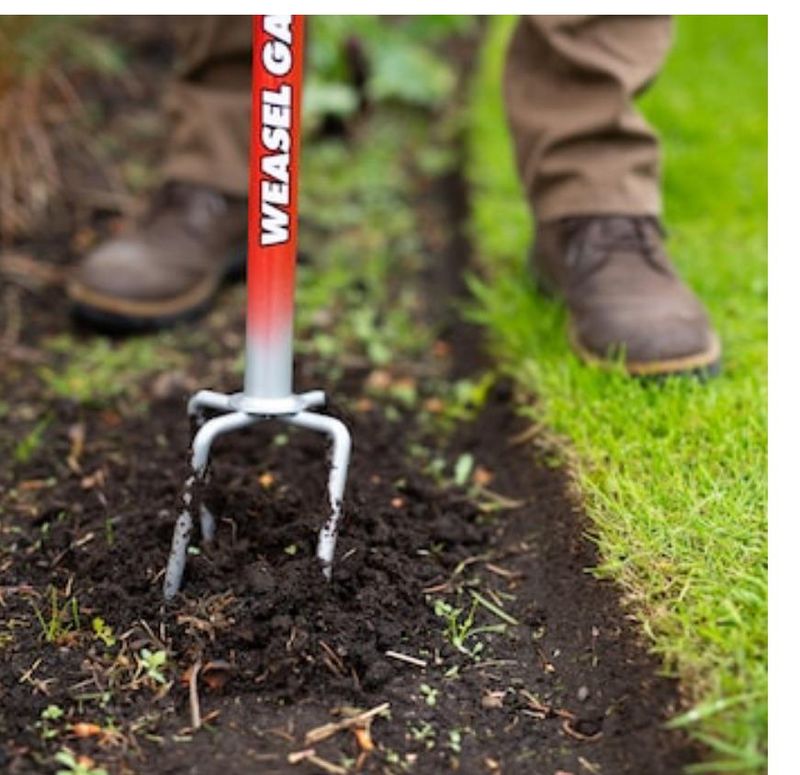
Slipping a narrow tool into the soil beside a stubborn root, rather than pulling straight up, changes the whole dynamic of removal. Loosening the soil around the root first reduces the grip the ground has on it.
That small step can make the difference between a clean removal and a broken stem.
OSU Extension guidance supports loosening soil to help remove roots more completely. It also cautions against damaging nearby plant roots in the process.
Both points matter when working in established beds.
The general approach is straightforward. Identify the plant and understand whether it has a taproot, a spreading crown, or another structure.
Moisten the root zone if the soil is very firm. Then work a narrow tool carefully beside the root before attempting to lift.
Across Ohio, gardeners dealing with mature taprooted plants often find this method far more satisfying than repeated yanking. The root comes out more intact, and the surrounding bed stays calmer.
Brute force from above tends to snap the stem and leave the problem underground.
Some perennial weeds with extensive underground systems are genuinely difficult to remove completely by hand. Repeated management may be needed over a season.
Consulting current Extension guidance is worthwhile for those persistent cases. The central idea here is controlled effort, not harder pulling from the same angle.
8. Mulch The Open Spot Before New Weeds Move Back In
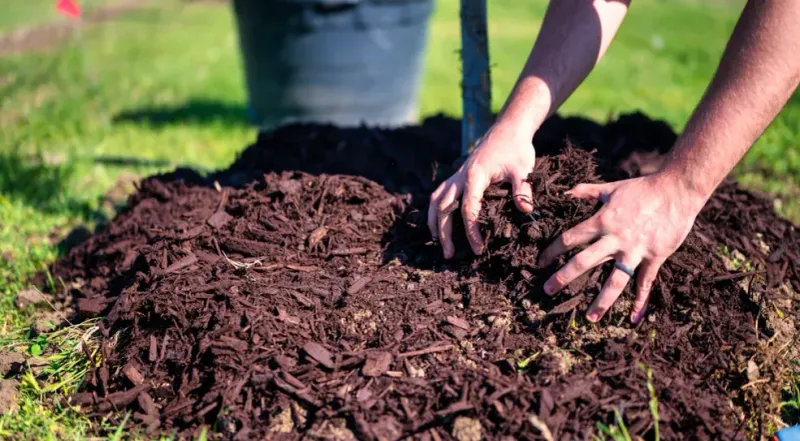
Every removed weed leaves behind an open patch of bare soil. That exposed ground is an opportunity, but not necessarily for the gardener.
Uncovered soil gives weed seedlings a place to establish with little competition.
Extension programs across Ohio and the broader Midwest consistently recommend mulch as a practical tool for reducing weed emergence after removal. A layer of organic mulch shades the soil surface.
That shade makes it harder for light-dependent seeds to germinate.
Mulch also helps conserve soil moisture. That benefit matters especially during dry late-summer stretches when the ground loses water quickly.
Keeping the root zone of nearby plants a little more stable is a secondary gain worth noting.
Mulch does not eliminate every seedling that tries to establish. Some weeds push through or germinate on top of the mulch layer itself.
The goal is reduction, not perfection. Avoid piling mulch against plant crowns, shrub stems, or tree trunks, as that can create other problems.
Dense desired plants can also help close open spaces over time. A well-filled bed leaves fewer gaps for opportunistic seedlings to claim.
The weed should be managed first before any mulch goes down. Burying a living perennial weed under mulch does not remove it.
Better weeding is about removing as much of the root system as practical and limiting unnecessary disturbance. Covering the result with mulch completes the job.
Brute force on hardened soil tends to work against both of those goals.