Why Weekend Storms Put New York Lawns at Risk for Fungus Before Winter
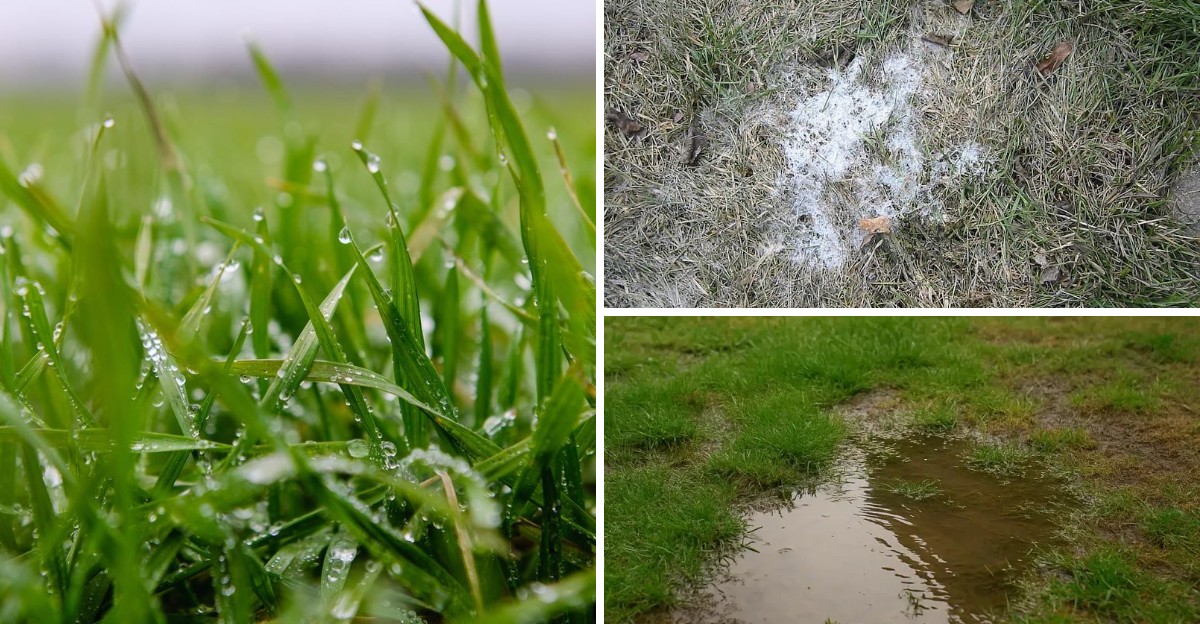
A single blade of grass can stay wet for half a day after a cool autumn storm. That soggy stretch is exactly what certain lawn fungi need to get a foothold before the ground freezes.
I learned this the hard way one spring. My yard came out from under the snow with matted, crusty circles that looked like someone had spilled paint across the grass. The trouble had quietly started months earlier, right after a rainy weekend in late fall.
Here in New York, November weather loves to pair heavy rain with chilly, gray days. You get puddles that linger, leaves that stick to the turf, and grass that barely dries before nightfall.
I believe most of us never connect those dreary weekends with spring lawn damage. So what exactly sneaks in while you are inside staying dry, and can you stop it before the first real snow?
Those Wet Grass Blades Stay Soaked Longer Than You Realize
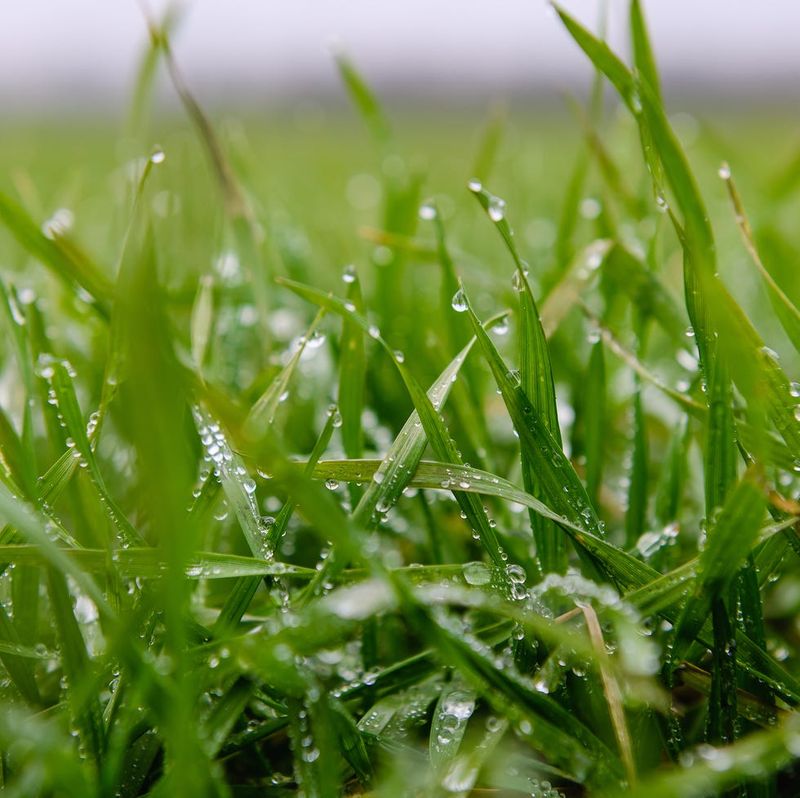
Rain itself is not the villain. The real problem is how long water sits on your grass afterward, and late fall makes that window much longer.
Lawn experts call this leaf wetness. Most turf fungi need several hours of continuous moisture on the blades to germinate and push into the plant.
In summer, sun and warm air dry a lawn quickly after a storm. In November, short days, low sun, and cool temperatures slow evaporation to a crawl.
A Saturday downpour followed by a cloudy Sunday can keep your grass wet for most of the weekend. Add overnight dew, and the blades may barely dry before the next round of moisture arrives.
For spores already sitting in your thatch and soil, that is a long, comfortable invitation.
I like to walk my lawn the morning after a storm. If the grass still feels soaked by noon, I know conditions are ripe for trouble.
You cannot control the weather, but you can notice which parts of the yard stay wet the longest. Shady corners, low spots, and areas near downspouts usually hold water well after the rest of the lawn has dried.
Those are the places where fungal problems tend to show up first next spring.
Knowing your soggy zones gives you a head start on everything else in this article.
Snow Mold Is the Fungus Waiting for Its Moment
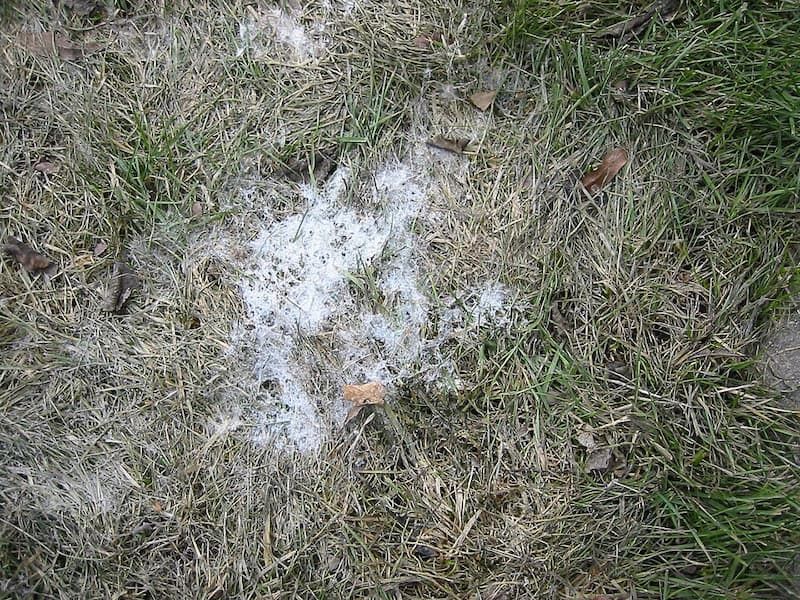
Ask any turf specialist in the Northeast what follows a wet, cold fall, and snow mold tops the list. It comes in two main forms, and both thrive in the conditions weekend storms create.
Gray snow mold, caused by Typhula fungi, generally needs long-lasting snow cover to do real harm. It shows up in spring as matted, grayish circles, often with a fuzzy white edge.
The upside is that grass crowns usually survive, and most lawns recover once growth resumes.
Pink snow mold, also called Microdochium patch, is the tougher customer. It does not require snow at all.
Cool, wet weather between roughly 32 and 60 degrees is enough to get it going, which makes rainy November weekends a prime launch window. Infected patches can look tan with a pinkish ring, and this disease can injure crowns more seriously.
Here is the sneaky part. You often will not notice either one until the snow melts in March or April.
The infection may have begun months earlier while you were raking leaves.
Personally, I find it oddly comforting to know the timeline. It means fall is the season when you have the most control.
The habits you build now, before the first lasting snow, make a real difference in what you see in spring.
Rake Those Soggy Leaves Before They Smother Your Turf
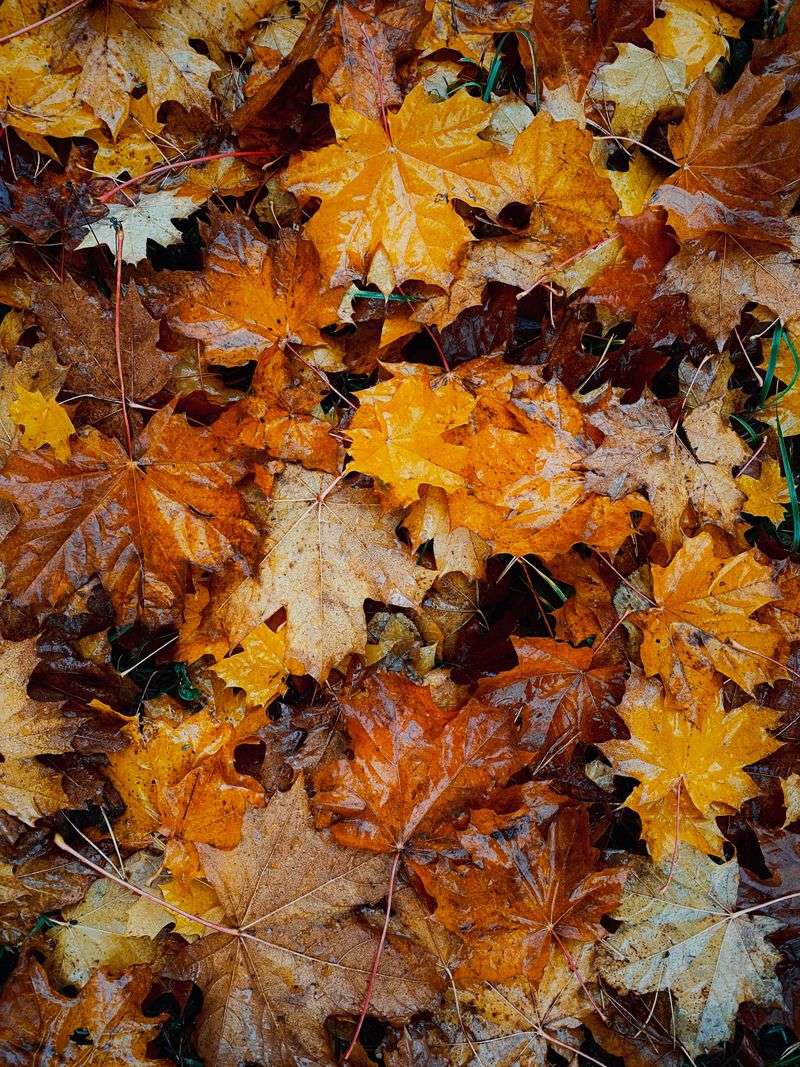
Few sights say autumn like a carpet of maple leaves. After a heavy rain, though, that pretty layer turns into a wet blanket pressed flat against your grass.
Soaked leaves block sunlight and airflow. The grass underneath stays damp for days, and fungi get a dark, humid hideout that rarely dries out.
Leave that mat in place when snow arrives, and you have built a cozy shelter for snow mold.
You need to clear leaves regularly through fall, not just once at the end. A light layer can be mulched with a mower and left to break down, which feeds the soil.
Thick, wet piles should be raked up or bagged.
A few tips make the job easier:
Wait until leaves are slightly drier if you can, since they weigh less and move more easily. Pay extra attention along fences, under shrubs, and in corners where wind piles them up.
Do a final cleanup right before the first lasting snow.
I usually spread the work across several weekends. It feels less like a chore and more like a chance to enjoy crisp air before winter shuts everything down.
Your lawn will thank you in April with fewer matted patches and greener growth.
Puddles on Compacted Soil Are a Warning Sign
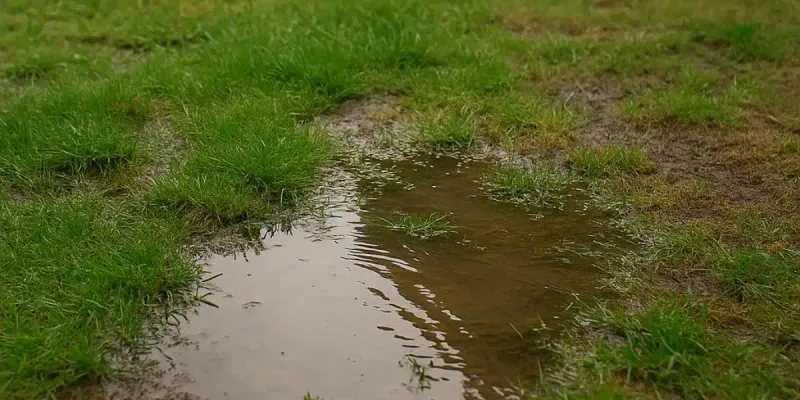
Ever notice the same puddle forming in the same spot after every storm? That stubborn little pond is trying to tell you something about the soil underneath.
Compacted soil has its particles squeezed tightly together, leaving little room for water and air to move down. Foot traffic, play areas, parked cars, and heavy equipment all press soil down over time.
Clay soils, common across much of New York, compact especially easily.
When rain cannot soak in, it sits on the surface or saturates the top few inches. Roots struggle without oxygen, the grass weakens, and fungi find a soggy home that stays wet long after the clouds clear.
Core aeration is the classic fix. A machine pulls small plugs of soil out of the lawn, opening channels for water, air, and nutrients.
Early fall, while grass is still actively growing, is a great time for cool-season lawns, so plan it for September or early October next year if you missed it.
For truly low spots, you may need to regrade or improve drainage. Redirecting downspouts away from the lawn can also help a surprising amount.
Fixing drainage is not glamorous. Still, it tackles one of the root causes of fungal trouble rather than just the symptoms.
That Spongy Thatch Layer Holds Water Like a Kitchen Sponge
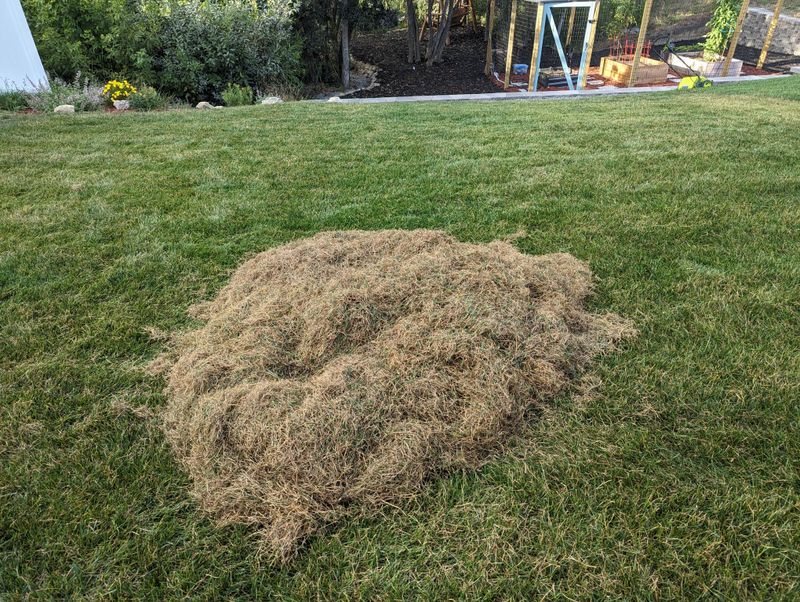
Push your fingers into the grass and feel around just above the soil. That springy, brownish mat of stems, roots, and debris is thatch.
A thin layer, about half an inch or less, is perfectly fine. It cushions the lawn and helps protect the crowns.
Once it gets thicker, though, it starts acting like a sponge that soaks up rain and holds it close to the grass.
Thick thatch also gives fungi a place to survive between seasons. Many turf diseases overwinter in plant debris, so a heavy thatch layer is like a storage locker for spores.
After a rainy weekend, those spores sit in damp, sheltered material right next to tender grass tissue.
To check your lawn, cut out a small wedge with a trowel and measure the brown layer. If it is more than about half an inch, plan to dethatch or aerate.
Aeration is gentler and also helps break down thatch over time by mixing in soil microbes.
Fall is a reasonable time for this work on cool-season grasses, ideally in early fall so the lawn can recover before cold weather.
I was surprised how much thatch my own lawn had built up. Once I managed it, the spongy feeling underfoot after storms faded noticeably.
Red Thread and Leaf Spot Love a Cold, Gray Weekend
Snow mold gets the headlines, but it is not the only fungus that enjoys chilly rain. Two others often pop up in New York lawns during cool, damp stretches.
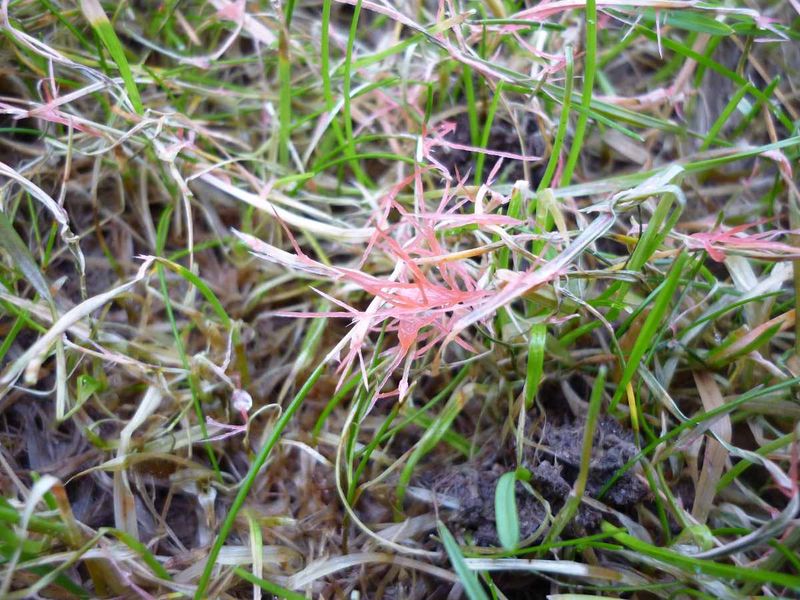
Red thread is easy to spot once you know the look. Infected patches appear tan or pinkish from a distance.
Up close, you will see tiny red or pink threadlike strands sticking out from the grass tips. It tends to hit lawns that are low on nitrogen, and fine fescues and perennial ryegrass are common targets.
Leaf spot, along with its cousin melting out, causes small purplish to brown spots on grass blades. Overcast, wet, cool weather helps it spread, and severe cases can thin out patches of turf.
Kentucky bluegrass is especially prone.
Neither disease usually wrecks a healthy lawn. Red thread mostly affects leaf blades rather than roots, so grass often grows out of it with a bit of fertilizer and drier weather.
Still, you will want to note where these problems appear. Spots with repeated infections may be telling you about low fertility, poor air movement, or the wrong grass variety for that area.
Keeping a simple photo log on your phone helps you track patterns from year to year.
Your Final Mow of the Season Matters More Than You Think
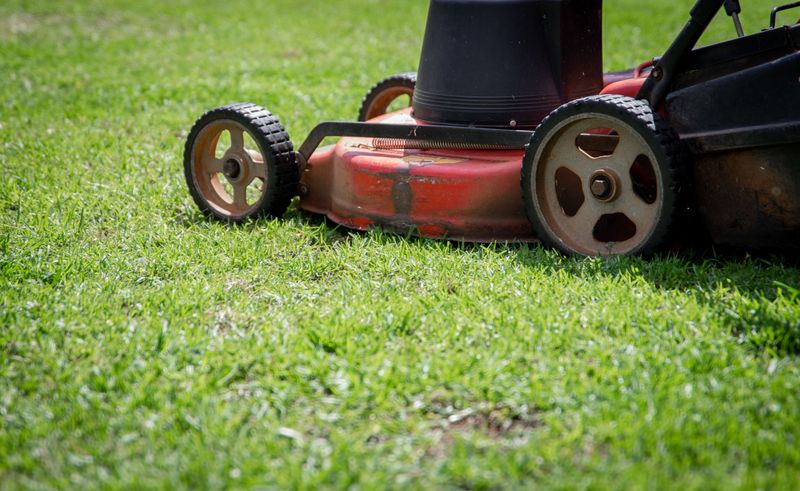
Long grass flopping over under snow is a snow mold paradise. The blades mat together, trap moisture, and create the damp pockets these fungi crave.
For your last few mows of the season, gradually lower the cutting height a little. Many extension specialists suggest finishing around 2 to 2.5 inches for common cool-season lawns.
Do not scalp it, though. Cutting too short stresses the grass right before winter and exposes the crowns.
Sharp mower blades help too. Dull blades shred the grass tips, leaving ragged wounds that heal slowly and offer easy entry points for disease.
A clean cut closes up faster. I sharpen mine once in spring and again by midseason, so the blade is in decent shape for fall.
Timing your mow matters after a storm. Mowing wet grass can spread fungal spores across the lawn on your wheels and clippings.
It also clumps clippings into wet mats and presses soil down.
You will get better results by waiting until the surface dries, even if it means pushing the job a day or two. Keep mowing as long as the grass is still growing, since growth often continues well into November in much of New York.
Smart Feeding and Morning Watering Set Your Grass Up for Spring
Prevention mostly comes down to steady, sensible care. Fungicides exist, yet for most home lawns they are a last resort rather than a first step.
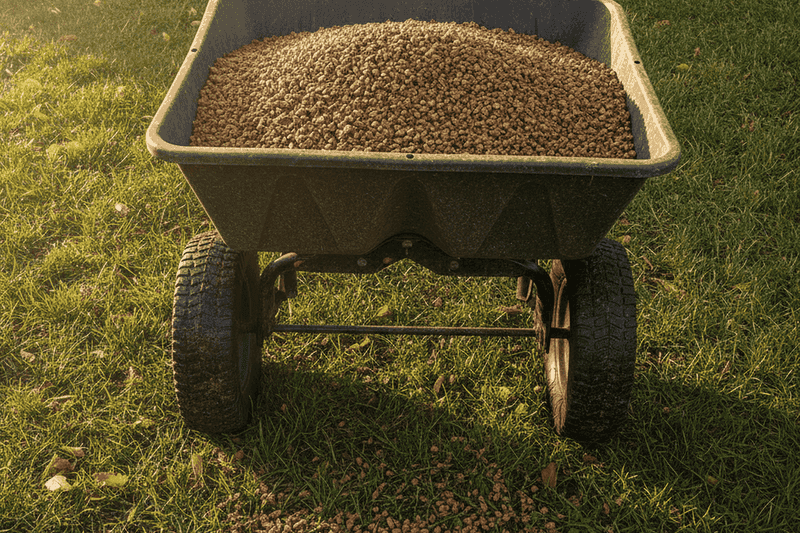
Fertilizer timing is a balancing act. Lawns need nitrogen in early fall to recover from summer and store energy.
Too much quick-release nitrogen very late in the season, however, produces soft growth that pink snow mold loves. Follow your local Cornell Cooperative Extension guidance and avoid heavy feeding once grass slows down.
If you still water in fall, do it early in the morning. Grass then has the whole day to dry.
Evening watering keeps blades wet overnight, which adds to the moisture already left by storms. Most of the time, autumn rain covers your lawn’s needs anyway.
Fungicides can make sense for lawns with a history of severe snow mold. Preventive products are applied in late fall before lasting snow.
They cost money and need careful label reading, so most homeowners skip them unless problems repeat.
In spring, gently rake matted spots to fluff the grass and help it dry. Gray snow mold often recovers on its own.
I find this approach freeing. A few small habits now mean less worry when the snow finally melts.