The Fall Lawn Disease North Carolina Zoysia and Centipede Owners Should Watch For
A lawn can catch a fungus in October and show no sign of it until April. That delay sounds like a bad magic trick, but plant scientists have tracked it for years.
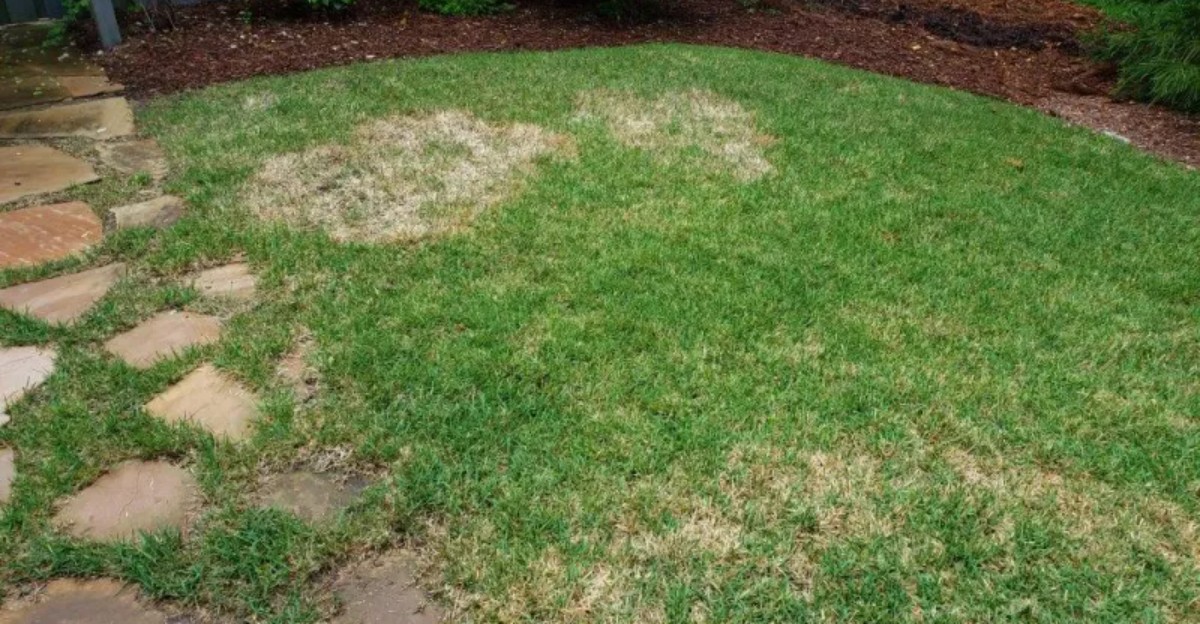
The culprit wakes up as soil cools after summer. It creeps along the base of grass blades while the lawn looks fine, quietly settling in for a long stay. Then spring green-up arrives, and odd brown circles appear like someone set hot pizza pans all over the yard.
I love fall in North Carolina, with cooler mornings and a lawn that finally stops begging for attention. Personally, I used to treat this season as a break from yard work. You need to know that warm-season grass is most open to this problem right now.
1. Those Brown Rings in Zoysia Lawns Start Long Before Spring
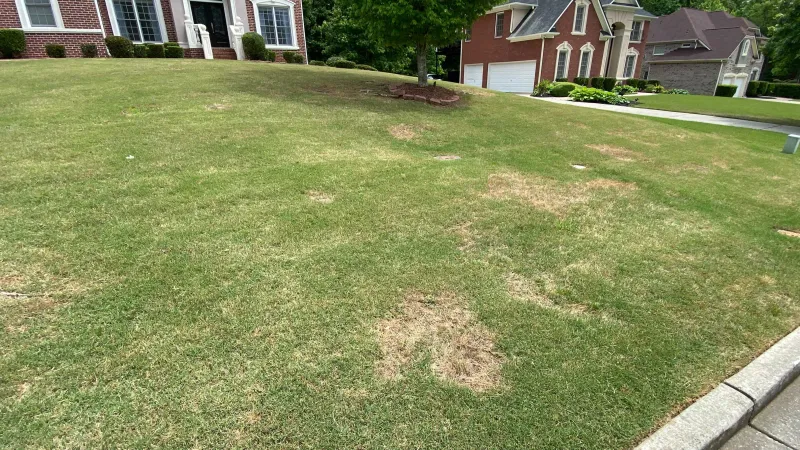
Plenty of homeowners blame winter for the brown circles they spot in spring. The real story starts months earlier, in the cool, damp days of fall.
The disease is called large patch, caused by a fungus named Rhizoctonia solani. NC State Extension notes it hits warm-season grasses like zoysia and centipede hardest. It becomes active when soil temperatures slide below about 70 degrees.
In much of the state, that window usually opens in late September or October. The Coastal Plain often warms longer, while the mountains cool sooner, so timing shifts a bit depending on where you live.
Once the fungus gets going, it attacks the leaf sheaths near the soil line. Cooler weather then slows things down, and many lawns go dormant before the damage is obvious.
That is why so many folks feel ambushed when the grass wakes up. The patches were forming the whole time, hidden under a lawn that was already fading to tan for winter.
Knowing this timeline is your biggest advantage. Fall is the season to watch, adjust your care, and plan prevention, not spring when the circles are already staring back at you.
2. Orange Edges on Centipede Grass Are a Big Clue
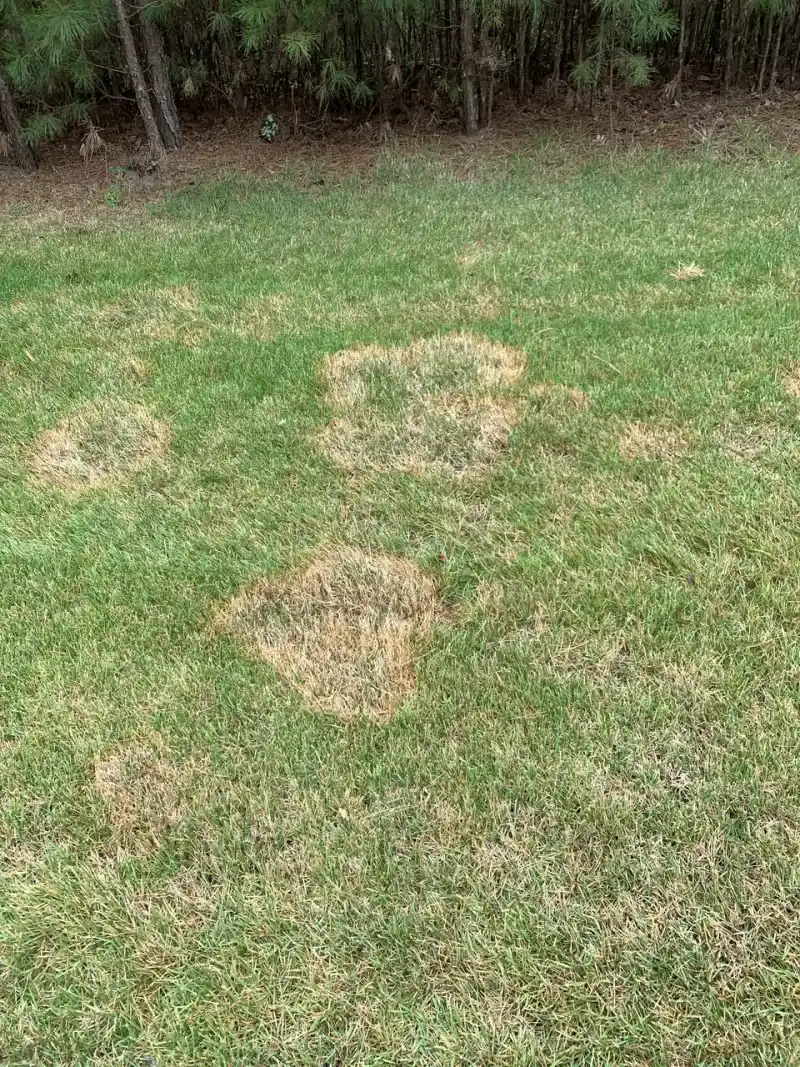
On a muggy morning, walk your yard with a cup of coffee and look closely. If a circle of thin, tan grass has an orange or bronze ring around its edge, you may be looking at large patch in action.
That colorful border marks where the fungus is actively spreading. The patches themselves can be a few inches wide or stretch several feet across, sometimes merging into big, odd shapes.
Try a simple tug test on grass at the edge. Infected leaves often slip right out of their sheaths with little effort. You may also see dark, water-soaked or reddish-brown spots on the lower sheaths.
Inside the patch, grass can look sunken or thin. Over time, weeds may move into those weak spots, making the problem look worse than it started.
Roots usually stay unharmed, which matters a lot for recovery. Still, damaged sheaths cut off healthy leaf growth, so the lawn struggles to fill back in.
Brown patch, a cousin disease, mainly targets cool-season grasses like tall fescue in summer. If your grass is zoysia or centipede and the trouble shows up in fall or spring, large patch is the more likely suspect.
3. Soggy Soil and Late Watering Feed the Fungus
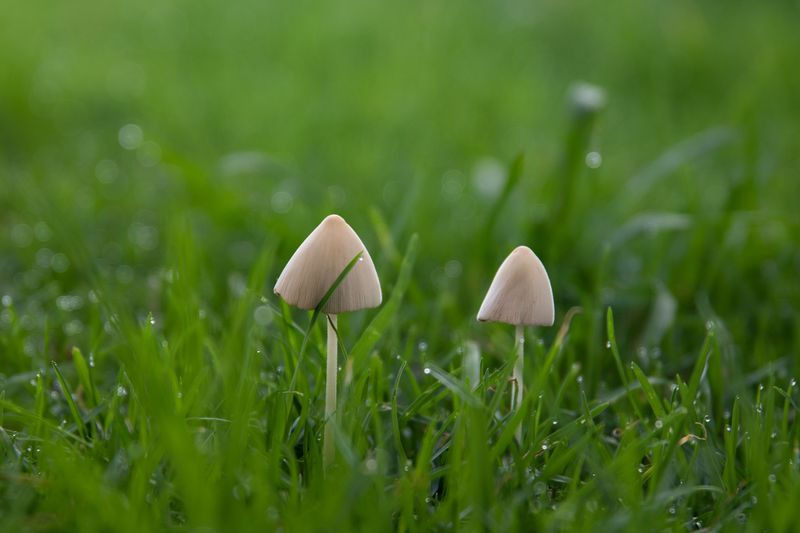
Wet grass at night is like an open invitation for this fungus. Large patch loves long stretches of leaf moisture, especially when nights stay mild and fall rains linger.
Your sprinkler schedule plays a bigger role than most people realize. Evening watering keeps blades damp for hours, which gives the fungus plenty of time to work.
Switch watering to early morning, ideally before sunrise or soon after. The grass then dries during the day, cutting down those risky wet hours.
Water deeply but less often, aiming for roughly an inch per week including rain. Once fall rains pick up, you may barely need to water at all. Many lawns get overwatered in autumn simply because timers never get adjusted.
Poor drainage is another troublemaker. Low spots where water pools after storms often show the first and worst patches. Check downspouts and grading so runoff does not drain straight into the lawn.
Shade and limited airflow slow drying too. Trimming low tree limbs or thinning crowded shrubs lets breezes and sunlight reach the turf.
None of this costs much money. A few small tweaks can make your yard far less welcoming to large patch this season.
4. Easy on the Fall Fertilizer for Warm-Season Grass
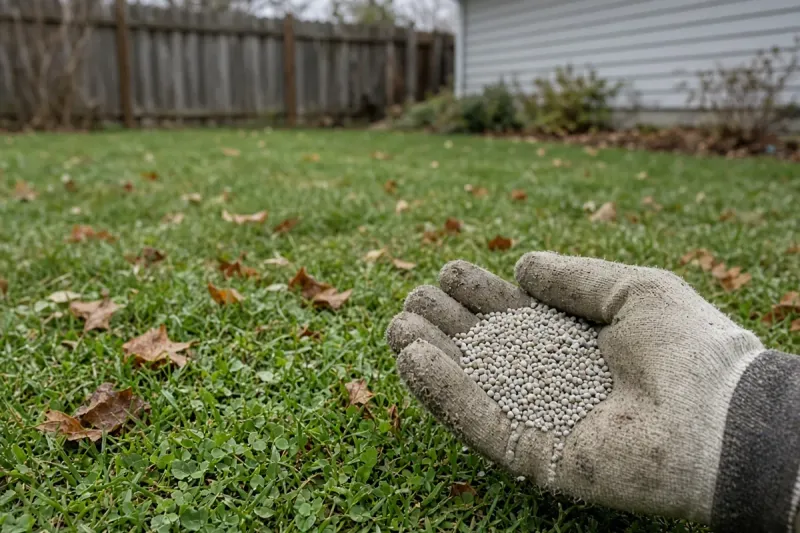
Feeding the lawn in fall feels generous, right? For zoysia and centipede, though, that extra nitrogen can backfire in a big way.
Heavy nitrogen in late season pushes soft, lush growth. That tender tissue is exactly what the large patch fungus likes to invade. NC State turf specialists advise against fertilizing warm-season grasses with nitrogen in fall.
Centipede deserves special care here. It is often called the lazy man’s grass because it needs very little fertilizer overall. Too much feeding can make it weaker over time, not stronger.
For zoysia, most nitrogen should go down during the active growing months, roughly late spring through summer. Stop well before fall cooling begins.
Potassium is a different story. A soil test through the North Carolina Department of Agriculture can tell you if your lawn needs it, and adequate potassium supports overall turf health.
Soil tests are easy and often free for much of the year, with a small fee during the busy season. The report also checks pH, which matters because centipede prefers fairly acidic soil.
Following those test results beats guessing every time. Your lawn gets what it needs, and the fungus gets less of a buffet.
5. Thick Thatch and Packed Soil Give Large Patch a Hiding Spot
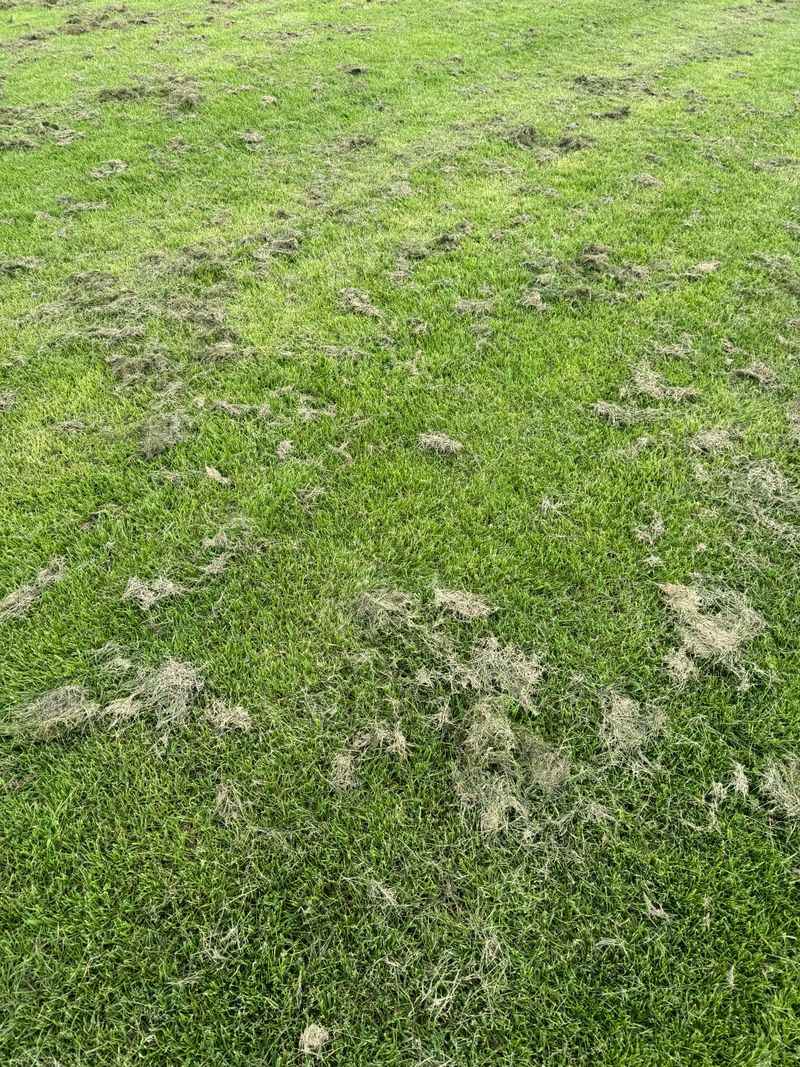
Kneel down and pull back the grass blades in a few spots. That spongy brown layer between the green leaves and the soil is thatch, and it can quietly hold moisture like a kitchen sponge.
Zoysia is famous for building thatch because of its dense, tough stems. When that layer passes about half an inch, it can trap water and shelter fungus right where large patch attacks.
Timing matters for fixing it. Dethatching and core aeration work best while warm-season grass is actively growing, usually late spring to early summer. Doing it in fall stresses the turf just as it heads into dormancy.
Core aeration pulls small plugs of soil from the ground. This loosens compaction, helps water soak in, and reduces surface wetness. Leave the plugs on the lawn, and they will break down on their own.
Mowing habits help too. Keep blades sharp and stick to recommended heights, around 1 to 2 inches for centipede and zoysia depending on variety.
Bagging clippings from infected areas may reduce spread. Cleaning the mower deck after cutting a patchy spot is another simple habit worth adopting. Put summer aeration on your calendar now. Next fall, your lawn will thank you.
6. Fungicide Timing Matters More Than the Product on Your Lawn
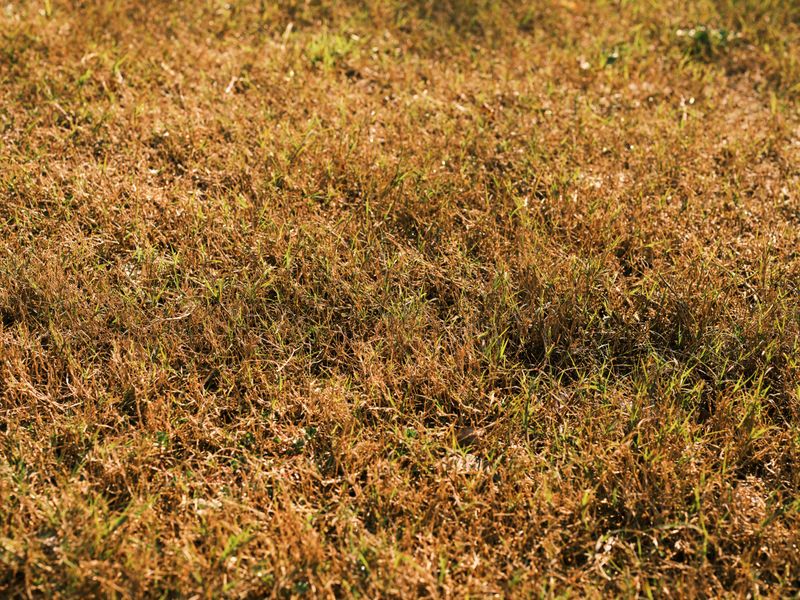
Here is a twist that surprises many gardeners. Spraying fungicide once spring patches appear often does little, because the main infection happened months earlier.
For lawns with a history of large patch, preventive fall treatment works best. Extension guidance suggests applying when soil temperatures at about 2 inches deep drop below 80 degrees for centipede or below 70 degrees for zoysia.
A cheap soil thermometer makes this easy to track. You can also check soil temperature data from the State Climate Office of North Carolina, which reports readings from stations across the state.
Many lawns benefit from one or two fall applications spaced about a month apart, based on label directions. A spring application at green-up may help where the disease was severe.
Common active ingredients for homeowners include azoxystrobin, propiconazole, and others listed in university turf guides. Rotating products with different modes of action can help slow resistance.
Read the label carefully every time. It is the law, and it also tells you the correct rate, spacing, and safety steps.
If your lawn never had large patch, solid cultural care may be enough. Save fungicides for yards with a clear track record of trouble.
7. Patchy Centipede and Zoysia Can Fill Back In With Patience
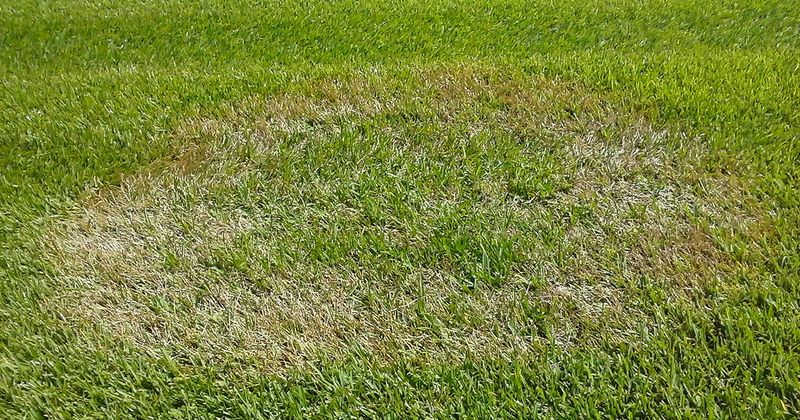
Spring arrives, and those brown circles are still there. Take a breath, because your grass is often tougher than it looks.
Large patch mostly harms leaf sheaths rather than roots, so many plants survive the attack. The catch is that zoysia and centipede spread slowly by stolons, so filling in bare spots takes time.
Once warm weather settles in and the grass greens up fully, recovery speeds along. Light feeding at the right time for your grass type, based on soil test results, can help runners move into thin areas.
Severe damage may need repair. Plugs or sod pieces work well for zoysia, while centipede can be patched with sod, plugs, or seed during late spring and early summer.
Keep weeds in check while patches heal. Bare soil is prime real estate for crabgrass and other opportunists.
Jot down where patches appeared this year. Large patch tends to return to the same spots, so that map tells you where drainage, shade, or thatch needs attention.
Fall is your season to stay alert. A little watching now and some smart habits can turn next spring into a smooth green welcome instead of a polka-dot puzzle.