Why Winter Mulch Should Wait Until After the First Hard Freeze in North Carolina
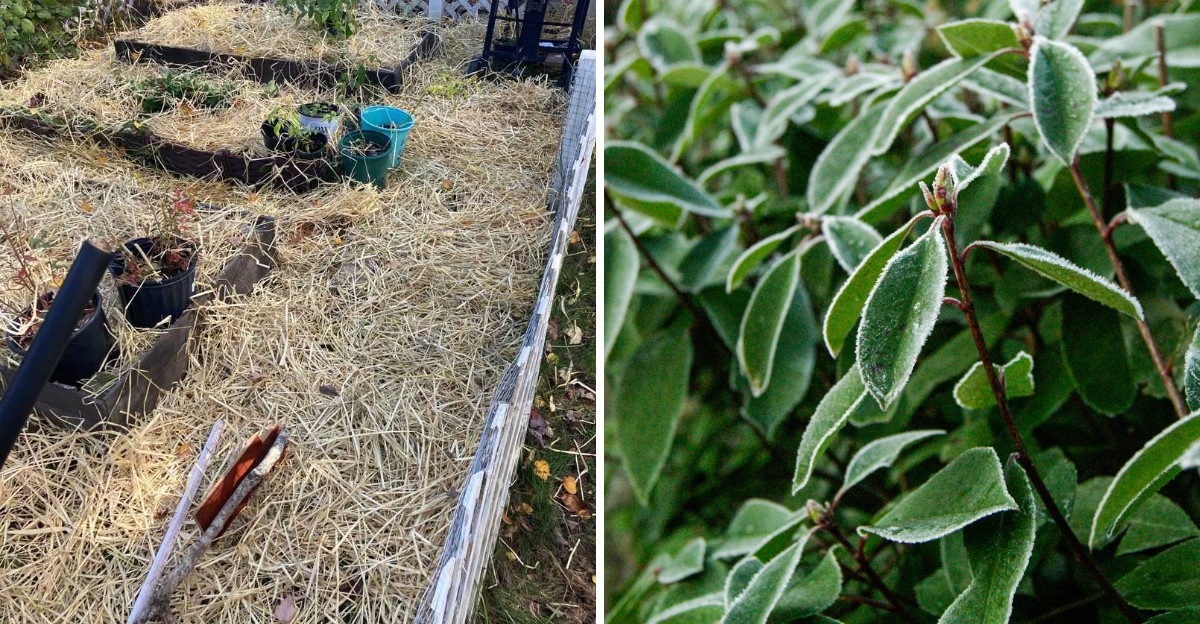
Mice love a fluffy blanket of straw in November almost as much as you love a warm quilt. Spread it too soon, and you may be building them a cozy winter apartment right beside your favorite perennials.
One thing I love about gardening is how often patience beats effort. Plants read soil temperature like a calendar, and warm soil tells them winter is still a long way off.
Here in North Carolina, fall weather loves to tease us. A frosty morning can flip into a 70-degree afternoon, and the soil does a little freeze-and-thaw dance all season long.
I can’t help but think that most of us mulch early because it feels productive. The real question is whether your plants are ready for that blanket yet, and the answer comes down to one cold night.
1. That Cozy Straw Blanket Works Best on Cold Soil
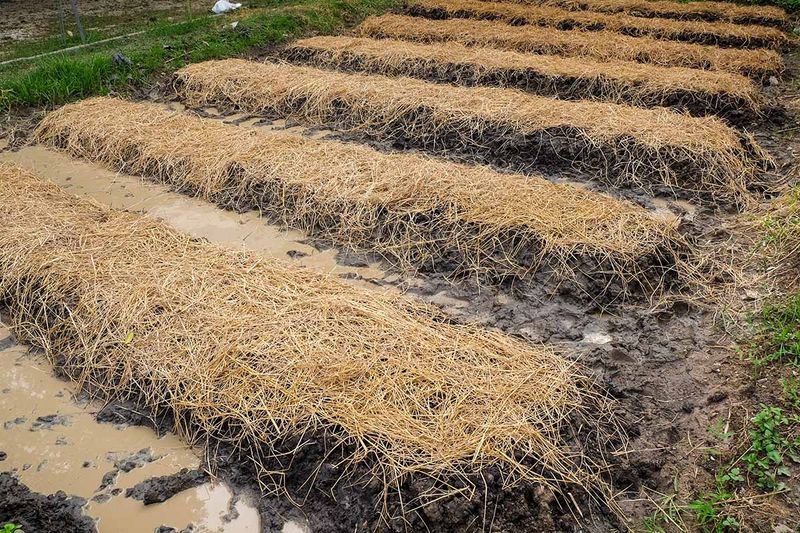
Winter mulch has a surprising job description. Its main role is to keep cold soil cold, not to keep it warm.
That sounds backward, so let me explain. Summer mulch holds moisture and blocks weeds. Winter mulch acts more like a cooler lid, holding the ground at a steady, chilly temperature once it has finally cooled down.
A hard freeze usually means air temperatures dropping to about 28 degrees or lower for several hours. Many tender plants get nipped by a light frost, but a hard freeze is the signal that the season has truly turned.
Once that happens, the top layer of soil starts losing its stored summer heat. Your perennials, shrubs, and bulbs notice that shift and settle deeper into rest.
If you spread a thick layer before that point, you trap leftover warmth underneath. The soil stays mild, and your plants get mixed signals about what season it is.
So the timing rule is simple. Wait for that first hard freeze, let the soil chill for a few days, and then tuck everything in.
Think of it as closing the cooler after the ice is already inside. That small delay makes the whole winter blanket work the way it should.
2. Warm Soil Keeps Perennial Roots From Hardening Off
Plants build their own winter armor every fall. Gardeners call it cold hardening, and it happens slowly as days shorten and temperatures drop.
During this process, plant cells shift water around and build up sugars and other compounds. Those changes work a bit like antifreeze, helping tissues handle much colder weather later on.
Here’s the catch. Hardening depends on plants actually feeling the cold. Roots and crowns sitting under a thick, early mulch layer stay snug and comfortable, so they may not toughen up as well.
I know how frustrating it can be to lose a favorite hosta or coneflower after a winter that didn’t seem so bad. Sometimes the cause traces back to soft tissue that never got the full cold signal.
Fall-planted perennials and shrubs are especially sensitive here. They’re still settling in and need every chance to adjust naturally.
Letting the soil cool on its own gives roots time to do their homework. A few frosty nights before mulching aren’t harmful to established plants.
Those cold nights are part of the training. Once that training is done, mulch helps protect all the hard work your plants have already put into getting ready.
3. Frost Heave Can Push Shallow Roots Right Out of the Ground
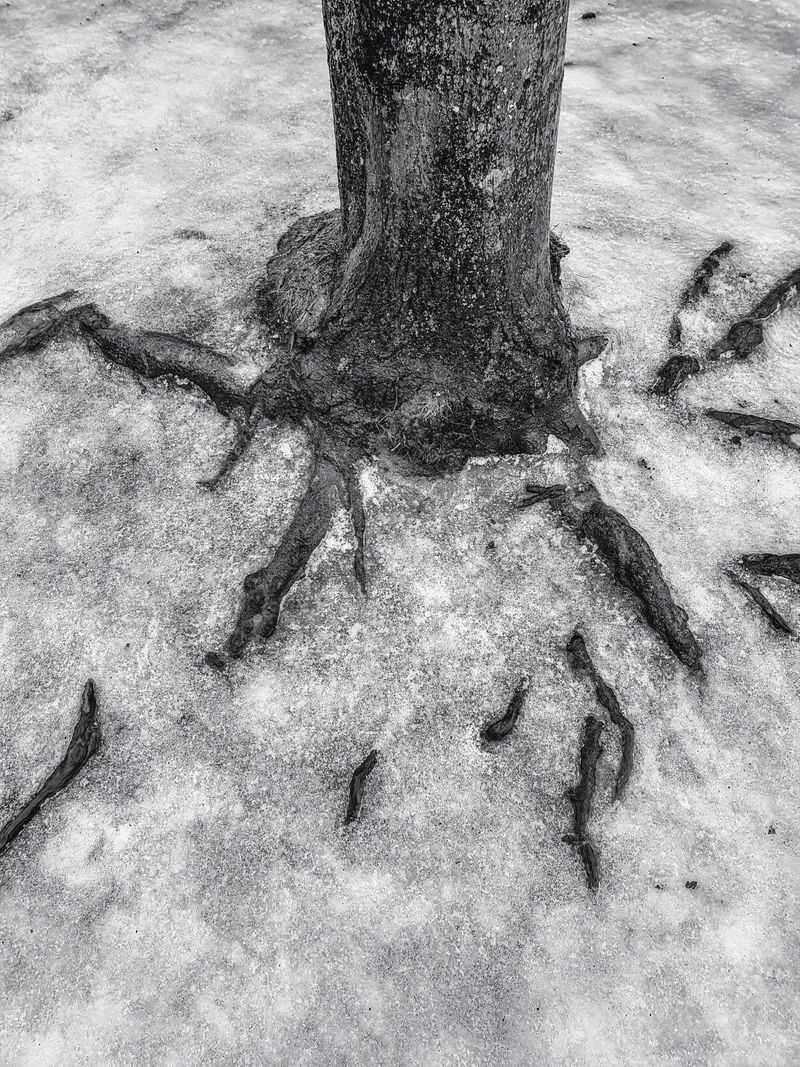
Ever walk out on a February morning and find a young plant sitting on top of the soil? That odd sight has a name, and it’s called frost heaving.
When wet soil freezes, ice forms and expands. When it thaws, the soil slumps back down. Repeat that cycle enough times, and shallow-rooted plants can get lifted right out of their spots.
Piedmont clay is especially prone to this because it holds so much water. Heuchera, newly planted perennials, and strawberries are classic victims.
Exposed roots then dry out in cold winter wind. Even a tough plant can struggle after spending a few weeks with its feet in the air.
Properly timed mulch is the fix. Once the ground has chilled after a hard freeze, a layer of shredded leaves or straw slows down those wild swings between freezing and thawing.
The soil stays steadier, so there’s far less pushing and pulling on roots. Your plants stay anchored where you put them.
If you do spot a heaved plant, gently press it back into the soil on a mild day. Then add a little mulch around it to help it stay put.
4. Voles and Mice Love an Early Mulch Hideout
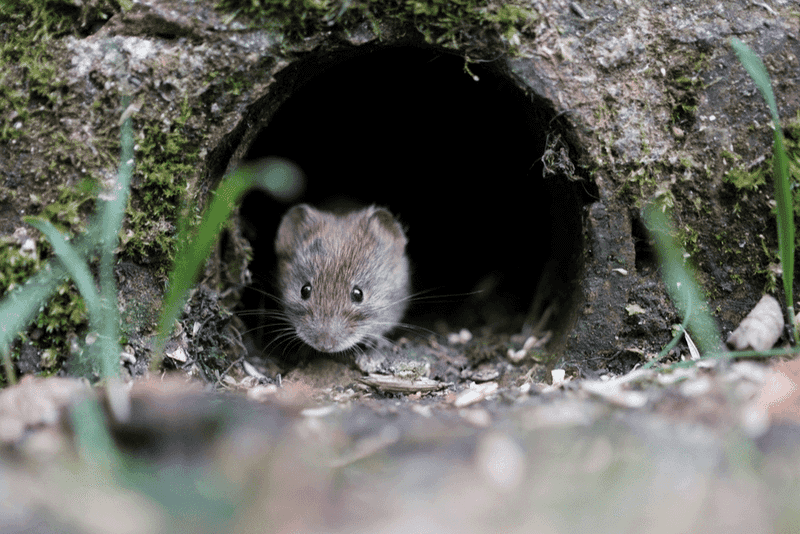
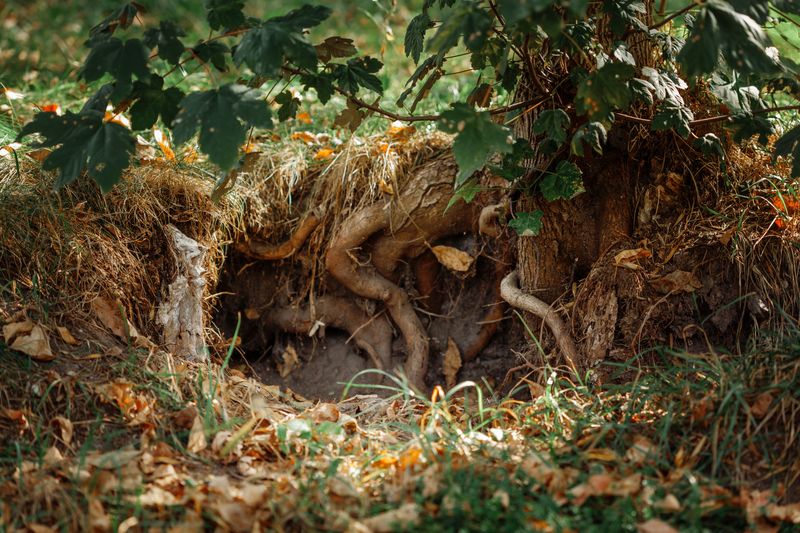
Voles are tiny, brown, and surprisingly hungry. These small rodents tunnel under mulch and snack on roots, bulbs, and the bark of young trees and shrubs.
In fall, they’re actively scouting for winter housing. A thick pile of straw or leaves spread in October looks like a five-star hotel with a buffet in the basement.
Once they move in, it’s hard to evict them. Gardeners often don’t notice the damage until spring, when a shrub fails to leaf out or a bulb bed comes up patchy.
Waiting until after a hard freeze helps a lot. By then, many rodents have already settled into other shelters like field edges, woodpiles, or brush.
Mulch depth matters too. A layer of 2 to 4 inches is plenty, and deeper piles give rodents more room to roam unseen.
Keep mulch pulled back a few inches from tree trunks and shrub stems. That bare gap makes critters feel exposed, so they’re less likely to chew there.
For extra protection, wrap young fruit tree trunks with hardware cloth guards. It’s a cheap step that saves a lot of heartache.
5. Soggy Mulch Against Stems Invites Crown Rot
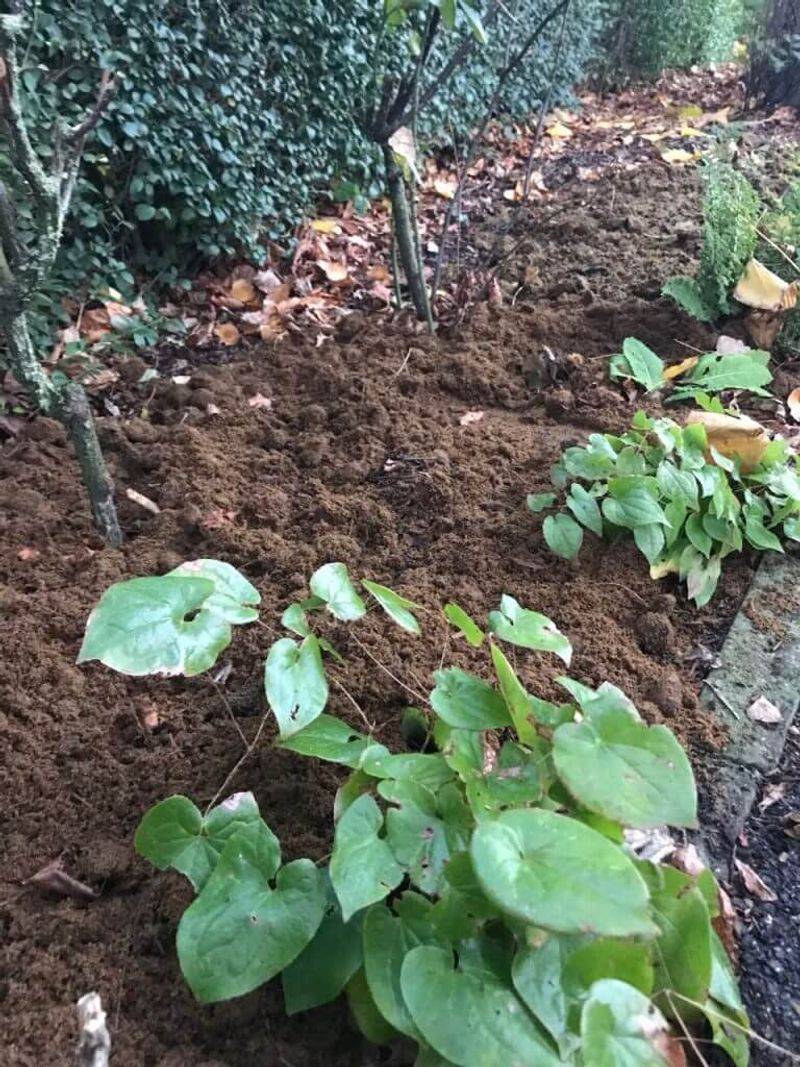
Moisture and warmth make a perfect party for fungi. Unfortunately, the guest list sometimes includes rot that targets plant crowns and stems.
North Carolina falls can be wet and mild, especially in the Coastal Plain and Piedmont. Mulch laid down early in that weather holds dampness right against the base of plants.
Crown rot often hits perennials like lavender, garden phlox, and many succulents that prefer sharp drainage. Stems turn mushy, and the plant slowly fades.
Waiting for colder weather lowers the risk. Fungal activity slows down a lot once soil temperatures drop, so damp conditions cause fewer problems.
Placement counts as much as timing. Leave a small ring of open space around each plant crown so air can move and water can drain.
Some gardeners call this the doughnut rule. Mulch sits around the plant like a ring, never piled up like a volcano.
Choose airy materials such as pine straw, shredded leaves, or clean wheat straw. Whole, flat leaves can mat down into a slick, airless layer.
Shred leaves with a mower before using them. They’ll stay fluffy and let your plants breathe all winter.
6. Mountain, Piedmont, and Coast Gardens Freeze on Different Schedules
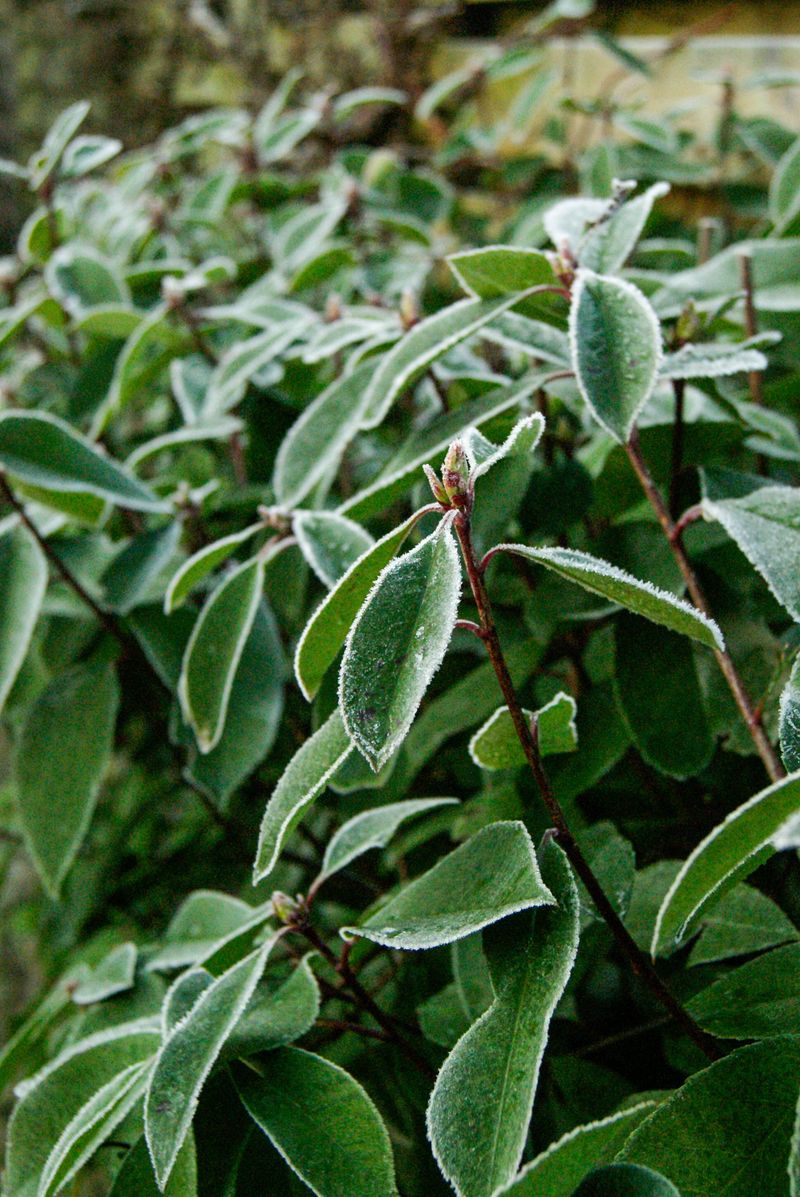
Your neighbor three hours away might be mulching weeks before you. This state stretches from cold mountain valleys to warm barrier islands, and freeze dates follow suit.
In the mountains, around USDA zones 6 and 7, the first frost often shows up in October. A true hard freeze can follow by late October or early November.
The Piedmont, mostly zones 7 and 8, usually sees its first frost in late October or early November. Hard freezes typically settle in later in November.
Coastal areas in zone 8 can wait until late November or even December. Some years, the coast barely gets a hard freeze before Christmas.
These are averages, not promises. NC State Extension and the State Climate Office of North Carolina both offer local frost data that can help you plan.
Watch your own yard too. Low spots and valleys collect cold air and freeze sooner, while beds near brick walls or pavement stay warmer.
Jot the date of your first hard freeze in a notebook each year. After a few seasons, you’ll have a personal schedule that beats any general chart.
7. Shredded Leaves and Pine Straw Make Smart Winter Covers
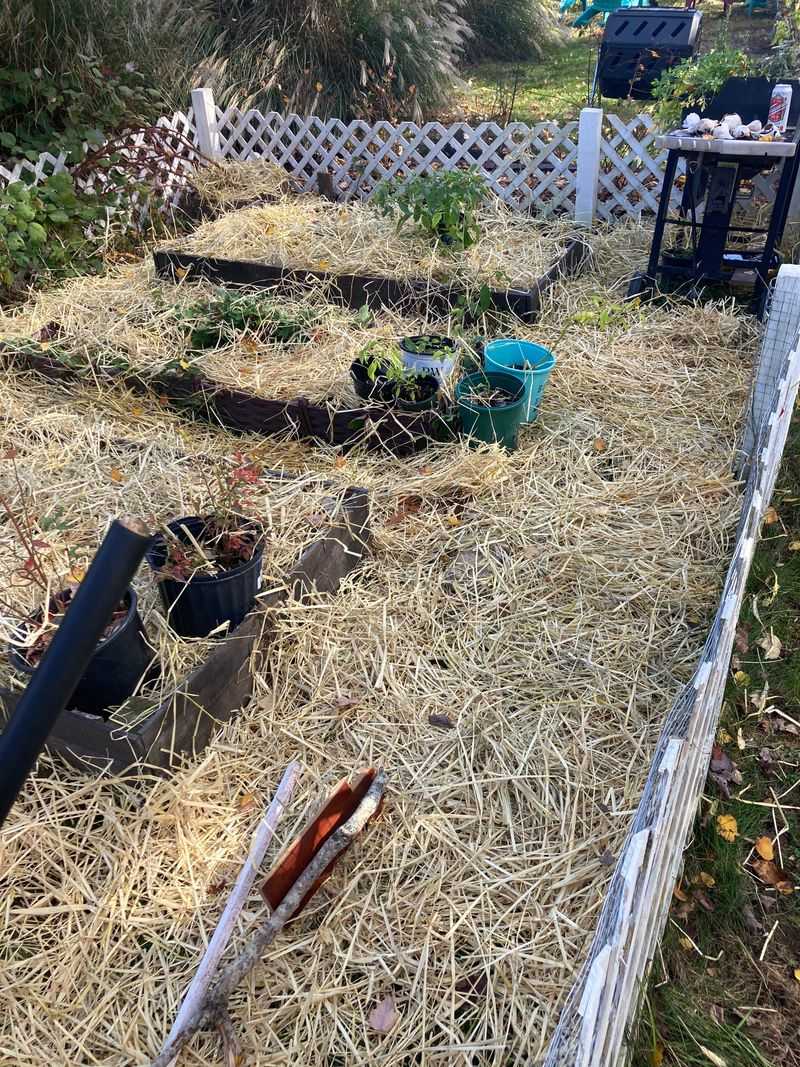
Some of the best winter mulch is already lying in your yard. Fallen leaves and pine needles cost nothing and do a terrific job.
Pine straw is a Southern favorite for good reason. It stays loose, lets water through, and doesn’t pack down like heavier materials.
Shredded leaves are another winner. Run them over with a mower first, then spread them 2 to 4 inches deep after your hard freeze.
Clean wheat straw works well over strawberries and tender perennials. Just be sure it’s straw, not hay, since hay often carries weed seeds.
Evergreen boughs are a fun option too. Many gardeners use clippings from holiday trees or wreaths to cover perennial beds once the ground is cold.
Skip thick layers of fine mulch or fresh grass clippings in winter. They can mat into a soggy crust that blocks air.
Fun fact: pine straw harvesting is a real industry in the Sandhills and Coastal Plain. Longleaf pine needles are prized for their length and staying power.
Whatever you choose, aim for something fluffy. Trapped air pockets are what make winter mulch such a good insulator.
8. Pull Back That Winter Mulch When Spring Shoots Appear
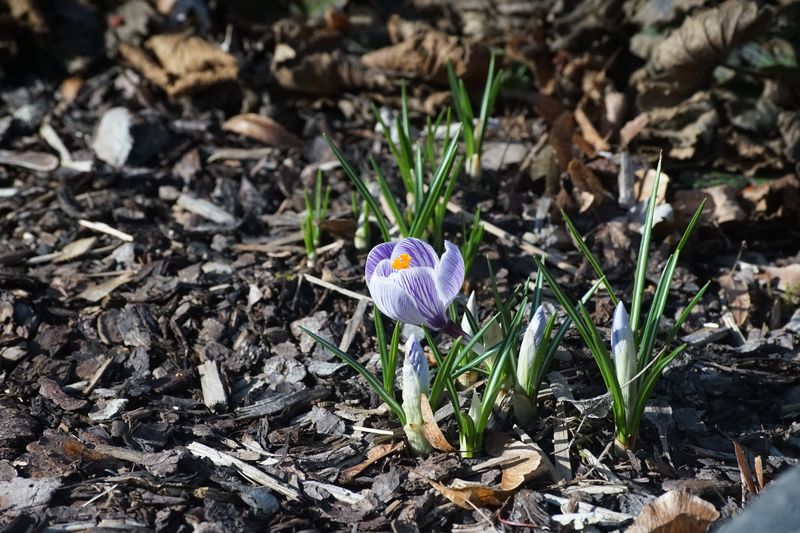
Mulching in late fall is only half the plan. The other half happens when the first green tips start poking up in late winter or early spring.
As temperatures warm, gently rake some mulch away from plant crowns. This lets sunlight reach the soil and helps new growth emerge without fighting through a heavy layer.
Don’t rush to strip it all off at once, though. Late frosts are common across North Carolina into April, and a light cover can be pulled back over tender shoots on a chilly night.
A gradual approach works best. Loosen the mulch first, then move more of it aside over a couple of weeks.
Old leaf and straw mulch doesn’t go to waste. Work it into the compost pile or leave a thinner layer between plants to feed the soil as it breaks down.
So here’s my takeaway for this season. Let your garden feel a real freeze, mulch with something fluffy, and keep it off the stems.
Then check back in spring. With good timing on both ends, your plants should wake up rested, rooted, and ready to grow.