Why Yellowjacket Stings Are More Common In Mississippi This Time Of Year
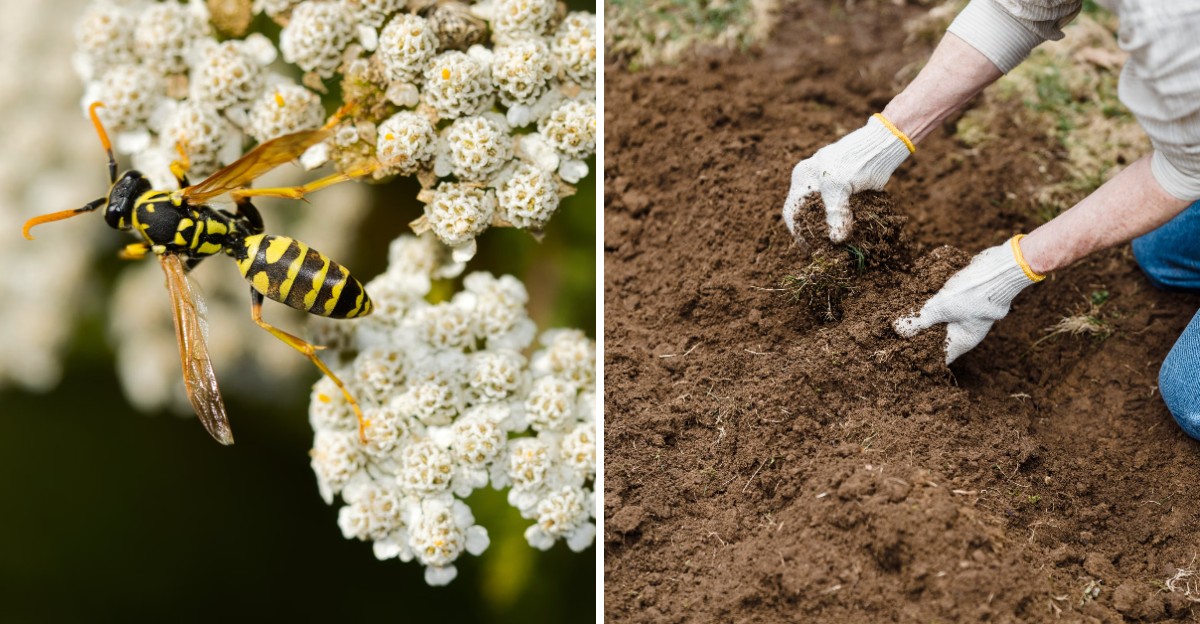
You reach for sweet tea at the cookout, and something sharp catches your arm instead. Mississippi turns your backyard hostile once late summer settles in. Yellow jackets can sense your leftover food from many yards away right now.
Hunger pushes these insects straight toward you and your plate. Sweet drinks and grilled meat pull them closer to your open hand. Porches, coolers, ice chests, and trash cans near you become their favorite targets.
Quick tempers and fast approaches now put your bare skin in play. Persistent heat keeps hungry Mississippi insects circling around you longer. Understanding their habits and hunger gives you a real advantage outdoors.
Timing your movements matters far more than swatting ever will. Knowledge changes how you sit, eat, and relax outside right now.
Your next backyard gathering depends entirely on what you learn here. Skipping what comes next could leave you nursing a surprisingly sore arm.
1. Colonies Hit Their Peak Population In Late Summer
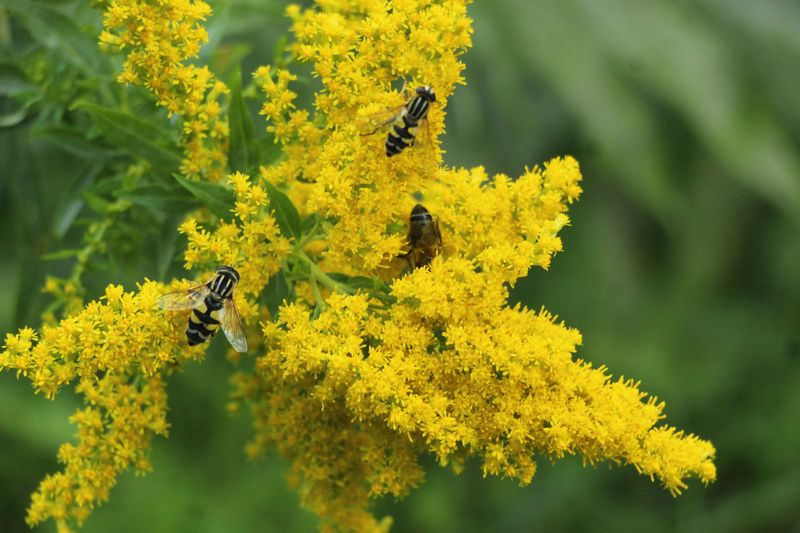
Back in April, a single queen started the whole operation by herself. She built a few paper cells, raised a handful of workers, and handed off the chores.
Fast forward five months and that tiny start-up has become a crowded neighborhood. A mature Mississippi colony can hold anywhere from a few hundred to a couple thousand workers by September, depending on conditions.
More insects simply means more chances for a run-in. Picture 20 foragers circling your yard instead of two: your odds of bumping into one go way up.
Workers also become more protective as the nest reaches full size. They have months of investment to guard, including larvae and a queen, so their patience for footsteps and lawn mowers wears thin.
Warm, humid conditions across the state help colonies grow larger than they might in cooler regions. A long growing season stretches their calendar, letting them add workers well into fall.
Practical tip: walk your yard slowly before doing any mowing or trimming this month. Look for steady insect traffic going in and out of a single spot in the ground, a wall void, or a shrub.
If you spot that traffic, flag the area with a stake or a bucket so nobody stumbles into it. Handle treatment after sundown when workers are inside and less active, or call a licensed pest professional.
Fun fact: only the fertilized queens survive the winter, meaning that whole crowded city started with one determined insect in spring.
2. Their Menu Switches From Protein To Sugar
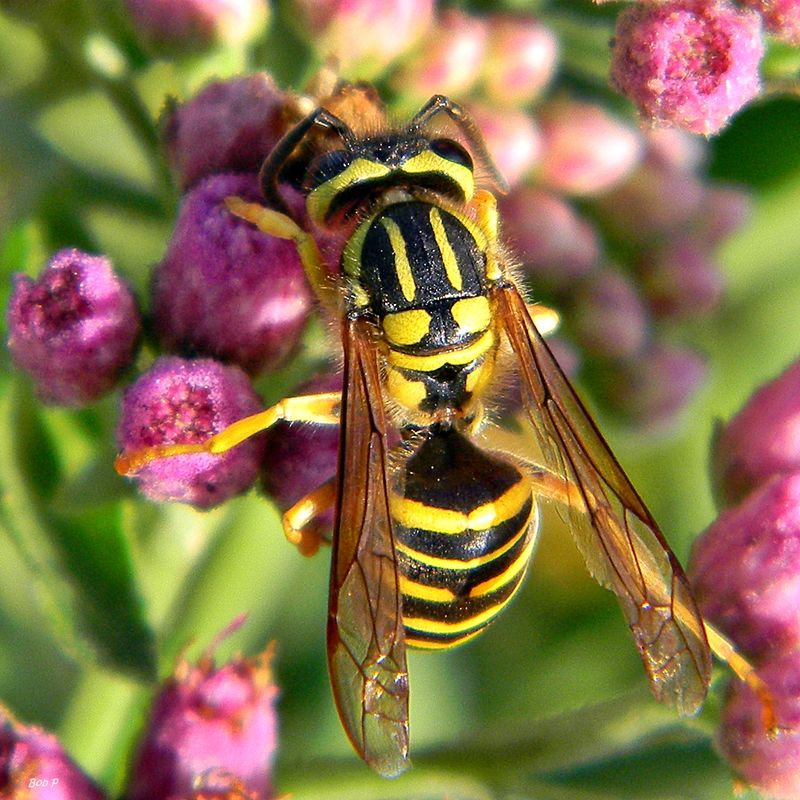
Earlier in the season, yellowjackets are basically the pest-control crew of your garden. They hunt caterpillars, flies, and spiders to feed protein-hungry larvae back at the nest.
September flips that script. The queen slows down her egg laying, so there are fewer larvae to feed and fewer hunting jobs to do.
Adult workers still need fuel, and their fuel of choice is sugar. Suddenly your peach cobbler, sweet tea, and open soda can look like a jackpot.
That shift explains why the insects seem so much pushier at outdoor meals now than they did in June. They are not targeting you, they are competing for dessert.
Your Mississippi Garden Changes Every Week. Your Plan Should Too.
Gardening in Mississippi changes quickly throughout the season. Every Friday you’ll receive a simple weekly plan showing exactly what to plant, prune, fertilize, harvest, and protect so you never miss the right timing.
Things get messier when a worker lands on the rim of a can you cannot see into. A sip becomes a sting on the lip or tongue, which is the kind of injury that needs medical attention right away.
Smart habits help a lot. Use cups with lids and straws outdoors, keep serving bowls covered, and wipe sticky spills off tables and chairs quickly.
Set the trash can and drink station a good distance from where people sit. Insects will crowd the sweeter spot and leave your group alone.
Rinse recycling before tossing it, since a sugary can in the bin draws a crowd by afternoon. A tight-fitting lid on outdoor garbage makes a noticeable difference during Mississippi tailgate season.
3. Natural Food Sources Start Running Short

Picture a busy restaurant where the kitchen suddenly cuts the menu in half. Guests get restless, and a few start eyeing other people’s plates.
That is roughly what happens outside in September. Flower nectar thins out, soft-bodied prey insects become scarcer, and the easy meals of midsummer disappear.
Fallen fruit becomes a hot commodity. Muscadines, figs, pears, and persimmons dropping in Mississippi yards turn into crowded feeding stations almost overnight.
Hungry foragers range farther from the nest when local supplies dry up. That means a colony tucked in a fencerow two lots over can still send visitors to your patio.
Competition also makes individual workers scrappier. When food is limited, they defend a good source, including the plum you just picked up off the grass.
Pick up windfall fruit every day or two if you have producing trees. A five-gallon bucket run each evening cuts the buffet down quickly.
Wear closed-toe shoes while walking under fruit trees, since bare feet and ground-level feeders are a rough mix. Gloves are worth it during harvest too.
Keep pet food bowls indoors and rinse the grill after cooking. Grease and kibble both qualify as a solid meal when the natural pantry looks bare.
Watching where they gather tells you plenty. If a corner of the yard hums with activity, that spot has something sweet worth cleaning up.
4. Football Tailgates And Fall Festivals Put People Outside
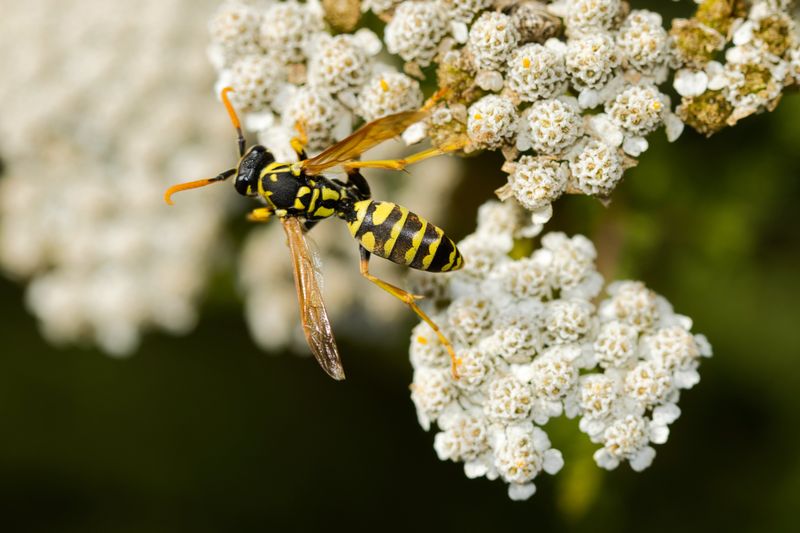
Ask anyone in Oxford, Starkville, or Hattiesburg what September means and you will hear the same answer. Tailgates, festivals, and long afternoons outdoors with food spread across folding tables.
Human behavior matters as much as insect behavior here. Sting counts climb partly because there are simply more people eating barbecue in open air.
Tailgate setups check every box a foraging worker cares about. Sweet drinks, sticky sauces, fruit trays, and overflowing trash bins sit within a few steps of each other.
Crowds add another problem. A wasp gets trapped under a shirt sleeve or against a leg, panics, and stings out of self-defense rather than aggression.
Little adjustments pay off in comfort. Keep food covered until serving time, use lidded coolers, and station garbage well away from the seating area.
Skip heavy floral perfumes and bright floral prints if you will be near food all day. Both can draw curious attention you do not want.
Stay calm if one lands on you. Swatting and fast arm movements tend to trigger a defensive response, while a slow brush-away or simply waiting usually ends the visit peacefully.
Pack a small kit with antihistamine tablets, alcohol wipes, and an ice pack in a zip bag. Anyone in your group with a known sting allergy should have their prescribed injector within reach, not locked in a car.
5. Hidden Ground Nests Get Bumped By Yard Work

Most Mississippi sting stories start the same way. Somebody was mowing, raking, or pulling weeds and had no idea a colony sat inches below their shoes.
Eastern yellowjackets favor underground cavities. Old rodent burrows, gaps under railroad ties, mulch beds, and spaces beneath sheds all work fine as real estate.
The entrance is often small, sometimes no wider than a coin. Tall grass or leaf litter hides it until vibration from a mower sets off an alarm.
Guards respond to ground vibration, carbon dioxide, and dark moving shapes. A mower deck ticks all three boxes, which is why the response is so fast and so coordinated.
September nests are at their largest, so a disturbance brings out far more defenders than the same bump in May would have. A surprising number can pour out within seconds.
Scout before you start any equipment. Walk the yard in the morning and watch low spots, bed edges, and the base of steps for steady in-and-out traffic.
Mark anything suspicious and mow around it for now. Trimming with a string trimmer near an unknown hole is a fast way to earn multiple stings.
If you do get swarmed, move away quickly in a straight line and get indoors or into a vehicle. Running through brush or standing still both tend to make things worse.
Treatment works best after dark with a product labeled for ground nests, applied from a distance with an escape route planned.
6. Cooler Nights Make Workers Extra Touchy
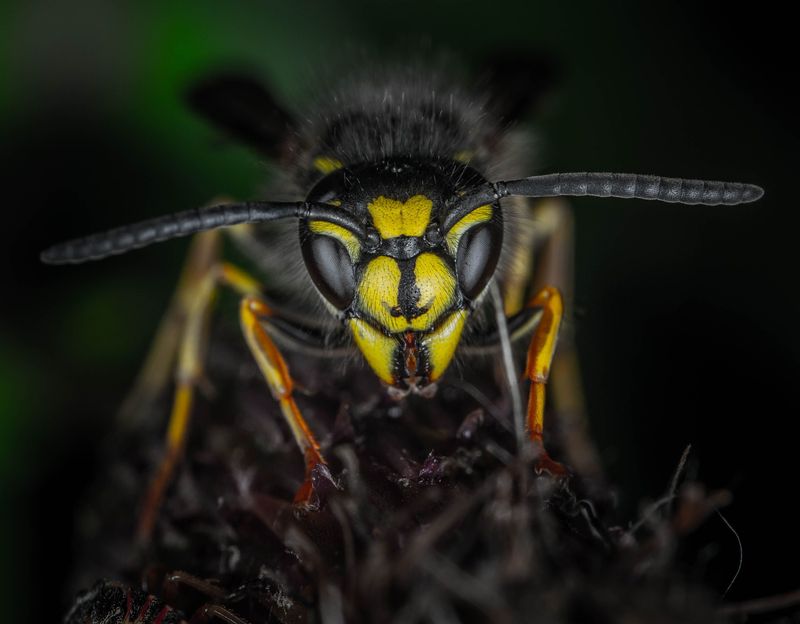
Mississippi Septembers tease us with the first real cool-down. Mornings can turn noticeably cooler while afternoons still climb into the eighties.
That swing changes insect behavior hour by hour. Chilly mornings leave workers sluggish and clustered near the entrance, which sounds safer but actually puts a pile of them right where you step.
By midafternoon heat, activity spikes and tempers shorten. Foragers race to gather while daylight and warmth last, and interruptions get met with a quick defensive response.
Shorter days add pressure too. Less daylight means fewer foraging hours, so each trip carries more urgency than it did in July.
Timing your outdoor chores around that rhythm helps. Late evening tends to be the calmest window for working near a known nest area, once flight traffic settles.
Skip the idea that cool weather makes them harmless. A nest stays active in Mississippi well into October, and workers will still defend it in sweater weather.
Watch for them sunning on warm surfaces like brick walls, metal railings, and vinyl siding on cool mornings. Reaching for a handrail without looking is an easy mistake.
Dress for the season with long sleeves and shoes during yard work. Fabric between skin and stinger reduces the sting count if things go sideways.
Keeping a bucket of soapy water handy is useful too, since it handles stray foragers without spraying chemicals across your porch.
7. Nest Defense Ramps Up As Queens Are Produced
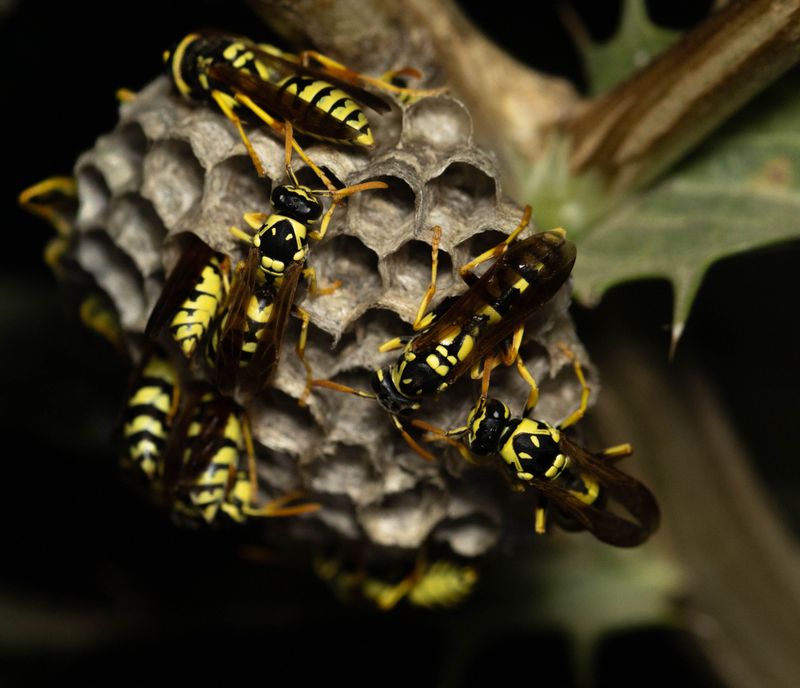
Something important happens inside the nest around this stretch of the year. The colony starts raising next season’s queens along with males, instead of more ordinary workers.
Those future queens are the colony’s entire legacy. Protecting them becomes the top priority for every worker on guard duty.
Defensive response gets stronger and faster as a result. A bump that might have drawn a warning flight in June can bring a full defensive rush now.
Yellowjackets also release alarm chemicals when disturbed. One sting broadcasts a signal that recruits nestmates to the same target, which is why stings so often come in bunches.
Unlike honey bees, a single yellowjacket can sting repeatedly. Its stinger stays smooth, so it keeps going as long as it feels threatened.
That biology argues for distance rather than bravery. Give any active nest a wide berth of several yards and skip the urge to peek in the hole.
Do not throw rocks, pour gasoline, or flood a nest with a hose. Those approaches tend to scatter angry defenders across your yard without solving anything.
Hiring a licensed professional is the sensible route for nests near doorways, playsets, or crawl spaces. They have protective gear and labeled products built for the job.
Interesting detail: those new queens leave to mate and then find sheltered spots like wall voids or leaf piles to wait out winter alone.
8. Old Nests And Wall Voids Turn Homes Into Trouble Spots
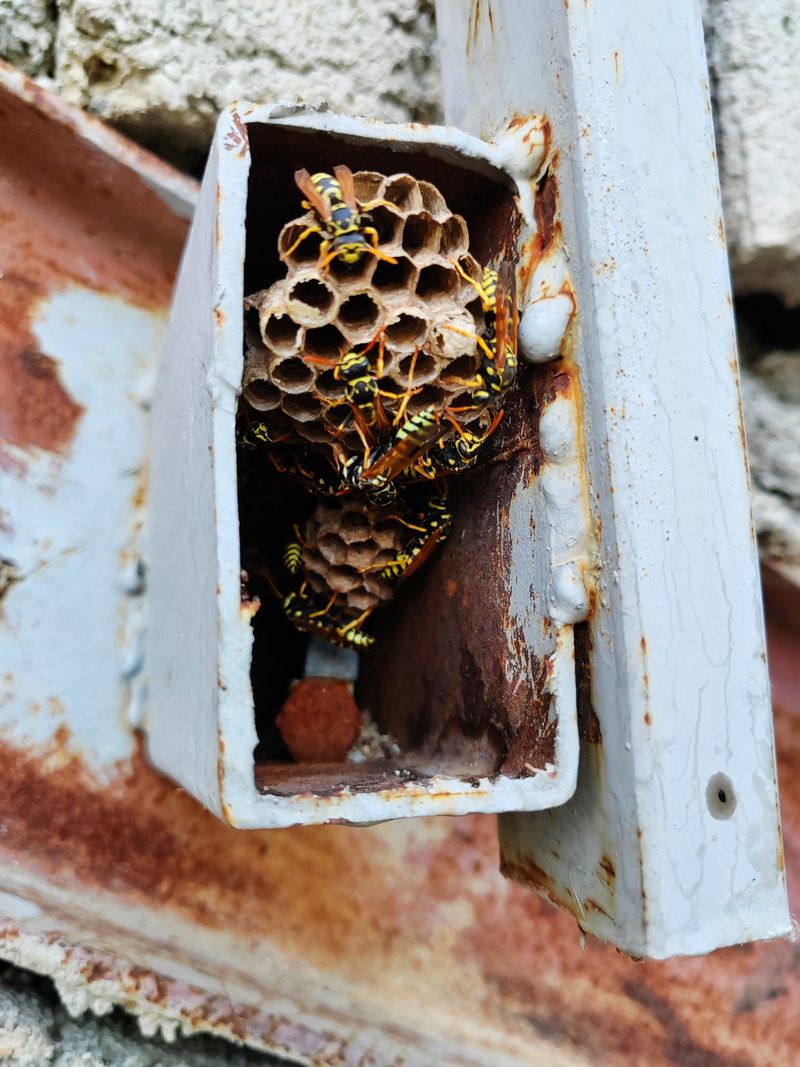
Sometimes the buzzing is not coming from the yard at all. Homeowners across Mississippi discover late-season colonies tucked into their own walls, soffits, and attic corners.
Gaps around utility lines, torn screen vents, and loose siding all serve as front doors. A colony can grow behind drywall for months before anybody notices.
September is when people finally catch on. The colony is large, traffic is heavy, and you can hear a faint rustle or scratching through the wall on a quiet evening.
Crowded nests sometimes chew inward toward light, which occasionally puts workers inside a bedroom or bathroom. Waking up to one on the windowsill is an unpleasant surprise
Sealing the outside entry while the colony is active is a mistake worth avoiding. Trapped insects look for another exit, and that route may lead indoors.
Inspect your exterior during daylight and note any spot with repeated in-and-out flights. Mark it and leave it alone until the situation is handled properly.
Professional treatment first, sealing second, is the right order. Once activity stops, caulk the gaps, repair screens, and replace damaged siding so next spring’s queen looks elsewhere.
Also check sheds, grill covers, playhouses, and the hollow space under porch steps. Those quiet, protected pockets rank high on a yellowjacket list of preferred nesting sites.
Good news: old nests are not reused the following year, so a sealed void stays quiet once you close it up.