Why Yellowjacket Swarms Are Getting Worse In Florida Yards And What Gardeners Can Do
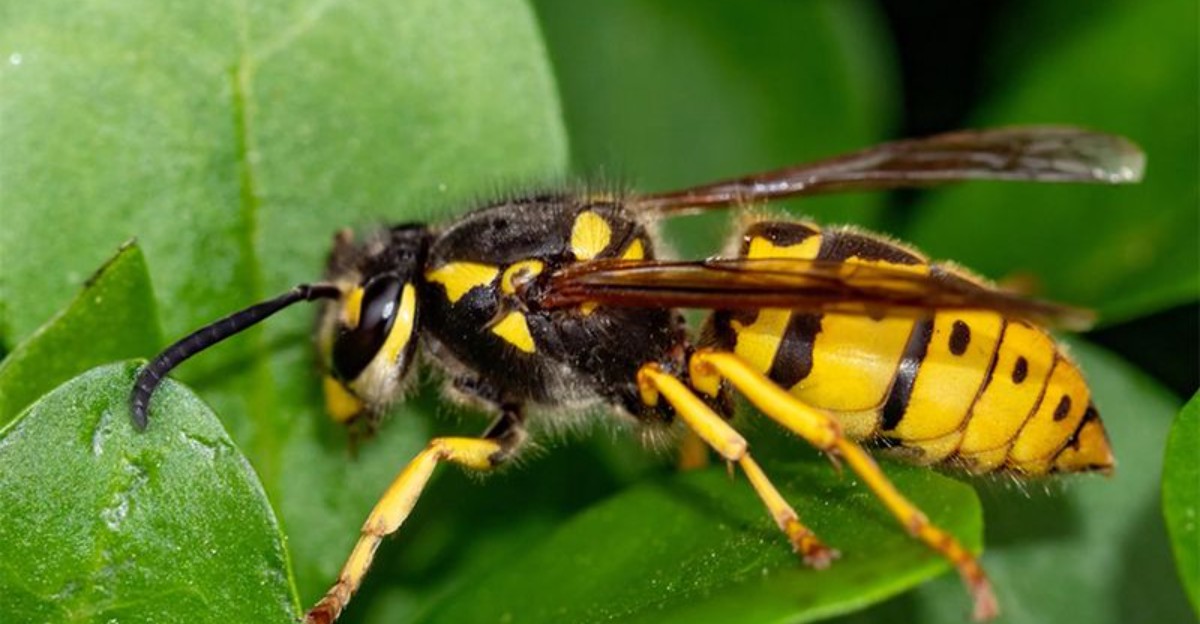
One yellowjacket is annoying. Twenty hovering around the same patch of Florida yard is a different problem entirely.
You may notice them around fallen fruit, a compost pile, a trash bin, or somewhere you least expect, and suddenly a routine gardening chore requires a second thought.
Their numbers can seem to explode as the season progresses because the colony is reaching a stage when its behavior changes.
Food becomes a bigger priority, and your yard may offer plenty of it without you realizing it. Sweet fruit, exposed food scraps, insects, and hidden nesting spots can turn ordinary parts of a landscape into a yellowjacket buffet.
The frustrating part is that swatting at the visible insects does nothing about what keeps bringing them back. Before you disturb a nest or start treating every corner of the yard, there is a better place to look first.
The clues are usually much closer than you think.
1. Florida’s Long Warm Season Keeps Colonies Alive
Most places up north get a big freeze that wipes out yellowjacket nests every winter. Florida, with its mild and mostly frost-free weather, never gives those wasps that cold reset.
Because temperatures stay warm for so many months, colonies can keep working long past the time they would decease elsewhere.
Think of it like a factory that never shuts down for the season. As the colony grows through the warm months, more workers are available to forage for food around your yard.
For gardeners, this means the yellowjacket problem is not just a quick summer visitor. You may notice activity in early spring and well into late fall, giving these insects a much wider window to become a nuisance.
Knowing that Florida’s climate stacks the deck helps you stay alert all year. Keep an eye out for early nests in spring, since catching them small is far easier than dealing with a giant colony months later when thousands of angry workers are on patrol.
2. Colonies Explode In Size By Late Summer
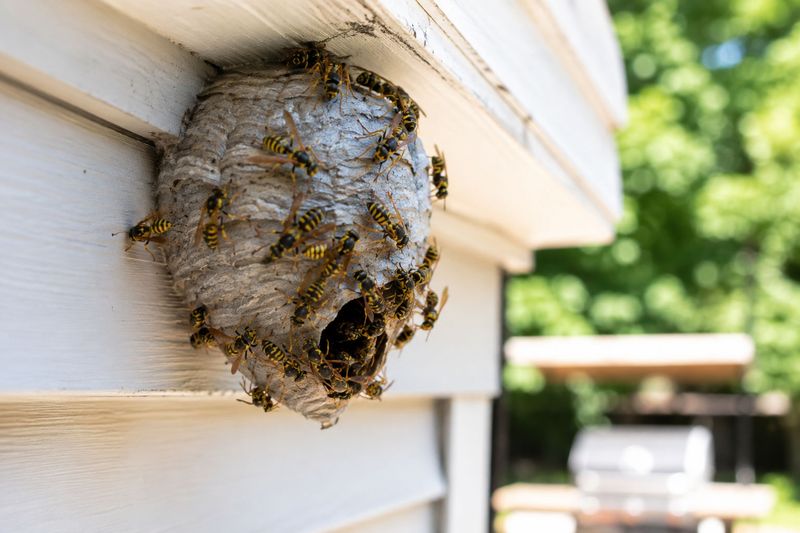
Every yellowjacket colony starts small, usually with just one lonely queen who wakes up in spring and begins laying eggs. From that single insect, a whole city of wasps slowly grows.
By the time late summer and fall roll around, that tiny start can swell into a nest holding thousands of buzzing workers. This population boom is why you suddenly seem to see wasps everywhere in September when you barely noticed any in May.
The growth follows a natural cycle. Workers spend the warm months feeding babies and expanding the nest, and each new wave of wasps adds to the crowd.
More individuals mean more chances of running into one while gardening, grilling, or simply relaxing outside. It also means the colony needs more food, which pushes wasps farther from the nest and closer to people.
For gardeners, the lesson is timing. Spring is the best moment to spot and deal with a young nest before it becomes a fortress.
Once fall arrives and the numbers peak, removal gets riskier and stings become far more likely. Staying watchful during those quieter early months pays off big when the busy season hits.
Your Florida Garden Changes Every Week. Your Plan Should Too.
Gardening in Florida changes quickly throughout the season. Every Friday you’ll receive a simple weekly plan showing exactly what to plant, prune, fertilize, harvest, and protect so you never miss the right timing.
3. Hungry Wasps Turn Into Bold Scavengers
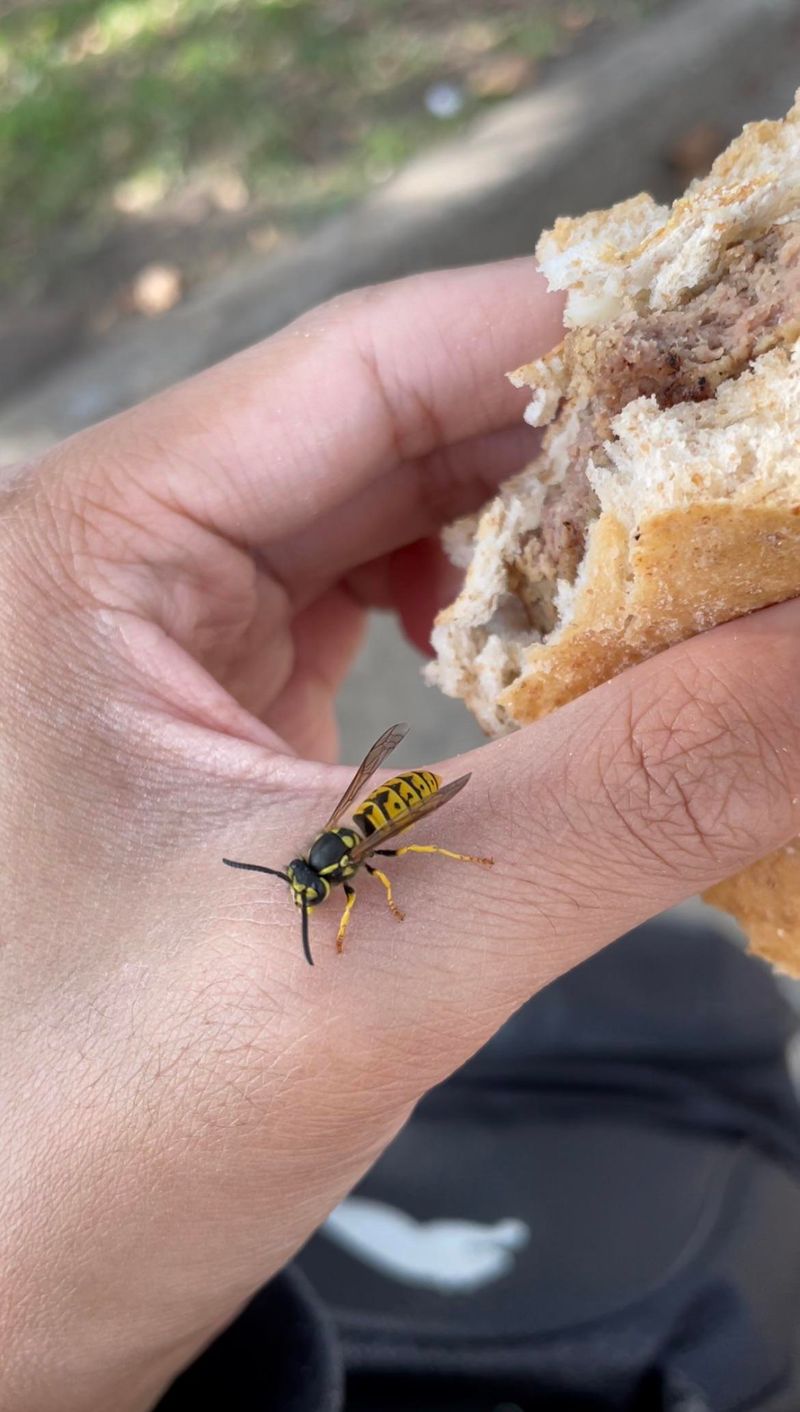
Something changes in yellowjackets as the season winds down. When their natural food supply starts running low, they get bold and go hunting for anything sweet or full of protein.
That is when they crash your backyard cookout. Sugary sodas, juicy watermelon, ice cream, and open trash cans suddenly become irresistible targets for hungry wasps looking for an easy meal.
Fallen fruit rotting under a tree is like ringing a dinner bell. So is a garbage bin without a proper lid or a plate of leftovers sitting out after lunch.
These scavenging wasps can seem more aggressive because they are increasingly drawn to sugary foods and drinks around people, raising the chance of an accidental encounter.
They will land right on your food and hover near your drink, which raises the chance of an accidental sting when you reach for a snack.
Gardeners can cut down on visits by keeping the yard clean. Pick up dropped fruit quickly, cover food and drinks when eating outside, and wipe up spills right away.
Sealing trash cans with tight lids removes one of the biggest attractions. When there is nothing tasty to scavenge, the wasps have far less reason to hang around your outdoor spaces and bother your family.
4. New Neighborhoods Create Perfect Nesting Spots
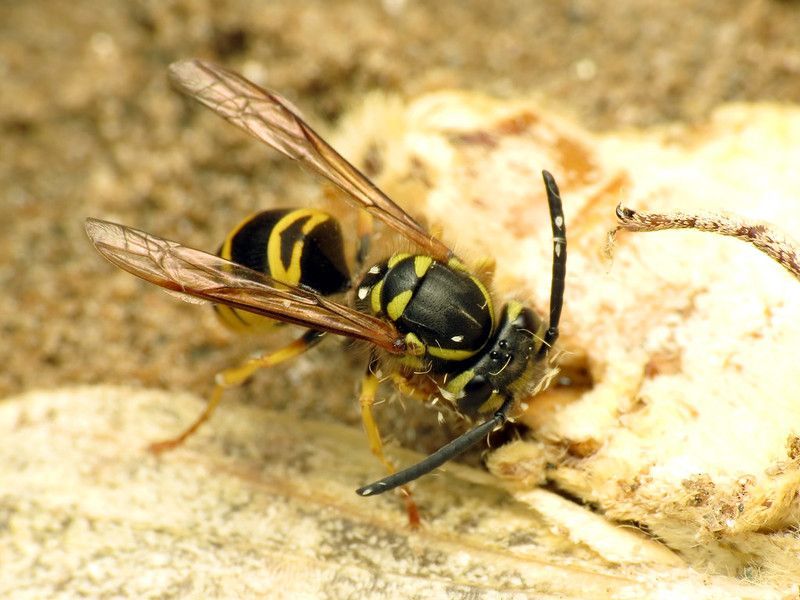
Yellowjackets love disturbed ground, and Florida is full of it thanks to constant building and development. Cleared lots, fresh landscaping, and roadside edges give these wasps plenty of places to dig in.
As new homes and shopping centers spread across the state, people and wasps end up living closer together than ever. That overlap means more surprise encounters in yards, parks, and gardens.
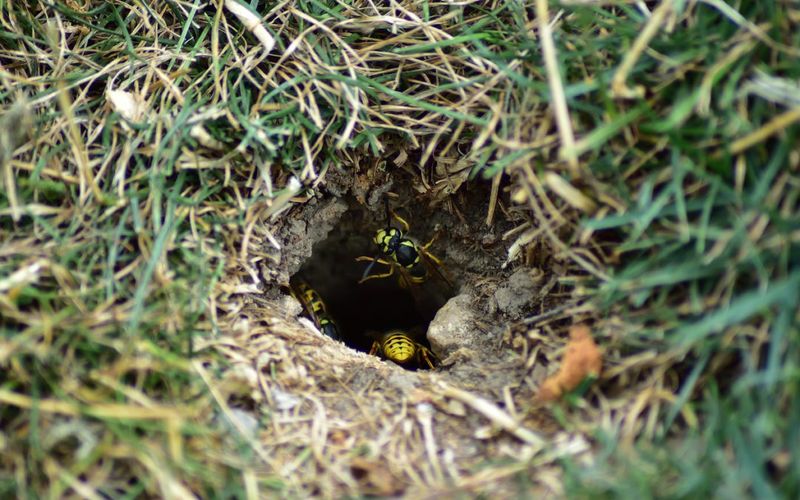
When bulldozers turn up soil or crews clear brush, they often create the loose earth and hidden pockets that ground-nesting yellowjackets prefer. A quiet corner of a new yard can quickly become a busy nest.
This is why you might notice more wasps in a recently developed area than in an older, settled neighborhood. The changing landscape practically rolls out a welcome mat for them.
Gardeners in growing communities should pay extra attention to disturbed patches of ground. Check freshly dug areas, piles of soil, and spots where landscaping was recently done.
Keeping your own yard tidy and filling in random holes reduces the number of inviting nesting sites. The fewer cozy spots you offer, the less likely a colony will decide to set up shop right outside your back door.
5. Garden Pests Act Like A Wasp Buffet
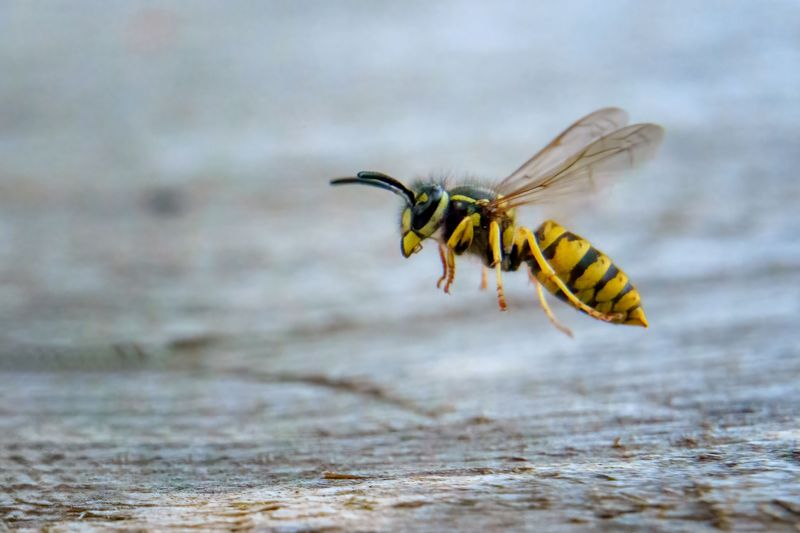
Here is a surprising twist: yellowjackets are actually hunters. They snatch up spiders, flies, aphids, caterpillars, and grasshoppers to feed their growing young back at the nest.
That means a yard crawling with these insects is basically advertising a free buffet. The more pests you have, the more reasons yellowjackets have to visit and stick around.
In a way, they can help by eating some bugs you do not want. But too many wasps drawn in by a pest problem quickly becomes its own headache.
If your garden is loaded with aphids on the roses or caterpillars chewing your vegetables, do not be shocked to see wasps patrolling nearby. They are simply following the food.
Gardeners can lower the appeal by keeping pest numbers under control. Rinsing aphids off plants, picking off caterpillars, and reducing standing conditions that attract flies all help shrink the wasp buffet.
A healthier, better-managed garden naturally has fewer of the tiny insects yellowjackets crave. When their prey disappears, the wasps have less motivation to hunt in your space.
Balancing pest control with plant care gives you a tidy garden and fewer stinging visitors at the same time. It is a win worth aiming for.
6. Call The Pros For Nest Removal
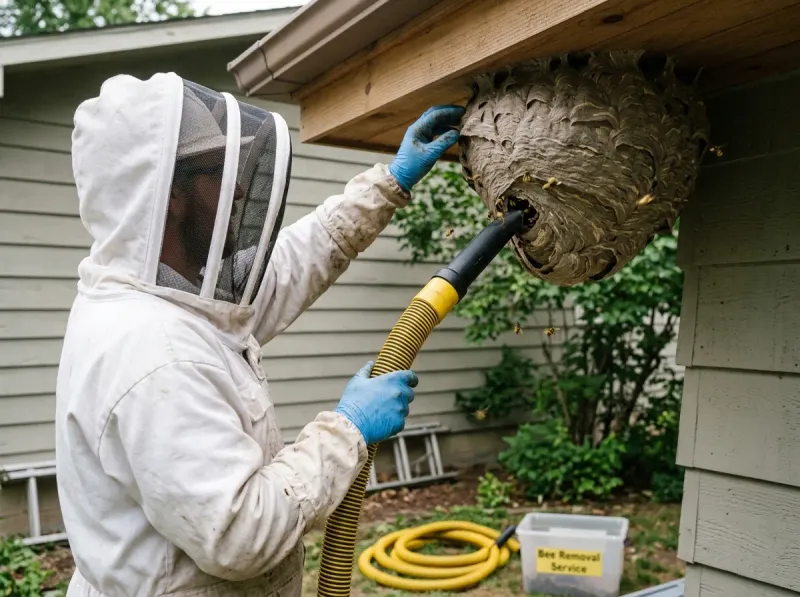
When there is a full-blown nest on your property, the smartest and safest choice is to phone a professional pest control service. This is not the moment for do-it-yourself bravery.
Yellowjackets turn fiercely aggressive when their home is disturbed. Unlike bees, they can sting over and over again, and an angry swarm can put you in real danger.
Trained experts have the right protective gear, tools, and know-how to remove nests without getting hurt. They can also find hidden nests tucked inside walls or underground that you might miss.
Trying to knock down a nest yourself with a spray can or a broom often ends badly. The wasps pour out fast, and stings pile up before you can even run.
People allergic to stings face an especially serious risk, since even a few can trigger a medical emergency. That alone makes professional help worth every penny.
If you spot a large nest near your home, mark the area, keep kids and pets away, and make the call. A quick appointment beats a trip to the emergency room.
Letting the experts handle it gives you peace of mind and a wasp-free yard without the drama and pain of a botched attempt.
7. Cut Off Their Food And Water Supply
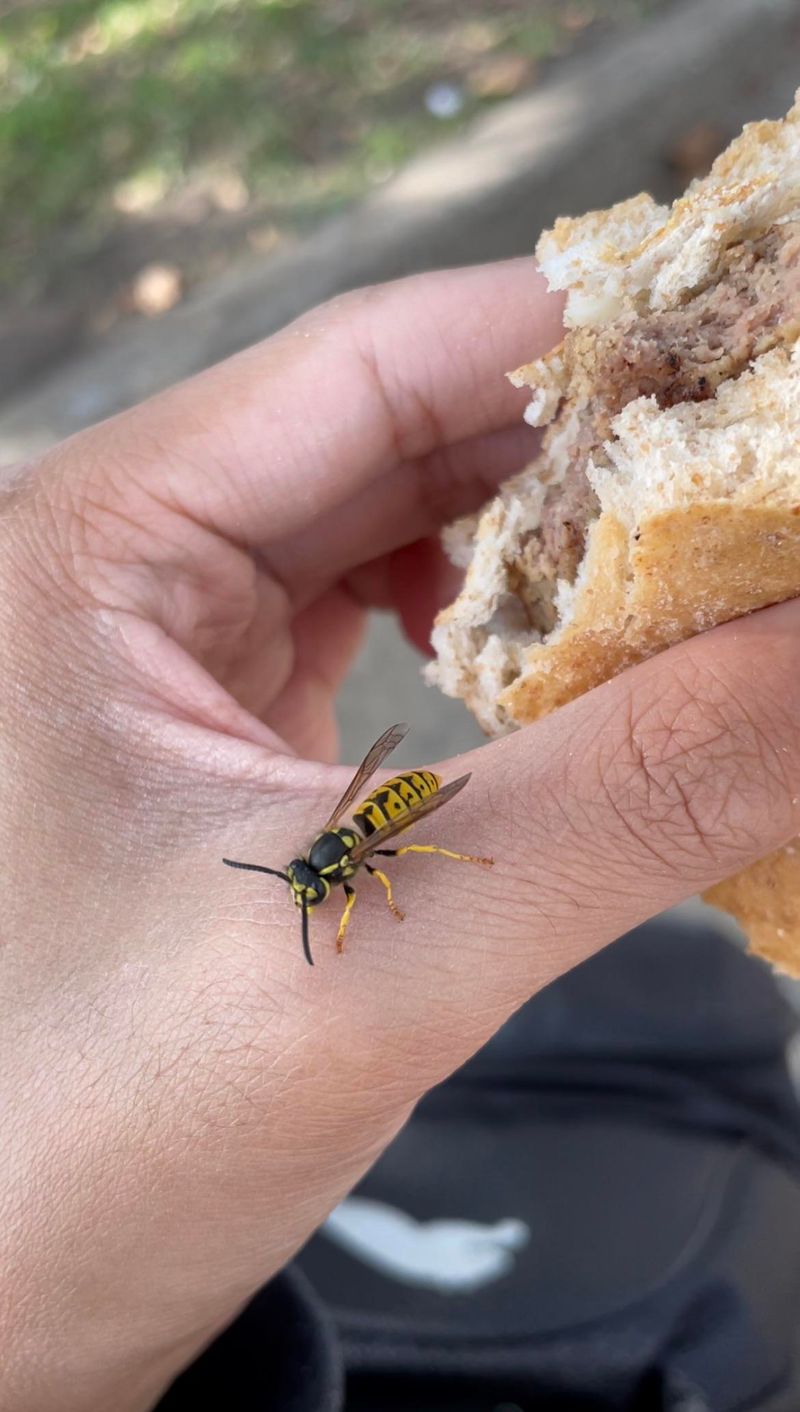
Wasps are like uninvited guests who only stay if you keep feeding them. Remove the food and water, and they lose their reason to hang around.
Start with your trash. Make sure every outdoor bin has a tight-fitting lid so the sweet smell of garbage cannot drift out and attract scavengers.
Pick up fallen fruit from under trees regularly, since rotting apples, oranges, and other produce are wasp favorites. Clearing them away removes a major draw.
When you eat outside, keep food and drinks covered, and clean up crumbs and spills the moment they happen. An open soda can is basically a wasp invitation.
Water matters too. Empty standing water from clogged gutters, birdbaths, and flower pot saucers so thirsty wasps look elsewhere.
Do not forget the extras many people overlook. Cover pet food bowls when they are outside and consider limiting hummingbird feeders, which hold the sugary nectar wasps adore.
Each of these small habits chips away at the reasons yellowjackets choose your yard. Together they make a big difference.
A clean, dry, well-managed outdoor space simply is not appealing to hungry, thirsty wasps. Give them nothing to feast on, and they will move along to somewhere less tidy.
8. Close Up And Change Nesting Sites
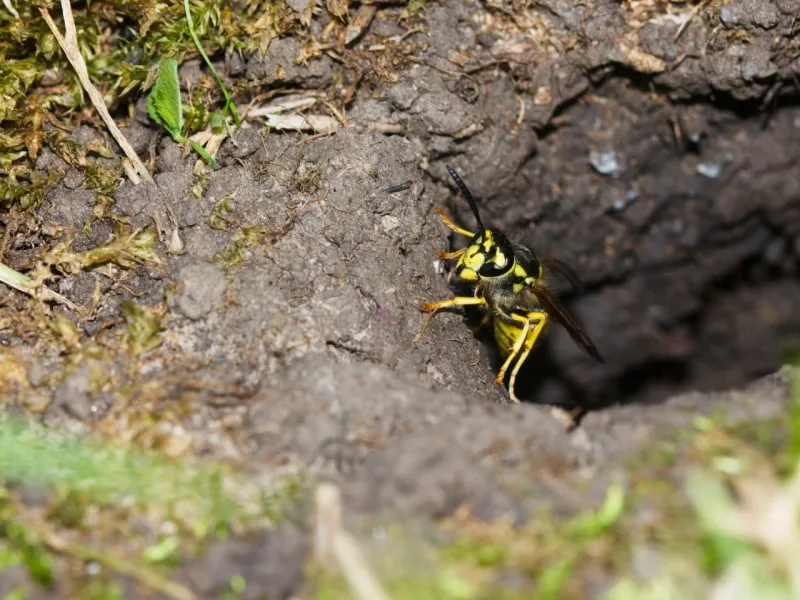
The best nest is the one that never gets built. By taking away good nesting spots, you stop colonies before they start.
Walk around your home and seal any cracks or gaps in the exterior. These openings let wasps sneak inside walls and attics, where nests are hard to reach later.
Fill in ground holes around the yard, since some yellowjacket species build their homes underground. A patched hole is one less hideout for them.
Trim back trees and shrubs that touch or lean against your house. Overgrown branches give wasps easy shelter and a convenient path to your walls.
Make a habit of inspecting the usual hiding places. Check eaves, wall voids, ground burrows, thick bushes, and sheds for early signs of a nest forming.
Clearing away dense plant growth and rotting wood also removes the damp, hidden spots where ground nests love to appear.
Catching construction early is huge, because a tiny starter nest is far simpler and safer to deal with than a massive one full of workers.
Regular walkthroughs of your property turn you into an early warning system. A few minutes of looking around each week can spare you a serious wasp problem down the line.
9. Keep Your Whole Yard Balanced And Healthy
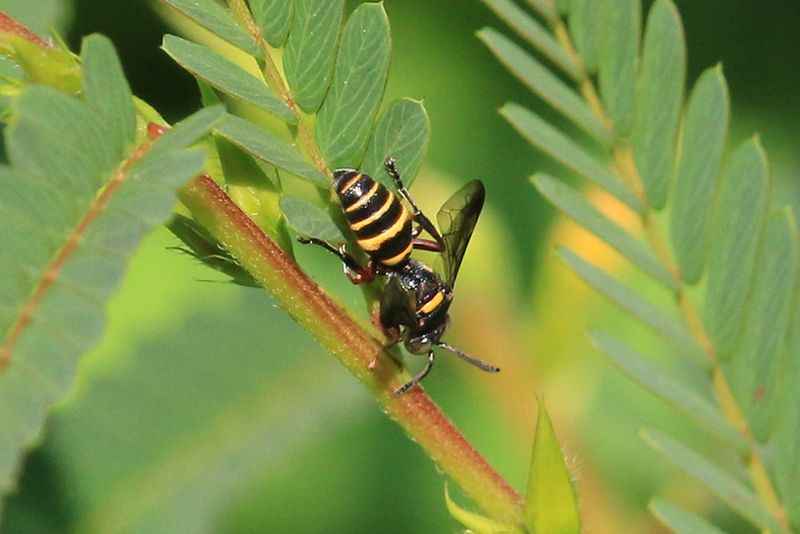
Fighting yellowjackets works best when you think about your entire yard as one connected system rather than chasing single wasps.
Reducing the insects they hunt is a big piece of that puzzle. Fewer aphids, caterpillars, and flies mean less prey drawing wasps in for the feast.
Healthy plants naturally resist pests better, so good watering, spacing, and soil care pay off in surprising ways. A strong garden fights bugs on its own.
Removing invasive troublemakers like the tree of heaven also cuts off the sugary honeydew that certain pests provide to wasps.
Combine all these steps and you create a yard that simply is not very inviting to yellowjackets. No easy food, no water, no cozy nesting spots, and fewer prey to hunt.
Stay watchful through the seasons, since Florida wasps stay active far longer than in colder states. A quick weekly look around keeps small problems from growing large.
Working with nature instead of against it makes your job easier over time. Encourage helpful conditions and discourage the ones wasps love.
With steady effort and a little patience, you can enjoy your garden without dreading every buzz. A balanced yard is your best long-term defense against worsening yellowjacket swarms.