Why You’re Seeing So Many Yellowjackets In Late Summer, And What Attracts Them To Your Yard
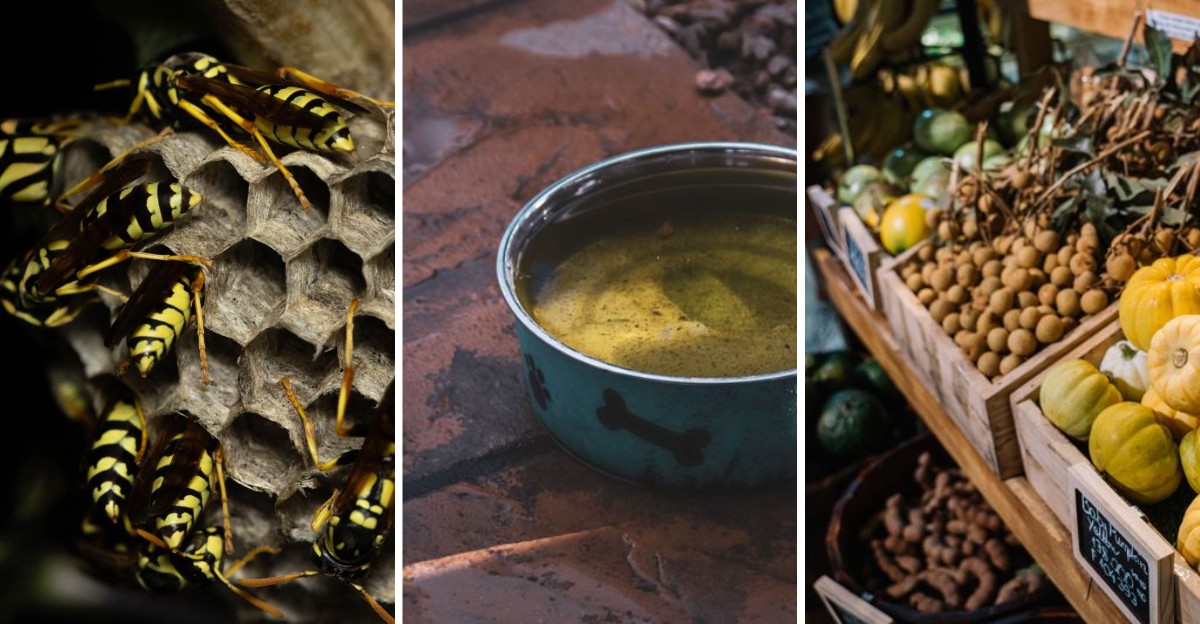
Wasps don’t wait for an invitation before crashing your afternoon. You notice it instantly as a low hum beside your drink. Warmth quietly built colonies near your patio since spring.
Heat keeps pushing their numbers higher across your yard weekly. Autumn air shifts their hunger toward your sweeter, richer snacks. Protein cravings fade as sugar takes over your table fast.
Nests swell underground long before you ever notice the entrance. Your lawn hides entry points you would barely notice walking past. Patios quietly turn into your busiest flight path without warning.
Movement near food pulls them straight toward your plate instantly. They circle back faster each time you swing at them. Backyards near you suddenly feel this shift immediately as temperatures drop.
Confidence about these signs saves your afternoon plans instantly. Patterns like these repeat across your yard each season. Answers wait just ahead, and you cannot skip them now.
1. Colonies Hit Their Peak Population Right Now
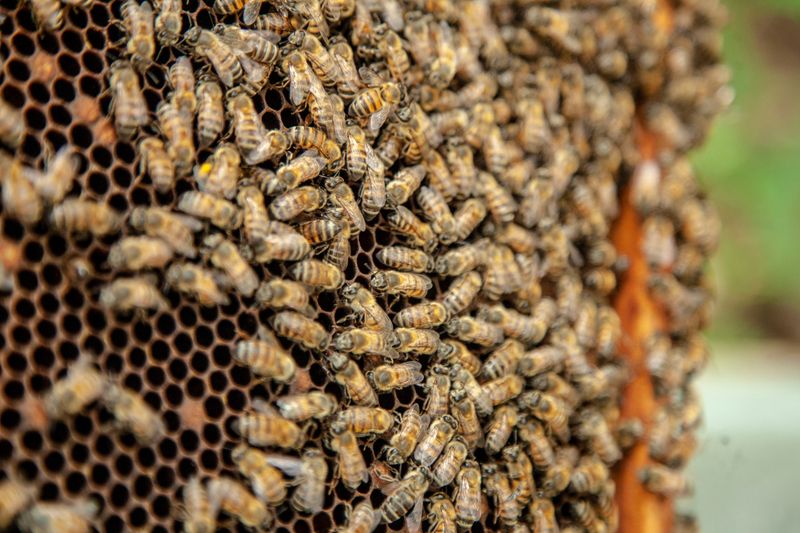
Back in April, a single queen started a nest roughly the size of a golf ball. She laid eggs, fed the first few workers herself, and hoped for the best.
Fast forward to early September, and that same nest may hold anywhere from roughly 1,000 to several thousand workers, depending on the species and region. The colony has spent five straight months growing, and this is the peak of that growth curve.
Think of it like a snowball rolling downhill. Each batch of workers raises the next batch faster, so the population climbs slowly at first and then shoots up in August and September.
You did not suddenly get more nests in your neighborhood. The nests you already had simply reached their highest population of the year.
More workers also means more foragers leaving the nest each morning. A colony that sent out fifty scouts in June might send out several hundred now, and those extra bodies fan out across a wider area looking for anything edible.
Fun bit of trivia: in most cold and temperate climates, a yellowjacket colony lasts a single season. The workers fade away with frost, and only newly mated queens survive winter tucked under bark or in leaf litter. In milder climates, some colonies can persist longer.
Knowing the timeline helps you plan. If you spot a small nest in May, handling it then is far simpler than facing thousands of residents in September. So the crowd you are seeing is not bad luck. It is just biology hitting its yearly high point.
2. Their Diet Flips From Protein To Sugar
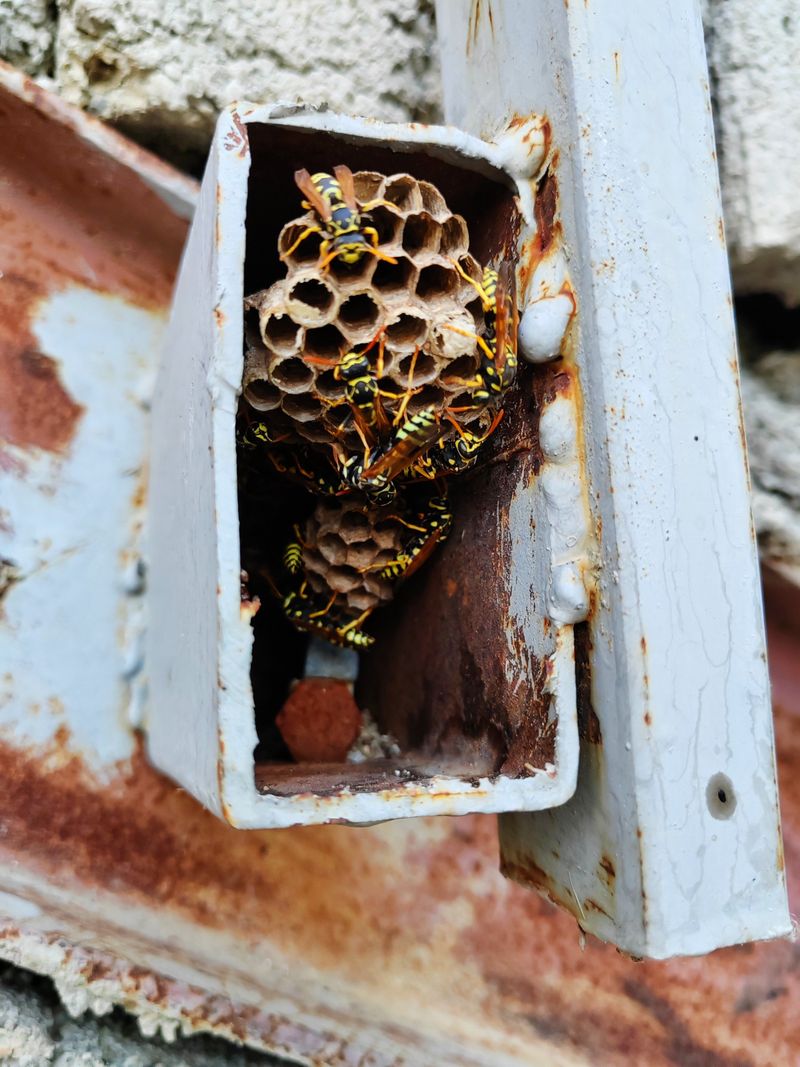
Here is the twist that catches picnickers off guard. For most of the summer, yellowjackets are hunters, snatching caterpillars, flies, and spiders to feed the hungry larvae back home.
Those larvae pay their nannies in a sweet liquid, a sugary secretion the workers slurp up as their personal fuel. It is a tidy trade: meat goes in, energy syrup comes out.
By early September, the queen has stopped laying worker eggs. Fewer larvae means the sugary paychecks dry up, and thousands of adults are suddenly left craving carbs with no in-house supplier.
That is when they start crashing your barbecue. Soda cans, juice boxes, watermelon rinds, ice cream drips, and fermenting fruit under the apple tree become the new cafeteria.
You will notice they act bolder too. A wasp that ignored you in July will now hover over your plate, land on your cup rim, and refuse to be shooed.
Practical move: pour drinks into clear glasses instead of cans so you can see what is inside before you sip. Keep a lid on pitchers and wipe sticky spills the moment they happen.
Serving food indoors during the last few weeks of the season saves a lot of drama. If you eat outside, set a decoy plate with a bit of jam thirty feet away and let the foragers commit to that instead.
Understanding the diet switch turns a mystery into a manageable schedule you can work around.
3. Natural Food Supplies Run Thin In September
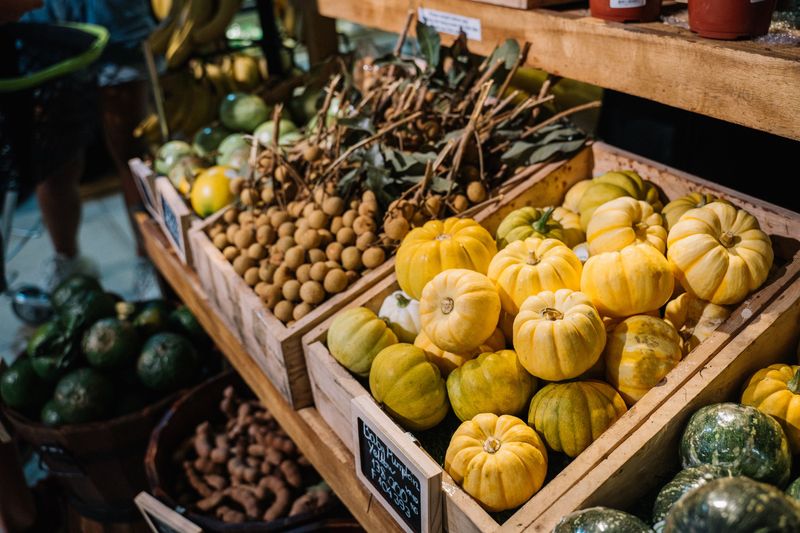
Nature runs a generous buffet in June. Flowers pump out nectar, caterpillars crowd the leaves, and soft-bodied insects are everywhere a wasp cares to look.
Come September, that buffet starts closing stations. Many blooms have faded, insect numbers drop off, and the easy calories get harder to find.
Meanwhile the colony is at its largest, so demand is peaking exactly when supply is shrinking. That mismatch pushes foragers farther from home and makes them far less picky about what counts as food.
Your yard becomes attractive by comparison. A compost pile, a hummingbird feeder, or a bowl of pet food offers concentrated calories that no wilting flower bed can match.
Weather plays a role too. A dry August can reduce nectar production and insect populations, which may contribute to heavier wasp activity in some years.
You can work with this instead of against it. Keeping late-blooming flowers such as asters and sedum in a far corner gives foragers a legitimate destination away from the patio.
Harvest ripe fruit promptly and rake up windfalls under apple, pear, and plum trees. Fermenting fruit on the ground is basically a steady food source for wasps overnight.
Also worth remembering: those same foragers spent all summer removing pest caterpillars from your garden for free. They are not villains, just workers on the last shift of a long season. A little food management goes a long way right now.
4. New Queens And Males Add To The Crowd
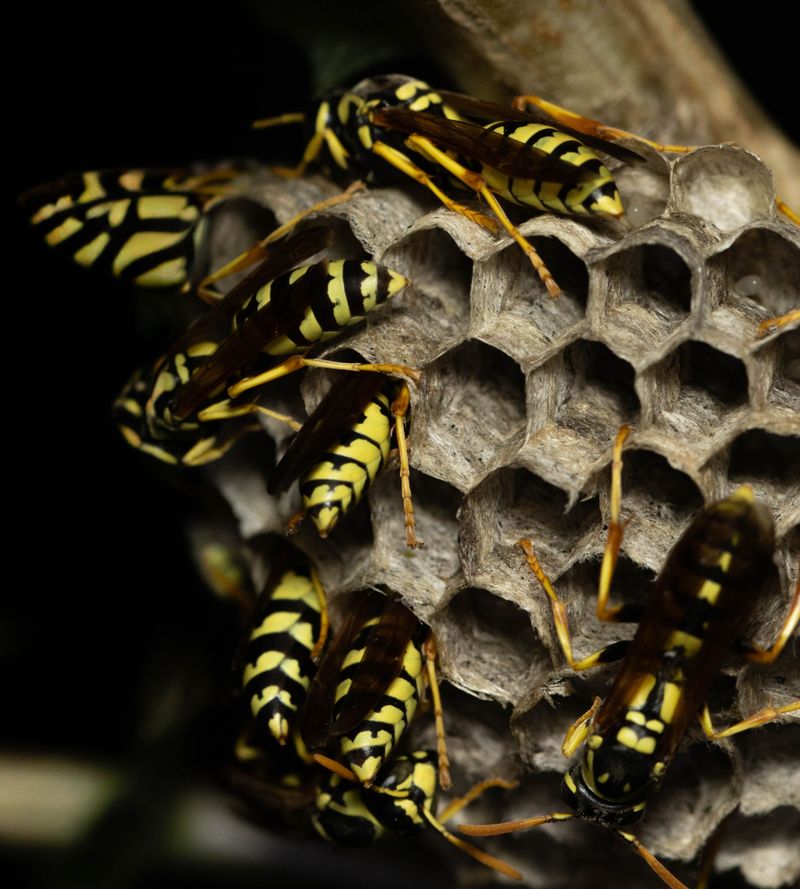
Late summer brings a shift in what the colony is building. Instead of more workers, the nest starts producing next year’s queens and a batch of males whose only job is mating.
These reproductive wasps are bigger, and they need serious calories to fatten up before leaving home. That means even more mouths competing for the same shrinking food supply.
New queens must store enough fat to survive months of hibernation. A poorly fed queen will not make it to spring, so the pressure to find sugar is intense.
Males leave the nest and wander, often gathering around sunny walls, flowering shrubs, and warm patios. If you notice unusually large or oddly relaxed wasps drifting about, you are probably watching this crowd.
Here is a helpful detail: males cannot sting at all, since a stinger is a modified egg-laying tube that only females possess. They may bump into you, but they have no weapon.
All of this activity happens right around the time people are hosting Labor Day cookouts and harvesting gardens, which is why the season feels so buzzy.
Once mating wraps up, the mated queens tuck themselves under loose bark, in wood piles, or beneath leaf litter. Everyone else fades out with the first hard frosts.
Practical takeaway: clearing debris piles near the house in late fall reduces the number of queens overwintering close to your foundation, which can mean fewer nests in your yard next spring.
5. Uncovered Trash Cans Send Out An Open Invitation
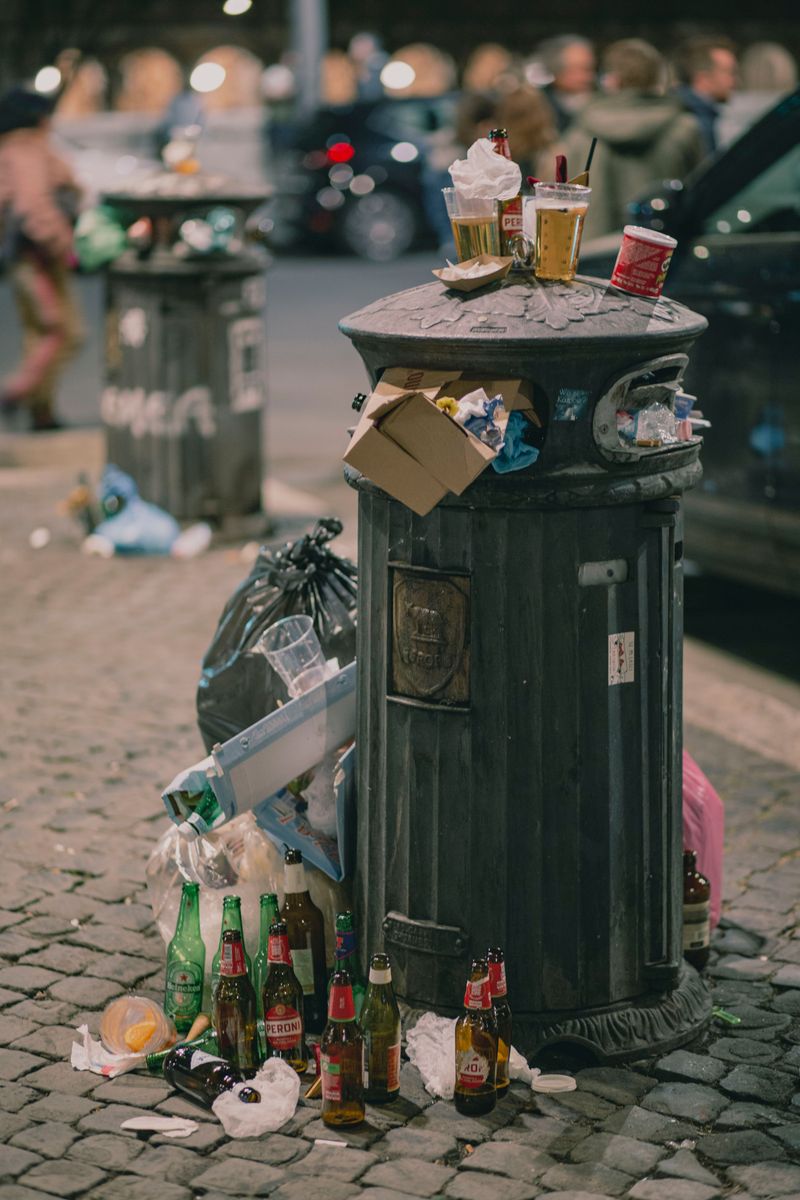
Ask any wasp where the best restaurant in the neighborhood is and it will point straight at your garbage bin. Sticky can rims, meat wrappers, and half-finished smoothies make an unbeatable combo.
Yellowjackets locate food by scent, and warm September air carries those odors surprisingly far. A single loose lid can pull foragers in from several houses away.
Recycling bins deserve equal blame. Rinsing soda cans and juice bottles before tossing them takes ten seconds and removes the sweetest lure in the whole yard.
Lids matter more than most people think. A can with a snug, latching lid cuts traffic dramatically, while a cracked or missing lid basically props the door open.
Position helps too. Moving bins away from the back door, patio table, or kids’ play area means foragers gather somewhere you are not sitting.
Give the cans a rinse with soapy water every couple of weeks during warm months. Residue builds up in the bottom and keeps broadcasting scent long after the bag is gone.
Public spaces follow the same rule, which is why park trash cans in September see heavy wasp traffic. If you picnic at one, choose a table upwind and a good distance away.
Double-bagging meat scraps and freezing them until collection day is a small habit that solves a big share of the problem.
Clean containers will not make your yard boring to wasps overnight, but they remove the loudest dinner bell you own.
6. Sweet Drinks And Grilled Meat On The Patio

Nothing draws a crowd like a grill going at full sizzle. The smell of cooking burgers travels on the breeze and reads as pure protein to a foraging wasp.
Pair that with open cans of soda, pitchers of sweet tea, and a bowl of cut fruit, and your patio becomes a major draw for wasps.
Timing helps. Yellowjackets are least active early in the morning and after dusk, so shifting dinner an hour later can quiet things down noticeably.
Serve food in covered dishes and bring platters out only when people are ready to eat. Leaving a tray of ribs uncovered for twenty minutes is what starts the party.
Wipe the table between courses, and keep a damp cloth handy for sticky fingers. Kids with juice on their hands attract more attention than the grill itself.
If a wasp does land near your plate, resist the urge to swat. Fast movement and crushing a wasp can release an alarm signal that calls in reinforcements.
Slow, calm movement works better. Cover your plate with a napkin, wait a moment, and the visitor usually moves along.
Some hosts set up a diversion feeder well away from the seating area using a bit of overripe fruit or jam. Foragers tend to fixate on one reliable source, so give them one you chose. A tidy table beats a swatting match every single time.
7. Abandoned Burrows And Wall Voids Make Perfect Nest Sites
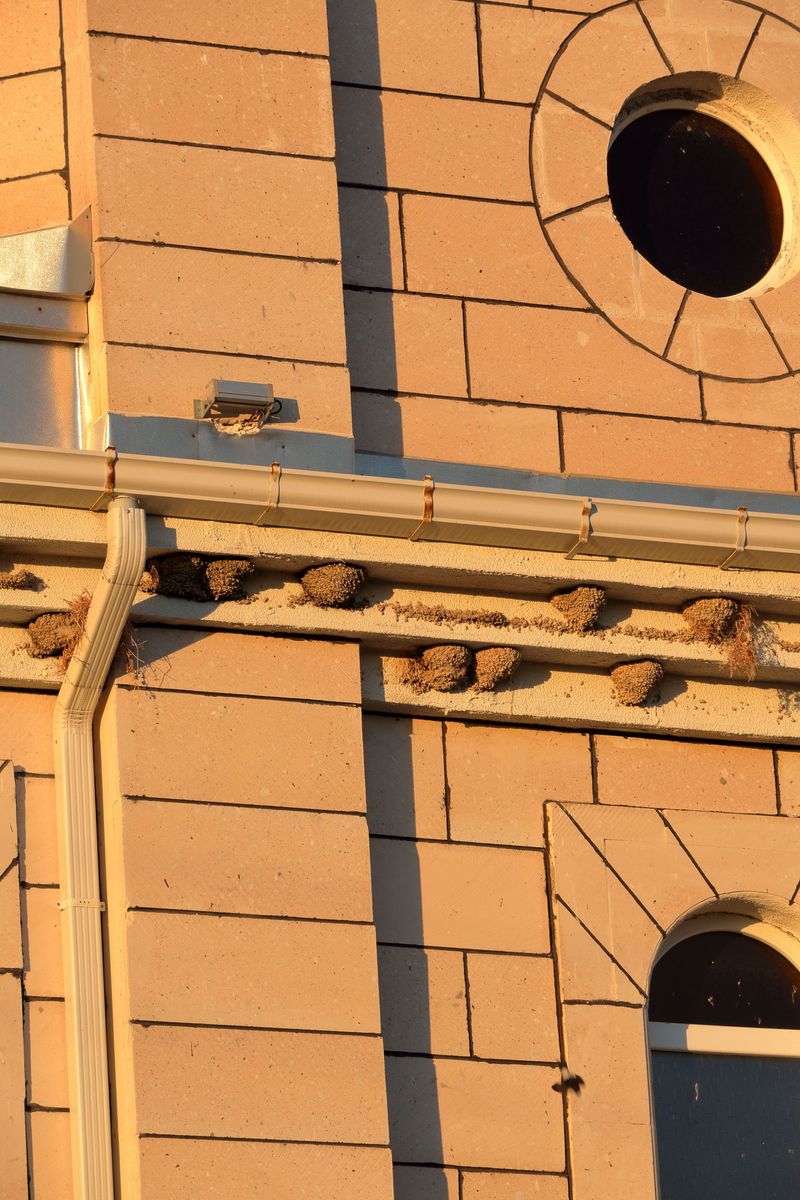
Real estate drives everything in the wasp world. A spring queen scouting your yard is looking for a dry, sheltered cavity that stays hidden and holds a growing paper nest.
Old rodent burrows top the wish list. That little hole in the lawn you have been ignoring since April may now be the front door of a very busy underground city.
Wall voids, soffits, and gaps around utility lines work just as well. Yellowjackets can slip through an opening barely wider than a pencil.
Hollow logs, stacked firewood, retaining wall gaps, and the space under a deck all qualify. So do unused grills, upside-down flower pots, and forgotten planters.
Walk your property in early spring and again now, watching for steady two-way traffic at a single point. A conga line of wasps entering and exiting one spot means a nest, not random visitors.
Sealing entry points in late fall or winter, once activity stops, prevents reuse of the same convenient real estate. Caulk, hardware cloth, and expanding foam handle most gaps.
Keep mulch shallow near foundations and fill in lawn holes as you find them. Fewer cavities means fewer options for next year’s queens.
One safety note: ground nests are easy to hit accidentally with a mower or string trimmer, and that is how a lot of stings happen. Flag any nest you find and mow around it until a professional handles it.
8. Water Sources And Pet Bowls Keep Them Coming Back
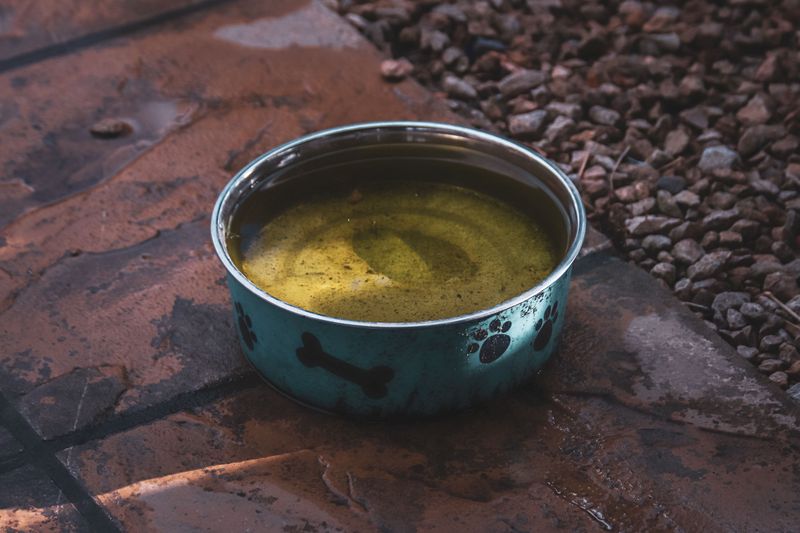
Water rarely makes anyone’s list of wasp attractants, and that is exactly why it sneaks up on people. Thousands of workers need to drink, and they also carry water home to cool the nest on hot days.
Birdbaths, leaky spigots, pool edges, and pet bowls all serve as watering holes. In a dry September, they become reliable attractants.
Pet bowls are a double threat. Wet dog or cat food sitting outside offers protein and moisture in one convenient package, which is why bowls left on the porch collect uninvited diners.
Feed pets indoors when you can. If outdoor feeding is your routine, put food out for a set window and bring the bowl in afterward.
Fixing a dripping hose bib removes a reliable water station with almost no effort. Same goes for emptying saucers under potted plants and clogged gutters holding standing water.
Pool owners see plenty of action around the shallow steps and the wet concrete edge. Keeping a small water dish with pebbles in a far corner of the yard can pull traffic away from the swim area.
Hummingbird feeders deserve a mention here since sugar water attracts wasps fast. Bee guards and drip-free designs cut the problem, and moving feeders farther from seating helps more.
Managing water will not clear your yard on its own, but combined with clean bins and covered food, it removes one more reason for foragers to circle back day after day.