An Invasive Grass Is Quietly Spreading Across Tennessee Counties
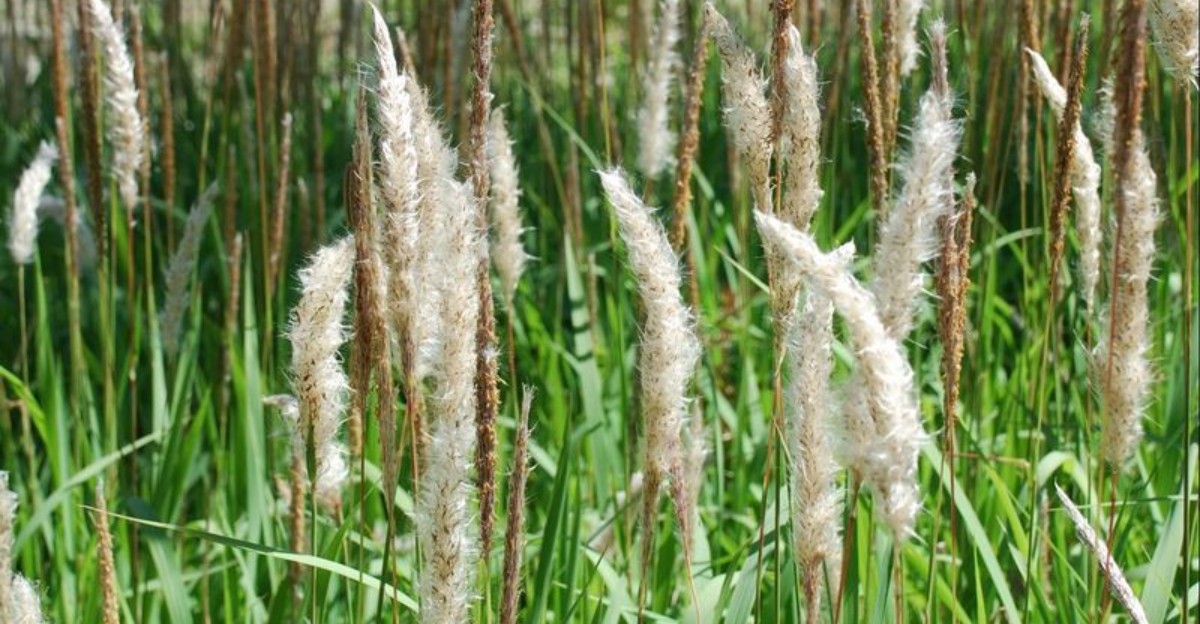
You spot a silvery flash before you understand what it means. Something about that shine feels sharper than ordinary field grass. Tennessee shoulders and fence lines are hosting this stranger right now.
Drivers rush past without noticing your neighbor’s patch of trouble. Landowners have started slowing down, squinting at what’s spreading near you. Foresters circle spots on county maps for good reason.
Their worry isn’t a single clump, it’s how fast clumps multiply. Curiosity brings you closer, caution should keep you sharper. Nobody wants your pasture turned into someone else’s warning story.
Each fall this pattern repeats along back roads across Tennessee. Farmers who ignore it now pay for it come spring. County agents already trade notes on where it appears near you.
Spreading happens quietly, then fast, then everywhere at once. Understanding this plant now protects your acres later. Looking away stops being an option once you see it.
Meet The Silver-Plumed Troublemaker Behind The Warnings
Cogongrass arrived in the United States by accident, riding along in packing material that came ashore in Alabama around 1912. Later, it was planted on purpose as forage and erosion control, which turned out to be a decision folks regret.
Native to Asia, this grass now covers enormous stretches of the Gulf Coast states. Scientists rank it among the world’s toughest weeds, and it has been marching north for decades.
Tennessee sits near the northern edge of where it can survive, which is exactly why attention matters right now.
Patches have been confirmed in seven counties as of 2024: Hardeman and McNairy in West Tennessee, and Anderson, Cumberland, Fentress, Knox, and Morgan in East Tennessee.
These patches often appear near highways, logging roads, and old planting sites. What makes it stand out is the look. Blades grow two to four feet tall, bright yellow-green fading to tan, with a whitish midrib that sits slightly off-center instead of down the middle.
Leaf edges feel rough, almost like a serrated knife, because they carry tiny silica particles. Run a finger along one and you will notice the scratch.
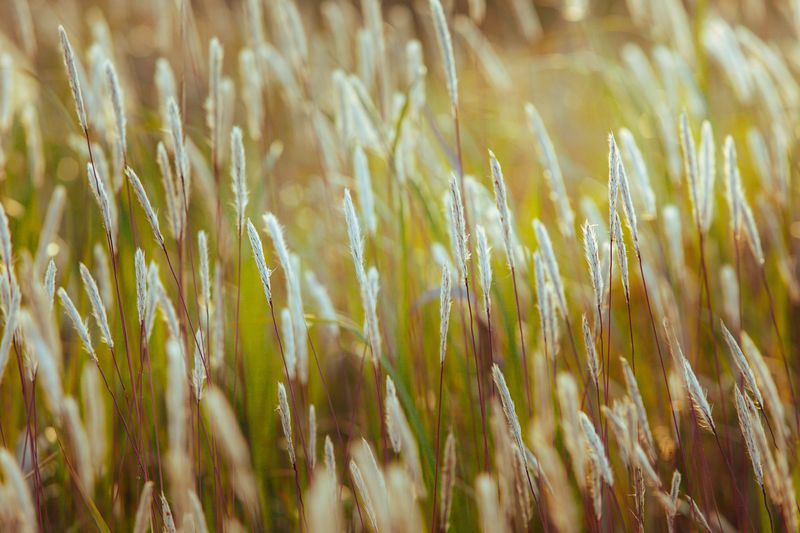
In spring, silvery seed heads appear that look like fluffy white cigars waving above the leaves. By September, the plumes may be gone, but the thick tan thatch and circular patch shape remain easy to spot.
Here is a detail worth remembering: cogongrass grows in expanding circles. If you see a roughly round patch of grass that seems to be pushing outward into a pasture or forest floor, that shape alone is worth a second look and a phone call.
How The Root System Spreads
Above ground, cogongrass looks like ordinary grass having a good year. Below ground, the growth pattern shifts.
The plant builds a network of rhizomes, which are thick white underground stems that store energy and push outward in all directions. These rhizomes can make up more than half the plant’s total mass.
Their tips are genuinely sharp, hard enough to pierce the roots of nearby plants and even push through soft wood. Researchers have documented rhizomes going a foot or more down into the soil.
Your Tennessee Garden Changes Every Week. Your Plan Should Too.
Gardening in Tennessee changes quickly throughout the season. Every Friday you’ll receive a simple weekly plan showing exactly what to plant, prune, fertilize, harvest, and protect so you never miss the right timing.
Because of that depth, mowing does almost no lasting good. Cut the tops and the underground network simply sends up fresh shoots within days.
Tilling can make the spread worse. A disc or plow chops rhizomes into pieces, and each fragment with a node can start a brand-new colony.
That is how a single small patch on a farm road turns into scattered patches across a whole field within a couple of seasons. Equipment carries the pieces along for the ride.
The rhizomes also release chemicals into the soil that make life difficult for neighboring plants, a trick called allelopathy. Native wildflowers, pine seedlings, and pasture grasses struggle to hold their ground.
For landowners, the practical takeaway is simple. Any control plan has to target the underground portion, not just the green blades, which is why timing and method matter so much more with this species than with common weeds.
Roadsides, Logging Trails, And Hitchhiking Equipment
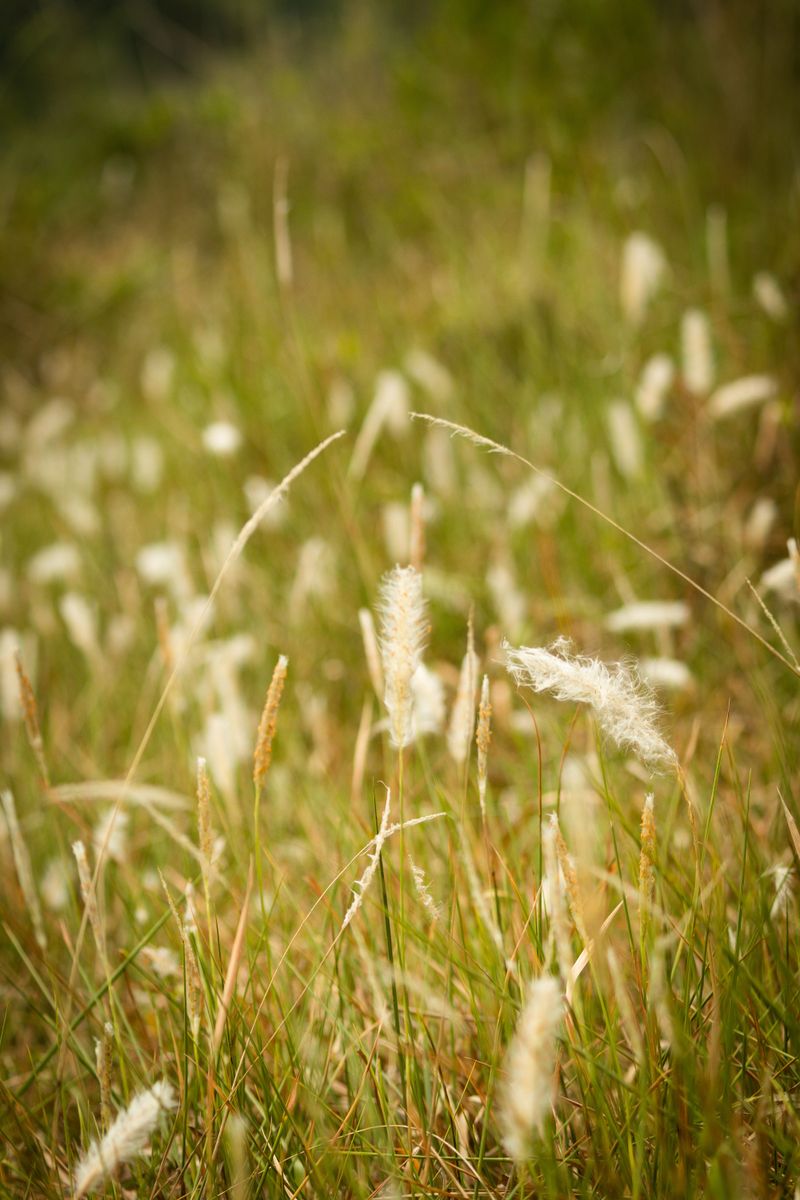
Follow the interstate exits in Middle and West Tennessee and you will notice how many weeds live on disturbed ground. Cogongrass loves that kind of real estate.
Highway shoulders, utility right-of-ways, gravel pits, and freshly logged tracts all offer bare soil and plenty of sunlight. Those conditions let a new patch establish before anyone notices.
Transportation is the main reason it has crept north from the Gulf states. Mowers, bush hogs, skidders, and dump trucks pick up rhizome fragments in caked mud and drop them miles away.
Fill dirt and topsoil moved between job sites carry pieces too. So does hay harvested from an infested field, which is a real concern for cattle producers buying feed from out of state.
A useful habit for anyone working across multiple properties is a quick equipment rinse before leaving a site. A pressure washer and ten minutes can prevent a decade of headaches.
County road crews in several southern states now schedule mowing so infested stretches get cut last, then clean their decks afterward. Tennessee landowners can borrow that same logic on their own farms.
Pay extra attention where trucks turn around, where gates open into pastures, and where firewood or gravel gets unloaded. Those are the spots where new patches tend to show up first.
A fun bit of history: the same plant was once handed out as a soil-holding miracle. Sometimes yesterday’s solution becomes today’s map pin.
Why Wildlife And Woodlands Lose Out
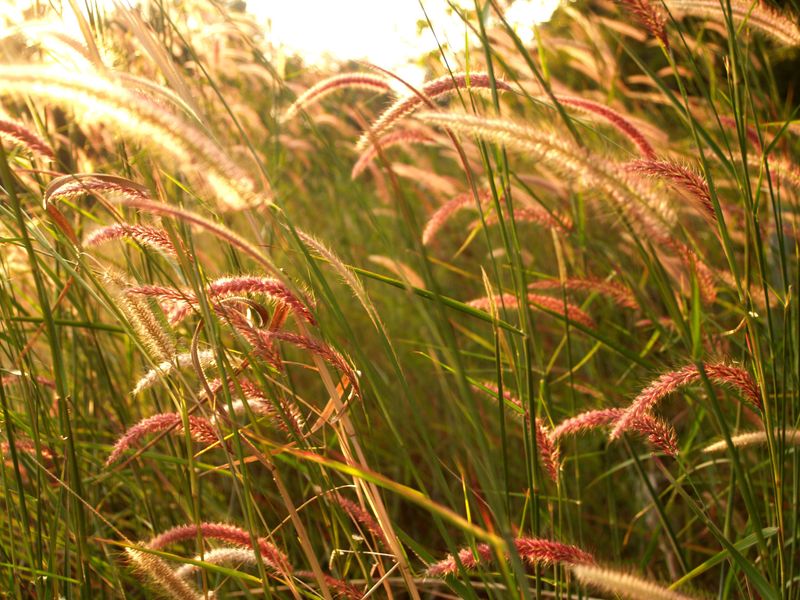
Picture a healthy Tennessee woodland floor in September: goldenrod, little bluestem, blackberry canes, oak seedlings, and a scatter of asters. Now picture all of that replaced by one grass, edge to edge.
That is what a mature cogongrass stand looks like. Researchers across the Southeast have observed plant diversity dropping sharply once a patch takes hold.
Wildlife feels it quickly. Quail and turkey poults need open, bare ground beneath cover to move and forage, and dense thatch closes that space off.
Deer generally walk right past it because the leaves are coarse, low in nutrition, and loaded with silica. Cattle avoid mature stands for the same reason.
Pollinators lose out too, since the wildflowers they depend on get crowded out. Fewer blooms in a field means fewer bees, butterflies, and the birds that eat insects.
Foresters worry about young pine and hardwood plantings. Seedlings competing against a dense mat of rhizomes often grow slowly or fail to establish.
There is a fire angle as well. Cogongrass thatch burns hotter and taller than native grasses, which can make prescribed burns harder to control near timber and outbuildings.
For hunters and habitat managers in Tennessee, the practical move is to scout food plots and field edges now. Catching a patch while it is still the size of a picnic blanket is worth far more than any treatment done three years later.
Telling It Apart From Grasses You Already Know
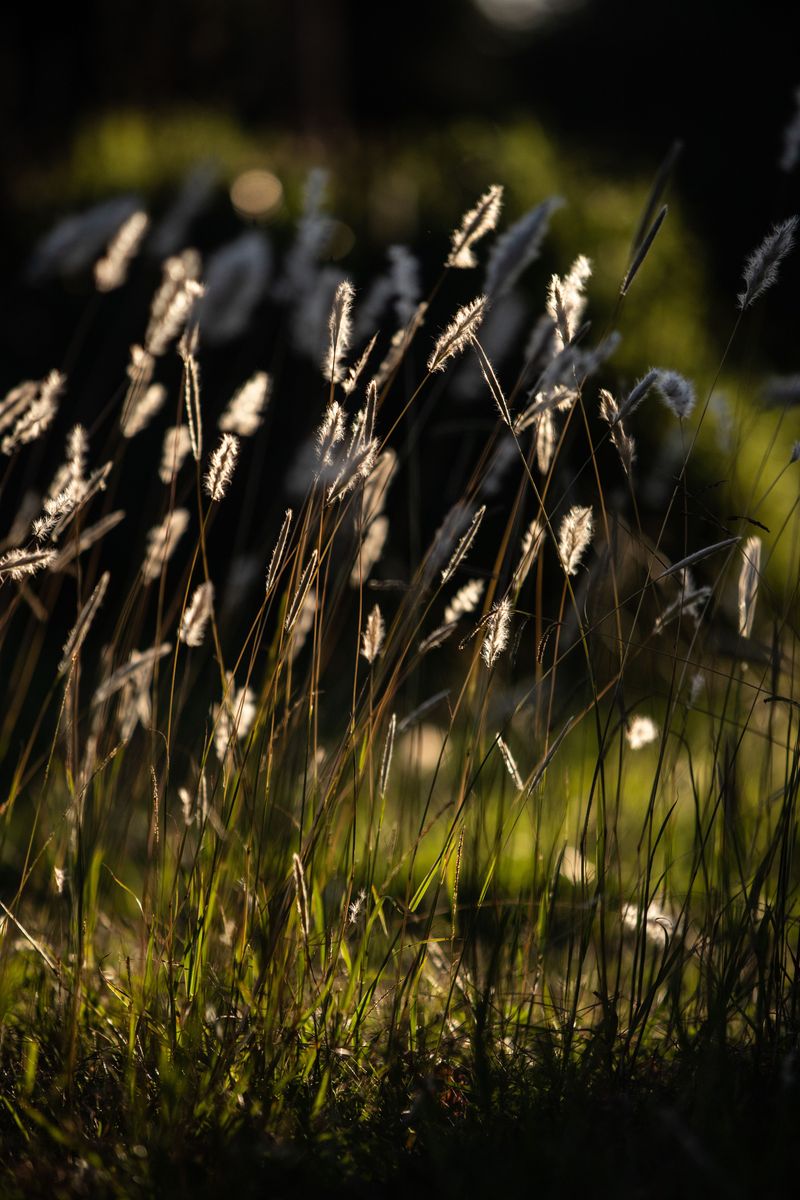
Plenty of Tennessee grasses look vaguely similar from a truck window. Getting the identification right saves both money and worry.
Start with the midrib, that pale line running down the center of the leaf. On cogongrass it sits noticeably off to one side rather than centered.
Johnsongrass, a weed most farmers already know, has a wide midrib that stays centered and grows much taller, often topping six feet. Its seed head is loose and reddish-purple, not silvery white.
Native switchgrass and broomsedge form tidy bunches with visible stems. Cogongrass, by contrast, has almost no upright stem, and its blades rise straight from the ground in a dense mat.
Color helps in fall. As September moves toward October, cogongrass turns a distinctive orange-tan while surrounding grasses stay greener longer.
The circular growth pattern is another strong clue. Look for a patch expanding outward evenly, thickest in the middle, thinning at the edges.
Touch the leaf edge carefully. That rough, sandpapery feel comes from silica and is a solid confirming detail.
If you spot the seed heads in spring, they are unmistakable: fluffy, silvery-white, and shaped like a bottle brush, appearing well before other grasses flower.
Snap a few clear photos, including one of the whole patch and one close-up of a single blade.
Then contact your county Extension office or the Tennessee Department of Agriculture Division of Forestry, since confirmed reports help track where the plant is showing up.
A Realistic Game Plan For Landowners This Fall
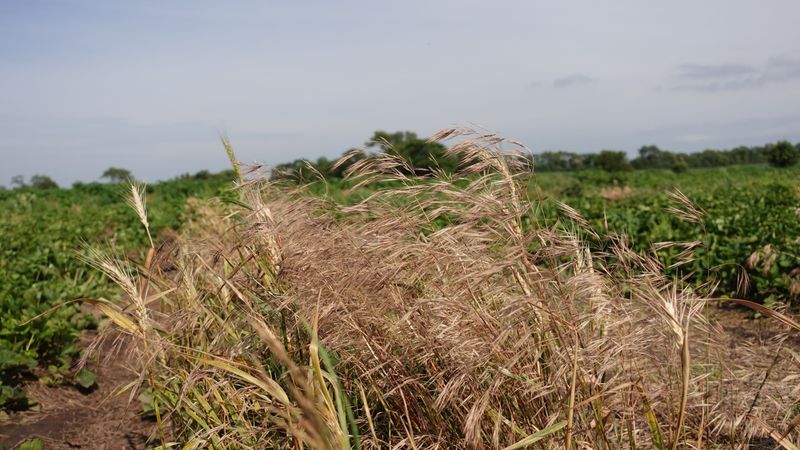
Good news first: a small patch caught early is manageable. The bad news is that patience is part of the price.
Fall is actually a strong treatment window. As days shorten, the plant moves energy down into its rhizomes, carrying herbicide along with it.
Land managers across the Southeast typically rely on glyphosate, imazapyr, or a combination, applied to actively growing green foliage. Product choice depends on what else is growing nearby, since imazapyr lingers in soil and can affect trees.
Reading the label is not optional, and your county Extension agent can point you toward the right rate for your situation. Free advice from someone who knows local conditions is hard to beat.
Mowing before treatment can help by removing old thatch and encouraging fresh green growth, but do it about six to eight weeks ahead so there is leaf surface to spray. Clean the mower afterward.
Expect to repeat treatments for two to four years. Rhizomes hold reserves, and skipping a follow-up lets the patch rebound.
Mark the spot with flagging tape or a GPS pin so you can check it each season. Memory fades faster than rhizomes do.
Once the patch is knocked back, plant something competitive in its place, whether that is a native grass mix, clover, or pine seedlings. Bare ground allows the plant to re-establish.
Report confirmed finds to state forestry so Tennessee’s map stays accurate. Neighbors benefit from what you learn.