The Georgia Herb That Can Help Make Your Porch Less Appealing To Roaches
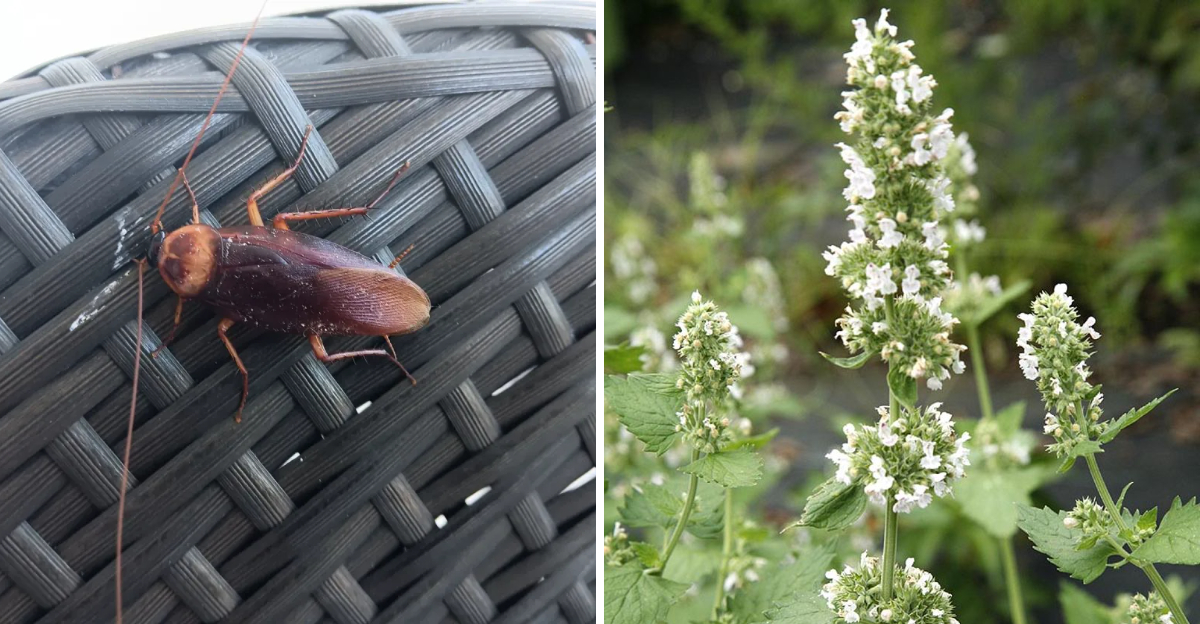
Nothing ruins a peaceful evening on the porch faster than spotting a roach. One unexpected visitor is enough to make people head back inside.
Keeping them away is not always about using stronger products. Sometimes the plants growing near your porch deserve a closer look.
Certain herbs naturally fit into outdoor spaces for more than cooking. Their fragrance can make the area feel less welcoming to unwanted pests.
Plenty of gardeners in Georgia have started giving one particular herb a place near porches and entryways. It earns its spot for more than one reason.
Before buying another spray, think about what is already growing outside. A simple planting choice can change the feel of the space.
This hardworking herb brings beauty, fresh flavor, and an extra benefit many homeowners appreciate.
That combination makes it easy to understand why it keeps growing in popularity.
1. Catnip Is The Herb That Roaches Tend To Avoid
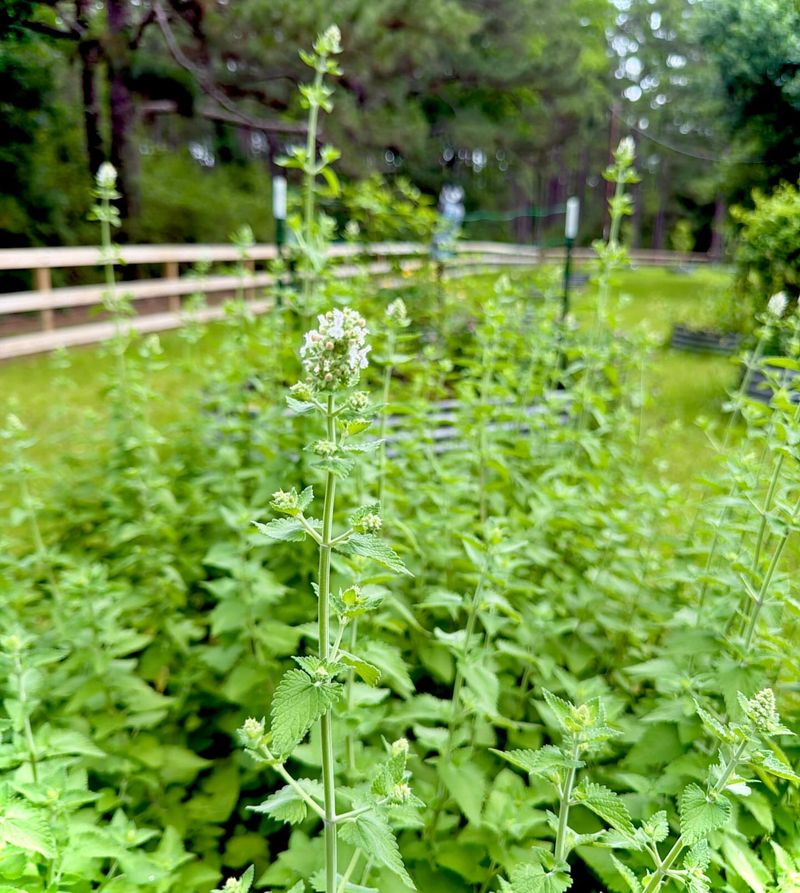
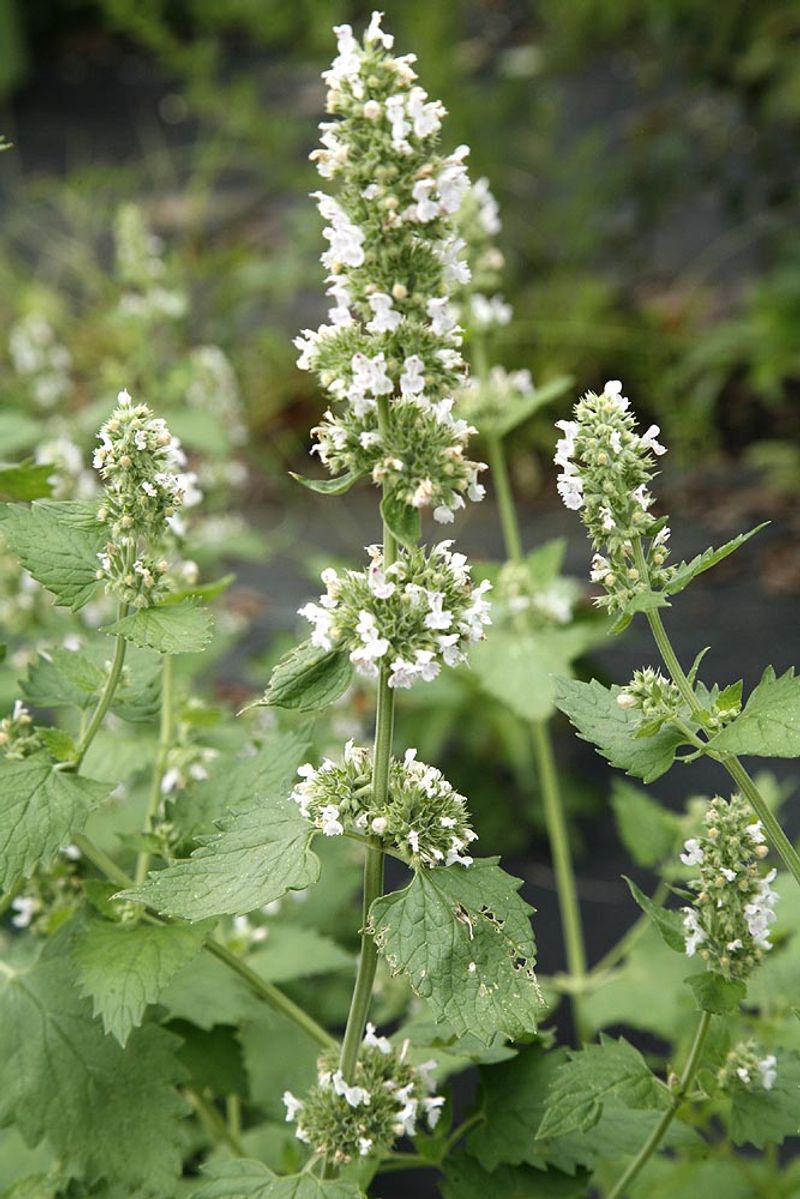
Not every pest repellent comes in a spray bottle. Catnip, the same herb that makes cats go wild, contains a natural compound called nepetalactone.
Roaches seem to find this scent unpleasant and tend to steer clear of areas where it is present.
Catnip is easy to grow and widely available at garden centers across Georgia and the broader Southeast. It grows well in containers, which makes it a flexible option for porches of all sizes.
You do not need a big yard or a green thumb to get started.
Worth noting: catnip does not eliminate roaches or act as a poison. It works more like a deterrent, making a space less appealing.
Roaches may still pass through, especially if food or moisture is nearby. Catnip works best as part of a broader pest management plan, not as a standalone fix.
If you have cats, keep in mind they will likely be very interested in your catnip plants. You may need to place pots in spots that are accessible to airflow but out of reach of your pets.
A hanging basket or a high shelf can help balance both goals without sacrificing the herb’s effectiveness.
2. Place Potted Catnip Near Doors And Steps
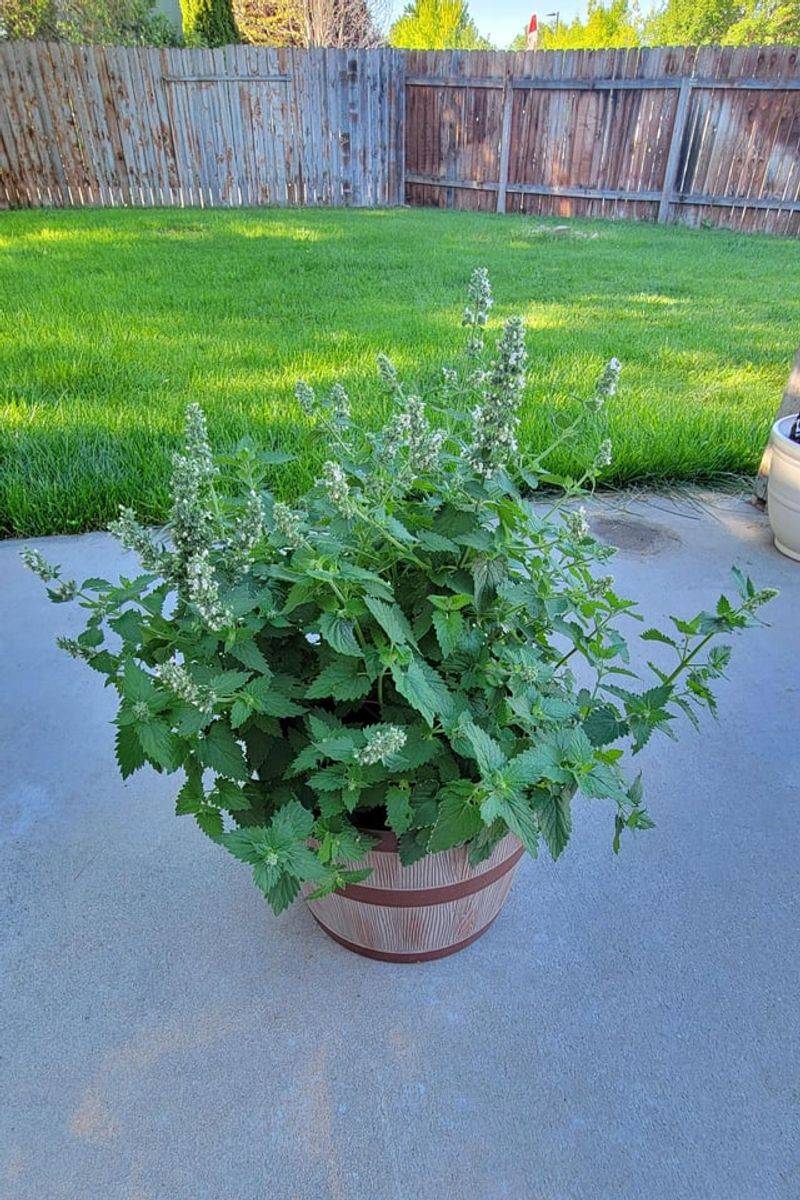
Placement matters more than most people realize. Putting catnip anywhere on your porch is a start, but placing it near entry points like doors and steps is where it can do the most work.
Roaches typically move along edges and enter through the lowest, most accessible gaps.
A pot near the base of a door or beside porch steps puts the scent right where roaches are most likely to travel. The goal is to create a scent barrier at the spots they use most.
Two or three small pots spaced out along the porch edge can help cover more ground than one large pot placed in the center.
Keep the soil moist but not soaked. Catnip grows best with moderate watering and plenty of sunlight.
In Georgia’s hot summers, containers can dry out quickly, so check the soil every couple of days. A dry, struggling plant produces less scent and becomes less effective as a deterrent.
Your Georgia Garden Changes Every Week. Your Plan Should Too.
Gardening in Georgia changes quickly throughout the season. Every Friday you’ll receive a simple weekly plan showing exactly what to plant, prune, fertilize, harvest, and protect so you never miss the right timing.
Rotate your pots slightly every week or two so all sides of the plant get even sun exposure. Healthy, full growth means stronger scent output.
Leggy or patchy plants tend to produce less nepetalactone, which is the compound roaches tend to avoid. Strong, bushy catnip is the version you want near your entry points.
3. Roaches Often Enter Through Small Gaps
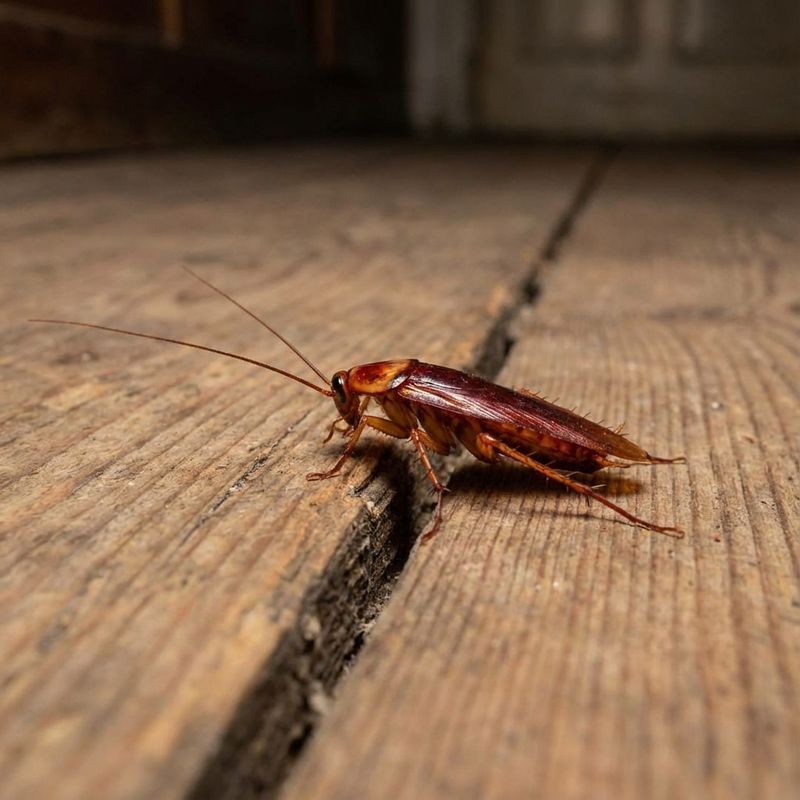
Roaches are surprisingly flat. A gap as thin as a few millimeters is enough for a roach to squeeze through, which means even a well-kept porch can have entry points you have not noticed yet.
Checking for gaps is a smart first step before relying on any plant-based deterrent.
Look along the bottom of doors, around utility lines, and near where pipes enter the wall. Cracks in the porch floor and gaps in weatherstripping are also common entry spots.
Sealing these with caulk or foam weatherstripping is a simple fix that does not cost much but can make a real difference.
Catnip near your door adds a layer of scent-based deterrence, but physical barriers handle what scent cannot. Roaches motivated by food or moisture will push through discomfort if the reward is strong enough.
Blocking the actual entry point removes the option entirely.
Walk around your porch at dusk with a flashlight and look for movement along the edges. Roaches are most active after dark, and spotting where they come from tells you exactly where to focus your sealing efforts.
Combining gap sealing with catnip placement gives you two lines of defense instead of one, which is a much more reliable approach overall.
4. Crushed Catnip Leaves Release A Stronger Scent
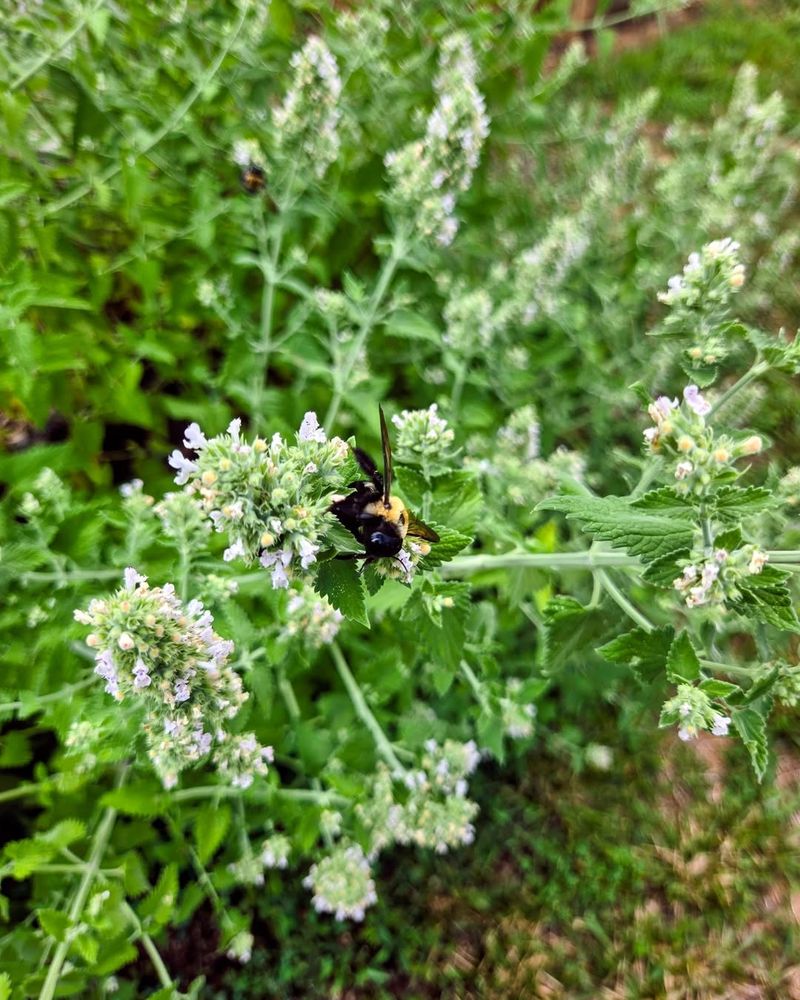
Fresh catnip has a noticeable smell on its own, but crushing the leaves releases much more of the essential oils inside. Those oils carry the nepetalactone that roaches tend to avoid.
Lightly rubbing the leaves between your fingers before placing them near problem spots can boost the scent significantly.
You can scatter a small handful of crushed leaves along porch edges, near door frames, or in the corners where roaches tend to travel. Refresh them every few days since the scent fades as the oils evaporate.
Dried catnip from a pet store also works, though fresh leaves tend to have a stronger initial output.
Small sachets made from cloth or mesh filled with crushed catnip are another practical option. Tuck them into corners, behind furniture, or along the wall edge near the steps.
They are easy to swap out and do not leave loose plant material scattered across your porch.
Keep in mind that heat and direct sunlight can speed up how fast the scent fades. On hot summer days in the South, you may need to refresh crushed leaves more often than you would in cooler weather.
5. Damp Areas Attract More Roaches Than Dry Ones
Moisture is one of the biggest draws for roaches. A porch that holds water, stays damp after rain, or has poor drainage is significantly more attractive to roaches than a dry one.
No amount of catnip will fully offset the pull of standing water or consistently wet surfaces.
Check your porch after heavy rain. If water pools near the door, along the edges, or under furniture, that is a problem worth fixing.
Clearing clogged drains, adding a slope to direct water away, or simply mopping up puddles can reduce roach activity more than most people expect.
Humid climates like those found across Georgia make moisture control especially important. Porches in this region stay damp longer after rain and can develop mildew or soft spots in wood that attract roaches looking for shelter and water.
Keeping wood sealed and surfaces clean helps reduce that appeal considerably.
Flowerpots are another hidden moisture source. Trays under pots collect standing water and stay damp for days.
Empty those trays regularly and avoid overwatering your catnip or other porch plants. A damp pot tray sitting right next to your catnip can attract roaches even while the herb is doing its best to push them away.
Balance both factors for better results.
6. Porch Clutter Gives Roaches More Places To Hide
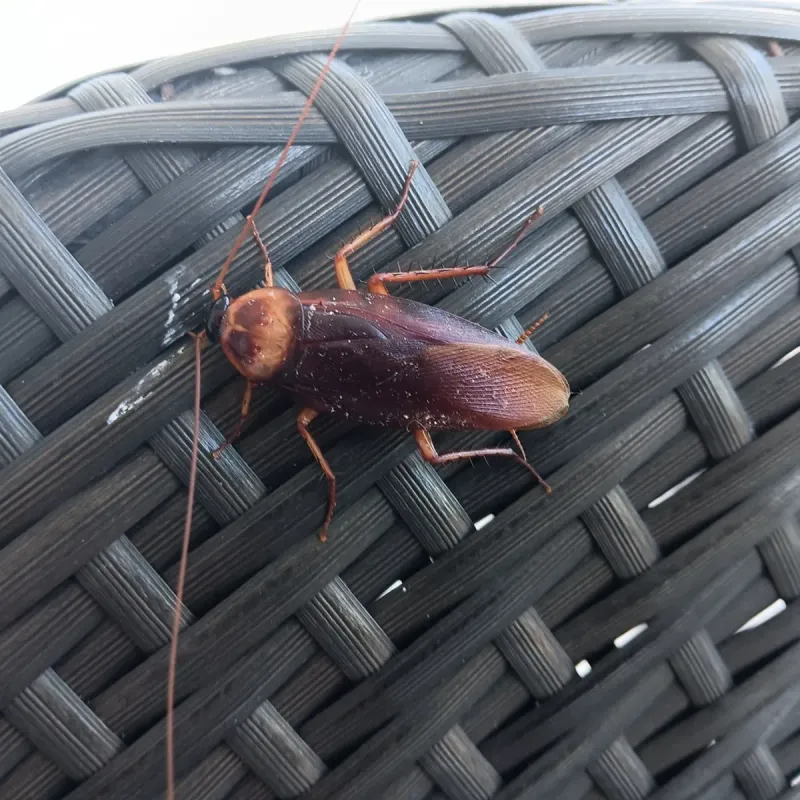
Roaches love clutter. Stacked boxes, old furniture, piles of shoes, bags of potting soil, and forgotten items pushed into corners all create the kind of dark, sheltered spaces roaches seek out during the day.
A tidy porch gives them far fewer options.
Clearing clutter is one of the most effective and free things you can do to make your porch less inviting. Move items you do not use regularly into a shed or storage bin with a tight lid.
Roaches can squeeze into cardboard boxes easily, so switching to sealed plastic bins is a smart upgrade.
Even decorative items like stacked flower pots, outdoor rugs, and door mats can harbor roaches underneath. Lift and check them occasionally.
Shake out rugs and let them dry fully in the sun rather than leaving them damp against the porch floor for extended periods.
Catnip works best in open, well-ventilated areas where its scent can spread. A cluttered porch limits airflow and creates so many hiding spots that even a strong-smelling herb has less impact.
Think of decluttering and catnip as a team effort.
One reduces the appeal of the space, and the other adds a scent-based layer that can discourage roaches from settling in around your home’s entry points.
7. Food Crumbs Attract Roaches Even Faster
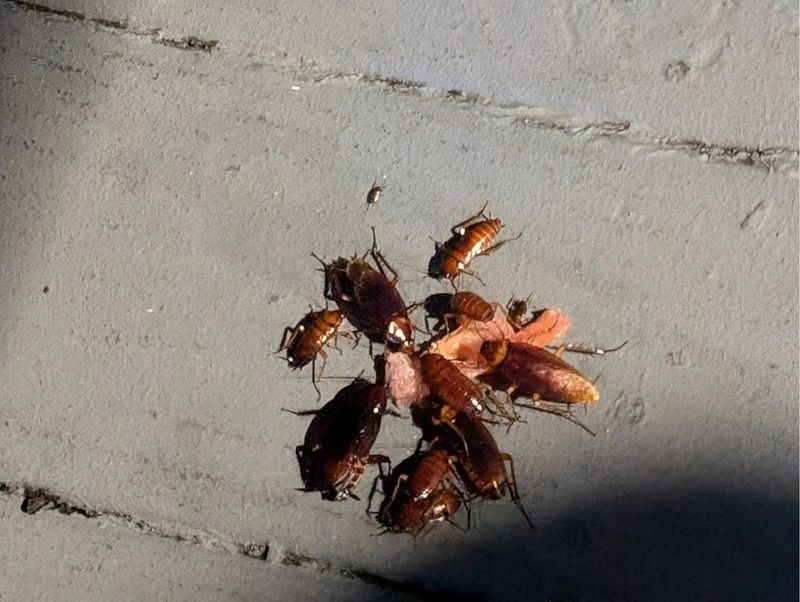
Food is the fastest way to undo everything else you are doing to keep roaches away. Even small crumbs from snacks, pet food left outside, or sticky spills from drinks can pull roaches in quickly.
Roaches have a sharp sense of smell and can detect food from a surprising distance.
Sweep your porch regularly, especially after meals or gatherings. Wipe down tables and chairs if drinks or sauces were involved.
A quick clean-up after spending time on the porch takes two minutes and removes one of the strongest reasons roaches would want to visit in the first place.
Pet food is a major offender. Leaving a bowl of food outside overnight is practically an open invitation.
Feed pets at set times and bring bowls inside when they are done. Store any outdoor pet food in sealed containers rather than open bags that roaches can access easily.
Catnip may help make your porch smell less appealing, but food scent is far stronger and tends to override subtler deterrents. Keeping your porch clean and food-free strengthens the effect of any plant-based strategy you are using.