What Florida Gardeners Plant Now For A Steady Homegrown Tomato Supply
August is the month when Florida tomato gardeners can stop mourning tired summer vines and start building the next harvest.
Across the state, fresh transplants can turn late summer into the beginning of a much longer picking season.
North Florida enters its fall tomato window in July and August, Central Florida plants mainly in August and September, and South Florida has the broadest window, stretching from August through winter.
The challenge is choosing varieties that match the heat still hanging around.
Cherry tomatoes usually handle warm conditions better than big slicers, while heat-tolerant hybrids can bridge the gap until nights cool. Disease resistance, growth habit, support, and planting timing matter just as much as flavor.
So, what should go into the garden now?
A mix of fast cherries, dependable hybrids, and a few specialty tomatoes can spread harvests instead of creating one giant glut.
Start with healthy transplants, give roots consistent moisture, and leave enough room for air to move through the foliage as Florida humidity lingers into fall naturally.
1. Plant Sweet 100 For A Long Cherry Harvest
A fresh cherry tomato is often the quickest way to get a Florida harvest moving again.
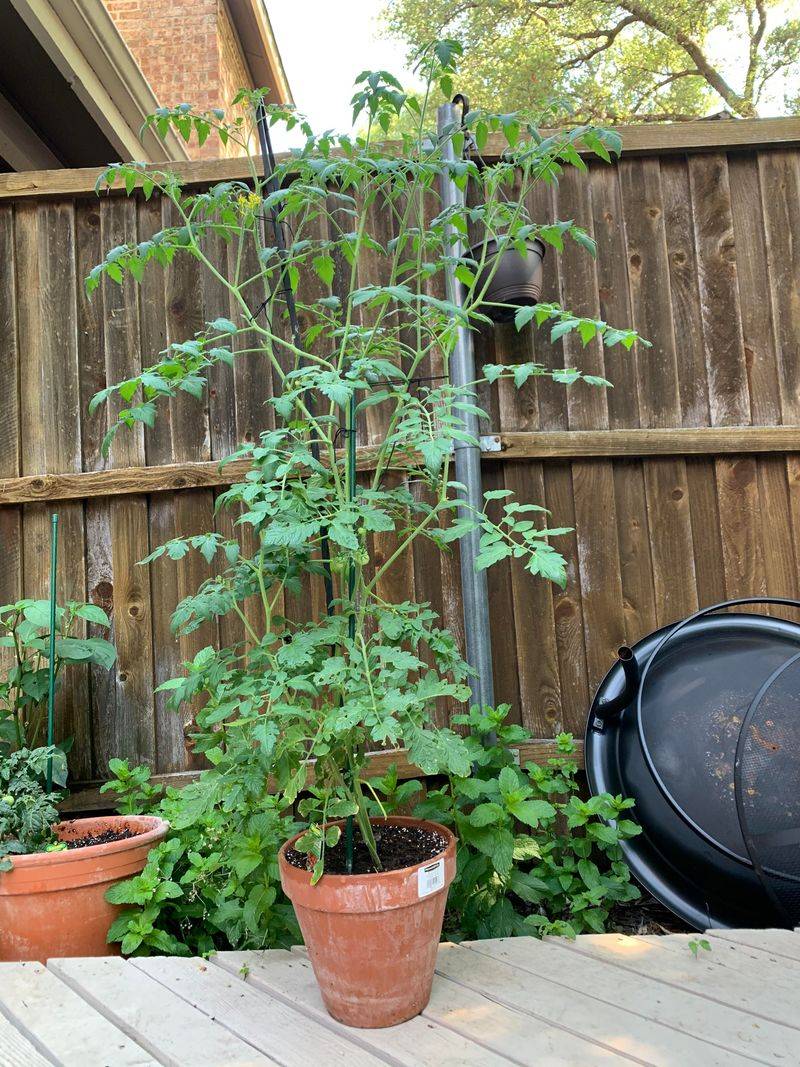
Sweet 100 is an indeterminate cherry type, so the vine keeps making new stems, flowers, and fruit instead of finishing in one concentrated flush.
That extended habit makes it useful for gardeners who want handfuls of tomatoes over many weeks rather than one crowded picking weekend.
Give the vine serious support from the beginning.
A tall cage, trellis, or firmly anchored stake keeps sprawling growth off the ground and makes the foliage easier to inspect.
Leave roughly two to three feet between plants where space allows. Florida humidity already slows leaf drying, so squeezing several vigorous vines together creates a leafy traffic jam nobody needs.
August timing changes across the state.
North Florida is already inside its fall tomato window in July and August. Central Florida begins its main fall planting period in August and continues through September.
South Florida has a much broader season from August into winter, though intense late-summer heat can still make early fruit set uneven.
Keep soil moisture steady as clusters develop.
A mulch layer helps reduce rapid swings between dry soil and a soaking thunderstorm. Harvest ripe cherries frequently so cracked or overripe fruit does not linger.
Sweet 100 can keep the snack bowl busy for a long stretch. Just remember that “100” is a name, not a reasonable daily harvest commitment.
2. Grow Sun Gold For Fast Sweet Pickings
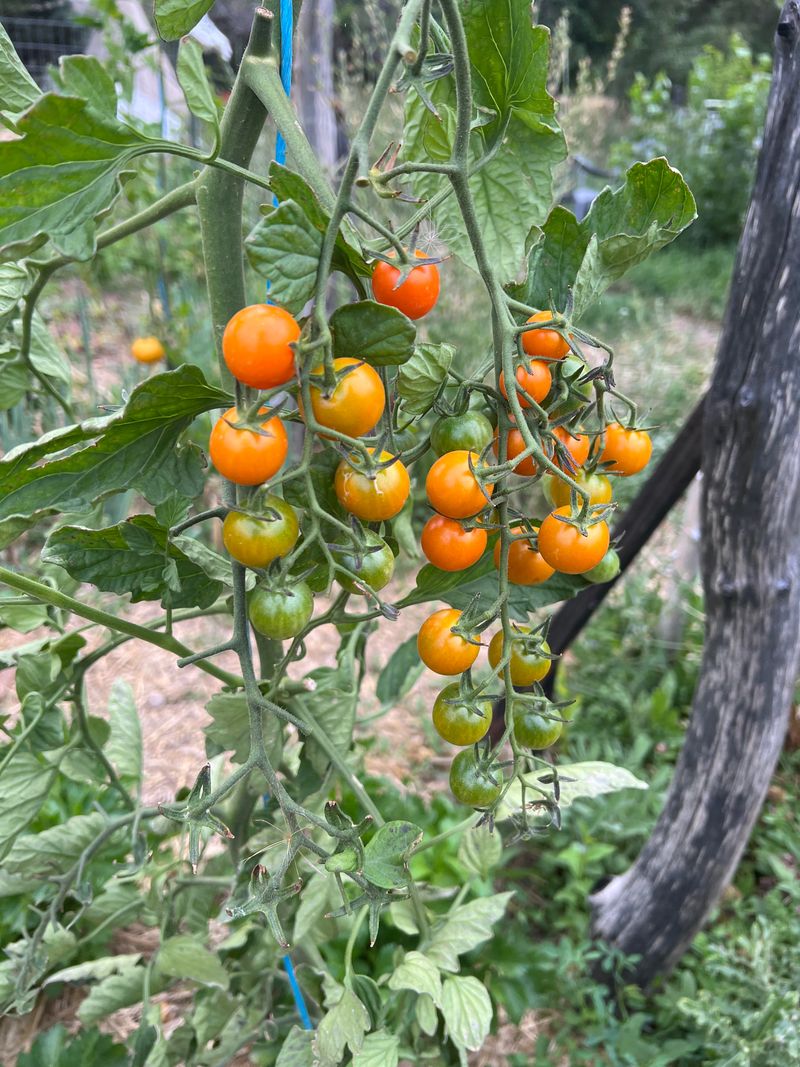
Orange cherry tomatoes can bridge the awkward gap between exhausted summer vines and the cooler fall crop.
Sun Gold is an indeterminate F1 hybrid known for early production, with fruit reaching maturity in about 57 days from transplanting under favorable conditions.
That speed is useful in Florida because the plant can begin setting a crop before larger slicers have fully settled into their season.
Support it before the vine becomes ambitious.
Sun Gold grows vigorously and produces long fruit clusters, so a tall cage or trellis is much easier to install at planting than after stems have started wandering through neighboring plants.
Your Florida Garden Changes Every Week. Your Plan Should Too.
Gardening in Florida changes quickly throughout the season. Every Friday you’ll receive a simple weekly plan showing exactly what to plant, prune, fertilize, harvest, and protect so you never miss the right timing.
Warm conditions are less troublesome for cherry tomatoes than for many large-fruited types. That makes Sun Gold a practical August choice in North and Central Florida, where the fall planting windows are opening.
South Florida gardeners can plant during a much longer season, though the hottest part of late summer may still slow flowering or fruit set.
Consistent moisture deserves attention once fruit begins coloring.
Sudden changes from dry soil to heavy rain can contribute to splitting. Mulch and steady root-zone watering help smooth those swings without keeping the soil saturated.
Pick the orange fruit as it reaches full color and flavor.
Sun Gold rarely needs much encouragement to disappear from the harvest basket. The bigger challenge is getting the tomatoes from the garden to the kitchen without eating half of them on the walk.
3. Use Heat Wave II For Hotter Conditions
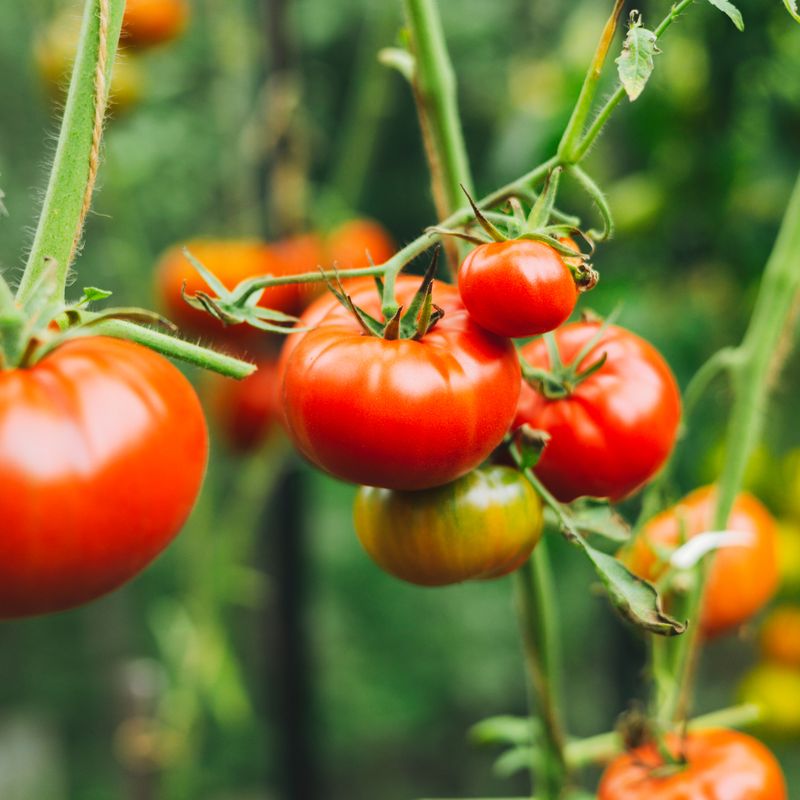
Late August can still be too warm for many large-fruited tomatoes to set reliably, which is where Heat Wave II earns its space.
This hybrid is a determinate tomato bred for warmer conditions and is specifically recommended for Florida gardens.
The plant stays more compact than sprawling indeterminate types and concentrates much of its crop into a shorter period, making it easier to fit into a raised bed or a garden with limited staking room.
A sturdy cage is still worthwhile.
Medium-sized red fruit can load the branches quickly, and Florida thunderstorms are not gentle with unsupported stems. Set the cage at transplanting so roots are not disturbed later.
Heat tolerance has limits.
Even a variety selected for warm weather can slow down when nights remain very hot for long stretches.
That means August planting is about getting roots established and letting the plant be ready as temperatures gradually become friendlier.
Large-fruited tomatoes commonly struggle with fruit set once nighttime temperatures remain too warm.
North Florida can use Heat Wave II during the July-to-August fall planting window. Central Florida starts its fall tomato season in August.
South Florida has a longer planting period, but waiting for a slightly more moderate stretch can improve the odds of steady fruit set.
Keep moisture even and avoid pushing excessive leafy growth with too much nitrogen.
Heat Wave II gives Florida gardeners a useful bridge through stubborn warmth. It is tough, not magical, which is still a very good deal for a tomato plant in August.
4. Plant Better Boy For Bigger Slicers
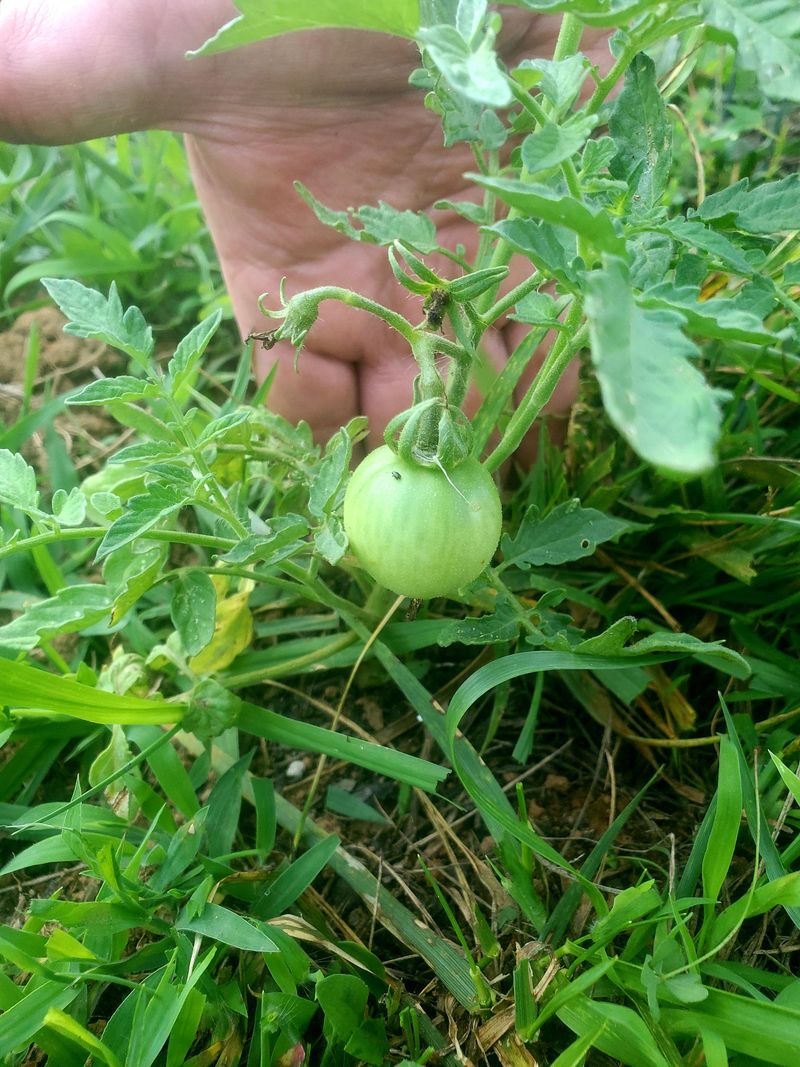
Big sandwich tomatoes usually need a little more patience than cherry types, but Better Boy is worth putting into the fall plan.
This indeterminate hybrid produces large red slicers on vines that continue growing and flowering through favorable weather.
The variety reaches maturity in roughly the mid-70-day range from transplanting, so it benefits from getting established early enough to take advantage of cooler nights later in the season.
Give it a strong support system.
A flimsy cage can turn into modern art once a vigorous vine loads up with heavy fruit. Tall cages, trellises, or securely driven stakes keep stems upright and make harvest easier.
Spacing matters just as much.
Leave enough room for air to move through the foliage, especially in Florida’s humid fall weather. A crowded tomato canopy stays damp longer after rain and becomes harder to inspect for leaf spots, whiteflies, hornworms, and other trouble.
Better Boy is recommended for Florida gardens, but large-fruited tomatoes generally struggle with fruit set during the hottest nights. North Florida gardeners can transplant during the July-to-August fall window.
Central Florida plants mainly in August and September. South Florida has a much longer season, so there is less reason to force a large slicer through the roughest late-summer heat.
Keep the root zone evenly moist as fruit expands.
Better Boy asks for more patience than a cherry tomato, then repays it with slices that finally fit the sandwich instead of rolling off the bread.
5. Add Celebrity For A Reliable Main Crop
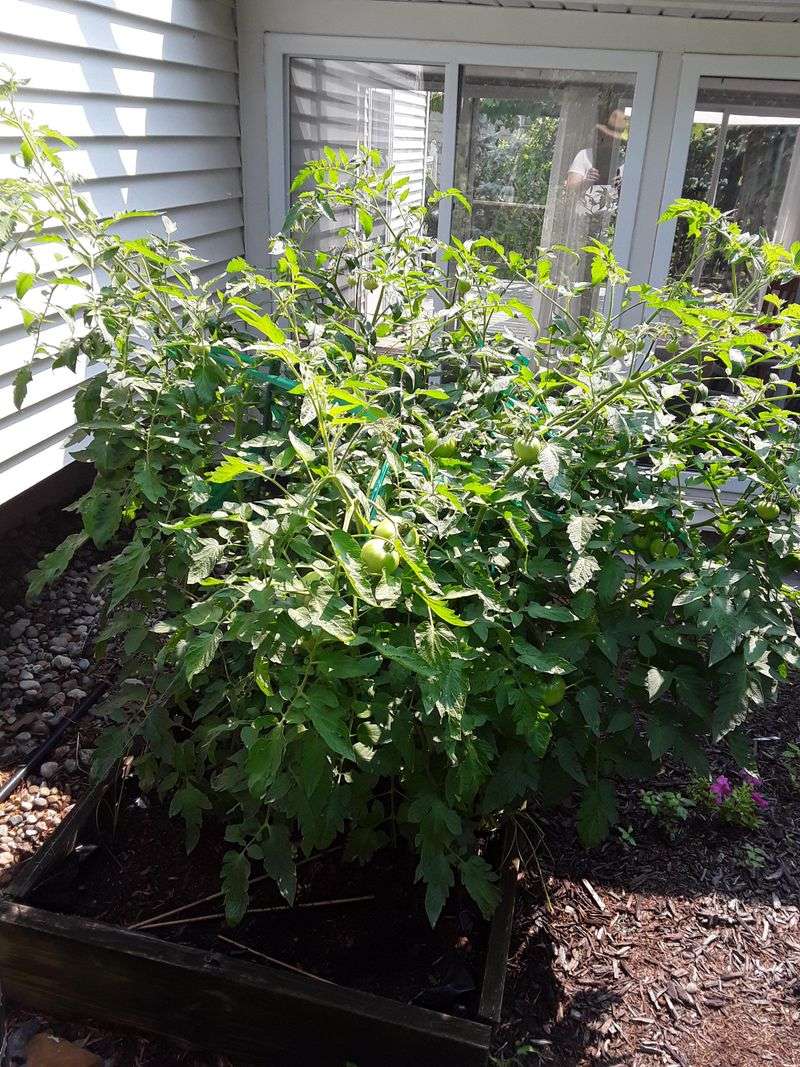
A dependable main-crop tomato can steady the harvest when more temperamental varieties decide Florida weather is beneath them.
Celebrity fits that role well. It has a semi-determinate growth habit, staying more compact than a fully indeterminate vine while still producing over a useful stretch rather than all at once.
Plants commonly reach about three to four feet tall, so a sturdy cage usually provides enough support.
Disease resistance is one of its strongest advantages.
Celebrity carries resistance to several common tomato problems, including verticillium wilt, fusarium wilt, tobacco mosaic virus, and root-knot nematodes.
That does not make the plant immune to every Florida disease, but it gives the crop a stronger starting point in a climate where warm, humid conditions can make tomato foliage work overtime.
The fruit lands in the useful middle ground.
Red tomatoes around half a pound are large enough for sandwiches and slicing without asking the plant to mature enormous beefsteaks during marginal weather.
Planting timing follows the regional fall windows.
North Florida gardeners should have fall transplants going during July and August. Central Florida plants mainly in August and September.
South Florida can plant from August through February, which gives gardeners more chances to work around heat, storms, or a disappointing early crop.
Keep the plant mulched, supported, and evenly watered.
Celebrity may not have the drama of a striped heirloom, but reliability has its own charm when dinner needs tomatoes more than the garden needs a personality contest.
6. Try Green Zebra For A Different Flavor
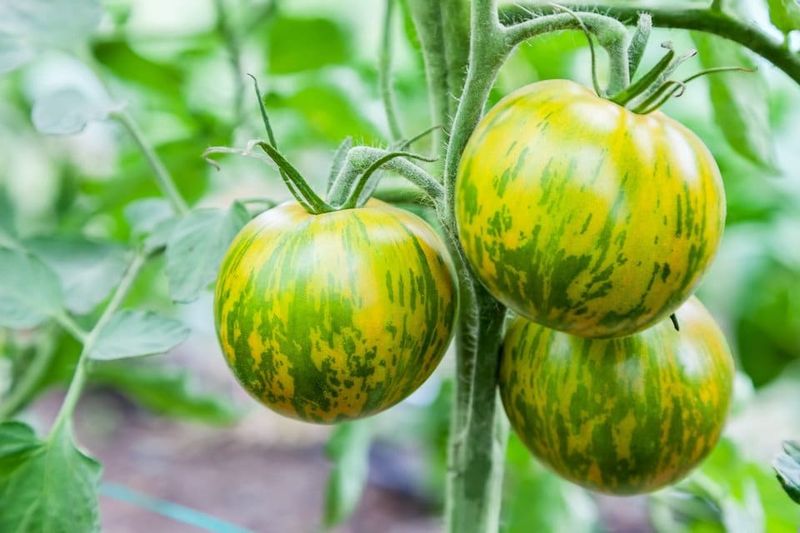
A harvest does not need to turn red before it becomes interesting.
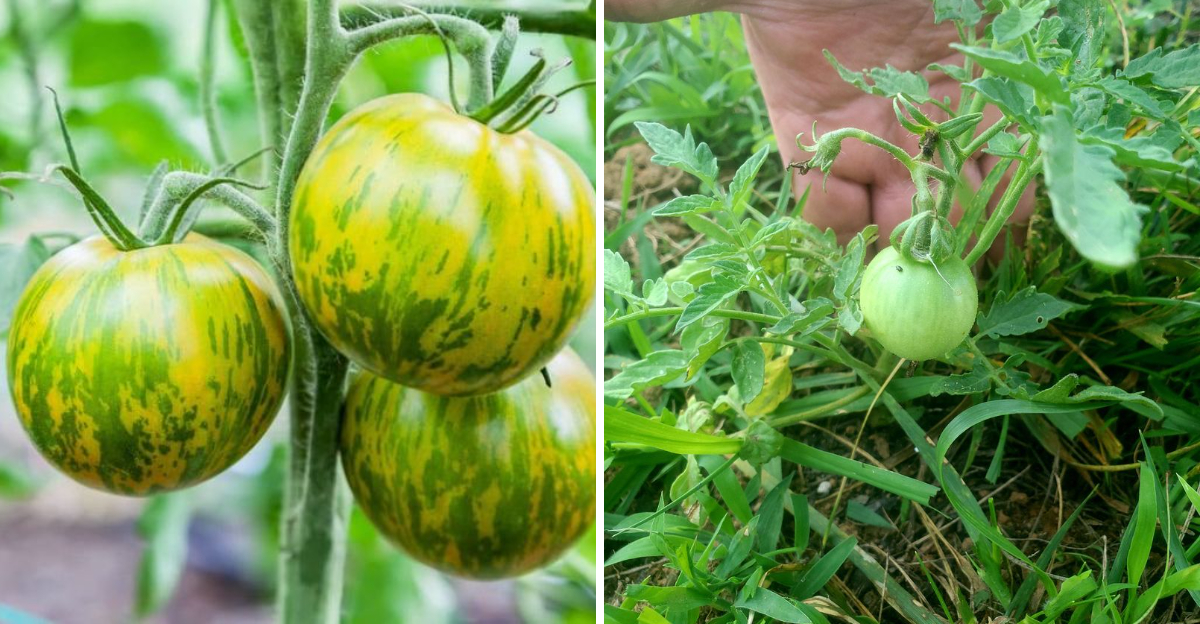
Green Zebra ripens to a yellow-green background marked with darker green stripes, giving Florida gardeners a specialty tomato that is easy to recognize once they learn the color change.
The fruit is usually modest in size, and the plant grows as an indeterminate vine that benefits from staking or trellising.
Watch texture as well as color.
Ripe fruit develops a warmer yellow-green cast and softens slightly under gentle pressure. Picking while the background is still hard, cool green can leave the flavor sharper and less developed than expected.
Green Zebra is included among heirloom-style choices recommended for Florida gardens, but it does not bring the same broad resistance package as some modern hybrids.
Give the vines generous spacing, keep leaves off wet soil where practical, and inspect foliage regularly during humid weather.
August can be useful planting time depending on location.
North Florida is already in its fall window, while Central Florida begins fall planting this month. South Florida has months of opportunity ahead, so gardeners there can time transplants around the worst heat rather than rushing a specialty variety into difficult conditions.
Keep moisture consistent as fruit develops.
Large swings between dry ground and heavy rain can stress any tomato crop. Mulch helps soften those changes.
Green Zebra earns its place by making the harvest basket more varied. It also gives guests a fine opportunity to ask why you picked the tomatoes before they turned red.
7. Grow Cherokee Purple For Heirloom Harvests
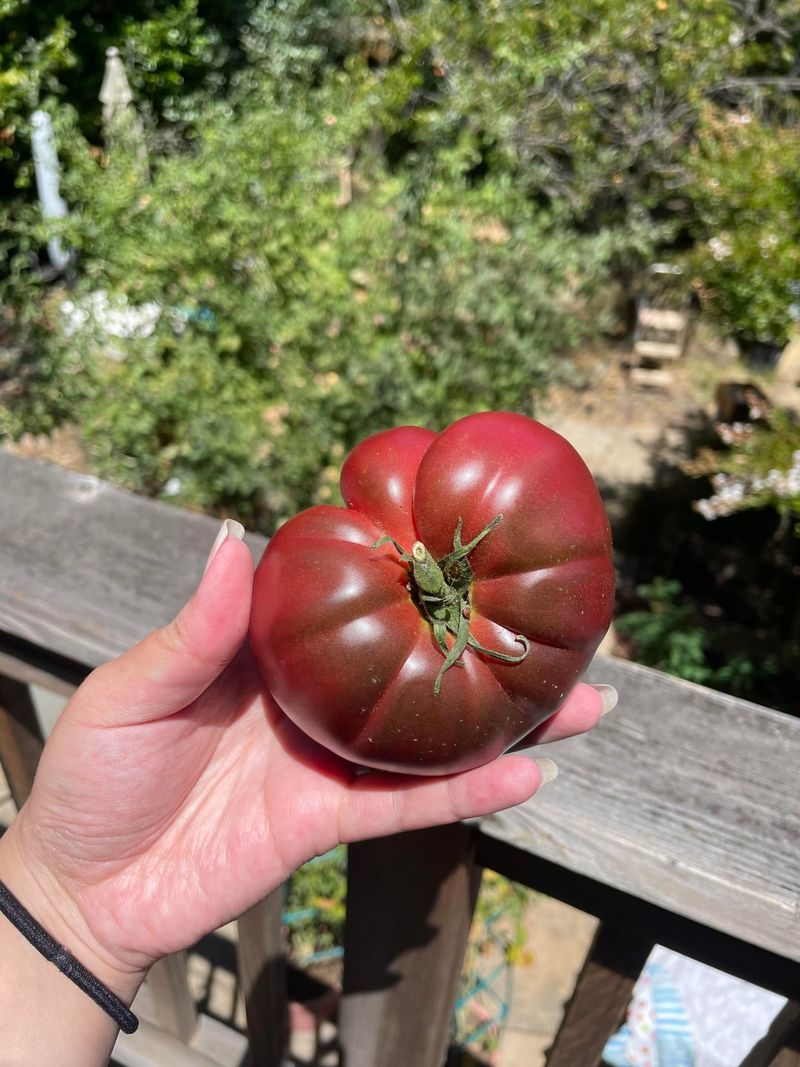
Flavor is the reason many gardeners make room for Cherokee Purple even when easier hybrids are sitting on the same nursery bench.
This open-pollinated heirloom produces large, dusky pink-purple slicers on indeterminate vines. Fruit commonly reaches the 8-to-12-ounce range, with some growing larger under favorable conditions.
The vines need serious support and enough space for foliage to dry after rain.
Florida timing matters more with this one.
Cherokee Purple is recommended as an heirloom choice for the state, but it is not the tomato to push through the hottest stretch simply because a transplant is available.
North Florida gardeners can set fall plants during the July-to-August window. Central Florida enters its fall tomato period in August and September.
South Florida has a long planting season, so waiting for somewhat friendlier temperatures can make more sense for a large-fruited heirloom.
Keep irrigation steady once tomatoes begin sizing up.
Mulch helps buffer the root zone between heavy rain and dry weather, while sturdy cages keep weighty fruit from dragging branches toward damp soil. Inspect foliage often rather than assuming an heirloom will tolerate every disease pressure quietly.
Save seed only from healthy, fully mature fruit when seed saving is part of the plan.
Cherokee Purple takes longer to reach the kitchen than a cherry tomato, but that is part of the strategy. Let faster varieties handle the early snacking while this one works on the sandwich department.