Why Your Garden Struggles Under This Connecticut Tree (And What Actually Grows There)
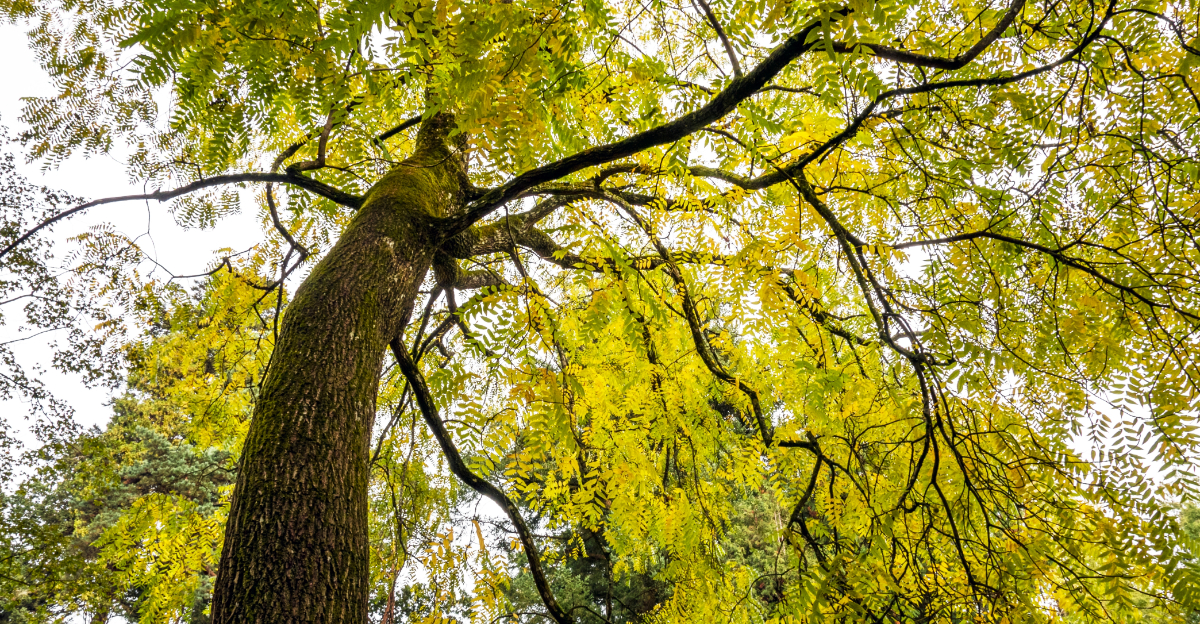
There is a tree in Connecticut yards that makes gardeners scratch their heads every autumn. The grass beneath it thins out, tomatoes sulk, and the flower bed looks tired by August.
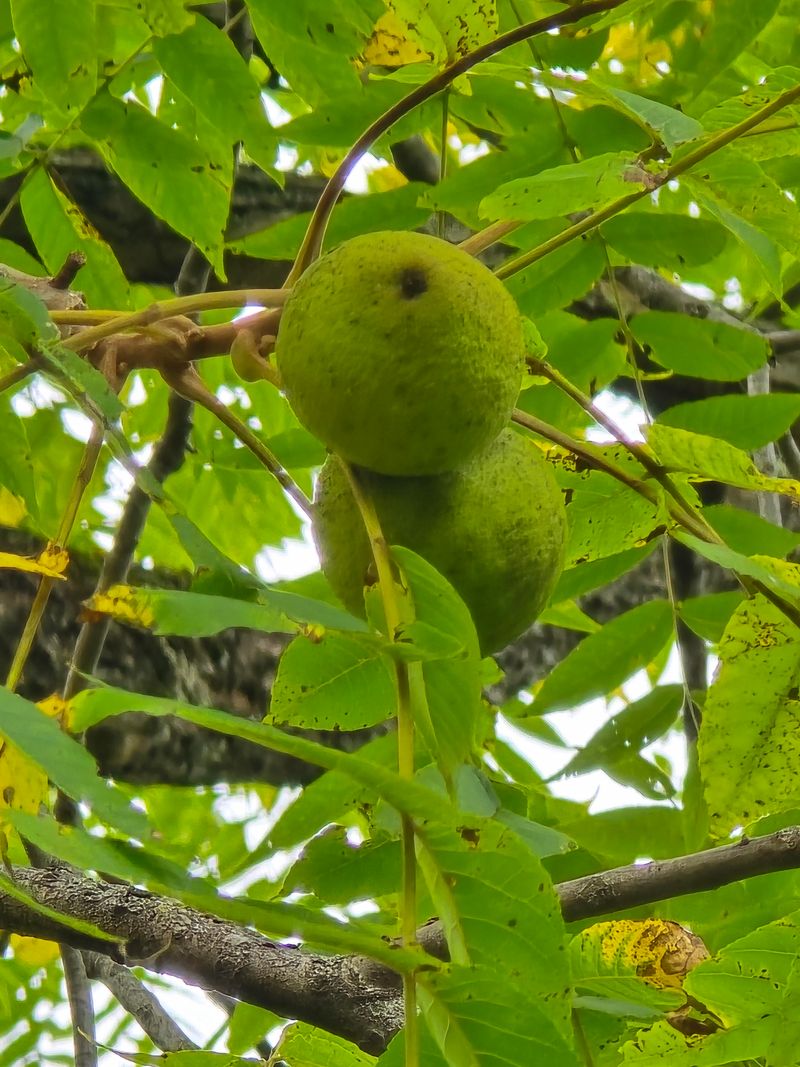
Right now, heavy green orbs are thudding onto lawns and driveways across the state. Step on one and your fingers turn a stubborn shade of brown that soap barely touches.
Those falling spheres are not just a nuisance for mower blades. They carry a clue about the quiet chemistry happening under the soil all season long.
When you understand what this tree is doing, the bare circle in your yard stops being a mystery. Better yet, you can work with it instead of fighting it.
The Chemical Handshake Happening Beneath Your Feet
Black walnut trees produce a compound called juglone, and it is the reason your garden bed near that big shade tree keeps underperforming. The chemical lives in the roots, leaves, bark, and especially in the husks of those green nuts hitting your lawn right now.
Roots release juglone directly into the surrounding soil. Rain washes more of it down from leaves and husks, concentrating it in the top layer where most garden plants keep their feeding roots.
Scientists call this behavior allelopathy, a fancy word for one plant using chemistry to discourage neighbors. Walnuts are the most famous example in North America, though they are far from the only species that plays this game.
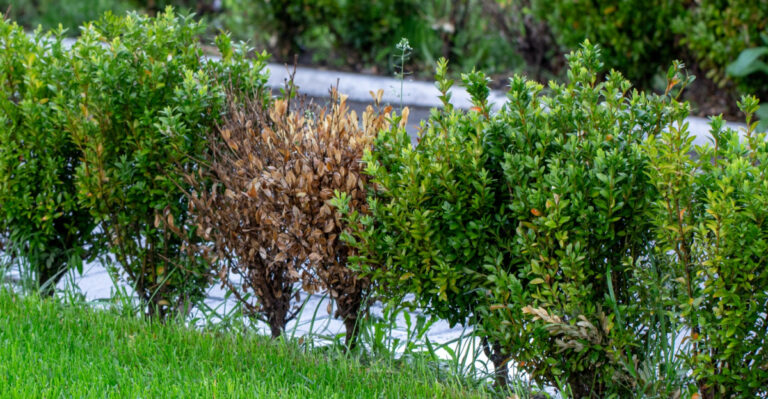
Sensitive plants react by wilting, yellowing, or simply refusing to thrive even when watered and fed properly. Tomatoes are the classic victim, drooping dramatically within days of being planted too close.
The affected zone usually stretches as far as the branches reach, and often a good deal farther. Mature walnut roots in Connecticut can travel fifty feet or more from the trunk. Often far beyond the shade line homeowners use to judge the danger zone.
Soil type matters too. Heavy clay and poorly drained spots hold juglone longer, while sandy, well-drained ground lets soil microbes break it down faster.
Understanding the mechanism changes everything about how you plan. Once you know the trouble is chemical rather than a lack of sunlight or nutrients, you stop wasting money on fertilizer that was never going to help.
Why Autumn Is When Homeowners Finally Notice
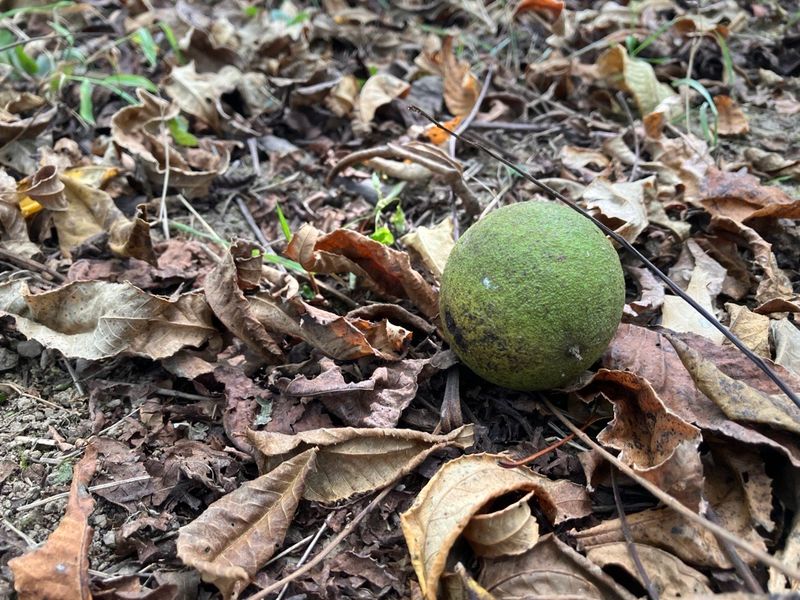
September and October turn a quiet problem into an obvious one. Those tennis-ball-sized green husks come down by the hundreds, bouncing off cars, rolling into flower beds, and making the lawn feel like a minefield.
Husks carry the highest concentration of juglone found anywhere on the tree. As they sit on the ground and start breaking down, autumn rain carries that concentrated dose straight into the soil below.
Leaves drop around the same time, adding another layer. A thick blanket of walnut leaves left to rot in place essentially recharges the soil with fresh compounds heading into winter.
Gardeners often connect the dots at this exact moment because the evidence is finally visible. The bare patch that seemed puzzling in July suddenly makes sense when you are raking up bushels of stained husks.
Your Connecticut Garden Changes Every Week. Your Plan Should Too.
Gardening in Connecticut changes quickly throughout the season. Every Friday you’ll receive a simple weekly plan showing exactly what to plant, prune, fertilize, harvest, and protect so you never miss the right timing.
Many Connecticut yards ended up with these trees by accident, often planted by squirrels decades ago along fence lines and property edges. Some homeowners don’t even realize what species they have until nut season arrives
The staining is a good identifier. Husk juice turns skin, concrete, and wood a deep brown that lingers for a week or more, which is why the same substance was once used to make ink and fabric dye.
Cleaning up promptly makes a real difference. Removing husks and leaves before winter reduces how much juglone soaks into the ground before spring planting season rolls around.
The Composting Mistake That Can Hurt Your Garden
Here is where a lot of well-meaning gardeners trip themselves up. They rake walnut leaves and husks into the compost bin, feeling virtuous about recycling, then spread that compost on the vegetable garden come spring.
Tomato seedlings go in, and within a couple of weeks they curl and slump for no apparent reason. The compost was the culprit all along.
Juglone does break down, but it needs time, oxygen, moisture, and active microbes. A cool, neglected pile that sits untouched may hold onto the compound for a year or longer.
Hot composting handles it much better. A pile that heats up properly and gets turned regularly can neutralize juglone in roughly two to three months, though many home piles never reach those temperatures.
Wood chips from a walnut are another sneaky source. Using them as mulch around sensitive perennials delivers a slow, steady dose right where roots are working.
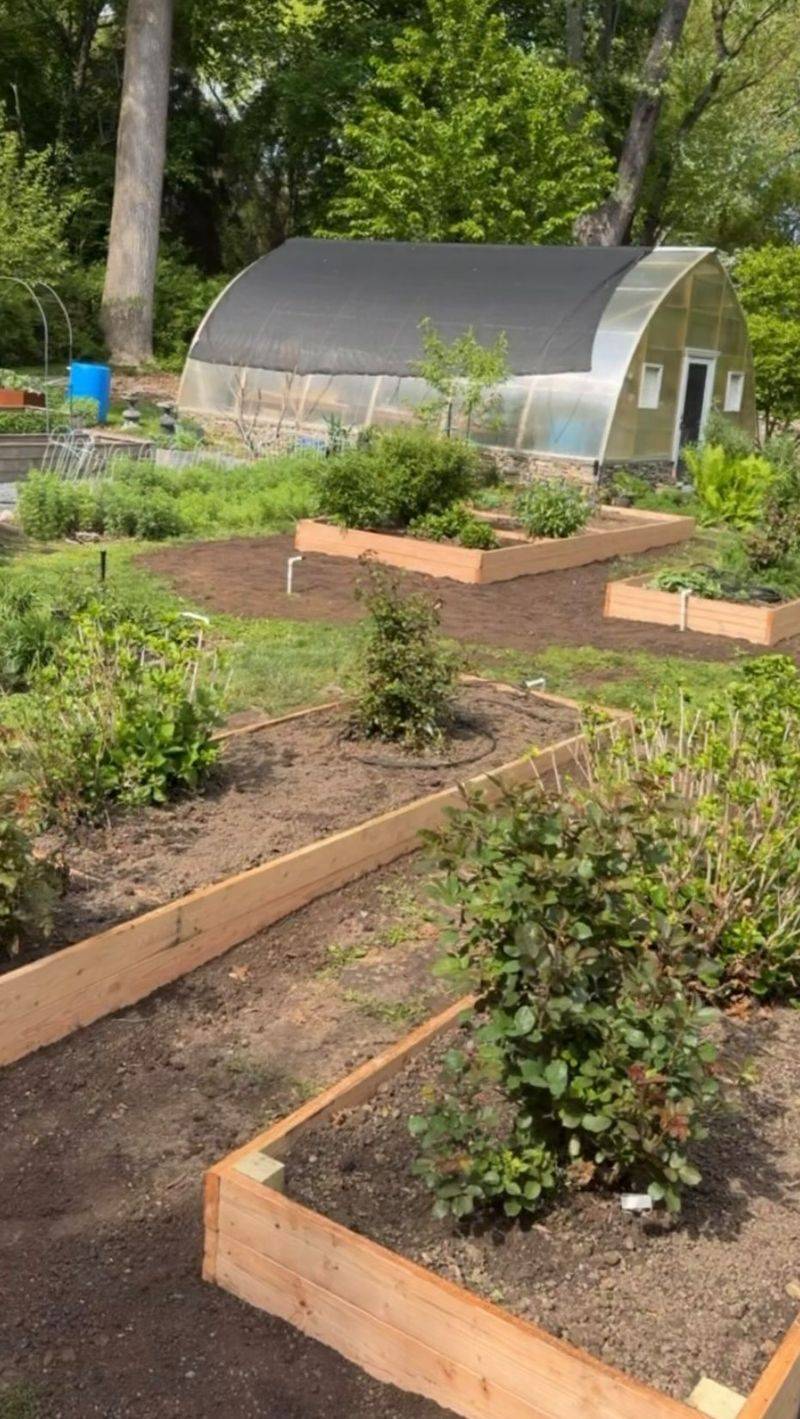
Raised beds get built as a solution and sometimes fail anyway. If the bed sits directly on soil within reach of walnut roots, those roots grow up into the loose, rich soil you just added.
A landscape fabric barrier at the bottom slows things down but does not stop determined roots forever. Beds with solid bottoms, or beds placed well outside the root zone, hold up far better over the years.
When in doubt, keep walnut debris in its own separate pile and let it age a full season before it touches anything you plan to eat.
Plants That Shrug It Off And Grow Anyway
Good news arrives once you stop fighting the tree. Plenty of plants tolerate juglone perfectly well, and some of them are downright gorgeous.
Ferns handle it beautifully, especially ostrich fern and Christmas fern, both native to Connecticut woodlands. Hostas thrive too, which opens up an enormous range of leaf colors and sizes for that shady spot.
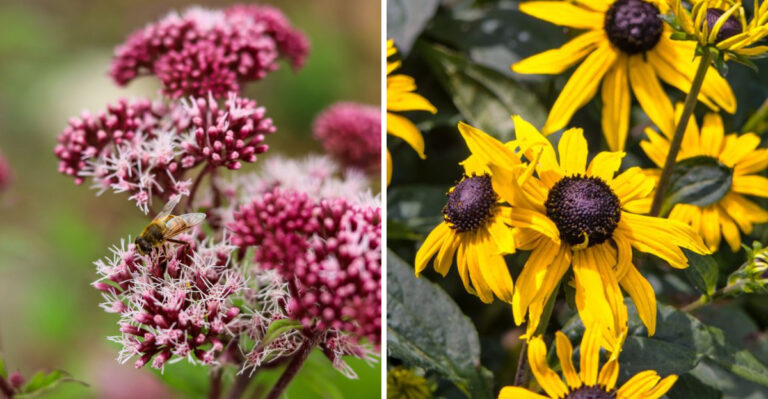
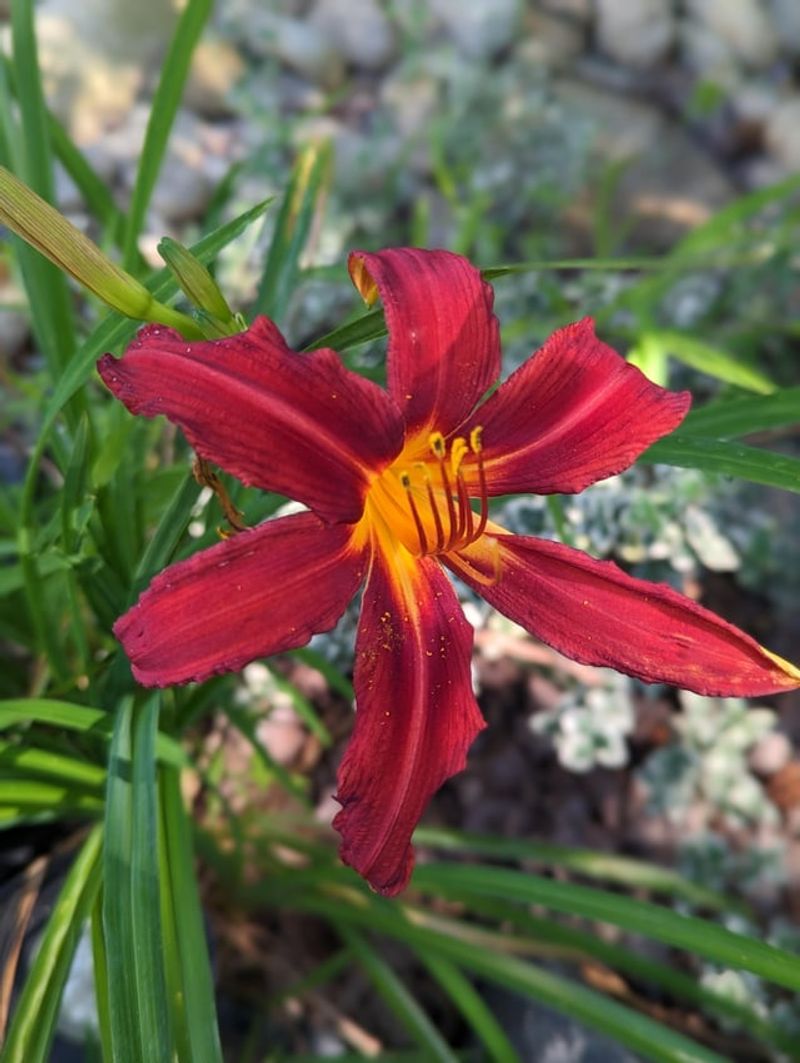
Daylilies, astilbe, bee balm, and Virginia bluebells all manage nicely. Spring bulbs like daffodils and crocus pop up without complaint, brightening the area before the walnut even leafs out.
On the shrub side, consider viburnum, forsythia, and elderberry. Black raspberry does surprisingly well, and pawpaw trees are famously unbothered.
Vegetable gardeners are not entirely out of luck either. Beans, beets, carrots, corn, onions, parsnips, and squash generally hold their own, though results vary depending on how close you plant.
The list of sensitive plants is worth knowing too. Tomatoes, potatoes, eggplant, peppers, blueberries, azaleas, rhododendrons, lilacs, and white pines all struggle badly near walnuts.
Grass is a middle case. Most lawn grasses tolerate juglone reasonably, so a thin patch under a walnut usually reflects shade and root competition more than chemistry.
Testing your own yard beats trusting any list completely. Soil conditions, drainage, and tree age all shift the outcome, so plant a few inexpensive trial specimens before committing to an entire border.
Gardeners who lean into tolerant species often end up with a woodland-style planting far more interesting than the lawn they were struggling to maintain.
Smart Fixes That Do Not Require Removing The Tree
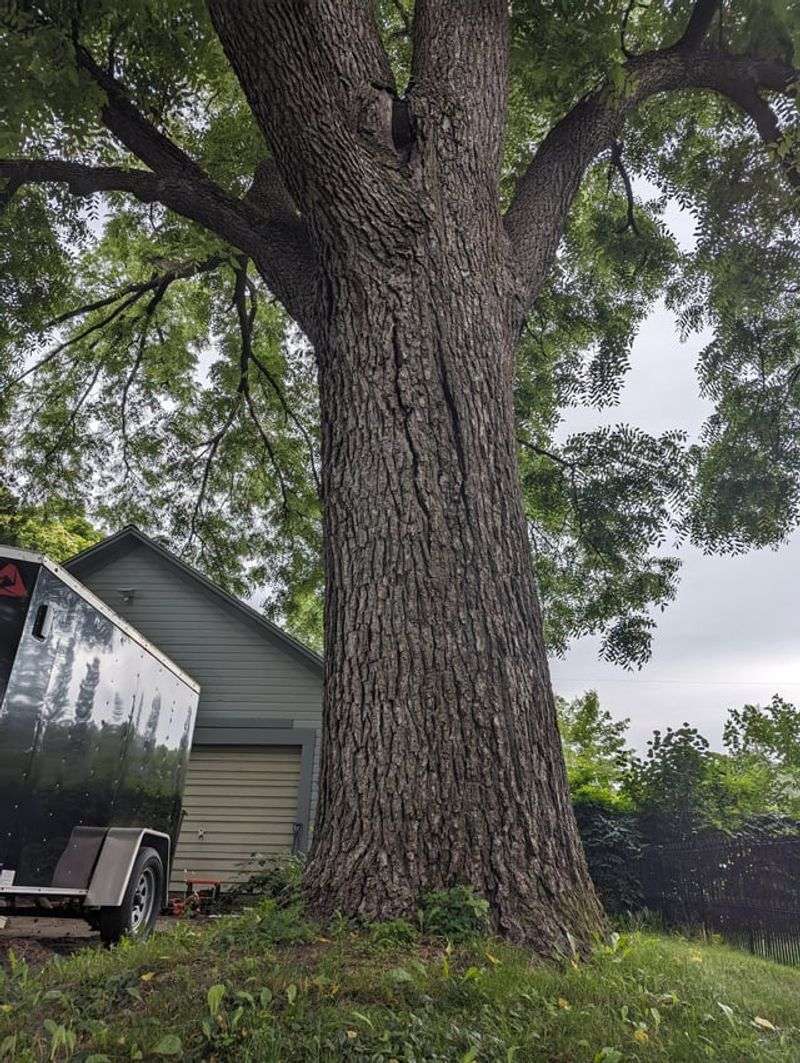
Cutting down a mature walnut is expensive, and honestly it is often the wrong call. These trees provide serious shade, real wildlife value, and lumber worth thousands if you ever do harvest one.
Distance is your simplest tool. Moving a vegetable garden fifty to sixty feet from the trunk sidesteps most of the trouble without any construction.
Containers work wonderfully for the sensitive crops you refuse to give up. Large pots filled with fresh potting mix, set on a patio or driveway, let you grow tomatoes and peppers within sight of the tree.
Elevated beds with closed bottoms are the next step up. Raising the growing surface above ground level keeps roots out and gives you full control over soil quality.
Improving drainage helps in ground beds that sit at the edge of the root zone. Juglone lingers in soggy, compacted soil, so loosening and amending heavy ground speeds up natural breakdown.
Regular cleanup pays off every year. Raking husks and leaves in fall, then again in spring, keeps the annual chemical top-up to a minimum.
Mulch with something other than walnut chips. Pine bark, shredded hardwood from other species, or straw all work without adding to the problem.
If a tree sits in the worst possible spot and removal is genuinely necessary, remember that stumps and roots keep releasing juglone for years afterward. Plan on waiting several seasons before that ground behaves like ordinary garden soil again.
The Payoff Hiding Inside Those Stubborn Green Shells
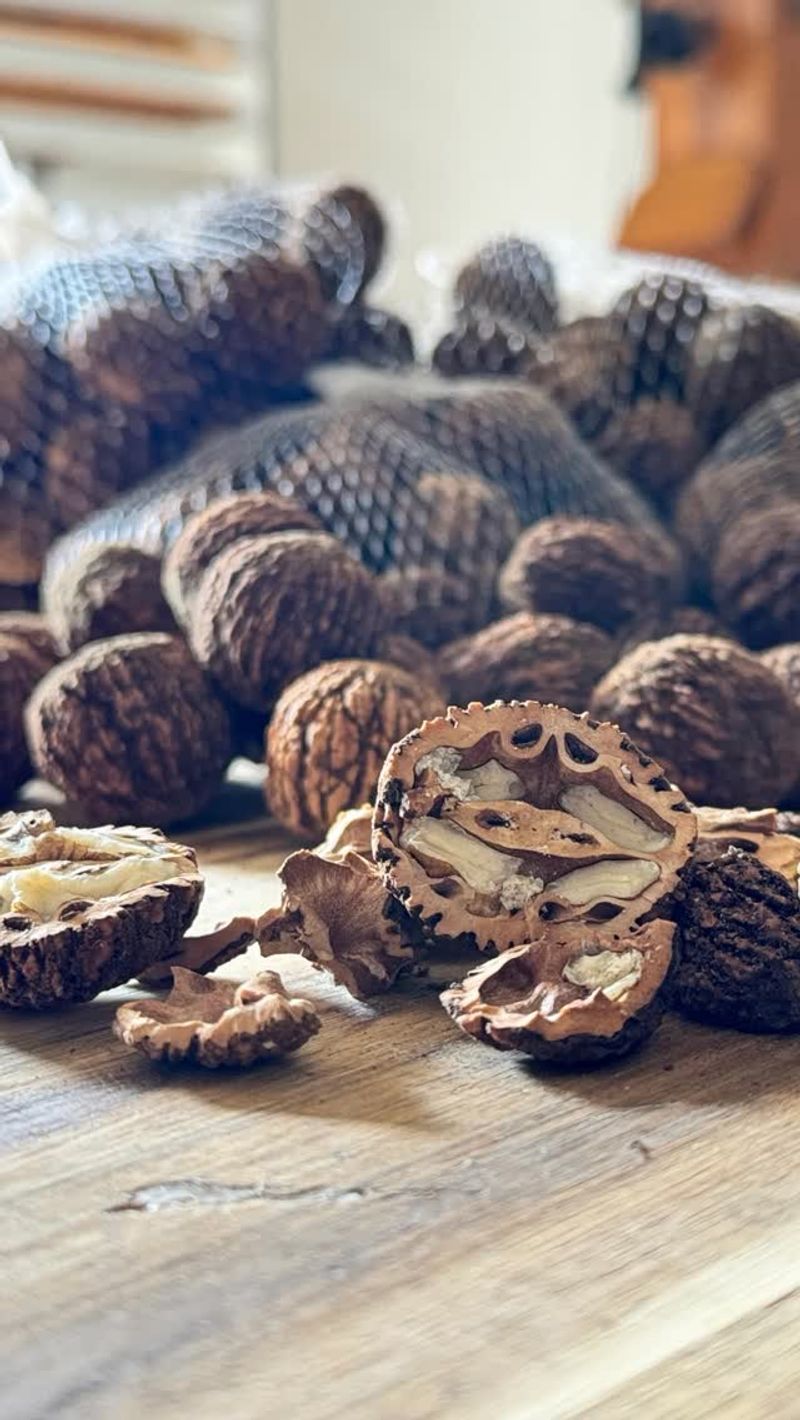
Before you curse the mess, consider what those husks are protecting. Black walnut meat has a bold, almost smoky flavor that regular English walnuts cannot touch, and specialty buyers pay well for it.
Harvesting takes some grit. Wear rubber gloves, gather nuts soon after they drop, and remove the husks quickly since a rotting husk can taint the flavor inside.
Driving over them on a gravel driveway is the old New England trick for husking a batch fast. Rinse the shells, then let them cure in a dry, airy spot for a few weeks.
Cracking requires real force. A hammer and a vise both work, though dedicated black walnut crackers exist for anyone planning to process more than a handful.
The reward is nutmeat prized for cakes, ice cream, and holiday cookies. Many home bakers say black walnut fudge is worth every stained fingertip.
Wildlife appreciates the crop too. Squirrels bury far more than they recover, which explains why volunteer walnut seedlings keep appearing along stone walls and fence lines.
The wood tells another story. Black walnut lumber ranks among the most valuable hardwoods in North America, and a straight, mature trunk can be genuinely worth serious money to a sawyer.
Seen that way, the bare patch under the canopy starts feeling like a fair trade. You gave up a few square feet of tomato ground and gained shade, food, wildlife, and a growing asset in your own backyard.