Connecticut Bird Feeders Draw New Scrutiny As Bear Entries Climb
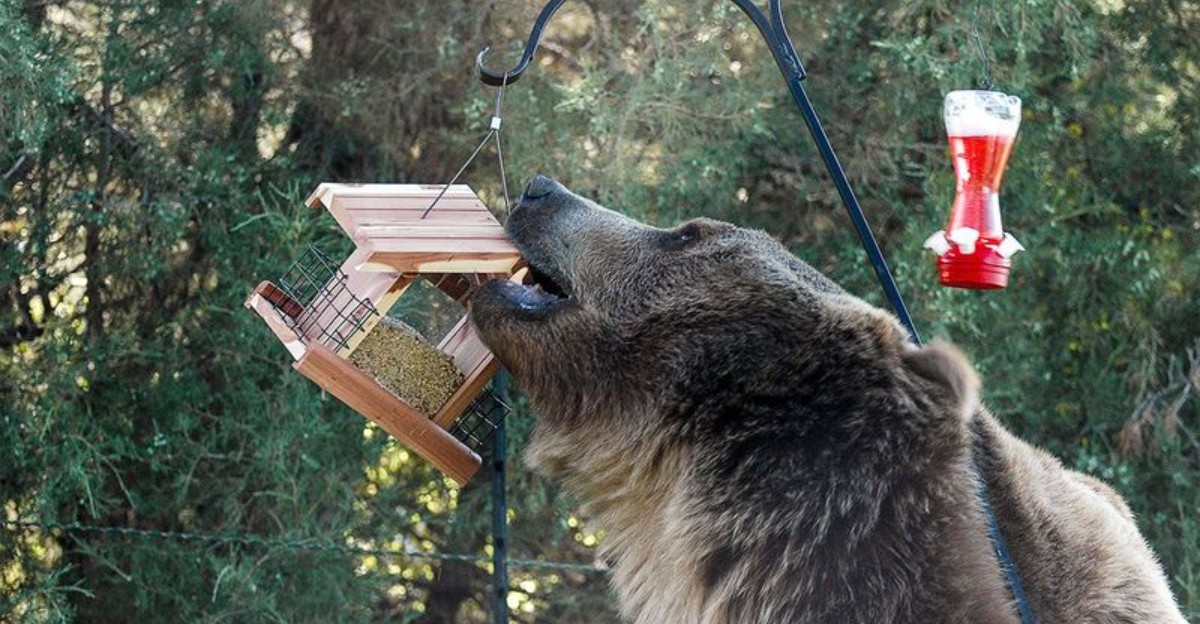
There is a quiet crunch on the back deck just after dusk, and it is not the neighbor’s cat. Something heavier has learned the sound of sunflower seeds hitting a metal tray.
Across Connecticut, homeowners are finding bent poles, flattened shrubs, and muddy paw prints pressed into porch boards. Wildlife officials have started paying close attention to one very ordinary backyard object.
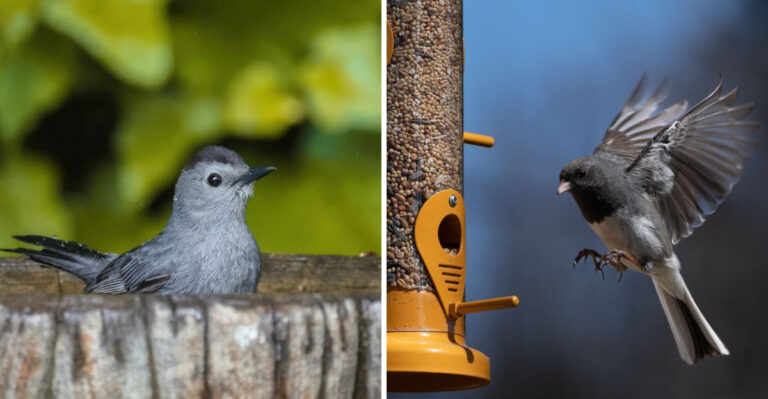
That object hangs innocently from a shepherd’s hook, refilled every few days out of pure kindness. It also happens to be one of the strongest food magnets a suburban yard can offer.
What follows is a look at how a simple feeding habit reshaped animal behavior statewide, and what changing that habit actually accomplishes.
Backyard Seed Trays And The Statewide Rise In Home Entries
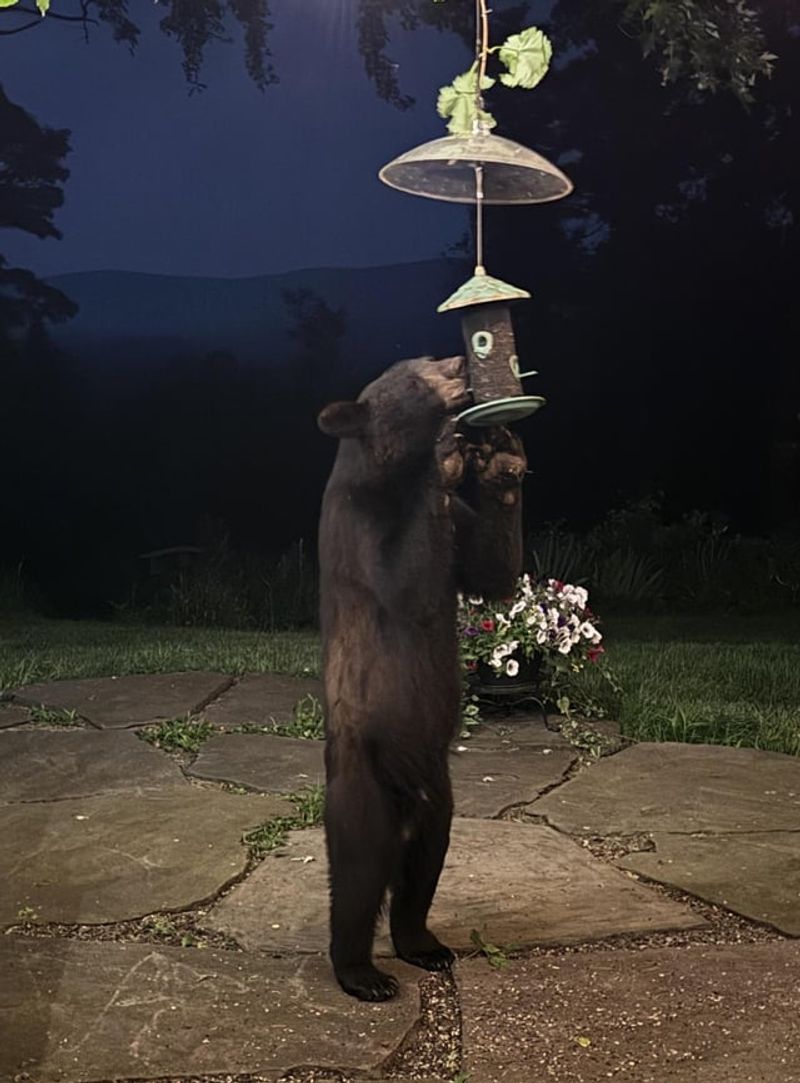
Connecticut wildlife biologists noticed a pattern that surprised even longtime field staff. Reports of black bears pushing through screen doors, garage entries, and open kitchen windows have climbed sharply over the past decade.
DEEP staff frequently trace new home-entry cases back to a nearby feeder that had been refilled regularly for weeks.
Sunflower seed is remarkably rich, packing far more calories per bite than acorns or berries. A hanging feeder holding several pounds can deliver more calories in a single visit than a bear would gather from hours of natural foraging.
Bears are quick learners with excellent spatial memory. Once a yard pays off, it goes on a mental map that can last for years, and that map gets shared with cubs who tag along.
The trouble starts when the feeder comes down for the season. The bear returns, finds nothing, and begins investigating other scent sources such as grills, trash bins, pet dishes, and eventually doorways.
State records show the towns reporting the most home entries also report heavy backyard feeding activity. Litchfield, Hartford, and Fairfield county neighborhoods appear repeatedly in the same reports.
None of this suggests bird lovers acted carelessly. Most people simply had no idea a small tube of seed could rewrite an animal’s daily route.
Understanding that link is the first practical step. Once homeowners see the feeder as a food station rather than decoration, the rest of the changes make sense quickly.
Seasonal Timing That Makes Feeders Especially Risky
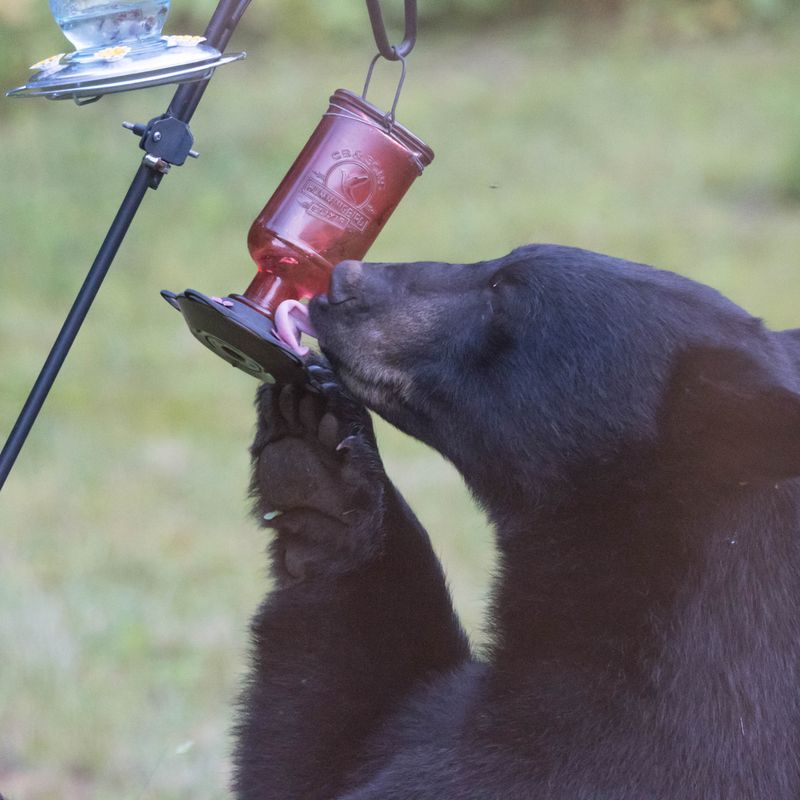
Timing matters more than most people expect. Bears emerge from winter dens hungry and lean, usually in March, at exactly the moment natural food is scarcest.
Spring woods offer little more than skunk cabbage and last year’s leftover nuts. A stocked feeder in April is the equivalent of a bakery opening on an empty street.
Connecticut’s Department of Energy and Environmental Protection asks residents to remove feeders from late March through late November for this reason. That window covers the entire active season for the state’s growing bear population.
Autumn brings a second surge that catches people off guard. Bears enter a stage called hyperphagia, eating up to twenty thousand calories a day to build fat reserves before denning.
During those weeks, a bear may travel widely, investigating unfamiliar scents along the way.
Your Connecticut Garden Changes Every Week. Your Plan Should Too.
Gardening in Connecticut changes quickly throughout the season. Every Friday you’ll receive a simple weekly plan showing exactly what to plant, prune, fertilize, harvest, and protect so you never miss the right timing.
Feeders refilled early for winter birds land right inside that frenzy.
Mild winters have blurred the old rules further. Some Connecticut bears now stay partly active in January, wandering out during thaws and revisiting places that fed them before.
A practical approach helps. Keep feeders stored during the warm months, then reintroduce them only after a stretch of hard freezing weather and steady snow cover.
Birds manage well without help in summer, when insects, seeds, and fruit are abundant everywhere. Waiting until deep winter gives songbirds real support while keeping larger visitors away from the yard.
Common Homeowner Habits That Quietly Invite Trouble
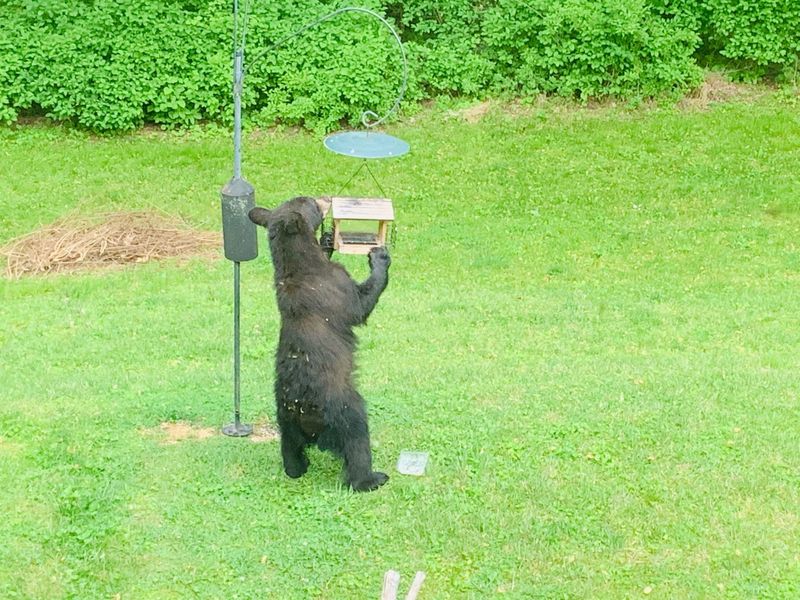
Ask around a Connecticut neighborhood and you will hear the same well-meaning explanations. The feeder is hung high, the seed is only suet, the yard has a fence, the dog barks at everything.
Bears clear six-foot fences without much effort and are strong, capable climbers. Height and barriers rarely provide the protection people imagine.
Spilled seed underneath the feeder causes its own problems. A carpet of hulls holds scent for weeks and keeps drawing noses back even after the feeder disappears.
Suet and hummingbird nectar deserve special mention. Both are loaded with fat or sugar, and bears find them just as appealing as sunflower hearts.
Storage slips up plenty of households too. Bags of birdseed left in an unlocked garage, shed, or screened porch smell obvious from a considerable distance.
Another frequent misstep involves timing rather than location. Some folks take the feeder down only after a bear appears, which teaches the animal to search harder around the same house.
Bird baths and platform trays hold lingering residue that rinsing alone will not remove. A stiff brush and hot water work far better than a garden hose.
Small corrections add up fast. Raking the ground clean, moving seed into sealed metal containers indoors, and cleaning grills after each use removes most of the reasons a bear would linger near a doorway at all.
State Reporting Data And Local Ordinance Changes
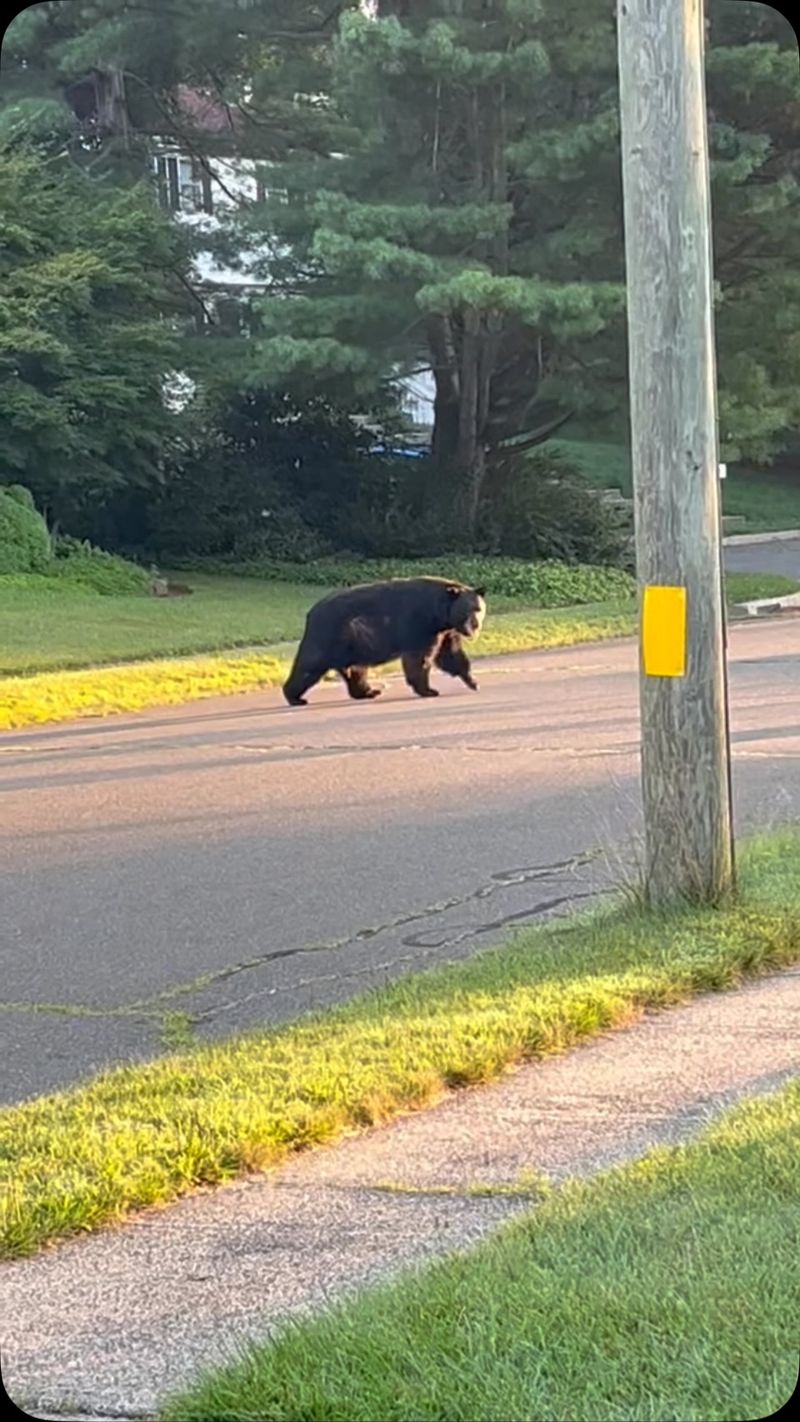
Numbers pushed this issue from casual advice into formal policy. Connecticut’s bear sighting reports have climbed sharply over the past decade, more than doubling since 2015.
Home entry incidents, once nearly unheard of in the state, now number dozens each year. That shift got the attention of legislators and town boards alike.
Lawmakers debated and eventually addressed intentional bear feeding, making it an offense to deliberately provide food that attracts them. Enforcement generally begins with a warning and education rather than penalties.
Several municipalities went further with local rules on containers and feeding. Ordinances in bear-heavy towns increasingly specify secured trash storage and seasonal feeder restrictions.
Wildlife staff track incidents through a public reporting system, and residents can submit sightings online. That data guides where outreach crews focus their door-to-door conversations each spring.
Reporting matters more than people realize. A single logged sighting helps biologists identify a bear that is becoming comfortable around houses before the situation escalates.
Officials also use the data to identify repeat-conflict neighborhoods and prioritize outreach there.
Officials generally find that direct conversations about food attractants resolve most cases without the need for citations, and neighbors then pass the message along on their own.
Practical Adjustments For Feeding Birds Without Attracting Bears
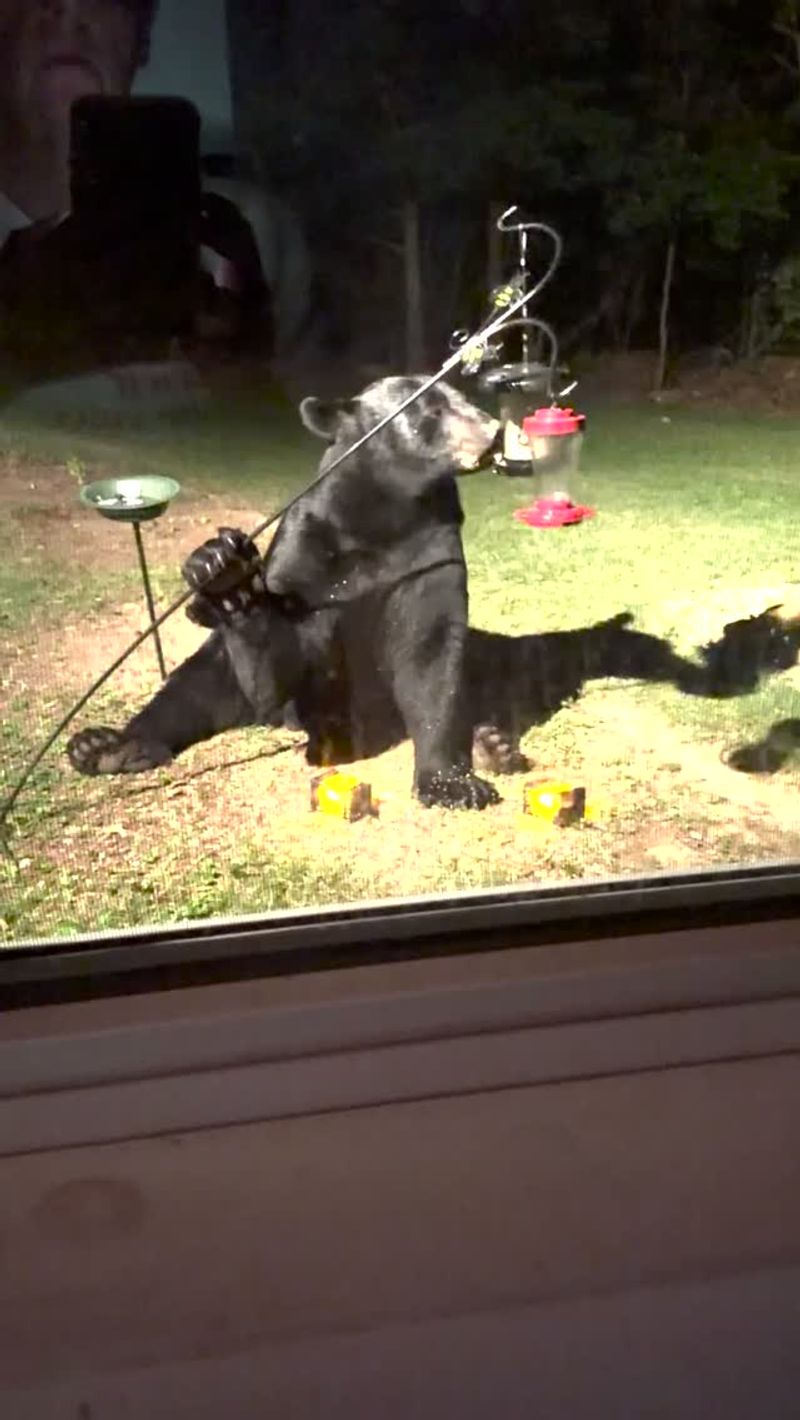
Anyone who loves watching chickadees has more than one option: giving up feeders entirely isn’t the only path forward. A few adjustments let you keep the hobby with far less risk.
Native plantings do most of the heavy lifting. Winterberry, serviceberry, coneflower, and native sunflowers feed birds naturally without concentrating calories in one spot.
Leaving seed heads standing through fall provides steady forage for finches and sparrows. Brush piles offer shelter and attract the insects many species depend on.
If you prefer a traditional feeder, limit it to the coldest weeks and hang it well away from the house. Bring it inside every evening and store it in a sealed bin.
Small portions help a lot. Filling a feeder only partway means it empties daily and leaves little behind overnight for a wandering nose to find.
Position a tray beneath the feeder to catch falling hulls, then dump it regularly. Ground cleanup removes the scent trail that outlasts the feeder itself.
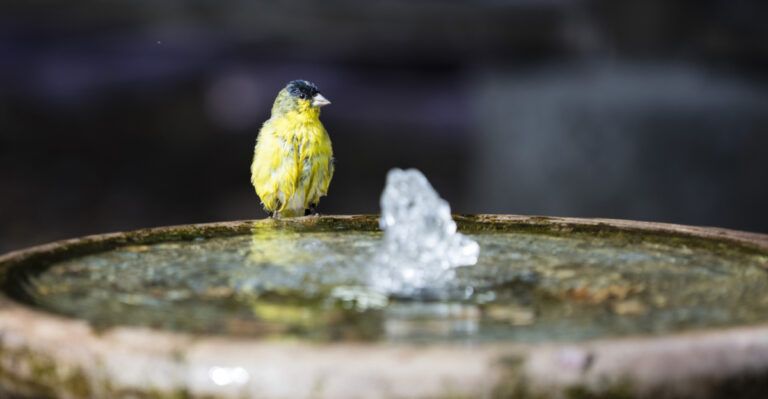
Some Connecticut residents switch to a winter-only water feature instead. A heated bird bath draws remarkable variety without offering a single calorie.
Neighbors matter as well. One unattended feeder two houses down can keep a bear returning to the area, so sharing information with neighbors is worth the conversation.
Birding stays every bit as rewarding with these habits. Native shrubs often attract a wider variety of species than a seed feeder alone.
Long-Term Results When Neighborhoods Change Course
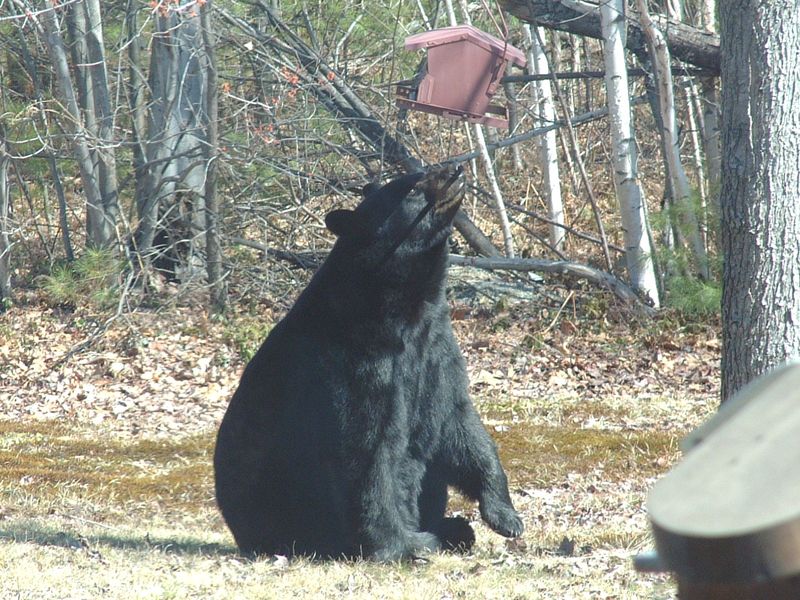
Something encouraging happens when a whole street removes its attractants. Bears stop wasting energy on unproductive yards and gradually drift back toward woodland routes.
Wildlife managers in other northeastern states have reported similar patterns. Communities that secured food sources saw home entry reports drop noticeably in following seasons.
The change protects bears more than most people assume. Animals that repeatedly enter houses put both people and the bear at greater risk, often forcing wildlife officials to intervene.
Cubs raised without backyard handouts learn to forage on acorns, beechnuts, berries, and insects. That knowledge passes forward, keeping future generations more wary of people.
Homeowners benefit in obvious ways too. Fewer wrecked feeders, intact screen doors, and calmer evenings on the porch add up to real savings and peace of mind.
Fewer bear complaints tend to give a neighborhood a quieter reputation over time. Streets known for bear problems tend to attract complaints, while quiet blocks simply enjoy their wildlife from a distance.
Patience is part of the process. A bear that fed at your house for multiple seasons may check back several times before giving up on the location.
Consistency during that stretch makes all the difference. Holding the line for one full season usually convinces even a persistent visitor that the neighborhood no longer serves meals.
What remains is the version most people wanted anyway. Bears living in the woods, songbirds at the window, and everyone keeping a respectful amount of space.