Why Your Connecticut Hydrangea Leaves Have Brown Spots This Week
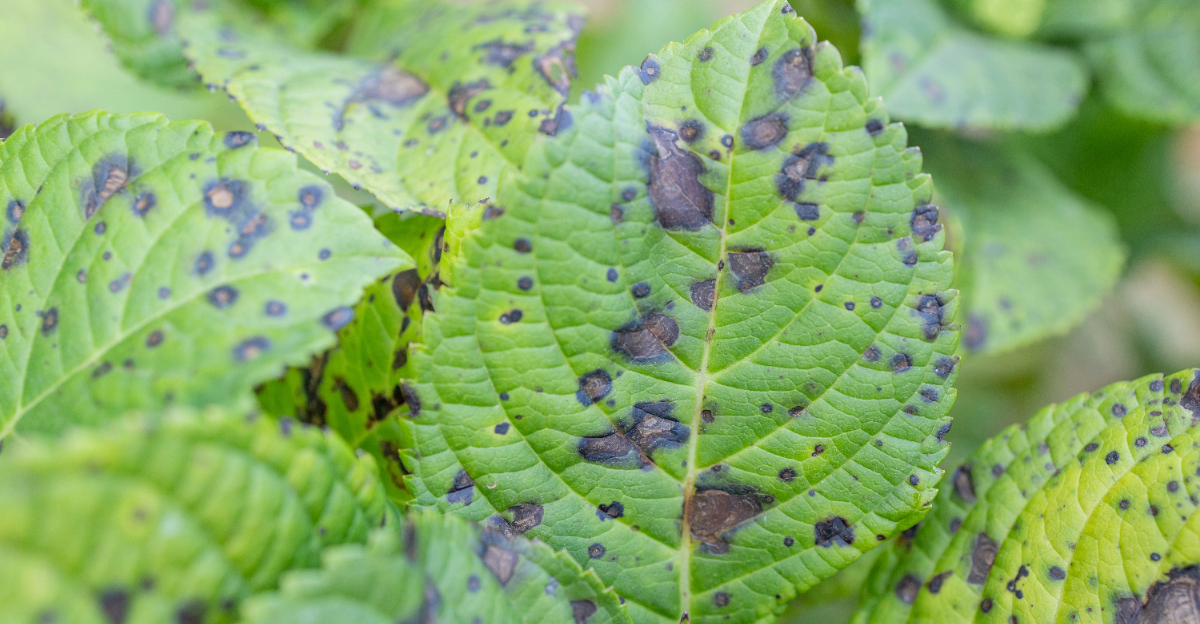
Your hydrangeas may be showing changes that are easy to misread. Brown patches spread fast, draining color from leaves you trusted.
Connecticut soil conditions have shifted this season, creating inconsistent growing conditions for plants. Humidity levels spiked, then dropped, confusing root systems in your yard.
Many Connecticut gardeners are noticing similar changes this season. Nobody warned you fungal spores thrive in these exact conditions.
Weather swings created conditions favorable for disease. Local nurseries report calls arriving in from concerned homeowners.
Experts trace the pattern to specific triggers hiding in plain sight. Connecticut’s climate this year reshaped every rule you thought you knew.
Soil chemistry, rainfall timing, and your plant’s stress converged unexpectedly. Answers exist, but they contradict what most gardening guides claim.
Truth rarely arrives without shaking your assumptions loose first. Your hydrangeas may be showing early signs worth understanding. What happens next determines whether your garden thrives this season.
1. Catching A Fungal Disease Called Cercospora Leaf Spot
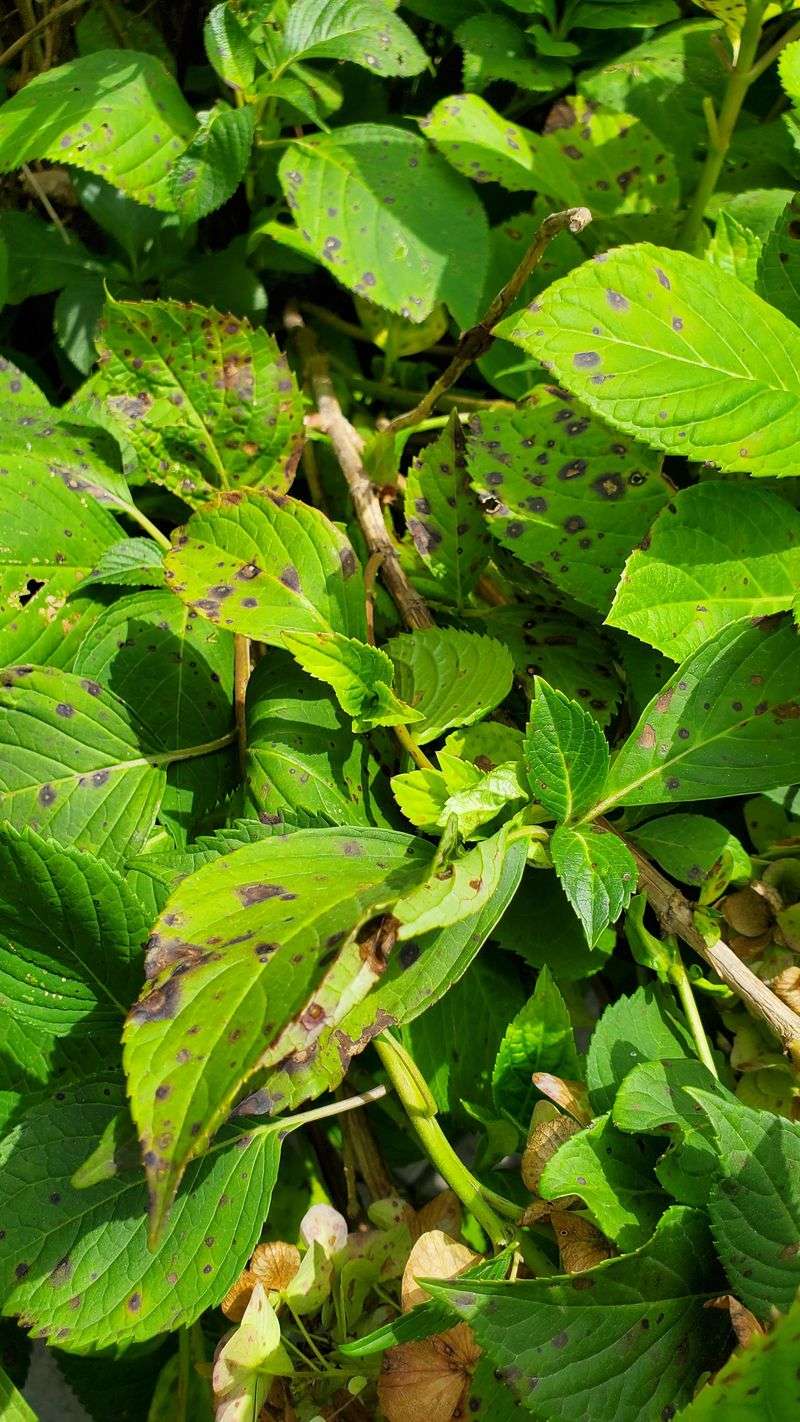
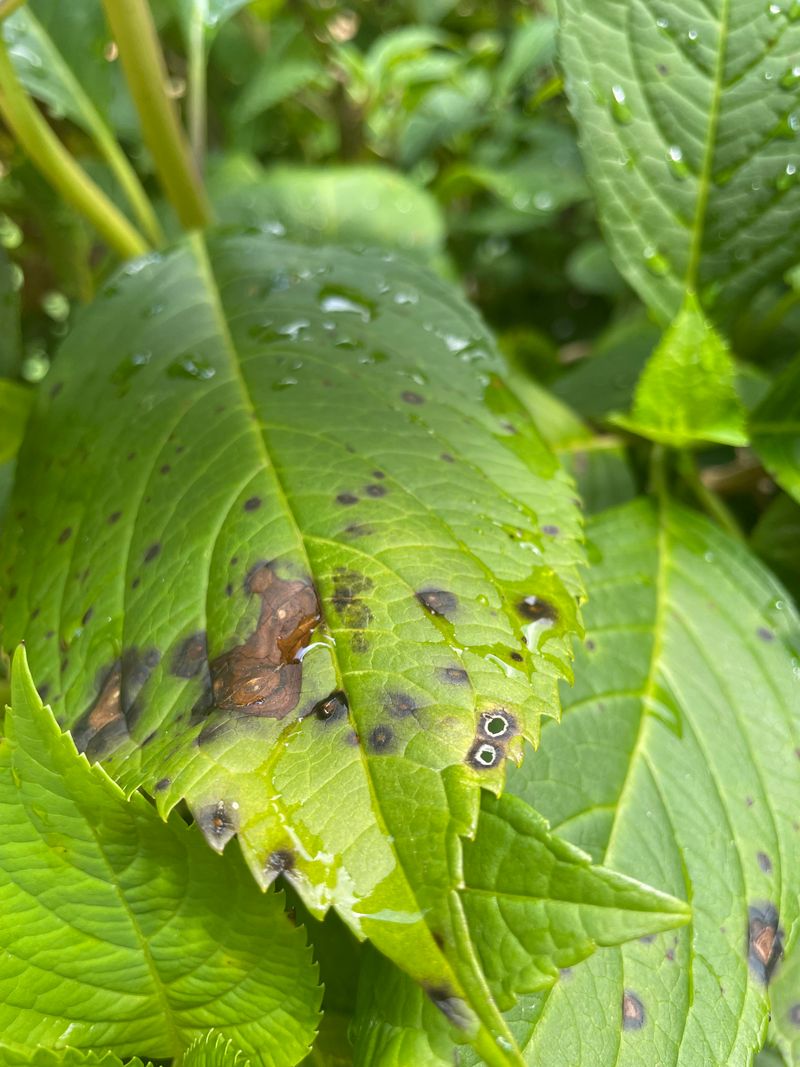
Brown spots on your hydrangea leaves this week? Cercospora leaf spot is likely the culprit. This sneaky fungal disease shows up as small, circular spots that start purple or tan and darken over time.
The spots usually appear first on the lower leaves. From there, the fungus spreads upward through the plant as spores travel on wind and water.
Connecticut’s humid summers create conditions favorable for this disease to spread. Warm nights combined with moist air give the fungus exactly what it needs to spread fast.
You might notice the center of each spot turning light gray or tan. A dark purple or brown border often outlines the spot, making it look like a bullseye.
The good news is that Cercospora rarely harms a mature hydrangea beyond recovery. Your plant can survive, but repeated infections weaken it season after season.
To slow the spread, remove affected leaves as soon as you spot them. Drop them in the trash, not the compost pile, to stop spores from recycling back into your garden.
A copper based fungicide can help protect healthy leaves from new infections. Apply it early in the morning so leaves dry quickly and the treatment sticks.
Consistency matters more than any single treatment. Catch this early, act fast, and your hydrangeas can bounce back stronger than you expect.
2. Sitting In Soil That Stays Too Wet
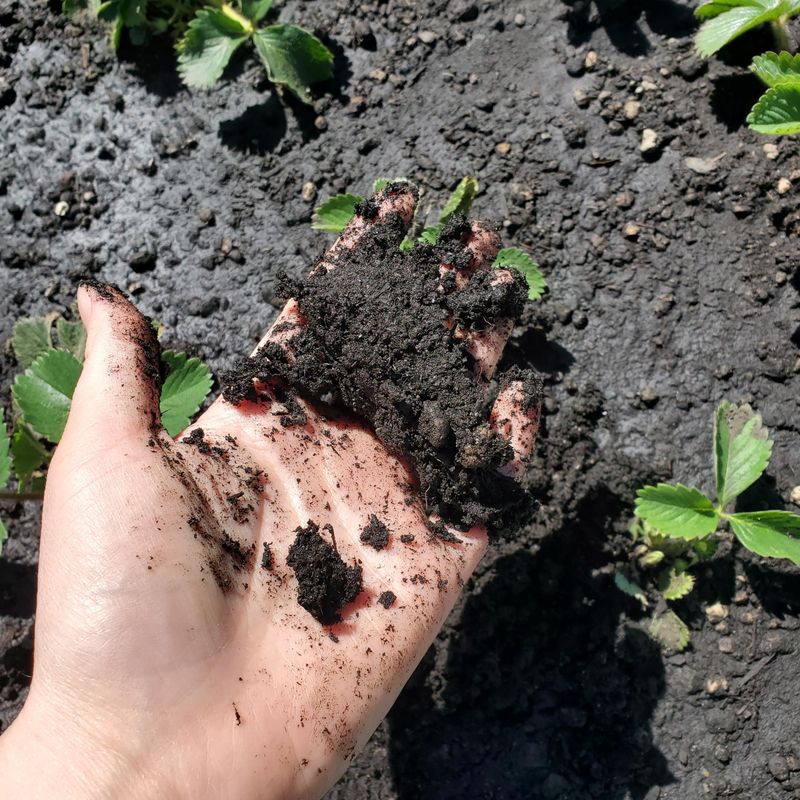
Soggy soil is one of the most overlooked causes of brown spots on hydrangea leaves. When roots sit in standing water too long, they begin to lose access to oxygen and decay.
Root rot cuts off the plant’s ability to absorb nutrients properly. Without those nutrients reaching the leaves, brown patches start appearing fast.
Some regions of Connecticut have clay heavy soil that can drain slowly after heavy rain. That slow drainage keeps roots wet for days, creating conditions where fungal problems can develop.
Check your soil by pressing a finger two inches into the ground near the base of the plant. If it feels sopping wet three days after rain, drainage is your problem.
Your Connecticut Garden Changes Every Week. Your Plan Should Too.
Gardening in Connecticut changes quickly throughout the season. Every Friday you’ll receive a simple weekly plan showing exactly what to plant, prune, fertilize, harvest, and protect so you never miss the right timing.
Amending your soil with compost or perlite improves drainage over time. For a quicker fix, dig a small trench nearby to redirect water away from the root zone.
Raised garden beds are a strong long term solution for Connecticut yards with poor drainage. Elevating your hydrangeas even six inches makes a noticeable difference in root health.
Avoid watering on a fixed schedule during rainy weeks. Let the soil guide you instead of the calendar.
Healthy roots mean healthy leaves, and healthy leaves stay spot free longer. Fix the drainage issue now and you will see your hydrangeas perk up within a couple of weeks.
3. Getting Splashed By Water From Above
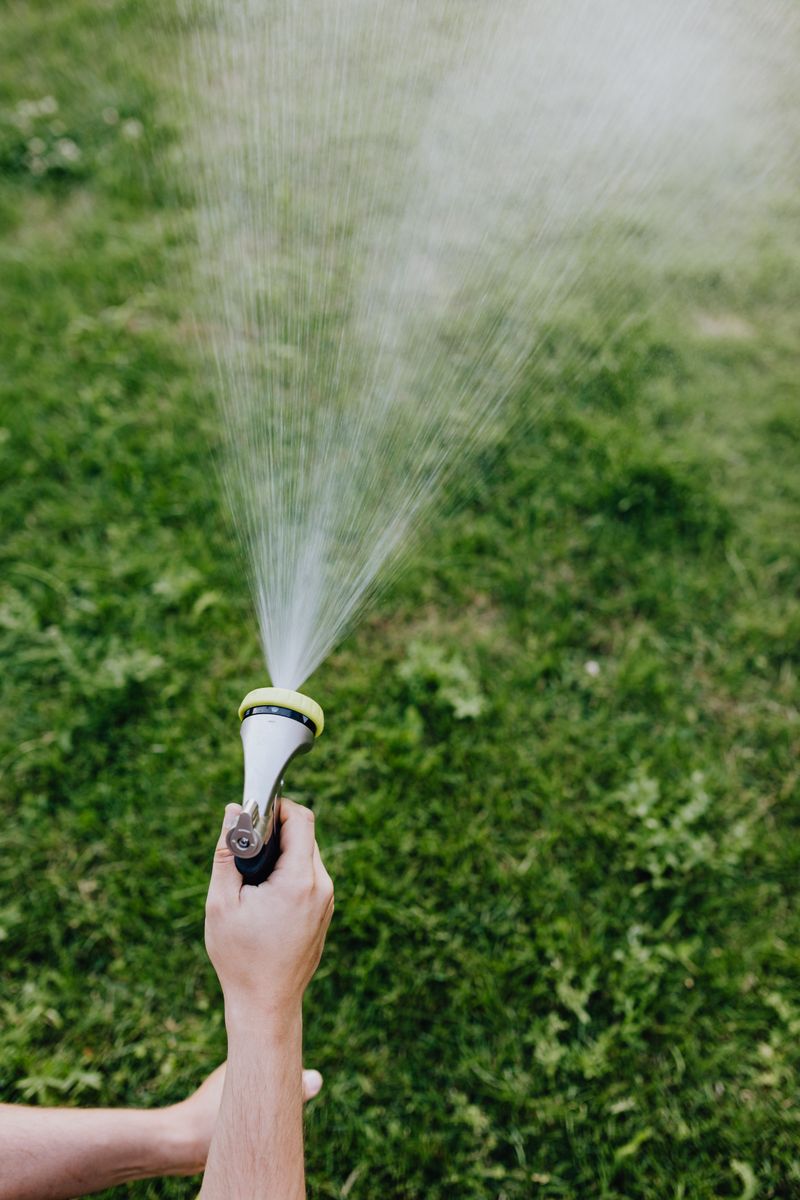
Overhead watering is a habit many gardeners never question, but it causes serious problems for hydrangeas. Water landing directly on leaves creates a moist surface where fungal spores can settle and grow.
Each water droplet can carry spores from one leaf to the next. Every splash spreads the problem further across your plant.
Connecticut’s afternoon thunderstorms already do plenty of splashing on their own. Adding overhead irrigation on top of that gives fungal diseases more opportunity than they need.
Switching to drip irrigation or soaker hoses is a smart move you can make right now. These methods deliver water directly to the root zone without wetting the foliage at all.
If you use a hose by hand, aim low and water slowly at the base of the plant. Keep the stream gentle so soil does not splash up onto the lower leaves.
Morning watering is better than evening watering no matter your method. Leaves that get wet in the morning have all day to dry out before temperatures drop at night.
Wet leaves sitting overnight create an environment that favors fungal growth. That simple timing change can reduce brown spots over the next few weeks.
Your hydrangeas need water at their roots, not on their leaves. Make that one adjustment and watch how quickly the leaf situation improves on your Connecticut hydrangea.
4. Struggling With Poor Air Circulation
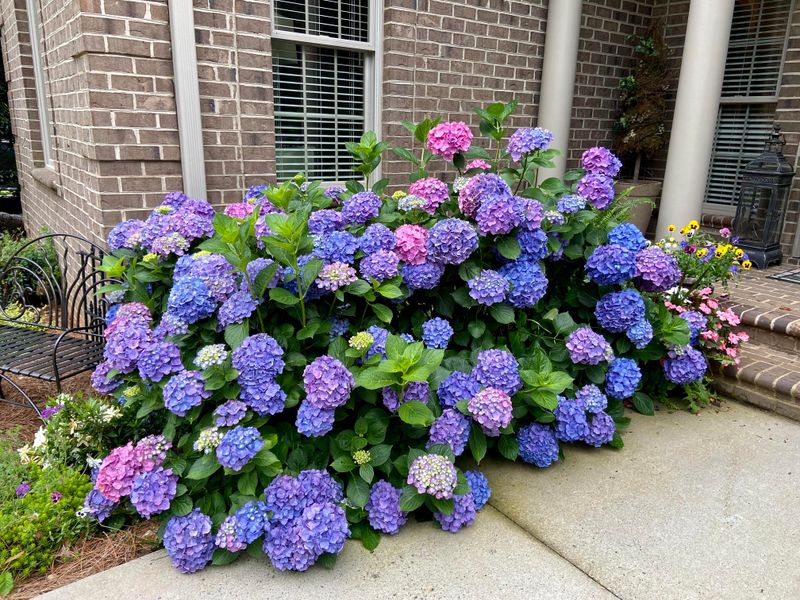
Air circulation might sound like a small detail, but it makes a real difference for hydrangea health. When plants are crowded, moisture lingers between leaves and branches much longer than it should.
That trapped humidity creates a warm, damp microclimate inside your shrub. Fungal spores thrive in those conditions, and brown spots follow quickly.
Many Connecticut gardeners plant hydrangeas close together for a lush, full look. The plants look attractive at first, but problems build up fast once the canopy closes in.
Pruning is your best tool for improving airflow without moving the plants. Removing a few interior branches opens up the center of the shrub so air can pass through freely.
Focus on branches that cross over each other or point inward toward the center. Removing those first makes the biggest impact with the least amount of cutting.
Step back after each cut and look at the overall shape. You want to see some light filtering through the middle of the plant when you are done.
Fallen leaves and debris around the base of the plant also trap moisture. Clearing that away regularly gives you better airflow right at ground level where fungal problems often start.
Good airflow supports a natural defense system for your hydrangeas. Build it into your routine now and you will spend far less time managing brown spots next season.
5. Facing High Humidity And Warm Temperatures
Connecticut summers combine high heat and humidity. That combination is exactly what fungal diseases need to spread quickly.
When temperatures are warm and humidity is high, fungal spores can germinate quickly on leaf surfaces. Brown spots can appear almost overnight during these conditions.
Warm, humid weather patterns can be particularly rough for garden plants this time of year. Warm nights with little wind mean leaves stay damp from dew for hours after sunrise.
You cannot control the weather, but you can reduce how much it affects your plants. Strategic placement of hydrangeas matters more than most gardeners realize when planning a new bed.
Choose spots that get morning sun and afternoon shade in the hottest months. Morning sun dries dew quickly, while afternoon shade prevents heat stress that weakens the plant’s natural defenses.
A plant under stress from heat is more vulnerable to fungal issues. Keeping your hydrangeas cool and comfortable makes them naturally more resistant to disease.
Mulching around the base of the plant helps regulate soil temperature on hot days. A two inch layer of wood chips keeps roots cooler and reduces moisture evaporation from the soil.
You cannot control every weather pattern, but you can set your Connecticut hydrangea up to handle tough conditions with as much resilience as possible.
6. Lacking Proper Spacing Between Shrubs
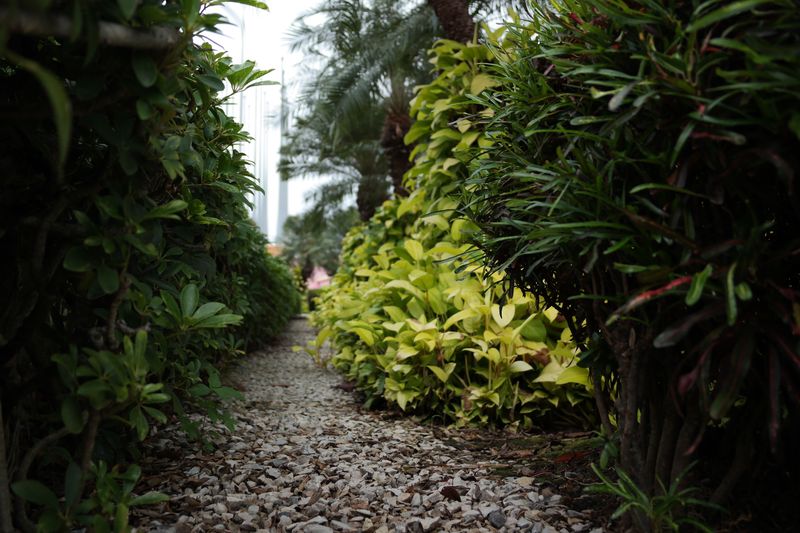
Spacing feels like a minor decision when you are planting small shrubs in spring. Fast forward two years, and those small plants have grown into a dense mass of overlapping branches.
When hydrangeas grow too close together, leaves from neighboring plants touch and rub constantly. That contact creates tiny wounds on leaf surfaces where fungal spores can enter easily.
Most hydrangea varieties need at least four to six feet of space between plants. Bigleaf hydrangeas, which are popular across Connecticut, often need even more room to spread out properly.
Check your plant tag or look up your specific variety to confirm the mature spread. Many gardeners underestimate how wide hydrangeas actually grow at full size.
If your shrubs are already too close, you have a couple of options. You can move one plant to a new location, or you can prune each year to keep the spread under control.
Transplanting is stressful for hydrangeas, so late fall or early spring is the safest time to attempt a move. Water the plant deeply before and after to reduce shock.
Regular pruning is less disruptive and easier to manage on a yearly basis. Just commit to doing it consistently so the plants never get out of hand again.
Proper spacing is not just about looks, it is a practical health strategy for your Connecticut hydrangea this season and every season after.
7. Facing Nutrient Deficiencies
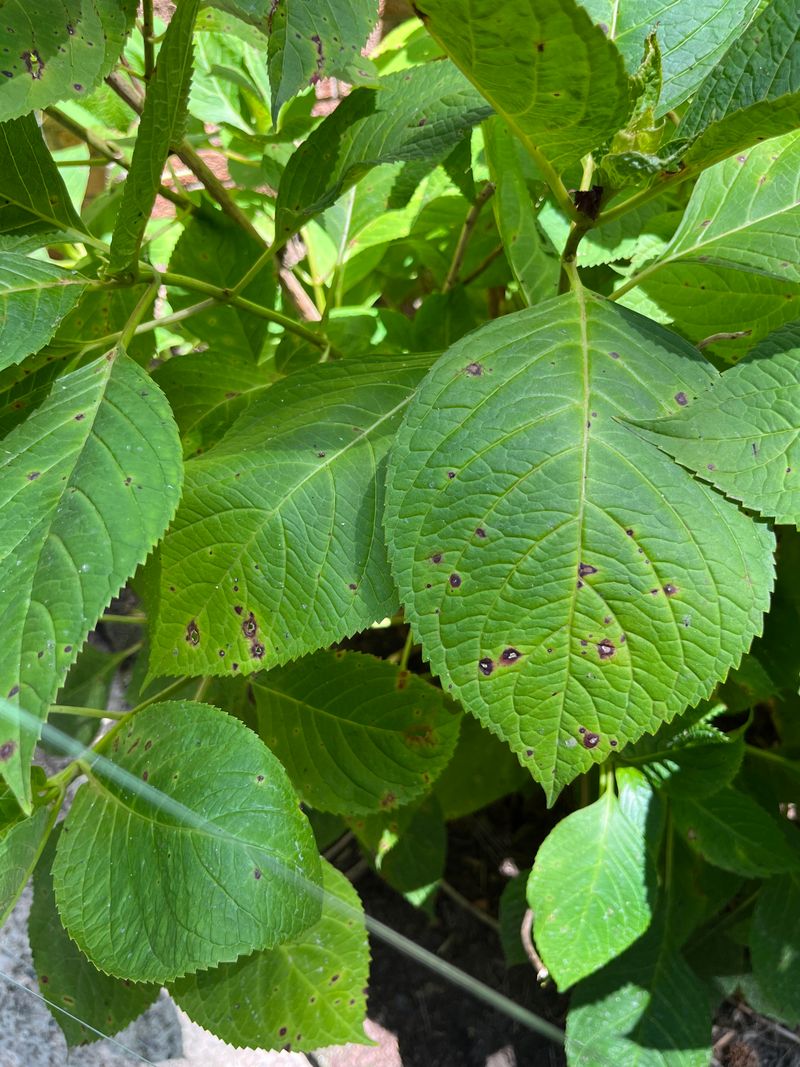
Brown spots do not always mean fungal trouble. Sometimes the problem starts underground, where a shortage of key nutrients leaves your plant unable to defend itself properly.
Magnesium deficiency is one of the most common causes behind browning and spotting on hydrangea leaves. Without enough magnesium, leaves lose their ability to produce chlorophyll efficiently.
You might notice the spots look different from fungal spots, often more yellowed around the edges and less defined in shape. That visual difference is a helpful clue for diagnosing what is really happening.
Connecticut soils, especially in older residential neighborhoods, are often depleted of key minerals from years of heavy planting. A soil test from your local cooperative extension office can tell you exactly what is missing.
Epsom salt dissolved in water is commonly used as a foliar spray for magnesium, though results vary and its effectiveness is not universally confirmed by research.
Mix one tablespoon per gallon and spray directly onto leaves in the early morning hours if you choose to try it.
For longer term results, amend your soil with a balanced slow release fertilizer formulated for flowering shrubs. Apply it in spring and again in early summer for steady nutrient availability.
Avoid over fertilizing with nitrogen, which pushes leafy growth but weakens the plant’s resistance to disease. Balance is the key word when it comes to feeding your hydrangeas well.
Feed your plants right, and they will support healthier, spot free foliage that helps the whole garden look its best.
8. Carrying Fungal Spores From Last Season
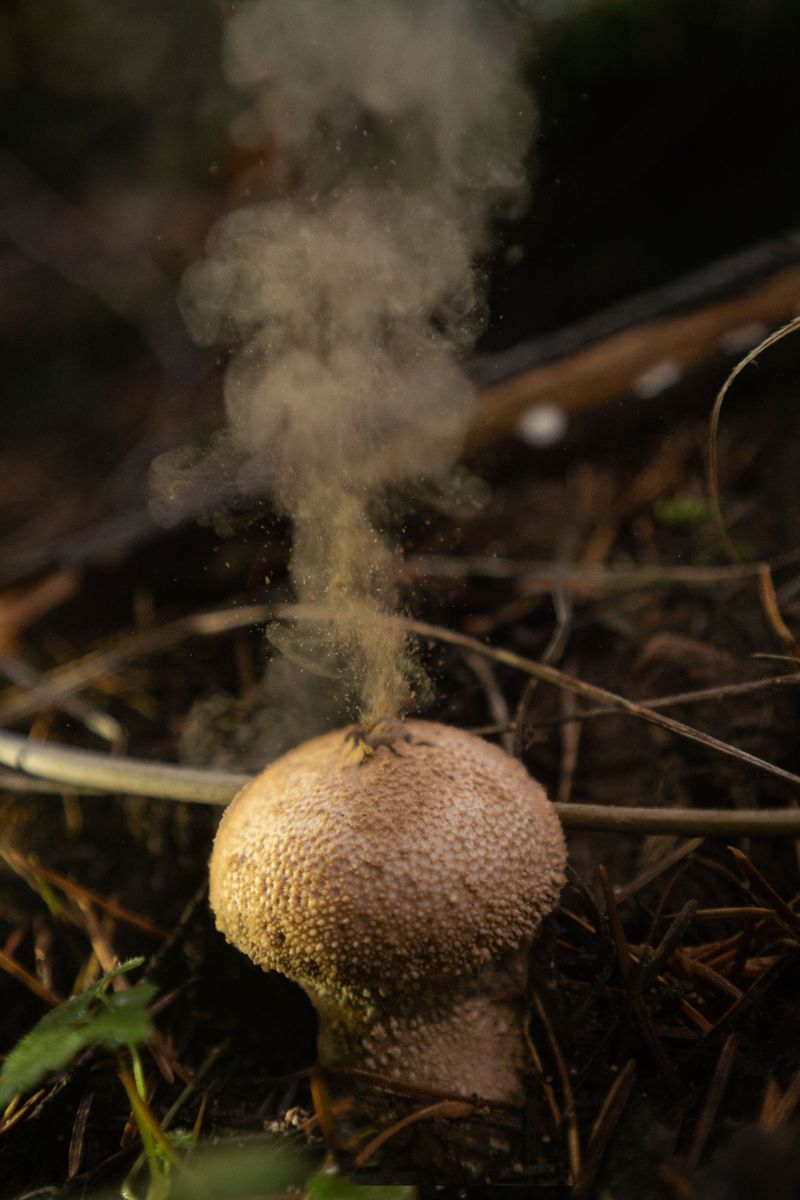
Last year’s problem did not go away just because winter came. Fungal spores are incredibly tough survivors, and they spend the cold months hiding in fallen leaves and old plant debris.
When spring arrives and temperatures climb, those dormant spores wake up and start searching for fresh leaf surfaces to infect. Your Connecticut hydrangea is often their first target.
This is why garden cleanup in fall is so much more than just tidying up. Removing infected leaves before they decompose on the ground breaks the cycle that keeps bringing brown spots back year after year.
Rake up all fallen leaves from around your hydrangeas each autumn. Bag them and put them in the trash rather than adding them to a compost pile where spores can survive.
Check the base of your plant right now for any old leaves still clinging to lower branches. Those stragglers are carrying spores directly into the new growing season.
Applying a fresh layer of mulch each spring also helps by covering any spores that survived in the top layer of soil. A two inch barrier of clean mulch blocks spore splash up onto new leaves.
Some gardeners apply a preventive fungicide spray at the very start of the season before any spots appear. That proactive step can reduce how much you fight the problem all summer long.
Breaking the cycle of reinfection is a smart long term move for keeping your Connecticut hydrangea leaves clean and healthy all season.