What Texas Hibiscus Need Before The Heat Gets Intense
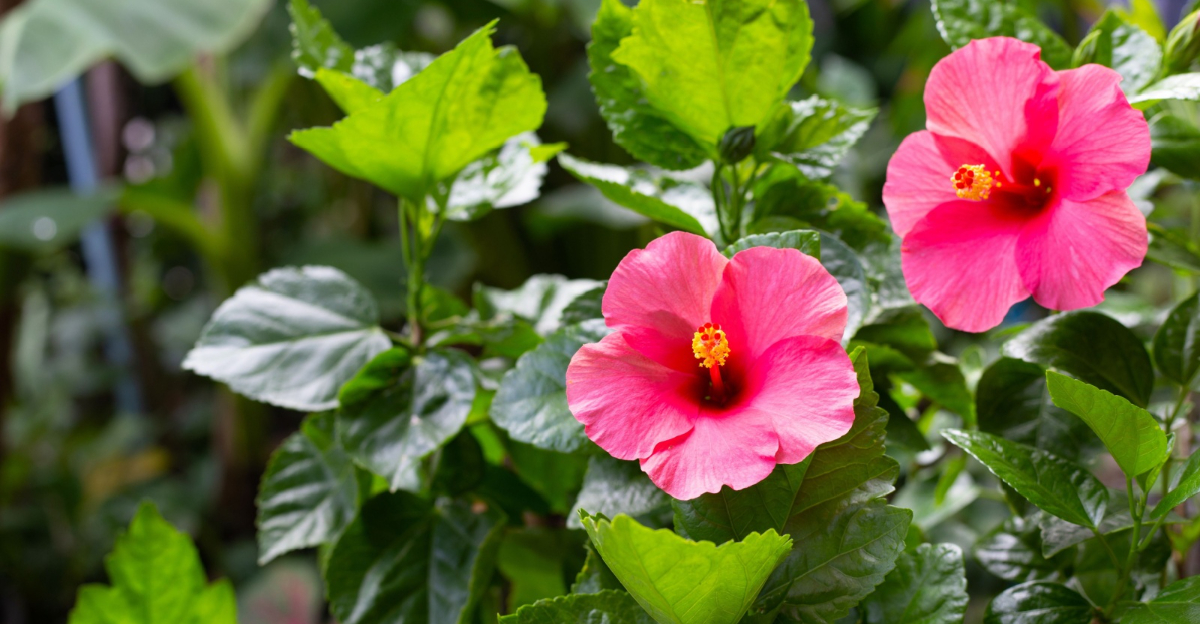
In Texas, we don’t really get a gentle transition into summer. It is more like the sun decides to turn the entire state into a giant convection oven without warning.
One day you are enjoying a breezy patio lunch, and the next, your backyard feels like the surface of a lightbulb. If you love growing hibiscus, you know exactly how fast that Texas heat can turn a tropical beauty into a wilted mess.
Everyone focuses on those massive, colorful blooms (they are total showstoppers, after all), but the real secret to success happens before the temperature hits triple digits.
You have to prep the roots and soil while you still have a fighting chance.
Getting your routine dialed in during late spring is the only way to help these thirsty divas survive the relentless July sun.
Proper preparation right now ensures your plants stay vibrant and healthy through the most punishing weeks of the year.
1. Why Deep Watering Matters Before Peak Heat
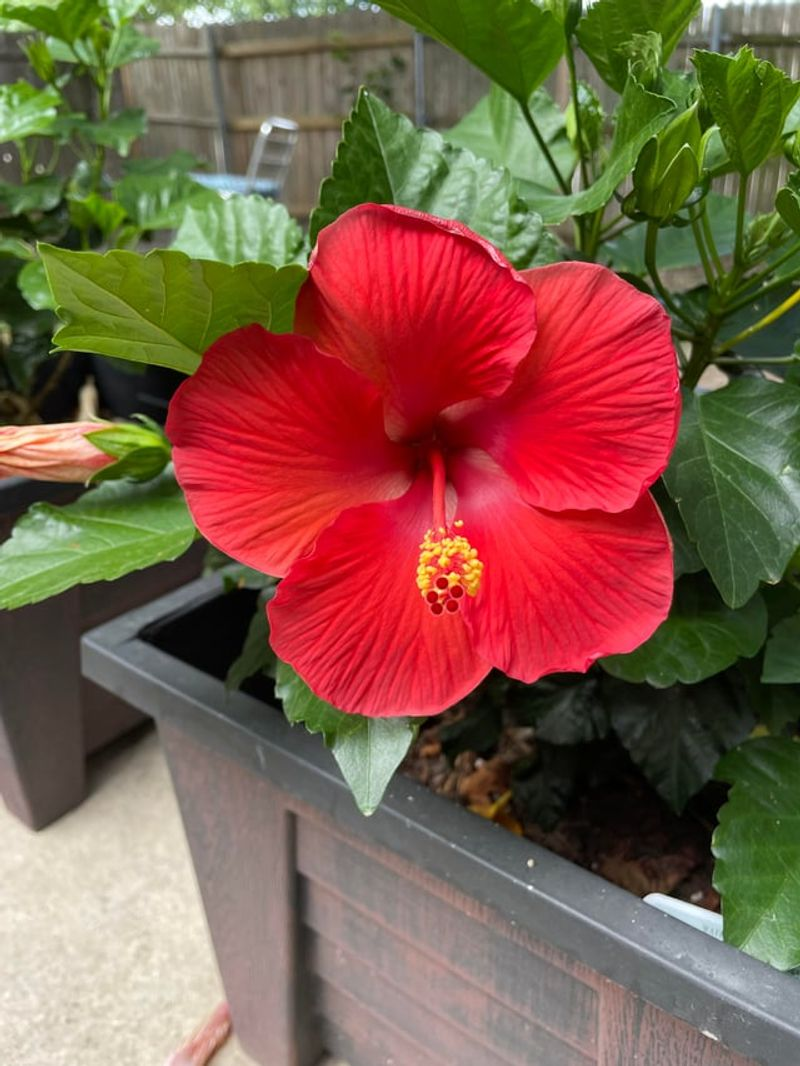
Soil moisture levels in Texas can shift dramatically between a cool morning and a blazing afternoon, and hibiscus roots feel that change faster than many gardeners expect.
Getting water down deep before peak heat arrives gives roots a chance to follow moisture further into the ground, where soil stays cooler and more stable during hot spells.
Shallow watering tends to encourage roots to stay near the surface, which makes plants more vulnerable when the top layer of soil dries out quickly.
Deep, slow watering sessions that soak into the root zone are generally more effective than frequent light sprinkles.
Watering early in the morning also allows the soil to absorb moisture before midday heat speeds up evaporation.
In sandy or loamy Texas soils, water can drain through fairly quickly, so longer watering sessions spaced a few days apart tend to work better than daily light watering.
Clay-heavy soils hold moisture longer but can also become compacted, which slows water movement down to the roots.
Checking the soil a few inches below the surface before watering gives a much clearer picture of what the plant actually needs. Consistent deep moisture in late spring helps hibiscus build the kind of root system that handles summer stress more effectively.
2. How Mulch Helps Protect Hibiscus Roots
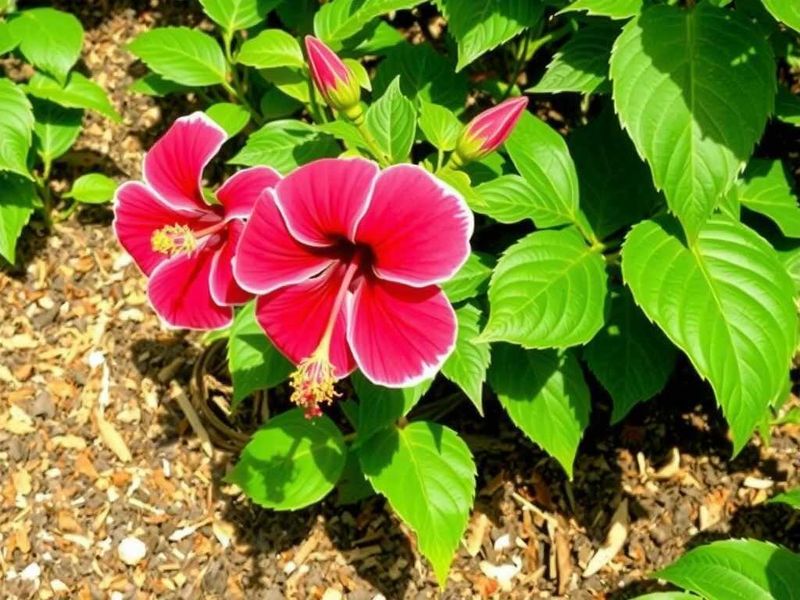
Bare soil in a Texas summer can reach temperatures that stress roots even when the air feels manageable in the shade.
Placing a layer of organic mulch around the base of a hibiscus plant is one of the more straightforward ways to slow down that soil heating and help roots stay in a more comfortable range.
A two to three inch layer of shredded bark, wood chips, or composted material spread around the plant creates a buffer between the sun and the soil. That buffer slows evaporation, which means the soil holds onto moisture longer between watering sessions.
Mulch also tends to break down gradually over time, adding organic matter that improves soil texture and nutrient availability.
Keeping mulch a few inches away from the main stem of the plant helps prevent moisture from sitting directly against the bark, which can sometimes encourage rot or fungal issues in humid Texas conditions.
Your Texas Garden Changes Every Week. Your Plan Should Too.
Gardening in Texas changes quickly throughout the season. Every Friday you’ll receive a simple weekly plan showing exactly what to plant, prune, fertilize, harvest, and protect so you never miss the right timing.
Refreshing mulch layers in late spring, before the hottest weeks arrive, means the protection is in place right when it matters most.
For hibiscus planted in landscape beds or along fences and walls where reflected heat can be intense, a consistent mulch layer can make a noticeable difference in how well the plant holds up through the summer months.
3. What Strong Sun Exposure Means In Texas Gardens
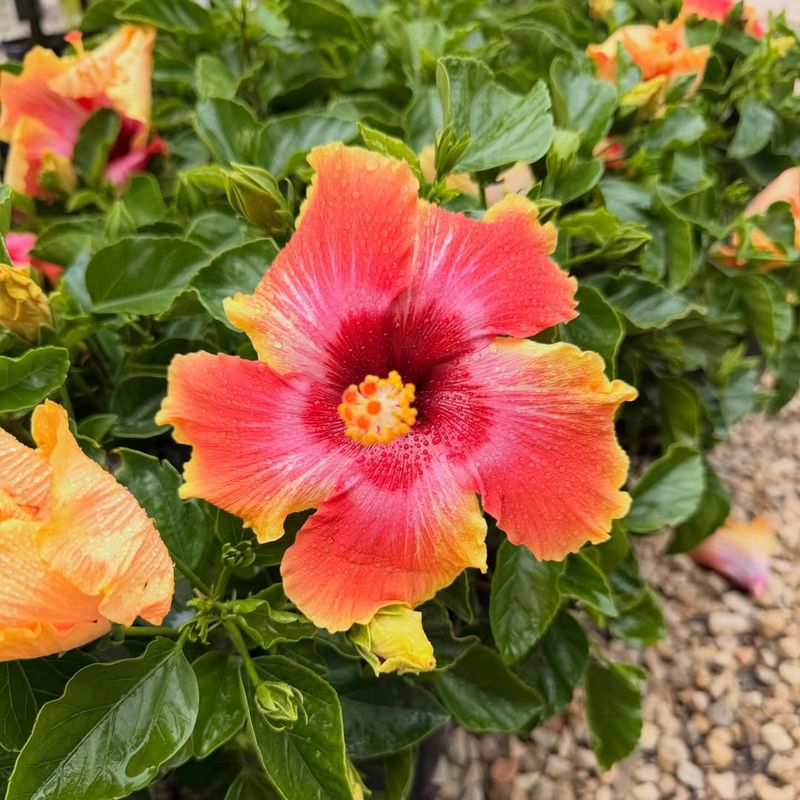
Few places in the country test flowering plants quite like a Texas summer afternoon, where direct sun can feel punishing even to plants that genuinely prefer full-sun conditions.
Tropical hibiscus generally do well with plenty of light, but the intensity of Texas sun – especially from late May onward – is worth thinking about before heat peaks.
Most tropical hibiscus grow best with at least six hours of direct sunlight each day, and they tend to bloom more freely in bright conditions.
The challenge in Texas is that afternoon sun in midsummer can be significantly more intense than morning sun, and prolonged afternoon exposure sometimes leads to leaf scorch or wilting even when soil moisture is adequate.
Positioning hibiscus where they receive strong morning sun and some relief from the harshest afternoon rays can help balance light needs with heat management.
East-facing spots or areas shaded by a structure or larger tree after about two in the afternoon tend to work reasonably well in many Texas landscapes.
For plants already growing in full western or southern exposures, adding a lightweight shade cloth during the hottest weeks can reduce stress without cutting off the light they need to bloom.
Paying attention to how much direct afternoon sun a plant receives before the heat intensifies helps set realistic expectations for how it will perform later in the season.
4. Why Good Drainage Matters As Temperatures Rise
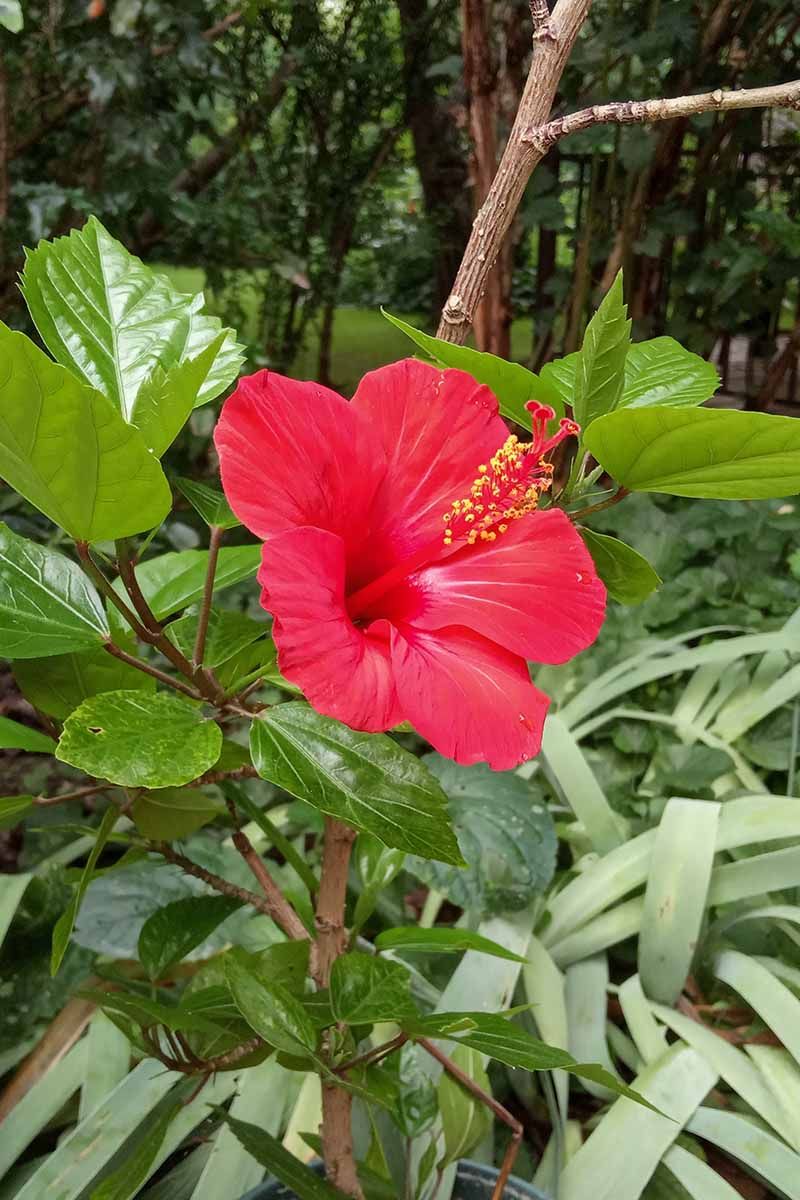
Standing water around hibiscus roots creates a different kind of stress than drought does, and in Texas, where heavy rain can follow weeks of dry heat, drainage becomes especially important to think about before summer gets going.
Waterlogged soil limits the oxygen available to roots, which can weaken the plant even when surface conditions look fine.
Tropical hibiscus prefer soil that stays consistently moist but drains well enough that water does not pool around the root zone for extended periods.
Heavy clay soils common in parts of central and north Texas can hold water longer than the plant benefits from, especially after a strong spring rain.
Amending beds with compost or coarse organic material before the growing season ramps up can improve drainage without making the soil too loose and dry.
Raised beds and bermed planting areas offer a practical option for gardeners dealing with poorly draining spots in the yard. Even a modest elevation above the surrounding soil level can keep roots from sitting in water after heavy rain.
For hibiscus already planted in low spots, creating shallow channels to direct water away from the root zone is a reasonable adjustment.
Checking drainage after a good rain – and noting how long water sits near the plant – gives useful information about whether the soil is set up to support the plant through a hot, sometimes stormy Texas summer.
5. How Light Feeding Supports Healthy Summer Growth
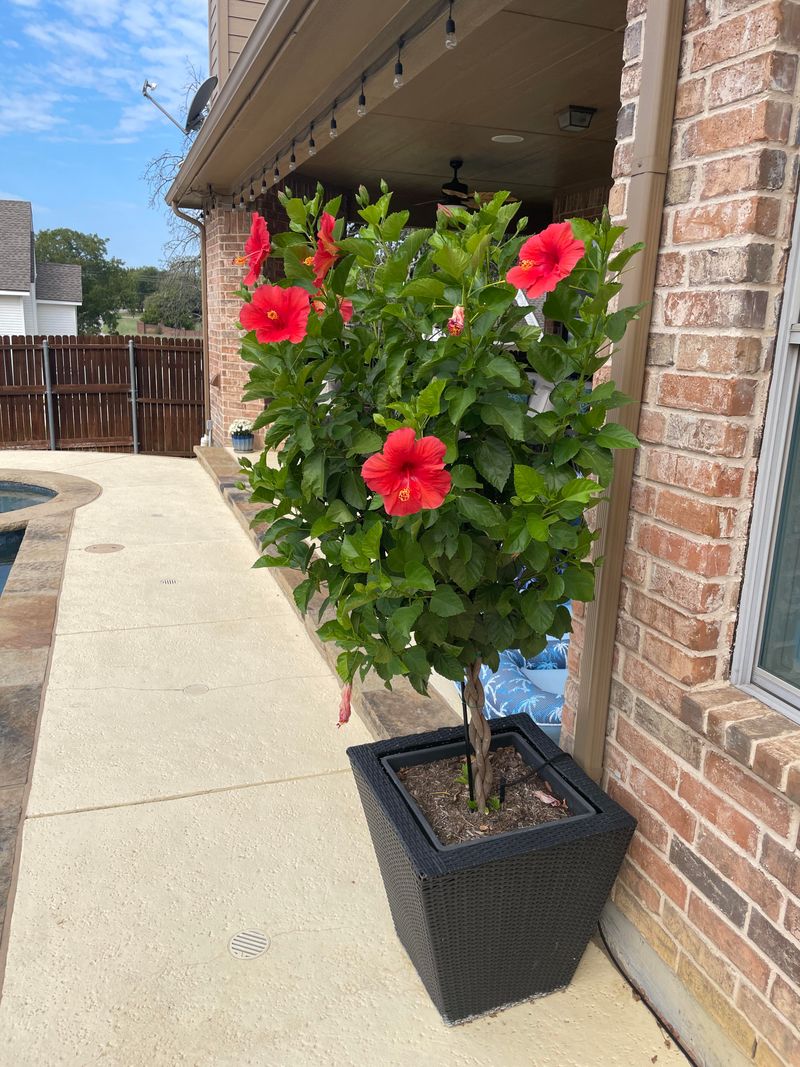
Fertilizing hibiscus at the right time and in the right amount can encourage steady growth and blooming without pushing the plant into a state that makes heat stress worse.
Heavy feeding right before or during intense heat can sometimes stimulate fast, tender growth that struggles under high temperatures and dry winds.
A balanced fertilizer with a roughly equal ratio of nitrogen, phosphorus, and potassium, applied at a moderate rate in late spring, tends to support healthy foliage and flower development without overwhelming the plant.
Some gardeners in Texas prefer slow-release granular fertilizers that feed gradually over several weeks rather than delivering a concentrated burst.
This approach tends to be gentler on roots and more forgiving if temperatures spike sooner than expected.
Hibiscus are known to be relatively heavy feeders compared to some flowering shrubs, but during the hottest stretch of a Texas summer, reducing or pausing feeding is often the more sensible approach.
The plant is focused on managing heat and moisture rather than pushing new growth, and extra nutrients do not always help during that phase.
Starting a light, consistent feeding routine in spring – well before the worst heat arrives – gives the plant a nutritional foundation to draw on when conditions become more demanding.
Watching leaf color and growth rate provides useful feedback about whether the feeding schedule is working well.
6. When Pruning Should Happen Before Hot Weather
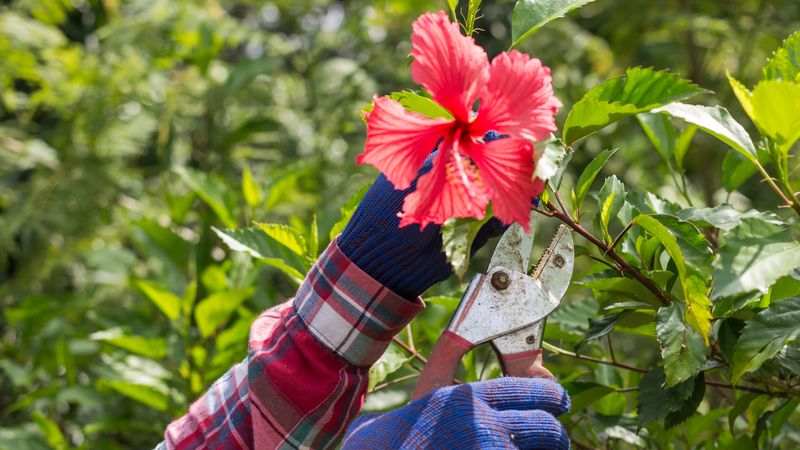
Timing makes a real difference when it comes to pruning hibiscus in Texas, and getting it done before the heat intensifies is generally the more plant-friendly approach.
Cutting back stems while temperatures are still moderate gives the plant time to recover and push new growth before it has to manage the stress of a Texas summer at the same time.
Late winter or early spring is often recommended for major pruning of tropical hibiscus, removing damaged, damaged, or crossing branches and shaping the plant for the season ahead.
Light shaping can continue into mid-spring without much concern, but heavy cutting once summer heat arrives can leave the plant with fewer leaves to support itself during a demanding period.
Leaves play a key role in shading the inner branches and managing water loss, so reducing foliage significantly during a heat wave is harder for the plant to handle.
For hibiscus that have grown leggy or uneven over the previous season, a more substantial cutback in early spring can encourage a fuller, bushier shape that supports better blooming later.
Clean, sharp pruning tools help reduce the risk of introducing disease to cut surfaces.
Removing spent blooms and damaged stems throughout the season is a lighter form of maintenance that can continue regularly without the same concerns as major structural pruning.
Keeping that distinction in mind helps hibiscus move through summer in better overall condition.
7. Why Potted Hibiscus Need Extra Attention In Texas
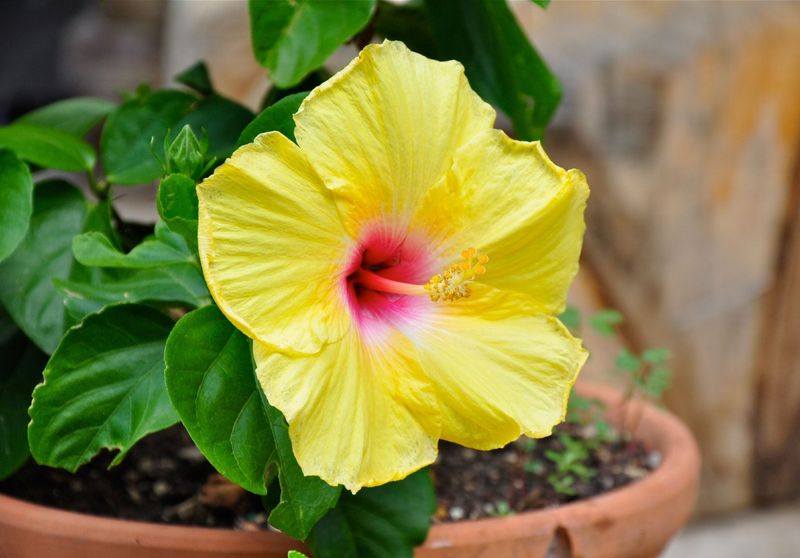
Container gardening is popular across Texas patios, balconies, and courtyards, and hibiscus are a common choice for pots because they are bold, colorful, and relatively manageable in size.
The challenge is that potted plants in Texas heat face a different level of stress than in-ground plants, mainly because containers heat up and dry out much faster than surrounding landscape soil.
A pot sitting on a concrete patio in direct sun can get extremely warm on all sides, and that heat transfers directly to the root zone. Roots in containers have limited space to seek out cooler, deeper soil the way in-ground plants can.
Watering potted hibiscus more frequently than ground-planted ones is usually necessary during warm months, and checking the soil moisture daily during peak heat is a reasonable habit to develop.
Choosing a container with adequate drainage holes is important since excess water needs to escape freely. Larger pots generally hold moisture more evenly than small ones and give roots more room to spread.
Placing containers in spots with morning sun and some afternoon shade – or moving them to a shaded area during the hottest weeks – can reduce moisture stress considerably.
Grouping pots together can also help create a slightly more humid microclimate around the plants.
Getting into a consistent watering and monitoring routine before Texas heat peaks gives potted hibiscus a much better foundation for the months ahead.
8. The Stress Signs To Watch Before Heat Gets Worse
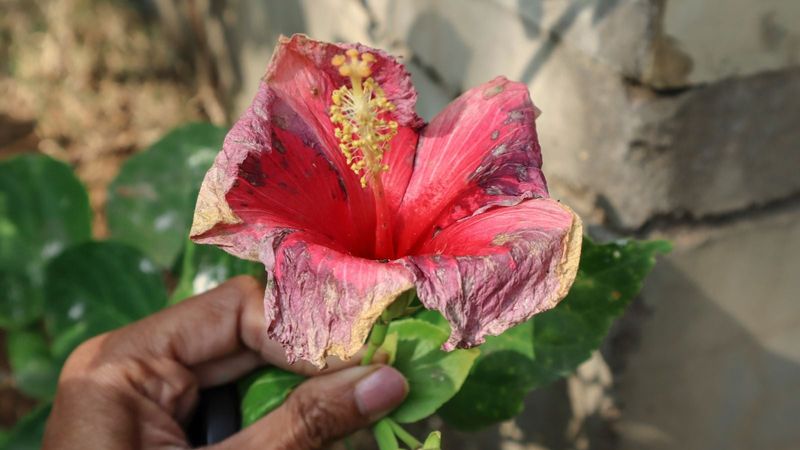
Catching stress signals early gives gardeners a chance to make adjustments before a hibiscus plant struggles through an entire Texas summer without support.
Some signs are easy to overlook when they first appear, especially when the plant still has blooms and looks mostly healthy from a distance.
Yellowing leaves are one of the more common early indicators, and they can point to several different issues including inconsistent watering, nutrient deficiencies, or soil drainage problems.
Bud drop is another signal worth paying attention to – hibiscus that drop buds before they open are often responding to sudden temperature shifts, moisture stress, or root disturbance.
Wilting that does not recover after evening temperatures cool down suggests the plant may be struggling with more than just midday heat.
Checking the undersides of leaves for tiny insects like spider mites or whiteflies is also worthwhile, especially as temperatures climb, since pest pressure tends to increase in warm, dry conditions.
Pale or washed-out leaf color can sometimes indicate sun scorch or nutrient imbalance rather than pest activity, so looking at the overall pattern of symptoms helps narrow down the cause.
Keeping a casual record of when stress signs appear and what weather conditions preceded them makes it easier to spot patterns over the season.
Addressing small problems in late spring, before the heat of a Texas summer fully sets in, is far more manageable than trying to correct multiple issues at once mid-July.