Texas Patio Plants That Can Take Full Sun And Concrete Heat
A south facing Texas patio is not for the faint hearted. The sun hits directly, the concrete absorbs every bit of that heat and radiates it back upward, and the temperature in that space can run significantly hotter than the air around it.
Most plants placed in these conditions don’t last long. A few weeks of that kind of punishment and they’re done.
But some plants were practically built for it. There are patio plants that not only tolerate full sun and reflected concrete heat, they genuinely thrive in it.
No wilting by noon, no crispy edges by August. Just strong, healthy growth and reliable color through the hottest stretch of the Texas summer.
Finding them takes a little know how, because not everything labeled sun tolerant at the garden center is actually ready for what a Texas concrete patio delivers. Here are the patio plants that can take everything a Texas summer throws at them and still look great doing it.
1. Texas Lantana
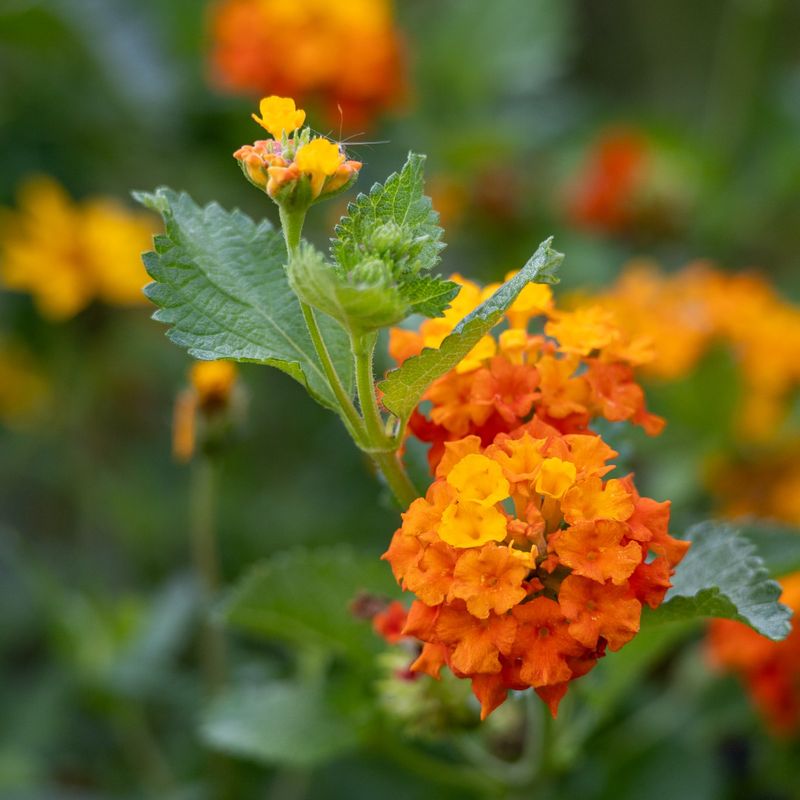
Few plants put on a show quite like Texas lantana when the temperatures climb and other flowers start to fade.
This tough native shrub thrives in full sun, laughs at dry spells, and keeps blooming through the hottest months of the year. Butterflies absolutely love it, so you get free entertainment along with the color.
Texas lantana works really well in large patio containers filled with fast-draining soil. Because concrete patios trap and radiate heat, you want a plant that can handle root temperatures that rise well above air temperature.
Texas lantana does exactly that without skipping a beat. Choose a pot that is at least 14 to 16 inches wide so the roots have room to spread.
Watering is pretty simple once the plant is established. During the first few weeks, water it every couple of days to help it settle in.
After that, once-a-week watering is usually enough, and you can stretch it even longer during cooler stretches. Overwatering is actually a bigger concern than underwatering with this plant.
Pruning keeps Texas lantana looking tidy and encourages fresh blooms. Cut it back by about one-third in late winter before new growth starts.
During the growing season, snipping off spent flower clusters pushes the plant to produce more blooms faster. A slow-release fertilizer applied in spring gives it a nice boost without pushing too much leafy growth at the expense of flowers.
One thing to keep in mind is that lantana berries are toxic to pets and small children, so place the container thoughtfully on your patio.
2. Red Yucca
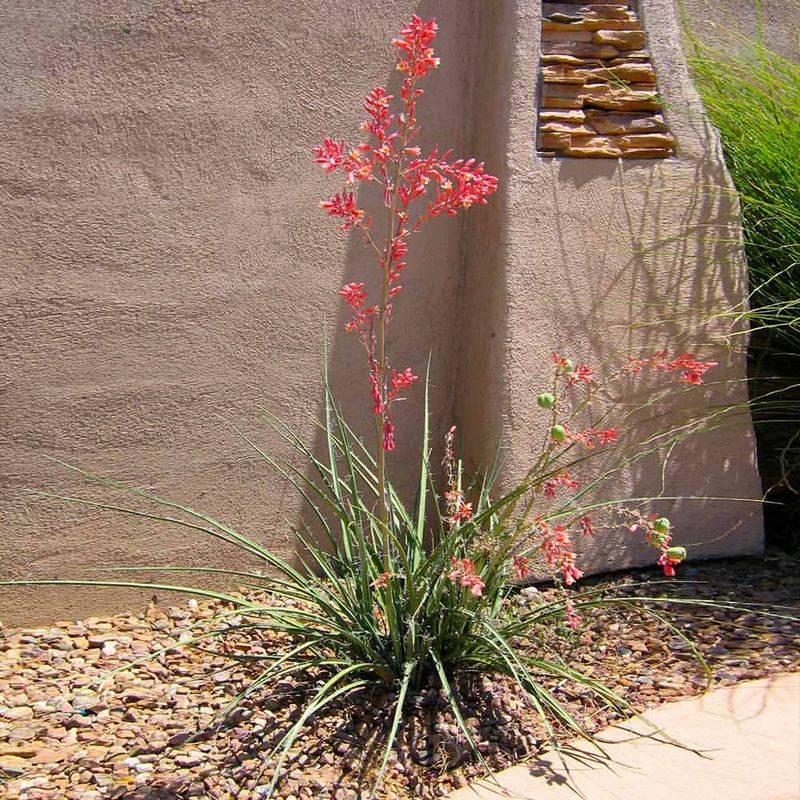
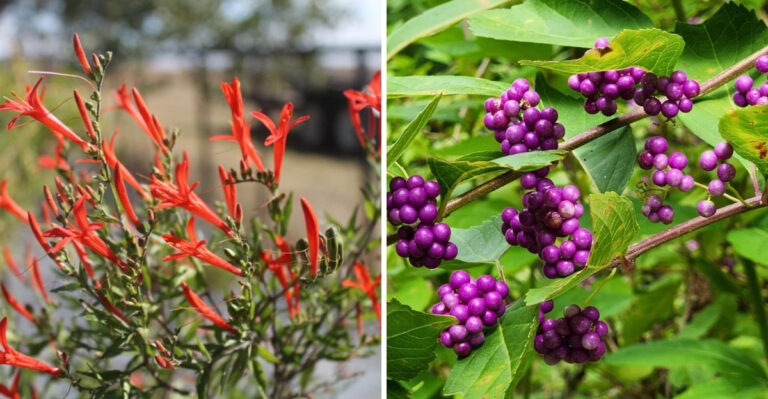
Red yucca is one of those plants that looks like it belongs in a landscape painting. Its tall, arching flower stalks rise up in shades of coral and soft red, and hummingbirds show up almost immediately once it starts blooming.
If you want a patio plant that pulls double duty as a wildlife magnet and a heat warrior, red yucca is your answer.
Despite the name, red yucca is not actually a true yucca. It is a member of the agave family, which explains its incredible drought tolerance and love of lean, well-drained soil.
Your Texas Garden Changes Every Week. Your Plan Should Too.
Gardening in Texas changes quickly throughout the season. Every Friday you’ll receive a simple weekly plan showing exactly what to plant, prune, fertilize, harvest, and protect so you never miss the right timing.
On a hot concrete patio, it handles reflected heat without any complaints. Plant it in a large container with a gritty, fast-draining mix to mimic the rocky Texas Hill Country soils it naturally prefers.
Full sun is non-negotiable for this plant. It can tolerate a little afternoon shade, but it blooms best when it gets at least six to eight hours of direct sunlight each day.
The grass-like foliage stays attractive even when the plant is not in bloom, so your patio always has something interesting to look at.
Water deeply but infrequently. Once established, red yucca can go weeks without rain and still look great.
In containers, check the soil a couple of inches down before watering. If it feels dry, go ahead and water thoroughly. If there is still moisture, wait a few more days.
Red yucca is evergreen in most of Texas, meaning it holds its foliage through winter and gives your patio year-round structure and visual interest.
3. Mealy Blue Sage
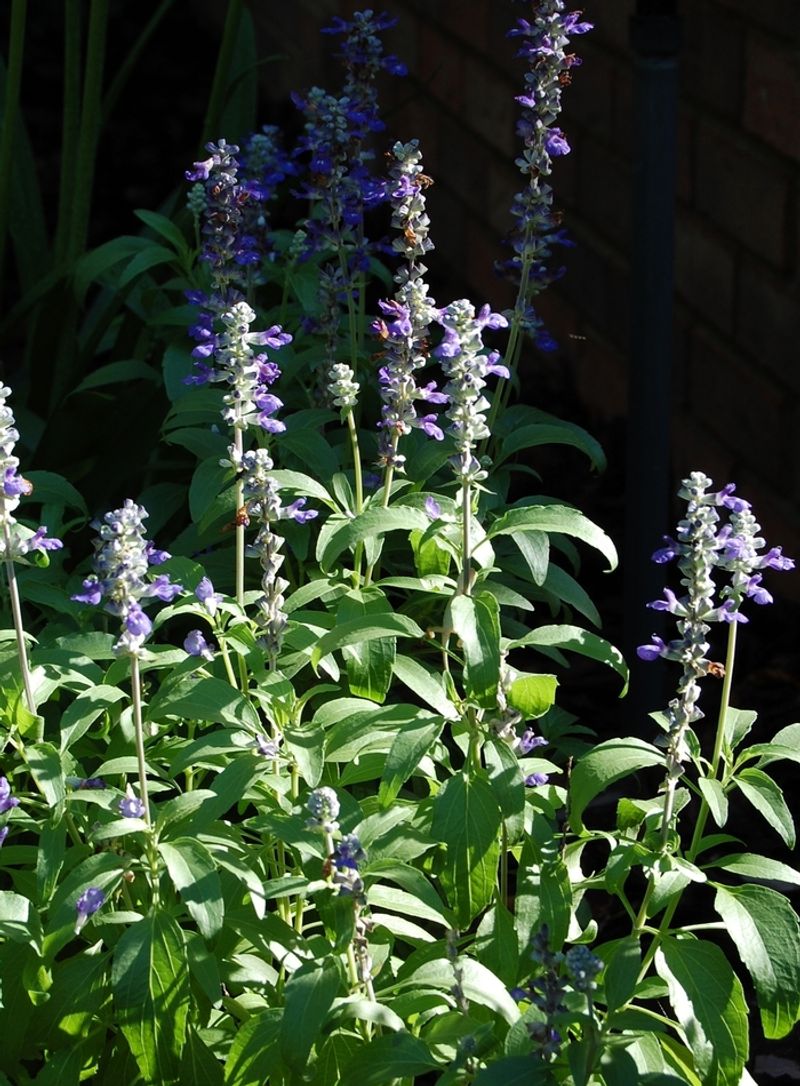
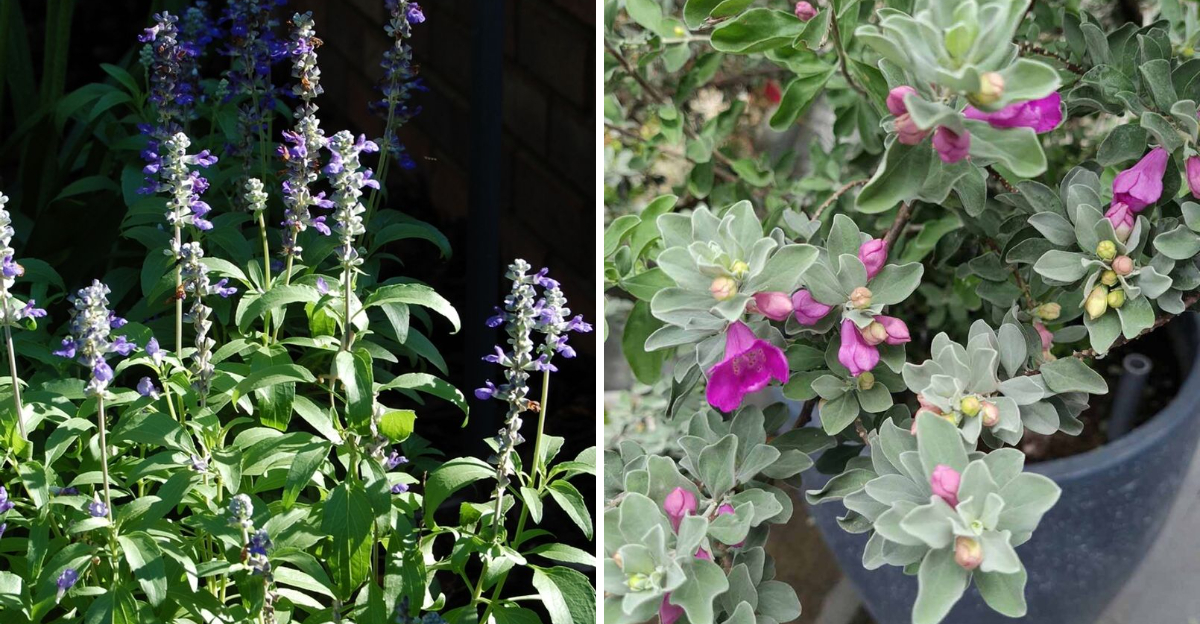
Walk past a pot of mealy blue sage in full bloom and you will stop in your tracks. Those tall spikes of blue-purple flowers have a cool, almost electric quality that stands out beautifully against the warm tones of a concrete or brick patio.
It is one of the most underrated patio plants in Texas, and once you grow it, you will wonder why you waited so long.
Mealy blue sage is a Texas native that evolved to handle dry, rocky conditions, which makes it a natural fit for hot patio environments. It has low water needs and handles dry soil without putting up much of a fuss.
The silvery-green foliage also reflects some heat, helping the plant stay cooler than darker-leaved alternatives. Plant it in a container with excellent drainage and a mix that leans on the sandy or gritty side.
Full sun is where this plant shines brightest. It can manage in partial sun, but the flower production really picks up with maximum light exposure.
Flower spikes appear from spring through fall, and pollinators like bees and butterflies visit regularly. Deadheading spent spikes encourages the plant to push out fresh blooms throughout the season.
Fertilizing mealy blue sage is not something you need to stress about. A light application of balanced fertilizer in early spring is usually all it needs.
Too much fertilizer actually pushes leafy growth and reduces flowering, so less is more here.
In containers, mealy blue sage can reach about two to three feet tall and wide, making it a strong vertical accent on a patio with limited space.
4. Autumn Sage
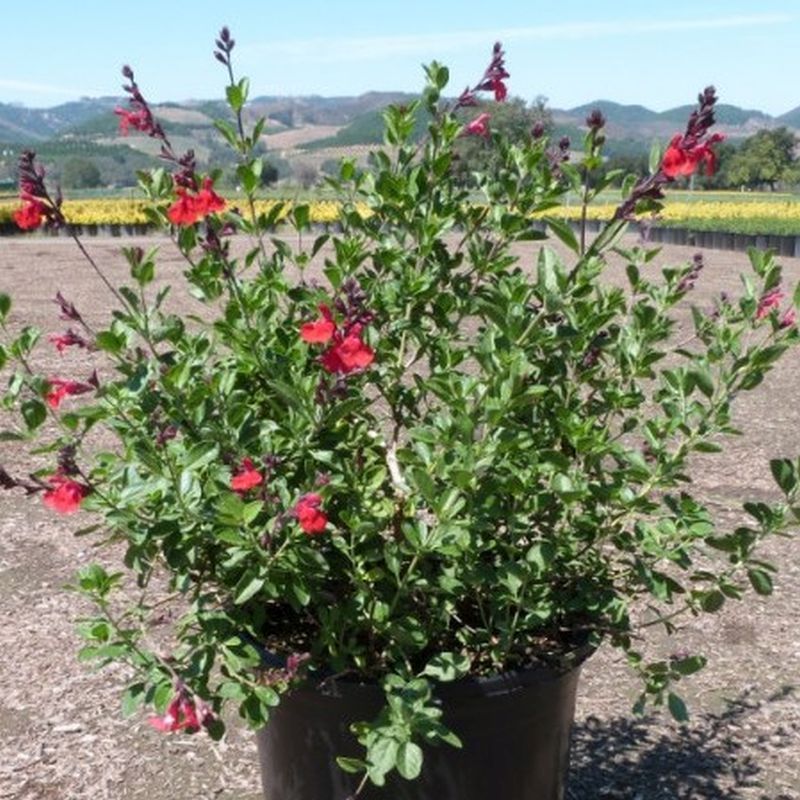
Autumn sage earned its name honestly. While many plants start looking worn out as summer drags on, autumn sage keeps pushing out fresh blooms right through fall.
The compact, woody form fits neatly into patio containers, and the warm red, coral, or pink flowers bring hummingbirds and butterflies swinging by on a regular basis.
This is a plant with a long track record in Texas gardens. It handles full sun and reflected heat from concrete surfaces without missing a beat.
Once established, it is remarkably drought tolerant, making it one of the easier plants to maintain on a hot patio. Plant it in a container with well-draining soil and make sure the pot has drainage holes at the bottom to prevent soggy roots.
Autumn sage blooms in waves. It flowers heavily in spring, slows down a bit during the peak of summer, and then picks back up with a strong flush in fall.
Cutting the plant back by about one-third after each blooming cycle keeps it tidy and encourages the next wave of flowers. Without occasional trimming, it can get a little leggy over time.
Watering needs are low once the plant is settled in. During the heat of summer, check the container every few days and water when the top inch or two of soil feels dry.
During cooler months, you can water much less frequently. Autumn sage does not appreciate sitting in wet soil for extended periods.
Available in several flower colors including red, pink, white, and coral, it is easy to mix and match with other patio plants for a layered, colorful display.
5. Esperanza
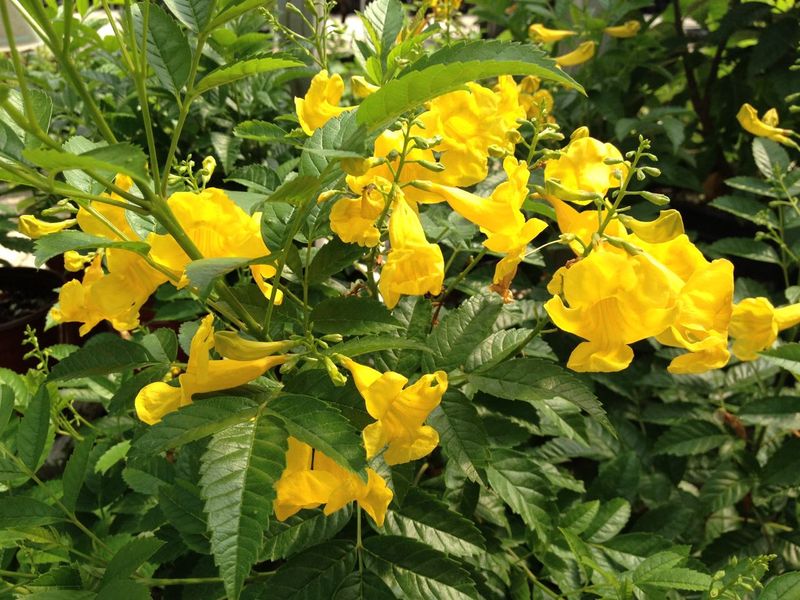
Esperanza means hope in Spanish, and once you see this plant in full bloom, you will understand why someone gave it that name.
The bright yellow trumpet flowers practically glow in the Texas sun, and the shrub blooms nonstop from late spring all the way through the first frost. Few patio plants offer that kind of staying power through a brutal Texas summer.
Also called yellow bells or Tecoma stans, esperanza is a heat-loving shrub that was practically built for conditions where other plants struggle. It thrives in full sun and handles the radiant heat that bounces off concrete patios without any visible stress.
The key to growing it successfully in a container is choosing a large pot, at least 18 to 24 inches in diameter, and filling it with well-draining soil.
Watering is straightforward. During the growing season, water deeply once or twice a week depending on how hot and dry conditions are.
Allow the soil to dry out a bit between waterings. Esperanza does not like sitting in wet soil, and a container with good drainage holes is essential for keeping the roots healthy.
Fertilizing with a balanced slow-release fertilizer in spring and again in midsummer keeps the blooms coming. Prune it back hard in late winter to encourage a full, bushy shape for the new season. Without pruning, esperanza can get tall and leggy over time.
Hummingbirds and bees are regular visitors to the flowers, adding even more life to your patio during the long Texas growing season. It is a true showstopper that earns its space every single year.
6. Texas Sage
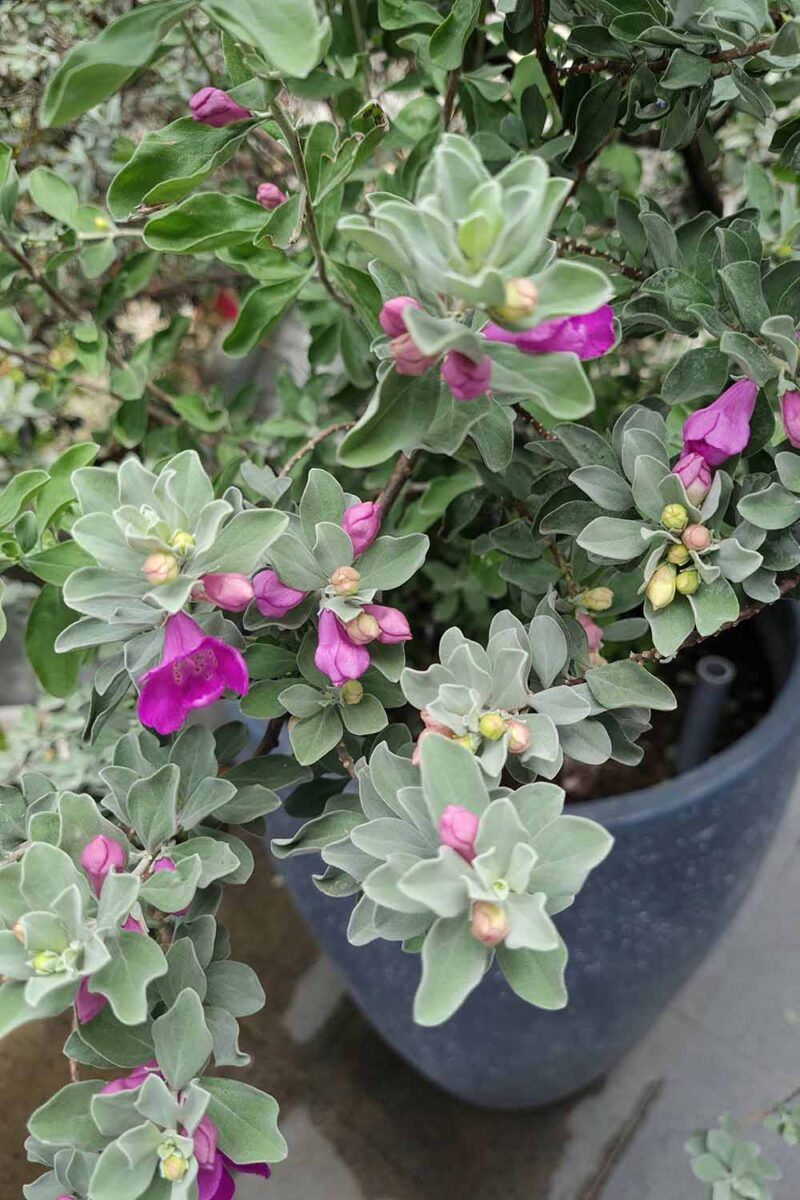
There is something almost magical about the way Texas sage blooms after a rain. Gardeners across the state have noticed for years that this silver-leaved shrub bursts into purple-pink flowers shortly after a good soaking, earning it the nickname barometer bush.
On a hot patio, that surprise bloom cycle makes it one of the most interesting container plants you can grow.
Technically known as Leucophyllum frutescens, Texas sage is built for tough conditions. The silvery foliage reflects sunlight and heat, helping the plant manage even the most punishing Texas afternoons.
It actually prefers lean, alkaline soil with sharp drainage, which means you should skip the rich potting mixes and go with something grittier. A mix of potting soil and coarse sand or perlite works well in a large container.
Full sun is a must. Texas sage planted in shade gets leggy, blooms poorly, and loses the compact shape that makes it so attractive.
On a south or west-facing patio, it will get all the light it needs and reward you with its best performance. Choose a large, heavy container since this shrub can grow three to five feet tall and wide over time.
One of the biggest mistakes people make with Texas sage is overwatering. In a container, water only when the soil is clearly dry several inches down.
During summer, that might mean watering once a week or less. In cooler months, you can go even longer between waterings without any issues.
Texas sage requires very little fertilizer. Too much nitrogen encourages leafy growth at the expense of flowers, so keep feeding light and infrequent throughout the season.
7. Damianita
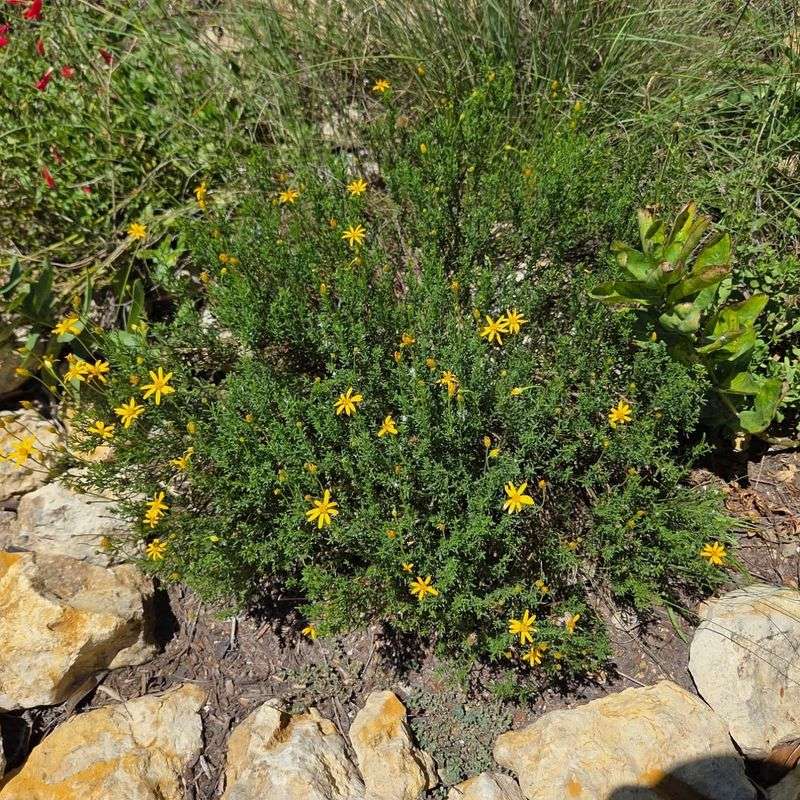
Damianita might be one of the best-kept secrets in Texas gardening. This low, mounding native shrub covers itself in cheerful yellow daisy-like flowers in spring and often repeats the show in fall.
Rub the foliage and you get a pleasant, resinous fragrance that sets it apart from most other patio plants. It is small, tough, and full of personality.
Native to the Chihuahuan Desert and the Texas Trans-Pecos region, damianita evolved in some of the harshest growing conditions imaginable. Blazing sun, rocky soil, and long dry spells are all conditions it handles with ease.
On a concrete patio where heat reflects from every surface, this plant is completely in its element. Use a wide, shallow container with a gritty, fast-draining mix to keep the roots comfortable.
Full sun is essential for damianita to bloom well and maintain its tight, compact shape. In lower light, it tends to stretch out and flop, losing the tidy mound form that makes it such a nice patio plant.
A south or west-facing exposure gives it the intense light it craves throughout the growing season.
Water needs are very low. Once established in a container, damianita can go a week or more between waterings during normal summer conditions.
During extreme heat spells, check the soil every few days, but err on the side of dryness rather than wetness. Root rot from overwatering is a real risk with this plant.
Damianita rarely needs pruning, but a light trim after flowering keeps it looking neat. Skip the heavy fertilizer and let this tough little plant do what it does best on its own terms.
8. Parry’s Agave
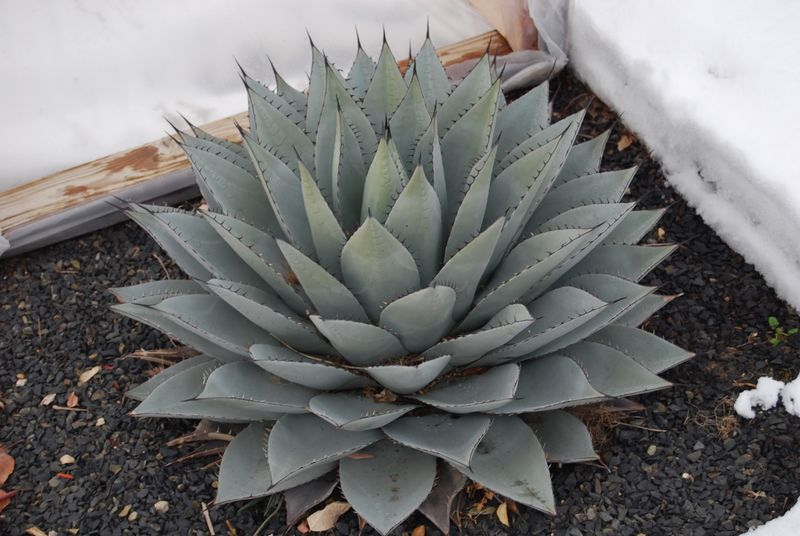
Bold, architectural, and completely unfazed by heat, Parry’s agave is the kind of plant that makes a patio look intentional and well-designed.
The thick, blue-gray leaves form a perfect rosette shape that looks striking whether the plant is surrounded by colorful flowers or standing alone as a focal point.
It is one of those plants that looks expensive but requires almost nothing from you once it is settled in.
Parry’s agave is native to the high deserts of the American Southwest and northern Mexico, so Texas summers feel familiar to it. It handles full sun and the intense reflected heat from concrete with zero problems.
The waxy coating on the leaves actually helps the plant shed heat and reduce water loss, making it one of the most efficient plants you can put on a hot patio.
Container selection matters a lot with this plant. Choose a heavy pot, ideally ceramic, concrete, or stone, because the plant can get top-heavy as it matures.
The container must have drainage holes, and the soil mix should be very gritty with plenty of perlite or coarse gravel mixed in. Wet roots sitting in soggy soil are far more damaging to this plant than any amount of heat or sun.
Watering should be infrequent. During summer, water deeply every two to three weeks and then let the soil dry out completely before watering again.
In fall and winter, reduce watering to once a month or even less. Parry’s agave is one of the easiest patio plants in Texas once you commit to keeping it on the dry side.
The rosette shape stays attractive for years, slowly growing into an impressive specimen that anchors your patio design with quiet confidence.