How Late Is Too Late To Seed An Ohio Lawn This October
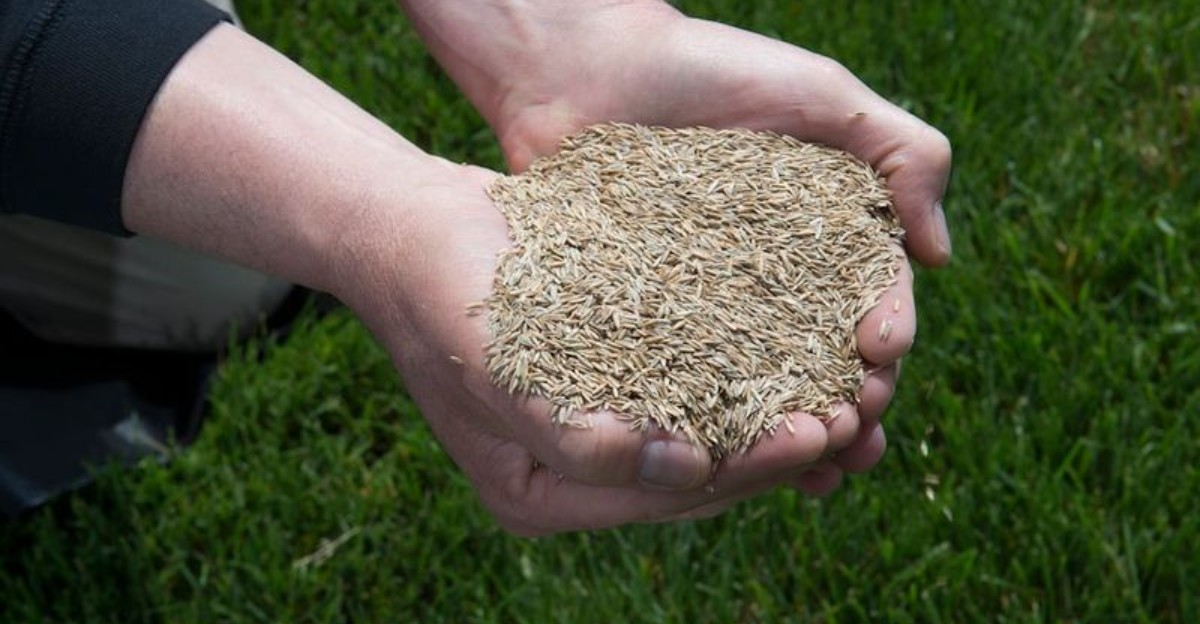
The leaves are coming down, pumpkin spice is absolutely everywhere, and those bare brown patches in your yard are staring back at you like they have a personal grudge.
October has a way of making lawn goals feel suddenly urgent, and the calendar is not being particularly reassuring right now.
Here is the thing though: Ohio falls are genuinely tricky. One week it feels like summer is barely over and the next you are scraping frost off the windshield before coffee.
That swing makes seeding timing feel like a guessing game, and most homeowners either act too late or talk themselves out of trying altogether. Both are understandable mistakes.
The good news is that you likely have more time than you think, and even if the window is closing fast, there are some smart options worth knowing about.
1. Why Mid-October Is The Usual Cutoff For Ohio Seeding
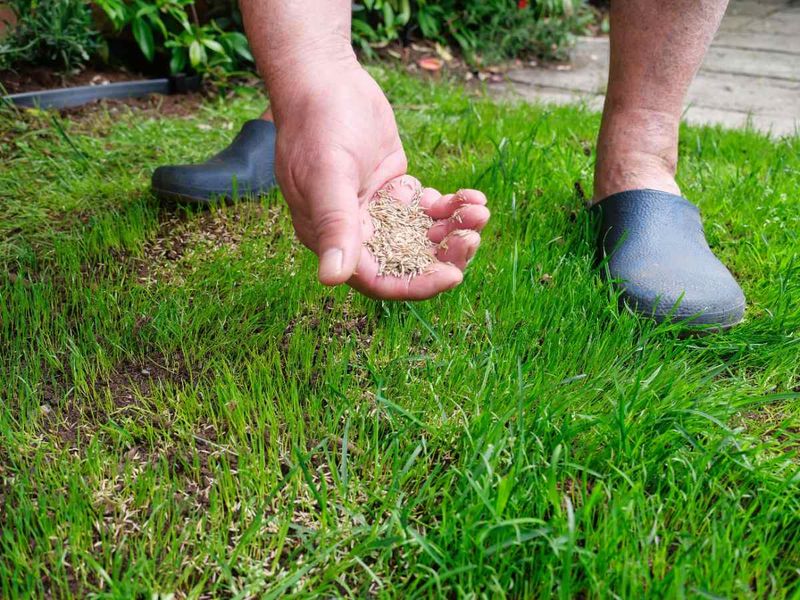
Picture a tiny grass seed as a camper setting up a tent before a storm. It needs enough warm days to sprout, grow roots, and get cozy before winter shows up.
For most of The Buckeye State, that safe window closes around October 15. OSU Extension generally recommends getting seed in the ground at least six weeks before the first hard frost, giving young grass enough time to germinate and develop meaningful root strength before cold weather becomes a limiting factor.
Northern Ohio, near Cleveland and Toledo, tends to cool down sooner. Homeowners there should aim to finish seeding closer to October 1 if they can.
Southern spots like Cincinnati often get a little bonus time. Many lawns there can still be seeded until about October 20 or even a bit later in a mild year.
Central areas around Columbus sit right in the middle. Mid-October is a solid target for folks living in that zone.
Why does the date matter so much? Young grass that sprouts too late has thin, weak roots that struggle when frost starts heaving the soil up and down.
Those tender seedlings can get pushed right out of the ground. Once that happens, you lose the seed, the money, and the effort you put in.
A simple habit helps a lot here. Mark your regional cutoff on a kitchen calendar in September, so the deadline does not sneak up on you while you are busy with fall chores.
2. Soil Temperature Tells The Real Story
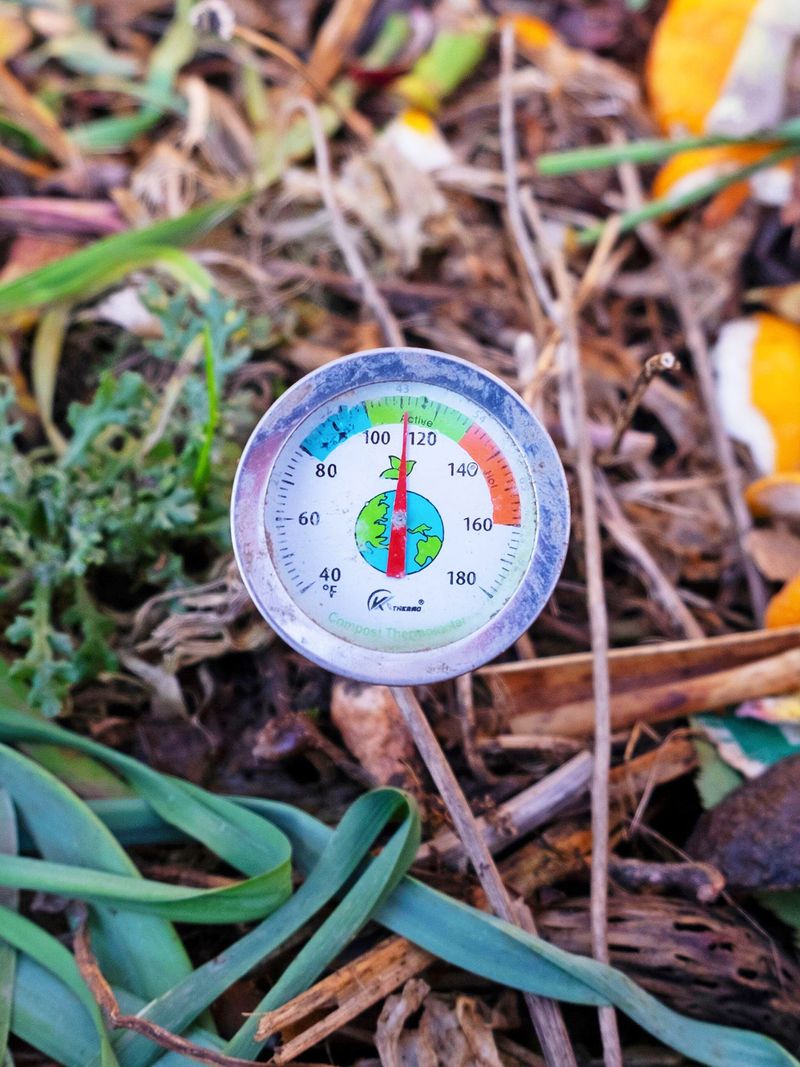
Here is a secret many lawn pros swear by: the calendar is only half the story. Soil temperature is what truly wakes up grass seed.
Cool-season grasses like tall fescue and Kentucky bluegrass sprout best when soil sits between 50 and 65 degrees. Once it slips under 50, germination slows to a crawl.
Air can feel chilly while the ground stays surprisingly warm. Soil holds summer heat longer, which is why early October seeding often still works.
Checking is easy and cheap. A basic soil thermometer costs only a few dollars at most hardware stores.
Push it about two inches into the ground in the morning. Take readings for three or four days in a row to get a fair average.
Your Ohio Garden Changes Every Week. Your Plan Should Too.
Gardening in Ohio changes quickly throughout the season. Every Friday you’ll receive a simple weekly plan showing exactly what to plant, prune, fertilize, harvest, and protect so you never miss the right timing.
If numbers stay above 50, you are likely in good shape. When readings drop into the low 40s, the seed will mostly sit and wait.
Another handy option is checking online soil temperature maps. Ohio State University and local weather services often share this data for free.
Fun fact: grass roots keep growing even after blades stop. As long as soil stays above about 40 degrees, roots quietly build strength underground, which is great news for seed sown on time.
3. Picking Fast-Sprouting Grass Seed For Late Planting
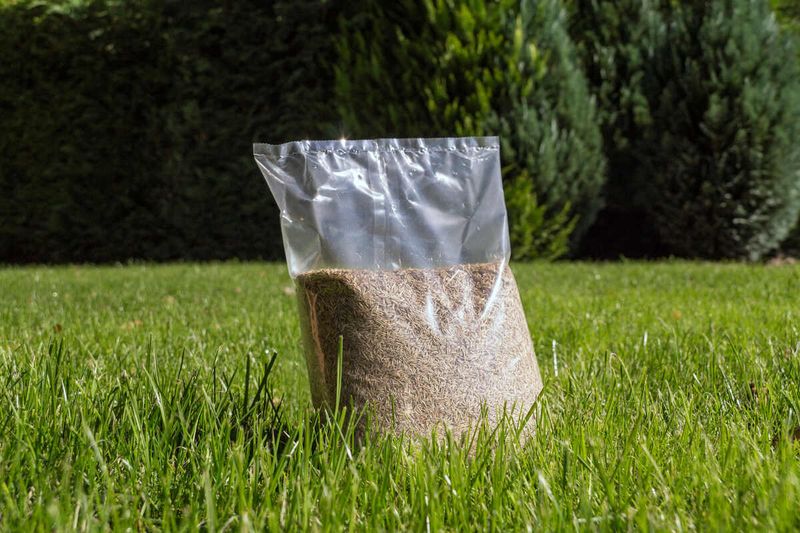
Racing the clock? Your seed choice can buy you precious days.
Perennial ryegrass is the sprinter of the lawn world. It can pop up in just five to seven days when conditions are decent.
It is also one of the most widely recommended options by turfgrass specialists for fall overseeding situations where time is genuinely tight.
Tall fescue is a steady middle runner, usually sprouting in about seven to fourteen days. It handles Ohio summers well and grows deep roots.
Kentucky bluegrass is gorgeous, but it takes its sweet time. Germination can stretch to three weeks or more, which is risky late in the season.
A smart move for a late start is using a mix heavy in ryegrass and fescue. The ryegrass fills in quickly and protects the soil while slower grasses catch up.
Always read the label on the bag. Look for low weed seed content and a recent test date, since older seed sprouts less reliably.
Coated seeds can also help. Some brands wrap each seed in a moisture-holding layer that keeps it damp during dry, breezy fall days.
Skip bargain bags filled with annual ryegrass. That type looks nice for one season and then fades out, leaving you right back at square one next year.
4. Watching The First Frost Forecast Across Ohio

My neighbor once seeded his whole front yard the day before a surprise frost. He learned quickly that weather apps are a lawn lover’s best friend.
First frost dates vary a lot across the state. The northern counties often see frost by early to mid-October, while southern areas may wait until late October.
A light frost is usually not a disaster. Seedlings that are already up and a few inches tall can handle a chilly night or two.
Hard freezes are a different matter. When temperatures dip into the mid-20s for several hours, tiny sprouts get stressed and growth stalls.
Check the ten-day forecast before you spread any seed. If a string of freezing nights is coming soon, it might be wiser to wait for a different plan.
Looking at average frost dates helps too. The National Weather Service and local extension offices publish charts showing typical first frost timing for each region.
Try to have your seed in the ground at least 45 days before your usual first hard freeze. That gap gives roots a fighting chance to settle in.
Keep a notebook of frost dates each fall. Over a few years, you will know your own yard’s rhythm better than any chart.
5. Prepping Soil Quickly For A Late Seeding
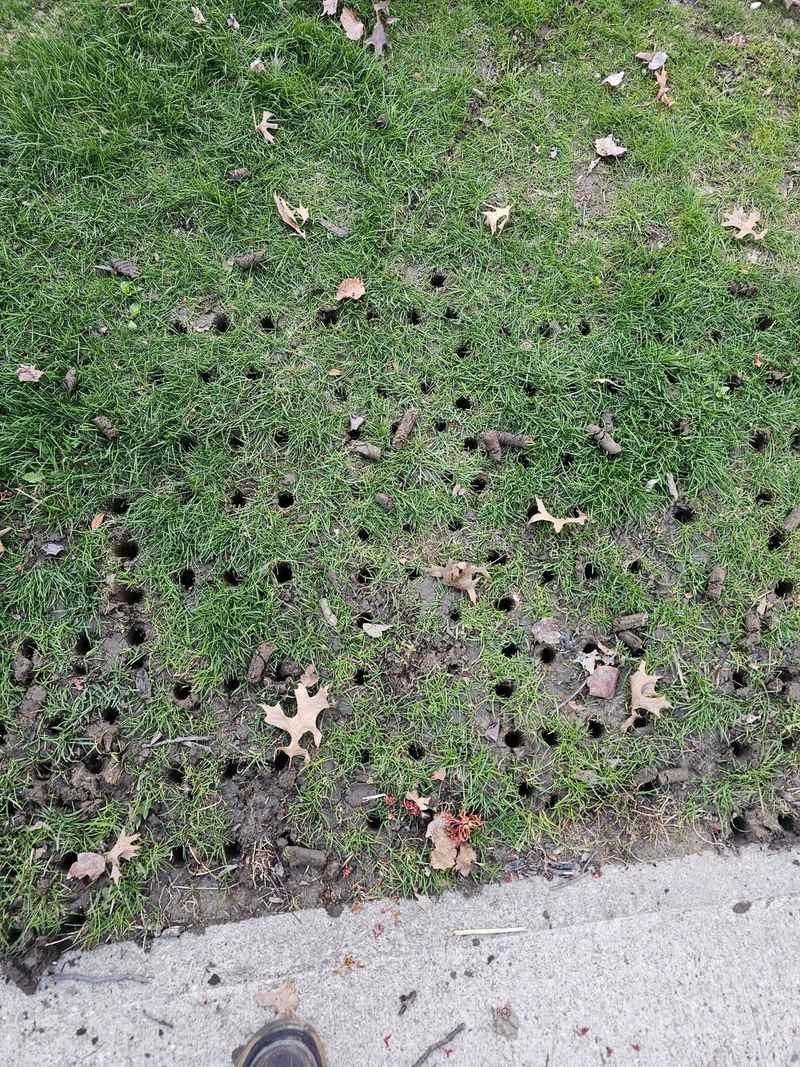
Good news for busy folks: prep work does not have to take a whole weekend. A few focused steps make late seeding far more successful.
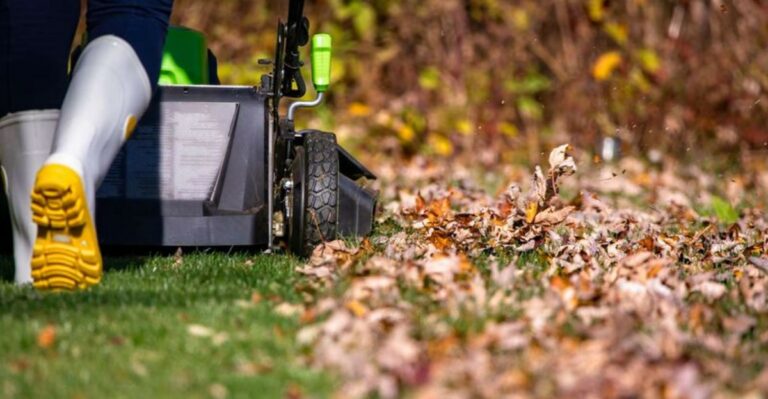
Start by raking away leaves, matted thatch, and loose debris. Seeds need to touch bare soil, not sit on top of a crunchy mat.
Next, loosen the ground. Core aeration is a great choice, since those little holes give seeds a snug spot to land and hold moisture.
Renting an aerator costs about as much as a nice dinner out. Split the rental with a neighbor, and it becomes an even better deal.
For small bare patches, a hard metal rake works fine. Scratch the top quarter inch of soil until it looks crumbly.
Ohio soil is often heavy clay. Mixing in a thin layer of compost helps drainage and gives young roots an easier path downward.
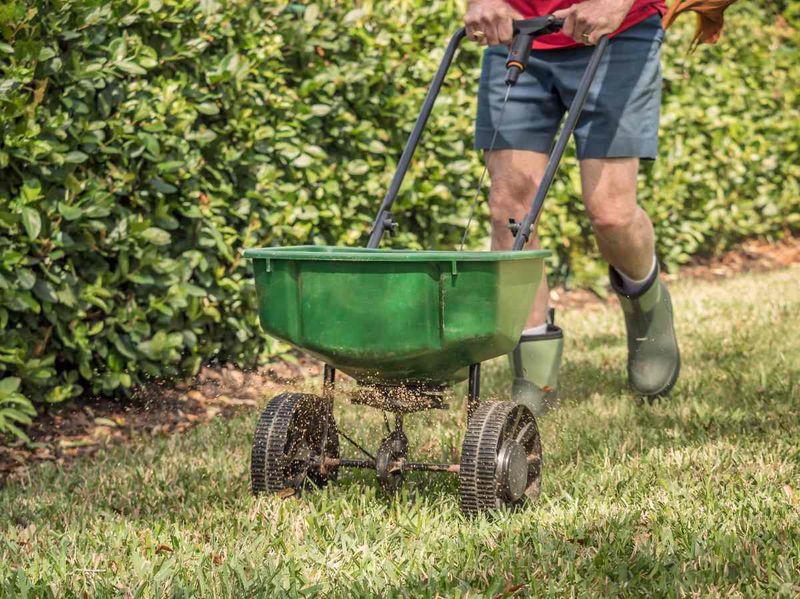
Spread your seed evenly, then lightly rake it in. You want good seed-to-soil contact, but seeds should not be buried more than a quarter inch deep.
Rolling the area with a lawn roller or simply walking over it presses everything together. Small steps like these can shave days off germination time.
6. Keeping Seedlings Watered And Fed In Cool Weather
Water is the magic ingredient that flips a seed’s on switch. Without steady moisture, even perfectly timed seed will just sit there.
Aim to keep the top inch of soil damp but not soggy. Light watering once or twice a day usually does the trick.
Cooler fall days help, since less water evaporates. Still, windy afternoons can dry out the surface faster than you might expect.
Once seedlings reach about an inch tall, switch things up. Water less often but a bit deeper to encourage roots to reach down.
Remember to unhook and drain hoses before hard freezes arrive. Frozen water can crack hoses and outdoor faucets.
Feeding matters too. A starter fertilizer with phosphorus gives baby grass the boost it needs to build strong roots quickly.
Check local rules first, because some Ohio communities limit phosphorus use near lakes and streams. Many brands offer friendly options that still support new growth.
Covering seeded areas with a thin layer of straw or seed mulch helps hold moisture. Use just enough so you can still see soil peeking through.
Treat those first few weeks like caring for a new houseplant. Patience and consistency win the day.
7. Trying Dormant Seeding When Weather Turns Cold
Missed the window? Don’t toss that seed bag in the garage just yet.
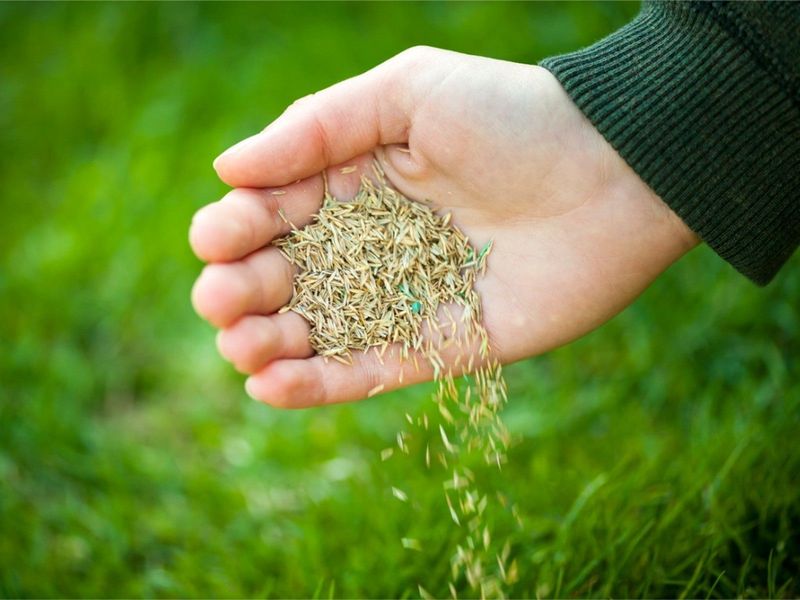
Dormant seeding is a clever trick many lawn experts recommend. You spread seed when the ground is too cold for sprouting, generally after soil temperatures have dropped consistently below about 40 degrees and are staying there.
The seed simply rests through winter. Freezing and thawing cycles gently work it into the soil, almost like nature doing your raking for you.
When spring warms up, the seed wakes up right on schedule. It often sprouts earlier than anything you could plant in April.
Timing is important on both ends of this window. Wait until soil stays consistently below about 40 degrees so the seed does not sprout early and get caught by a cold snap.
On the other end, aim to complete dormant seeding by around mid to late January in most of Ohio. As late winter temperature swings begin in February, the risk of seed germinating too early during a warm spell increases, which can leave young sprouts vulnerable to a returning cold snap.
Bare, loosened soil works best. Seed thrown onto thick matted grass or piles of leaves tends to wash away or feed hungry birds.
Plan on using slightly more seed than usual. Some will get lost to critters, wind, or heavy rains over the winter months.
Here is a fun bit of history: farmers have used a similar method called frost seeding for generations. They scatter clover over fields in late winter and let the freeze-thaw action tuck it in.
8. Knowing When To Wait For Spring
Sometimes the smartest lawn move is to hit pause. Waiting is not giving up, it is simply choosing a better moment.
If it is late October in northern Ohio and frost warnings keep popping up, spring might be your friend. Seed sown too late can waste both time and money.
Spring seeding usually works best from mid-March through early May. Soil warms up, rain is plentiful, and seedlings have weeks to grow before summer heat.
There are a few trade-offs. Crabgrass also wakes up in spring and loves to compete with young grass for space and sunlight.
Most crabgrass preventers also stop grass seed from sprouting. Look for products with a special ingredient called mesotrione that allows seeding and weed control together.
Use the waiting time wisely. Get a soil test through your county extension office so you know exactly what your lawn needs.
You can also mulch leaves into the lawn this fall. Shredded leaves break down over winter and feed the soil naturally.
Think of the pause like resting before a big game. By spring, your yard will be ready, your plan will be sharp, and that thick green carpet will feel well worth the wait.