How Fall Soil Testing Helps Wisconsin Gardeners Plan for Spring
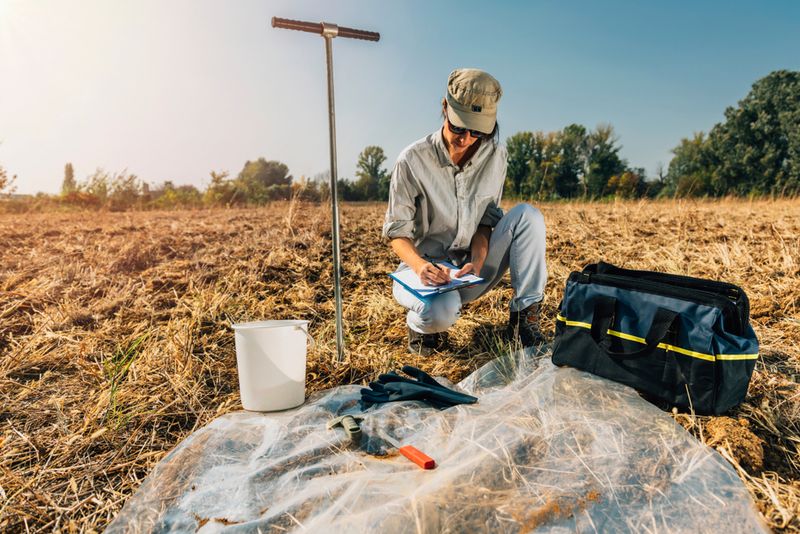
After the last harvest is in and Wisconsin gardens go quiet for the season, fall is a smart time to pull soil samples and find out what your beds are actually working with. A standard soil test measures pH, organic matter, phosphorus and potassium, then gives you crop-specific guidance on lime and fertilizer before you need to buy or apply anything.
That head start lets you correct pH over winter and shop for amendments with real numbers in hand. The results are a useful planning tool, but they guide fertility decisions rather than hand you a complete repair checklist for every soil problem.
Why Fall Helps Wisconsin Gardeners Plan Spring Soil Decisions
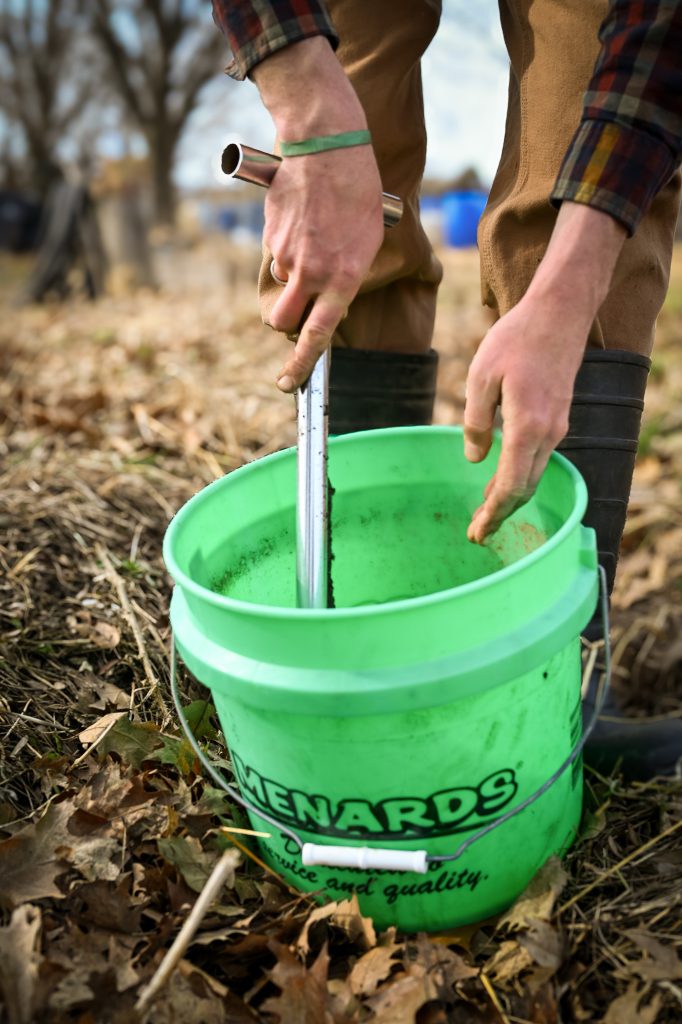
Garden beds in Wisconsin are easy to access after harvest, before cover crops are planted and before the ground freezes. That convenience makes fall a practical window for pulling soil samples, because the results come back in time to schedule lime applications, shop for fertilizers and plan amendment budgets well before spring.
University of Wisconsin guidance confirms that Wisconsin soil can be sampled at any convenient time of year, and fall is particularly useful when growers want recommendations early enough to act on them before the next growing season begins.
Fall is not the only valid testing season in Wisconsin, and it is not inherently more accurate than spring or summer sampling. Seasonal differences in pH, phosphorus and potassium are measurable, so the most reliable comparisons come from sampling at a consistent time and depth each year rather than from treating any single season as uniquely correct.
Wisconsin gardeners who sampled in spring last year should consider sticking with spring to keep their trend data comparable.
A standard Wisconsin lawn-and-garden fertility report provides pH, organic matter, available phosphorus and available potassium, plus crop-specific recommendations for lime and nutrients. What the report does not provide is a complete diagnosis of every condition that limits plant growth or affects soil safety.
Drainage problems, compaction, contamination and disease are outside the scope of a fertility test, and Wisconsin gardeners should treat the report as a guide to fertility decisions rather than a full repair plan for every struggling bed.
Collect a Representative Wisconsin Garden Sample
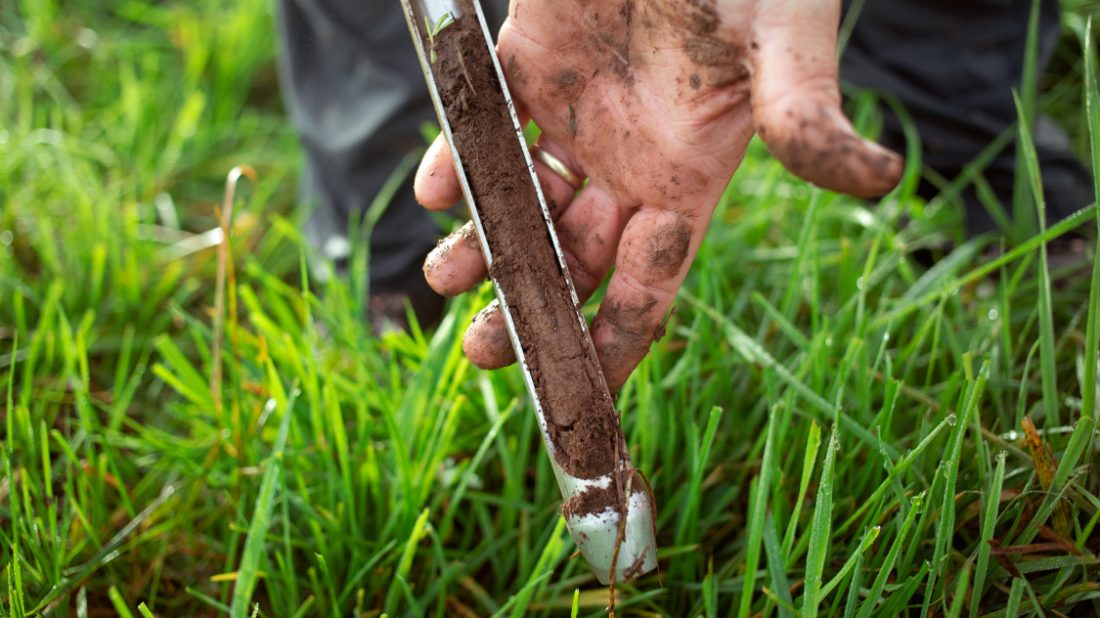
A soil test is only as useful as the sample behind it, and a poorly collected Wisconsin garden sample can produce recommendations that do not match what your plants will actually experience. The first step is to divide your property into separate sampling areas based on differences in soil type, drainage, crop history, fertilizer history or management.
A vegetable bed, a lawn area and a raised bed should each be sampled separately, because mixing them together hides the differences that matter most.
For vegetable gardens in Wisconsin, sample to roughly five to seven inches deep. Remove surface mulch, thatch and plant debris before inserting the probe or trowel, because surface organic material can skew pH and nutrient readings.
Certain Wisconsin garden spots should be left out of the sample entirely. Avoid collecting near manure or lime piles, fertilizer bands, wet spots, road edges, areas where animals congregate, former animal enclosures and patches with markedly different texture, color or productivity.
Your Wisconsin Garden Changes Every Week. Your Plan Should Too.
Gardening in Wisconsin changes quickly throughout the season. Every Friday you’ll receive a simple weekly plan showing exactly what to plant, prune, fertilize, harvest, and protect so you never miss the right timing.
UW Crops and Soils notes that unusual or unrepresentative spots distort the result because the laboratory analyzes only a small amount of what you submit.
Once the cores are mixed and the sample is measured out, place it in a clean labeled bag. Wisconsin gardeners should use the sample bag or container specified by the laboratory they plan to use, and label each bag with the area name, intended crop and sampling depth.
Keeping those labels consistent from year to year makes future comparisons much more straightforward.
Know What the Wisconsin Lawn-and-Garden Test Measures
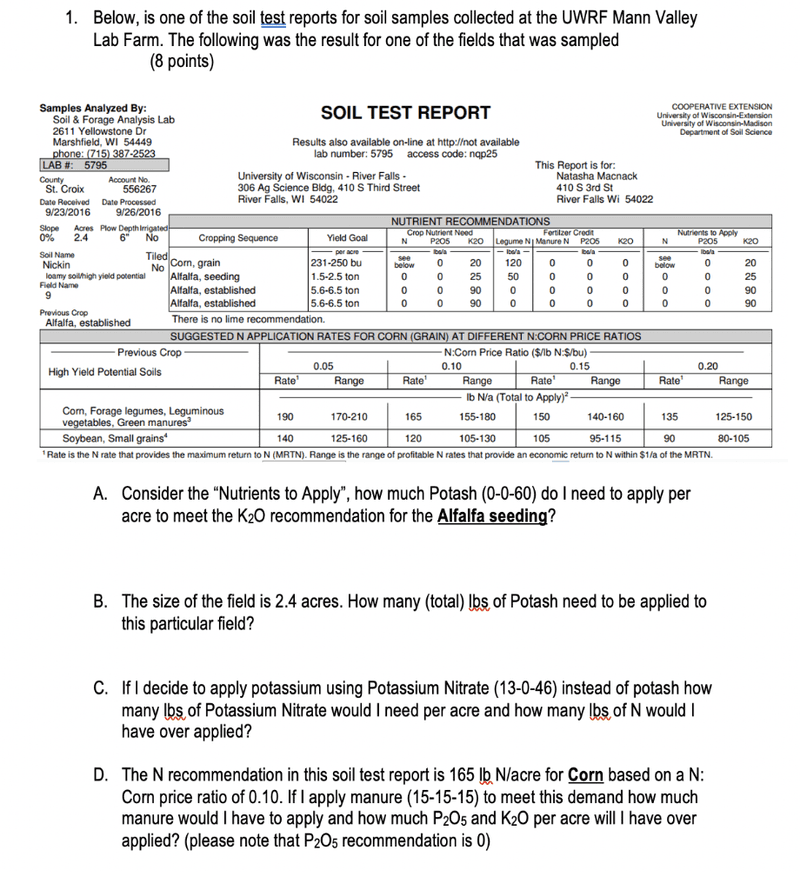
Before deciding what to buy or apply, Wisconsin gardeners benefit from understanding what a standard lawn-and-garden report actually contains. The UW Soil and Forage Analysis Lab measures soil pH, organic matter percentage, available phosphorus and available potassium.
Those four numbers form the core of the report, and they drive most of the amendment decisions that follow.
The crop or landscape category you enter on the submission form shapes the recommendations the lab provides. A Wisconsin vegetable garden, a lawn and an orchard each receive different nitrogen, phosphorus, potassium and lime guidance because crop needs, rooting depths and management practices differ.
Entering the wrong crop code or leaving the category blank can result in recommendations that do not fit your situation, so take a few minutes to match your entry to what you actually plan to grow.
Nitrogen works differently from the other nutrients on a Wisconsin report. Standard garden tests do not provide a simple, dependable measurement of plant-available nitrogen the way they measure phosphorus or potassium.
Instead, nitrogen recommendations are based on the crop, soil type, organic matter level and management history. Gardeners should not expect the report to flag a precise nitrogen deficiency in the same way it flags a low phosphorus reading.
The current UW Soil and Forage Analysis Lab lawn-and-garden submission form lists the standard test fee, which was $30 at the time this article was written. Fees and requirements can change, so Wisconsin gardeners should download and verify the current form before mailing a sample.
The form also lists optional add-on tests, including lead, which is a separate analysis that the standard fertility package does not include.
Let Wisconsin pH Results Guide Lime or Sulfur
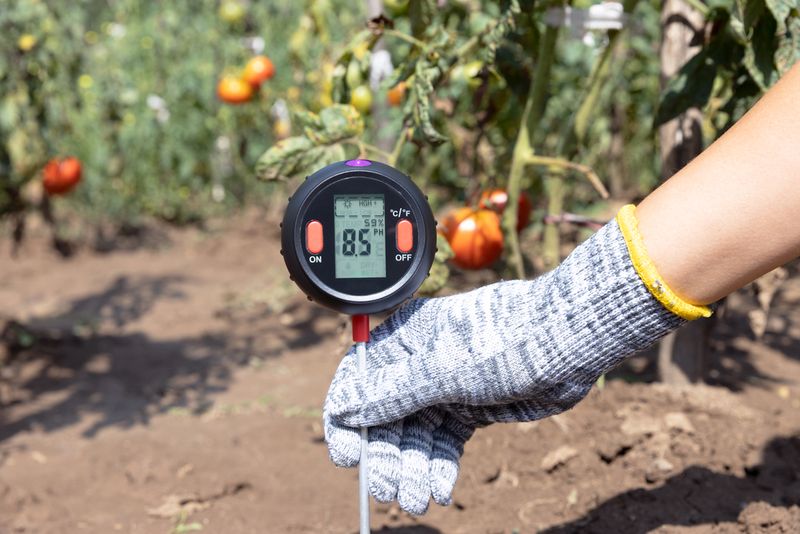
pH is usually the first result Wisconsin gardeners should address, because it controls how well plants can access nutrients already present in the soil. When pH is too low, many nutrients become less available even when fertilizer has been applied.
When pH is too high, different nutrient problems emerge. Correcting pH before adding fertilizer makes the fertilizer work better.
The correct lime rate depends on the measured pH, the target pH for your crop, how well your soil buffers pH changes and the neutralizing value of the lime product you choose. Applying lime to soil that is already at or above the target pH can reduce nutrient availability rather than improve it, so Wisconsin gardeners should apply lime only when the test and crop target together justify it.
For Wisconsin vegetable gardens, a pH around 6.5 is a useful general reference, but individual crops vary. Blueberries prefer much more acidic conditions, while asparagus tolerates a broader range.
When pH is too high for the intended crop, elemental sulfur is the product that can lower it. Sulfate-sulfur products such as gypsum and potassium sulfate are not reliable substitutes.
UW guidance specifically identifies gypsum and potassium sulfate as ineffective for lowering soil pH in Wisconsin conditions, so gardeners who see those products marketed as pH reducers should look elsewhere. The rate of elemental sulfur needed depends on how far the pH needs to move and how strongly the soil resists change, so follow the laboratory’s rate recommendation rather than guessing.
Use Wisconsin Nutrient Results to Plan Spring Applications
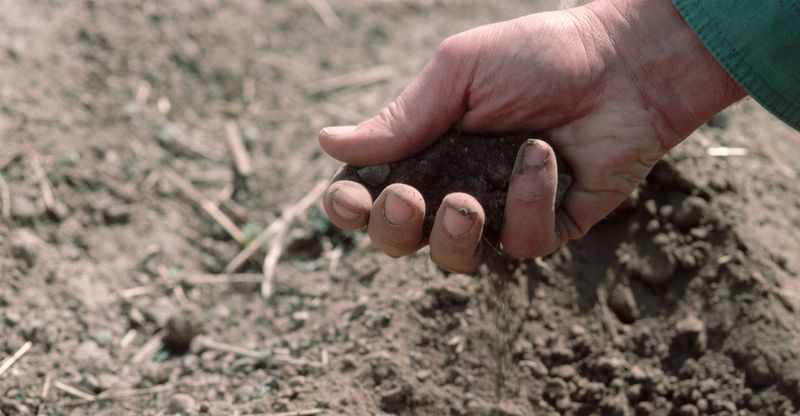
Phosphorus and potassium results on a Wisconsin soil report tell you whether to add those nutrients, hold steady or actively reduce inputs. High phosphorus readings mean Wisconsin gardeners should skip phosphorus fertilizer that season, because adding more can contribute to runoff into Wisconsin waterways and create nutrient imbalances.
Low readings mean a targeted application is justified. Crop-specific recommendations from the laboratory are more reliable than generic fertilizer rules printed on a bag, because the lab accounts for your soil’s starting point and your intended crop’s needs.
Wisconsin gardeners should not expect the report to produce a nitrogen deficiency number they can directly translate into a bag of fertilizer. Instead, nitrogen decisions reflect the crop being grown, the soil’s organic matter content, what was grown there previously and how the bed has been managed.
Legume cover crops, for example, can reduce how much nitrogen a following vegetable crop needs.
Lawn guidance in Wisconsin follows stricter limits than vegetable garden guidance. Phosphorus should not be applied to an established Wisconsin lawn unless a soil test indicates a deficiency or the lawn is being newly established.
Potassium should be added in meaningful amounts only when soil-test results support it. The UW Extension lawn fertilizing guidance for Wisconsin emphasizes that routine phosphorus applications to established turf are not recommended and may conflict with state fertilizer rules.
Wisconsin gardeners managing both a lawn and a vegetable garden should submit separate samples for each and note the different crop codes on the submission form. The recommendations will differ, and applying vegetable-garden nutrient rates to a lawn, or vice versa, can lead to waste, environmental concerns or poor results in both areas.
Evaluate Compost and Manure by Site Need and Nutrient Risk
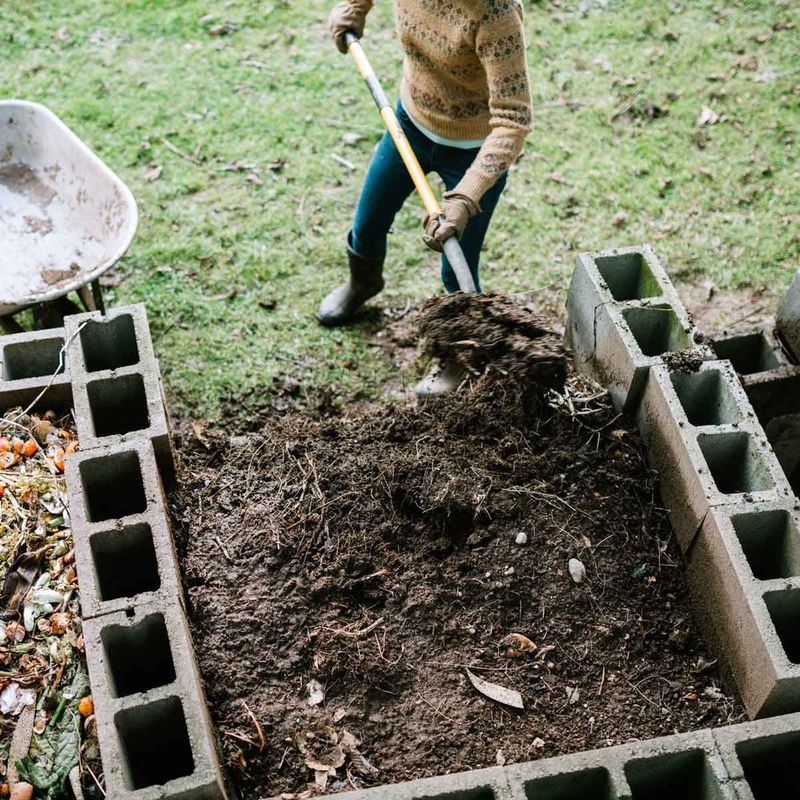
Organic matter amendments occupy a different category from fertilizer, and Wisconsin gardeners get the best results when they evaluate them separately. Compost can improve soil structure, increase water-holding capacity and support drainage in compacted or sandy Wisconsin soils.
Those physical benefits depend on site conditions rather than on the fertility test alone, so a garden with good phosphorus and potassium readings can still benefit from compost if the soil structure is poor.
Manure is not a nutrient-free soil conditioner. UW Extension guidance on using manure in Wisconsin home gardens explains that manure supplies nitrogen, phosphorus, potassium and micronutrients, and that excessive applications can contribute to phosphorus buildup in the soil, nitrate leaching into groundwater, runoff into nearby water bodies and excessive vegetative growth.
Wisconsin gardeners planning large manure applications should review both their soil test results and the amendment’s nutrient analysis before deciding how much to add.
Fresh manure presents a pathogen risk for Wisconsin food gardens, particularly for crops where edible parts contact the soil. Properly composted manure is generally safer and more biologically stable, but composted manure still contains variable amounts of nitrogen, phosphorus and potassium, and it can contribute substantial phosphorus to beds that already test high.
Salt injury is a risk when excessive or unsuitable manure is applied, particularly with poultry or feedlot manure at high rates, so Wisconsin gardeners should not assume that composted manure is always mild or low-nutrient.
The practical approach for Wisconsin gardens is to use site conditions as the starting point for compost decisions and the soil report plus amendment analysis as the guide for nutrient loading. A bed that needs better drainage gets compost regardless of fertilizer status.
A bed that already tests very high in phosphorus should receive manure only in amounts the crop can use, or not at all until phosphorus levels drop.
A Wisconsin Fertility Report Cannot Explain Every Failing Garden
A standard Wisconsin fertility report is a focused tool, not a complete garden diagnostic. It measures pH, organic matter, phosphorus and potassium, and it gives crop-specific guidance on lime and nutrients.
Drainage problems, compaction, root diseases, erosion, poor seed germination, water quality and most other physical or biological causes of poor plant growth fall outside what the test can detect. Wisconsin gardeners who correct every fertility result on the report but still see struggling plants should look beyond the lab for answers.
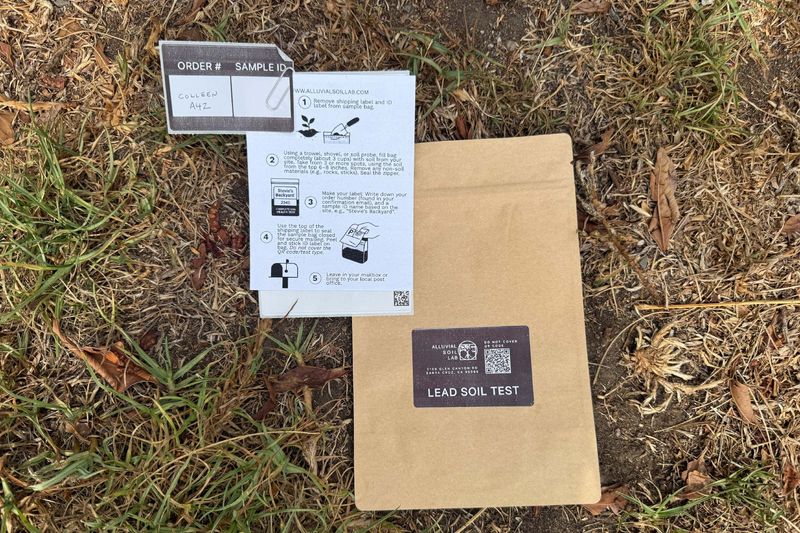
Safety is a separate question that a fertility report does not answer. The UW Soil and Forage Analysis Lab submission form lists lead as an add-on test because it is not included in the standard lawn-and-garden package.
A normal fertility result does not establish that Wisconsin garden soil is free of lead, arsenic, petroleum compounds, pesticides or pathogens. Wisconsin gardeners should not assume that a good phosphorus reading means the soil is safe to grow vegetables in without further investigation.
Certain Wisconsin locations call for separate contaminant screening before planting food crops. Wisconsin DHS guidance on soil quality identifies gardens near pre-1978 structures, busy roadways, former industrial or mining sites, old orchards and deteriorating pressure-treated wood as situations where lead and arsenic screening is worth pursuing.
Both metals can persist in Wisconsin soil for decades after the original source is gone.
When contamination is found or strongly suspected, the response is not a fertilizer amendment. Wisconsin gardeners in higher-risk locations who have not yet screened for heavy metals should treat that as a priority separate from and prior to fertility planning.
Build a Wisconsin Spring Plan From the Report
Putting the soil test to work starts with organization. Label each sample bag with the area name, the intended crop and the sampling depth before you send anything to the lab.
When the Wisconsin report arrives, record the recommendations alongside those same labels so you know exactly which bed received which guidance. A simple notebook or spreadsheet works well and makes next year’s comparison straightforward.
Work through the report in a logical order. Address pH first, because UW Crops and Soils guidance for Wisconsin supports applying lime in fall so it has time to react with the soil before spring planting.
Apply only the lime rate the report recommends for your crop target. Then plan phosphorus and potassium applications based on the report’s numbers, skipping or reducing inputs where levels are already adequate.
Evaluate compost based on your site’s physical needs, and review the amendment’s nutrient content before adding large volumes of manure to beds that already test high in phosphorus.
Save the report. UW Extension guidance for Wisconsin gardeners recommends repeating soil tests every few years and sampling at the same time and depth each cycle so results can be compared meaningfully.
Nonfertility problems such as compaction, drainage or possible contamination deserve their own investigation, separate from the fertility plan. A soil test is a dependable starting point for Wisconsin spring preparation, and the gardener who reads it carefully, applies only what the results justify and keeps records year to year will get more from it than one who treats the report as a complete answer.