The Meaning Behind Seeing A Cardinal In Your Texas Yard During A Heat Wave
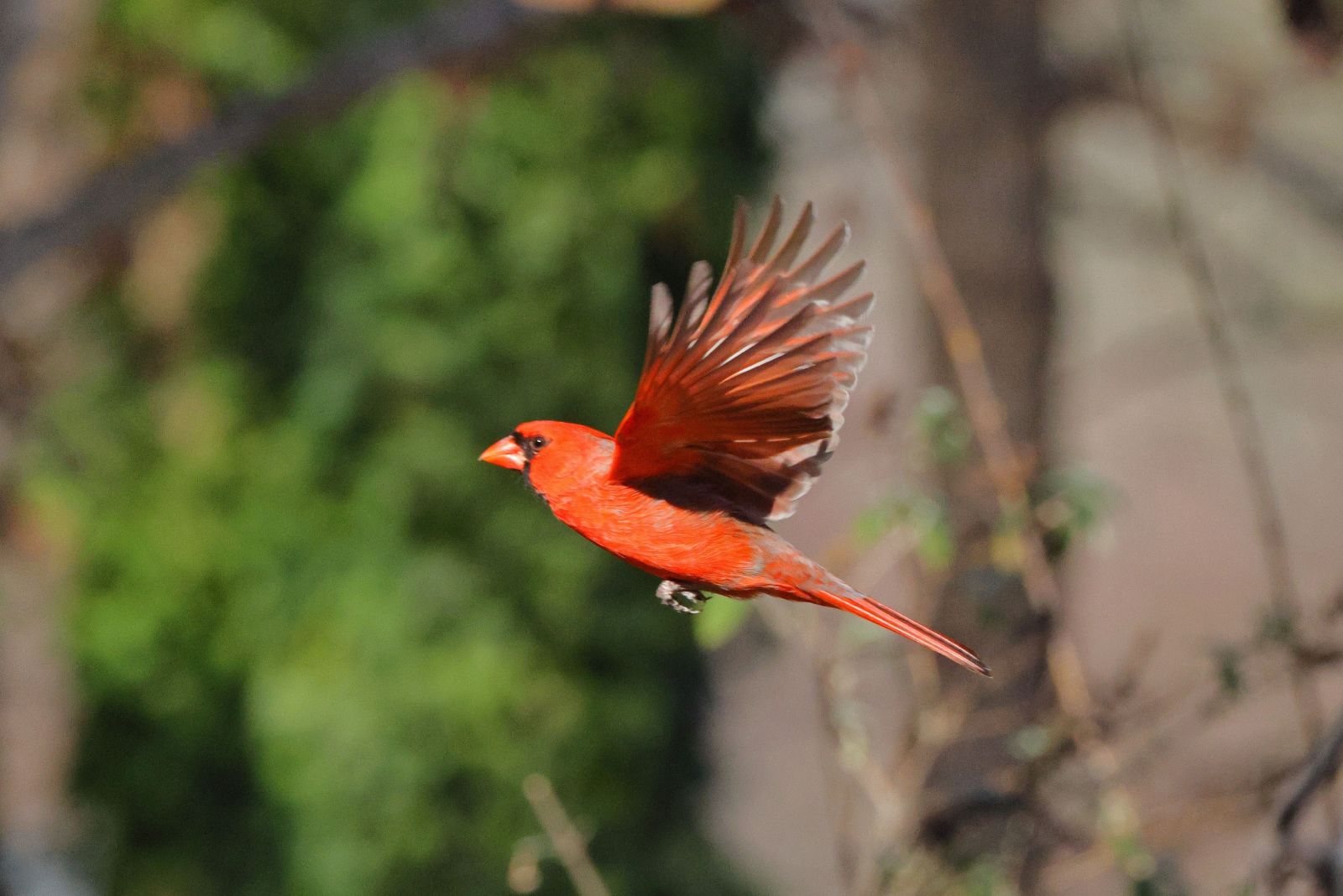
A cardinal appearing in your Texas yard during a heat wave carries a different kind of weight than a routine backyard sighting. The landscape is at its most stressed, the yard is quiet in the way that extreme heat makes everything quiet, and then there it is.
That brilliant flash of red, moving through the heat with a calm that feels almost out of place given the conditions. For many Texans, that moment stops everything for a few seconds.
Cardinals have carried deep symbolic meaning across generations, cultures, and spiritual traditions for as long as people have been paying attention to birds.
A cardinal appearing during a particularly difficult stretch of weather holds specific significance in many belief systems, often associated with messages from loved ones who have passed, with resilience in hard times, and with a reminder to slow down and notice what’s still beautiful even when conditions are at their hardest.
Whether the symbolism speaks to you personally or you simply appreciate the rich folklore behind it, a cardinal during a Texas heat wave is worth more than a passing glance.
1. The Cardinal Probably Lives Nearby Year-Round
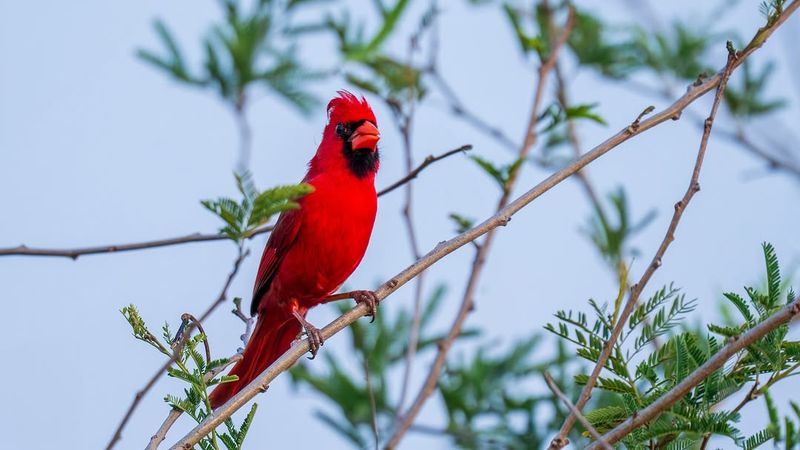
You might be surprised to learn that Northern Cardinals do not migrate. Unlike many birds that travel south for winter or north for summer, cardinals stay put in the same area all year long.
Across the eastern two-thirds of Texas, these birds are permanent residents who call your neighborhood home no matter the season.
So when you see a cardinal during a July heat wave, it is not a special visitor passing through. That bird almost certainly lives within a short distance of your yard.
It has likely been there for months, quietly going about its daily routine while you were busy with other things.
Cardinals are very territorial. Males especially tend to defend the same patch of land season after season.
That means the bright red male you spot in August is probably the same one you saw back in February. His territory may cover only a few acres, and your yard sits right in the middle of it.
Knowing this changes how you think about summer sightings. There is nothing mysterious or unusual about a cardinal appearing in hot weather.
He is simply living his life in the place he has always called home. Your yard is part of his regular route, and he shows up because it offers something useful, whether that is food, water, shelter, or shade.
Recognizing cardinals as year-round neighbors is the first step toward supporting them. Once you know they are always nearby, you can make small changes to your yard that help them thrive through every season, especially the tough ones.
2. It May Be Moving Around During The Coolest Part Of The Day
Birds are smarter about the heat than most people realize. During a Texas heat wave, temperatures can soar past 100 degrees Fahrenheit in the afternoon, making it genuinely dangerous to be active outside.
Cardinals respond to this challenge by shifting their schedule to match the cooler parts of the day.
Your Texas Garden Changes Every Week. Your Plan Should Too.
Gardening in Texas changes quickly throughout the season. Every Friday you’ll receive a simple weekly plan showing exactly what to plant, prune, fertilize, harvest, and protect so you never miss the right timing.
Early morning is prime time for cardinal activity. Right after sunrise, temperatures are lower, the air feels fresher, and food is easier to find.
You are much more likely to spot a cardinal hopping through the bushes or visiting a feeder at 7 a.m. than at 2 p.m. The same goes for the hour or so before sunset, when things cool down again.
During the hottest afternoon hours, cardinals tend to rest quietly in the shade of dense shrubs or trees. They are not gone, they are just hidden.
If you step outside at noon and do not see any birds, that is completely normal behavior during extreme heat.
Paying attention to timing can completely change your bird-watching experience. Set up a lawn chair near your feeder or birdbath around sunrise and you may be rewarded with a much more active yard than you expected.
Keeping a simple journal of when you see cardinals can help you figure out their exact schedule in your specific yard.
Adjusting your own bird-watching routine to match the cardinal’s heat strategy is one of the easiest and most rewarding things you can do as a backyard nature lover.
3. Your Shrubs May Be Providing Critical Shade
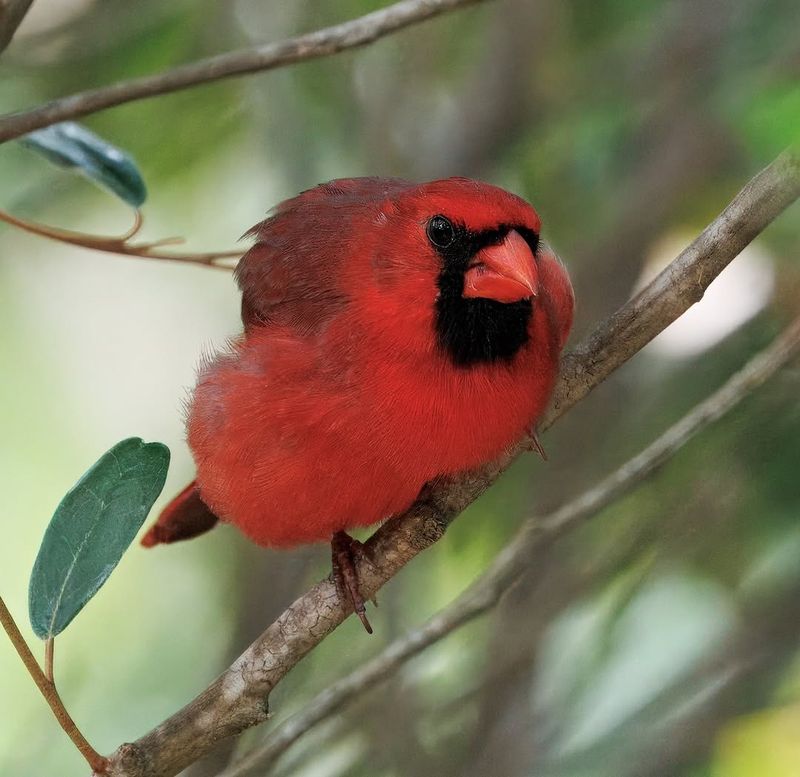
Not all yards are created equal when it comes to keeping birds cool. If your yard has dense bushes, layered shrubs, or tangled vegetation, you may be offering something cardinals desperately need during a heat wave: shade.
Dense plant growth creates what scientists call microclimates, small pockets of cooler air tucked away from direct sunlight.
Cardinals are naturally drawn to shrubby habitats. They feel safe inside thick bushes where they can hide from predators and escape the blazing sun at the same time.
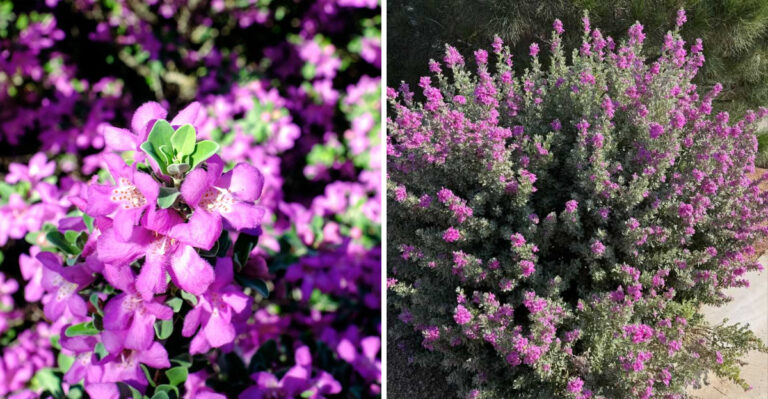
A well-planted Texas yard with native shrubs like Texas sage, yaupon holly, or beautyberry can become a genuine heat refuge for local birds.
Think of your garden as a layered system. Tall trees block the harshest overhead sun. Mid-sized shrubs create a shaded understory. Low ground cover keeps the soil cool and moist.
When all three layers are present, the temperature inside the vegetation can be noticeably lower than in the open yard. Cardinals instinctively seek out these cooler zones.
If your yard is mostly grass with very little plant cover, cardinals may pass through but rarely linger. Adding even a few native shrubs along a fence line can make a real difference.
Native plants are especially helpful because they also attract the insects cardinals rely on for protein.
Gardening for birds does not have to be complicated. Sometimes the most helpful thing you can do is simply let a corner of your yard grow a little wilder, giving birds the layered shelter they naturally crave during the toughest summer days.
4. It May Be Searching For Drinking Or Bathing Water
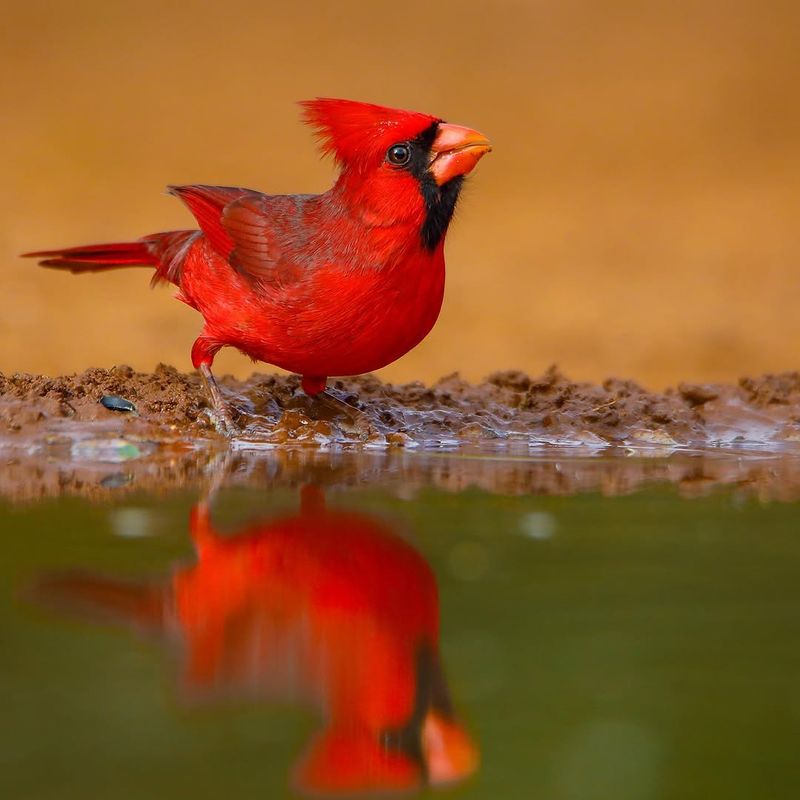
Water becomes one of the most valuable resources in any backyard during a Texas heat wave. Birds pant to release body heat, much like dogs do, and that rapid breathing causes them to lose water quickly.
During extreme temperatures, a cardinal may need to drink several times throughout the day just to stay healthy.
A clean, shallow birdbath can be a true lifesaver for backyard birds in summer. Cardinals prefer water that is no deeper than two inches, so they can stand comfortably while drinking or bathing.
Placing a few flat rocks inside a deeper bath can help raise the water level to a safe depth for smaller birds.
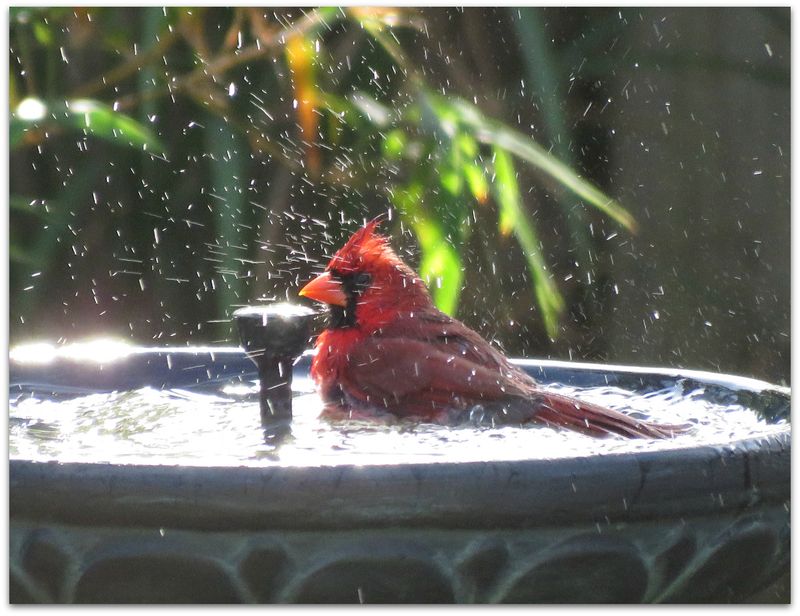
Bathing is not just about staying clean. When a cardinal splashes around in cool water, it helps lower its body temperature directly.
You may notice a cardinal dipping its head repeatedly, fluttering its wings in the water, and then shaking off before flying to a nearby branch to preen. That whole routine is basically the bird’s version of a refreshing shower on a hot day.
Keep the birdbath water fresh by changing it every day or two. Standing water in hot weather can grow bacteria and attract mosquitoes quickly.
A quick scrub with a brush and a rinse with clean water is all it takes to keep things safe for visiting birds.
Placing your birdbath in a shaded spot will also help keep the water cooler longer, making it even more attractive to cardinals and other backyard visitors looking for relief from the heat.
5. Your Yard Still Contains Food During Stressful Conditions
Food can become surprisingly hard to find during a prolonged Texas heat wave. Extreme heat stresses native plants, reduces insect activity during the hottest parts of the day, and dries out fruits and berries faster than usual.
A yard that consistently offers reliable food sources becomes an important stop for cardinals working hard to fuel themselves through summer.
Cardinals eat a wide variety of foods. Seeds make up a big part of their diet, and black oil sunflower seeds are an absolute favorite.
If you have a feeder stocked with sunflower seeds, you are offering something cardinals will actively seek out, especially when natural food sources become scarce during a heat wave.
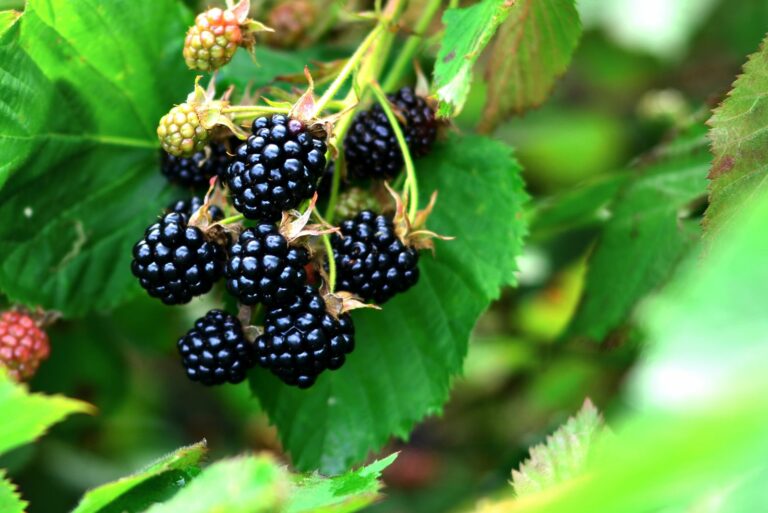
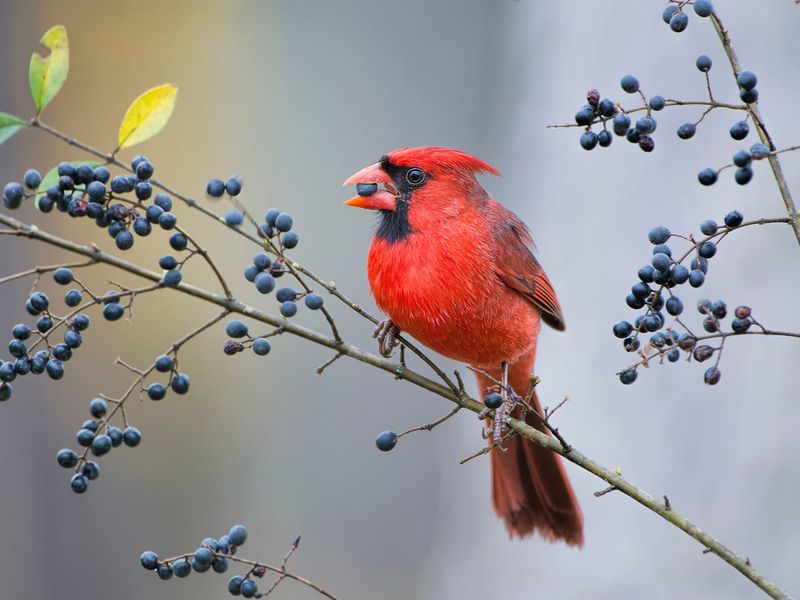
Beyond feeders, your yard’s plants play a huge role. Native fruiting shrubs like possumhaw holly, American beautyberry, and native viburnums produce berries that cardinals love.
Even garden insects hiding under leaves or in the soil provide important protein, particularly for adults raising young birds.
One practical tip: keep your feeder in a shaded spot during summer. Seed sitting in direct Texas sun can get hot enough to go rancid quickly, and spoiled seed can make birds sick.
Shaded feeders also tend to attract more visitors because birds feel safer resting in cooler spots while they eat.
A yard that combines native plants, a reliable feeder, and natural insect habitat creates a food-rich environment that cardinals will return to again and again.
During stressful conditions, your yard might be one of the best dining spots on the whole block, and cardinals are smart enough to know it.
6. A Mate, Nest, Or Recently Fledged Young Bird May Be Nearby
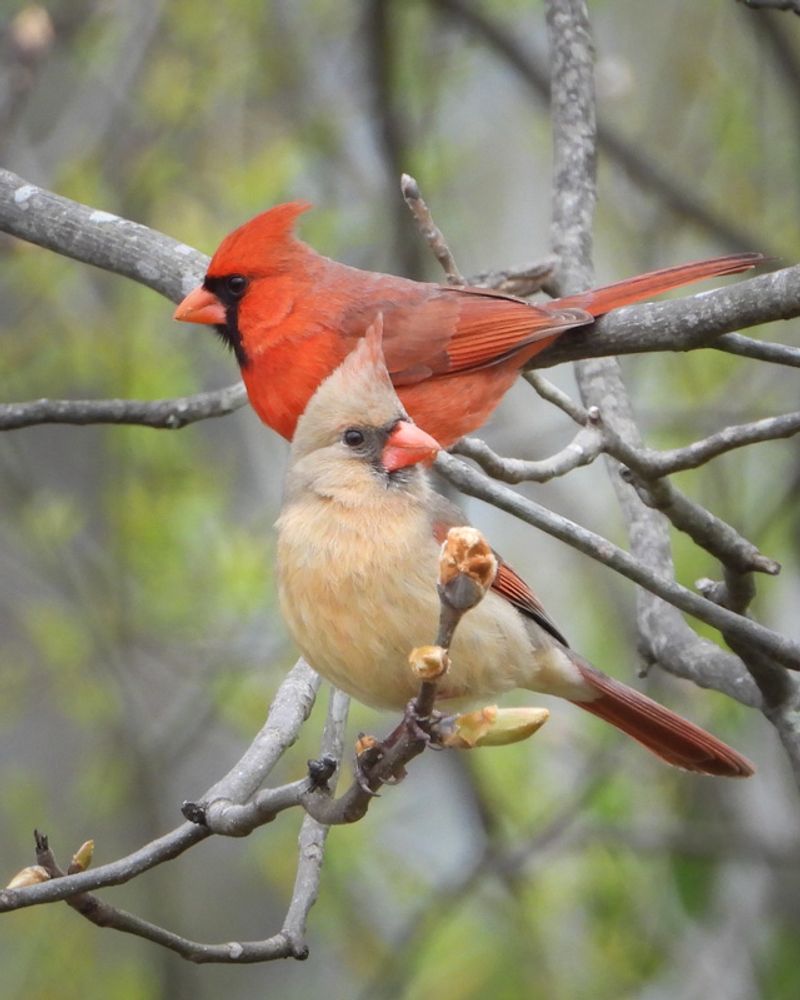
Cardinals are family-oriented birds, and summer is one of their busiest seasons. In Texas, cardinals can raise two or even three broods of chicks between spring and late summer.
So spotting a cardinal in your yard during a heat wave might mean you are looking at a parent with a nest or a group of recently fledged young birds close by.
Watch carefully and you might notice some telling behaviors. A male or female cardinal repeatedly flying into a dense shrub, especially while carrying insects in its bill, is almost certainly feeding nestlings or young fledglings.
Baby cardinals eat mostly insects rather than seeds, so parents spend a lot of energy hunting bugs during the hottest part of the breeding season.
Fledglings, young birds that have left the nest but cannot yet fully care for themselves, often hide in low bushes while their parents bring food. They look similar to females but with darker, less colorful bills.
You might hear their soft, persistent begging calls coming from your shrubs even if you cannot see them clearly.
If you suspect an active nest or fledglings in your yard, hold off on pruning those shrubs until the young birds have fully moved on. Disturbing a nest site can cause parents to abandon the area, leaving young birds without the care they need to survive.
Watching a cardinal family go about their summer routine is one of the most rewarding experiences a backyard bird watcher can have. A little patience and a pair of binoculars can reveal an entire hidden world happening just steps from your back door.
7. An Open Bill Can Indicate That The Bird Is Trying To Cool Itself
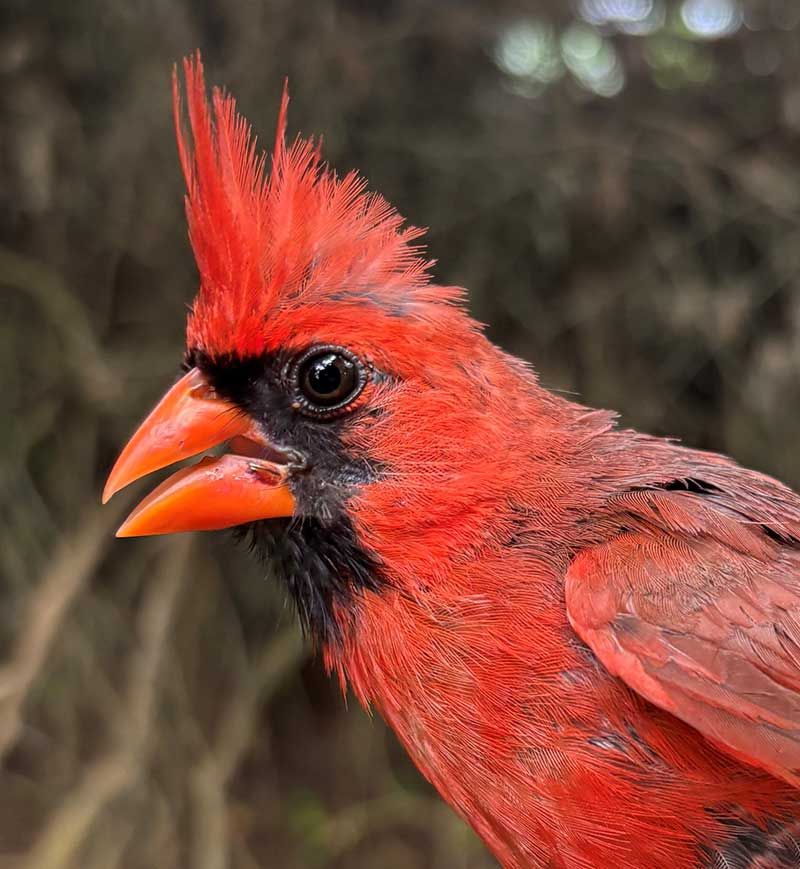
If you ever spot a cardinal sitting still with its bill wide open and no sound coming out, do not assume something is wrong right away. That open-bill posture is most likely panting, the bird’s primary way of releasing excess body heat.
Birds cannot sweat the way humans do, so they rely on rapid breathing to cool down instead.
Alongside panting, cardinals use a few other clever cooling tricks. You might notice a bird fluffing its feathers away from its body to allow air to circulate closer to the skin.
Some birds also flutter the loose skin under their throat rapidly, a behavior called gular fluttering, which helps release heat through evaporation. Watching for these small details makes bird watching even more fascinating.
Cardinals dealing with high temperatures may also seek out shade, sit low to the ground near cool soil, or spread their wings slightly while resting. All of these behaviors are normal responses to heat.
A healthy bird that is simply panting should recover quickly once it moves to a cooler spot or finds water.
However, there are signs that suggest a bird may be in more serious trouble. A cardinal that cannot fly, loses its balance, or seems completely unresponsive to nearby movement may be experiencing heat exhaustion.
In those cases, you can contact a local wildlife rehabilitator for guidance on how to help safely.
Most of the time, an open-billed cardinal is just a hot bird doing what birds do. Providing shade, water, and a quiet yard gives it the best possible chance to cool down and carry on with its day.