That Big Fast Spider On Your Indiana Floor This Fall Is Probably Lost Or Looking For A Mate
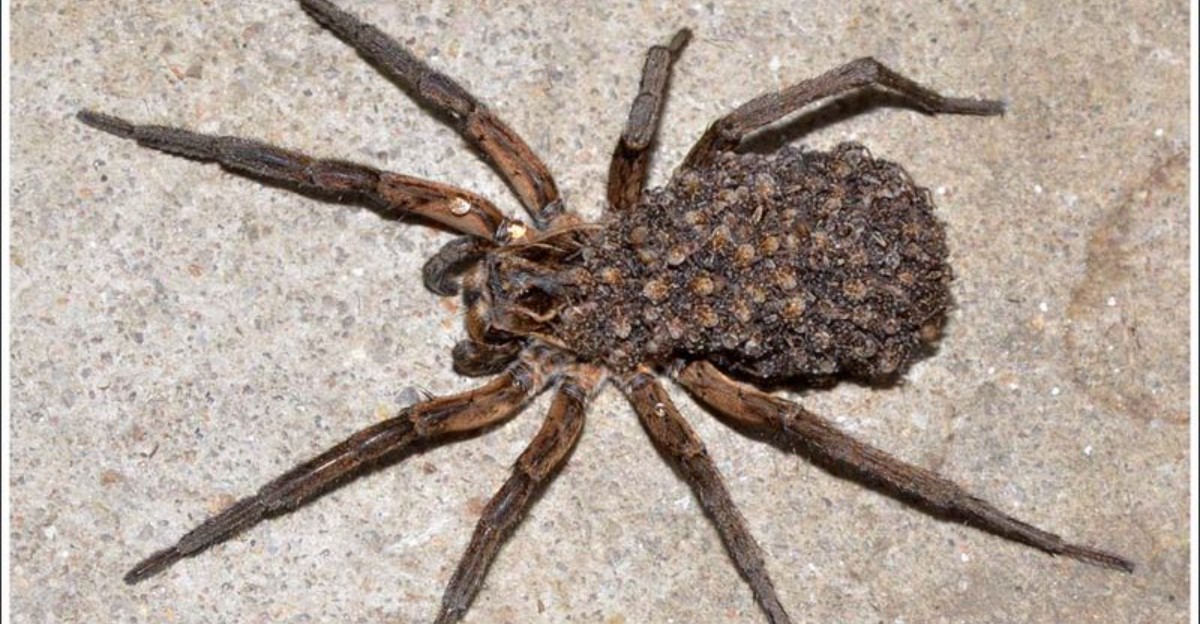
The big spider that sprinted across my kitchen last October was most likely a wandering male. Mothers of this kind haul their young around on their backs for days, though, and I still find that fact a little amazing.
These hunters also have eyes that glow green when you sweep a flashlight across an Indiana yard at night. A special layer behind the eyes bounces light back, so the lawn can sparkle like scattered tiny jewels.
Many of them spend summer outside under leaves and logs, and some show up indoors as fall nights cool. Many are adult males on the move searching for mates, which explains the sudden traffic across your floors.
Your heart may jump when one races past your shoes, and honestly that reaction makes sense to me. Still, have you ever wondered what that speedy visitor was actually hoping to find in your house tonight?
A Ground Hunter Wandering Indoors As Temperatures Drop
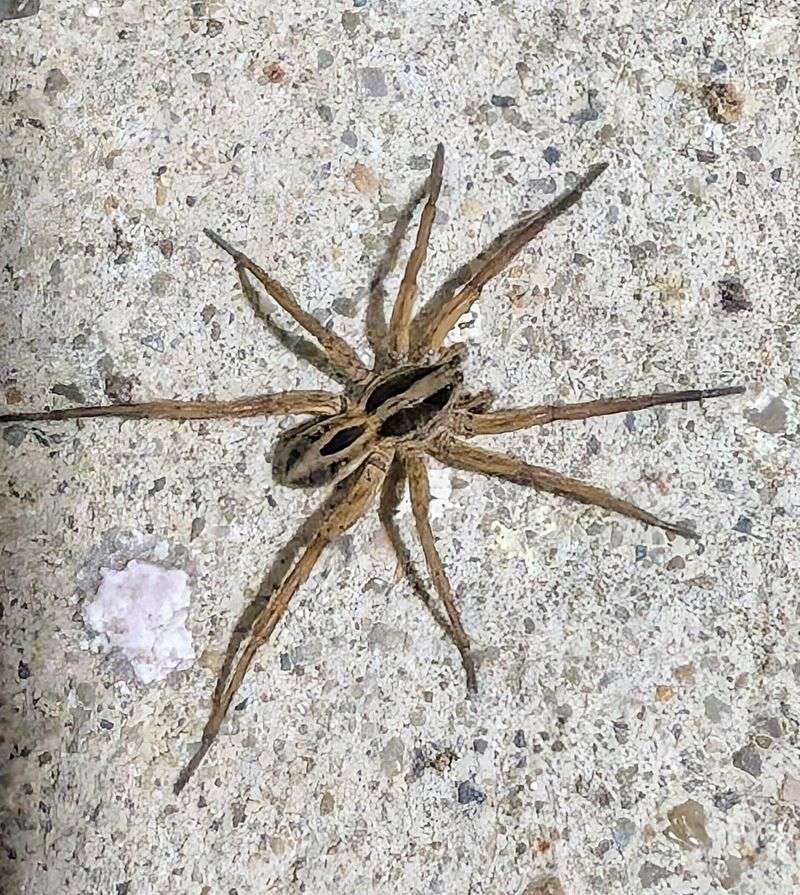
That fast brown spider is likely a wolf spider, a common ground hunter in Indiana in fall. Indiana has several kinds, including the Carolina wolf spider, which is the largest wolf spider in North America.
The idea that they come inside for warmth is partly true, but the real story is more complicated. Cooler nights push some spiders toward sheltered spots, and a house foundation offers steady temperatures and hiding places.
Many of the spiders you see in September and October are mature males wandering in search of females. Those travelers cover a lot of ground, so they often slip through a gap and end up indoors.
Inside, life is harder for them than you may expect, because many homes are too dry for them to survive long. Wolf spiders also need a steady supply of insects, and a clean house rarely offers enough food for them.
Outdoors, many wolf spiders spend winter tucked under leaf litter, rocks, logs, or loose mulch near the ground. That leaf layer insulates them from the coldest air, which is a big reason fall cleanup can disturb them.
Raking, mowing, and moving firewood stacks in October can send hidden spiders running toward the nearest open door. So the spider on your floor may be cold, lost, looking for a mate, or chased out of hiding.
Most wolf spiders measure about one half inch to over one inch long, with brown and gray striped bodies. Their size and speed look alarming, but they are shy animals that would rather run away than face you.
No Web Needed To Catch Prey
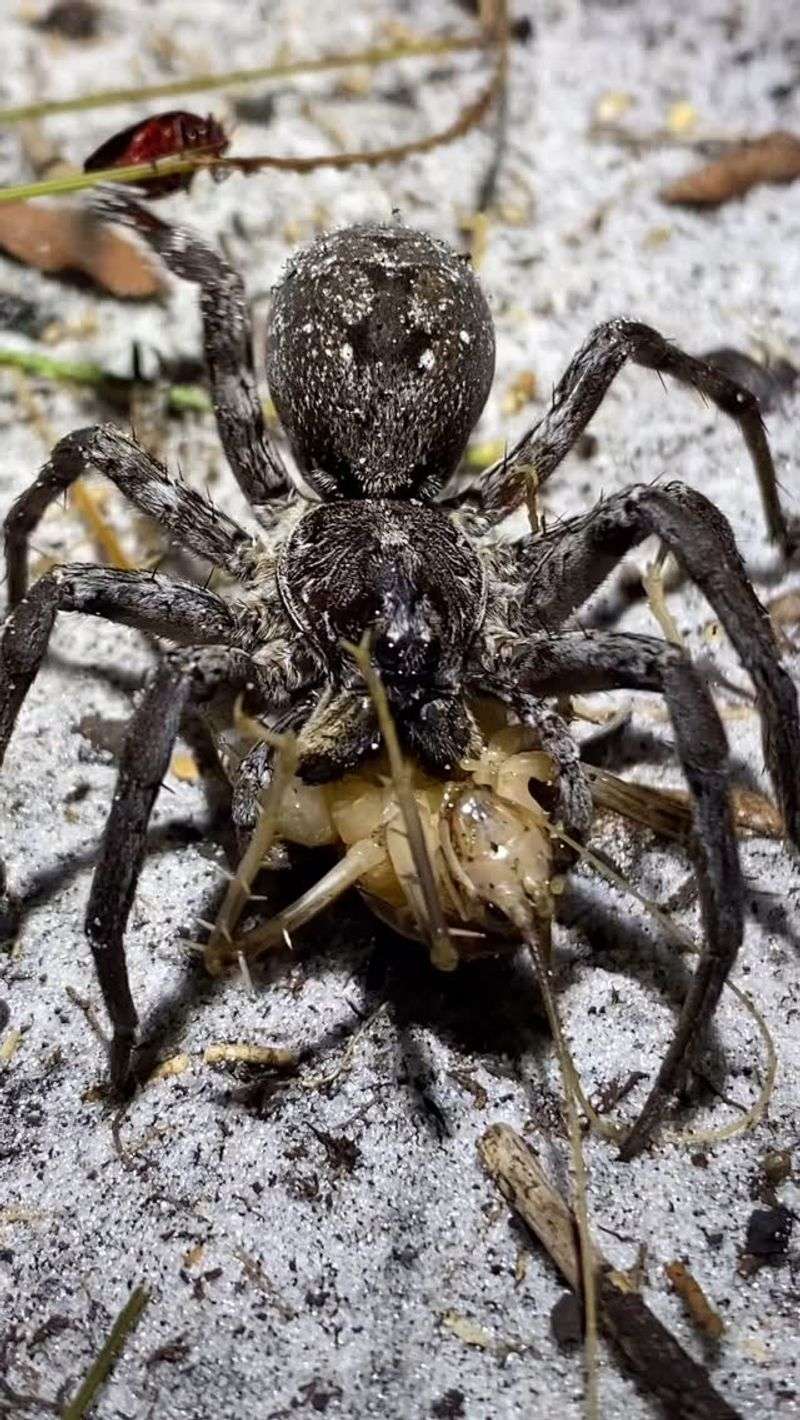
Forget the classic spider waiting in a silky web, because wolf spiders chase down dinner on foot instead. Their name is often linked to that habit, since they were long thought to hunt like wolves on the prowl.
Many of them sit still and wait, then rush forward and grab passing insects with their strong front legs. Others roam across lawns and gardens at night, tracking prey with sensitive hairs on their legs.
Those hairs pick up tiny vibrations, so a cricket hopping nearby can tip off a hungry spider in seconds. Some species dig burrows in the soil and line the entrance with silk, waiting just inside for passing meals.
Your Indiana Garden Changes Every Week. Your Plan Should Too.
Gardening in Indiana changes quickly throughout the season. Every Friday you’ll receive a simple weekly plan showing exactly what to plant, prune, fertilize, harvest, and protect so you never miss the right timing.
The Carolina wolf spider is a burrow digger, and its holes can show up in Indiana lawns and fields. Because they lack webs, you will rarely find their silk hanging in corners the way cobweb spiders leave it.
That makes them easy to miss until one darts out from under a couch or laundry pile. Their menu includes crickets, ants, beetles, flies, and other small insects that many gardeners would gladly see reduced.
Extension experts often describe wolf spiders as helpful predators, since they keep pest numbers lower around homes and yards. Inside your house, though, a wandering hunter has few insects to catch and will often struggle to find food.
If you spot several of them indoors, that may hint you also have crickets or other insects hiding inside. Fixing that insect problem usually cuts down the spider visits too, because the hunters go where the food is.
Eyes That Shine Back Under A Flashlight
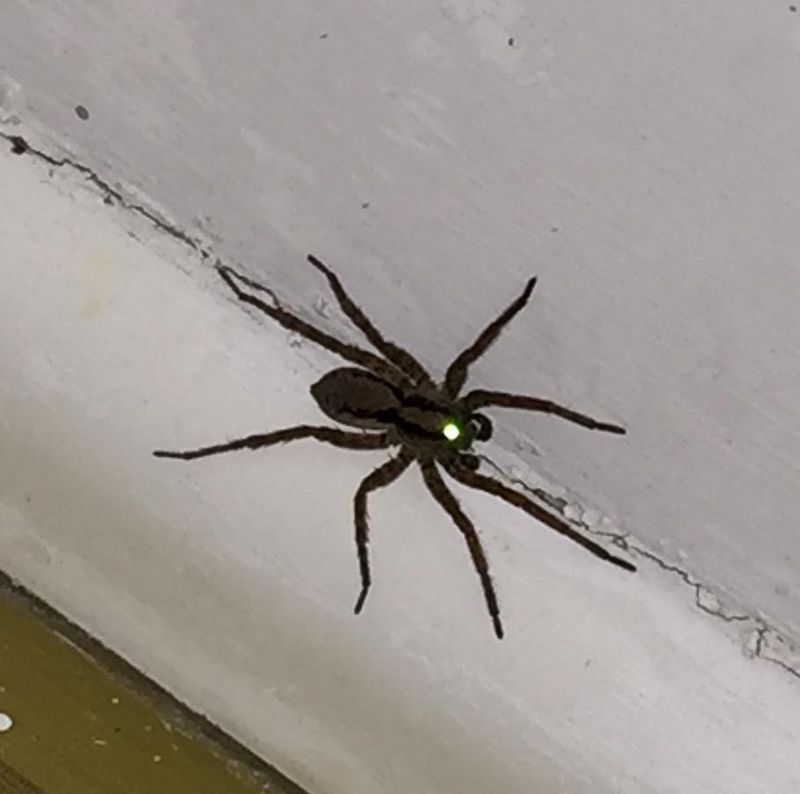
One of my favorite fall night activities is walking the yard with a flashlight held right beside my eyes. Tiny green sparks pop up all over the grass, and each sparkle is usually a wolf spider looking back.
Wolf spiders have eight eyes arranged in three rows, with two large eyes in the middle row facing forward. Behind several of those eyes sits a reflective layer called a tapetum, which helps them see in dim light.
Cats and deer have a similar layer, which is why their eyes also glow when headlights hit them. The trick works best when the light sits close to your own eyes, so a headlamp is a perfect tool.
Indoors, you can use the same method to check dark basements, garages, and closets for hidden hunters. Kids often love this activity, and it turns a scary spider into something curious and a little magical.
Counting the glints in your yard can also show how many wolf spiders are quietly sharing your property. Large numbers outside do not mean a problem is coming, since most will stay in leaves and grass.
Dew drops and bits of mica can sparkle too, so look for a steady glow that moves around. Walk slowly toward the glow and you will often find a fuzzy spider frozen in place, watching you closely.
Mild October evenings are a great time to try it, before hard frosts send most spiders into hiding. Bring a notebook if you like, and jot down where the glints cluster around your Indiana yard.
Spiderlings Riding On The Mother’s Back
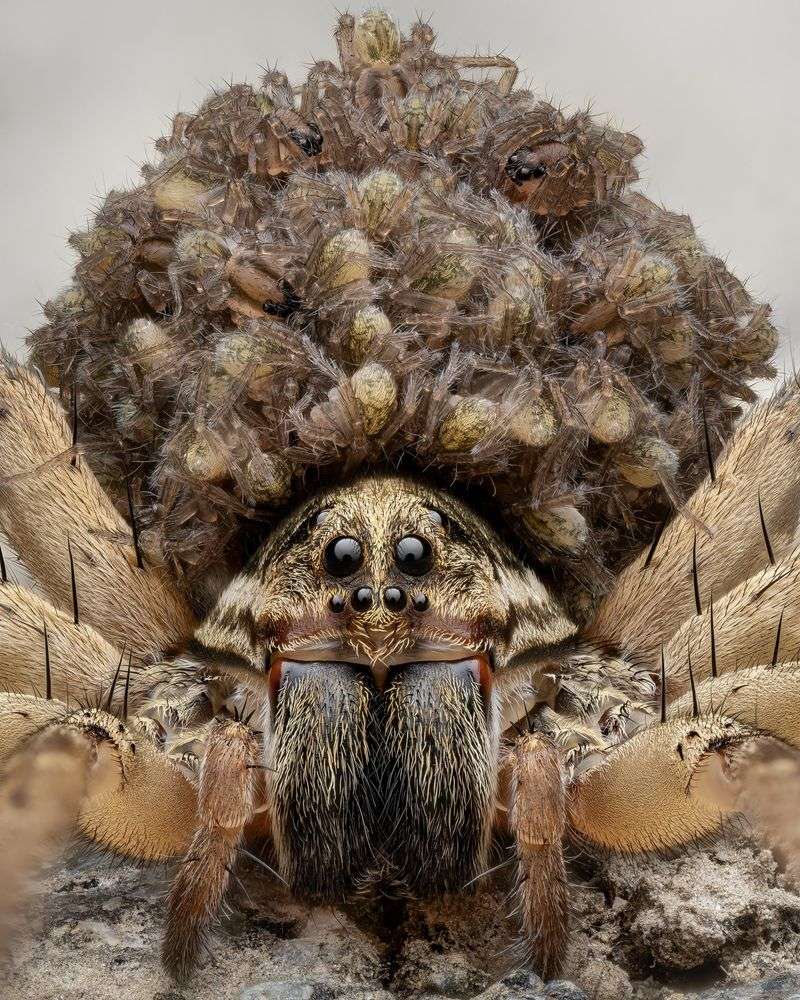
Few spider moms put in as much effort as a female wolf spider does for her young. She wraps her eggs in a round silk sac and attaches it to the spinnerets at her rear end.
Everywhere she goes, that pale ball drags along behind her, and she guards it fiercely from harm. When the eggs hatch, the tiny spiderlings climb up her legs and cling to the top of her abdomen.
Dozens of babies can pile on at once, making her look lumpy, fuzzy, and oddly larger than usual. They usually ride for about a week or more, then drop off and scatter to live on their own.
Carrying babies this way is a classic wolf spider trait, and it helps people identify them right away. Egg sacs and spiderlings mostly show up in late spring and summer, though timing varies among species.
By October, many of the spiders you meet indoors are grown adults rather than mothers with babies aboard. Some females do overwinter and produce eggs the following year, so a lingering mom is still possible.
If you swat a mother carrying spiderlings, the babies may scatter in every direction across your floor. A better plan is to cover her with a cup, slide paper underneath, and carry her outdoors gently.
Release her near a woodpile, shrub border, or leafy garden bed, well away from doors and window wells. Her many offspring can grow up hunting garden pests, which is a pretty sweet trade for one short walk.
A Bite That Rarely Causes More Than Mild Pain
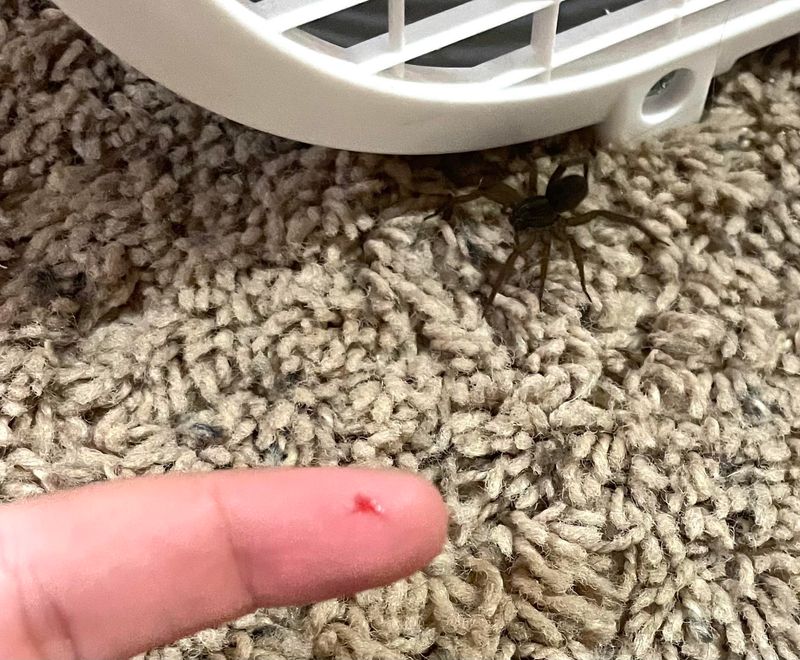
Take a deep breath, because wolf spiders are not considered dangerous to people by university extension entomologists. They usually bite only when trapped, pressed against skin, or grabbed by a curious hand, which rarely happens.
A bite usually feels like a bee sting, with some redness, mild swelling, and soreness around the spot. Those symptoms often fade within a day or two, and most people need nothing more than simple home care.
Wash the area with soap and water, then hold a cool cloth or ice pack on it for comfort. An over the counter pain reliever or anti itch cream can also help while the skin settles down.
Call a doctor if you notice spreading redness, trouble breathing, or signs of an allergic reaction after any bite. People with allergies to insect stings should be extra watchful, since their bodies may react more strongly than usual.
Indiana does have the brown recluse in some southern counties, and people sometimes confuse the two spiders. A brown recluse has a violin shape on its back and six eyes, while wolf spiders have eight.
Wolf spiders are also much hairier and bulkier, with striped patterns that look nothing like a fiddle. Snapping a clear photo and sending it to Purdue Extension can help you confirm what you found indoors.
To avoid bites, shake out shoes, gloves, and jackets stored in garages or basements before wearing them. Wearing gloves while moving firewood, boxes, or yard debris in fall also keeps your hands safely out of reach.
Gaps Under Doors That Let Them Slip Inside
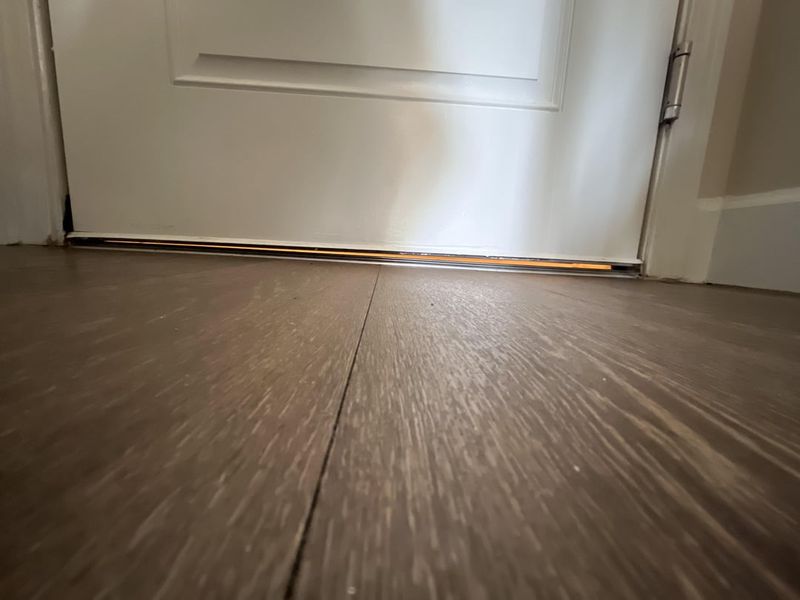
Get down on the floor beside your front door some sunny afternoon, and look for daylight peeking underneath. Even a thin line of daylight can be enough for a wolf spider, since many squeeze through openings smaller than you expect.
Installing a door sweep on exterior doors is one of the simplest fixes pest experts suggest for wandering spiders. Garage doors need attention too, because worn rubber seals along the bottom often leave wide open spaces.
Check weatherstripping around doors and windows, and replace any pieces that are cracked, flattened, or peeling away. Caulk small cracks in the foundation and around pipes, vents, and wires where they enter your house.
Torn window screens and loose basement window wells are other common entry points worth fixing before winter arrives. Outside, pull mulch, leaf piles, and firewood a few feet back from the foundation to reduce hiding spots.
Porch lights draw moths and other insects, so switching to yellow bulbs can mean fewer hungry hunters nearby. Inside, sticky traps placed along basement walls and behind doors can catch spiders and show where they enter.
Vacuuming corners and cutting clutter like cardboard boxes also removes the shelter that wandering spiders seek indoors. Extension experts generally say spraying pesticides indoors is rarely needed, since sealing and cleaning work well enough.
A few spiders sneaking in each fall is normal, and one quick cup and paper trick handles most visitors. Spend one October weekend sealing gaps, and your floors should stay much quieter through the long Indiana winter.