Wondering whose apples those are? Here’s who gets the fruit hanging over the fence in Oregon
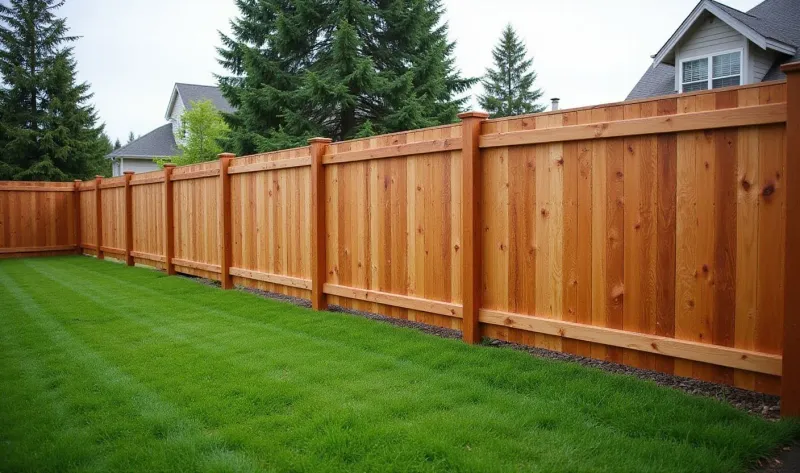
Every fall, apple branches loaded with fruit droop over Oregon backyard fences, and the question of who gets to eat them is more complicated than it looks. Most people assume that if it hangs over their yard, it belongs to them, but that assumption can lead to a neighborly spat faster than a Gravenstein ripens in August.
Oregon’s rules on this are worth knowing before you reach up and grab a handful, because the answer involves more than just which side of the fence the apple is dangling on.
The apple usually follows the tree, not the yard beneath it

Grab a cider mug and settle in, because the short answer to this backyard puzzle is probably not what you were hoping for. According to Portland’s official tree-law guidance, the tree’s owner generally owns the branches and fruit even when they extend over a neighbor’s property line.
The practical ownership test used in that guidance centers on where the trunk is rooted, not where the branch tip or the apple happens to be hanging.
Portland Parks and Recreation published this guidance as an official practical resource for residents navigating neighbor-tree questions. It is important to read it for what it is: an established local framework, not a specific quoted statewide Oregon statute that settles every dispute in every county.
Oregon does not appear to have a single statute declaring who owns a backyard apple the moment it drifts across a residential boundary, so the Portland guidance fills a real informational gap for many residents.
The upshot is clear enough for everyday purposes. If your neighbor’s apple tree trunk stands on their side of the line, the apples attached to its branches are generally theirs, even when a branch has wandered over your fence and the fruit is practically brushing your shoulder.
Portland’s neighbor-law materials specifically advise getting permission before picking, and that advice holds whether the fruit is at arm’s reach or requires a step stool.
Unusual situations can complicate the picture. A trunk that sits right on the boundary line, a fence that does not match the deeded property line, or a genuinely disputed lot corner can all shift the analysis.
Those cases are worth a closer look, which is exactly what the next few sections cover.
A fence can suggest the boundary without proving it
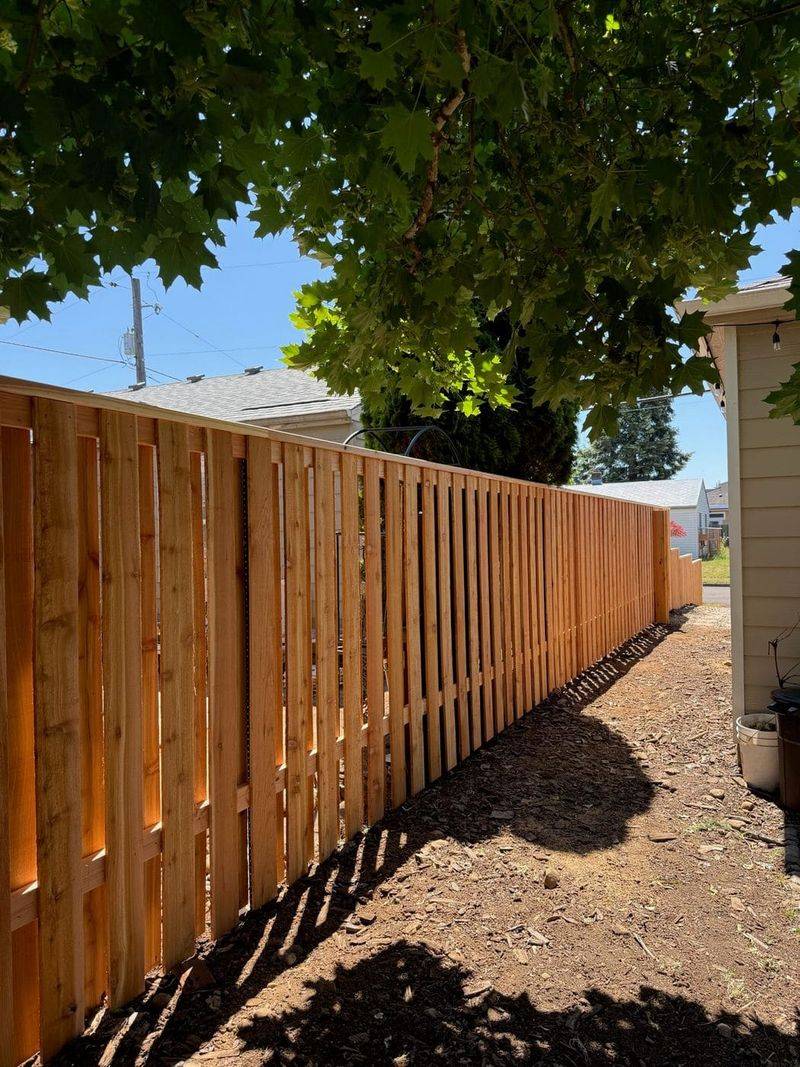
Plenty of Oregon homeowners treat the fence as the final word on where one property ends and the next begins. Fences are visible, physical, and feel permanent, but they are not legal documents.
A fence may have been built years ago a few feet inside or outside the actual deeded line, and neither neighbor may have noticed or cared until a fruit-laden branch entered the conversation.
When the boundary location is genuinely uncertain, Marion County’s surveying guidance recommends obtaining a licensed boundary survey to establish the line with legal defensibility. Reviewing existing records is a reasonable first step: deeds, plat maps, and county assessor records can sometimes clarify the general area.
Your Oregon Garden Changes Every Week. Your Plan Should Too.
Gardening in Oregon changes quickly throughout the season. Every Friday you’ll receive a simple weekly plan showing exactly what to plant, prune, fertilize, harvest, and protect so you never miss the right timing.
But when the stakes are higher, such as when a tree’s ownership depends on which side of the line its trunk falls, a licensed surveyor’s work is more reliable than a tape measure and a neighborly guess.
Oregon law gives property owners a formal path forward when boundaries are disputed. ORS Chapter 105 permits an owner to bring a circuit-court action to have the boundary determined and marked, which is a more involved but legally binding route when records and surveys alone do not resolve the disagreement.
Most backyard apple disputes will never reach that point, but knowing the option exists is useful if things become contentious.
A trunk that actually straddles the boundary line adds another layer. Portland’s tree code expressly requires authorization from all affected property owners for permit applications involving trees whose trunks cross property lines.
That is a local permitting rule specific to Portland, not a complete statement of statewide ownership law, so readers in other Oregon cities or counties should check their own local urban forestry or planning department for comparable requirements.
Picking and entering the yard are separate questions
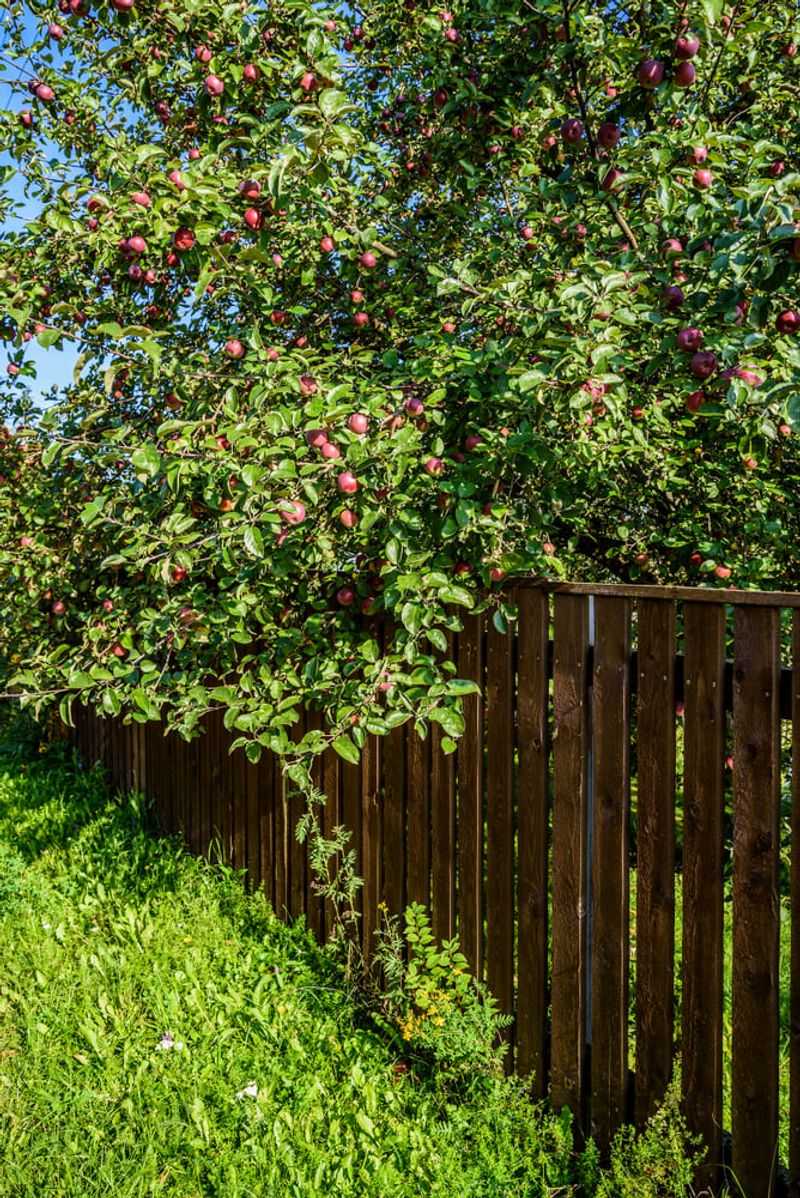
Two things that feel like the same question are actually quite different: whether you own the fruit, and whether you are allowed to enter someone else’s property to get it. Oregon law treats these as separate matters, and keeping them untangled can save you from turning a fruit question into something much more uncomfortable.
Staying on your own side of the fence does not automatically make picking attached fruit acceptable. Oregon’s theft statutes define theft broadly as intentionally taking, appropriating, obtaining, or withholding another person’s property.
Whether that definition applies to a single apple plucked from an overhanging branch depends on the specific facts, the intent involved, and the circumstances of the situation. The available sources do not establish that every unauthorized backyard-fruit pick is automatically prosecuted as a criminal act, but unauthorized taking could create a property dispute or, depending on the facts, something more serious.
The safest position is simply to ask first.
The flip side is equally worth remembering. A tree owner whose fruit hangs over a neighbor’s yard does not automatically gain permission to walk into that yard to harvest it.
Ownership of the tree and its attached fruit is one question; access to the neighbor’s property is another. Oregon defines criminal trespass in the second degree as entering or remaining unlawfully on premises, and that definition applies regardless of whether the reason for entering seems reasonable to the person doing it.
Fallen fruit sits in its own gray zone. Portland’s guidance acknowledges that rules for fallen fruit vary by jurisdiction, and no Oregon statute or appellate decision located for this article establishes a simple statewide rule assigning dropped fruit to either the tree owner or the person whose yard it lands in.
Treat fallen fruit as an unresolved question and, again, the practical answer is to have a conversation with your neighbor rather than assume the answer goes in your favor.
Neighbors may have pruning options, but the tree still has limits
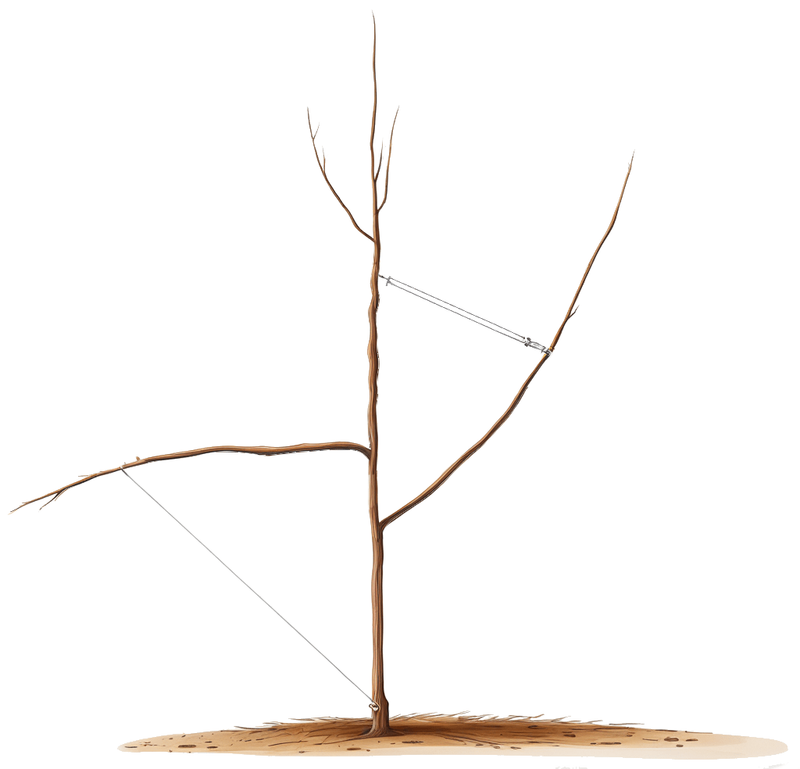
Living with a branch that drops apples on your patio every September, or worse, on your car, is the kind of low-grade frustration that builds quietly until someone does something rash with a handsaw. Oregon’s practical guidance offers a more measured path.
A neighbor may generally trim encroaching branches back to the actual property line, working from their own side of the fence, without needing the tree owner’s permission to do so.
The limit on that self-help option is real and worth taking seriously. According to an Oregon Extension legal overview on landscape trees and the law, trimming that creates a lopsided tree or damages it in a meaningful way can expose the person who did the cutting to liability.
The commonly stated rule is to cut only to the property line, not beyond it, and never in a way that damages or kills the tree. Crossing onto the neighbor’s property to prune is a separate problem entirely, raising the trespass issues discussed above.
Oregon appellate authority gives some legal texture to the broader picture. In Carvalho v.
Wolfe, the Oregon Court of Appeals addressed vegetation crossing a property line and held that ordinary property use has limits when it unreasonably interferes with a neighbor’s use and enjoyment of land. A related Oregon appellate opinion similarly addresses self-help and vegetation encroachment.
Neither case is a direct ruling about who owns an apple hanging over a fence, but together they confirm that branches and roots crossing a boundary can become legally actionable when interference becomes unreasonable.
The practical takeaway is that you have some pruning rights on your own side, but those rights come with a responsibility to exercise them carefully. A tree that is visibly damaged or killed by a neighbor’s aggressive trimming is not just a horticultural tragedy; it can become a legal one too.
Safe pruning matters more than winning the fence-line argument
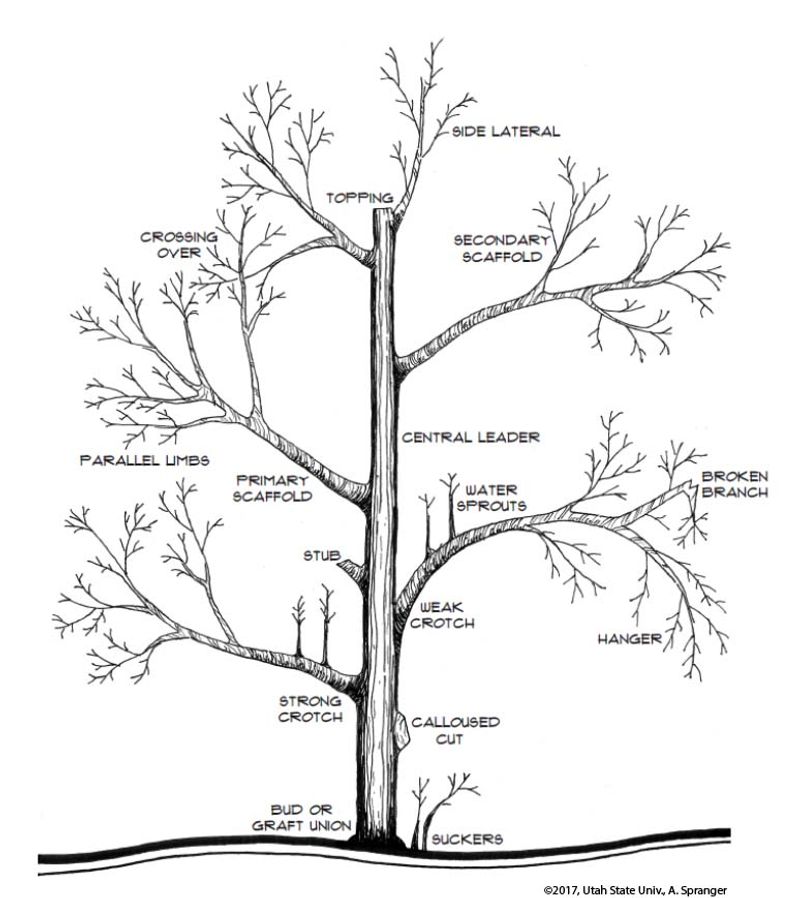
Once you know where the property line sits and what you are legally allowed to trim, the next question is how to do it without causing the tree or yourself harm. Technique matters more than most backyard pruners realize, and a cut made in the wrong place can invite decay, weaken the tree’s structure, and create exactly the kind of visible damage that leads to a liability conversation with your neighbor.
Oregon State Extension’s home orchard pruning guide recommends cutting just outside the branch collar, the slightly swollen area where the branch meets the trunk or a larger limb. Flush cuts that remove the collar, and stubs left too far out from it, both interfere with the tree’s natural wound-sealing process and invite decay over time.
Sharp, clean tools and conservative cuts are the standard, not the exception.
Physical safety is a separate and serious concern. Oregon OSHA guidance is clear that work may not take place within 10 feet of a high-voltage overhead line until the utility has been notified and proper safety precautions are in place.
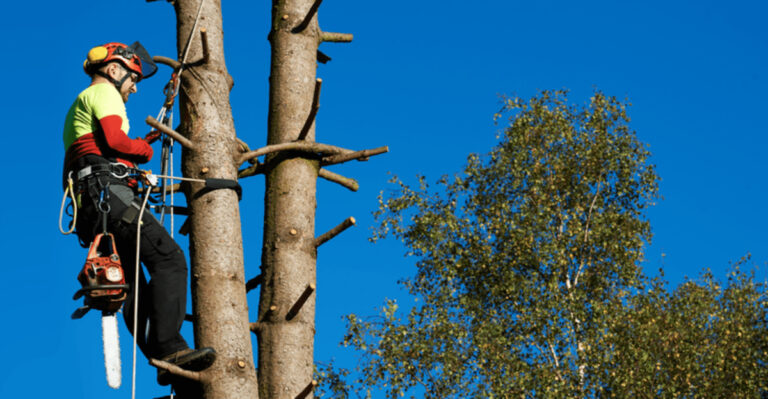
Many older Oregon neighborhoods have overhead lines running through or near backyard tree canopies, and a ladder plus a long-handled pruner near those lines is a combination that warrants a phone call to the utility before anything else. When branches are large, the tree is visibly stressed or unstable, or the job requires significant equipment, a qualified arborist is a better choice than a weekend DIY session.
Local permit rules add another layer. Portland, for example, requires permits for pruning or removing certain street trees, heritage trees, large private trees, and trees in environmental overlay zones.
Check the Portland tree permit page or the pruning permit page for private and non-heritage trees if you are in Portland. If you live elsewhere in Oregon, contact your city or county planning or urban forestry office before any significant pruning or removal, because Portland’s rules are a local example, not a statewide standard.
A quick conversation can prevent a season-long feud

Before anyone touches a branch or reaches for a piece of fruit, there is a step that costs nothing and prevents most of the problems described above: talking to your neighbor. A five-minute conversation at the right moment, ideally before the apples are ripe and tensions are running high, can resolve questions about harvesting, pruning, access, and costs without anyone consulting a statute or an attorney.
A sensible starting point is confirming where the boundary actually sits. If there is any uncertainty about whether the fence matches the deeded line, the Marion County surveying FAQ and similar county resources can point you toward the right tools.
Photograph the overhanging branches and fruit before any work begins, both to document the situation and to give both neighbors a shared reference point for the conversation.
Ask whether the tree owner plans to harvest the overhanging portion, and if not, whether they would like to. Discuss pruning timing, since late winter or early spring is generally the preferred window for apple trees before new growth begins.
Talk through who will do the work, what technique will be used, and who covers any costs. The Oregon Extension legal overview treats cost sharing and responsibility as matters to work out based on the circumstances and any agreement between the parties, rather than a fixed rule assigned by law.
When the work or the permission involved is substantial, put it in writing. A brief written note confirming what was agreed, who will do what, and on what timeline is not about distrust; it is about making sure both neighbors remember the same conversation six months later.
Portland’s tree-law guidance frames this kind of cooperative approach as the practical path forward, and it is hard to argue with that on a sunny Oregon afternoon.
When in doubt, ask before you pick
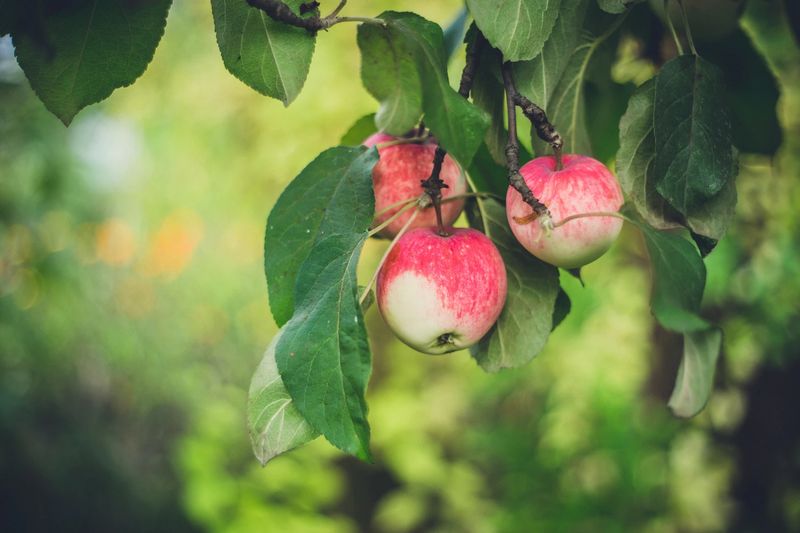
After all of this, the practical answer fits on a sticky note: an apple hanging over your fence is not automatically yours. The fruit generally follows the tree, the tree generally follows the trunk, and the trunk is almost certainly on your neighbor’s side of the line.
Ask before picking, and you sidestep the dispute entirely.
The safest sequence to follow is to verify where the actual boundary sits before assuming the fence tells the whole story, seek permission for any attached fruit you want to harvest, avoid stepping onto the other property without a clear invitation, and agree on careful pruning before anyone makes a cut. For fallen fruit, treat it as a gray area and have a conversation rather than assuming the answer favors either party.
Some situations genuinely require outside help. Unusual or shared boundaries, a trunk that straddles the line, major tree damage, proximity to utility lines, or a dispute that conversation cannot resolve may call for a licensed surveyor, a qualified arborist, your local urban forestry office, or a lawyer.
Portland’s official tree guidance is a useful starting point, and Oregon’s current statutes are worth checking before any serious legal question, since the Legislature’s online materials note that not all session-law changes may yet be reflected. The best Oregon backyard stories, after all, end with neighbors sharing a pie, not a courtroom.