Right now is the last window to plant these 8 spring bulbs in Wisconsin before the ground locks up
Autumn is slipping away fast, and if you want a burst of color next spring, the clock is ticking. Across Wisconsin, gardeners have until the soil temperature drops below 50 degrees and the ground freezes solid, usually by mid-November, to get spring bulbs into the dirt.
Planting now gives roots about six weeks to settle in before winter clamps down. Grab a shovel, because these eight bulbs are your best bets to plant before the ground locks up.
1. Daffodils (Narcissus)
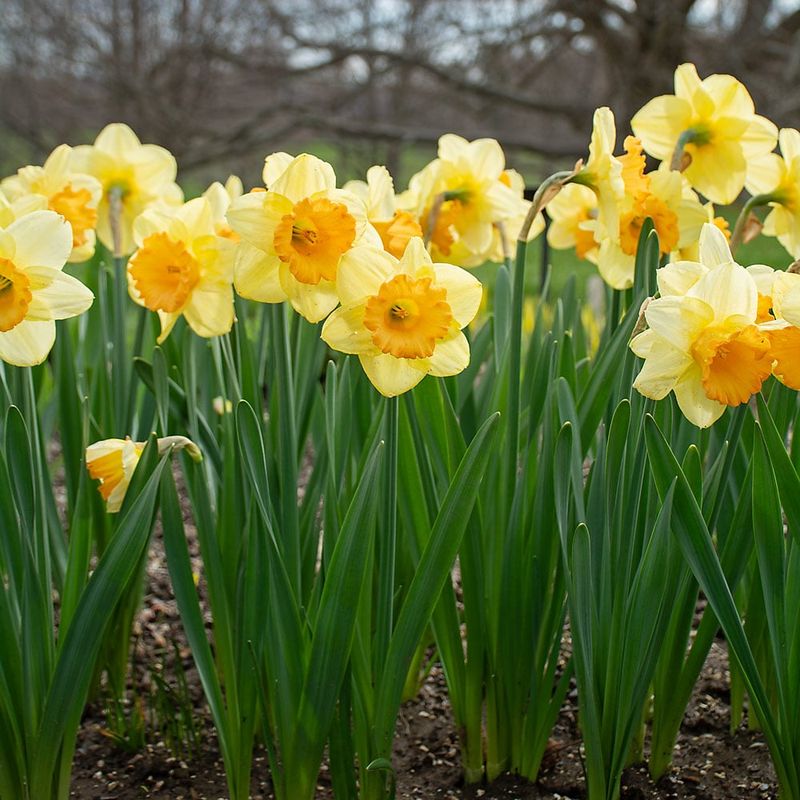
Squirrels and chipmunks will dig up almost anything, but daffodils get a hard pass from them. Because the bulbs are mildly poisonous to critters, they stay put where you plant them, which makes them one of the most reliable performers in Wisconsin gardens.
These are long-lived bloomers that come back year after year, often multiplying into cheerful clumps. Plant the bulbs about 6 to 8 inches deep in well-draining soil, pointy end up.
If you want a fuss-free start to your bulb collection here in Wisconsin, daffodils are the friendly workhorse that rarely lets you down.
2. Hyacinths (Hyacinthus orientalis)
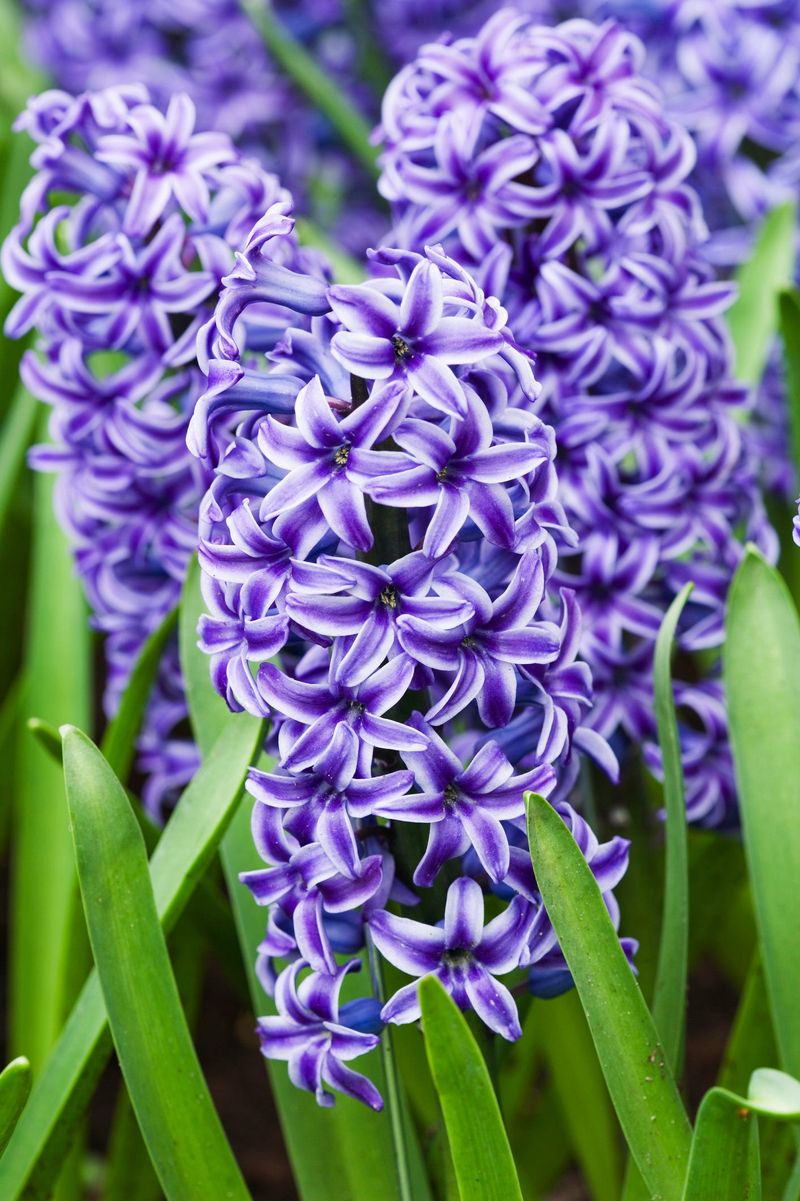
Few bulbs pack the kind of perfume that hyacinths deliver. Their thick, tightly packed flower spikes fill the air with a sweet fragrance you can smell from across the yard.
Like daffodils, hyacinths carry a natural defense that keeps digging critters away, so your hard work stays undisturbed. One quick tip for Wisconsin gardeners: wear gloves when handling the bulbs, since the papery skins can irritate sensitive hands.
Tuck them near a walkway or the front door where that scent can greet you, and they will reward the effort come spring.
3. Crocus
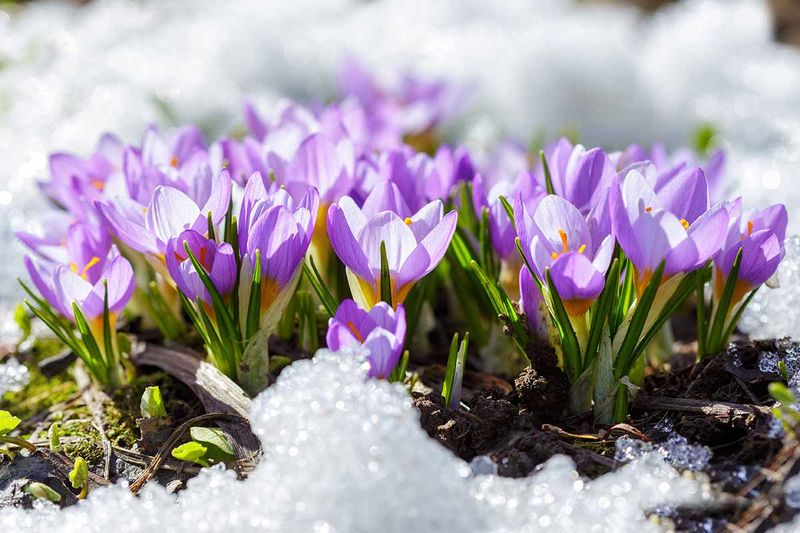
When everything still looks brown and tired, crocus flowers are often the first to punch through, sometimes right beside the last patches of melting snow. That early splash of purple, gold, and white is a genuine morale boost after a long Wisconsin winter.
The bulbs are small, so they only need to go about 3 to 4 inches deep, making them a quick job to plant in bulk.
One catch: critters find crocus tasty. Try tucking daffodils nearby or laying chicken wire over the bed to protect them until they establish.
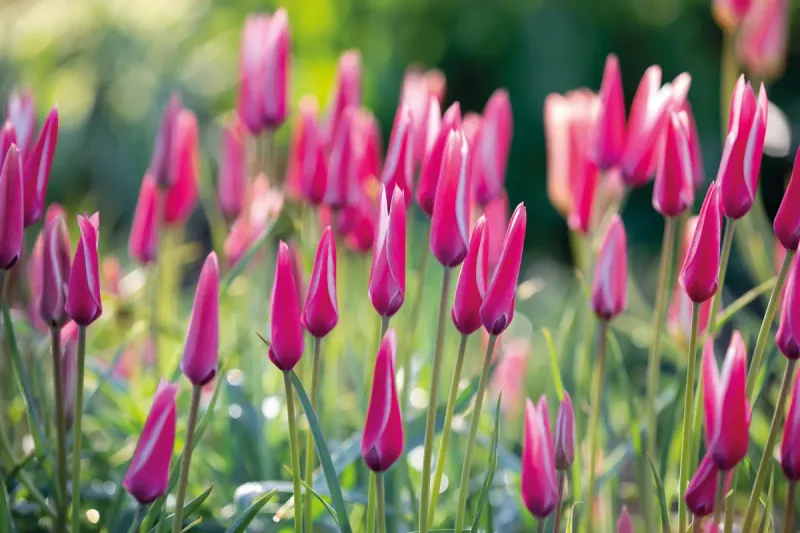
4. Species Tulips
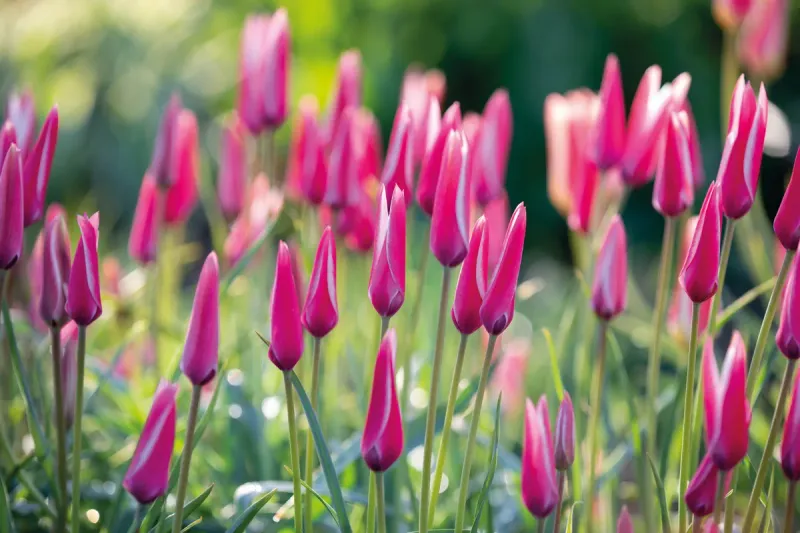
Fancy hybrid tulips look gorgeous on the shelf, but they often fizzle out after a couple of seasons in Wisconsin’s heavy, wet clay soils. Species tulips are the smarter long game.
Varieties like Tulipa clusiana, Tulipa tarda, and Tulipa kaufmanniana are far better adapted to our conditions and will actually naturalize, spreading gently over the years instead of vanishing.
Plant them 6 to 8 inches deep in a spot with excellent drainage, since soggy soil is their biggest enemy. If you have been frustrated by tulips that never return, these tough little cousins are worth a spot in your garden.
5. Snowdrops (Galanthus)
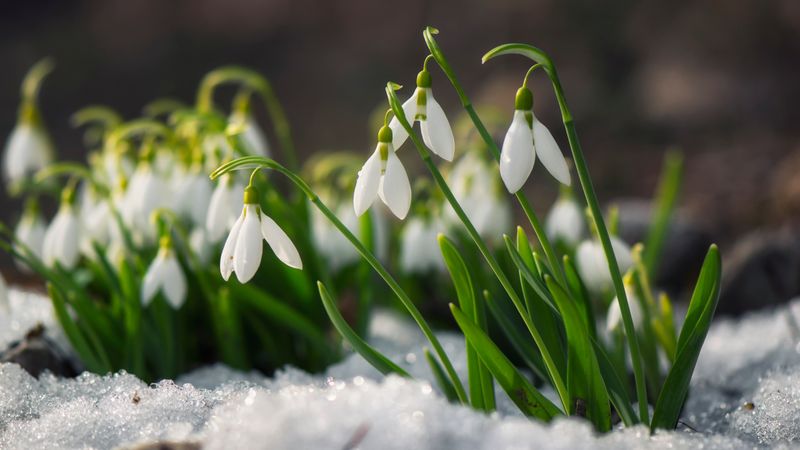
Imagine spotting a nodding white flower while there is still snow on the ground. Snowdrops make that possible, blooming so early they often beat the full thaw.
Your Wisconsin Garden Changes Every Week. Your Plan Should Too.
Gardening in Wisconsin changes quickly throughout the season. Every Friday you’ll receive a simple weekly plan showing exactly what to plant, prune, fertilize, harvest, and protect so you never miss the right timing.
Their dainty, drooping bells hang like tiny lanterns, offering the first real proof that a Wisconsin winter is finally loosening its grip.
Because they are so small and appear before most other plants wake up, snowdrops shine when planted in generous drifts under trees or along borders. Get them in the ground now so their roots are ready to greet the next spring.
6. Siberian Squill (Scilla siberica)
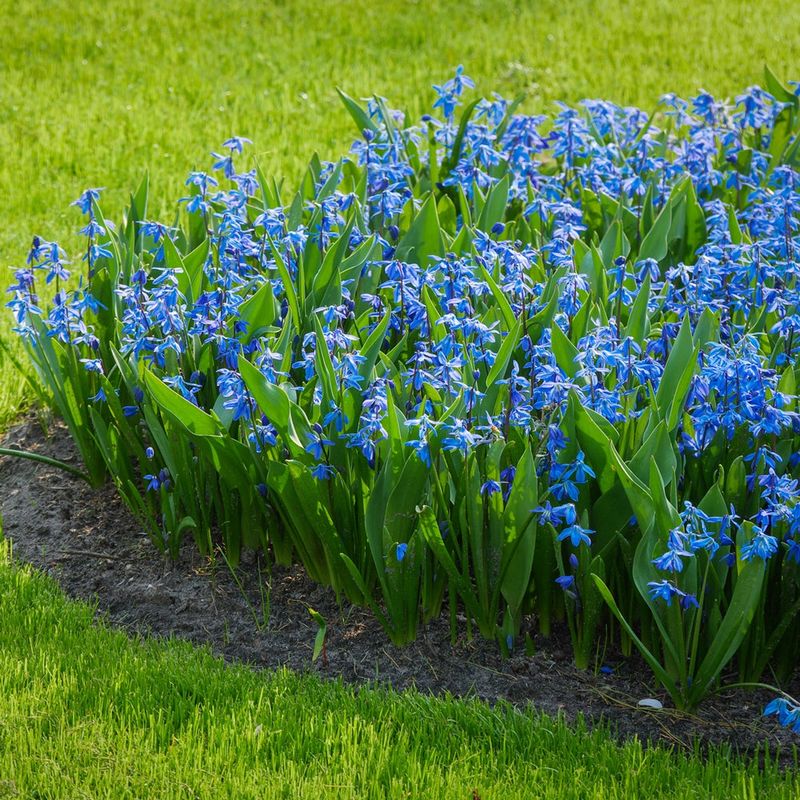
Talk about a color you rarely see in nature: Siberian squill produces an electric, almost cobalt blue that stops people in their tracks. The little bell-shaped blooms nod on short stems very early in the season.
Tough as nails, this bulb shrugs off cold and spreads happily, forming a blue carpet under trees and across lawns over time.
For Wisconsin gardeners who want maximum impact with minimum babysitting, squill delivers. Plant it once and enjoy a growing river of blue every spring.
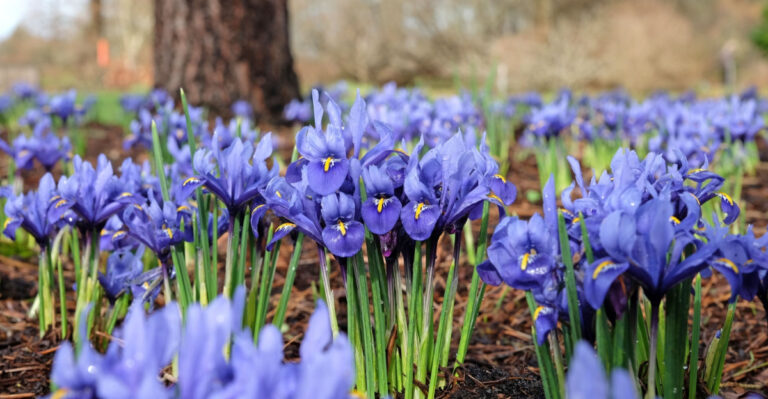
7. Dwarf Iris (Iris reticulata)
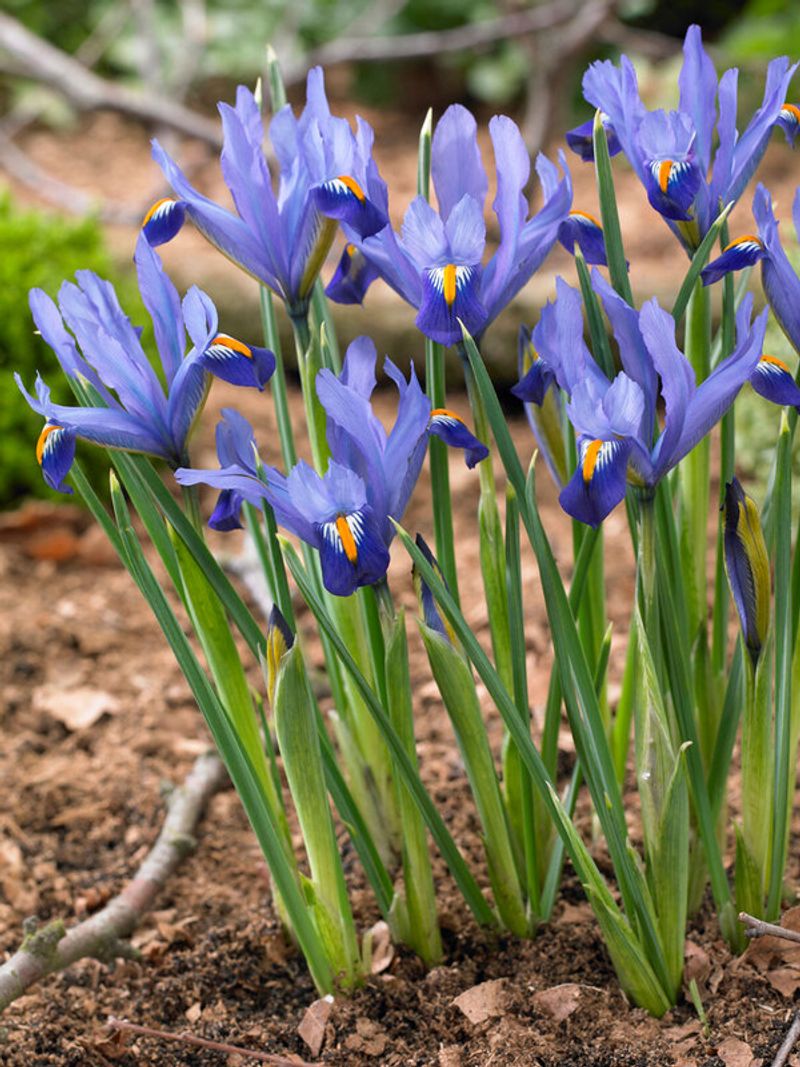
Big beauty in a tiny package sums up the dwarf iris perfectly. Standing only a few inches tall, these compact irises unfurl jewel-toned blooms in purple, blue, and gold long before most gardens have stirred.
They even carry a soft, sweet fragrance, which is a rare treat this early in the year.
Because they are so short, plant them where you will actually notice them, near paths, rock gardens, or the edge of a bed. In a Wisconsin garden still waking up, their early color feels like a small miracle.