Your Amaryllis Is Stuck In Its Pot. Here’s How To Wake It Up Before A New York Christmas
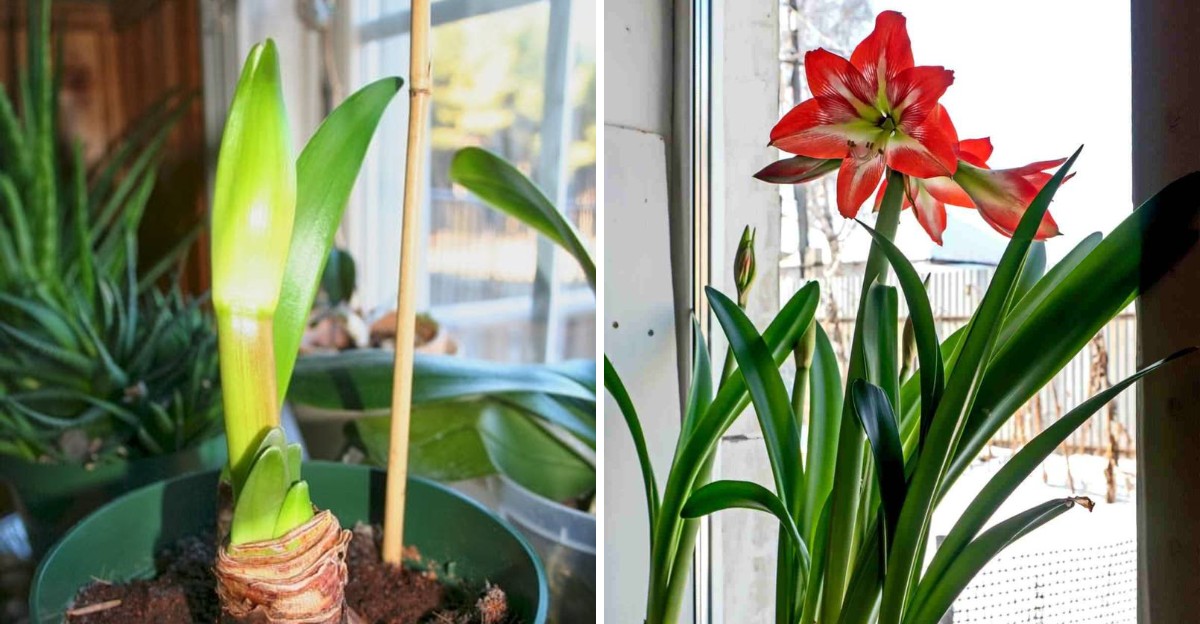
A bulb the size of a softball can sit in a pot for weeks looking like a forgotten onion, then shoot up a flower stalk taller than a ruler in about a month.
That sudden growth spurt has fooled plenty of us. I once nearly tossed one into the compost because it looked so stubborn and lifeless.
The plant comes from warm parts of South America, where it learned to rest through dry spells. Our heated New York apartments in late fall feel nothing like that, so the bulb can get confused about when to wake.
I have a soft spot for plants that reward a little patience with flowers as big as a dinner plate. You hold more control over that timing than you probably realize.
But what does a sleepy bulb need from you to hit its holiday cue?
1. That Sleepy Amaryllis Bulb Is Waiting For A Signal
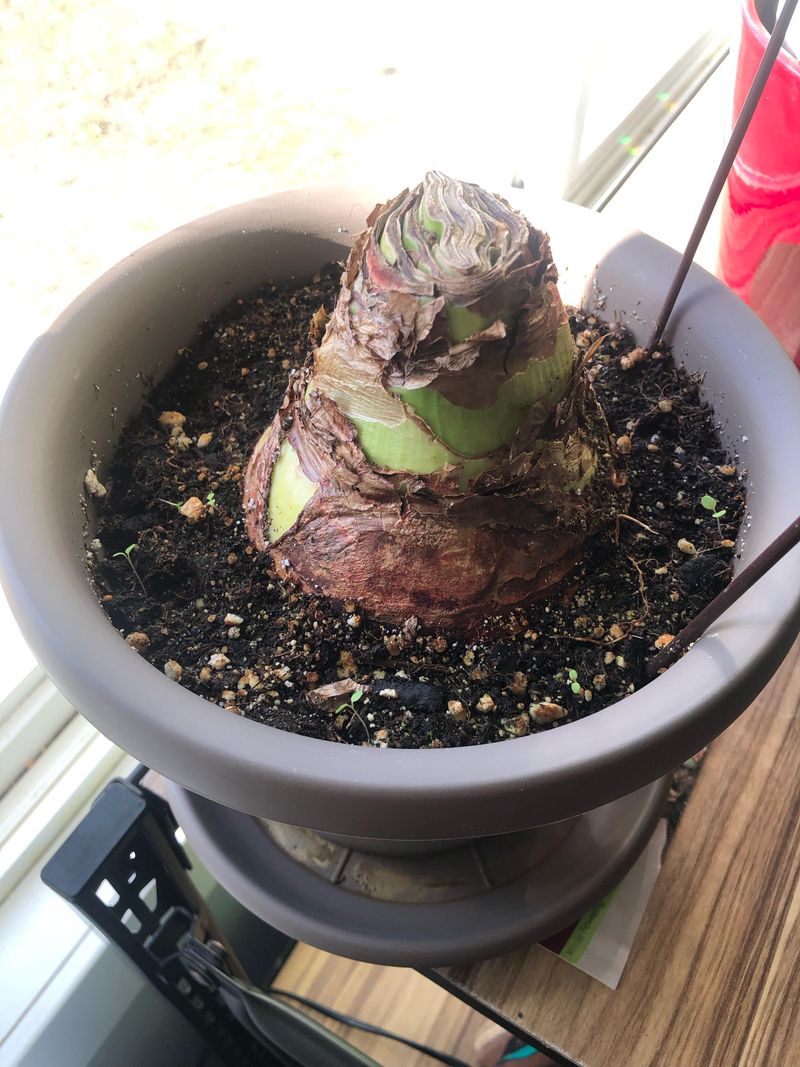
Nothing is wrong with your plant, most of the time. An amaryllis bulb that sits quietly in its pot is usually resting, a stage gardeners call dormancy.
In its native range, the plant, known to botanists as Hippeastrum, rests through dry seasons and grows again when warmth and moisture return. Your bulb is following that same old rhythm, even on a windowsill in Brooklyn or Buffalo.
The trick is that the bulb wakes up when it senses warmth and water together. If it stays cool and dry, it keeps waiting, which is exactly what you want during its rest.
Once you change those conditions, the bulb starts pushing roots and then a flower stalk.
Timing matters for holiday blooms. Most amaryllis flower about six to ten weeks after you wake them, according to university extension guides.
That means a bulb still napping in mid-December probably will not flower by Christmas, though it will still bloom later in winter.
A firm bulb is a hopeful sign. Squeeze it gently with your fingers.
If it feels solid like an onion, it has stored energy and simply needs your cue. If it feels mushy or smells sour, rot may have set in, and the bulb may struggle to recover.
2. Warmth And One Good Drink Get The Bulb Moving
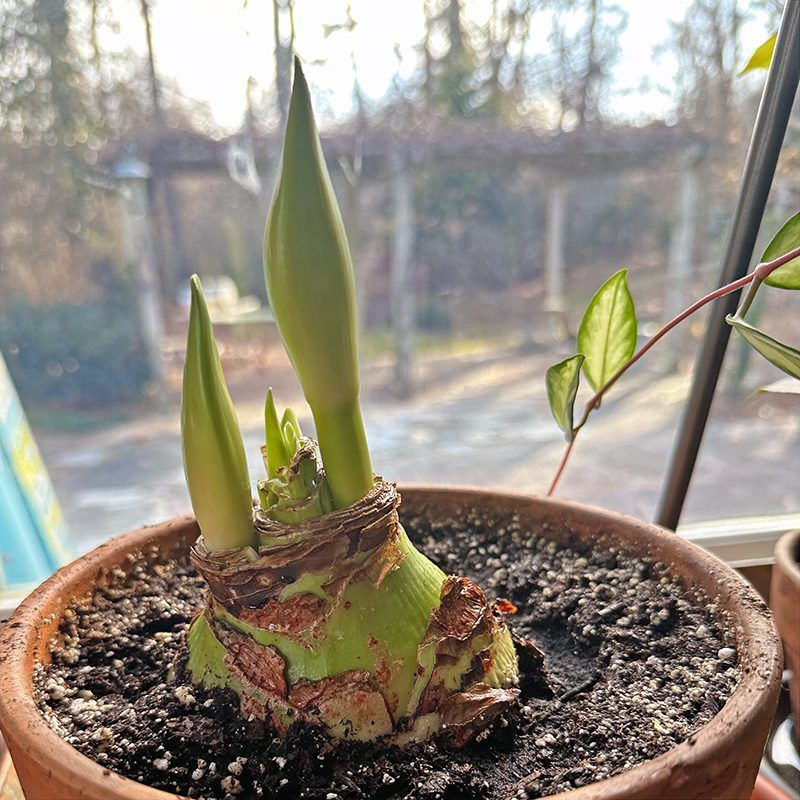
Wake-up day is simple and pretty satisfying. Move the pot to a warm room where temperatures stay around 68 to 75°F, since steady warmth is one of the strongest signals for growth.
Give the soil one thorough watering, letting the extra drain out the bottom. Then hold back.
Water only lightly until you see a green tip poking up from the bulb, which can take anywhere from a few days to several weeks.
I know it feels odd to ignore a pot you just woke up. Still, soggy soil around a bulb with no active roots is a quick path to rot, and rot is the most common reason these plants fail.
Bottom heat helps a lot. Setting the pot on top of a refrigerator or near, but not on, a warm radiator can speed things up.
Your New York Garden Changes Every Week. Your Plan Should Too.
Gardening in New York changes quickly throughout the season. Every Friday you’ll receive a simple weekly plan showing exactly what to plant, prune, fertilize, harvest, and protect so you never miss the right timing.
A seedling heat mat works well too.
For flowers at Christmas, try to start this process in early to mid-November. A late October start gives you extra breathing room.
Once a stalk appears, you can water whenever the top inch of soil feels dry, and growth often surprises people with how fast it climbs.
3. A Cool, Dark Rest Sets Up Next Year’s Amaryllis Flowers
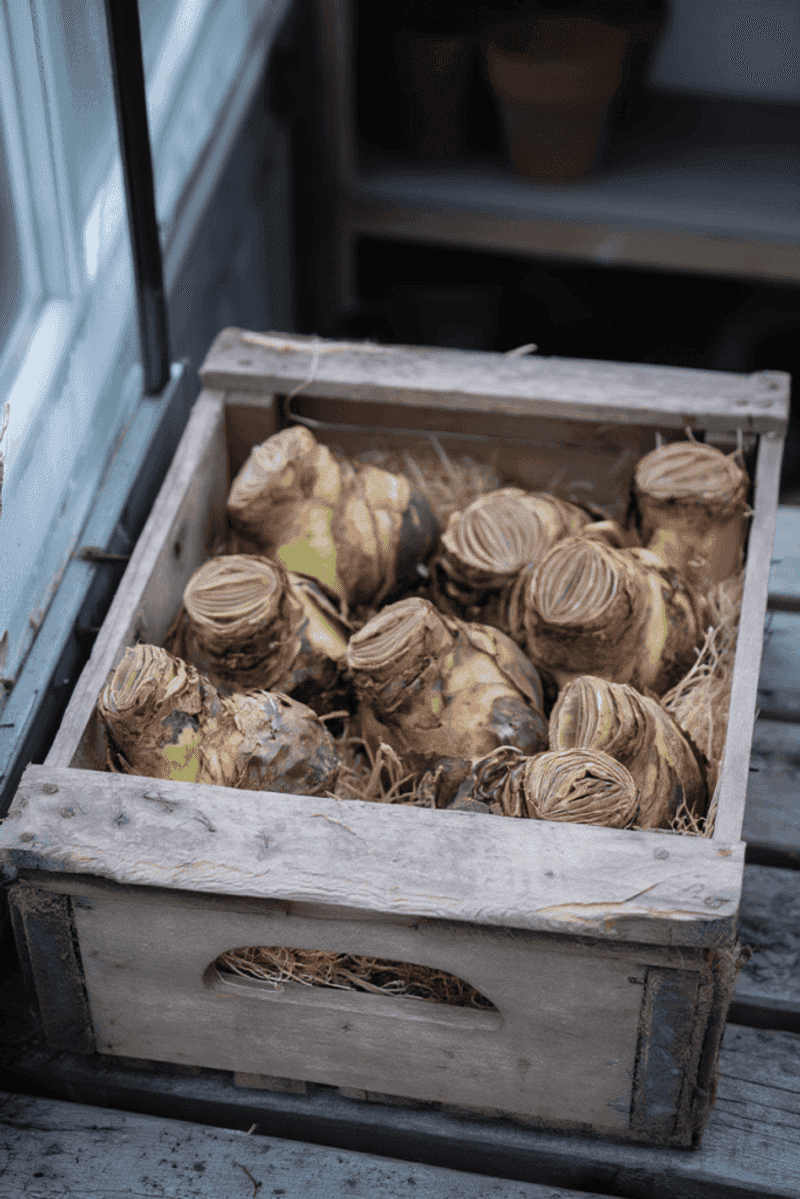
Plenty of reblooming trouble starts months before December. If your bulb grew leaves all summer and you want flowers on a schedule, a planned rest gives you the control.
Many extension services suggest a dry rest of about eight to twelve weeks. Stop watering and feeding in late summer or early fall, and let the leaves yellow on their own.
Once they fade, trim them to about an inch or two above the bulb.
Store the pot somewhere cool, dark, and dry. A basement, an unheated spare room, or a closet against an outside wall often lands in the ideal range of roughly 45 to 55°F.
Keep it well above freezing, since amaryllis are tender bulbs.
Fun fact for curious growers. Amaryllis do not strictly need dormancy to bloom again, and some keep their leaves year-round.
The rest period mostly helps you pick the bloom date.
Counting backward makes planning easy. For Christmas flowers, start the rest in late August or early September, then wake the bulb in early November.
Jot the dates on a sticky note on the pot so you do not lose track during the busy fall months.
4. Crowded Roots Can Leave Your Amaryllis Pushing Out Of The Pot
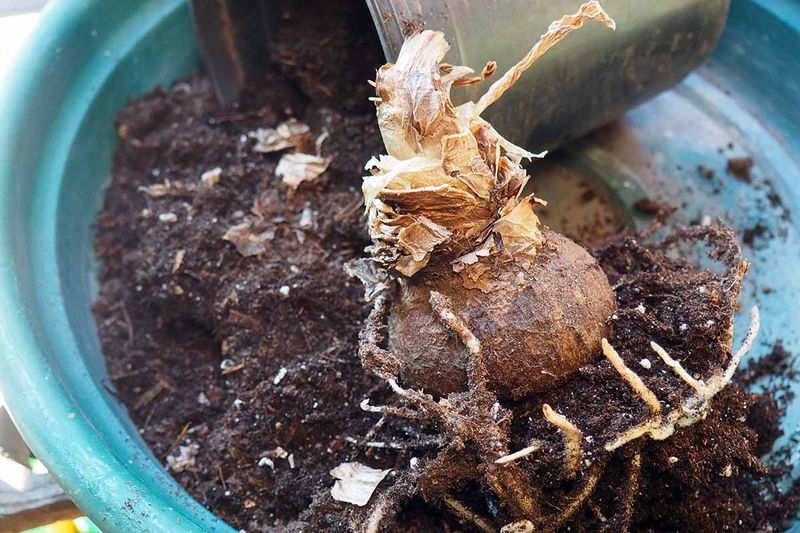
Sometimes stuck really does mean stuck. An amaryllis that has lived in the same pot for years may have roots wound so tightly that the bulb starts lifting itself above the rim.
Good to know, though. These plants actually like a snug fit.
Most growers only repot every three to four years, so a slightly crowded pot is not a crisis.
Watch for clear signs instead. Roots growing out of the drainage holes, soil that dries out within a day, or a bulb tilting upward all hint that it needs more room.
Offsets, which are baby bulbs growing from the side, can crowd things too.
The best moment to repot is right after the rest period, just before you wake the bulb. Roots are less active then, and the plant recovers quickly once warmth arrives.
Slide the bulb out gently and check the roots. Healthy ones look white or tan and feel firm.
Snip away any that are brown, hollow, or mushy with clean scissors. If you find offsets with their own roots, you can pot them up separately, though they usually need a few years of growth before they flower.
5. Pick A Snug Terracotta Pot With Drainage Holes
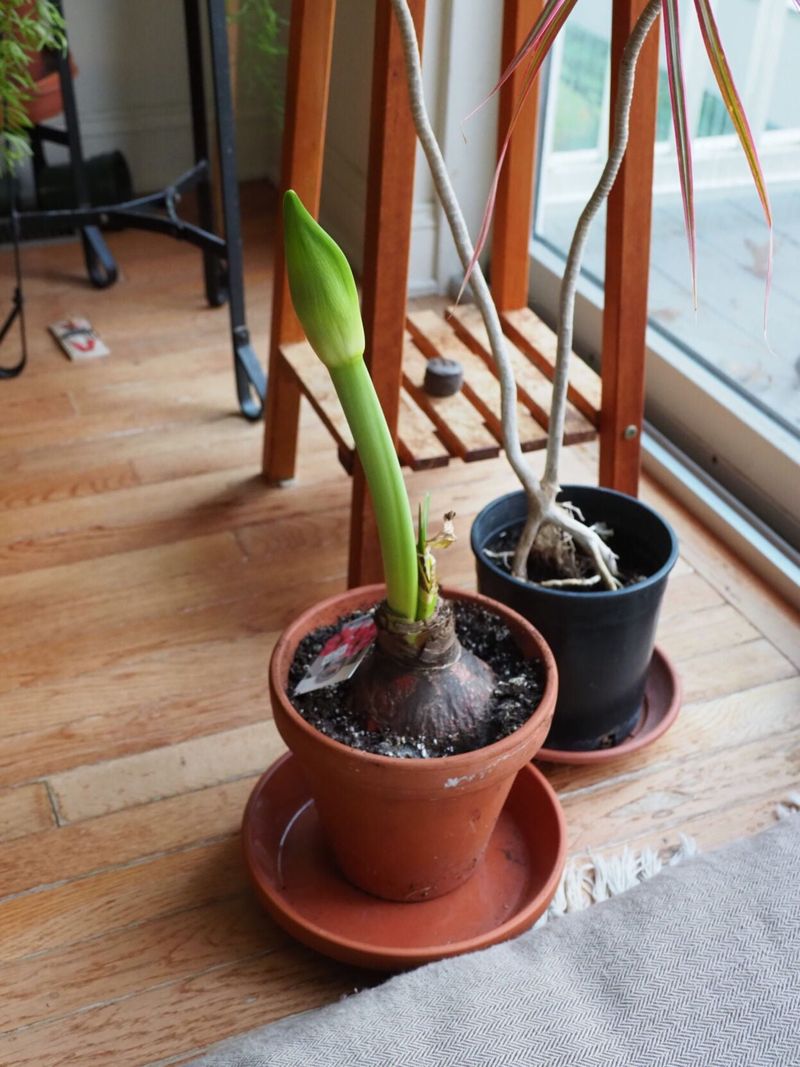
Bigger is rarely better for an amaryllis. A pot only about one to two inches wider than the bulb keeps the soil from staying wet too long.
Drainage holes are a must. A decorative pot without holes can trap water at the bottom, and that soggy layer invites rot.
If you love a fancy cover pot, slip a plain nursery pot inside it and empty any extra water after each drink.
Terracotta earns its reputation here. The clay breathes, letting moisture escape, and its weight helps balance a tall, top-heavy flower stalk that could tip a light plastic pot.
Choose a fresh, well-draining potting mix rather than garden soil. Many gardeners add a handful of perlite for extra air around the roots.
Planting depth makes a real difference. Set the bulb so the top third, or even half, sits above the soil line.
Spread the roots over a small mound of mix, fill around them, and firm it gently.
Finally, water once and let it drain fully. From there, the earlier rule applies.
Keep the mix barely moist until green growth shows, then give regular drinks as the stalk rises.
6. Bright Window Light Keeps That Tall Flower Stalk Standing Straight
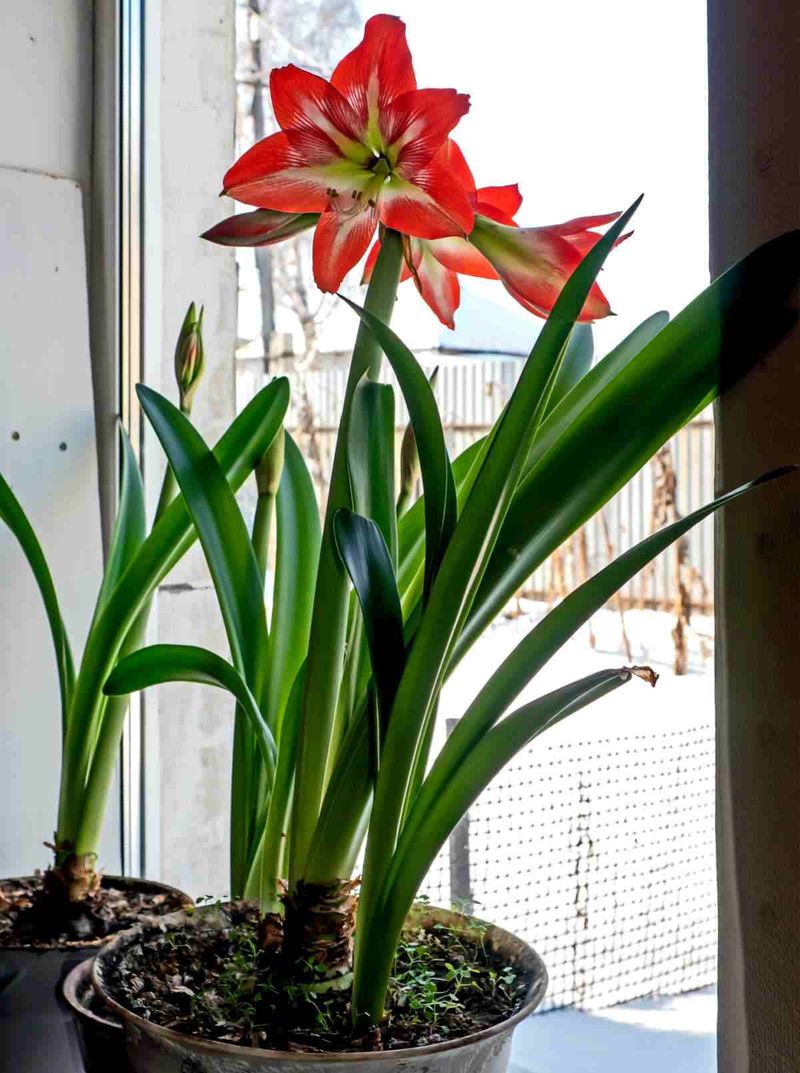
Short winter days in New York can be tough on a plant reaching for the sun. By December, the city gets only about nine hours of daylight, so every bit of window light counts.
Once the stalk appears, place the pot in your brightest window. A south or west exposure works well.
Without enough light, the stalk stretches thin and pale, then leans dramatically toward the glass.
Give the pot a quarter turn every day or two. I keep mine next to the coffee maker so I remember each morning, and the stalk grows far straighter for it.
Keep the plant away from cold drafts, though. Glass can get chilly on frosty nights, and leaves touching a freezing window may get damaged.
Pull the pot back a few inches after sunset if your windows run cold.
Tall stalks may still wobble once those heavy buds form. A slim bamboo stake and a soft tie keep things upright without harming the stem.
When the first flowers open, you can move the plant somewhere a little cooler with gentler light. Cooler air, around 60 to 65°F, helps the blooms last longer, often for a couple of weeks.
7. Leaves But No Flower Bud Usually Means A Hungry Bulb
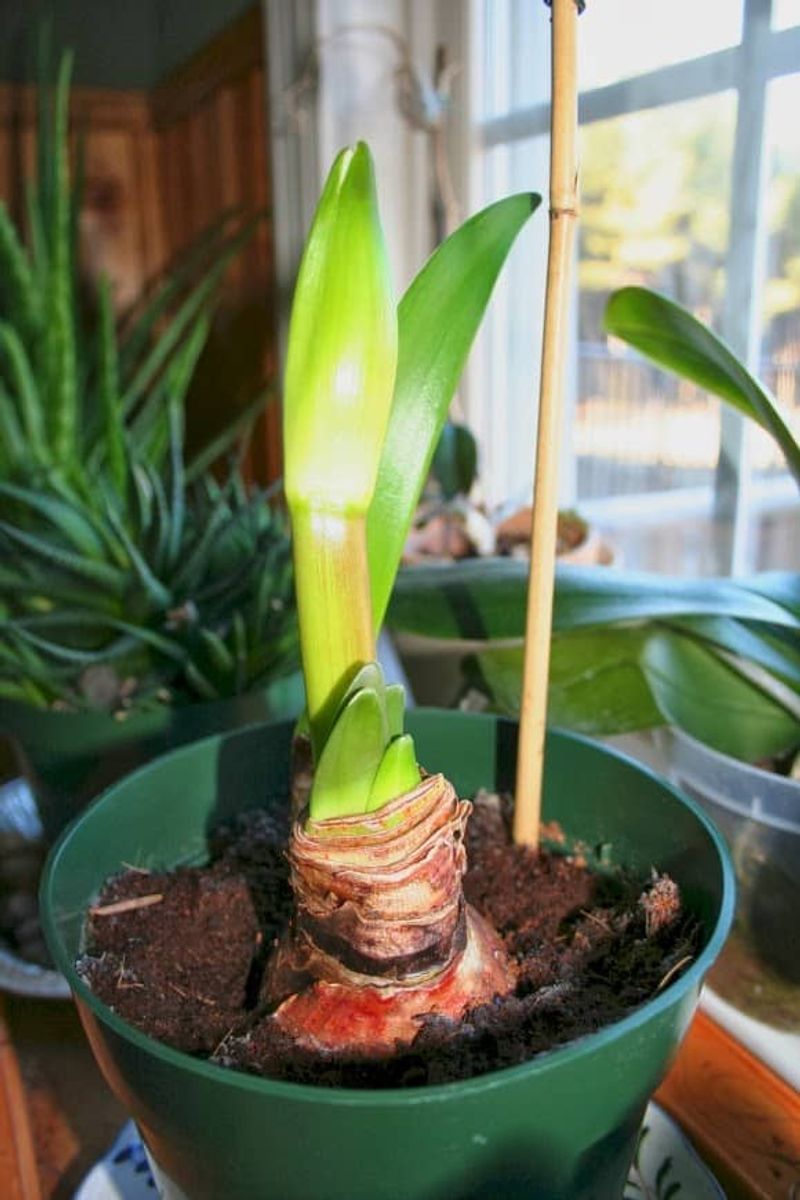
Few things sting like a pot full of leaves and zero blooms. That pattern frustrates many growers, and it usually points to a bulb that ran low on stored energy.
An amaryllis builds next year’s flowers during the months after it blooms. If the leaves were cut early or the plant sat in dim light all summer, the bulb may simply lack the fuel to form a bud.
Size offers a clue. Bulbs that shrank noticeably since you bought them often need a full season of strong growth before they flower again.
Other causes are worth checking too. Insufficient light during the growing season, roots damaged by overwatering, or pests like bulb mites can all play a part.
Rarely, very old bulbs just need replacing.
Patience pays off, so keep caring for the leaves. Those green straps are the plant’s power source, feeding sugars down into the bulb.
For the rest of this winter, give the plant bright light and water when the soil dries slightly. In spring, start a balanced houseplant fertilizer every few weeks.
A well-fed bulb has a much better shot at sending up a stalk next December.
8. A Summer Outdoors Recharges Your Amaryllis For Next December
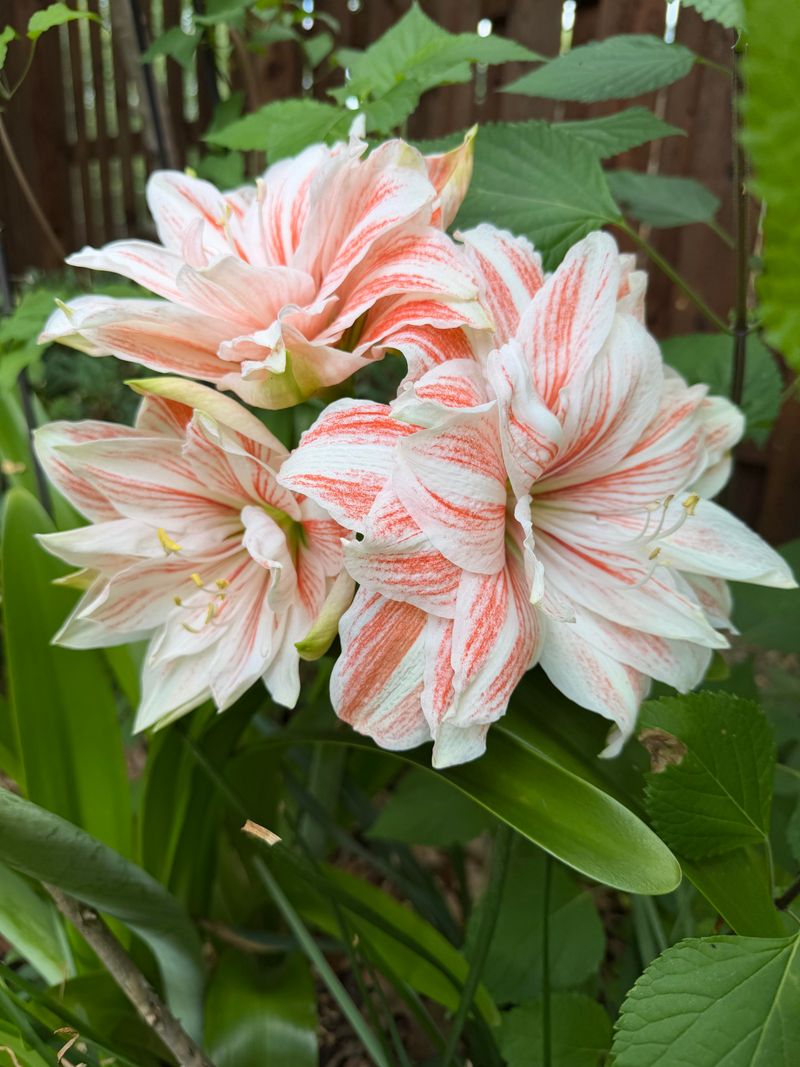
Once the holiday flowers fade, the real work begins quietly. Snip off spent blooms so the plant does not waste energy making seeds.
Leave the flower stalk until it yellows. A green stalk still makes food for the bulb.
Then cut it back near the top of the bulb.
Keep the plant in bright light and water regularly through late winter. Feed it with a balanced liquid fertilizer every few weeks once spring growth picks up.
After the last frost, which varies considerably across New York and often arrives later in colder inland and northern areas, you can move the pot outside. Start it in a shady spot for about a week, then shift it gradually into morning sun or partial sun.
This slow change prevents scorched leaves.
Summer outdoors helps the bulb fatten up fast. Just bring it indoors before nights drop near 50°F in early fall.
From there, the cycle starts again with a cool, dry rest and a November wake-up. I like how one bulb can keep returning for years, even decades, with this routine.
Write your dates down now, and next Christmas could look even brighter.