How California Homeowners Keep Ground Squirrels From Turning Yards Into Digging Zones
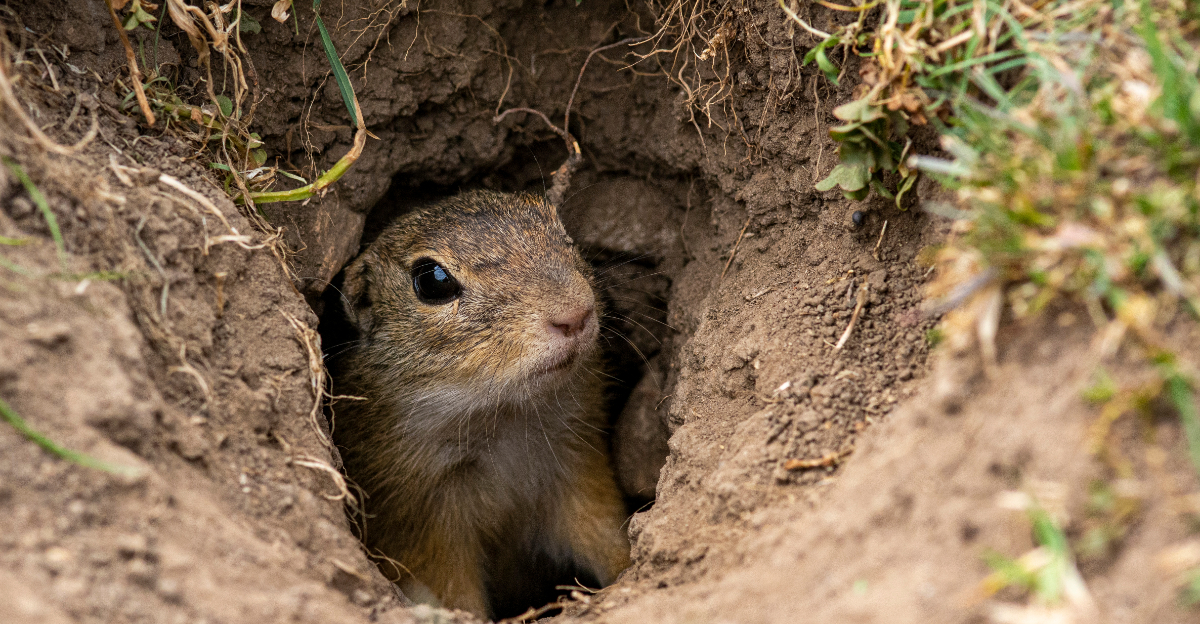
Tiny paws are quietly reshaping the ground beneath your California lawn overnight. Mounds now interrupt grass you have spent real time maintaining.
Burrow tunnels spread fast, often stretching further than most homeowners expect. Weakened roots can follow, threatening trees you have nurtured for years without warning.
Walkways may lose their footing before cracks even become visible. Nothing about this problem stays contained to one corner of your yard. California properties like yours face this pressure constantly.
Confidence comes from knowing real solutions exist, not from panicking over fresh dirt piles. Your yard does not have to stay unmanageable, but the fix demands your attention now.
Identifying Active Burrows Before Taking Action
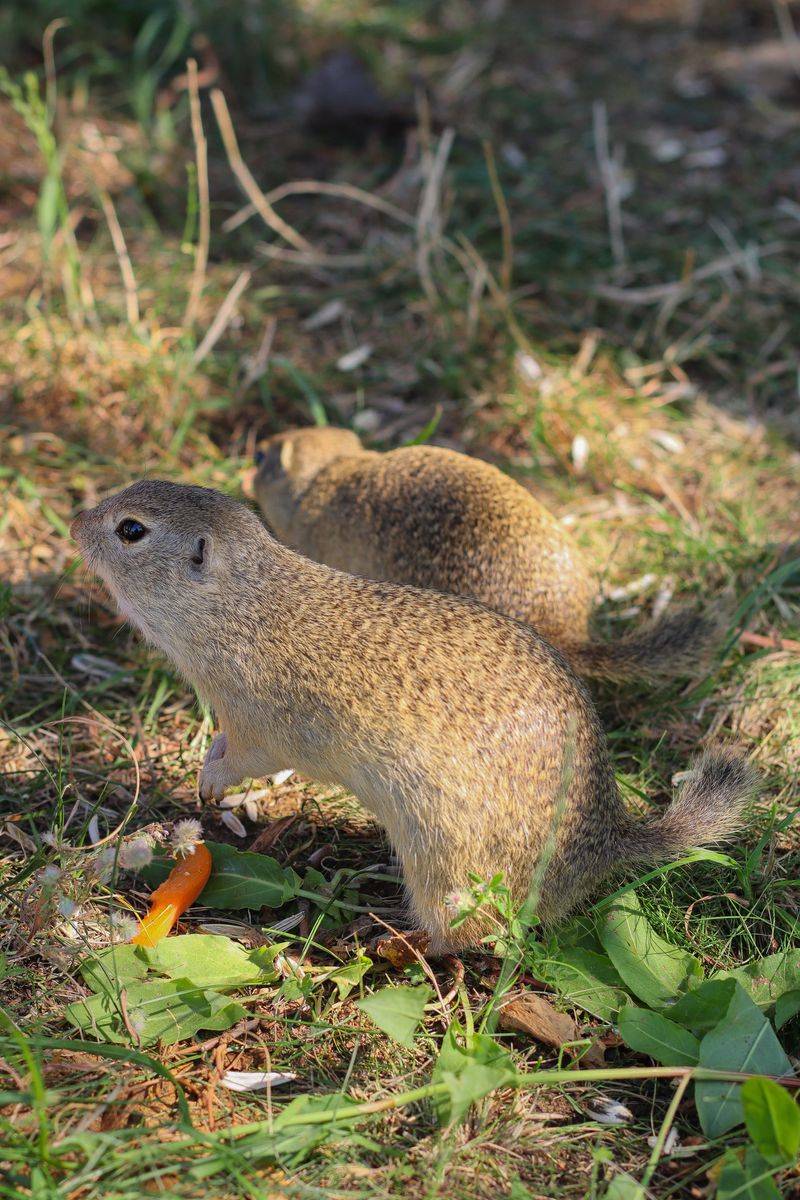
Fresh dirt is your first clue. Ground squirrel burrows that are active usually have loose, recently moved soil piled at the entrance.
Older, abandoned holes tend to look compacted and may have leaves or debris blocking them. Knowing the difference saves you time and effort before trying any control method.
Walk your yard slowly and mark each active hole with a small flag or rock. A simple visual map helps you see how many squirrels you might be dealing with.
Most burrows are found near fences, tree roots, or garden borders. Squirrels prefer spots where they feel sheltered and close to food.
Check for fresh droppings, chewed plant stems, or worn dirt paths between holes. These signs confirm that squirrels are currently using the area and not just passing through.
One helpful trick is to loosely fill a suspected burrow with dirt in the morning. If it is cleared out by afternoon, you have an active resident.
Spotting active burrows early keeps your effort focused on real problem areas. Wasting effort on empty tunnels slows your progress and drains your patience.
Tackle the busiest burrows first and work outward from there. Starting at the center of activity gives you the best chance of disrupting the colony early.
Removing Food Sources And Easy Shelter
Squirrels do not settle where food is scarce. If your yard is offering them a buffet, they will keep coming back no matter what else you try.
Start by picking up fallen fruit from trees every day during harvest season. Rotting apples, peaches, or figs on the ground are basically an open invitation to every squirrel in the neighborhood.
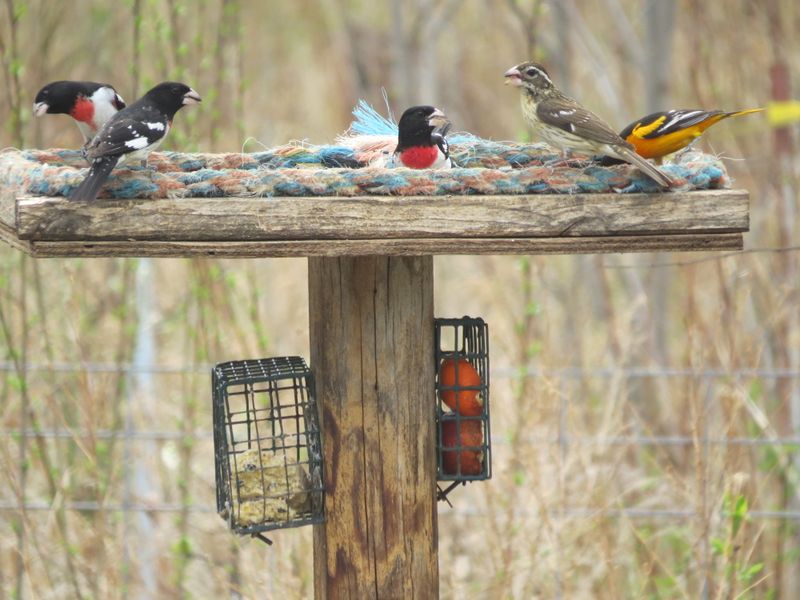
Bird feeders are another big draw. Seed that spills onto the ground is easy pickings, so switch to feeders with catch trays or move them away from the main yard area.
Brush piles, wood stacks, and dense shrubs give squirrels cozy hiding spots close to your home. Clearing these out removes the shelter they rely on to feel safe while foraging.
Keep compost bins sealed tightly and avoid tossing vegetable scraps into open piles. Even small food remnants can attract squirrels from surprising distances.
Trim low-hanging branches that allow squirrels to drop easily into garden beds. Reducing access points forces them to work harder and makes your yard feel less welcoming overall.
Pet food left outside is another overlooked attractant. Bring bowls indoors after feeding time so squirrels cannot sneak a free meal while your dog naps inside.
Cutting off food and shelter disrupts their daily routine fast. A yard that offers nothing free is a yard squirrels tend to skip.
Installing Underground Barriers Along Garden Beds
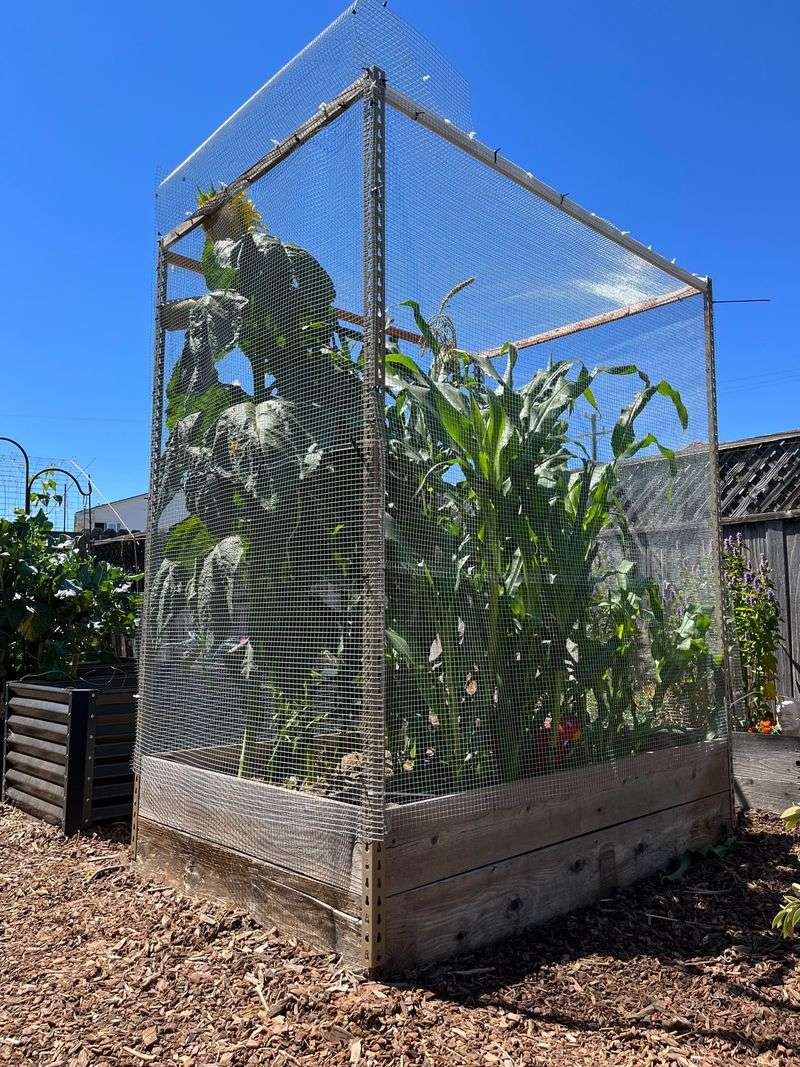
Nothing stops a determined digger like a solid underground wall. Hardware cloth buried beneath garden beds creates a physical barrier that squirrels simply cannot chew or tunnel through quickly.
Use galvanized wire mesh with quarter-inch openings for the best results. Larger gaps may let young squirrels slip through, so sizing matters more than most people expect.
Dig a trench around the perimeter of your garden bed at least 18 inches deep. Squirrels are strong diggers, and a shallow barrier will not hold them off for long.
Bend the bottom of the mesh outward at an L-shape before burying it. This design redirects a squirrel that tries to dig straight down, causing it to give up and move on.
Attach the top edge of the mesh to a raised bed frame or border material so it stays upright. A loose, floppy barrier is easier for squirrels to push aside or dig around.
Raised beds benefit the most from this method since you can line the entire base before filling with soil. Ground-level beds take more effort but are absolutely worth it for protecting root vegetables.
Check the barrier once a season for gaps, rust, or shifting. Even small openings become entry points if left unaddressed over time.
A properly buried barrier is one of the most permanent solutions available. Once it is in place, you can plant with confidence and stop worrying about overnight damage.
Using Natural Scent And Taste Deterrents
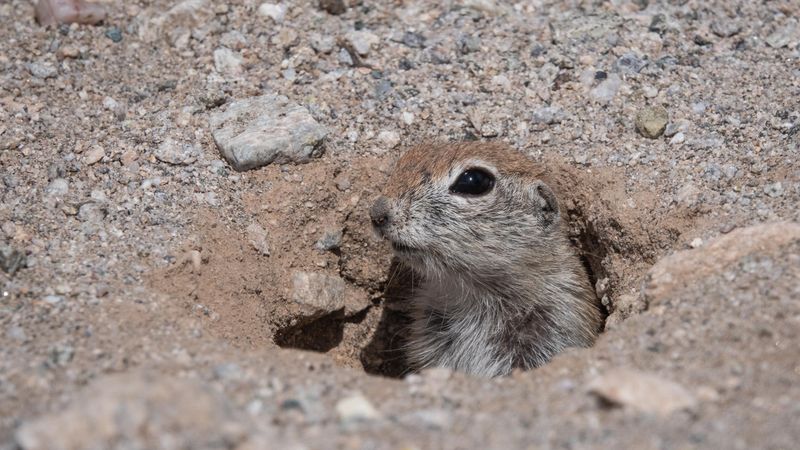
Squirrels have sensitive noses, and that works in your favor. Strong scents like garlic, peppermint, and hot pepper can make your yard feel uncomfortable and uninviting to them.
Cayenne pepper sprinkled around burrow entrances or garden edges is one of the oldest tricks around. Squirrels dislike the burning sensation it causes and will often avoid treated areas entirely.
Mix a spray using water, dish soap, and crushed garlic cloves. Apply it along garden borders twice a week and after any rain to keep the scent fresh and effective.
Peppermint oil soaked into cotton balls and placed near burrow openings can also work well. Replace them every few days since the scent fades quickly in warm outdoor air.
Predator urine products, available at garden centers, send a strong biological warning signal. Squirrels instinctively avoid areas that smell like foxes or coyotes, even in suburban yards.
Taste deterrents work best on plants themselves. Spray bitter apple or hot pepper concentrate directly onto leaves and stems that squirrels tend to chew or gnaw.
Reapplication is the key to success with any scent-based method. One treatment rarely lasts, so build it into your weekly yard routine like watering or weeding.
Natural deterrents keep this approach safe for kids, pets, and the surrounding environment. It works through scent alone, quietly convincing squirrels to find somewhere else to live.
Setting Up Motion Activated Sprinklers
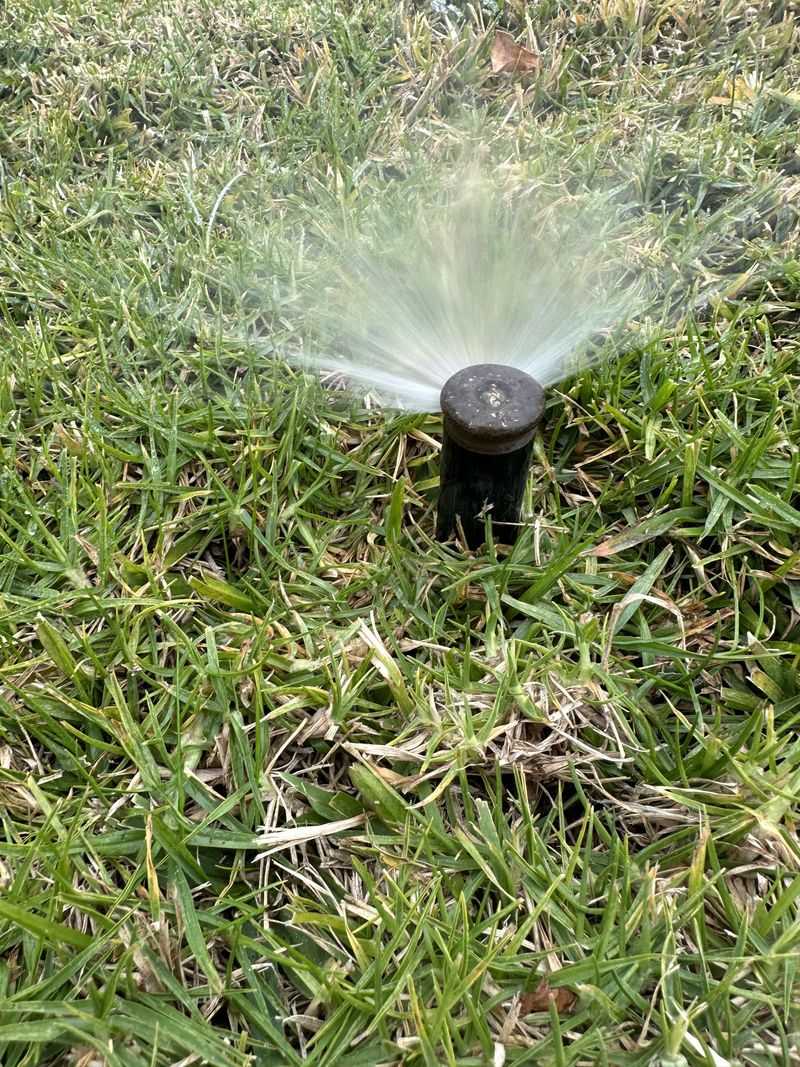
Few things startle a squirrel faster than a sudden burst of cold water. Motion-activated sprinklers have become a favorite tool for homeowners who want a hands-off, humane approach to yard protection.
These devices use infrared sensors to detect movement and trigger a short water spray. The surprise is enough to send squirrels scrambling without causing them any lasting harm.
Position the sprinkler to cover the areas where squirrel activity is heaviest. Burrow entrances, garden bed edges, and open lawn paths are all smart placement spots.
Most models can be adjusted for sensitivity and spray range. Dial in the settings so you are targeting squirrel-sized movement and not setting off the sprinkler every time a leaf blows past.
Rotate the sprinkler location every week or two. Squirrels are clever and will eventually figure out the pattern if the device never moves from the same spot.
Solar-powered models are a popular choice in sunny yards since they do not require battery swaps or outlet access. A fully charged unit can run consistently through daylight hours when squirrels are most active.
Pair the sprinkler with other deterrents for a layered defense. Combining scent repellents with water surprise creates a yard that feels unpredictable and stressful for any squirrel trying to settle in.
Motion-activated sprinklers feel almost satisfying once you catch one on camera. The scramble away from the spray is proof the strategy is working.
Encouraging Natural Predators In The Yard
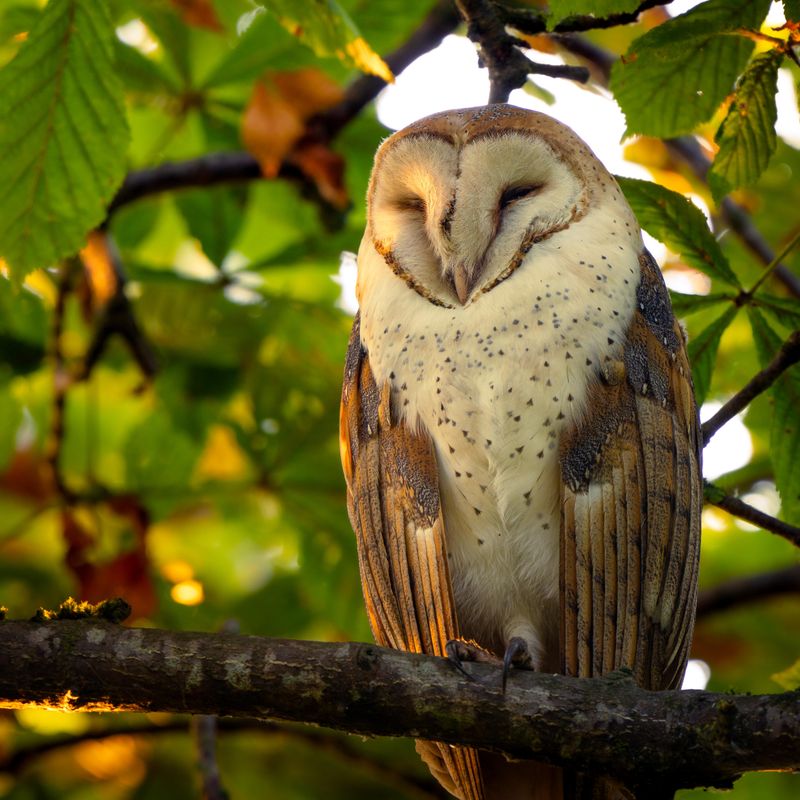
Nature already has a solution built in. Hawks, owls, foxes, and even domestic cats are natural hunters that keep ground squirrel populations in check without any effort from you.
Installing a raptor perch in your yard is one of the easiest wildlife-friendly moves you can make. A simple wooden post set six to eight feet high gives hawks and owls a perfect hunting spot.
Barn owl nest boxes attract one of the most efficient nighttime hunters around. A single barn owl family can consume hundreds of rodents in one breeding season, which is impressive by any measure.
Avoid using rodenticides or chemical pesticides in your yard if you want predators to stick around. These substances can poison hawks and owls that eat contaminated prey, removing your natural allies fast.
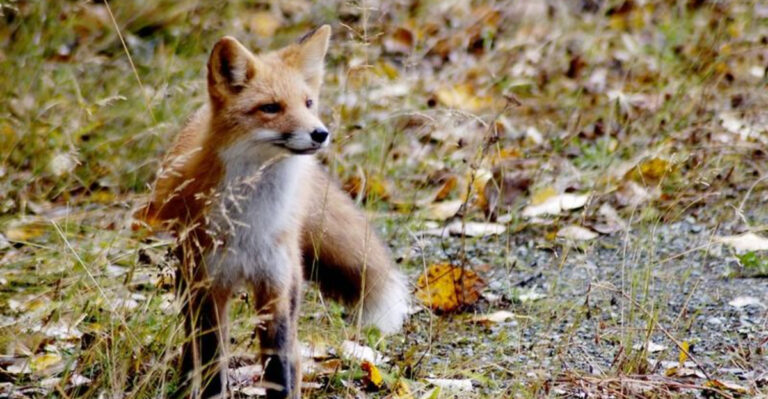
Foxes and coyotes naturally patrol yards and open spaces at dawn and dusk. Their presence, or even just their scent, signals danger to ground squirrels and can shift the colony away from your property.
Domestic cats with outdoor access also act as effective deterrents. Even if a cat never catches a squirrel, its scent and movement patterns alone can make squirrels feel unsafe in the area.
Supporting natural predators costs very little and adds genuine ecological value to your outdoor space. A yard that feels alive with predators becomes one that squirrels instinctively want to avoid.
Inviting these allies in creates a self-sustaining defense system. Let nature do the heavy lifting while you enjoy your garden from the porch.
Applying Humane Trapping And Relocation Methods
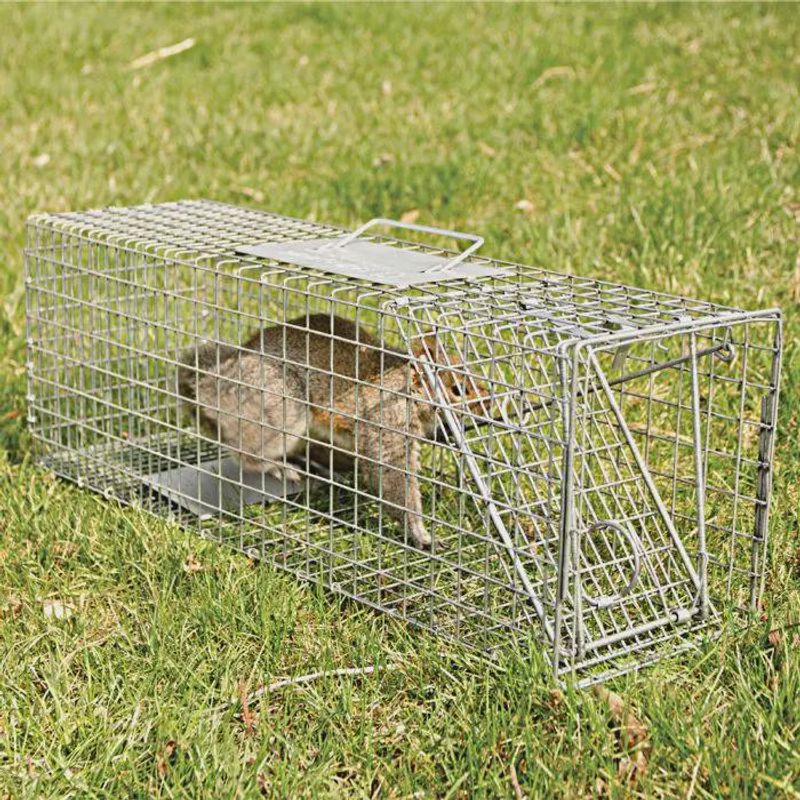
Sometimes the squirrel situation calls for a more direct approach. Live traps let you catch individual squirrels and move them somewhere far from your garden without causing injury.
Use a wire cage trap sized for squirrels, typically around 5 by 5 by 18 inches. Smaller traps may miss larger adults, while oversized ones might not trigger reliably for lighter animals.
Bait the trap with peanut butter, sunflower seeds, or a slice of apple near the trigger plate. Fresh bait placed in the back of the cage forces the squirrel to walk fully inside before the door drops.
Set traps in the morning since squirrels are most active during daylight hours. Check them every few hours so no animal is left sitting in the heat for too long.
Wear gloves when handling the trap to reduce your scent on the equipment. Squirrels are cautious and may avoid a trap that smells too strongly of human hands.
Relocate captured squirrels at least five miles from your home. Anything shorter and there is a solid chance the squirrel finds its way back to the same yard within days.
Check local regulations before relocating wildlife since some counties have specific rules about trapping and releasing ground squirrels. A quick call to your local animal control office clarifies what is allowed in your area.
Humane trapping works best as part of a broader strategy. Pair it with barriers and deterrents so new squirrels do not simply move into the vacated tunnels.
Maintaining Long Term Prevention Habits
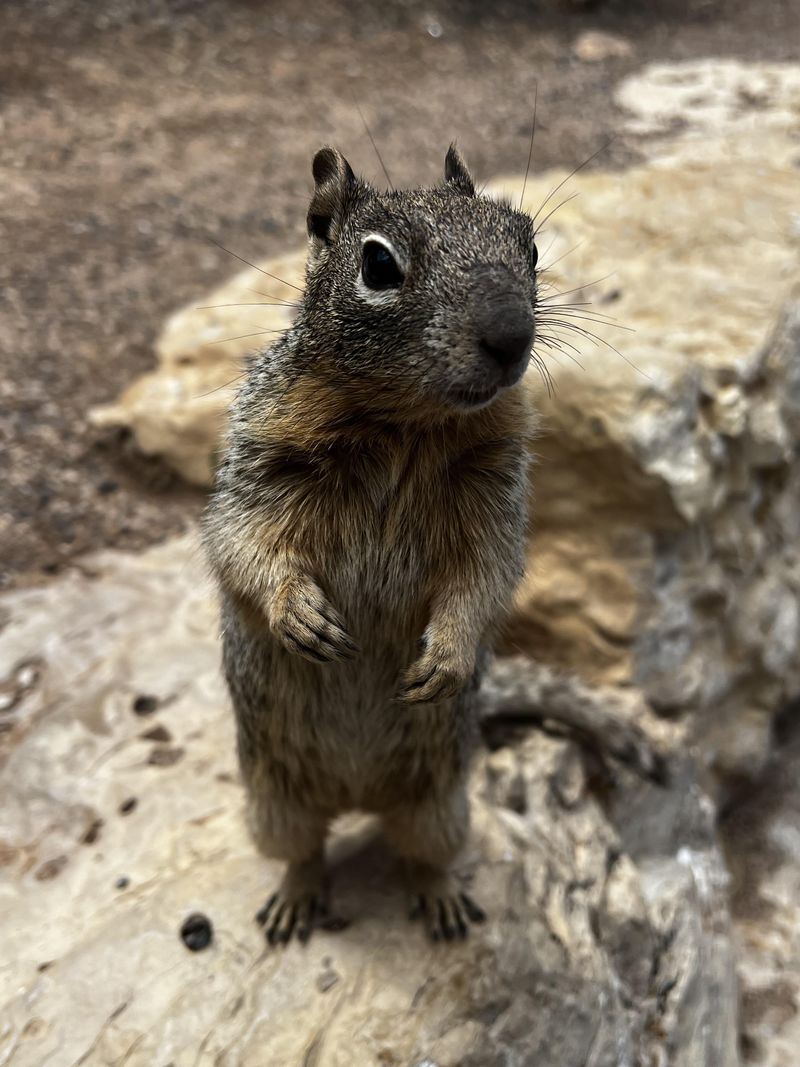
Winning the battle once does not mean the war is over. Ground squirrels are persistent, and a yard that was squirrel-free last summer can see new activity by spring if prevention habits slip.
Schedule a yard walkthrough every two weeks during warmer months. Early detection of fresh burrows or new chewing damage makes it far easier to respond before a small problem grows into a large colony.
Rotate your deterrent methods every season to prevent squirrels from adapting. What worked in spring may lose its effect by fall if the same approach is used without variation.
Keep vegetation trimmed short around fence lines and garden borders. Tall grass gives squirrels cover to move around undetected, which encourages them to explore and eventually settle in.
Inspect underground barriers annually for rust, shifting, or gaps caused by soil movement. A small breach in the mesh can become a wide-open entry point if not caught and patched quickly.
Refresh scent deterrents after heavy rain or seasonal changes. Weather strips away plant-based repellents faster than most homeowners expect, so staying on schedule matters.
Talk to neighbors about their yards too. A coordinated neighborhood approach is far more effective than a single homeowner working alone against a colony that spans multiple properties.
Long term prevention is less about perfection and more about consistency. Staying ahead means showing up for your yard every season, not just when damage appears.