Southern House Spiders Are Often Mistaken For Brown Recluses In Georgia Homes
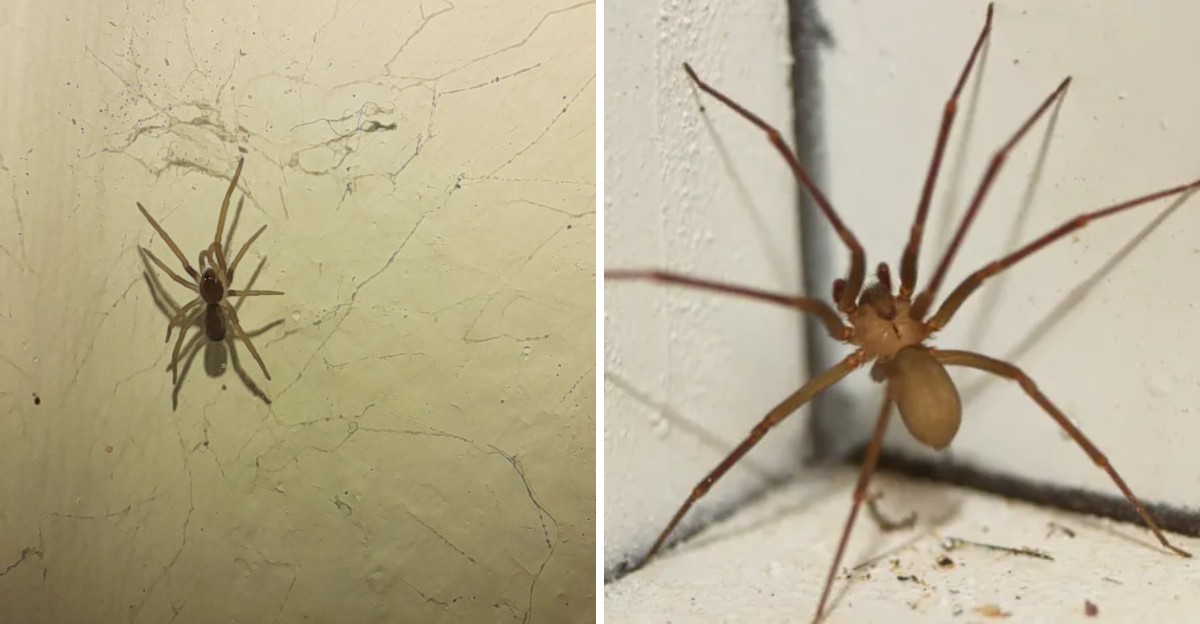
Some male spiders carry front appendages so long that people mistake them for an extra pair of legs. Those leggy wanderers roam floors at night, searching for mates hidden in wall cracks.
The females rarely leave home. They can stay tucked in the same silk-lined retreat for years, which sounds like my ideal weekend.
Here in Georgia, one tan, fast-moving visitor sends more folks into a panic than almost any other house guest. I get it, because nobody wants a nasty bite surprise in the laundry room.
Still, I believe a little knowledge beats a rolled-up magazine every time.
You’re in for a twist, though. The scary spider most people think they see is far less common here than you’d expect.
Learning to recognize the spider actually sprinting across your kitchen tile could save you a lot of unnecessary worry.
1. That Tan Spider Racing Across Your Floor Has A Surprising Identity
Most of the long-legged brown spiders Georgians spot indoors are not brown recluses at all. Entomologists at the University of Georgia point to the male Southern house spider, Kukulcania hibernalis, as one of the most common look-alikes.
Brown recluses do live in the state, but their established range is mostly limited to the northern and northwestern counties. Across middle and south Georgia, verified finds are uncommon.
Experts note that many reported sightings turn out to be other species once someone takes a closer look.
So why does the mix-up happen so often? The male Southern house spider is a tan or amber color, has long thin legs, and moves fast.
Those traits match what most of us picture when we hear the word recluse.
Timing plays a role too. Males wander at night looking for females, so they show up on walls, floors, and bathtubs when you least expect company.
Personally, I find it comforting that the odds are on your side. If you live outside the northwest corner of the state, that speedy spider is much more likely to be a harmless house spider.
A careful look is still worth it, and the next sections show you how.
2. Count The Eyes On A Brown Recluse Before You Panic
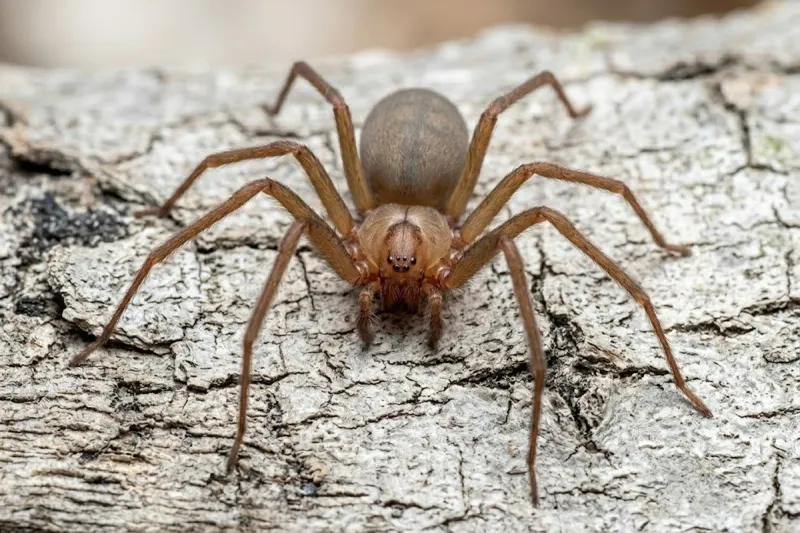
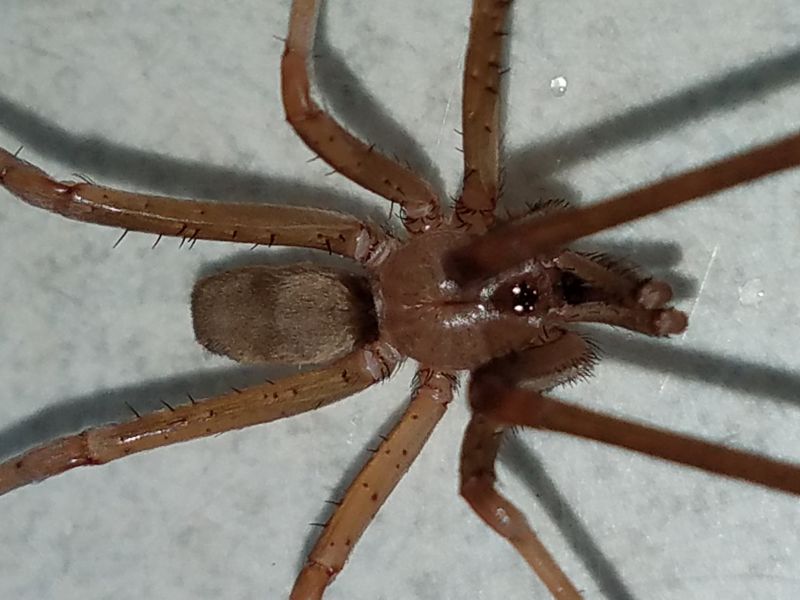
Eyes give the quickest honest answer in spider identification. A brown recluse has six eyes arranged in three pairs, forming a little semicircle at the front of its head.
The Southern house spider has eight eyes, and they sit clustered together on a small raised mound. That difference is tiny, but it is reliable, and arachnologists treat it as one of the best clues.
You will need help seeing it. A phone camera with zoom, a magnifying glass, or a clear plastic container works well.
Trap the spider under a glass, slide paper underneath, and take your time with a photo instead of leaning in close.
Try this simple routine:
Capture the spider safely in a jar. Snap several sharp, well-lit pictures from above.
Zoom in on the head and count the dark dots.
If you count six in pairs, treat it with respect and consider expert confirmation. If you see eight bunched together, you can probably relax.
Your local UGA Extension office can help identify a specimen, too. Place it in a small sealed container and contact the office for instructions on submitting it.
Experts there can help with identification.
3. Long Pedipalps Give The Male Southern House Spider Away
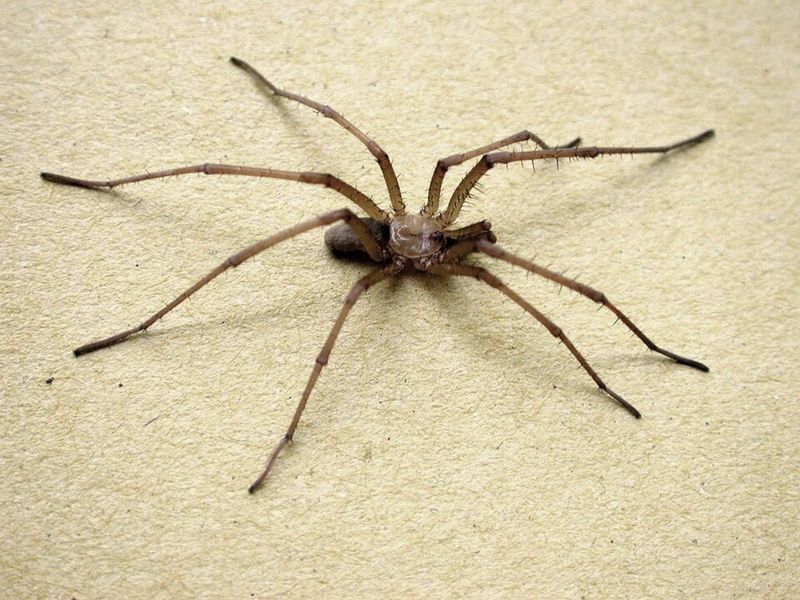
Here is a fun trick I love sharing with friends. Look at the front of the spider and check for what seems like a fifth pair of legs.
Male Southern house spiders have unusually long pedipalps, the small appendages near the mouth. On this species, they stretch out so far that they look like extra legs waving in front.
Males use them to transfer sperm when mating, so they are a big deal to the spider.
Brown recluses have short pedipalps that look like tiny stubs. Their legs are also plain and evenly colored, with no bands or stripes and very few obvious spines.
Body shape helps, too. Male Southern house spiders look slender and leggy, with a fuzzy, slightly velvety coat from fine hairs.
A brown recluse typically measures about a quarter to half an inch in body length, with a leg span considerably wider than its body.
The famous violin marking is less helpful than people think. It can be faint on a real recluse, and other brown spiders may show darker patches on the same spot.
So skip the fiddle hunt. Check the eyes first, then the palps, and you will be right far more often.
4. Velvety Dark Females Rarely Leave Their Crevice Webs
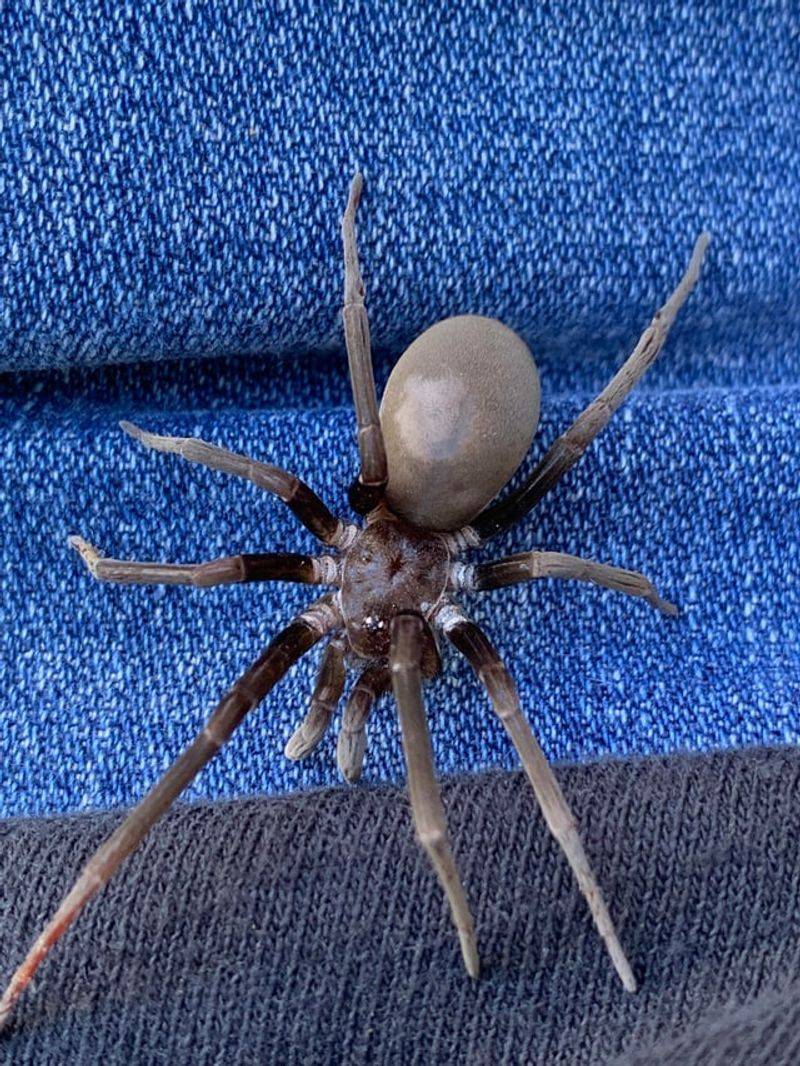
Meet the homebody of the family. Female Southern house spiders look so different from males that many people assume they are a separate species.
Females are stout and velvety, ranging from dark brown to charcoal or almost black. They build flat, tangled webs that radiate out from a crack, window frame, or gap in siding, with a tunnel leading back to a hidden retreat.
Once settled, a female may stay in the same spot for a long time. Reports describe females living several years, which is impressive for a house spider.
They wait for insects to stumble into the woolly silk, then rush out to grab them.
Brown recluses do not build anything like this. Their webs are loose, irregular silk retreats meant for shelter, tucked inside boxes, closets, or behind stored items.
You can use that difference as a clue. A fuzzy, spoke-like web around an outdoor light fixture or brick crack points strongly to a Southern house spider.
If you find one, I suggest leaving her alone when she is outdoors. She is grabbing moths, flies, and roaches that you would rather not see anyway, and she has zero interest in chasing you.
5. A Southern House Spider Bite Is Mostly Just A Minor Nuisance
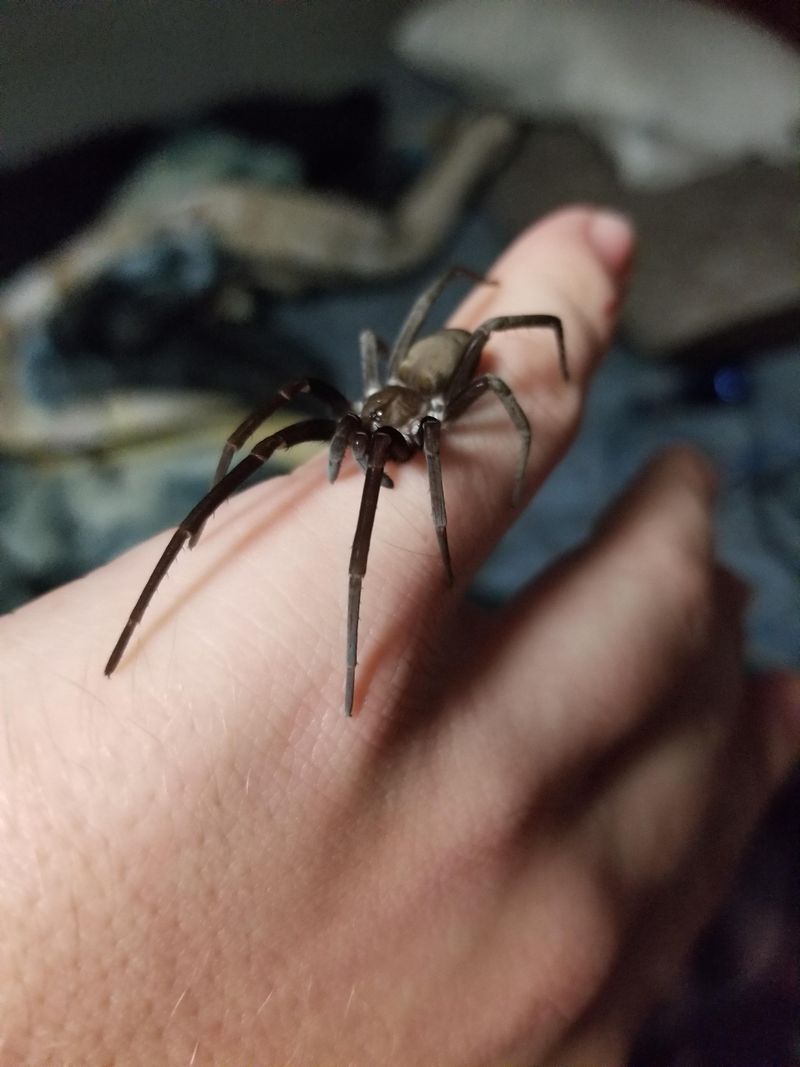
Relax a little on this one. Southern house spiders are shy, and bites are uncommon because they would much rather run or hide than defend themselves.
When a bite does happen, usually from pressing one against skin, experts describe it as minor. You might notice mild pain, redness, or slight swelling that fades fairly quickly.
Their venom is not considered medically significant for people.
Simple care works for most minor spider bites:
Wash the area with soap and water. Apply a cool compress to ease swelling.
Keep an eye on it for a day or two.
Brown recluse bites are a different story, though still rarely serious. Most heal without trouble, but some cause a spreading sore with tissue damage that needs medical care.
Watch for worsening pain, a sore that darkens or grows, fever, or chills.
Here is something many people do not realize. Doctors and entomologists warn that lots of so-called recluse bites are actually skin infections, including MRSA, or other conditions.
That matters for your health. If a wound looks bad, see a doctor and avoid assuming a spider caused it, since the right treatment depends on the real cause.
6. Brown Recluses Prefer North Georgia Closets And Boxes
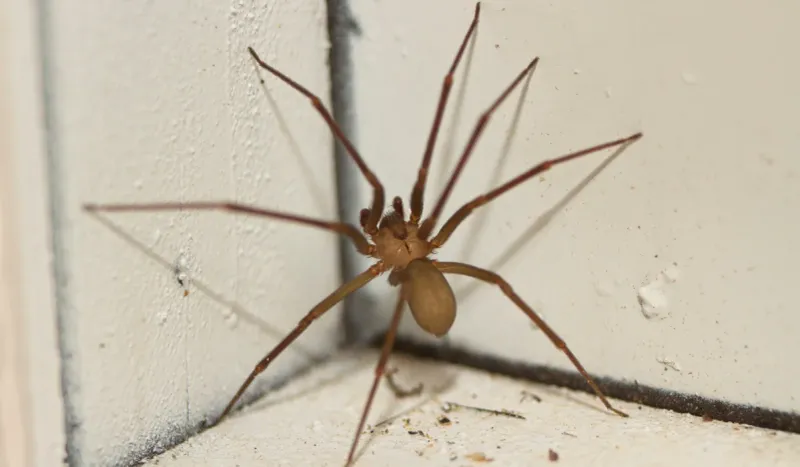
Location tells you a lot before you ever count eyes. Brown recluse populations in Georgia are concentrated mostly in the northwest and northern parts of the state, near the Tennessee and Alabama borders.
Even there, they keep a low profile. Recluses love dark, undisturbed places like cardboard boxes, stacked papers, shoes, closets, attics, and the backs of storage rooms.
They hunt at night and avoid open floors when possible.
Most bites happen by accident. Someone pulls on a pair of gloves stored in the garage or rolls over onto one in bedding that touched the floor.
Knowing that helps you take smart, simple precautions.
If you live in north Georgia, try these habits:
Shake out shoes, gloves, and clothes that sat unused. Store items in sealed plastic bins instead of cardboard.
Keep beds away from walls and tuck skirts off the floor.
Sticky traps placed along walls and in closets work well for monitoring. They show you what is moving around without guessing.
Gardeners, this applies outdoors, too. Wear gloves when moving stacked firewood, pots, or old lumber in sheds, since those quiet piles appeal to all kinds of spiders.
7. Sealing Cracks Keeps House Spiders Outside Where They Belong
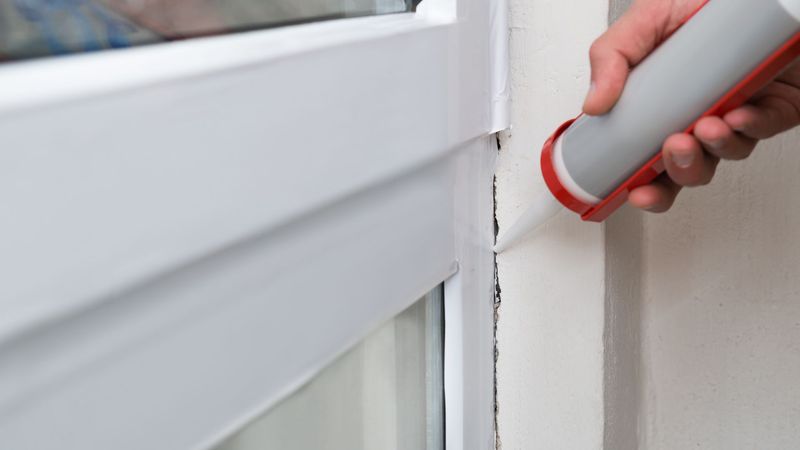
Honestly, the best spider control looks a lot like basic home upkeep. Southern house spiders slip in through gaps, and they settle wherever bugs are easy to catch.
Start at the edges of your house. Caulk cracks around windows, doors, and foundations, and add weatherstripping or door sweeps where daylight shows through.
Repair torn window screens before warm months bring more insects.
Next, think about the menu. Porch lights draw moths and beetles, and spiders follow the buffet.
Switching to yellow bug lights or motion-sensor lights can cut down on the insects that attract them.
Inside, a vacuum is your quiet helper. Run it along baseboards, corners, and behind furniture to remove webs and egg sacs.
Cutting clutter in garages and basements removes hiding spots for every spider type.
Outdoors, keep mulch, firewood, and shrubs trimmed back a little from your walls. That small gap reduces cozy shelter right next to your siding.
Sprays rarely solve the problem by themselves. UGA experts note that exclusion and cleaning do most of the work.
If you see repeated recluse activity, a licensed pest professional can help with a targeted plan.
8. A Quick Photo Of That Leggy Brown Spider Beats A Shoe Every Time
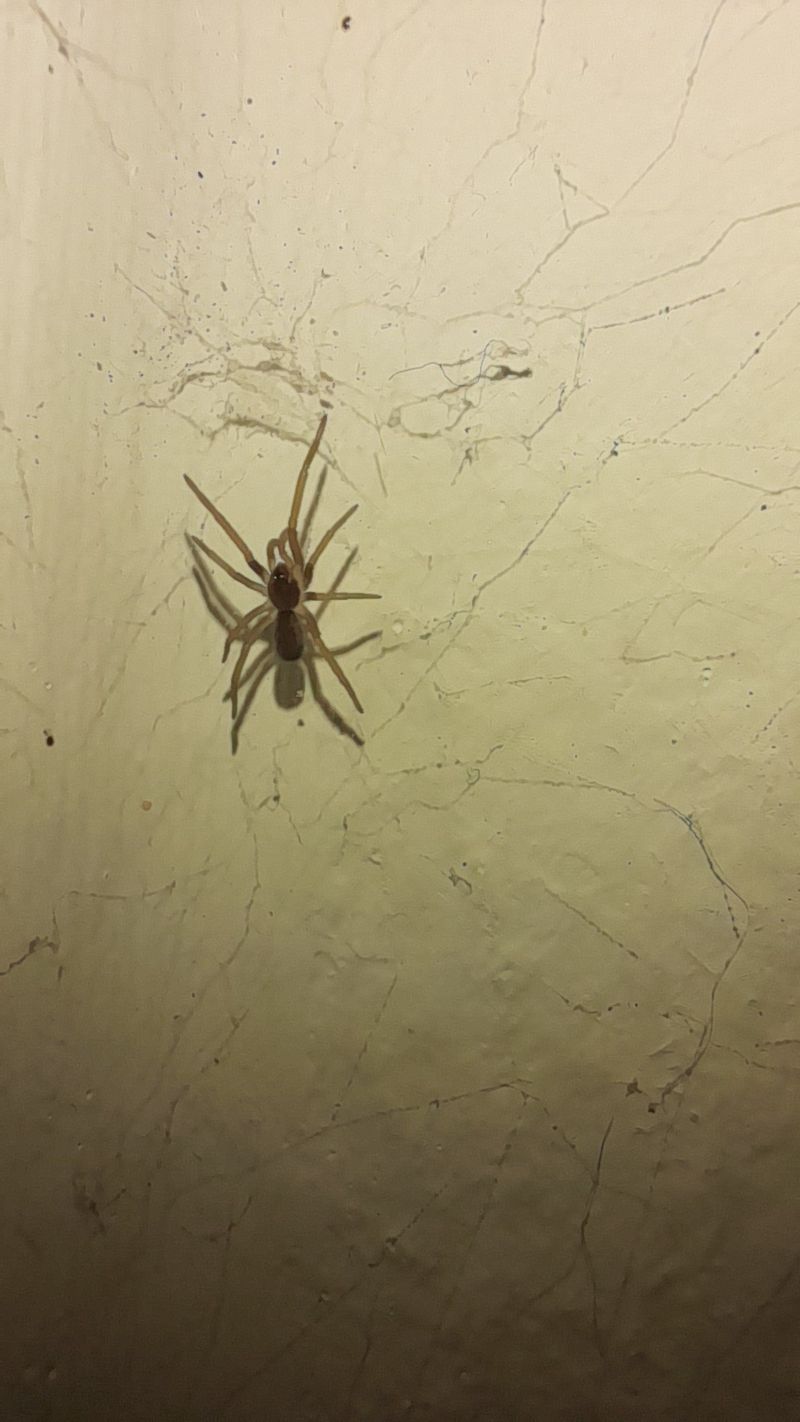
Next time a leggy brown spider sprints past, try a new reflex. Grab a glass and your phone instead of a shoe.
A good photo lets you check the eyes, palps, and leg pattern calmly. It also gives experts something to work with.
UGA Extension agents, along with online groups run by arachnologists, can often confirm an identity in minutes from a sharp picture.
Knowing the real culprit changes everything. If it is a Southern house spider, you can relocate it outside to a shed or woodpile.
Your garden gains a free bug hunter that eats roaches, flies, and other pests.
If it turns out to be a recluse, you have useful information. You can set sticky traps, check storage areas, and decide whether to call a professional.
I think this approach makes home life calmer for everyone. Fear fades fast once you know what you are looking at, and you stop worrying over every tan shadow.
So keep a clear jar handy in the kitchen. Teach your kids the six-eye trick, too.
Spotting the difference turns a scary moment into a cool little science lesson right on your floor.