Your Pennsylvania Jade Plant Is Dropping Leaves? Here’s How To Fix It
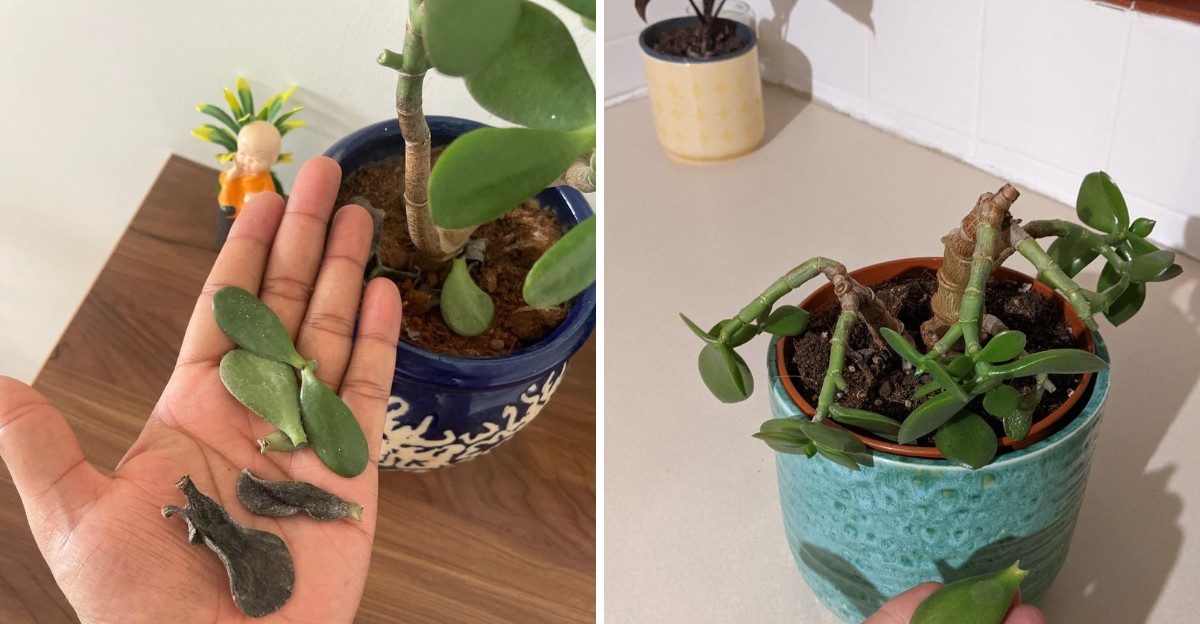
Jade plants are often called “money plants” and are said to bring good luck and prosperity. So when yours starts dropping its plump, glossy leaves all over the windowsill, it can feel like a bad sign. Don’t panic just yet.
Jades are tough succulents that can live for decades, growing into small, tree-like plants passed down through families.
But they’re also sensitive to sudden changes, and fall in Pennsylvania brings plenty of them. Plants that spent the warm months outdoors get moved inside.
Furnaces kick on, windows turn chilly, and daylight fades earlier each afternoon. Watering habits that worked in July can suddenly become too much.
Leaf drop is the plant’s way of telling you something is off. Usually, the cause is easy to spot and simple to correct.
A few adjustments can help your jade hold on to its leaves and stay full and healthy through winter.
1. It’s Getting Too Much Water
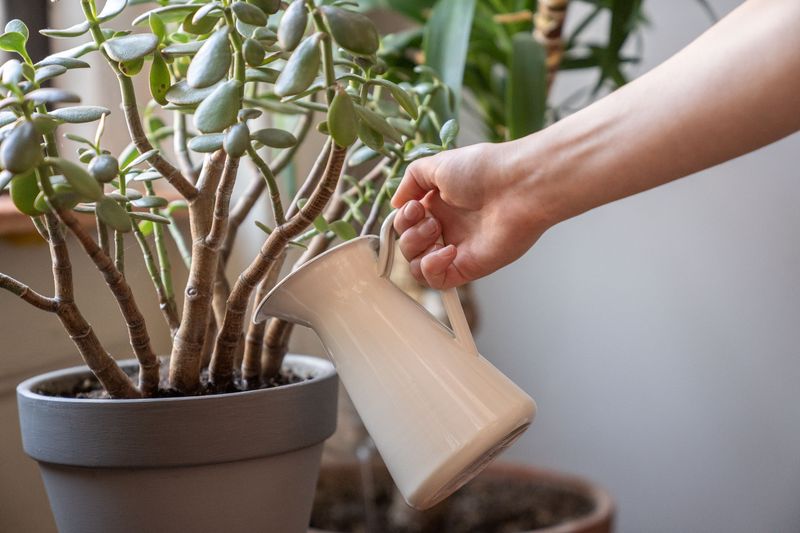
Love can sometimes look like a watering can. Many caring plant owners give their jade plant a drink every few days, thinking they are helping. Sadly, too much water is the number one reason jade plants start dropping leaves.
Jade plants are succulents. They store water inside their thick leaves and stems, so they do not need much from the soil.
When the soil stays wet for too long, the roots cannot breathe. Over time, they start to rot and turn brown and mushy.
So how can you tell if water is the problem? Look closely at the fallen leaves. If they feel soft, look yellow, or seem squishy, overwatering is the likely cause. You might also notice a sour smell coming from the soil or dark spots near the base of the stem.
Start by stopping all watering right away. Let the soil dry out completely, all the way to the bottom of the pot. You can check by pushing a wooden chopstick deep into the soil. If it comes out damp, wait longer.
Next, check the roots if the plant looks really sick. Gently slide it out of the pot. Healthy roots are white or light tan and firm. Rotted roots are brown, slimy, and fall apart easily.
Trim away any bad roots with clean scissors. Then repot your jade in fresh cactus or succulent mix, which drains much faster than regular potting soil.
Pick a pot with a drainage hole. Terracotta is a smart choice because it lets extra moisture escape through its walls.
Going forward, water only when the soil is fully dry. In Pennsylvania winters, that might mean just once every three or four weeks.
2. It’s Too Dry
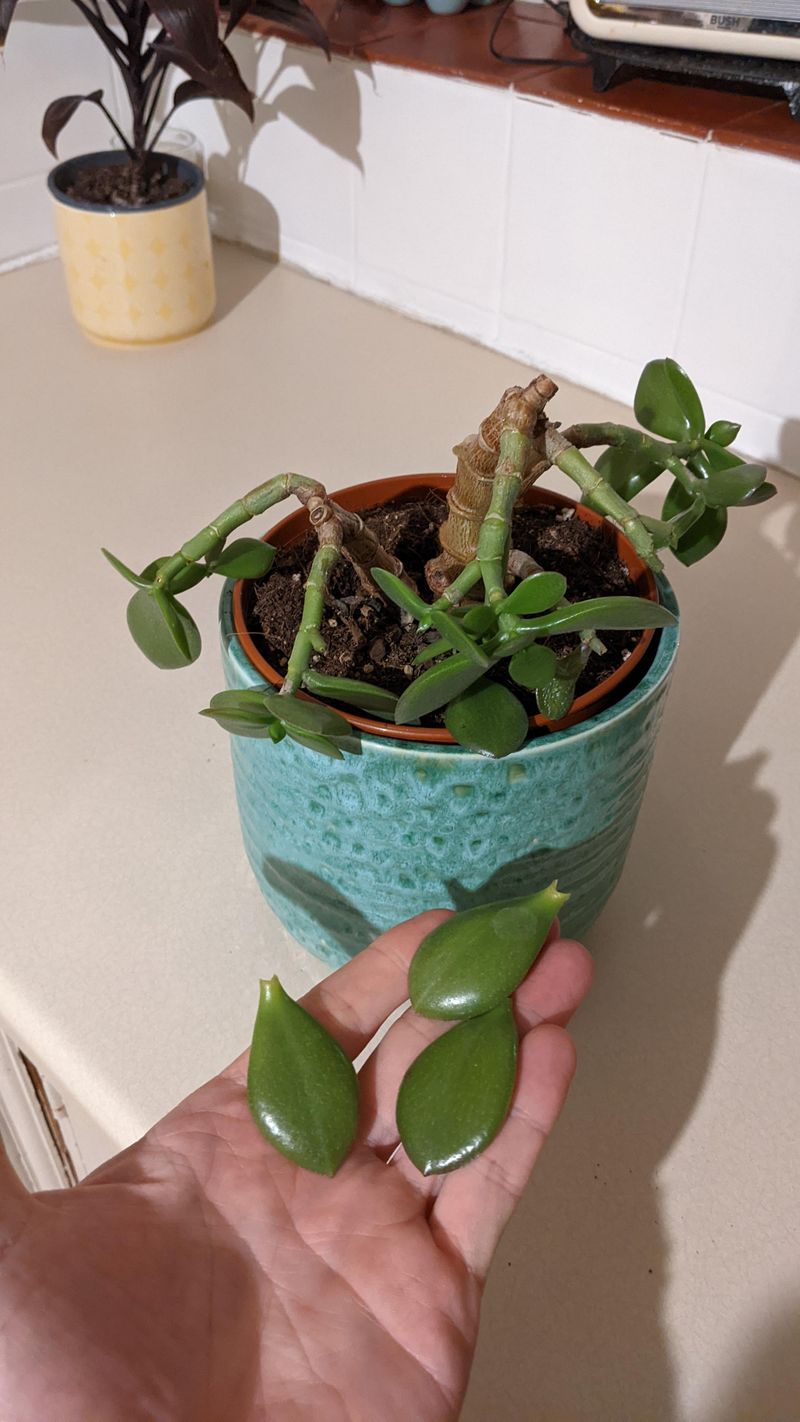
Here is a funny twist. After learning that jade plants hate soggy soil, some people swing too far the other way and almost forget to water at all. Even a tough succulent has its limits.
Jade plants keep a water supply inside their chunky leaves. When the soil stays bone dry for weeks, the plant starts using up that stored water.
Your Pennsylvania Garden Changes Every Week. Your Plan Should Too.
Gardening in Pennsylvania changes quickly throughout the season. Every Friday you’ll receive a simple weekly plan showing exactly what to plant, prune, fertilize, harvest, and protect so you never miss the right timing.
As a result, the leaves lose their plump shape. They begin to wrinkle, pucker, and shrivel like raisins. Eventually, the plant lets go of some leaves to save water for the rest of its body.
Pennsylvania homes can make thirst worse in winter. Furnaces and radiators pump out warm, dry air. A jade sitting near a heat vent can dry out much faster than you expect.
The fix is pretty simple. When the soil is completely dry, give your plant a deep, thorough drink. Pour water slowly over the soil until it flows out of the drainage hole. That way, every root gets a chance to soak up moisture.
Afterward, let the extra water drain away completely. Never let the pot sit in a saucer full of water. Dump out the saucer after about fifteen minutes.
Within a few days, the wrinkled leaves should start to plump back up. Leaves that already fell will not come back, but new ones will grow in time.
A handy trick is to lift the pot after watering and notice how heavy it feels. Then lift it again every week. When it feels light, it is probably time for another drink. Setting a phone reminder to check every two weeks can also keep you on track.
3. It’s Too Cold
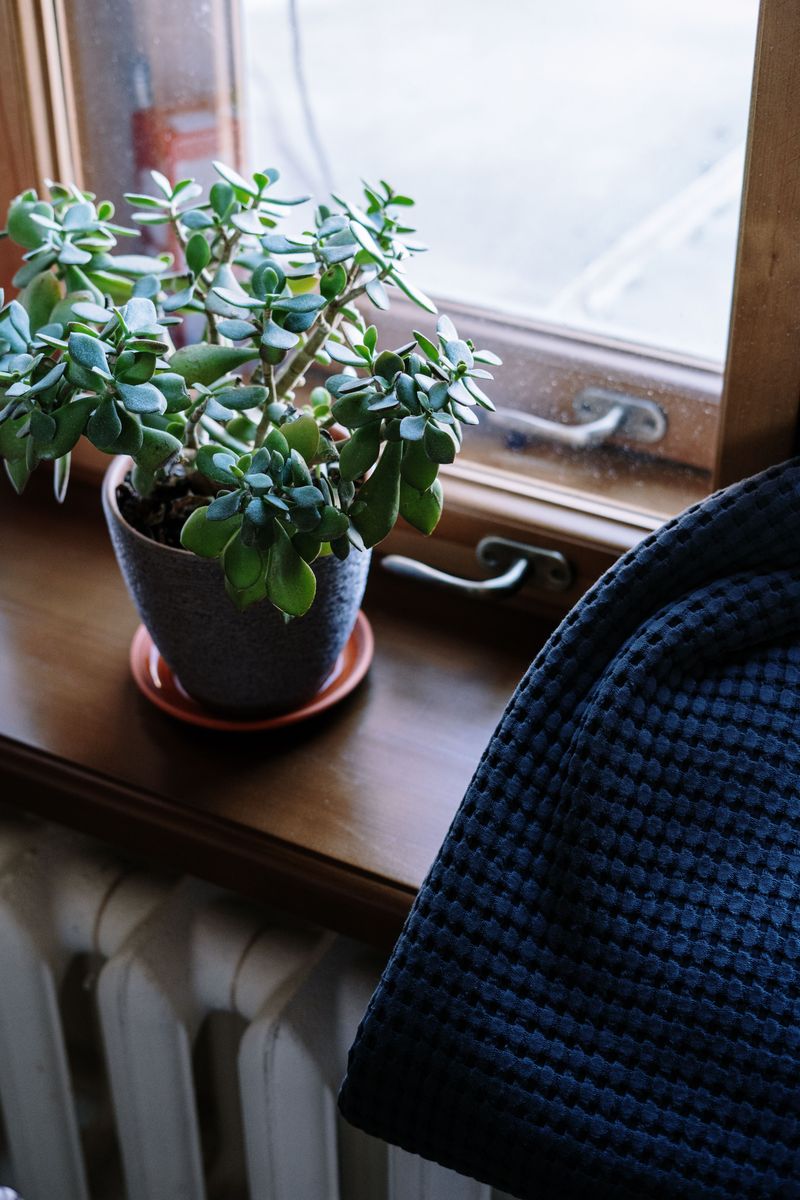
Pennsylvania winters can be brutal, with snowstorms, icy winds, and nights that drop well below freezing.
Your jade plant, however, comes from warm and sunny South Africa. It was never built for frosty January mornings in Pittsburgh or Scranton.
Cold damage often sneaks up quietly. A jade sitting on a windowsill might look fine during the day.
At night, though, the window glass can get icy cold. Any leaves touching that glass can get chilled and damaged. They may turn dark, soft, or see-through, and then drop off.
Drafts cause trouble too. A plant near a front door gets a blast of freezing air every time someone comes inside. Drafty old windows, which are common in older Pennsylvania homes, can leak cold air all winter long.
Luckily, a few small changes make a big difference. First, slide your plant a few inches back from the window glass.
It will still get light but stay out of the chill. On extra cold nights, you can close the curtains behind the plant to trap warmer air inside the room.
Second, move it away from outside doors and leaky windows. Run your hand around the window edges. If you feel cold air sneaking in, find a better spot.
Try to keep your jade in a room that stays above about 50°F. Most living spaces work well. Unheated porches, garages, and sunrooms usually get too cold in winter.
Fun fact: In South Africa, wild jade plants can grow as tall as a person. They thrive in rocky, warm hillsides where frost is rare.
4. It’s Not Getting Enough Light
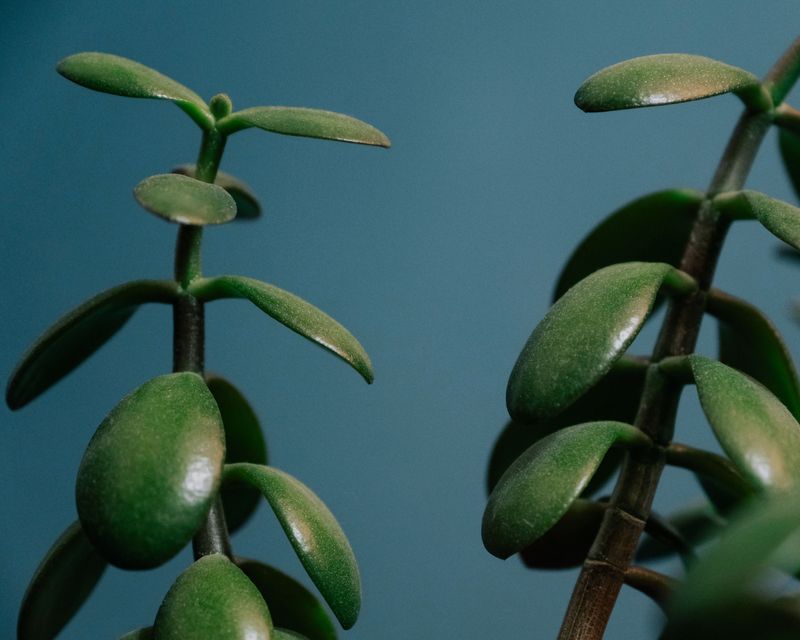
Sunshine is basically food for a jade plant. Without enough of it, the plant cannot make the energy it needs to stay strong. When light runs low, your jade may start dropping leaves to save its strength.
Pennsylvania can be a tough place for sun lovers. From November through February, days are short. Many of those days are gray and cloudy too. A spot that seemed bright in July might feel like a cave by December.
Watch for a few warning signs. Your jade may grow long, thin stems with big gaps between the leaves. People call this leggy growth.
The plant is stretching toward the light, trying to find more. Leaves may also look pale or drop from the lower stems.
Jade plants do best with several hours of direct sun each day. A south-facing window is usually the brightest spot in the house. West-facing windows can work well too. North-facing windows rarely give enough light, especially in winter.
If your home is short on sunny windows, a grow light can save the day. Simple LED grow lights are affordable and easy to use.
Place the light about a foot above the plant. Leave it on for around twelve to fourteen hours a day. A cheap outlet timer makes this super easy.
Also, give the pot a quarter turn every week or so. That way, all sides of the plant get their fair share of light.
Over time, you will see sturdier stems and fuller, healthier leaves. A happy jade in strong light may even show pretty red edges on its leaves.
5. It’s Stressed By A Sudden Move
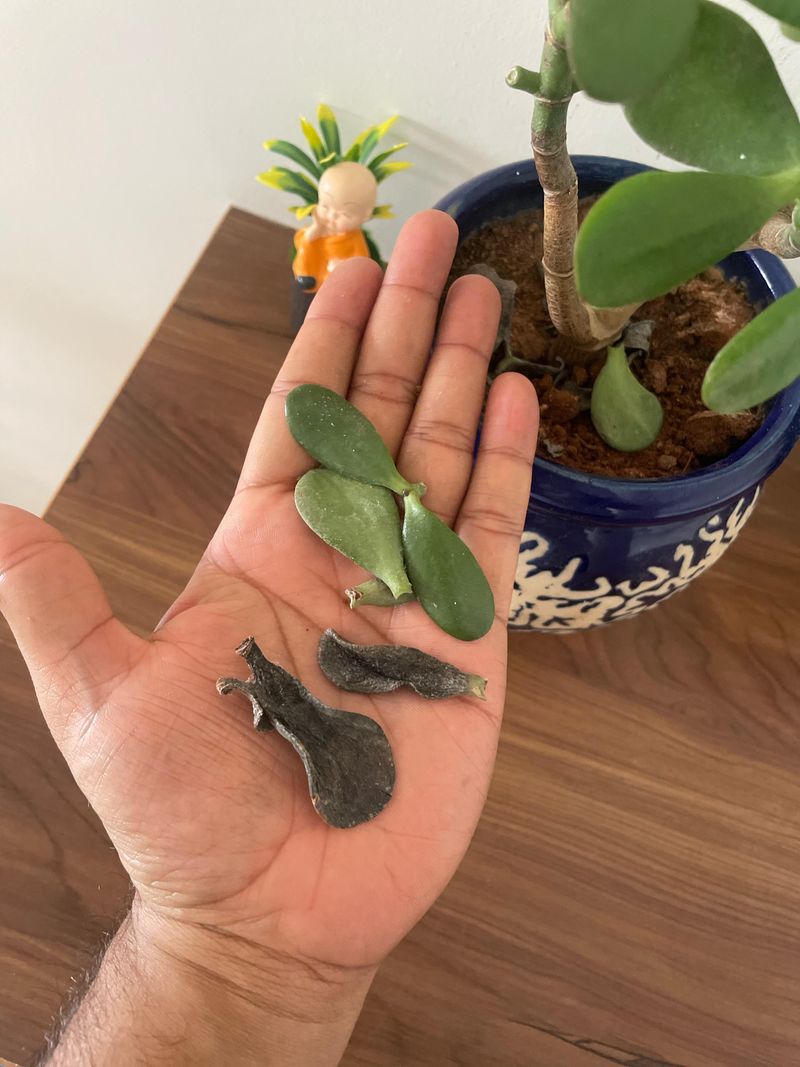
Moving to a new house is stressful for people. Believe it or not, plants feel something similar. When you move a jade plant to a new spot, it may drop a few leaves while it adjusts.
Lots of Pennsylvania plant owners set their jades outside on the porch or patio for summer. The plants love the fresh air and bright sun. Then fall arrives, and nights start getting chilly. Back inside they go.
That trip indoors is a big change. Suddenly, the plant has less light, drier air, and different temperatures.
It is no surprise that some leaves fall off. The same thing can happen when you bring home a new jade from the store or move it to another room.
Don’t panic if this happens. A little leaf drop after a move is normal. Usually, the plant settles down after a few weeks.
To make the switch smoother, bring outdoor plants inside before nights drop below 50°F. In much of Pennsylvania, that means mid to late September. You can also ease the change by moving the plant to a shady porch spot for a week first.
Once inside, pick the brightest location you have and leave it there. Try not to shuffle the plant around while it adjusts. Keep your watering routine steady and avoid fertilizing for a while.
Patience is the real secret here. Give your jade three to four weeks to get comfortable. Before long, it should stop dropping leaves and start pushing out fresh growth again. Those fallen leaves can even be planted in dry soil to grow brand new jade babies.
6. Pests Are Feeding On It
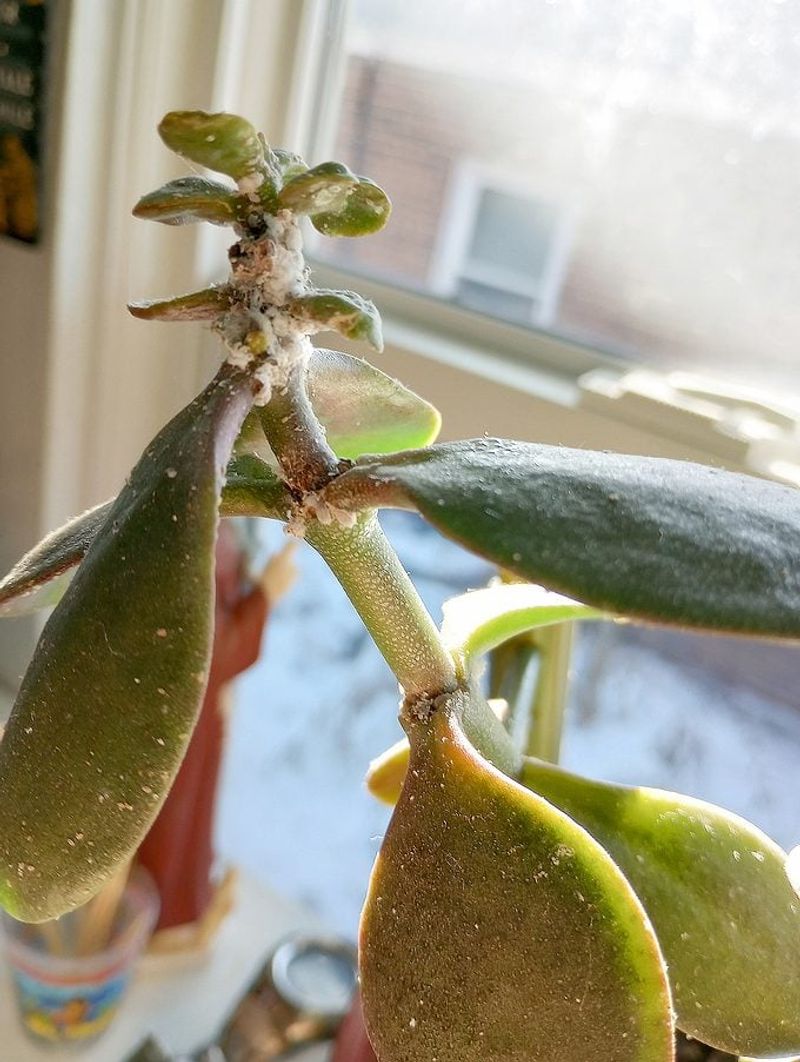
Tiny invaders might be the hidden reason behind your falling leaves. Two pests in particular love jade plants: mealybugs and scale insects. Both are small, sneaky, and easy to miss at first.
These bugs feed by sucking sap out of the plant. Sap is like the plant’s blood, carrying water and food to every part. As pests drain it away, the jade gets weaker and weaker. Eventually, it starts to drop leaves.
Mealybugs look like little bits of white cotton or fluff. They like to hide where leaves meet the stems and in tight crevices.
Scale insects look different. They appear as small brown or tan bumps stuck to stems and leaves. Many people mistake them for part of the plant.
You might also notice a sticky, shiny coating on leaves or nearby surfaces. That sticky stuff is called honeydew, and the bugs leave it behind.
Thankfully, you can handle these pests with a common household item. Grab some rubbing alcohol and a cotton swab.
Dip the swab and dab it right onto each bug. The alcohol breaks down their protective coating, and they wipe away easily.
Check your plant carefully, including under leaves and deep in the joints. Repeat the process every few days for a couple of weeks. New bugs often hatch from eggs you could not see the first time.
Keep the infested jade away from other houseplants until it is clean. Also, inspect any new plant before bringing it home. Pests often hitch a ride from garden centers, so a quick look can save you lots of trouble later.