Bats In Your Virginia Yard Are A Good Sign. Here’s Why
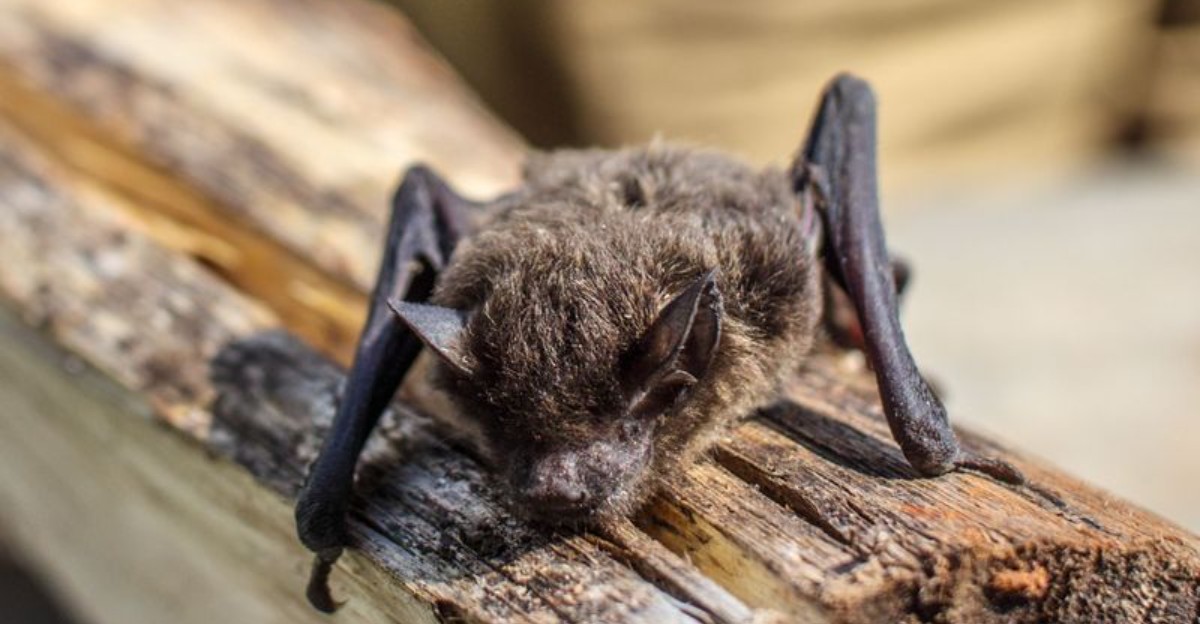
A tiny shadow zips past the porch light at dusk, and your first instinct might be to duck. That little flier is actually doing you a huge favor.
Bats in your Virginia yard are one of the best signs a homeowner could hope for. They gobble up bugs, protect your garden, and reveal something surprising about the land around you.
They also come with a few rules worth knowing. Safe handling matters, and so does the timing if you ever need to keep them out of an attic.
Some local species are facing serious trouble, which makes every backyard visitor even more valuable. Bat Week, running right through Halloween, is the perfect time to give them a second look.
These misunderstood night fliers deserve far more credit than they get. You might even find yourself wanting more of them around.
1. One Bat Can Eat Thousands Of Insects
Imagine eating your body weight in snacks every single night. Some bats pull off that wild feat, and your yard reaps the reward.
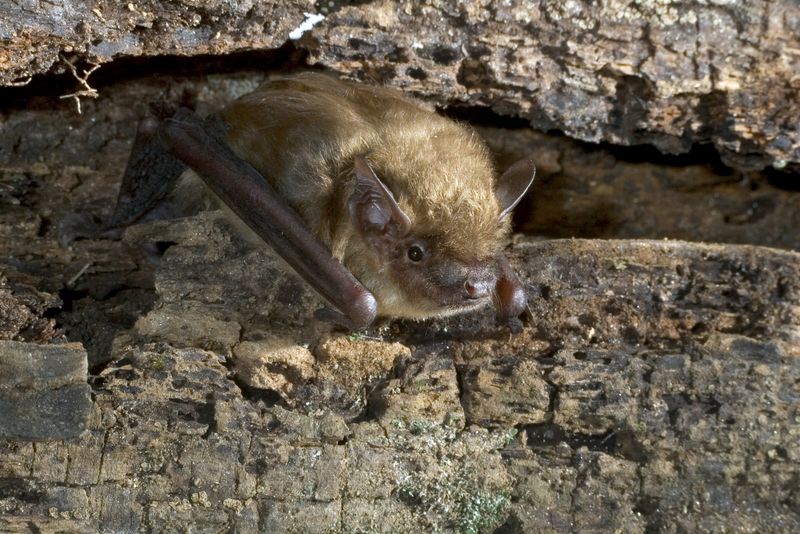
A single little brown bat can catch up to 1,000 insects in one hour. Many sources estimate 600 to 1,000 mosquitoes and other bugs per hour for one bat.
Nursing mothers are the true champions of the buffet line. A mother bat feeding her pup may eat around 4,500 insects in a single night.
Every bat in the eastern United States, including Virginia, eats only insects. You will not find any fruit-munching or blood-sipping species flying over your patio here.
Their menu is packed with mosquitoes, midges, moths, gnats, beetles, mayflies, and caddisflies. Big brown bats lean toward beetles, while Virginia big-eared bats favor moths.
So how do they find tiny bugs in total darkness? Bats use echolocation, sending out high-pitched calls and listening for the echoes that bounce back.
Here is a jaw-dropping number to share at your next cookout. A summer colony of 1,000 bats can eat over 2,200 pounds of insects in one season.
Want to see the show for yourself? Sit outside about twenty minutes after sunset and watch for quick, zigzag flights near streetlights or ponds.
Those sudden twists and dives are bats snagging dinner in midair. Each swoop means one less bug buzzing around your ankles later.
Fewer itchy bites and calmer summer evenings make a pretty good trade. Your backyard bats work the night shift for free.
2. They Help Keep Garden Pests In Check
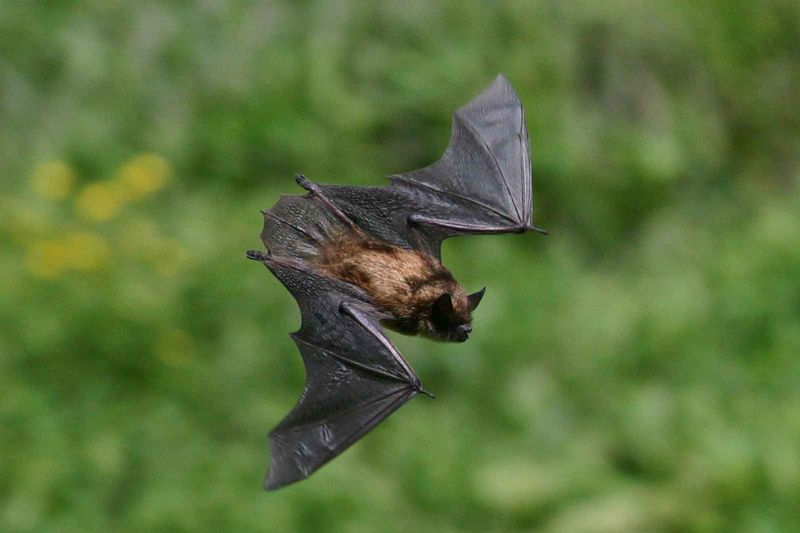
Gardeners, meet your new favorite coworker. While you sleep, bats patrol the tomato rows and corn stalks hunting the very bugs that chew your plants.
All of the state’s bat species feed on insects. Many of their favorite meals happen to be the pests that frustrate backyard growers most.
Big brown bats are especially handy around vegetable beds. They gobble June bugs, cucumber beetles, stinkbugs, and leafhoppers with great enthusiasm.
Moths are another big target on their nightly menu. Corn earworm moths and forest tent caterpillar moths both end up as bat food.
Catching adult moths matters more than you might guess. Each moth removed is one less mother laying eggs that hatch into hungry caterpillars.
Your Virginia Garden Changes Every Week. Your Plan Should Too.
Gardening in Virginia changes quickly throughout the season. Every Friday you’ll receive a simple weekly plan showing exactly what to plant, prune, fertilize, harvest, and protect so you never miss the right timing.
Bats also help reduce white grubs and Asiatic garden beetles. Those pests can turn a healthy lawn brown and patchy in a hurry.
Farmers notice the difference too. Studies show crop fields without bats can have 20 to 50 percent more insect pests.
Researchers estimate bats save American agriculture billions of dollars every year. That is a lot of value from creatures that weigh less than an ounce.
Fewer bugs often mean less need for chemical sprays. Cutting back on pesticides helps protect streams, pollinators, and the soil in your beds.
Here is a handy tip for growers. Plant night-blooming flowers like evening primrose to attract moths, which then draws hungry bats to your garden.
3. Bats Mean Your Yard Has A Healthy Ecosystem
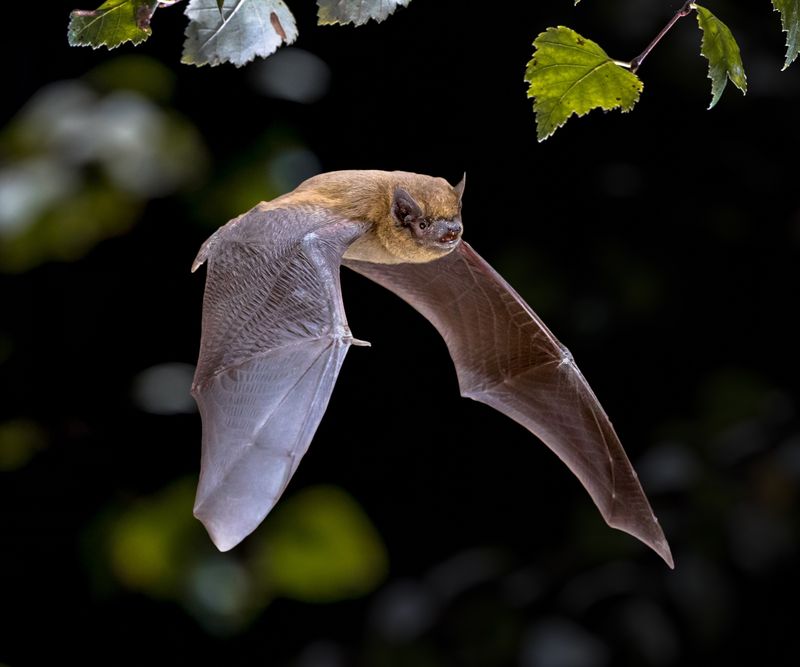
Think of bats as a report card for your property. When they show up night after night, your yard is earning solid grades.
Some bat species are sensitive to pollution and habitat changes. If your land supports them, it likely offers clean water, plenty of insects, and safe shelter.
Scientists actually track bat numbers to study wider wildlife health. A thriving bat population often signals strong biodiversity in the surrounding area.
Bats fill a special job as nighttime insect hunters. Birds handle the day shift, and bats take over once the sun drops.
That teamwork keeps food webs balanced. Without bats, certain insects could multiply quickly and throw the whole system out of whack.
Forests benefit from bat activity too. By eating leaf-munching bugs, bats help protect young trees and support healthy forest regrowth.
Even their droppings pitch in. Bat guano is rich in nutrients that can enrich the soil where it lands.
Want to make your yard even more welcoming? Leave a few weathered snags standing if they are safe, since peeling bark gives bats natural hiding spots.
A small water feature, native plants, and fewer bright outdoor lights also help. Each choice builds a better home for wildlife of all kinds.
So next time you spot a bat flickering overhead, feel a little proud. Your yard is doing something right.
4. White-Nose Syndrome Has Hit Virginia Bats Hard
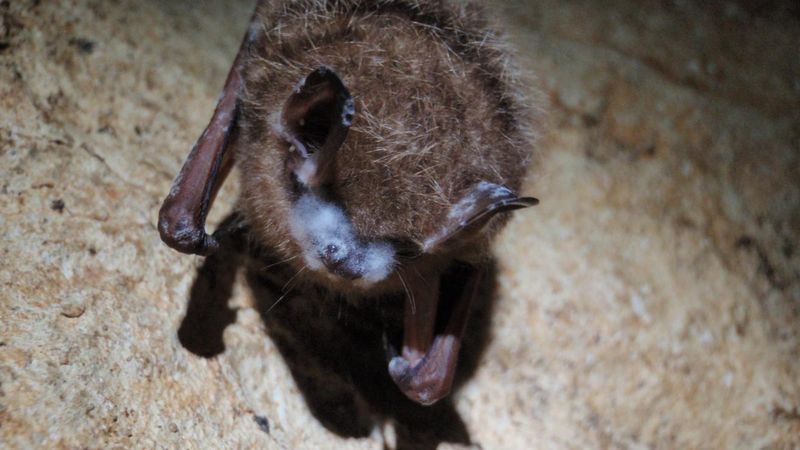
Deep inside chilly caves, a quiet crisis has unfolded for years. A fungal disease called white-nose syndrome has devastated bat colonies across the country.
The fungus thrives in cold, damp places like caves and mines. It grows on the skin, wings, and ears of hibernating bats, often appearing as white fuzz.
Infected bats wake up again and again during winter. Each wake-up burns precious fat they need to survive until spring.
Many leave their caves too early, searching for food that is not there yet. Sadly, millions of bats nationwide have been lost since 2006.
White-nose syndrome reached the state in 2009. Cave bats in the western part of the state took the biggest hit.
Little brown bats dropped more than 95 percent in some areas of the state between 2009 and 2012. Tri-colored bats fell by nearly 90 percent in that period.
Northern long-eared bats declined sharply as well. Endangered Indiana bats now sit about 80 percent below their historic numbers.
There is one bright spot worth celebrating. The Virginia big-eared bat seems mostly unaffected, possibly thanks to a natural chemical resistance.
You can help from home. If you explore caves, follow decontamination rules and respect seasonal closures that protect sleeping bats.
Fewer bats may mean more crop pests and higher costs for farmers. That makes every healthy bat in your yard more precious than ever.
5. Bat Week Runs Right Through Halloween
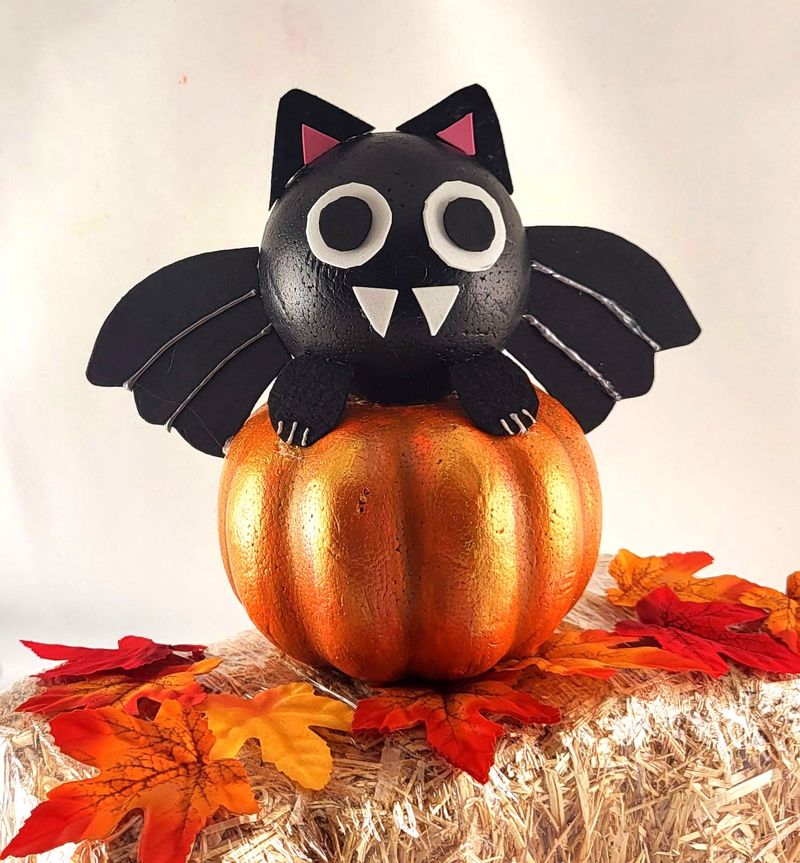
Spooky season has a secret star, and it is not the witch on your neighbor’s porch. Every October, bats get a whole week of their own.
Bat Week runs from October 24 through October 31 each year. The timing lines up with Halloween on purpose, when bats are already on everyone’s mind.
Organizers want people to swap fear for curiosity. The celebration aims to clear up myths and show why bats deserve protection.
A team of conservation groups and government agencies across North America runs the event. Schools, nature centers, and parks often join in with fun activities.
Around the world, bats pollinate plants, spread seeds, and control insects. Their big job is gobbling up night-flying bugs.
Families can celebrate in plenty of easy ways. Try a dusk bat walk, read a bat book together, or carve a bat-shaped pumpkin.
Kids especially love learning surprising bat facts. For example, bats are the only mammals that can truly fly.
Another fun idea is building a bat house as a family project. Fall is a great time to put one up before spring arrives.
Check with local nature centers or state parks for Bat Week events. Many host talks, crafts, or evening walks with bat detectors.
Halloween decorations suddenly feel a little more meaningful. Those paper bats on your window can start real conversations about conservation.
6. A Bat House Gives Them A Safe Place To Roost
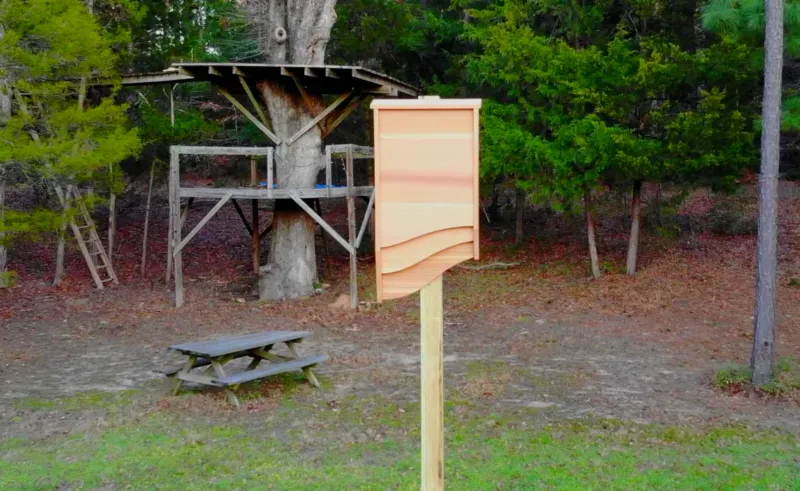
Old hollow trees used to be prime real estate for bats. As those trees vanish, a well-built bat house can fill the housing gap nicely.
Bat houses give bats a sheltered spot to rest and raise their young. Bonus, they keep your insect control crew living close by.
Design matters a lot. Look for narrow chambers about three-quarters to one inch wide, with rough interior surfaces for clinging.
Bigger usually works better. Aim for houses at least 24 inches tall and 14 to 16 inches wide, with an open bottom.
Choose cedar, redwood, or exterior grade plywood. Skip pressure-treated wood, and paint the outside a light shade like tan or gray.
Placement can make or break your success. Mount the house 15 to 20 feet high on a pole or building, not a tree.
Bats love warmth, so pick a spot with six to eight hours of sun. In Virginia mountains, east or west facing works well, while north facing may suit the coast.
South-facing houses can overheat in many parts of the state. Keep the house 20 to 50 feet from trees for quick escapes.
Water nearby is a plus, ideally within 1,500 feet. Avoid bright lights, wires, and busy roads.
Patience pays off here. Bats may take up to two years to move in, so do not give up early.
7. Never Touch A Bat With Bare Hands
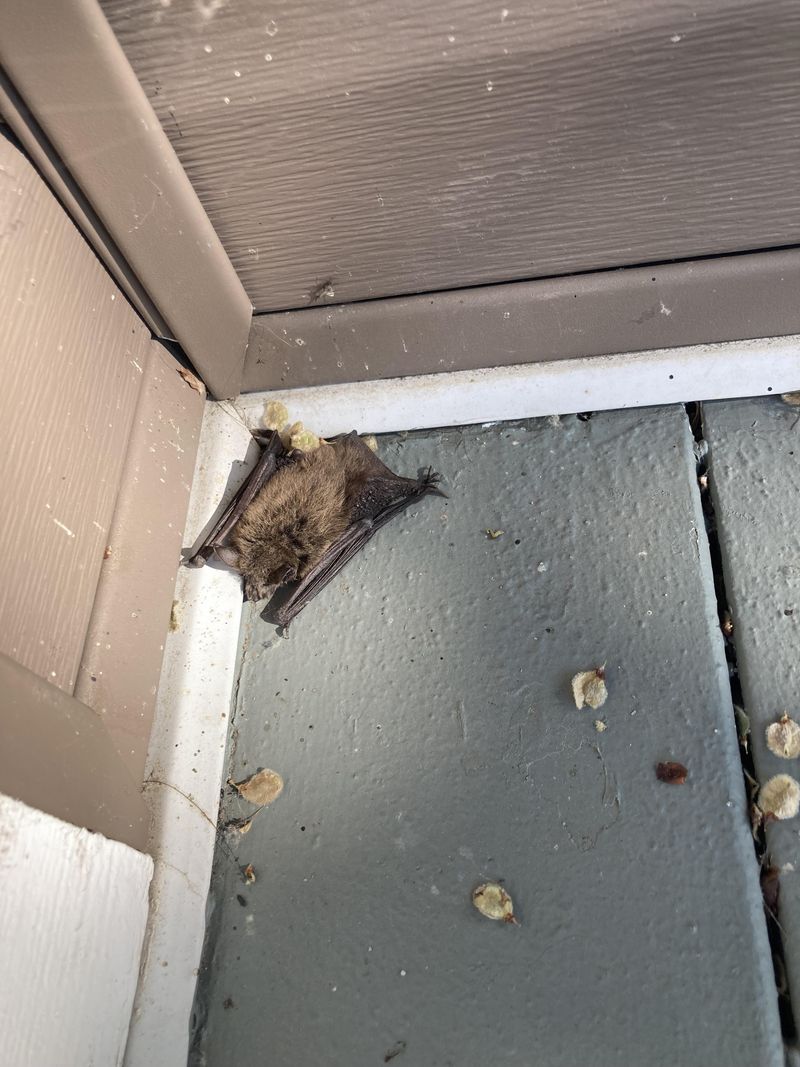
A bat on the ground can look tiny, helpless, and oddly cute. Even so, your bare hands should stay far away from it.
The main concern is rabies, a serious virus that attacks the nervous system. Once symptoms appear, it is almost impossible to treat.
Here is some reassuring news. Fewer than half of one percent of bats in the state carry rabies.
The tricky part is that you cannot spot rabies by looking. A sick bat may seem perfectly normal at first glance.
Watch for odd behavior as a warning sign. A bat out in daylight, unable to fly, or easy to approach deserves extra caution.
Bat bites can be surprisingly small. Some leave no clear mark or bleeding, so people may not realize they were bitten.
Any bite, scratch, or contact with bat saliva counts as a possible exposure. Wash the spot with soap and water for at least 20 seconds right away.
Then call your doctor without waiting. Rabies shots work well when given before symptoms start.
Pets need protection too. Keep rabies vaccines current for dogs and cats, since curious animals may paw at a grounded bat.
If you must move a bat, wear thick leather work gloves. Also avoid stirring up droppings, which can carry a lung fungus called histoplasmosis.
8. Found One Indoors? Here’s What To Do
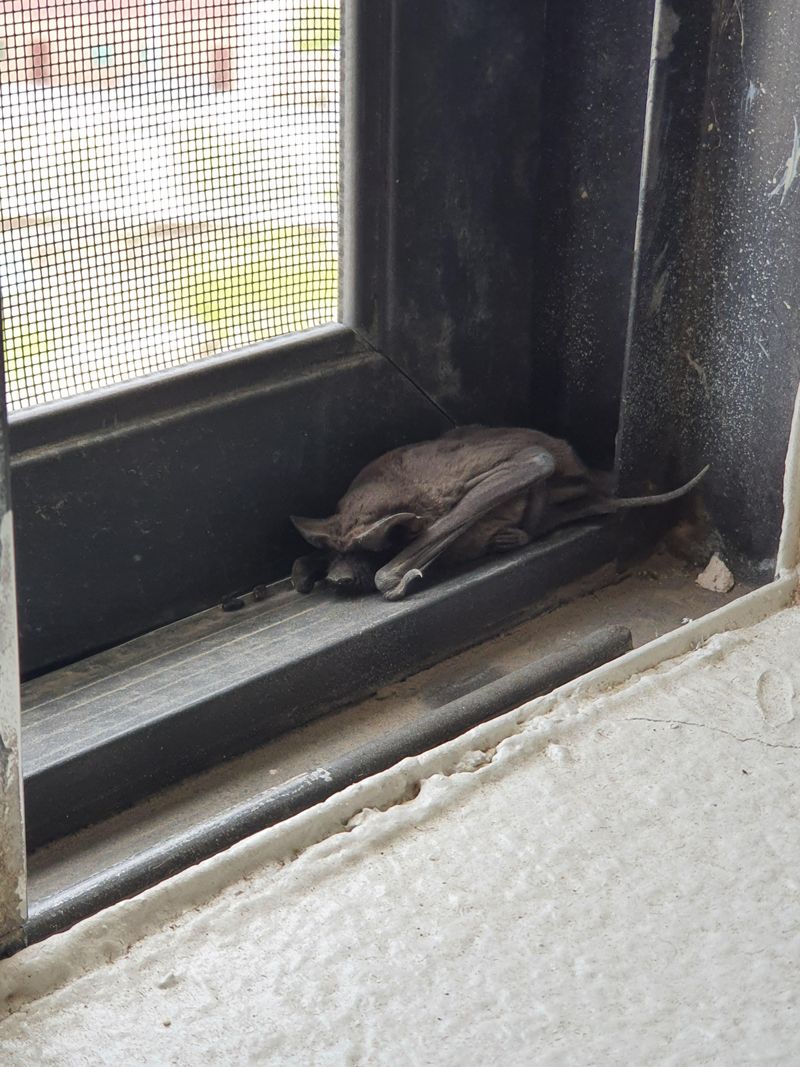
Few things wake you up faster than a bat looping around the living room. Take a deep breath, because a calm plan works much better than a broom.
First, move people and pets out of the room. Close interior doors so the bat stays in one space.
Next, think carefully about possible contact. Call your local health department if anyone touched the bat or a bite cannot be ruled out.
The same goes if the bat was near a sleeping person or young child. Those folks may not know they were bitten.
In those cases, the Virginia Department of Health suggests capturing the bat for rabies testing. Do not release it or throw it away.
No contact at all? Open an outside door or unscreened window, then turn off ceiling fans and dim the lights.
Leave the room and give the bat time. It may take a few hours to find its way out.
If capture is needed, put on thick leather gloves. Wait until the bat lands, then cover it with a plastic bowl or shoebox.
Slide stiff cardboard underneath to trap it safely. If testing is not needed, release it outside on a tree trunk or fence post.
Skip sprays, foggers, and poisons entirely. Poisoning bats is illegal in Virginia, and a wildlife pro can handle repeat visitors.
9. Summer Is The Wrong Time To Seal Bats Out
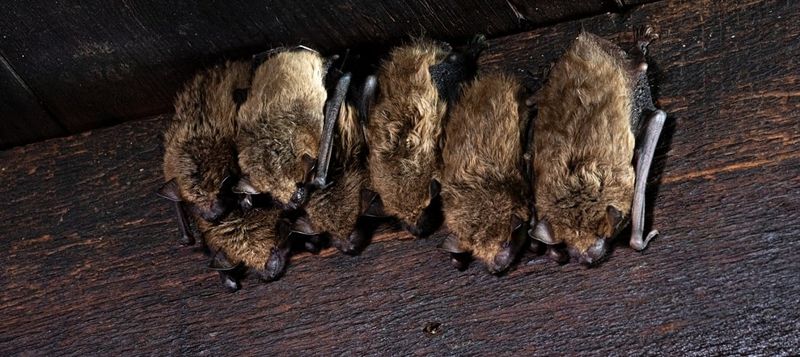
Hearing faint squeaks in the attic during July? Before you grab caulk and a ladder, hold off for a few more weeks.
From about mid-May through mid to late August, Virginia bats are in maternity season. Mothers gather in warm spots like attics to give birth.
Baby bats, called pups, cannot fly at first. They depend fully on their mothers for several weeks.
Sealing the adults out would trap those pups inside. The little ones would not survive without their moms.
That situation creates a whole new mess. Homeowners can face foul smells, health hazards, and extra repair bills.
There is a legal side as well. Licensed wildlife pros won’t exclude bats during this maternity window, and several state’s bat species are protected by state and federal law.
The better windows are early spring or late summer into fall. By then, pups are flying and can leave with the colony.
Humane exclusion uses one-way devices. Bats can fly out at night, but they cannot squeeze back in.
Once every bat is gone, seal all gaps and entry points. Even small cracks around vents or chimneys can let them return.
A licensed wildlife professional makes this process much easier. Pair exclusion with a nearby bat house, and your helpful neighbors can stay close without sharing your attic.