Which Desert Herb Keeps Mosquitoes Off Your Arizona Patio Longest — Lantana Wins Big
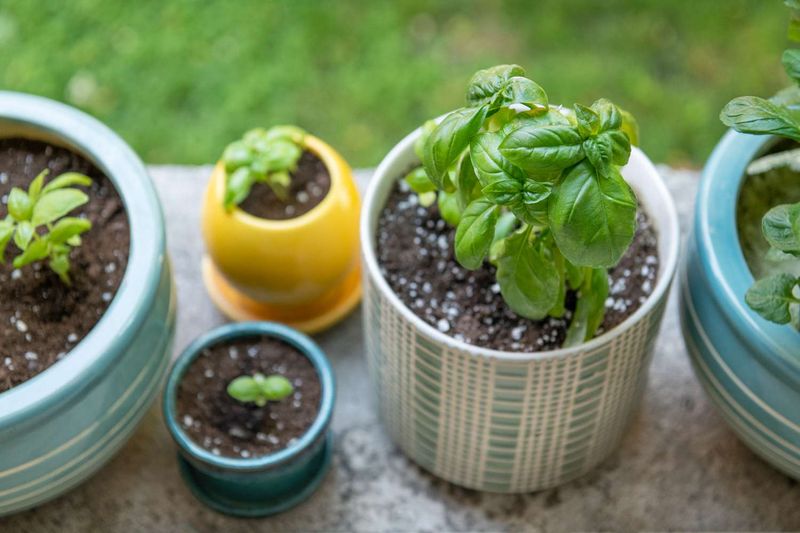
Sitting outside on a warm Arizona evening should feel relaxing, not itchy. The good news is that certain desert-friendly plants can make your patio a lot less inviting to mosquitoes while surviving brutal heat and needing very little water.
In this list, we rank the herbs and plants that keep pests at bay the longest, and one clear winner rises above the rest. Let’s meet the plants that help your yard work for you.
1. Lantana
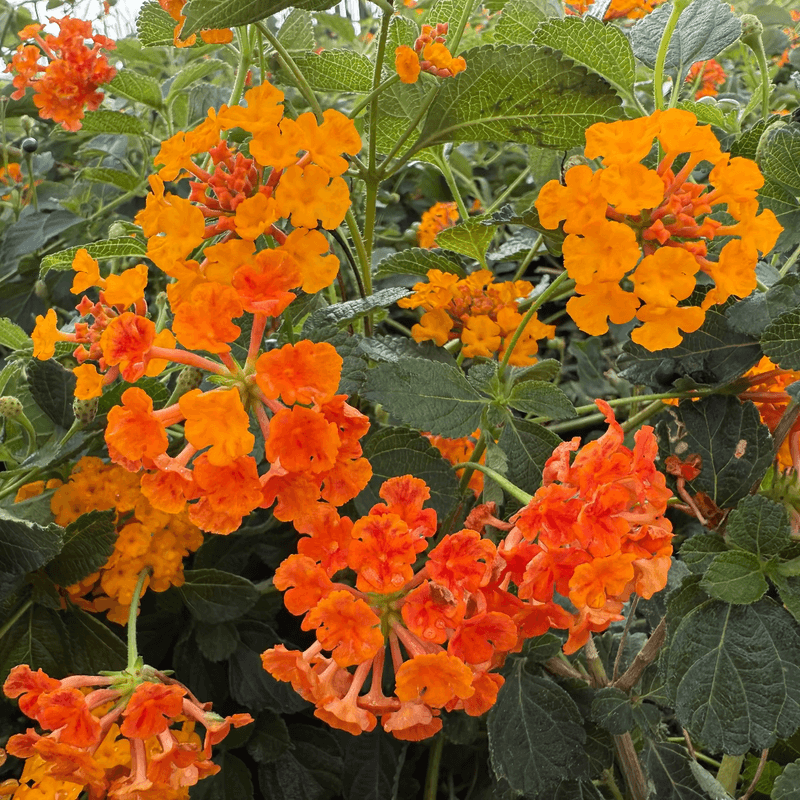
Bold color, tough attitude, and a scent mosquitoes can’t stand – that’s why Lantana takes the top spot. When you brush against its leaves, the foliage releases volatile compounds that pests find downright unpleasant, keeping them from settling near your seating area.
The essential oil in lantana leaves contains eucalyptol, alpha-humulene, and germacrene, substances that are toxic to mosquitoes. Some findings even suggest homes with lantana nearby saw roughly half as many mosquitoes as those without.
What makes it a champion for Phoenix and Tucson yards is how effortlessly it handles our climate. Lantana camara laughs off 100-plus degree days and reflected heat from walls and pavement, blooming from spring through fall and often nearly year-round.
Once established, it can get by on watering every 10 to 14 days in summer and barely any in winter. It also draws butterflies and hummingbirds, so your patio becomes a lively habitat.
One heads-up: the berries and leaves are toxic if eaten, and the foliage can irritate skin, so wear gloves and keep it away from curious pets and kids.
2. Lavender
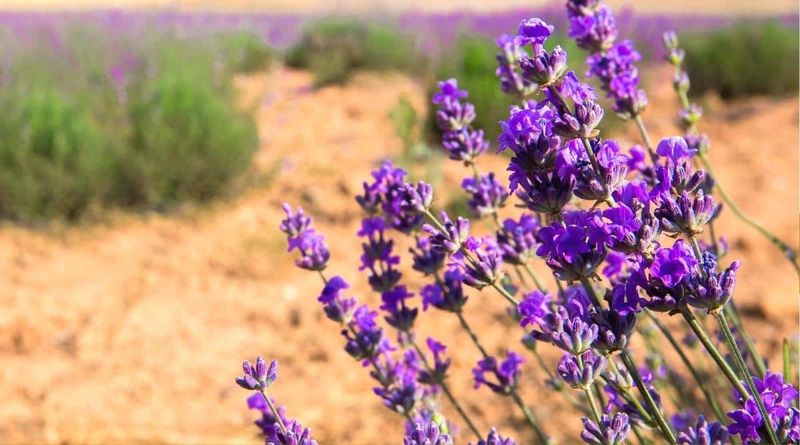
Few plants smell as calming to people while being so off-putting to bugs. Lavender’s sweet, resinous fragrance is exactly what mosquitoes, fleas, flies, and moths try to avoid, making it a smart border plant around a patio.
The same aromatic oils that scent your soaps and sachets act as a natural deterrent outdoors. Crush a few flower spikes between your fingers before you sit down, and the release of scent can help keep buzzing visitors at a distance.
In low-desert Arizona, lavender does best with excellent drainage and full sun, which suits our sandy and caliche soils once you loosen them up. Give it room for airflow so the crown stays dry and happy.
It sips water compared to thirsty ornamentals, fitting neatly into a water-wise yard. Pair it with gravel mulch to reflect heat away from the roots and prevent soggy conditions.
Bonus for the senses: those purple blooms pull in bees and butterflies, so you get pollinator traffic alongside pest relief. Snip a few stems to bring indoors for a fragrant, mosquito-shy bonus in the house.
3. Eucalyptus
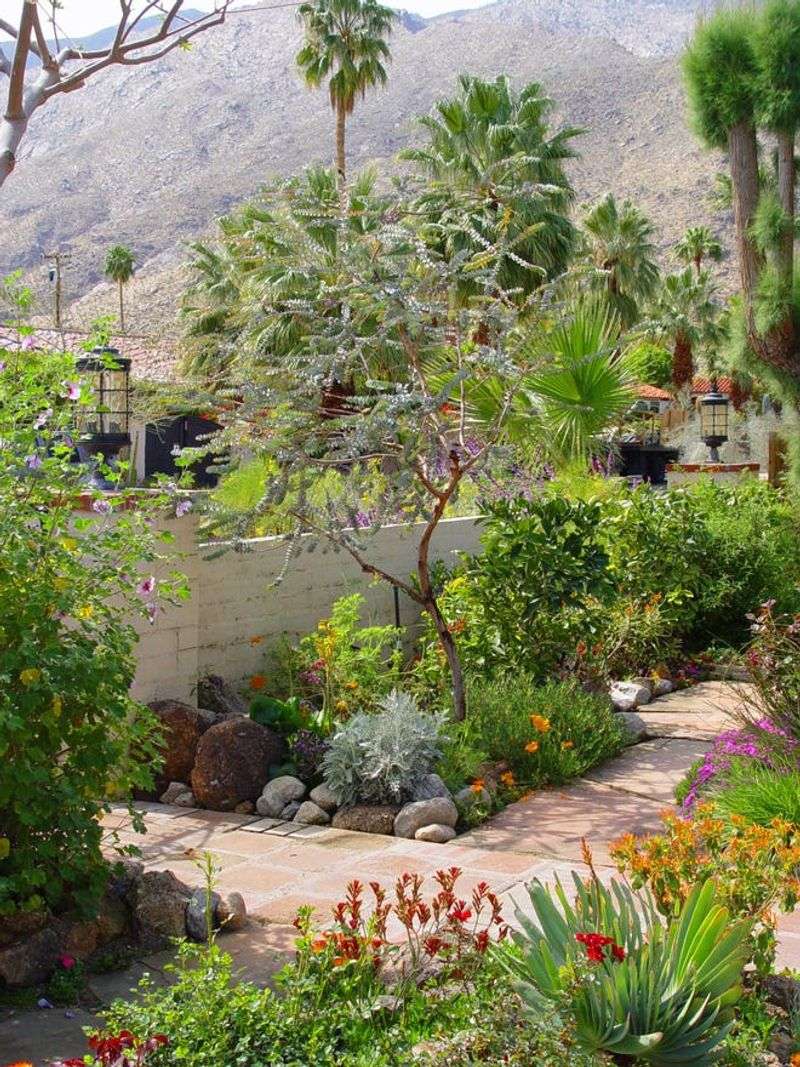
Tall, silvery, and packed with powerful oils, eucalyptus brings pest defense on a bigger scale. Its leaves carry potent aromatic compounds that can repel mosquitoes and other insects, casting a scented zone that helps shield the patio below.
Because it grows into a tree or large shrub, eucalyptus doubles as a shade provider, which matters a lot when afternoon temperatures climb past comfortable. Cooler, shadier spots also tend to feel less swarmy on summer evenings.
Your Arizona Garden Changes Every Week. Your Plan Should Too.
Gardening in Arizona changes quickly throughout the season. Every Friday you’ll receive a simple weekly plan showing exactly what to plant, prune, fertilize, harvest, and protect so you never miss the right timing.
Drought tolerance is another strong point. Once its roots settle in, eucalyptus handles dry stretches well, matching the low-water goals so many desert homeowners share.
You can also clip and dry the leaves, then tuck bundles indoors where their scent keeps working against pests. It’s a handy way to extend the plant’s usefulness beyond the yard.
Give it space, though, since some varieties get large and thirsty when young, so water steadily during establishment. Choose a spot with room to grow and good drainage, and you’ll gain both a fragrant pest buffer and welcome relief from the sun.
4. Rosemary
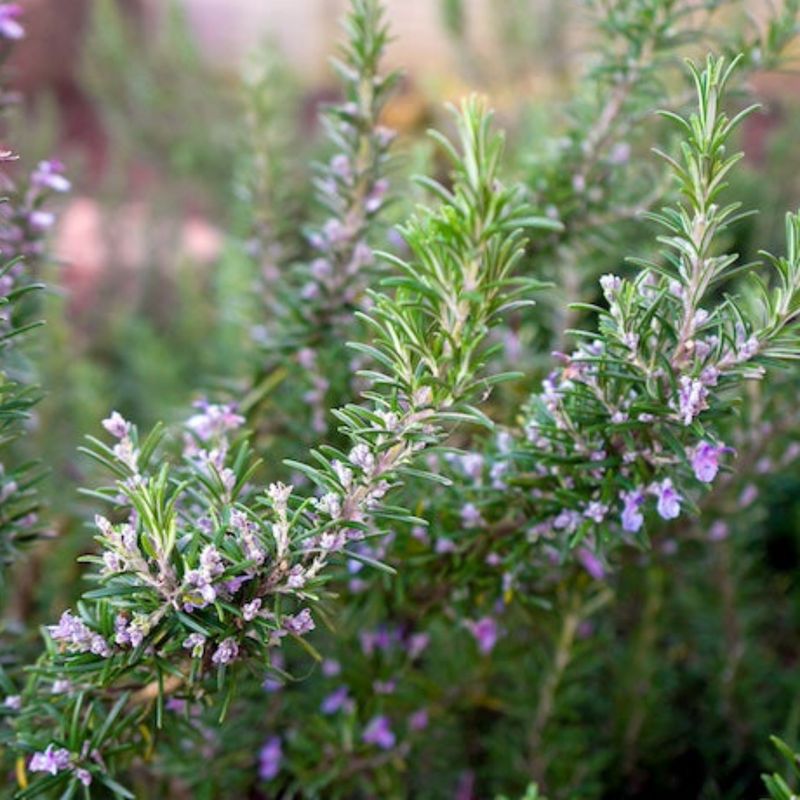
Here’s a kitchen staple that pulls double duty as a patio bodyguard. Rosemary’s piney, resin-rich scent is famously disliked by mosquitoes, and the woody shrub thrives in exactly the hot, sunny conditions Arizona serves up.
Set a few plants in pots near your chairs and the aroma intensifies whenever a breeze stirs the needles. Toss a sprig onto a grill or fire pit and the smoke adds another layer of bug-shy fragrance.
Rosemary shrugs off drought like a champ, wanting sharp drainage and full sun rather than pampering. That makes it a low-fuss fit for gravel beds and raised planters where water drains fast.
It stays evergreen through our mild winters, so the deterrent effect lingers across seasons rather than vanishing after one bloom cycle. Little blue flowers also invite bees when it flowers.
And unlike some plants on this list, rosemary is safe to snip for dinner, so your pest patrol seasons the roast chicken too. Keep it trimmed into a tidy hedge or let it sprawl as informal groundcover along the patio edge.
5. Marigold
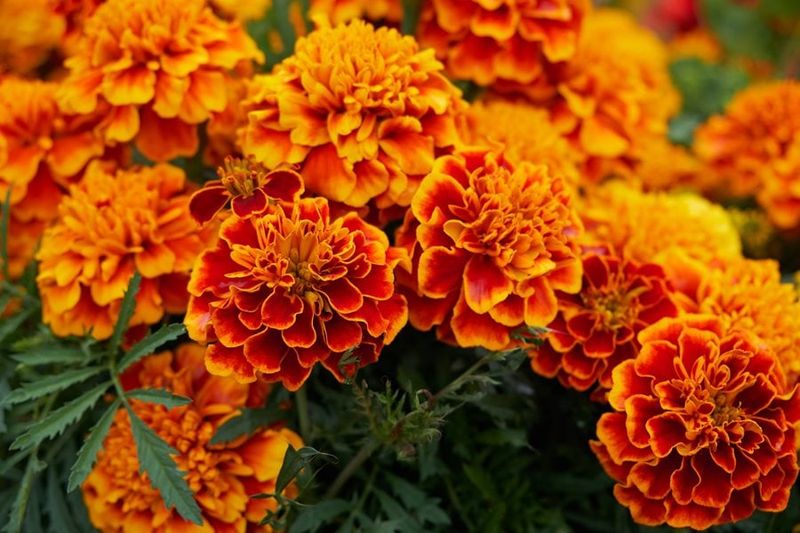
Cheerful and hardworking, marigolds earn their patio spot with a scent bugs would rather skip. Their blooms contain natural compounds that many gardeners rely on to discourage mosquitoes and other unwanted insects around gathering spaces.
Plant them in a ring around your seating zone or tuck pots along the steps, and you get a bright, low border that quietly works against pests. The orange and yellow flowers also add instant warmth to a xeriscaped yard.
In the low desert, marigolds appreciate full sun and hold up through heat when watered while getting established. They’re fast to bloom, so you don’t wait long for both color and coverage.
Their reputation as companion plants is well earned, since gardeners often pair them with vegetables to help protect nearby crops. That same protective quality carries over to a patio setting.
Deadhead spent blooms regularly and they’ll keep flowering for months, stretching the deterrent effect across the warm season. Easy from seed and easy on the budget, marigolds are a friendly first step for anyone testing plant-based mosquito control.
6. Basil
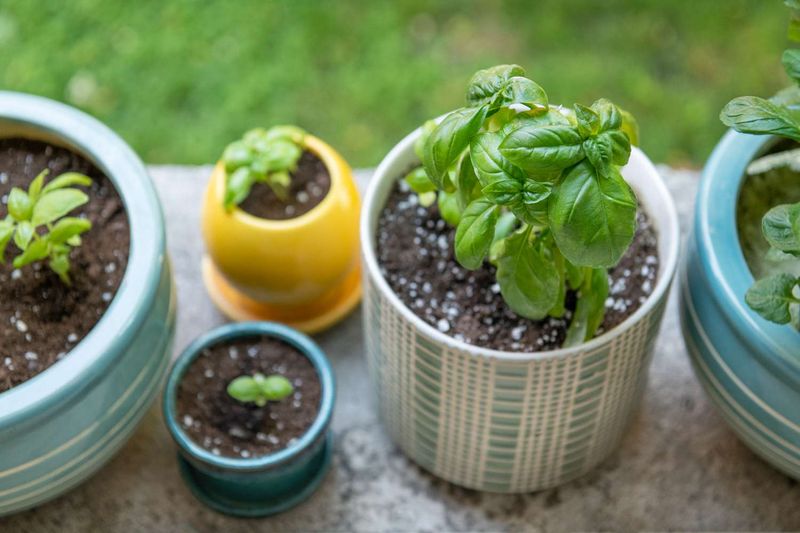
Pinch a leaf, and the sharp, spicy aroma tells you immediately why mosquitoes give basil a wide berth. That pungent oil, so wonderful in your cooking, doubles as a scent barrier when the plant sits close to where you relax.
Unlike some picks here, basil prefers a little kindness in the desert. Give it morning sun with afternoon shade and consistent moisture, and it rewards you with dense, fragrant foliage all season.
Containers are your friend, since pots let you move basil into the coolest microclimate on the patio and keep it right where you snack and sit. A cluster of pots creates a mini scent zone that discourages landings.
The strongest deterrent comes from disturbing the leaves, so brush them or crush a stem now and then to release more of that aroma. A pot on the table works overtime during dinner outdoors.
Best of all, you can harvest handfuls for pesto and salads, turning a pest defense into fresh flavor. Keep it pinched back to stay bushy and productive through Arizona’s long warm stretch.
7. Lemongrass
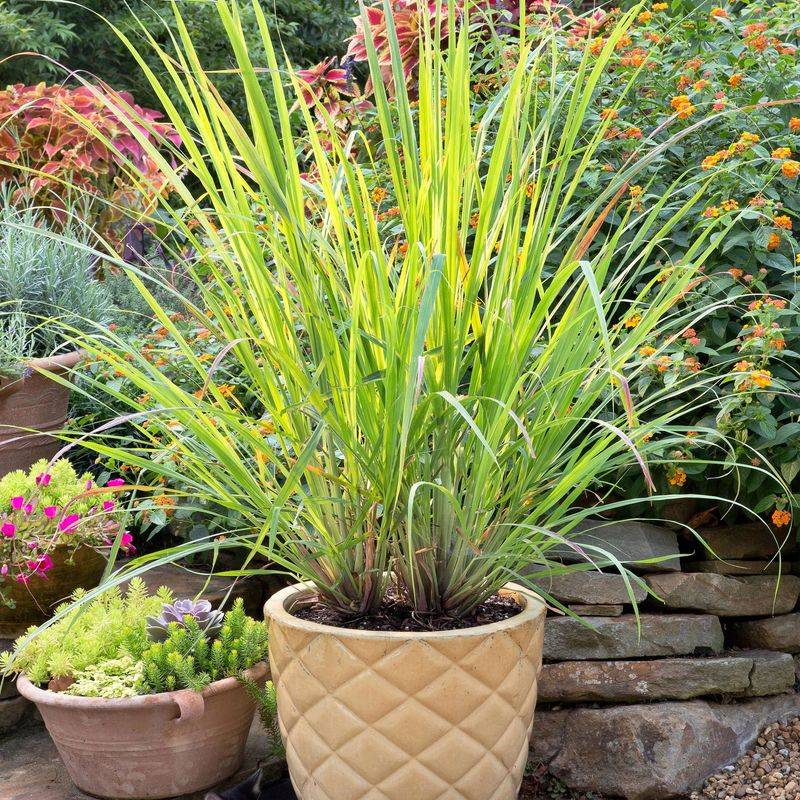
The source of that familiar citronella scent grows right in a pot on your patio. Lemongrass carries the same lemony oils used in countless mosquito products, so a healthy clump acts like a living version of those backyard candles.
Its arching, grassy blades create a fresh, sharp fragrance that intensifies when brushed or bruised. Position it near doorways and seating so foot traffic keeps releasing the scent.
Heat suits lemongrass perfectly, which is great news for Phoenix and Tucson yards during the long, hot summer. It grows fast into a bold, fountain-like clump that adds texture to a patio grouping.
Water needs run a bit higher than the toughest desert plants, so give it regular drinks during peak heat and good drainage to avoid soggy roots. A large container helps you manage that watering while keeping it contained.
When cooler weather arrives, you can trim it back or move pots to a protected spot, since it dislikes hard frost. Snip stalks for tea or cooking, and you’ve got a fragrant, mosquito-shy plant that earns its keep in more ways than one.