Why California Ground Squirrels Are More Visible On Cooler Fall Mornings
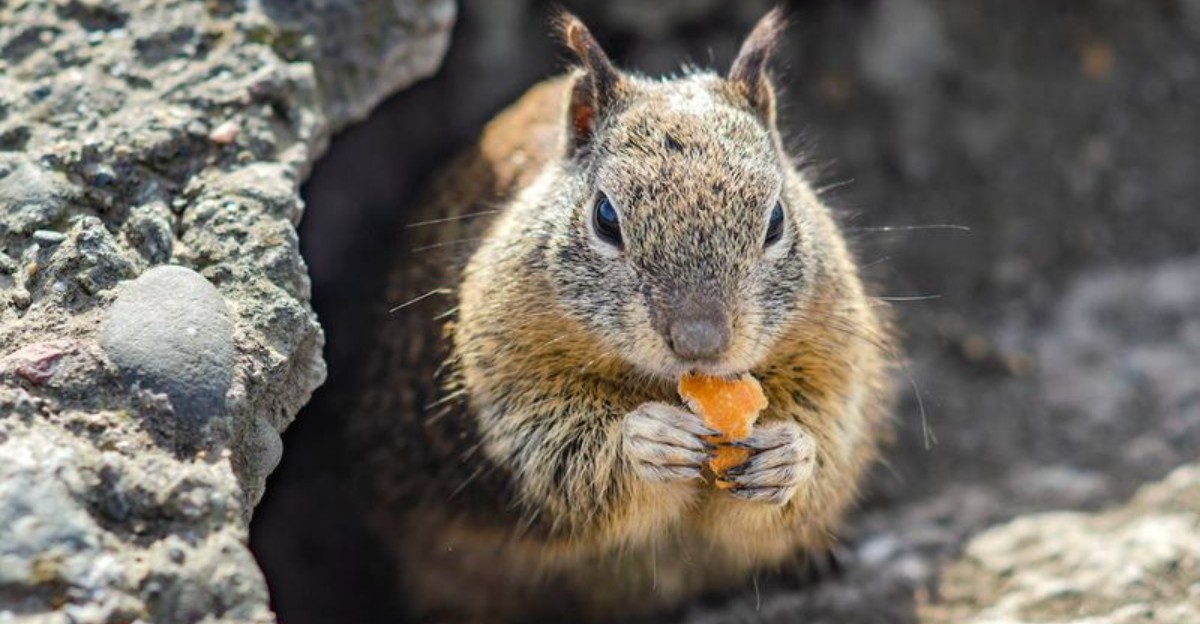
California ground squirrels can seem to appear out of nowhere on crisp fall mornings. Yards that looked empty all summer suddenly fill with chattering, darting tails and fresh dirt mounds.
Most of those squirrels didn’t just move in. They were there all along, hiding from the heat or resting underground.
The UC Statewide IPM Program explains that these squirrels are active during the day, avoid intense heat, and switch to eating seeds from late spring through fall.
Together, those habits make cool, sunny mornings prime time for sightings.
Behavior varies from the mild coast to hotter inland valleys, but understanding the pattern helps gardeners protect their plants and enjoy watching a busy little neighbor.
1. Heat No Longer Drives Them Underground
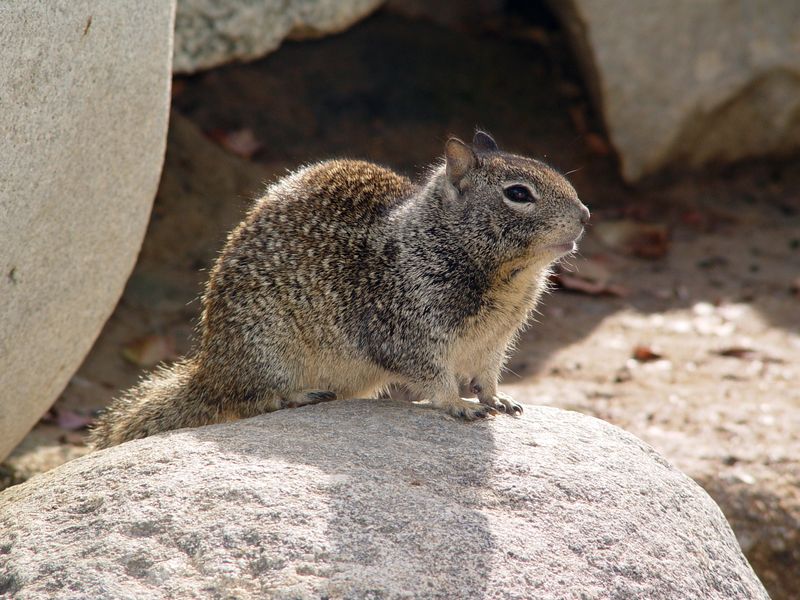
A July afternoon in the Central Valley, with the thermometer pushing past 100 degrees, sends just about everyone looking for shade. Ground squirrels are no exception, and their burrows stay much cooler than the scorching surface above.
According to UC IPM, California ground squirrels avoid intense midday heat during warm weather. On hot summer days, they often do their business early and late, then vanish below ground for long stretches.
A yard can look completely empty even though a whole colony lives just under the lawn. That’s why summer sightings can be so misleading.
Fall changes the math. As temperatures drop, the surface becomes comfortable for much more of the day.
Squirrels no longer need to rush back into their tunnels after a quick snack. They can linger, groom, sunbathe, and forage in the open for longer periods.
More time above ground simply means more chances to see them. The population hasn’t magically grown, since the weather has just stopped chasing them out of sight.
A simple notebook by the window makes this easy to test over a few weeks.
Recording the temperature and the number of squirrels spotted each morning often reveals a clear link between milder weather and busier burrow mounds.
Results vary by location. Coastal yards with mild summers may show less of a swing than hot inland spots.
The pattern still makes sense for a small animal wearing a permanent fur coat.
2. Cooler Sunny Mornings Bring Them Out
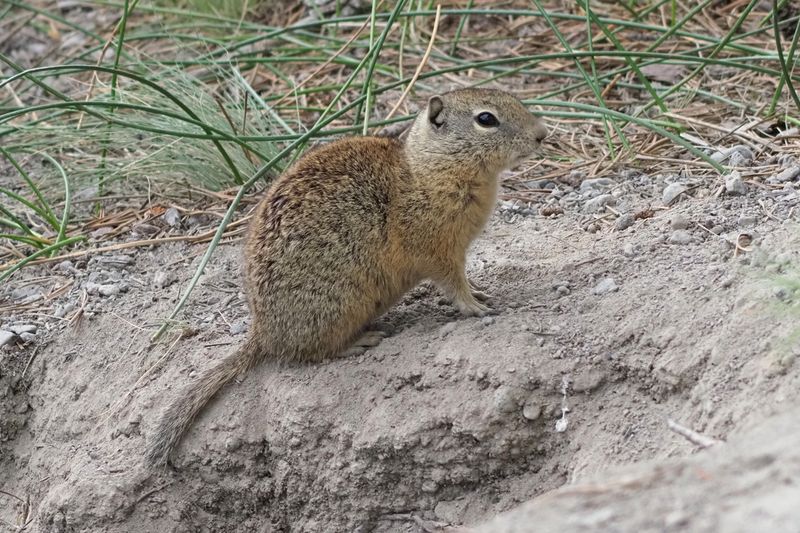
Sunshine works like a free heater for a ground squirrel. On a chilly fall morning, one may lie stretched flat on a warm rock or sidewalk, charging up for the day rather than being lazy.
UC IPM notes that during cooler months, these squirrels are active during sunny periods. Small animals lose body heat quickly, so a bright patch of sun helps them warm up without burning extra energy.
Once they feel warm and ready, they head off to feed. Cloudy, cold, or rainy days often tell a different story.
Squirrels may stay tucked inside their burrows to wait for better conditions. Five squirrels yesterday and none today usually points to the weather rather than a sudden mass departure.
Fall mornings across much of California offer a sweet combination of cool air, bright sun, and low, golden light.
Your California Garden Changes Every Week. Your Plan Should Too.
Gardening in California changes quickly throughout the season. Every Friday you’ll receive a simple weekly plan showing exactly what to plant, prune, fertilize, harvest, and protect so you never miss the right timing.
Those conditions draw squirrels into the open and make them easier to see. Mottled fur stands out nicely against dry grass in that slanting light.
A sunny morning after a cool night makes the best time for spotting them. Open, south-facing areas near rocks, fence lines, and bare soil warm fastest and attract the most activity.
Binoculars and a few minutes of stillness help a lot for anyone watching. Squirrels often enjoy a long sunbath before they start nibbling, a bit like a slow morning stretch before breakfast.
3. Some Adults Rest During Late Summer Heat
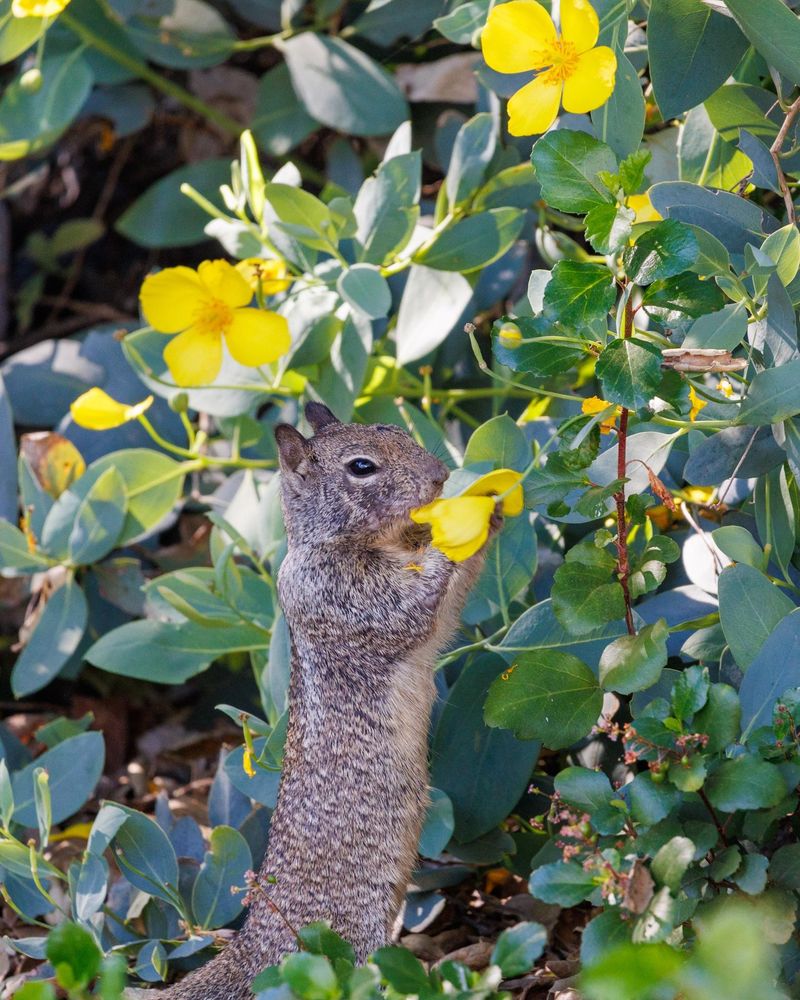
Sometimes the squirrels really were gone, at least from view. Late summer can be rough on California wildlife, with grass drying out, green food disappearing, and afternoons baking the hillsides.
UC IPM explains that some adult ground squirrels become temporarily dormant in late summer. Scientists call this state estivation.
It resembles hibernation, but it happens during hot, dry periods instead of cold ones. Squirrels slow down underground to save energy when food is scarce or temperatures turn extreme.
Not every adult does this, and timing varies from place to place. Hotter inland areas are more likely to see it than mild coastal neighborhoods near the ocean.
Food supply matters, too. A well-watered yard with plenty to eat may keep some squirrels active longer into summer.
Cooler weather then brings quite a surprise. Adults that were resting may become active again, joining younger squirrels already above ground, and the population can seem to double overnight.
In reality, many of those squirrels were right underfoot the whole time. A quiet August doesn’t mean a squirrel problem has solved itself.
Burrows that look abandoned may still be in use. Fresh tracks, clipped plants, or loose soil are worth watching for before filling holes or planting new beds.
A few weeks of observation reveal far more than one hot, silent afternoon ever could. Patience pays off when sizing up a colony.
4. Seed Foraging Peaks Before Winter
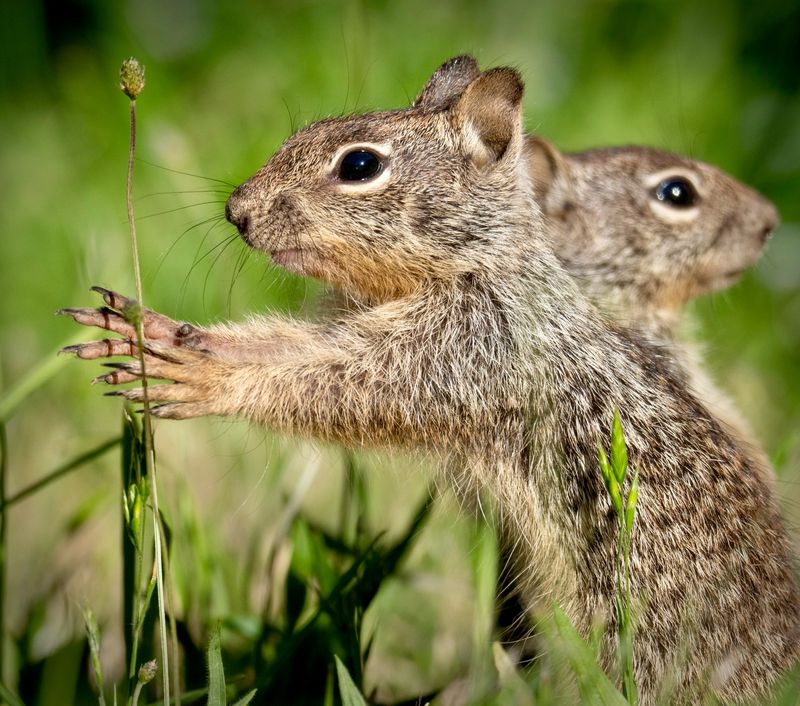
Bulging cheeks are the giveaway. A ground squirrel watched in early fall may have its face puffed out like a tiny balloon, with cheek pouches packed full of seeds.
UC IPM reports that the squirrel diet shifts over the seasons. In late winter and spring, they mostly eat green grasses and leafy plants.
From about mid-May through October, the menu changes to seeds, grains, and nuts. Dry wild oats, filaree seeds, acorns, and garden crops all make the list.
Seeds are rich in energy, which matters a lot before the colder months. Squirrels eat what they can and also carry food back to their burrows.
All that gathering means lots of trips across open ground. Each trip offers another chance for a sighting from the window.
Gardeners feel this shift quickly. Fruit and nut trees, vegetable gardens, and freshly sown seed beds can attract hungry visitors, with fallen almonds, pistachios, and sunflower heads especially tempting.
Picking up dropped nuts and fruit reduces the buffet. Hardware cloth or floating row covers over new seed plantings help, and prompt harvesting keeps ripe crops from sitting out too long.
Bird feeders can leak seeds onto the ground, so regular cleanup makes a difference. None of this makes squirrels vanish, but a smaller snack bar means fewer regular customers.
In nature, the busiest restaurants are usually the ones serving free food.
5. Young Squirrels Stay Active Through October
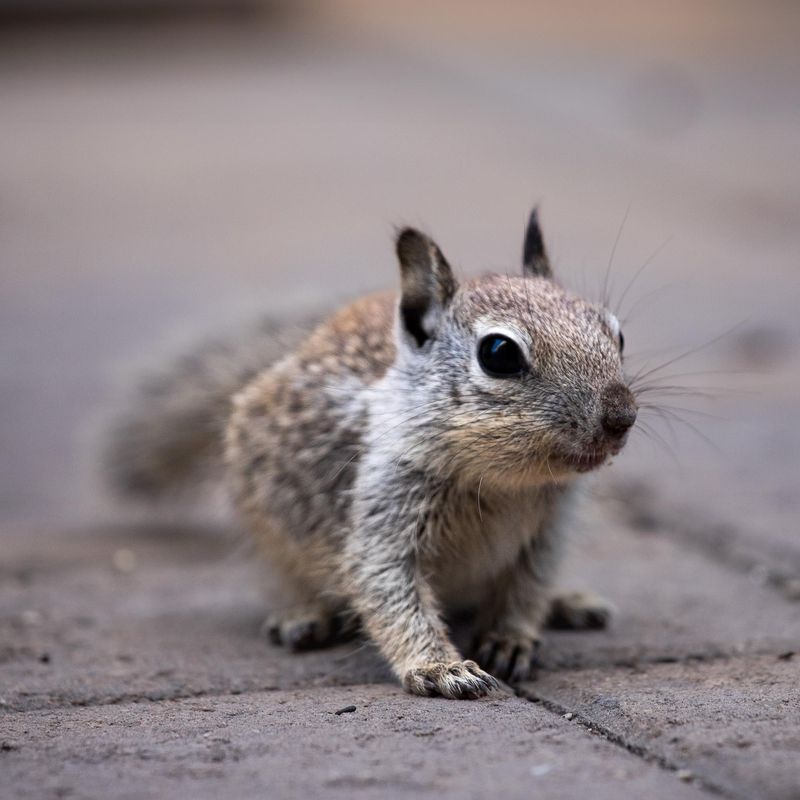
Smaller, bolder, and a little clumsy, juvenile squirrels are hard to miss. One might tumble off a mound or chase a sibling around a garden bed with plenty of enthusiasm.
Young ground squirrels are born in spring. According to UC IPM, while adults may slow down or rest during late summer, young squirrels stay active through October.
That keeps a steady stream of furry activity going even when some older squirrels are out of sight. It also explains why fall yards can feel so lively.
Juveniles tend to be less cautious than adults. Without experience of every danger, they often wander farther from burrows and stay out longer.
That boldness makes them easier to spot than wary adults. Many people mistake a group of young squirrels for a brand-new invasion.
By fall, these youngsters are busy building up body fat for the cooler months ahead. That means plenty of eating, exploring, and testing new feeding spots, including the vegetable patch.
Watching from a distance can turn into a fun learning moment for the whole household. Comparing sizes, behaviors, and how often each squirrel scans for danger reveals a lot.
Young ones sometimes freeze instead of running.
Hands-off observation is important. Ground squirrels can carry fleas and diseases, so feeding or handling them is best avoided.
Binoculars from the porch offer a front-row seat without the risks.
6. Mid-Morning Is Their Best Feeding Window
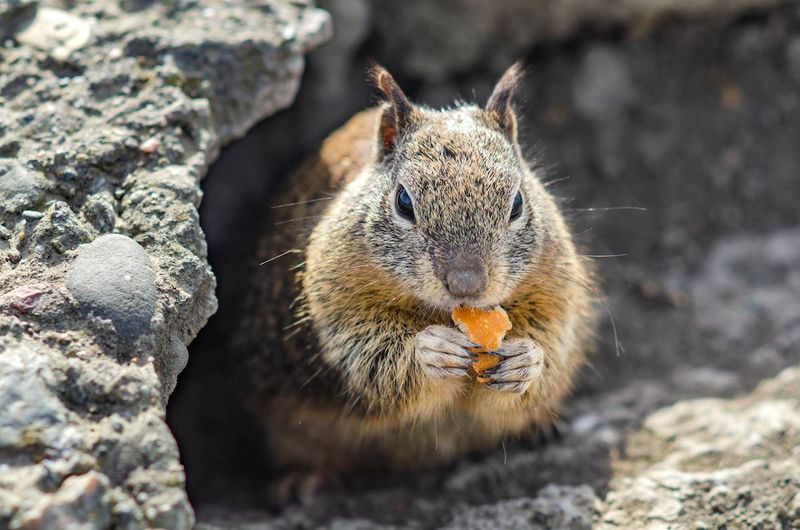
Coffee comes before squirrel watching. Unlike many wild animals, ground squirrels aren’t early risers at first light and prefer to let the sun do some work before getting started.
UC IPM describes California ground squirrels as active during the day, with the most activity from mid-morning through late afternoon in mild weather. Mid-morning stands out as a key feeding time.
After warming up, squirrels head out to eat in earnest. That focus makes them easier to observe.
Fall stretches this window in a helpful way. In summer, heat can shorten comfortable hours and push squirrels underground by midday.
On cooler fall days, they may feed steadily from mid-morning well into the afternoon. More eating time equals more sightings.
Timing matters for garden management, too. A count between roughly 9 and 11 in the morning on a sunny day gives the clearest picture of how many squirrels are around.
Noting where they feed and which burrows see the most traffic adds useful detail. Wildlife experts often use this same timing to judge activity before choosing any management approach.
A good count helps determine whether simple steps, like fencing or removing food sources, will do the job. A few squirrels may even be perfectly fine to live with.
A lawn chair and a little patience turn mid-morning watching into something like checking the brunch crowd at a busy cafe.
7. Fresh Burrow Work Adds To Visibility
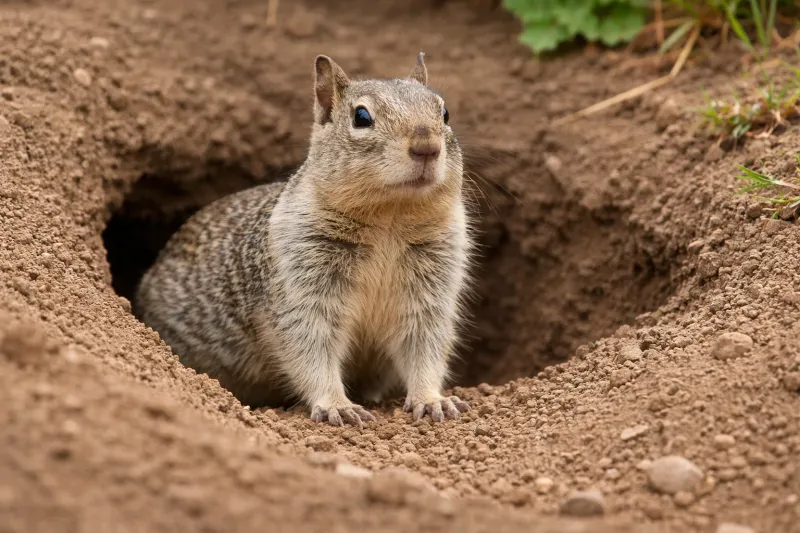
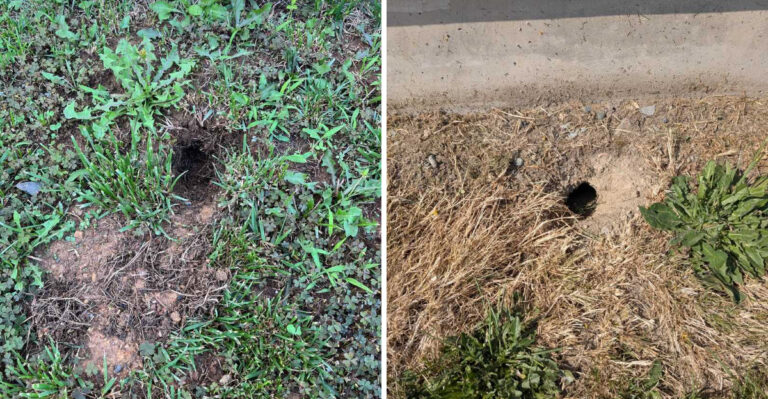
Spilled dirt tells a story. A lawn that looked normal one morning may show a fan of loose soil beside a round hole the next, and the dog isn’t to blame.
Ground squirrel burrows usually measure about four inches wide, according to UC IPM. They can stretch 5 to 30 feet long, or even longer, and often sit 2 to 4 feet below the surface.
Squirrels keep adding to these tunnel systems, and the extra dirt has to go somewhere. Fresh mounds stand out especially clearly in fall.
Dry, pale soil contrasts sharply with surrounding grass and leaf litter. Even when squirrels stay hidden, their construction projects announce their presence loud and clear.
Burrows often appear along fence lines, under sheds, near tree roots, around rock piles, and on slopes. These spots give squirrels both cover and an easy escape.
Burrowing near foundations, retaining walls, and irrigation lines can cause real damage over time. That makes early detection well worthwhile.
Active burrows usually show fresh soil, worn paths, tracks, and droppings nearby. Old burrows may have cobwebs or loose debris across the opening.
A simple trick helps sort them out. Loosely plugging suspected holes with crumpled newspaper or soil and checking the next day reveals which ones are still in use.
Efforts can then focus on the right areas instead of guessing in the dark.
8. Hibernation Starts Soon After
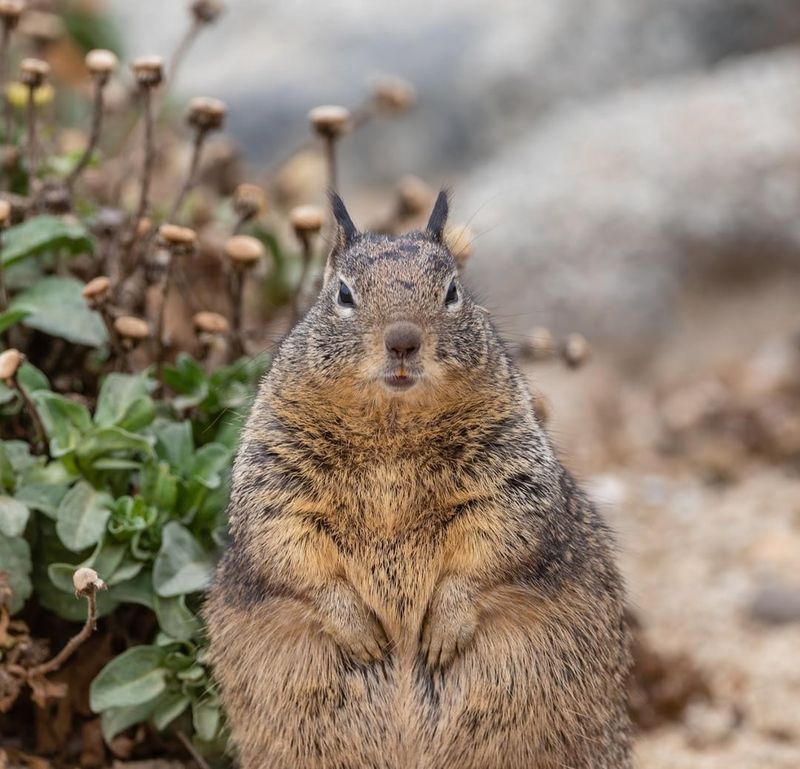
The show won’t last forever. Busy fall mornings are often the final act before a quieter season, and once colder weather settles in, many ground squirrels head underground for a long rest.
UC IPM notes that adult ground squirrels are generally active from mid-January through October. Many then hibernate during the coldest part of winter, especially in inland areas with chilly nights and frost.
Burrow mounds may sit untouched for weeks, and yards can seem empty again. That quiet stretch is part of the natural cycle, not a sign of permanent departure.
Location changes everything. In coastal Southern California, where winters stay mild, squirrels can remain active all year.
A December hillside near the beach may still host a sunbathing squirrel or two. Inland valleys and foothills are more likely to see true winter hibernation.
Late winter brings them back, often before the first spring flowers. Adults wake up and feed heavily on fresh green grasses before breeding season begins.
Spring births restart the whole cycle, leading right back to those lively fall mornings. The pattern repeats year after year with remarkable consistency.
Gardeners can use the quiet months wisely. Planning fencing, protecting young trees with wire cages, and mapping old burrow locations all make sense during this lull.
Fixing problems early is far easier than playing catch-up in spring. A little winter planning sets the stage for a calmer season ahead.