10 Fall Vegetables Florida Gardeners Should Plant Right Now
Ask a Florida gardener when the best growing season starts, and half of them will say spring. Wrong answer.
Tomatoes, squash, and cucumbers crave warmth, but they also battle blazing sun, soaking storms, and every bug in the state. Fall flips the script.
Gentle days, cool nights, and fewer pests give a whole group of crops exactly the weather they want.
Ten vegetables fit the bill right now, and the lineup is broader than most people expect. Some are ready to eat in under a month.
Others take longer but reward your patience with harvests that run into winter. A handful don’t grow well anywhere else in the year.
Timing is the whole game. The fastest ones will close their window soon.
Pick up your seeds this weekend. Your empty bed has a lot to give.
1. Broccoli, An Easy Crop To Start From Transplants
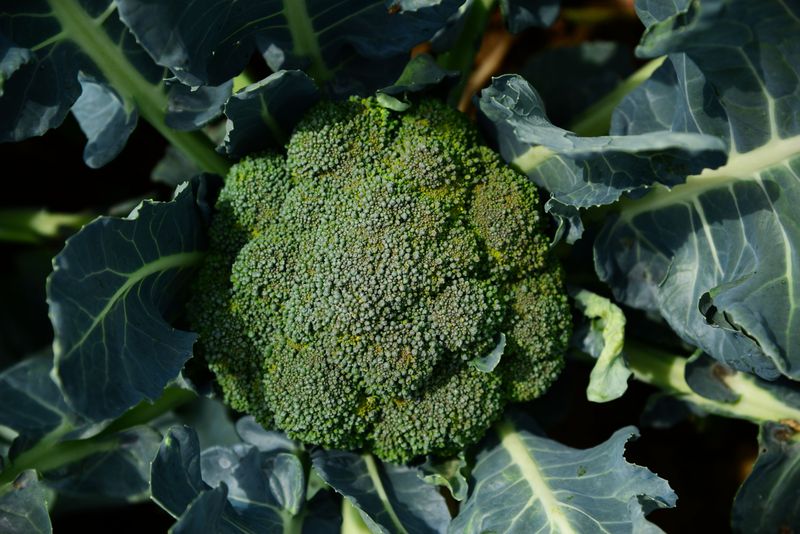
Few things feel as rewarding as slicing a tight green broccoli head you grew yourself. The good news is that state’s cool months make this crop surprisingly easy.
North and Central Florida gardeners can set out transplants from mid-September through mid-February. South Florida folks have a shorter window, mostly from October through December.
Starting with young transplants saves you weeks of waiting. From transplant, most plants reach harvest in about 80 to 100 days.
Pick a spot with at least six hours of sun each day. Good drainage matters too, since soggy roots make for grumpy plants.
Florida’s sandy soil needs plenty of compost mixed in before planting. Once heads start forming, a side-dressing of nitrogen helps them bulk up nicely.
Keep an eye on the weather as spring creeps closer. Warm days can make broccoli bolt, which means the tiny flower buds open into yellow blooms.
Harvest heads while the buds are still small and tightly packed. After the main head is cut, many plants send out tasty side shoots for weeks.
Varieties that do well here include Waltham 29, Early Green, De Cicco, and Green Magic. For warmer spots, try Piracicaba, a heat-tolerant type that forms loose, tender heads.
2. Cabbage For Big, Cool-Season Heads
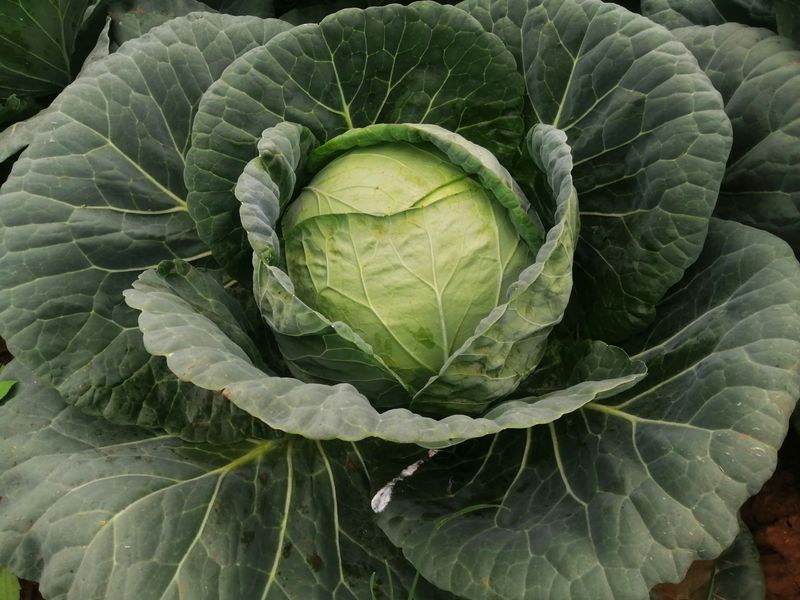
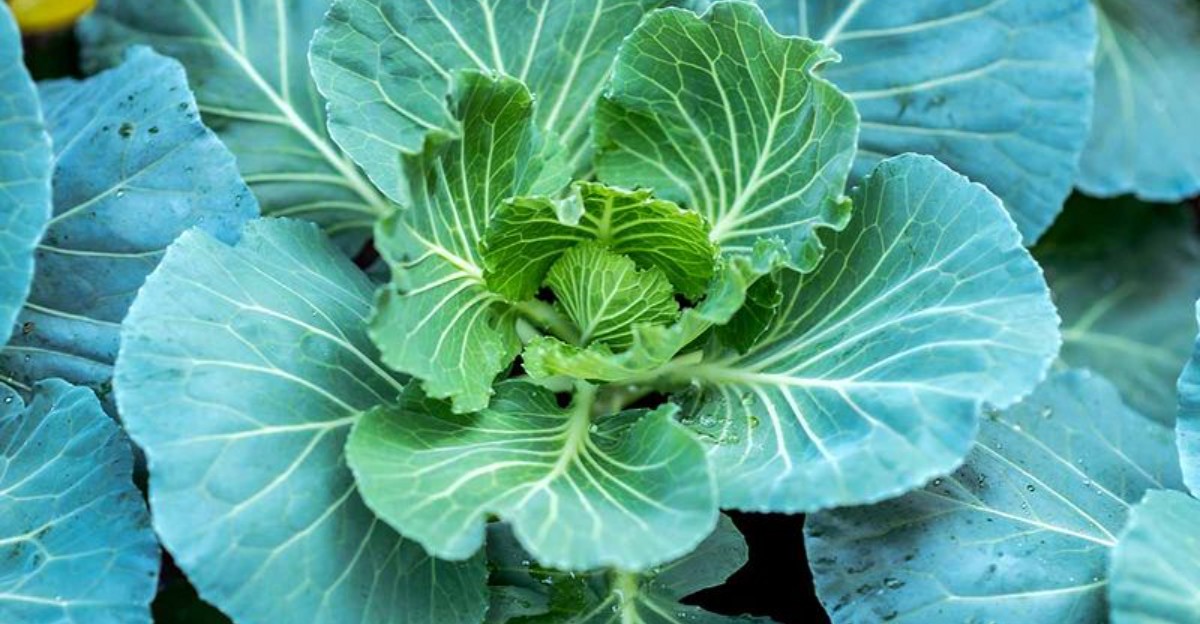
Grandma’s coleslaw tastes even better when the cabbage comes from your own yard. The state’s mild winters help these heads grow sweet, crisp, and tender.
Transplants are the easiest route for most home gardeners. Aim for September to October up north, October to November in Central Florida, and November to January down south.
From transplant, expect heads in roughly 70 to 90 days. Starting from seed adds a few more weeks, so plan ahead if you go that way.
Cabbage is a hungry, thirsty plant. Give it steady moisture and regular feeding to keep the leaves growing fast.
Watch for the moment the leaves start cupping inward. A boost of nitrogen at this stage encourages the head to fill out quickly.
Frost does not scare cabbage, which makes it a dependable winter crop. Still, one pest loves it as much as you do: the diamondback moth caterpillar.
Your Florida Garden Changes Every Week. Your Plan Should Too.
Gardening in Florida changes quickly throughout the season. Every Friday you’ll receive a simple weekly plan showing exactly what to plant, prune, fertilize, harvest, and protect so you never miss the right timing.
A spray of Bt, a natural bacteria product, helps stop those hungry little chewers. Check the undersides of leaves every few days for tiny green worms.
Good picks for Florida include Rio Verde, Flat Dutch, Copenhagen Market, and Savoy. For a pop of purple, try Red Acre or Red Rookie in your beds.
3. Kale, A Cold-Tolerant Green For Every Region
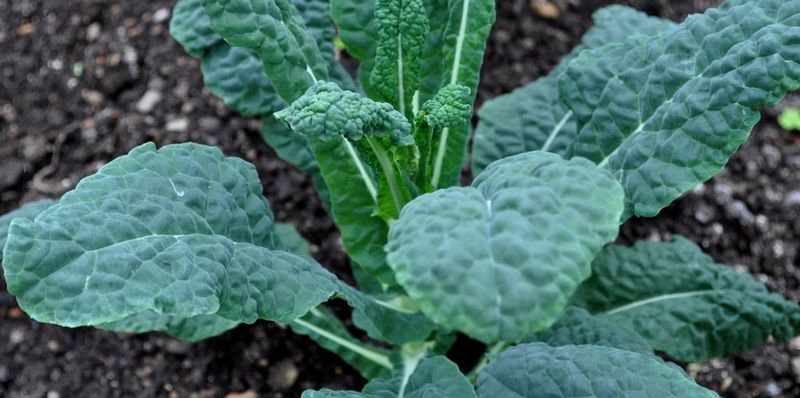
Kale has a funny trick up its sleeve. A few chilly nights actually make its leaves taste sweeter, almost like nature adds sugar.
That makes it a smart choice anywhere in the state. Plant seeds or transplants from September through November for the best results.
Seeds take about 70 to 80 days to mature. Transplants speed things up, giving you leaves in around 55 days.
Find a sunny spot and water regularly. Kale likes fertile, well-drained soil with a pH between 6.0 and 7.5.
Mix compost into your bed before planting. Sandy soil drains fast, so that extra organic matter holds water and nutrients longer.
Harvesting is simple and kind of fun. Pick the outer leaves first and let the center keep growing, and the plant will keep giving.
Fun fact: Lacinato kale is often called dinosaur kale because its bumpy leaves look like reptile skin. In Florida, this type often keeps producing well into summer.
Other varieties worth trying include Vates Dwarf Blue Curled, Winterbor, Redbor, and Red Russian. Toss the leaves into smoothies, soups, or crispy oven chips for a tasty snack.
4. Collards, A Southern Staple For Cool Weather
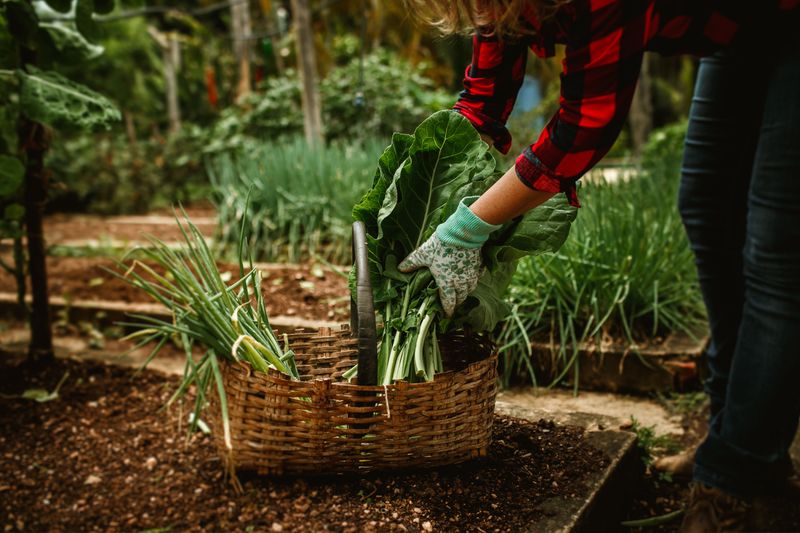
Ask anyone raised in the South about collards, and you might hear a story about Sunday dinners. These big, flat leaves have fed families for generations.
Collards are easygoing and fit nicely into state gardens. North Florida can plant from September to April, Central from September to February, and South from September to January.
You can start from seed or use transplants. Seedlings are usually ready to move outside in about four to six weeks.
From transplant, plants mature in roughly 50 to 70 days. Seeds take a bit longer, around 70 to 90 days.
Give collards full sun and soil rich with compost. Steady watering and a balanced fertilizer with moderate nitrogen keep leaves big and tender.
Mature plants handle frost and even light freezes with ease. Many cooks say a cold snap improves the flavor, making the leaves milder.
For a long harvest, pick the older outer leaves first. New leaves will keep sprouting from the center for months.
Georgia Collards is a classic variety that grows well here. Simmer the greens with onion and a little smoked turkey for a dish that tastes like home.
5. Carrots, Sown Directly From Seed
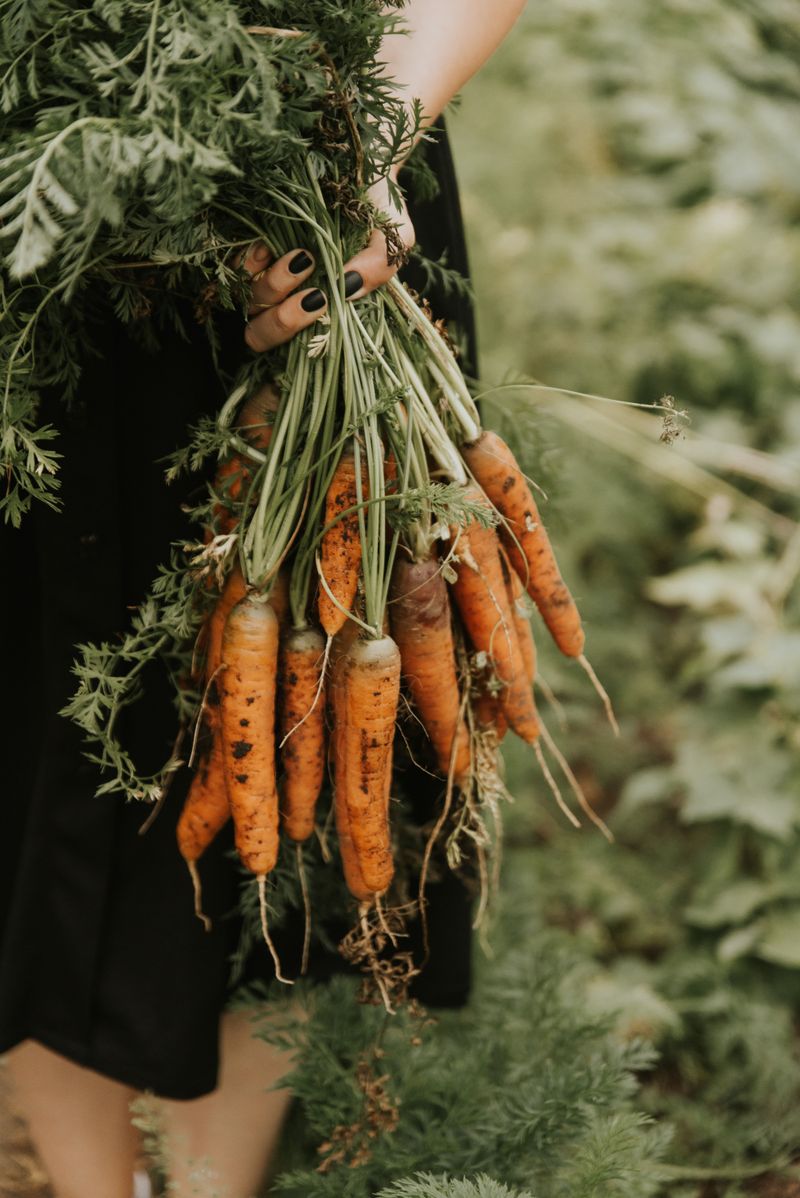
Pulling a carrot from the ground feels a bit like opening a surprise gift. You never quite know how long or chunky it will be until it pops free.
Here is some happy news for Florida gardeners. Our loose, sandy soil helps carrot roots grow long and straight.
Sow seeds right where they will grow, since carrots do not like being moved. North and Central region can plant from October to January, while South Florida does well in November and December.
Patience is the name of the game with this crop. Seeds can take 10 to 21 days to sprout, and roots need 70 to 120 days to mature.
Keep the soil moist during that sprouting stretch. A light board or burlap over the row can help hold in water.
Sandy soil drains nutrients away quickly. Feed carrots regularly with a balanced fertilizer to keep them growing strong.
Raised beds work wonderfully if your ground is rocky or packed. Give carrots full sun and thin seedlings so each root has room.
Nantes types love sandy soil and taste sweet and crunchy. Danvers, Chantenay, and Imperator are also solid choices for Florida.
6. Radishes, The Fastest Harvest In The Garden
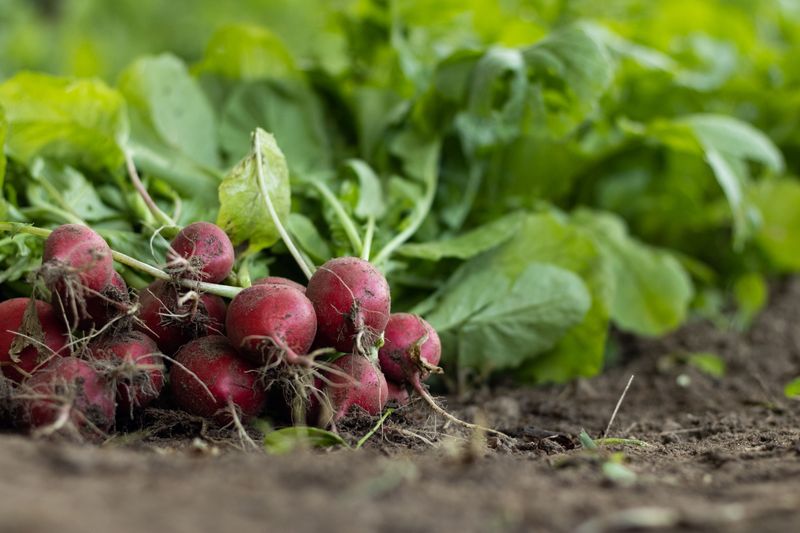
Got an impatient gardener in your house? Radishes might be their new best friend, since some are ready in just three or four weeks.
These speedy roots grow across the state from fall into early spring. North region can sow from October through February, while Central and South region do best from November through January.
Plant seeds straight into the soil. Moving radishes disturbs the tiny root, which can lead to odd shapes.
Many varieties mature in 20 to 30 days. That quick turnaround makes them a fun first crop for kids.
Radishes like loose soil that stays evenly moist. A neutral pH keeps them happy and growing smoothly.
Timing matters more than you might think. Hot weather can make radishes bitter, woody, or quick to flower.
For a steady supply, sow a short row every couple of weeks. You will have fresh crunch for salads all season.
Cherry Belle and Sparkler are speedy favorites with bright red skin. White Icicle offers a long, mild root, and Daikon grows big and works great in stir-fries or pickles.
7. Beets For Both Roots And Greens
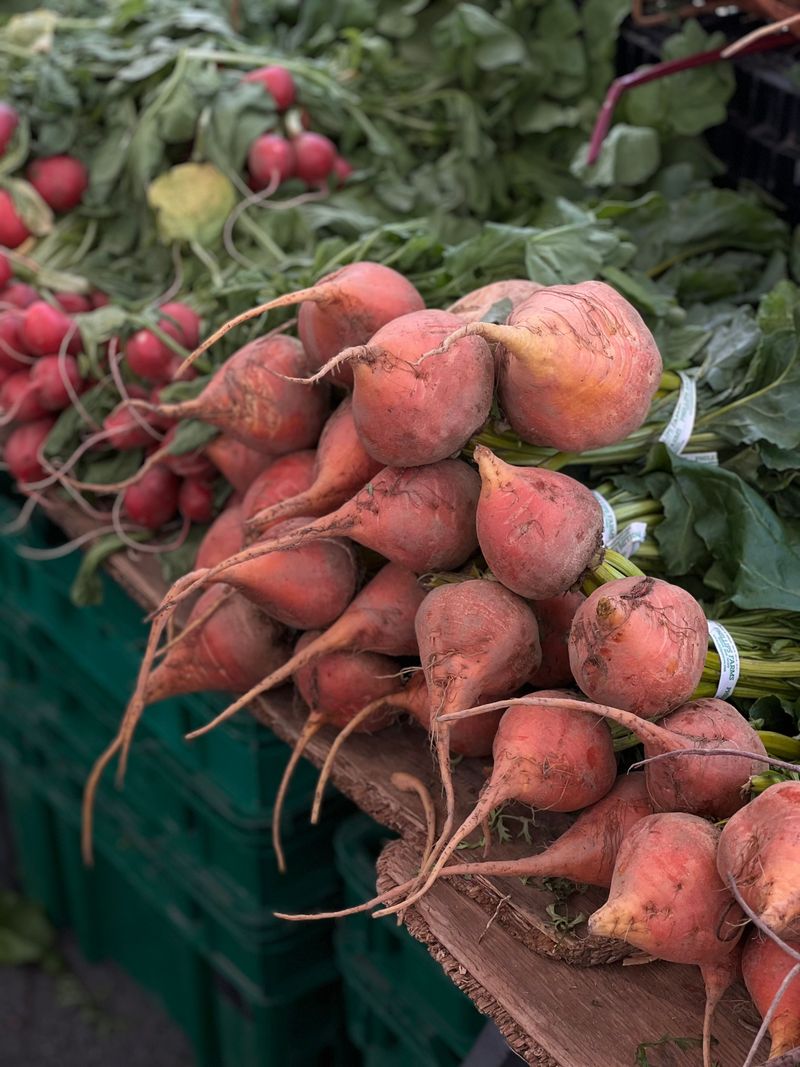
Think of beets as a two-for-one deal. You get sweet roots underground and tasty greens on top.
Cool nights help beets store more sugar. That means roots grown this time of year often taste extra sweet.
North region can plant from October through January. Central region does best from November through January, and South region from October through January.
Sow seeds about half an inch to one inch deep. Each wrinkly seed is really a cluster, so several sprouts may pop up together.
Thin each cluster to one plant once seedlings appear. Crowded beets stay small, while spaced ones grow round and full.
Most beets mature in 50 to 70 days. Pull them when roots are about 1.5 to 2 inches wide for the most tender texture.
Beets like full sun but handle a little shade. Mix compost into sandy soil to help hold moisture and nutrients.
If you plant while the ground is still warm, spread a thick layer of mulch. Red Ace and Rainbow Mix II are great choices, and the young greens make a lovely sauteed side.
8. Spinach, Best Transplanted With Care
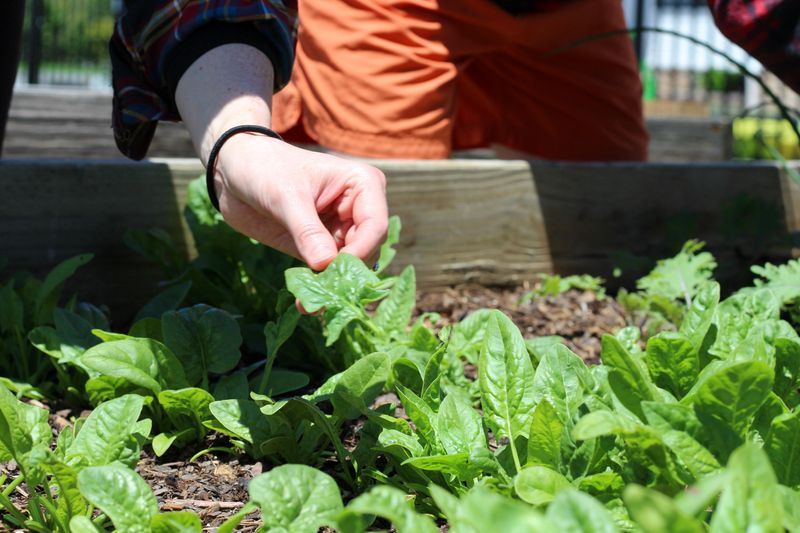
Popeye had the right idea about spinach. These tender leaves pack a nutrition punch, but in our state they need a little extra planning.
Our spinach season is short and sweet. North region plants from November through January, Central region in December and January, and South region mostly in January.
Many gardeners find seedlings fussy about being moved. If you transplant, handle roots gently, or sow seeds about half an inch deep right in the bed.
Spinach needs about six weeks of cool weather from seed to harvest. Warm spells can make it bolt fast.
Bolting means the plant sends up a flower stalk. Leaves then turn tough and bitter, so pick before spring warmth arrives.
Rich, soft, well-draining soil works best. Aim for a pH between 6.5 and 7 if you can test it.
Florida sand dries out quickly, so mix in compost and water often. Full sun or light shade both work nicely.
Bloomsdale Longstanding and Corvair resist bolting better than most. Melody, Tyee, and Space are also reliable picks for a fresh bowl of baby greens.
9. Swiss Chard For Colorful Stems And Leaves
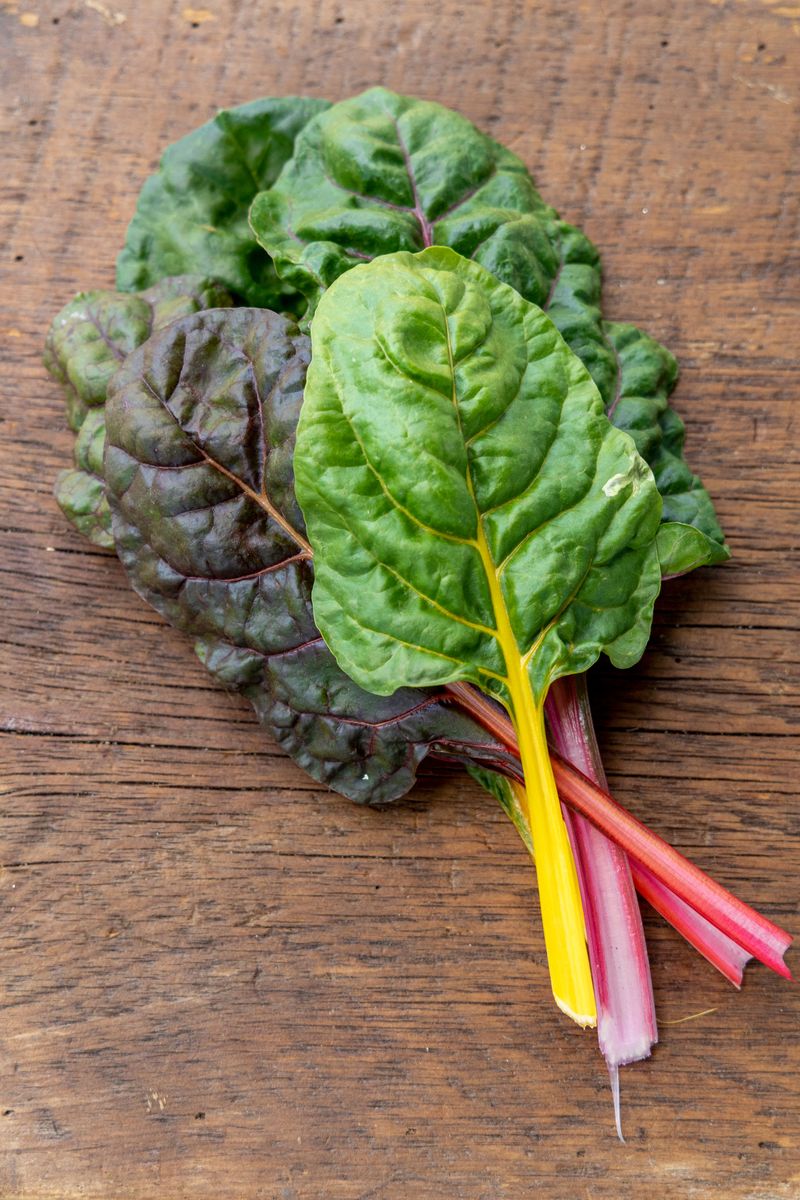
Walk past a row of rainbow chard and you might stop to stare. Red, yellow, and pink stems glow in the sun like a box of crayons.
Swiss chard is pretty enough for a flower bed and tasty enough for dinner. Both the leaves and stems are edible.
Gardeners here get a long window for this crop. North and Central Florida can plant from September to May, while South Florida plants from September to March.
Sow seeds half an inch to one inch deep. Transplants also settle in easily, which makes chard very beginner friendly.
Leaves are ready in about 40 to 60 days. Start picking once they reach 8 to 10 inches long.
Harvest a few outer leaves at a time. The plant keeps growing new ones from the center for weeks.
Chard tastes best after some cool nights. In warm months, leaves can turn a bit bitter.
Give it plenty of sun and steady moisture. Watch for root-knot nematodes, and try Bright Lights, Fordhook Giant, Lucullus, or Red Ruby for a cheerful harvest.
10. English Peas, Sown Directly From Seed
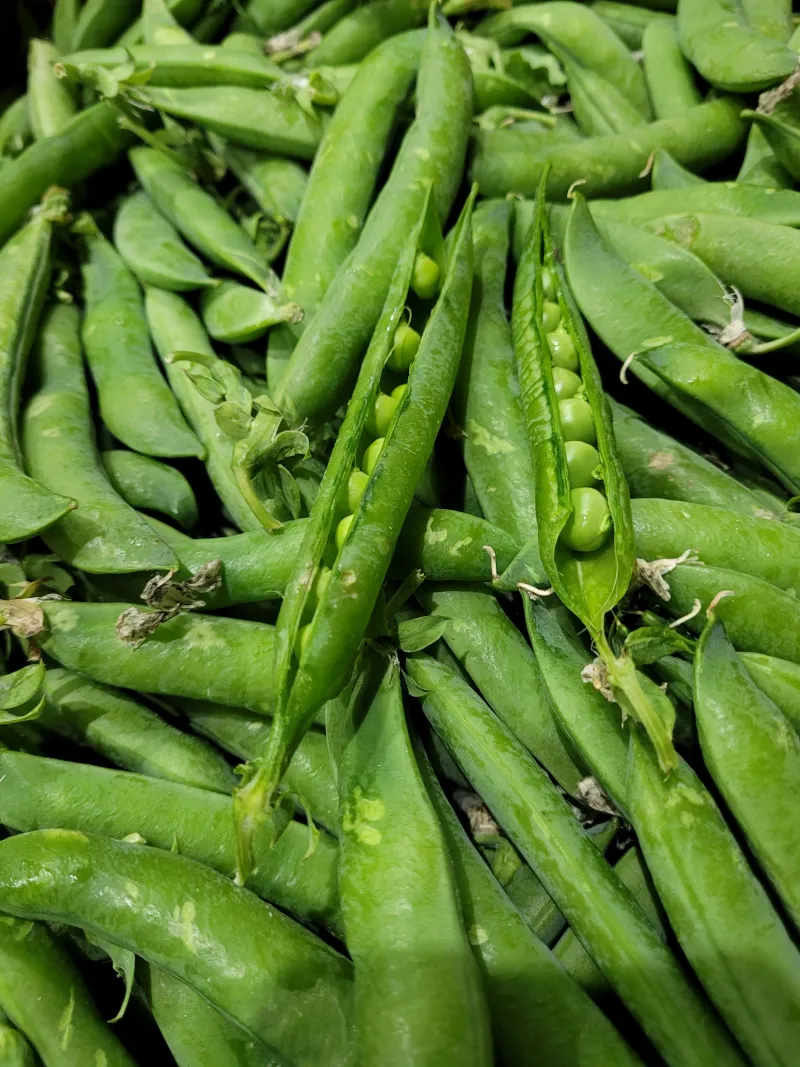
Eating a sweet pea straight off the vine is pure garden magic. Many pods never make it to the kitchen.
English peas love Florida’s coolest months. Their roots are delicate, so sow seeds directly about an inch deep.
Central and South region can plant from September through February. November through February tends to be the most reliable stretch.
North region gardeners do best from November through March, depending on frost. Most varieties mature in about 60 to 70 days.
Peas want six to eight hours of sun each day. They also need about an inch of water every week.
Surprisingly, peas bounce back from light freezes. Warm weather is what slows them down.
Climbing types need a trellis, fence, or string to grab onto. Mix compost into sandy soil and consider a seed inoculant for new beds.
Peas make their own nitrogen, so go easy on fertilizer. Sugar Snap and Wando grow well here, and quick types like Sugar Ann fit our short cool season nicely.