The One Hydrangea Chore Texas Gardeners Should Do Before The First Freeze For Bigger Blooms
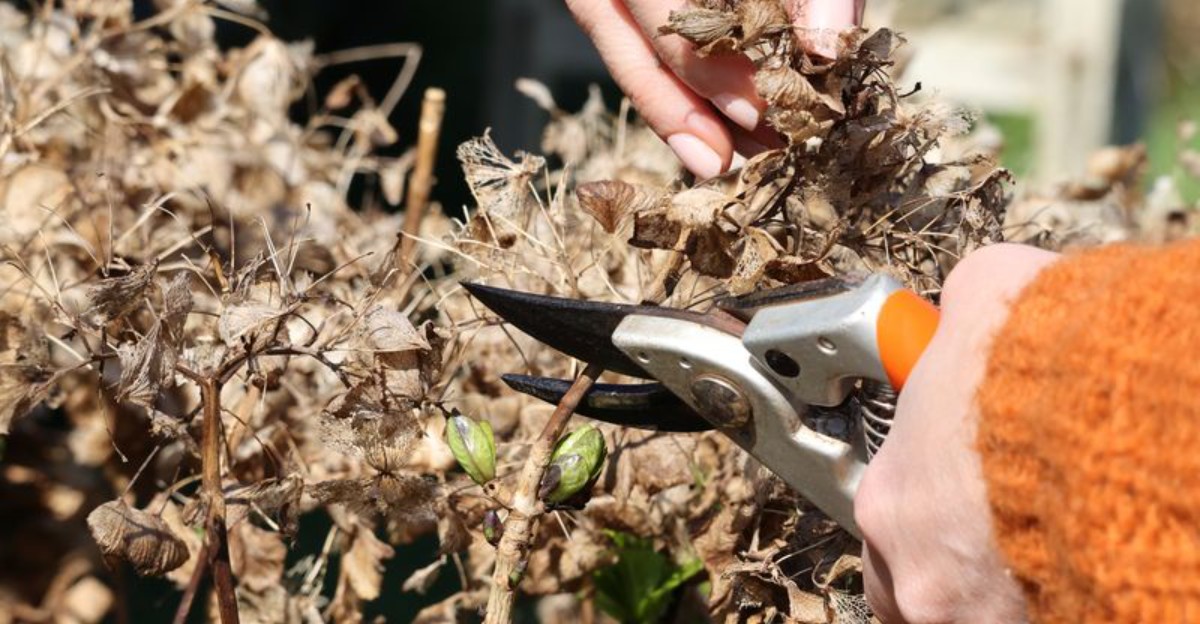
Next spring’s flowers are already hiding on your shrub. They sit inside plump buds at the stem tips, formed back in late summer, waiting out the winter.
One sharp Texas freeze can scorch those buds before they ever open. I learned this the hard way after a warm December lured my plant into leafing out early. That spring, I got lush green leaves and almost no flowers.
Turns out the fix is cheap, quick, and a little messy. You probably have most of the supplies piled in your yard right now. A rake and some old leaves can do more for summer color than a bag of fancy plant food.
Gardeners from Tyler to Houston lean on it every fall, and Texas growers who skip it pay for it come spring. That humble chore is mulching, and waiting until it is too late can cost you blooms.
Those Fat Hydrangea Buds Are Already Holding Next Year’s Flowers
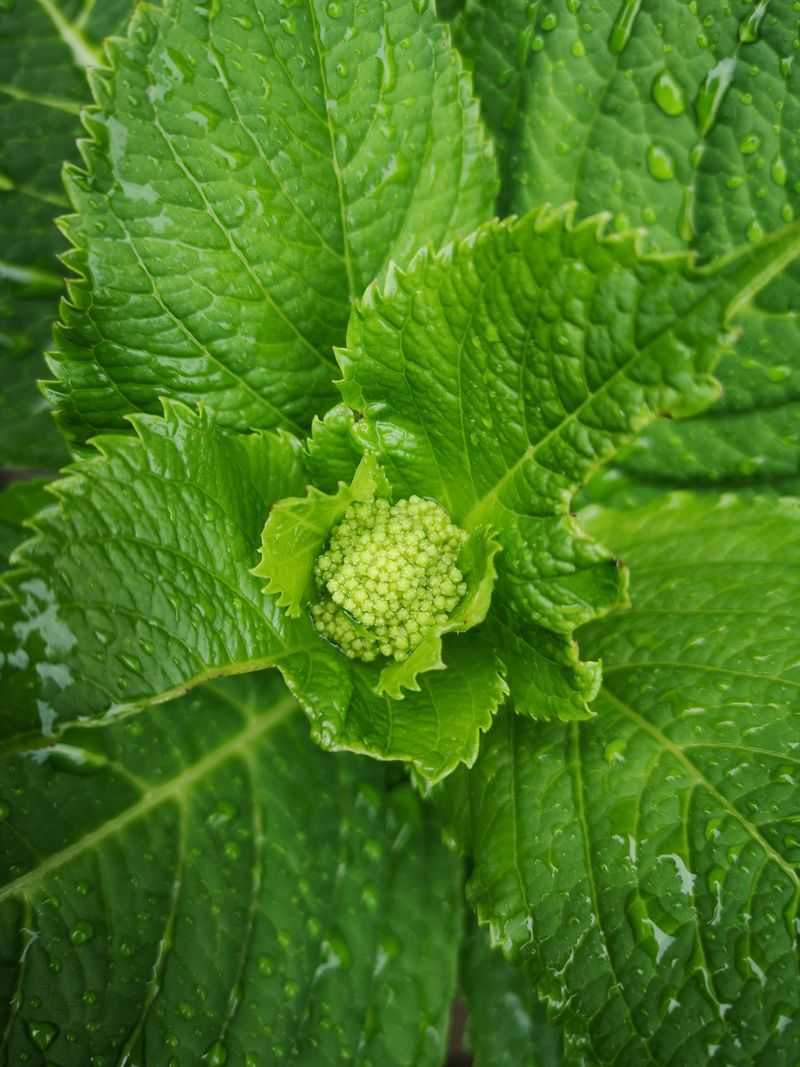
Walk out to a mophead hydrangea in November and look closely at the top of each cane. You will often spot a fat, pointed bud tucked between the last pair of leaves. That little bump holds next year’s flower cluster.
Bigleaf hydrangeas, the classic pink and blue mopheads and lacecaps, set those buds in late summer and early fall. Oakleaf hydrangeas follow a similar schedule.
The buds then sit through winter on old wood, which means any harm they take now shows up as missing blooms in May.
Cold is only part of the problem. Winters here tend to swing from mild afternoons to sudden blue northers, and those quick drops hit buds harder than steady cold. Plants that have not hardened off fully are the most exposed.
Roots matter as well. A shrub with stressed, dried-out roots pushes weaker growth in spring and has less energy to open big flower heads.
So the goal before the first freeze is simple. Protect the roots and the crown so the plant wakes up strong, and give those precious buds the best shot at making it to spring. The next section shows the one chore that handles most of this job.
A Thick Mulch Blanket Around the Hydrangea Base Is the Chore That Counts
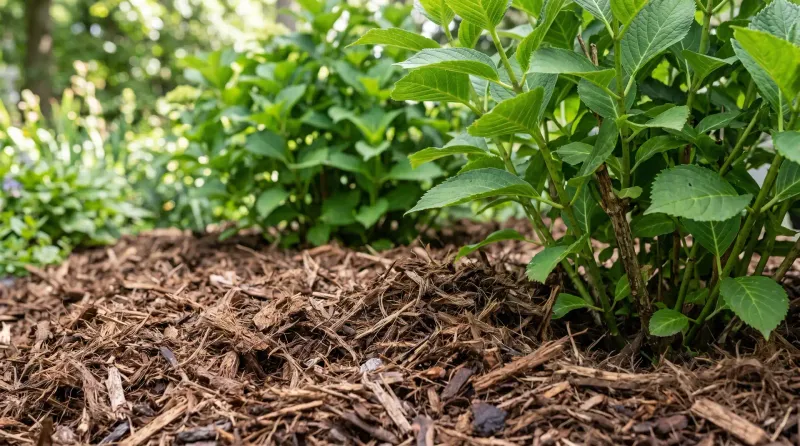
Grab a rake, because fallen leaves are about to become the best friend your hydrangea has. The single most useful pre-freeze chore is spreading a thick layer of organic mulch over the root zone.
Aim for 3 to 4 inches of shredded leaves, pine straw, or shredded bark. Spread it out to the drip line, the outer edge of the branches, and pull it back an inch or two from the stems so the bark stays dry.
Mulch works like a quilt for the soil. It slows down heat loss on clear, frosty nights and evens out the wild temperature swings that stress roots. It also holds moisture, which is a big deal during dry, windy winter spells.
Texas A&M AgriLife Extension recommends mulching hydrangeas to keep their shallow roots cool and moist, and the same layer pulls double duty in winter. Over time, it breaks down and feeds the soil with organic matter.
I like to chop my leaves with the mower first. Whole leaves can mat down and shed water, while shredded ones stay fluffy and let rain soak through.
Skip rocks or rubber mulch here. They do not insulate as well and add nothing back to your beds.
Water Your Hydrangea Deeply a Day or Two Before the Freeze Hits
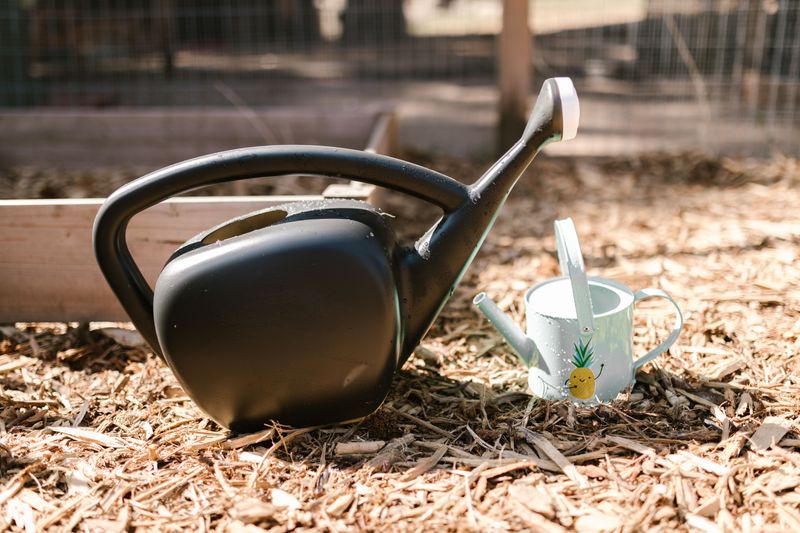
Thirsty plants handle cold worse than well-watered ones, and that surprises a lot of folks. Moist soil holds and releases more heat than dry soil, so a soaked root zone stays a bit warmer on a freezing night.
Check the forecast. If a freeze is coming and the ground feels dry an inch or two down, give your hydrangea a slow, deep soak a day or two ahead.
A soaker hose or a trickling garden hose for 20 to 30 minutes works well for an established shrub.
Water in the morning or early afternoon when you can. That gives the moisture time to sink in before temperatures fall.
There is a balance to strike, though. Hydrangeas don’t like soggy, waterlogged soil, and heavy clay that stays wet can lead to root rot. Water deeply, then let the top layer dry slightly before watering again.
Container hydrangeas need extra attention. Pots dry out fast and their roots sit above ground, exposed on every side.
Water them well, then roll them into a garage or tuck them against a south-facing wall for the night.
Pair this soak with your fresh mulch layer, and the roots get both moisture and insulation in one easy afternoon.
Put the Pruning Shears Down on Bigleaf and Oakleaf Hydrangeas
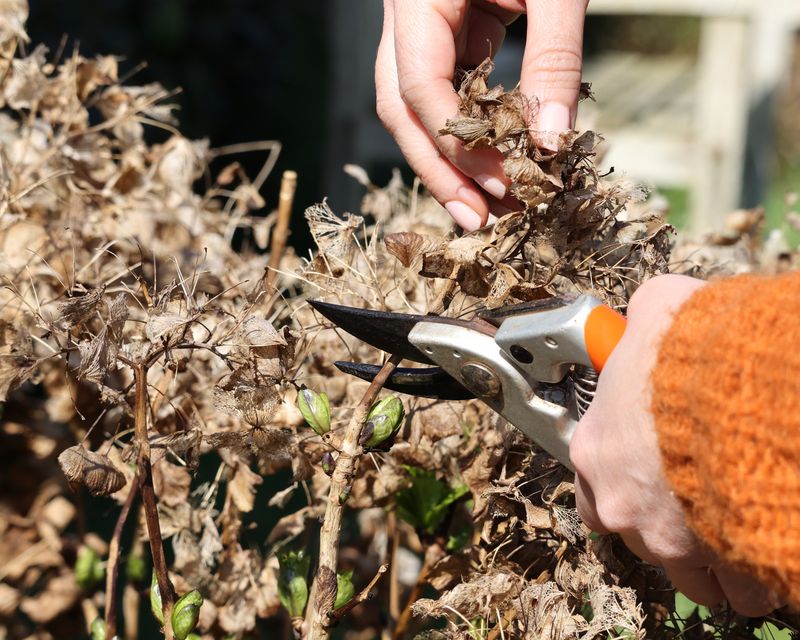
Fall cleanup fever is real. The yard looks tired, the shears are handy, and those floppy hydrangea stems seem to beg for a trim.
Resist the urge if you grow bigleaf or oakleaf types. Both bloom on old wood, so a fall haircut snips off the buds that already formed. The result is a healthy green shrub with few or no flowers next year.
Prune these types right after they finish blooming in summer, ideally by late July or early August. After that, limit cuts to removing broken or clearly damaged stems.
Panicle and smooth hydrangeas play by different rules. They bloom on new wood, so you can prune them in late winter or very early spring. A hard cut on smooth hydrangeas like Annabelle often leads to a flush of fresh stems.
Reblooming bigleaf varieties, such as those in the Endless Summer line, can flower on both old and new wood. They give you a backup plan if winter nips the buds, but light pruning in fall still costs you early flowers.
Not sure which type you have? Look at the leaves and flower shape, or check the plant tag. When in doubt, wait until spring and see where the green growth appears.
Frost Cloth Over Hydrangea Shrubs Gives Tender Tops Extra Help
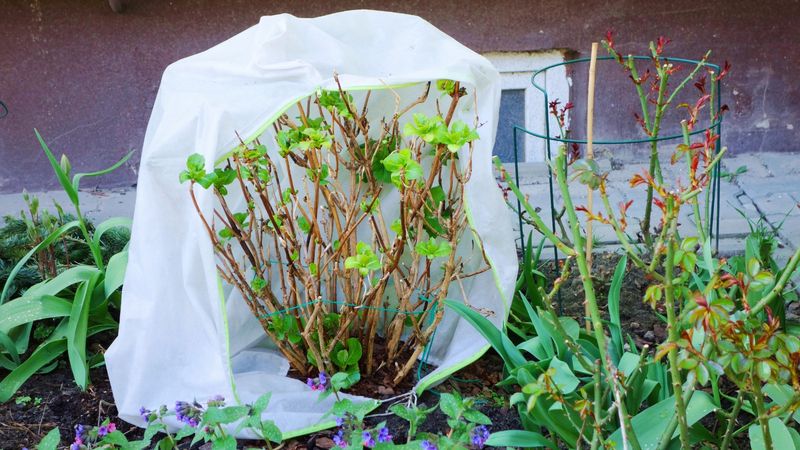
Mulch protects the roots, but those top buds sit high and exposed. On nights when forecasts drop into the mid-20s or lower, a little extra cover can save a lot of blooms.
Frost cloth, also called row cover, is the go-to tool. Drape it over the shrub so it reaches the ground on all sides, since heat rising from the soil is what keeps the space underneath warmer.
Pin the edges with bricks or landscape staples so wind cannot pull it loose. Old bedsheets and burlap work in a pinch. Avoid plastic touching the leaves or buds, because it conducts cold and can cause more harm than good.
Some gardeners build a simple cage of chicken wire around the plant and fill it loosely with dry leaves. That trick is popular in colder states and can help in the Panhandle during long cold snaps.
Remove covers once temperatures climb back above freezing the next day. Leaving them on through warm, sunny afternoons can trap heat and fool the plant into thinking spring has arrived.
Keep a cover folded by the back door through March. Late cold snaps after a warm spell often do more harm than the first freeze.
North Texas and Gulf Coast Hydrangeas Run on Different Freeze Calendars
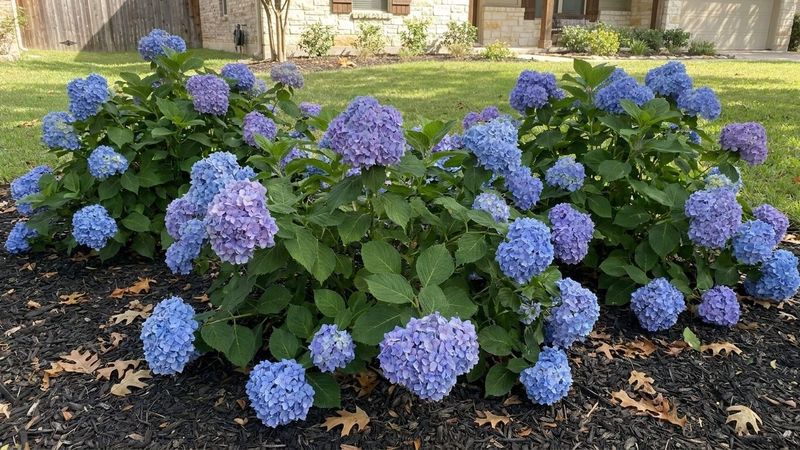
Ask three gardeners across the state when the first freeze arrives, and you might get three answers. The state spans roughly USDA zones 6a through 10b, so timing changes a lot depending on where you dig.
The Panhandle often sees its first freeze in mid to late October. Dallas-Fort Worth and Central Texas usually get theirs around mid to late November.
Houston and much of the Gulf Coast may not freeze until December, and the Rio Grande Valley rarely freezes at all.
So mulch on your local schedule, not someone else’s. A good rule is to have the layer in place a couple of weeks before your average first freeze date. Your county AgriLife Extension office can share local averages.
Hydrangeas also grow better in some regions than others. East Texas, with its acidic soil and steadier rainfall, suits bigleaf types well.
In alkaline soils around Central and West Texas, many gardeners grow them in containers or amended beds, and they need afternoon shade.
Soil chemistry changes color, too. Acidic soil pushes bigleaf flowers toward blue, while alkaline soil keeps them pink, so do not be surprised if your blooms look different from a friend’s.
Bare Hydrangea Stems in Spring Reward a Little Patience
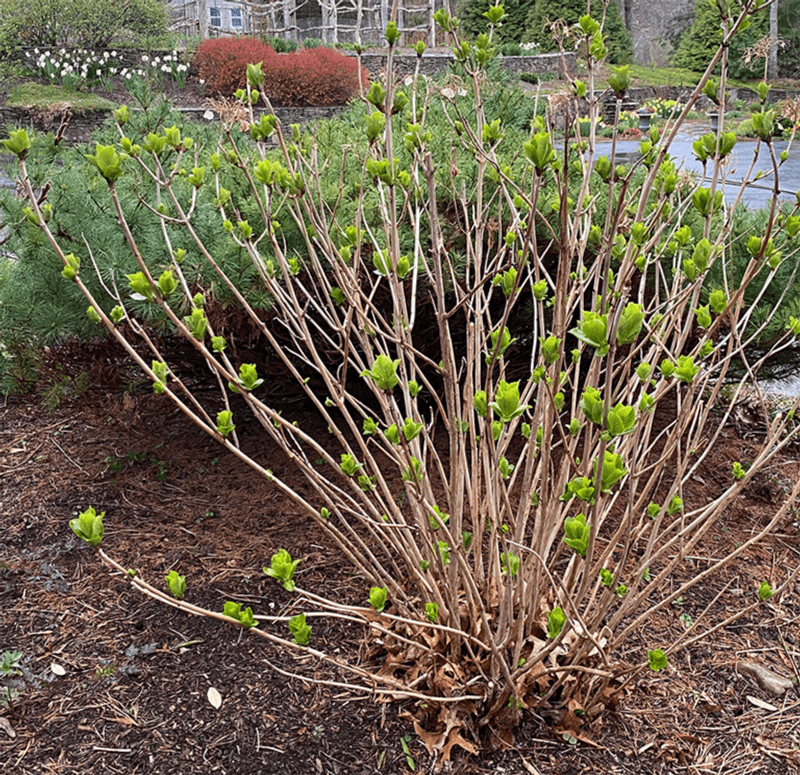
February in a hydrangea bed can test anyone’s nerves. Stems look like bare brown sticks, and it is tempting to cut them down and start fresh.
Hold off. Those plain-looking canes still carry the buds you worked to protect. Scratch a stem lightly with your thumbnail, and green tissue underneath means it is alive and well.
Wait until new leaves appear in spring before removing anything. At that point, cut back only the tips that stayed brown and brittle, trimming to the first healthy pair of buds.
Pull the mulch back slightly from the crown once the risk of hard freezes passes, but leave most of it in place. It will keep roots cool through the first scorching weeks of summer.
A light feeding with a slow-release fertilizer in spring supports the new growth. Too much nitrogen can push leaves at the expense of flowers.
Next fall, repeat the routine. Rake leaves, mulch deep, water before the cold, and keep the shears in the drawer for old-wood bloomers.
I started treating it like a yearly ritual, and the payoff shows up in May. Bigger, fuller flower heads come from a shrub that spent winter tucked in, not one left struggling against the cold.