10 Native Wildflowers Arizona Gardeners Seed Before Winter Rains For A Spring Carpet Of Color
Some desert seeds can sit in the soil for years, waiting for one soaking storm before they sprout. Scientists say a big spring bloom usually needs about an inch of rain between late fall and winter.
That patience explains why Arizona hillsides can glow orange one year and look bare and brown the next. In your yard, you can tip the odds by scattering seed in October before the cool storms arrive.
I love how a handful of tiny seeds can turn a dusty corner into a buzzing bee buffet. Personally, I also like that these natives sip far less water than a thirsty Arizona lawn ever will.
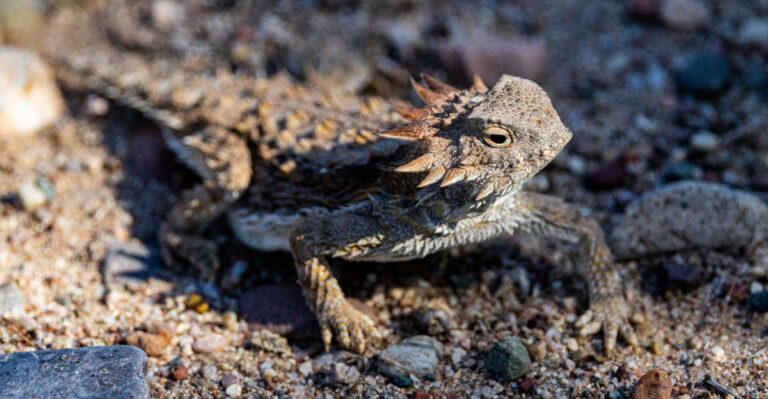
Hummingbirds and native bees move in fast, and lizards that snack on insects often follow close behind. So which ten wildflowers deserve a spot in your seed bag before the first winter storm rolls in?
1. Desert Globemallow
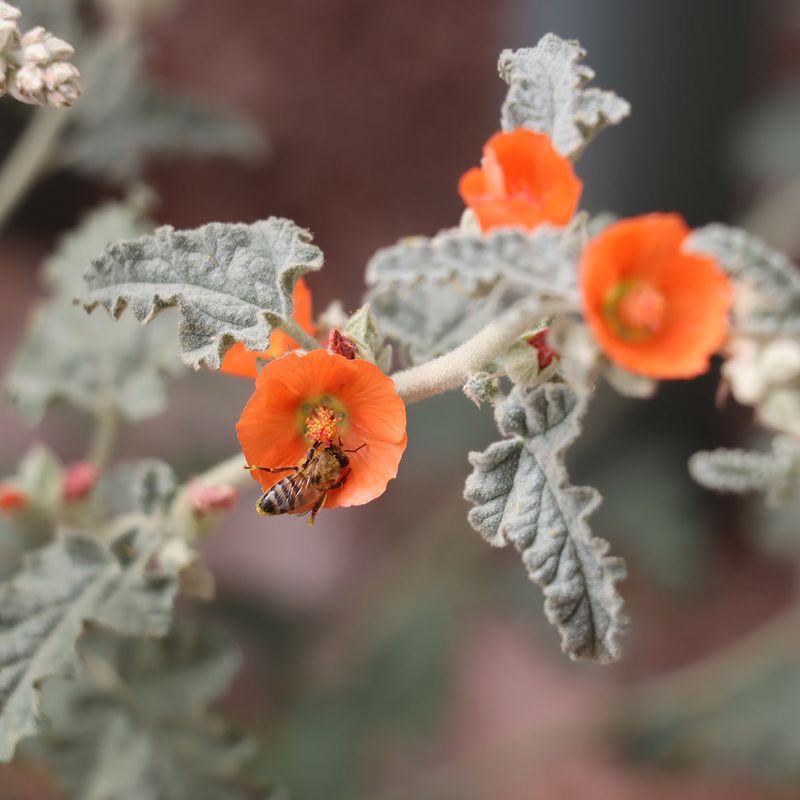
Few desert plants look as soft as globemallow, with fuzzy silver leaves that feel almost like felt in your hand. Those tiny hairs reflect harsh sunlight and slow water loss, which helps the plant shrug off brutal summer afternoons.
Come spring, apricot-orange cups up to an inch and a half long crowd the stems for weeks on end. Pink and red forms show up too, so a mixed seed packet can surprise you with a whole sunset palette.
I like sowing untreated seed about a quarter inch deep in October, right before the cooler storms begin rolling through. Pick a sunny spot with sandy or rocky soil, since heavy wet clay tends to rot the roots over time.
Mature clumps usually reach twenty to forty inches tall and need very little water once their roots settle in deeply. Expect plenty of volunteers, because globemallow reseeds freely and fills bare gaps with new plants by the following year.
Wildlife fans will appreciate that native bees and butterflies visit constantly for pollen and sweet nectar. The foliage also feeds caterpillars of roughly nineteen native butterfly and moth species, which makes it a true habitat workhorse.
2. Arroyo Lupine
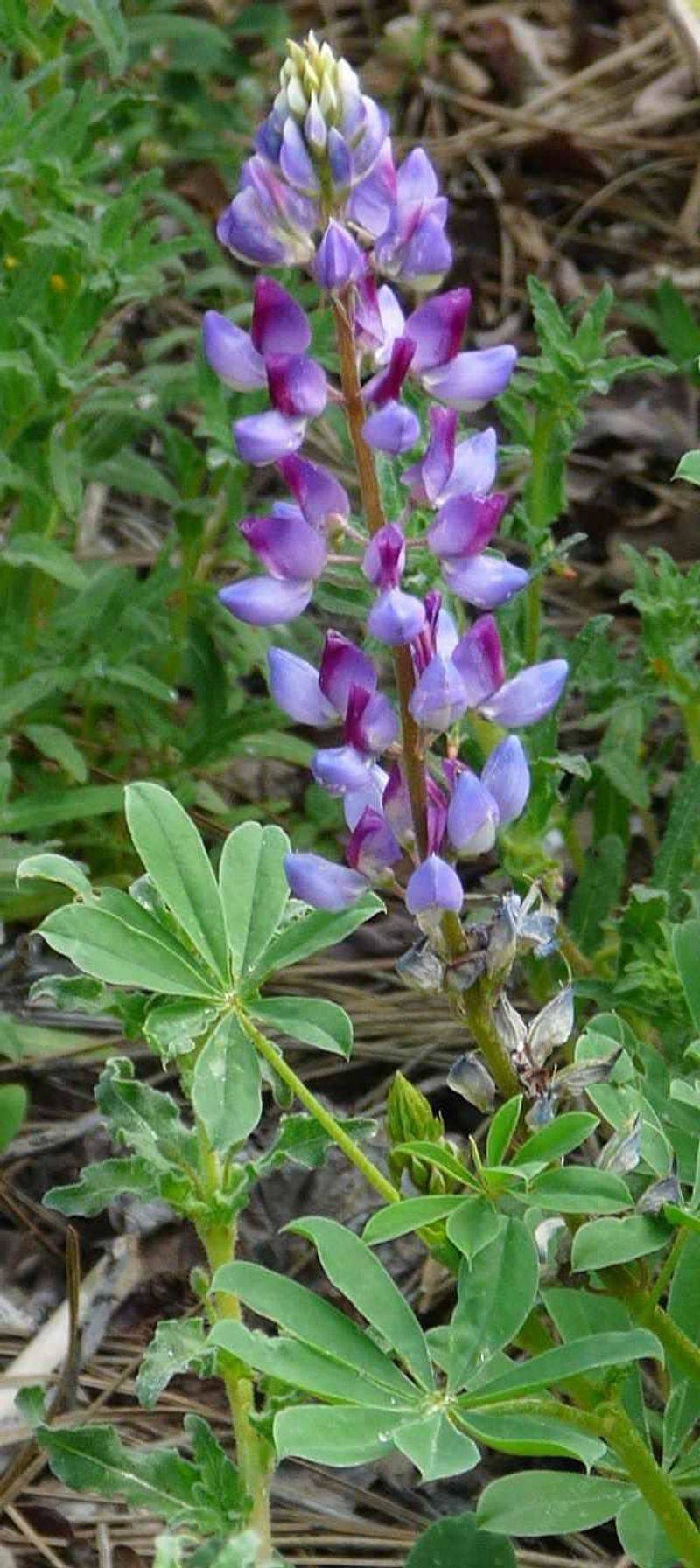
Rub an arroyo lupine leaf after a rain and you will notice how beads of water sit like tiny marbles. The hand-shaped leaves and fragrant purple spikes make this annual feel like a wildflower meadow packed into one plant.
Sow seed between October and November so seedlings can root deeply before the heat returns next summer. Nicking or soaking the hard seed coat overnight speeds things up, since it can resist water for weeks.
Plants grow one to four feet tall and up to three feet wide in full sun and gritty soil. Keep the soil lightly moist while seedlings are young, then ease back as the stems thicken and toughen up.
What surprises me most is how lupines feed the ground, since root bacteria pull nitrogen right from the air. Neighboring wildflowers benefit from that boost, which means you can often skip the fertilizer bag for this whole bed.
Native bees love the sweet blooms, and quail often scratch around for the ripe seeds later in the season. All parts contain alkaloids that are toxic to people and animals, so plant away from curious dogs and grazing livestock.
3. Desert Marigold
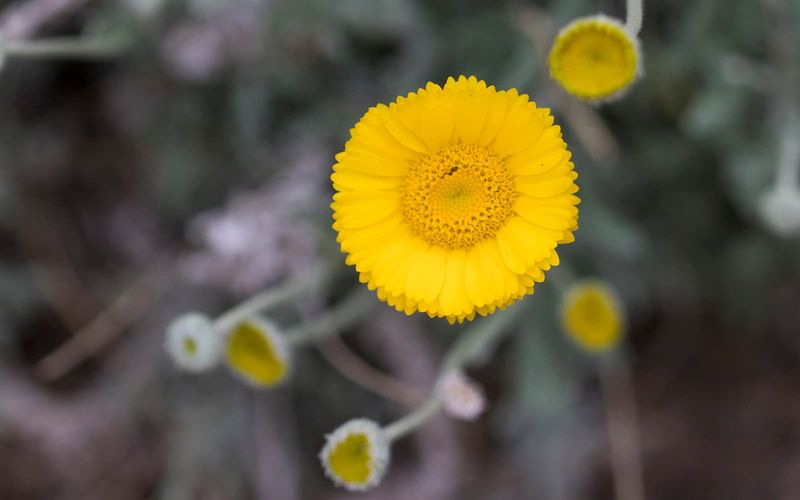
Drive almost any desert road in spring and you will spot bright yellow daisies waving cheerfully from the gravel shoulders. Desert marigold seems to love the hottest, poorest ground around, which is exactly why I trust it so much.
Its blooms float on slender stems above mounds of woolly silver foliage that glow softly in the morning light. Plants stay compact at one to two feet tall and wide, so they tuck neatly along paths and walls.
In low desert gardens, seed can go down anytime from late September through mid-February for nicely staggered color. October sowing gives you a strong head start, especially when the first cool storms soak the soil deeply.
Overwatering is the biggest risk here, because soggy roots rot quickly in rich or poorly drained garden soil. Give it full sun and sharp drainage, then mostly leave it alone once seedlings show their fuzzy little leaves.
The flowers last for months, giving native bees and hoverflies a steady snack bar during warm, sunny stretches. Let a few seed heads drop to the ground, and fresh volunteers will often keep the show going next year.
4. Mexican Gold Poppy
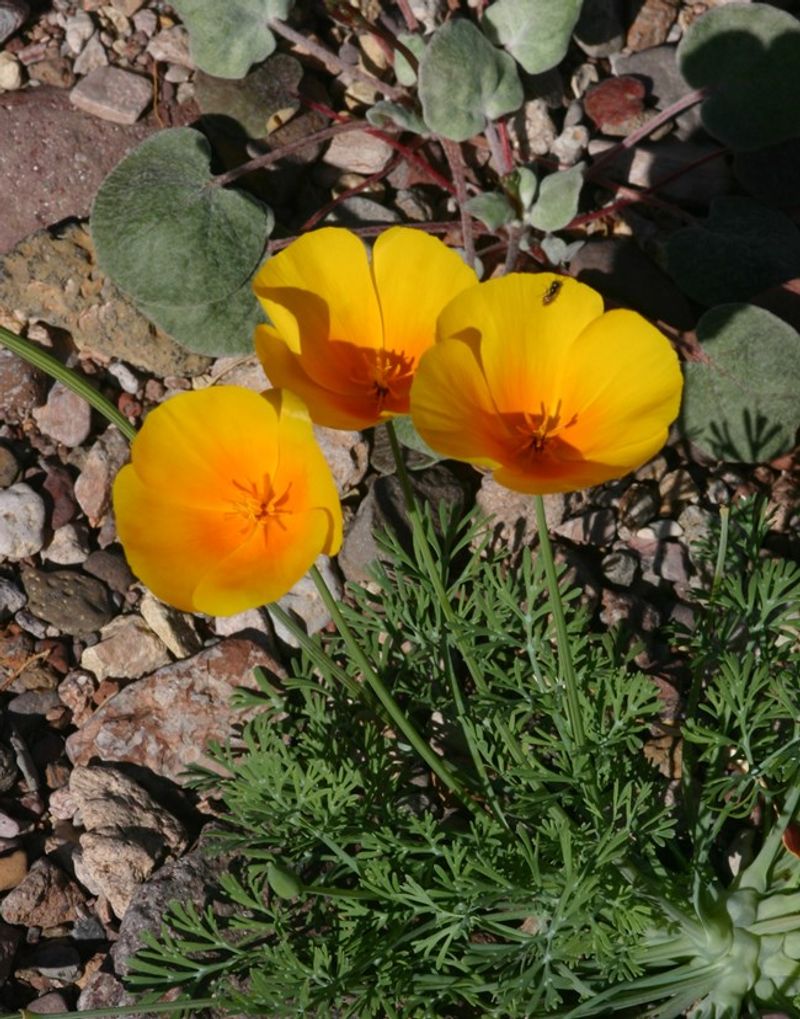
Some springs, slopes at Picacho Peak State Park turn molten gold, and crowds arrive just to photograph the glow. Mexican gold poppies create that show, and they can do the same thing on a smaller scale in your yard.
Botanists often treat this flower as a desert subspecies of the California poppy, adapted to drier and hotter conditions. The blooms usually peak in February and March, opening in sunshine and folding up again on cloudy afternoons.
Scatter seed in October or November over loose sandy soil, then rake it in lightly and press it down. Pick a spot that gets at least six hours of winter sun, because shady seedlings stretch and bloom poorly.
Keep the surface moist during germination, and water weekly if winter rains turn out stingy that year. After flowering, let the slender pods ripen and split, since they toss seed a surprising distance on their own.
Native solitary bees work these cups eagerly, and you might notice butterflies resting on the warm petals too. I can’t imagine a cheaper way to earn that famous golden carpet than a few packets of poppy seed.
5. California Poppy
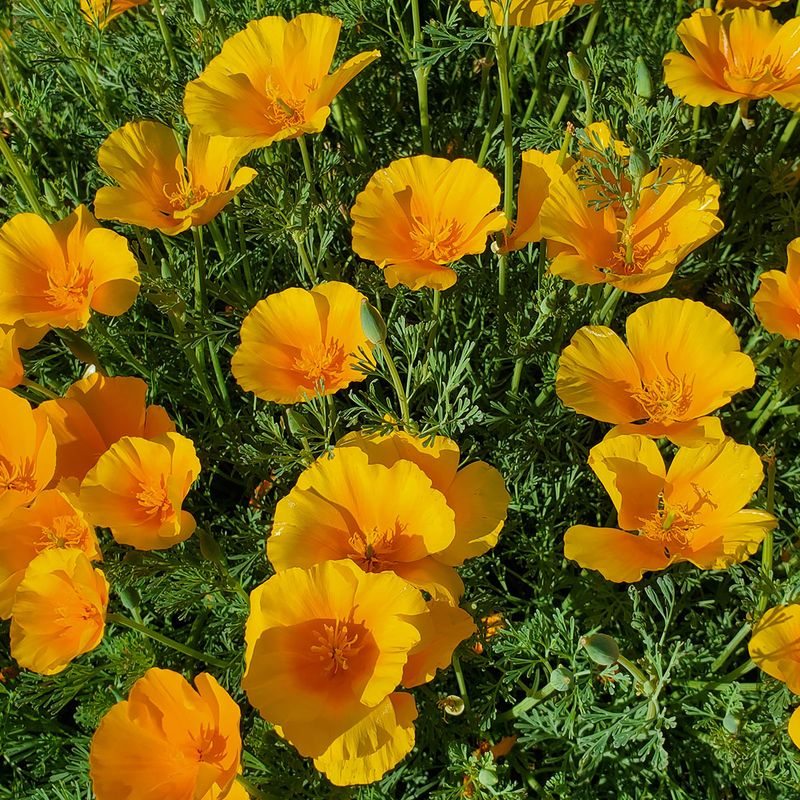
Satiny petals that close every evening make California poppies feel a little like flowers with their own bedtime. Watching them unfurl again each sunny morning is one of my favorite slow rituals of the spring garden.
Wild populations appear in parts of the state’s Mojave Desert region, and the species adapts well to home garden beds. Colors range from lemon yellow to deep orange, and some seed mixes include cream or pink garden selections.
Low desert gardeners can sow in fall, while colder mountain towns often wait until late winter to plant seed. Either way, sow directly where plants will grow, because the long taproot resents being moved or transplanted later.
Full sun and lean, fast-draining soil suit this poppy best, and rich soil mostly produces floppy, leafy growth. Consistent moisture matters during germination, though established plants handle long dry spells with very little extra water from you.
Bees gather heaps of pollen from the open cups, and plants reseed generously for years of free color. All parts are toxic if eaten, so keep pets and small children from nibbling on the feathery blue-green leaves.
6. Desert Bluebells
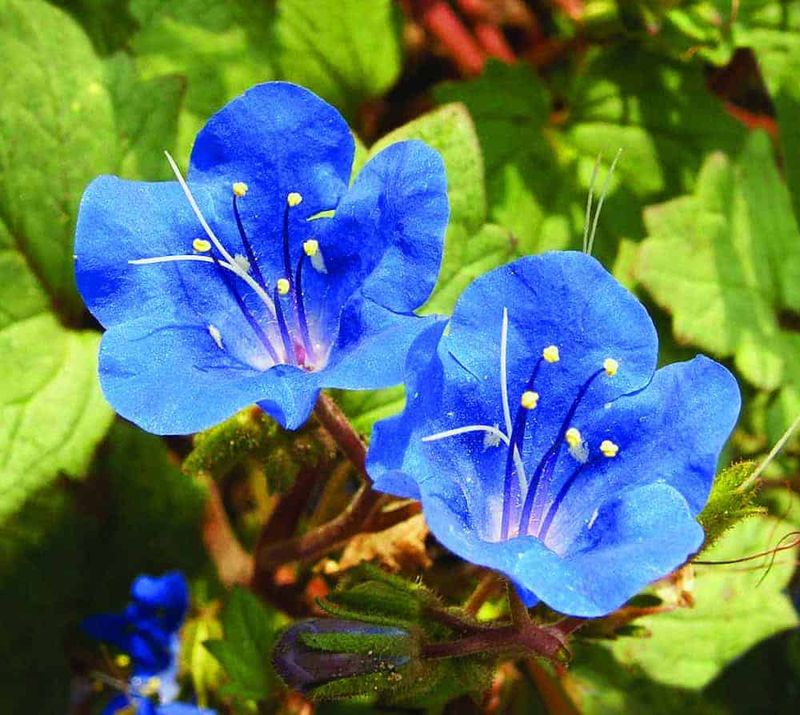
Blue is rare in desert gardens, which is why desert bluebells stop people in their tracks every single spring. The bell-shaped flowers glow a deep gentian blue, often with pale centers that look lit from within.
This compact annual is a Southwest desert native, found wild mostly in the Mojave and Sonoran regions of California. Even so, regional seed suppliers sell it widely because it thrives in hot, sunny desert gardens across the area.
Sow seed in October on the soil surface or barely covered, since cool temperatures and rain trigger germination. Plants stay small, around six to twenty inches tall, which makes them lovely for edging paths or filling pots.
Light watering during long dry spells stretches the bloom season from March into May in many low desert yards. Well-drained soil is a must, and plants tend to sulk in heavy clay that stays wet after storms.
Native bees and bumblebees adore these blooms, so you might notice a steady hum around the patch by midmorning. Wear gloves when thinning seedlings, because the sticky leaves and stems can irritate sensitive skin on some gardeners.
7. Owl’s Clover
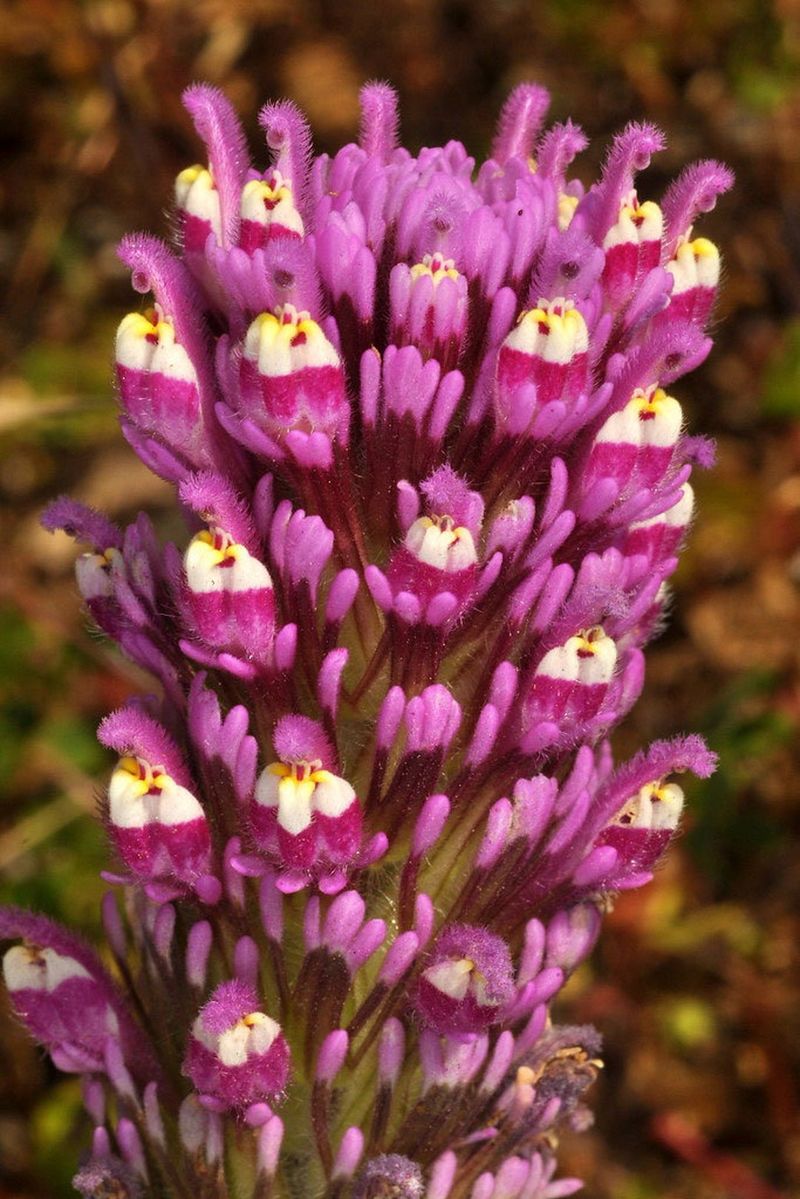
Owl’s clover looks like someone dipped a paintbrush in magenta and swirled it across the desert floor. The shaggy spikes are mostly colorful bracts, often tipped in white or yellow, hiding the small true flowers inside.
Despite the name, it is not a clover at all, and it shares a genus with the famous Indian paintbrush. It is a partial parasite, tapping into the roots of nearby grasses and wildflowers for some of its nutrients.
That quirk means you should sow it alongside native grasses or other annuals rather than alone in bare ground. Scatter the tiny seed shallowly in early fall or October so seasonal rains can press it into the soil.
Plants stay short, around four to eighteen inches, and they bloom as early as March and into May. Full sun and low water suit them nicely, so there is little to fuss over once the seedlings appear.
Native bees and bumblebees visit the blooms often, and hummingbirds sometimes stop by for a quick sip too. I have to admit that a drift of owl’s clover between golden poppies makes my heart race a little.
8. Blue Flax
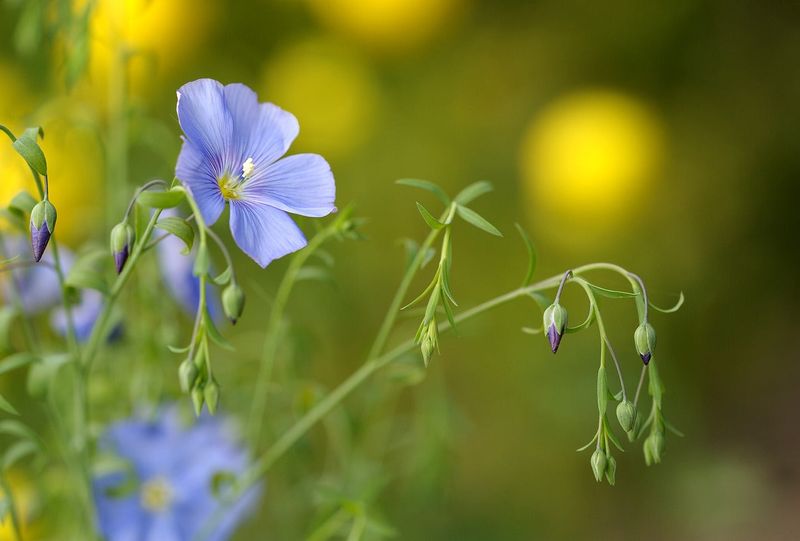
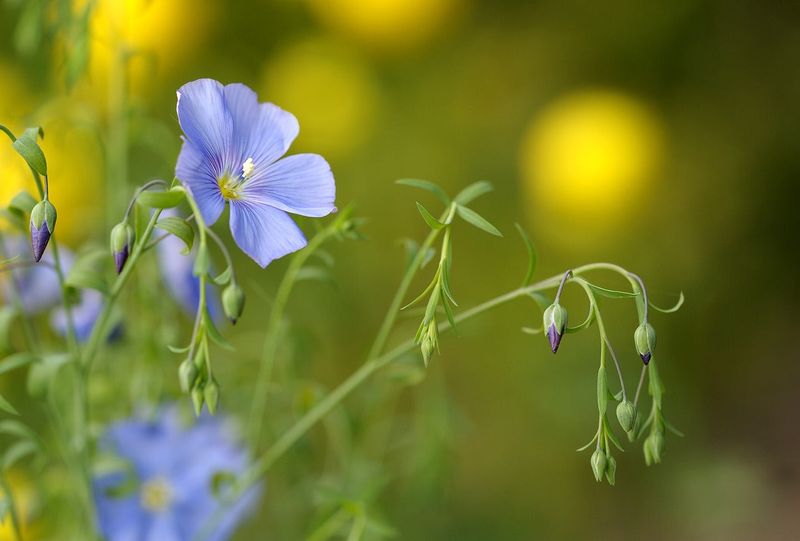
Each sky-blue blossom on blue flax lasts about a day, yet the plant keeps pumping out fresh flowers for weeks. Morning is showtime, because many petals drop by afternoon and leave a soft blue confetti on the ground.
Also called Lewis flax, this perennial grows wild across much of western North America, including higher elevations here. Narrow blue-green leaves line wiry stems one to three feet tall, giving it an airy, almost floating look.
Fall sowing works beautifully, since winter chill helps break seed dormancy and roots start forming before spring growth. Press seed into loose sandy soil in full sun, and do not worry if your ground leans alkaline.
Once established, blue flax handles drought impressively and returns year after year with very little care from you. Cut stems back by about a third after the main flush to tidy plants and encourage a fresh round.
Bees and butterflies visit the open blooms, while songbirds pick at the ripe seed heads later in the season. The raw seeds contain trace cyanogenic compounds, so admire them in the garden rather than snacking on them.
9. Chia
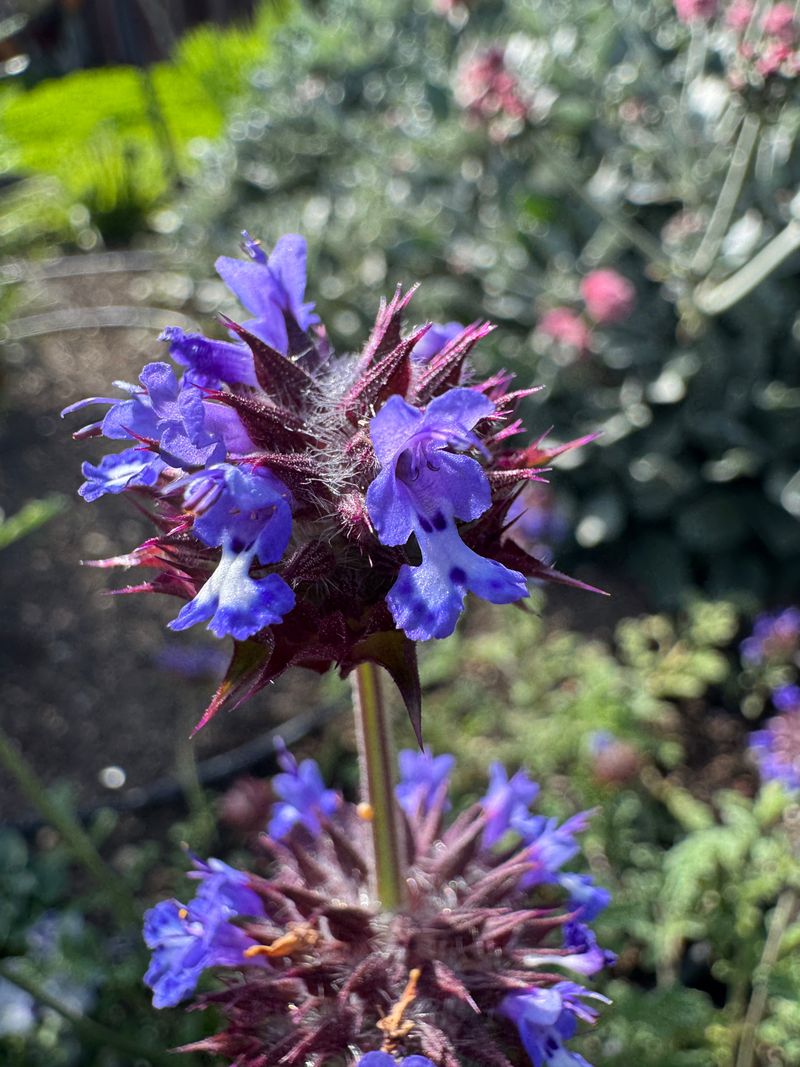
Long before chia became a smoothie topping, desert peoples gathered the tiny seeds of this native sage for food. Its stacked whorls of blue-purple flowers look like little pom-poms threaded onto a stick, and I find them irresistible.
Wait to sow until nighttime temperatures dip below fifty degrees, which in low desert yards often lands in November. Rake seed lightly into sandy soil, since chia handles clay too but germinates best in loose, gritty ground.
Plants reach six to twenty-four inches tall, with crinkly gray-green leaves gathered in a low rosette at the base. Blooms appear from March to May, and the spiky seed heads stay ornamental long after the petals fade.
Chia rarely needs supplemental water once established, so it fits nicely into a low-water front yard bed. If winter turns very dry, a deep soak every couple of weeks keeps young rosettes growing steadily along.
Native bees and hummingbirds both visit the flowers, and birds plus small mammals later pick through the seed heads. Pet owners can relax a bit too, since chia is not listed as toxic to dogs or cats.
10. Parry’s Penstemon
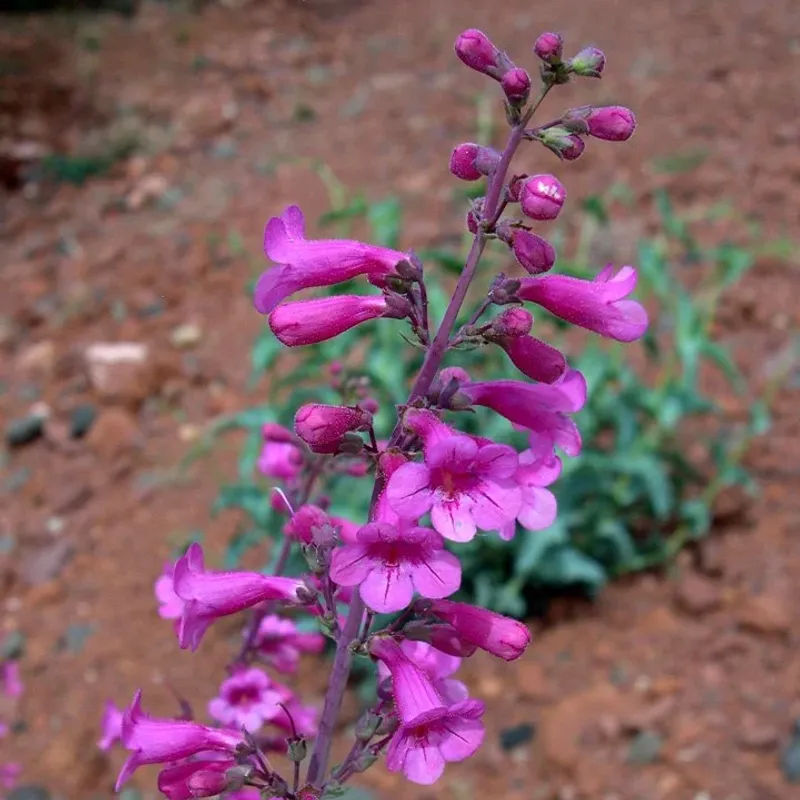
Hot pink trumpets on stalks up to four feet tall make Parry’s penstemon look like nature’s own hummingbird feeder. The first time I saw one bobbing under a hovering hummingbird, I ordered seed the very same afternoon.
This perennial is native to southern Arizona and northern Mexico, where it grows on rocky slopes and sandy washes. It forms a low rosette of blue-green leaves through winter, then sends up flower spikes from March to May.
Sow seed in fall so the cool, damp months can soften the seed coat and trigger germination naturally. Press seed lightly onto gritty soil rather than burying it deep, because many penstemon seeds sprout better near the surface.
Full sun suits it best, though light afternoon shade works fine in the hottest low desert neighborhoods. Avoid rich soil and heavy watering, since soggy roots shorten its life faster than any summer heat wave can.
Expect each plant to live a few years, but it often reseeds and leaves a trail of new rosettes. Large butterflies join the hummingbirds at the blooms, making it one of the liveliest wildlife plants in a dry garden.