10 Signs An Ohio Yard’s Soil Is Compacted And How To Fix It
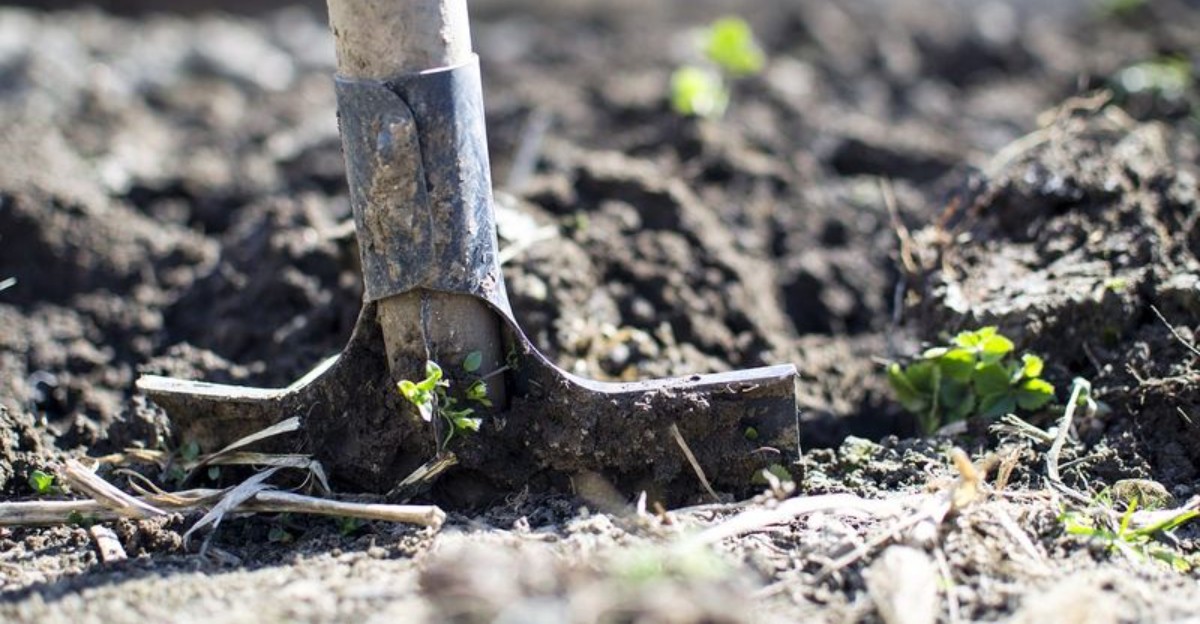
Push a shovel into your lawn and the blade bounces off the ground like it hit a driveway. That’s no accident.
Compacted soil is the quiet troublemaker behind a long list of Ohio yard problems. Puddles that won’t drain, grass that thins out for no reason, and trees that look tired despite regular care often trace back to the same root cause.
The yard doesn’t send a warning. It sends a pile of confusing symptoms.
Ten clues give it away, and a few of them show up in places you wouldn’t think to look. Some take a single glance.
Others need a screwdriver and a quiet minute.
Once you know what you’re dealing with, fixes exist for every budget. Timing matters, and fall is a great window.
Grab a screwdriver and walk the yard this weekend. The ground has plenty to tell you.
1. A Screwdriver Won’t Push Into Moist Soil
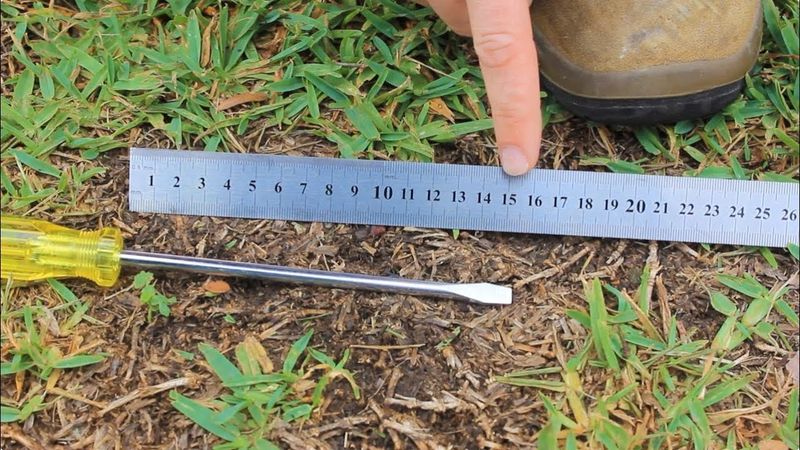
Grab the toolbox, because one of the best soil tests costs nothing. A plain 6 to 8 inch screwdriver can tell you a lot about what lies under your grass.
Wait until a day after rain or a good watering. Dry soil is hard for everyone, so moist ground gives you a fair result.
Push the screwdriver straight down with steady pressure. If it slides in up to the handle, your soil is loose and roomy.
If it stops after an inch or two, you have a problem. That stiff push means the soil grains are pressed tight, with little room for air, water, or roots.
Ohio clay makes this extra common. Clay particles are tiny and flat, so they stack together like a deck of cards when squeezed.
Test several spots across the yard, not just one. Try the front walk area, the play zone, and a quiet corner for comparison.
Jot down which spots resist the most. That simple map shows you where to focus your fixes later.
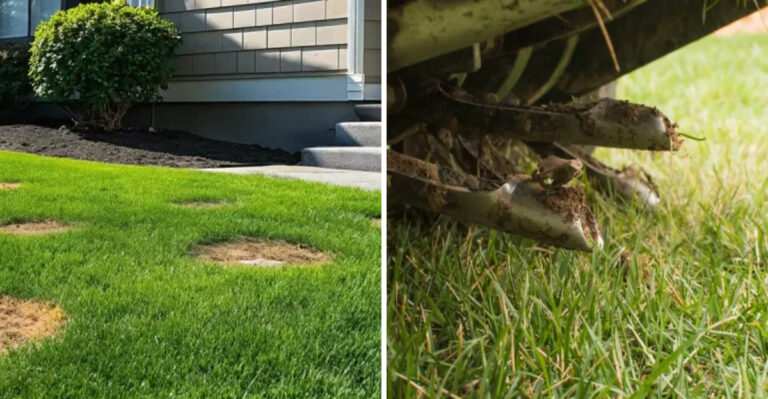
Core aeration is the top cure for hard spots. A machine pulls small plugs of soil out, opening channels for air and water.
Fall is a great time to aerate cool-season Ohio lawns. Rent a machine or hire a lawn crew, then follow up with compost and seed.
2. Puddles Linger Long After Rain
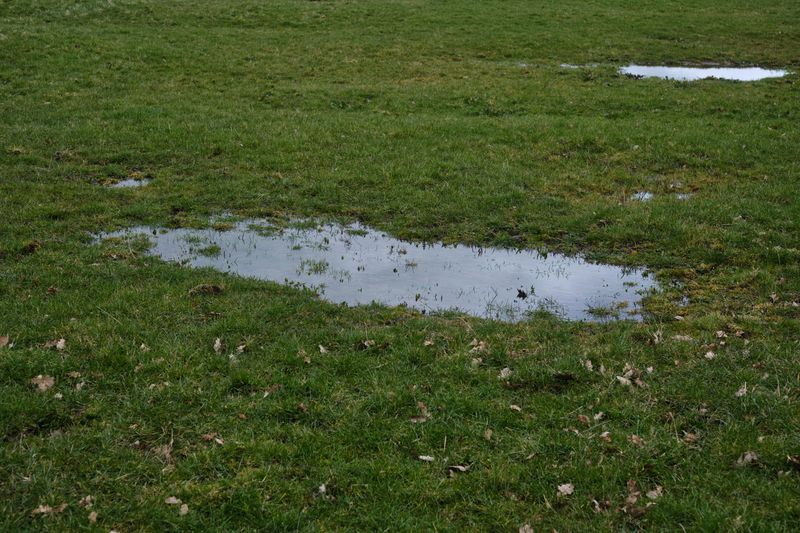
Kids may love a good puddle, but your lawn sure does not. When water sits around for a day or more after a storm, the soil below is likely packed tight.
Healthy soil acts like a sponge with tiny tunnels. Rain trickles down through those open spaces and soaks into the root zone.
Compacted soil has lost most of those tunnels. Water has nowhere to go, so it sits on top and waits for the sun.
Soggy ground causes more trouble than wet shoes. Grass roots need oxygen, and standing water pushes air out of the soil.
Walking on wet ground makes things worse too. Each step presses the soft mud tighter, creating a cycle that keeps going.
Your Ohio Garden Changes Every Week. Your Plan Should Too.
Gardening in Ohio changes quickly throughout the season. Every Friday you’ll receive a simple weekly plan showing exactly what to plant, prune, fertilize, harvest, and protect so you never miss the right timing.
Spring in Ohio is often the toughest time. Snowmelt and steady rain hit clay soil that has been squeezed by winter freeze and thaw.
Start by staying off soggy areas until they dry. Then plan to aerate those low spots once the ground is moist but firm.
Top dressing with a thin layer of compost helps a lot over time. Organic matter loosens clay and builds the sponge-like structure that drains well.
For truly stubborn low spots, a rain garden filled with water-loving native plants might be a smart, pretty solution.
3. Water Runs Off Instead Of Soaking In
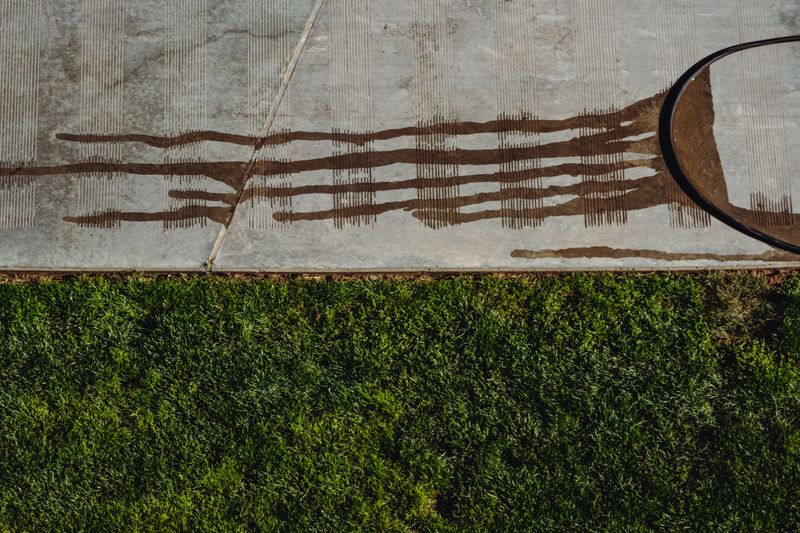
Ever watch your sprinkler water stream right down the driveway? That little river is money and moisture rolling away from your grass.
Runoff happens when water hits the ground faster than the soil can take it in. Packed soil has a slow intake, so most of the water slides off.
Slopes make it even easier to spot. Look for wet sidewalks, muddy gutters, or streaks of soil washing onto the pavement.
Here is a quick backyard experiment. Pour a bucket of water on a hard spot and a soft garden bed, then watch which one drinks faster.
The fix starts with how you water. Try short cycles, like ten minutes on and thirty minutes off, so the soil has time to soak each round.
Watering slowly and deeply also trains roots to grow down. Early morning is best, since less water is lost to heat and wind.
Aeration and compost tackle the root cause. Opening up the soil lets each drop find a path into the ground.
Fun fact: runoff from lawns can carry fertilizer into creeks and streams. Fixing compaction helps protect Lake Erie and the rivers Ohioans love.
So that driveway river is worth paying attention to, for your yard and your neighborhood.
4. Grass Thins Out Where Traffic Is Heaviest
Think about the busiest spots in your yard. The gate, the swing set, the corner where the mail carrier cuts across all take a beating.
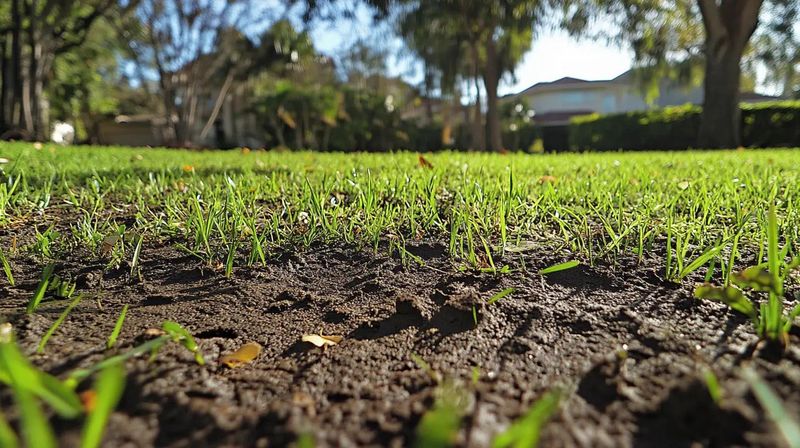
Those areas often show grass that looks thin and tired. You might see more soil peeking through or blades that look weak and pale.
Each footstep, mower pass, and bike ride presses the soil down a little more. Over time, roots run out of space to spread.
Squeezed roots also struggle to reach air and food. The grass slowly loses its thick, carpet feel and turns sparse.
Long-term stress from compaction leaves turf open to weeds, disease, and drought damage. It is a slow slide, but you can stop it.
First, look at how people move through your yard. Stepping stones or a mulch path can guide feet away from the grass.
Next, aerate those high-traffic zones once a year, or even twice if they get heavy use. Overseed right after so new grass fills in.
Choose tough grass types for these areas. Turf-type tall fescue and Kentucky bluegrass blends handle Ohio weather and foot traffic well.
A little planning goes a long way. Change the traffic pattern, loosen the soil, and that thin patch can bounce back.
5. Bare Paths Show Where People And Pets Walk
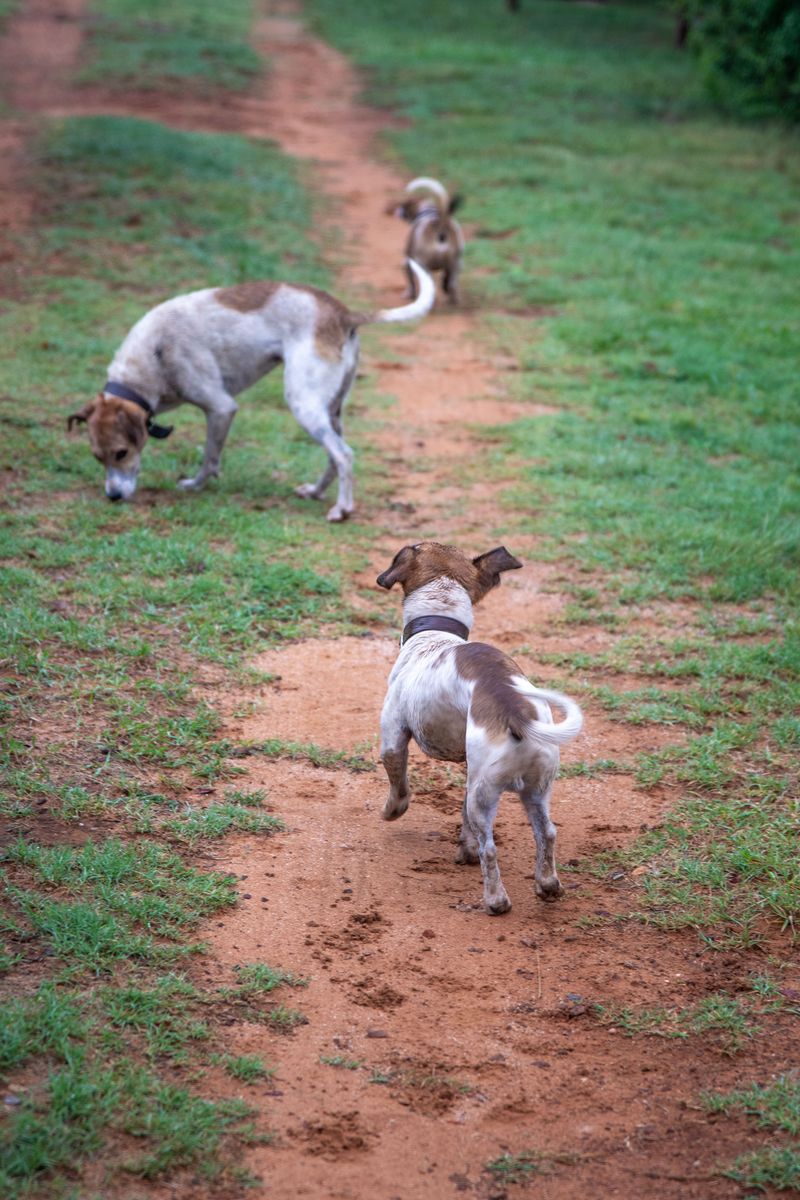
Your dog has a favorite route, and the lawn knows it well. That brown strip along the fence is a trail of packed soil.
People do the same thing. Shortcuts from the driveway to the back door can carve a path faster than you think.
Repeated steps wear down grass blades and press the dirt flat. Grass simply cannot regrow as fast as it gets trampled.
Soon you have exposed soil that turns to mud in spring and dust in summer. It can feel almost as hard as pavement.
Fighting the path rarely works, so try working with it. If everyone walks there, make it an official walkway.
Flagstones, pavers, or a wide strip of wood chips look nice and handle traffic. Your dog will happily keep using the route.
For pet runs, consider pea gravel or a tough ground cover. Some Ohio homeowners plant clover, which handles paws better than many grasses.
If you want grass back, block the path for a few weeks. Loosen the soil with a garden fork, mix in compost, and reseed.
A small temporary fence or a row of planters can redirect traffic. Once the grass grows strong, you can open it back up slowly.
6. Prostrate Knotweed Moves In
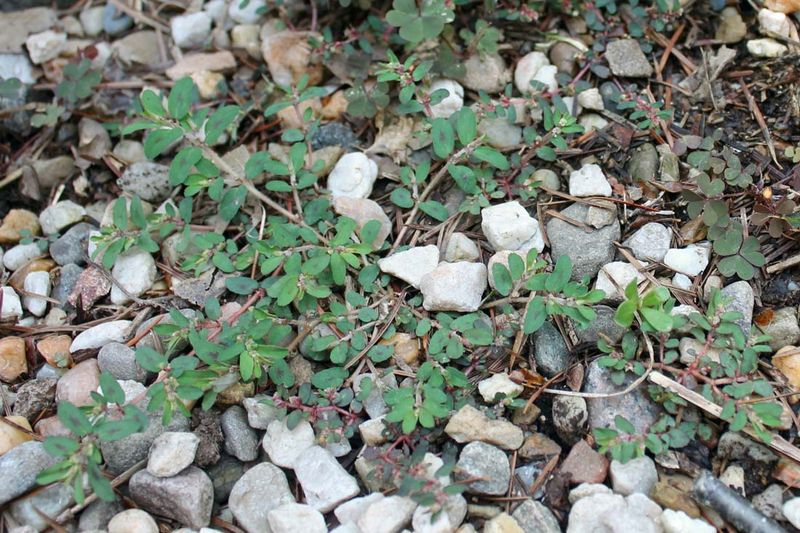
Some weeds are troublemakers, but this one is also a messenger. Prostrate knotweed shows up where most plants give up.
Look for a low, flat mat of wiry stems with small blue-green leaves. It hugs the ground and spreads out like a little green rug.
You will often find it along sidewalk edges, driveways, and footpaths. These are the same tough, trampled places where grass struggles.
Knotweed thrives in hard, low-nutrient soil. Its presence is a strong hint that the ground beneath is packed tight.
It sprouts early in spring, sometimes even before crabgrass. Ohio gardeners often spot it in March or April along walkways.
Pulling it helps, especially when the soil is moist and young plants are small. Grab it near the base and tug gently to get the root.
But pulling alone will not stop it from returning. The real goal is to make the soil less friendly for knotweed and more friendly for grass.
Loosen the area with aeration or a garden fork. Then work in compost to add nutrients and improve soil structure.
Thick, healthy grass crowds knotweed out naturally. When the soil gets better, this weed tends to pack its bags.
7. Plantain And Goosegrass Show Up Too
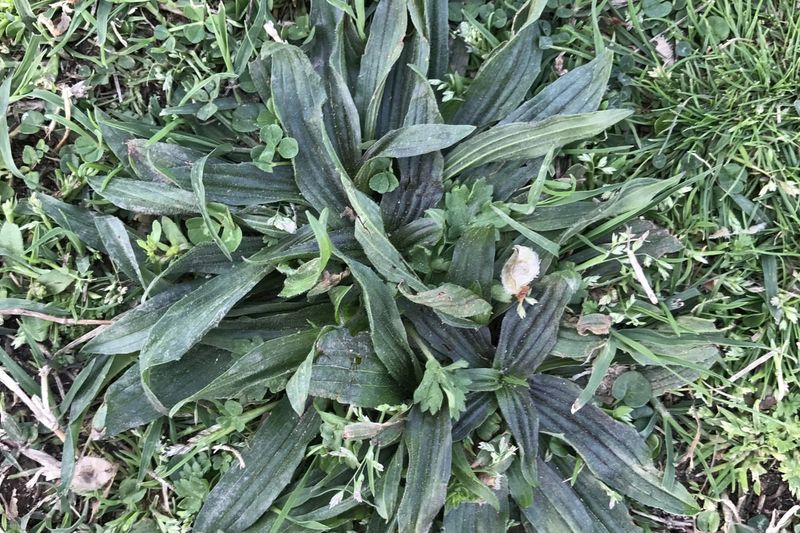
Meet the sidekicks. If knotweed brought friends, broadleaf plantain and goosegrass would be first in line.
Broadleaf plantain has wide, oval leaves that lie flat in a rosette. Tall, skinny seed spikes poke up in summer like little green pencils.
It loves foot traffic and packed ground. Its fibrous roots let it grip dense soil where many plants cannot survive.
Goosegrass is a warm-season annual with a silvery white center. The stems fan out flat, so mowers often slide right over it.
Both weeds point to the same root issue. Your soil is tight, and grass is losing the battle in those spots.
Fun fact: early settlers carried plantain seeds to North America by accident. Some Native peoples called it white man’s footprint because it followed trails.
To fight back, pull plantain with a weeding tool to grab its roots. Hand pull goosegrass before it sets seed in midsummer.
Then tackle the soil. Aerate in fall, add a light layer of compost, and overseed the thin areas.
Raise your mower height to about three or four inches. Taller grass shades the ground and makes it harder for these low growers to sprout.
8. The Lawn Looks Dry Even After Watering
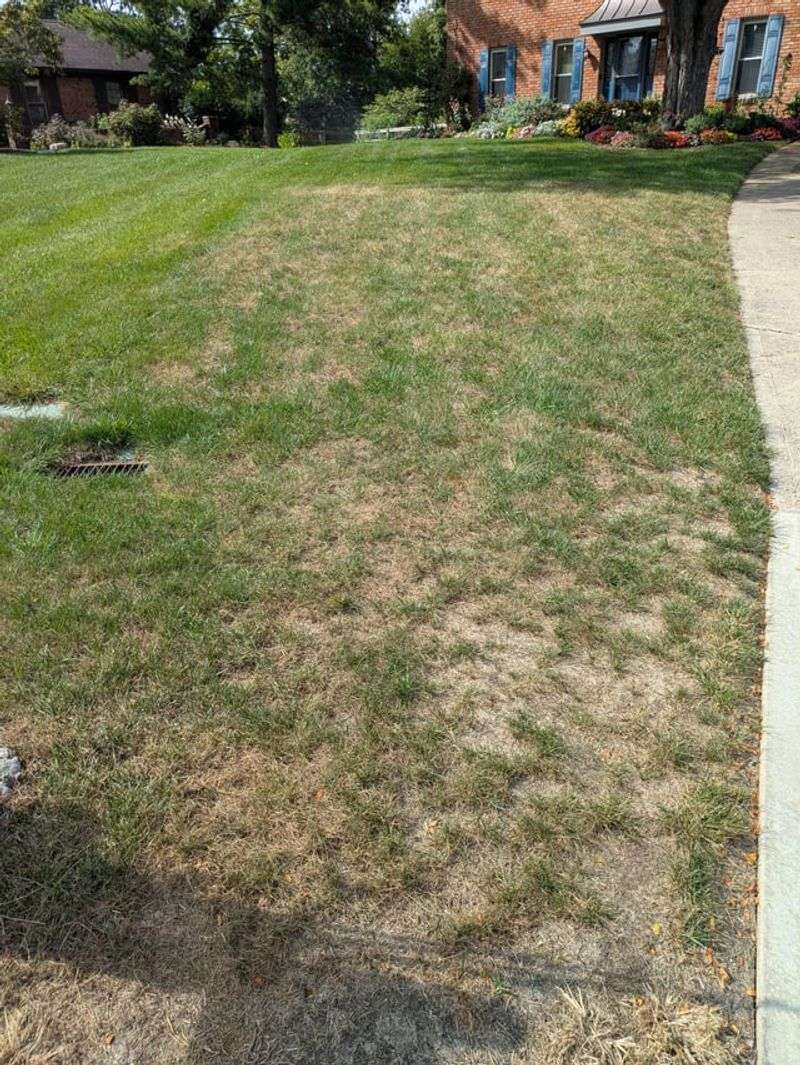
You watered last night, so why does the lawn look thirsty again? That frustrating puzzle has a common answer hiding underground.
Compacted soil keeps water from sinking to the roots. Much of it sits on the surface, evaporates, or runs away.
The grass may look dull, bluish gray, or wilted. Footprints might stay pressed down instead of springing back up.
Many homeowners respond by watering more often. Sadly, that extra water usually just adds to the runoff and puddles.
Try a simple check. Dig a small hole a few hours after watering and see how deep the moisture went.
If only the top inch is damp, the water is not getting where it counts. Roots below are left high and dry.
Switch to slow, deep soaking sessions once or twice a week. Soaker hoses or cycle settings on sprinklers help water creep in gently.
Aeration is the long-term fix. Those little holes act like straws that carry water down toward the roots.
Hot Ohio summers can stress any lawn. Loosened soil gives your grass a fighting chance to stay green through July and August.
9. Roots Stay Short And Shallow
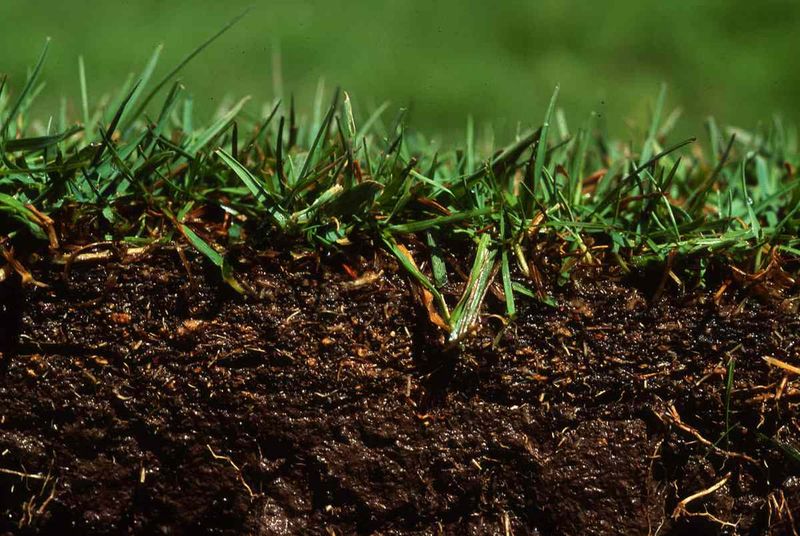
Here is a little detective work for your hands. Grab a handful of grass in a busy spot and give it a firm tug.
Does it lift up easily like a loose rug? That is a sign the roots are short and staying near the surface.
Healthy lawn grass can send roots six inches deep or more. In compacted ground, roots hit a hard layer and spread sideways instead.
Shallow roots cause a chain of trouble. Grass dries out fast, runs low on nutrients, and struggles through heat waves.
You can peek below with a shovel. Cut out a small wedge of sod and look at the root length along the side.
Compare it with a quiet area of the yard. The difference can be eye-opening.
Deep watering encourages roots to chase moisture downward. Water less often but longer, so the soil gets soaked several inches down.
Core aeration creates pathways that roots love to follow. Over time, they dive into those holes and grow stronger.
Nature helps too. Earthworms and dandelions with long taproots can break up packed layers, so a few worms are good news.
Healthy roots below mean a tougher, greener lawn above.
10. Nothing Grows At All In The Worst Spots
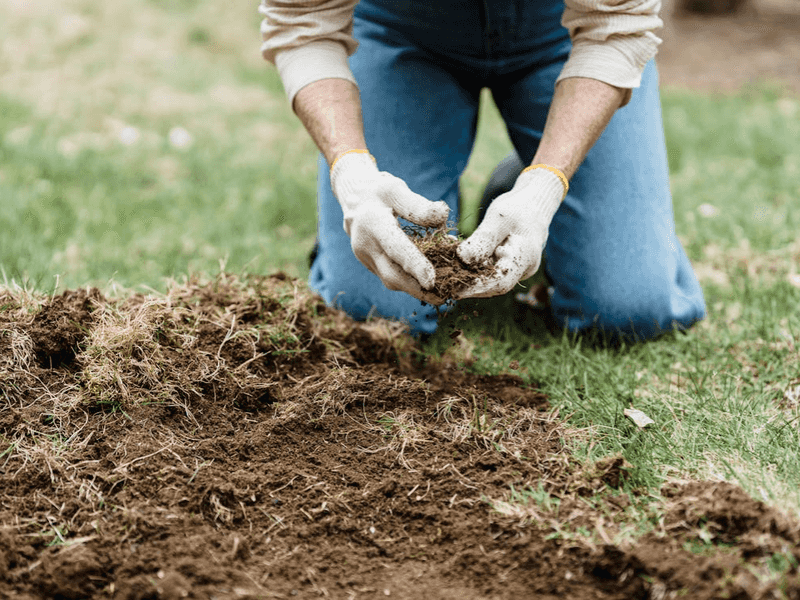
Even weeds have standards. When a patch of ground is so hard that not even knotweed bothers, you have reached the top level of compaction.
These spots look like bare, cracked clay. They may sit under a play set, beside a parking spot, or where a trailer was stored.
New roots simply cannot break through the dense layer. Seeds may sprout, but they quickly fade without room to grow.
The good news is that even the toughest patch can recover. It just needs a bigger push than a regular lawn area.
Start by breaking up the soil. A garden fork, broadfork, or tiller can loosen the top six to eight inches.
Mix in two to three inches of compost. Organic matter is the secret ingredient that turns heavy Ohio clay into crumbly, living soil.
Rake it smooth, then seed with a grass blend suited to your sun and shade. Keep it lightly moist until the new grass is established.
In spots where grass keeps struggling, try a hardy ground cover or a mulched bed. Some folks plant a cover crop first to build soil.
Finally, protect your work. Keep feet and equipment off until roots settle in.