10 Toxic Trees Growing Around Indiana Homes That Pet Owners Should Know About
A few chewed needles from a popular evergreen beside the front porch can upset a dog’s heart rhythm within hours. Horses face their own trouble, because wilted leaves from one beloved shade tree can wreck their red blood cells.
I learned the hard way that pretty yards across Indiana hide plenty of risky nuts and leaves for curious pets. My terrier once proudly trotted inside with a mouthful of fallen treasure, and my stomach dropped to my shoes.
Not going to lie, many of these trees are native beauties that feed birds and shade our patios. You probably walk past several of them each morning while your dog tugs eagerly toward the nearest smell.
Fair warning, a few familiar Indiana favorites surprised me, including one tree that probably holds your kids’ tire swing. So which leafy neighbors deserve a closer look before your pup’s next sniffing adventure across the lawn?
1. Oak
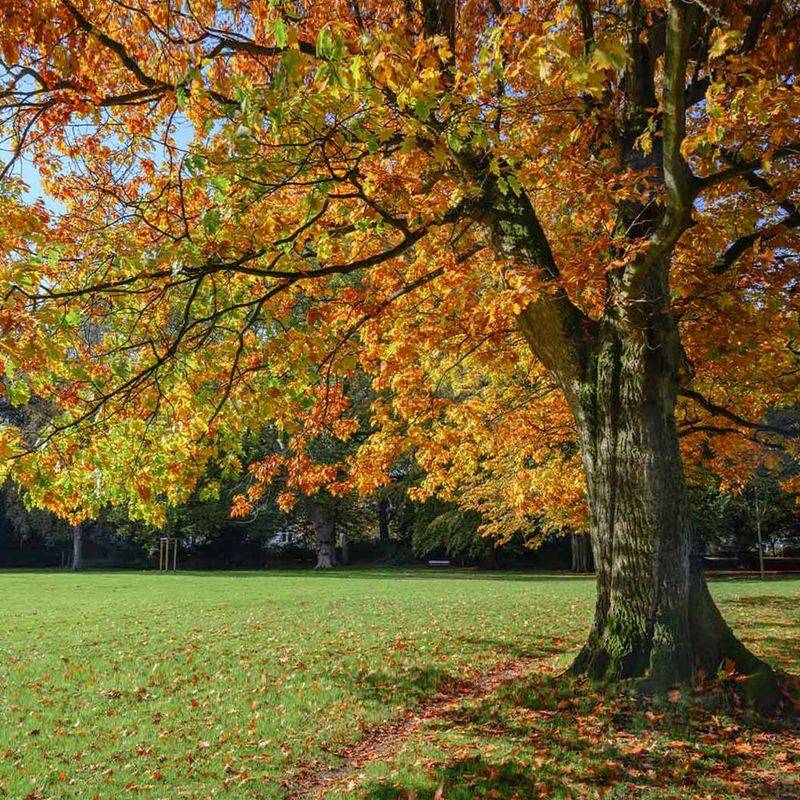
Every fall, my backyard oaks rain acorns so loudly that the dog flinches at each ping off the patio roof. Those crunchy little caps look like toys to a puppy, yet they pack a surprising amount of bitter tannin.
Oaks carry gallotannins in their acorns and young spring leaves, and these bitter compounds irritate the stomach lining of dogs. Vomiting and diarrhea are the usual signs, and very large amounts have been linked to kidney trouble in dogs.
The shape of an acorn worries experienced vets almost as much as the harsh chemistry inside the shell itself. A greedy dog who swallows several whole can end up with a painful intestinal blockage that sometimes needs surgery.
Raking or using a nut gatherer every few days during heavy drop seasons keeps the backyard lawn much safer. I also carry high value treats on our walks so my dog happily trades acorns for something tastier.
Please keep the oaks, since they feed hundreds of caterpillar species and countless hungry birds in your neighborhood. Managing the dropped acorns is a far better plan than cutting down a grand tree that took generations to grow.
2. Black Walnut
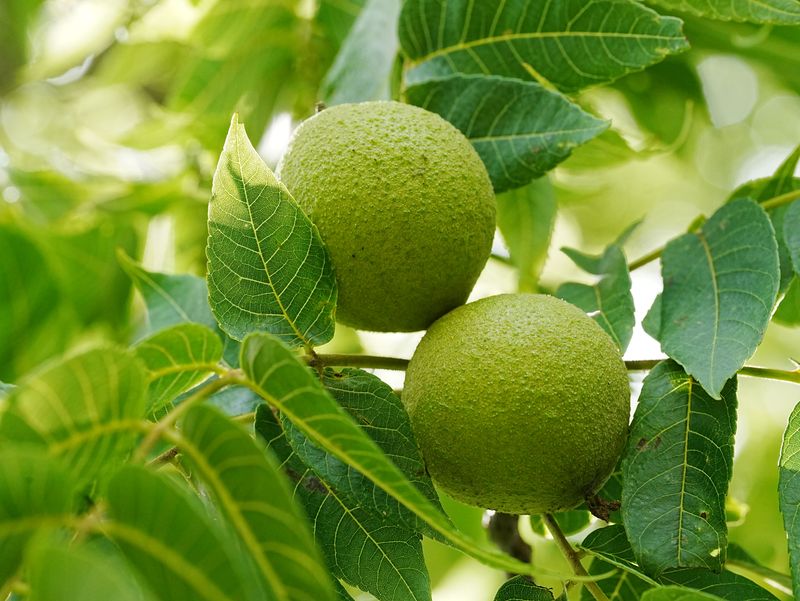
Those green tennis-ball husks thudding onto the driveway each autumn stain your fingers a stubborn brown for days afterward. My dog thinks they are the finest chew toys ever made, which is exactly where all the trouble starts.
Fresh nuts are mostly an upset stomach risk, but rotting hulls are a very different and much scarier story. Moldy husks can grow fungi that produce tremorgenic mycotoxins such as penitrem A, which can trigger serious shaking and seizures.
Signs can show up within just a few hours, starting with vomiting and wobbly legs before tremors set in. Call your veterinarian right away if your pup chewed on blackened walnuts, even if they seem perfectly fine right now.
Horse owners should know about a separate wood hazard, since bedding made with black walnut shavings can cause laminitis. Ask your supplier what species went into the shavings before spreading them across any horse stall floor.
Picking up fallen nuts twice a week, especially after rain, keeps mold from getting a foothold in the grass. Squirrels will happily help with cleanup, though they tend to bury the leftovers deep in your flower beds.
3. Black Cherry
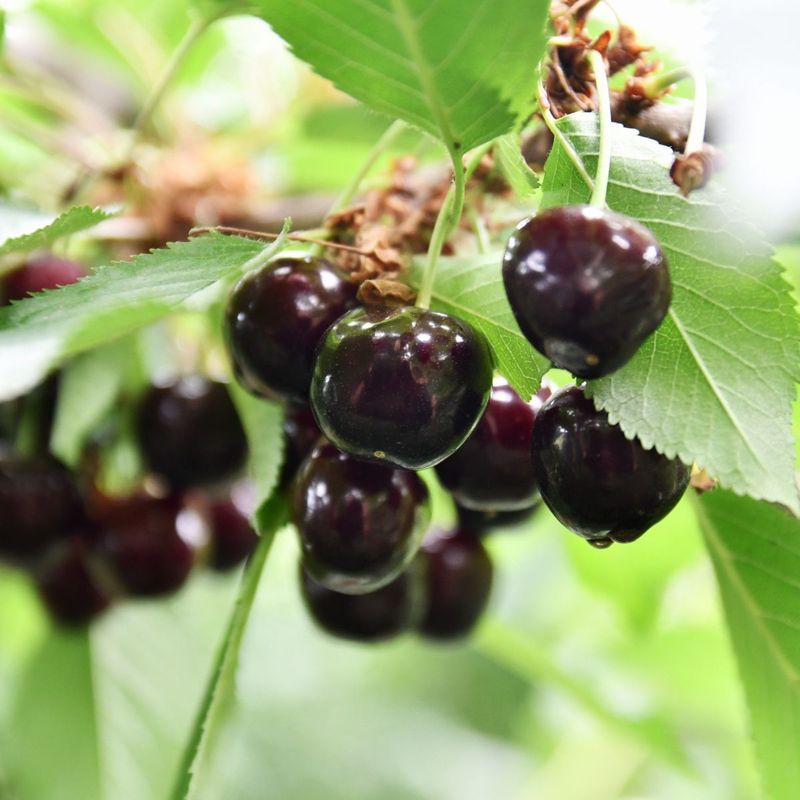
Spring brings drooping white flower clusters to wild black cherry trees along fence rows, and bees go wild for them. I adore their peeling bark, yet I keep a close eye on every broken branch after summer thunderstorms roll through.
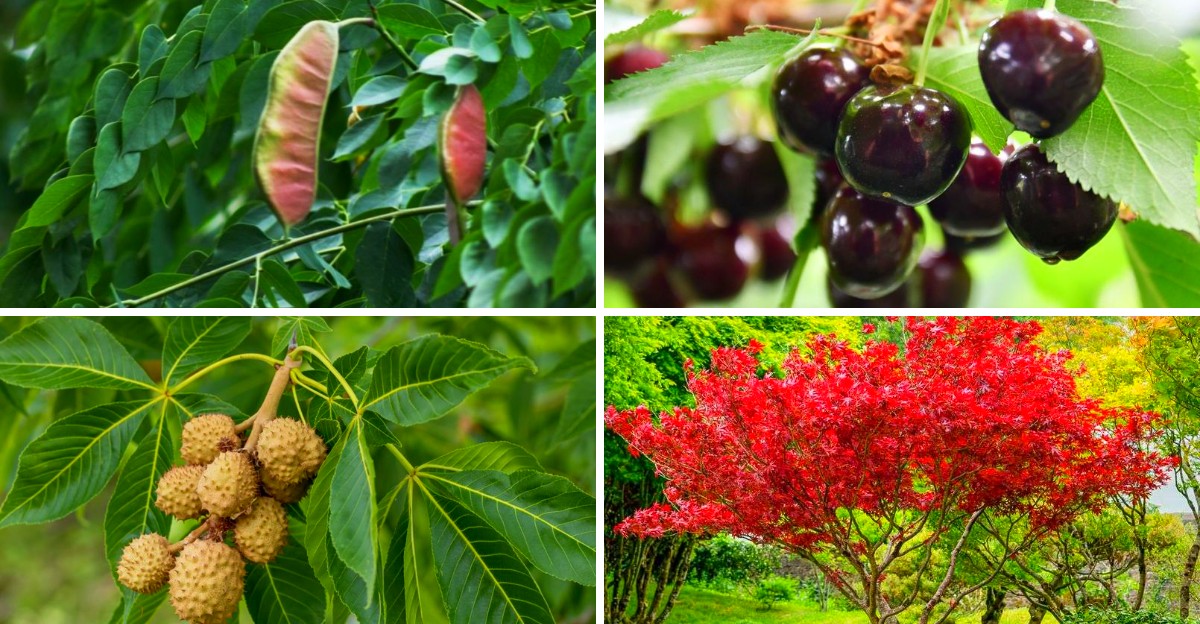
The leaves and pits contain cyanogenic glycosides that release toxic cyanide once they are chewed or begin to wilt. Wilted foliage on a downed limb is actually more dangerous than fresh green leaves still hanging on the tree.
Livestock and horses grazing near fallen branches face the biggest risk by far, according to many university extension specialists. Dogs and cats can still get sick from chewing twigs or crunching through a big pile of fallen pits.
Warning signs include bright red gums and labored breathing, and they can appear surprisingly fast after a snack. That kind of reaction is an emergency, so head straight to the nearest vet instead of waiting it out.
After any windstorm, I walk the yard and haul cherry limbs to the brush pile before the dogs explore. Birds happily devour the dark summer fruit, so the tree still earns its sunny spot along my back fence.
4. Ohio Buckeye
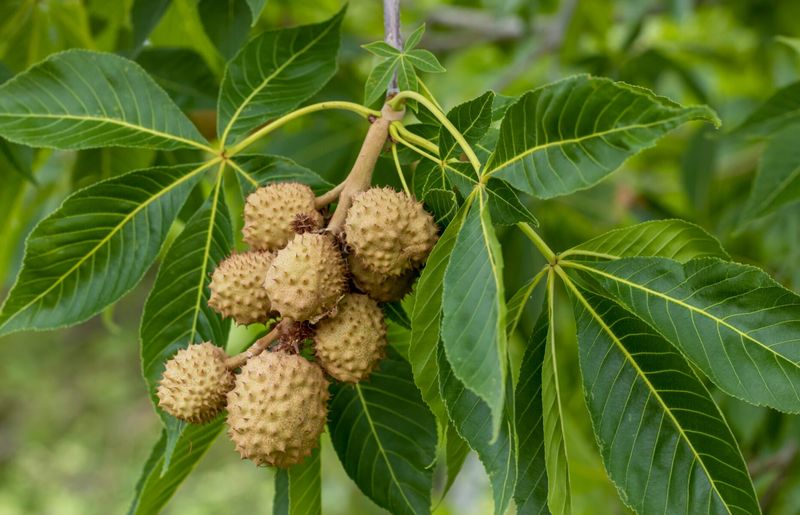
Kids across Indiana stuff shiny buckeyes in their pockets for luck, and dogs seem equally charmed by those glossy nuts. That polished brown seed with its pale eye really does look like a treat begging to be chewed.
Ohio buckeye contains aesculin and saponins in its nuts and leaves, and the young spring sprouts carry plenty too. These compounds irritate the gut and can affect the nervous system when a curious pet eats enough of them.
Vomiting and diarrhea usually come first for most dogs, followed in rougher cases by wobbly walking and muscle twitching. A whole nut is also just the right size to lodge firmly inside a medium dog’s intestines.
Fun fact for trivia night, buckeye nuts were once commonly carried as lucky pocket charms to ward off rheumatism. Old habits stick around, so remind kids to keep their buckeye collections high on a shelf away from the dog.
Ohio buckeye drops its husks in early fall, so a quick daily sweep handles most of the mess. The tree itself is a lovely native shade option, as long as you stay faithfully on nut patrol each autumn.
5. Black Locust
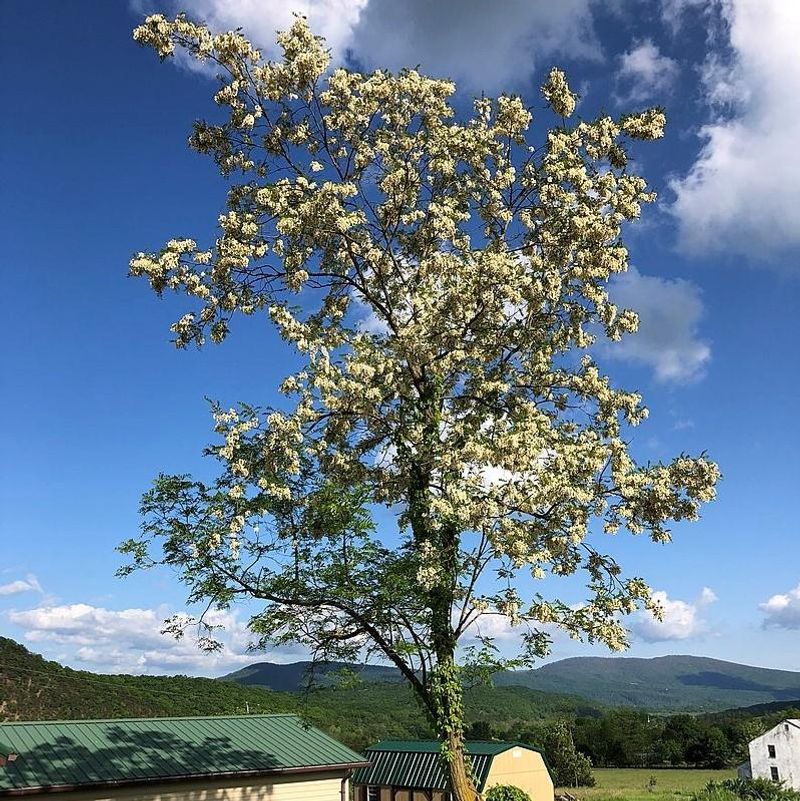
Late spring air near a blooming black locust smells sweet as honey when those dangling white flower clusters open. Funny thing is, the same tree hides sharp paired thorns and bark that horses should not chew on at all.
Its inner bark and hard brown seeds contain toxic proteins called toxalbumins, along with a bitter glycoside named robitin. Horses are reported most often, but the ASPCA also lists dogs and cats as vulnerable to this tree.
A pet that happily gnaws on fallen locust branches may show weakness and stomach upset, sometimes with bloody diarrhea. Horses tied near locust fence posts can get sick simply by stripping the bark off out of boredom.
Seed pods often hang on through winter, then crack open and scatter beans that small dogs love to crunch. I scoop those flat brown pods into a bucket whenever I spot them scattered near the backyard dog run.
Black locust also spreads aggressively by root suckers in open fields, so many Indiana landowners actively work to control it. Skip planting one near pastures or play areas and choose a safer and pet friendlier native shade tree instead.
6. Yew
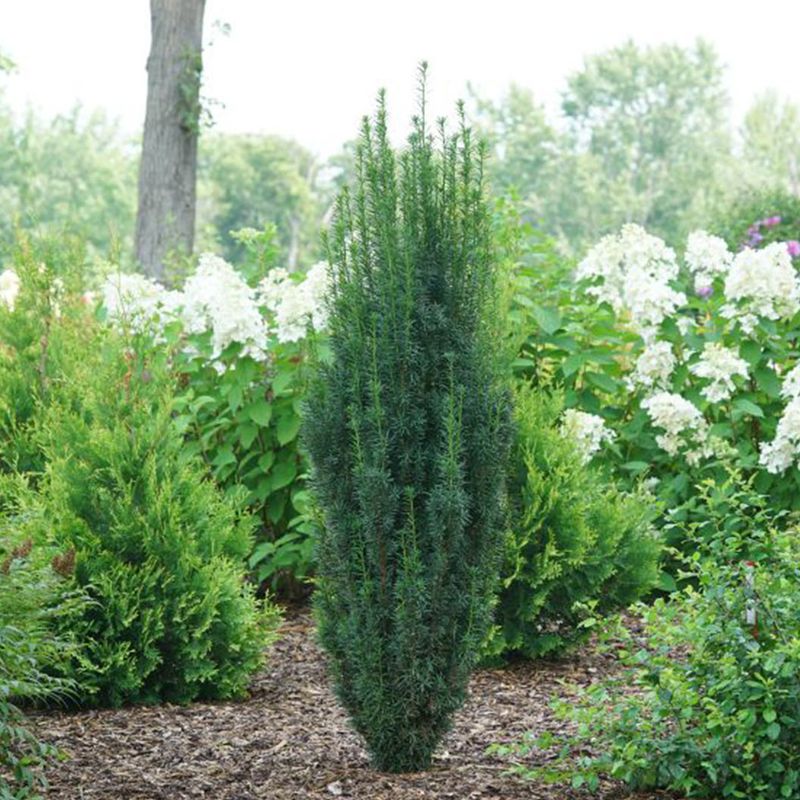
Nearly every subdivision I drive through has a row of dark green yews tucked beneath the front windows. They look tidy and innocent, but veterinarians rank them among the most dangerous landscape plants you can find around a home.
Potent taxine alkaloids fill the soft needles and seeds, and they interfere with how the heart muscle beats. Only the fleshy red cup around each seed lacks the toxin, though the hard seed tucked inside remains hazardous.
Problems can appear within just a few hours, and some animals collapse suddenly with heart rhythm trouble and little warning. Horses and cattle are especially sensitive, so keep fresh or dried yew clippings well away from any pasture fence line.
Dogs usually nibble shrubs out of boredom, so supervise teething young pups closely around those front yard foundation plantings. Bag every trimming after you prune, since wilted cuttings stay just as toxic and look like tempting chew sticks.
Call your vet or the ASPCA Animal Poison Control Center at once if you catch a pet chewing yew. Honestly, swapping these shrubs for a safer evergreen near the doorstep brought me some real and lasting peace of mind.
7. American Holly
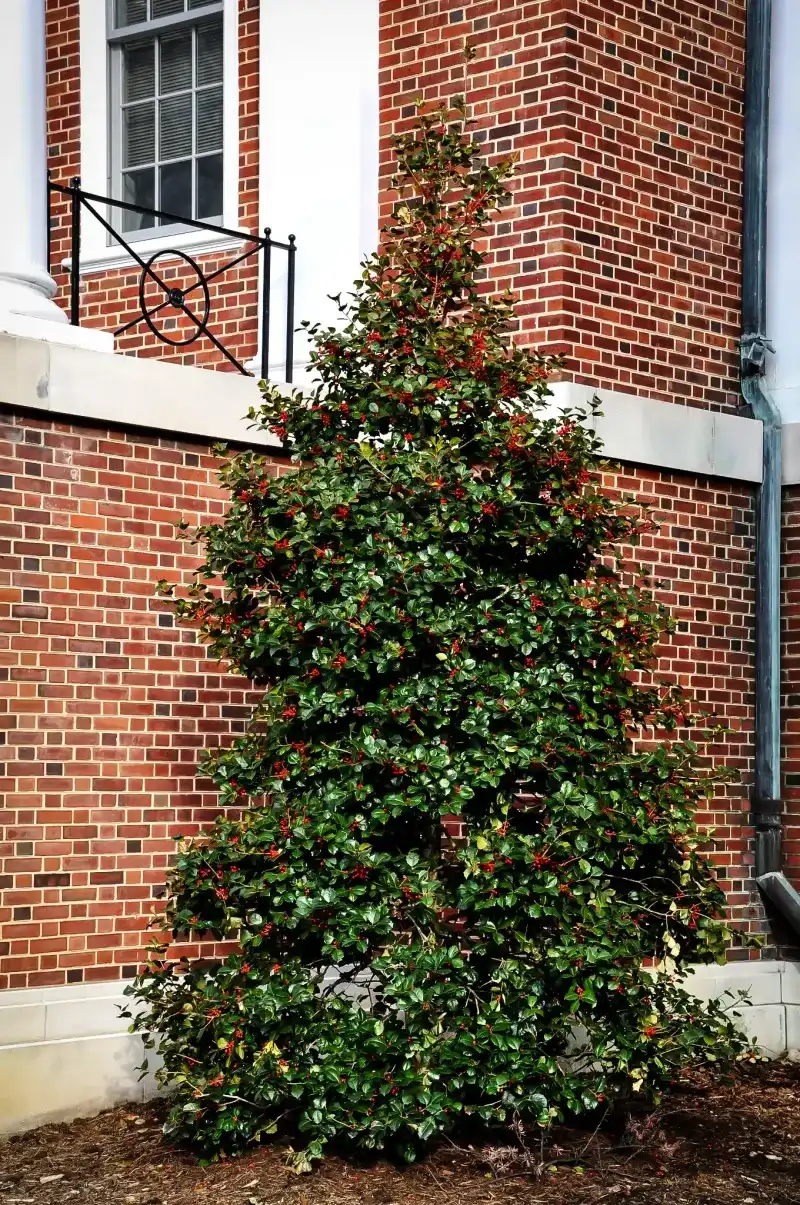
Glossy spiny leaves and bright red berries make American holly the star of many winter porches and wreaths. I’m a sucker for those berries in December, but my cat thinks fallen ones make excellent little batting toys.
Holly is generally rated mildly toxic, and the berries and leaves contain saponins that irritate the whole digestive tract. Most pets that sample a berry end up with drooling and an upset stomach rather than anything truly serious.
Those sharp prickly leaves actually help a little, since one painful chomp usually convinces a dog to spit them out. Still, spines can scratch a pet’s mouth and throat, so watch closely for sudden pawing at the face afterward.
Only female hollies produce berries, and they need a male holly growing somewhere nearby to set their bright fruit. Pet owners who love the evergreen look but hate the cleanup might consider planting a single male tree.
Indoors during the holidays, tuck cut holly sprigs on high mantels well above the jumping range of curious cats. Sweep up dropped berries outside each week, and the hungry winter robins will gladly handle whatever you happen to miss.
8. Kentucky Coffeetree
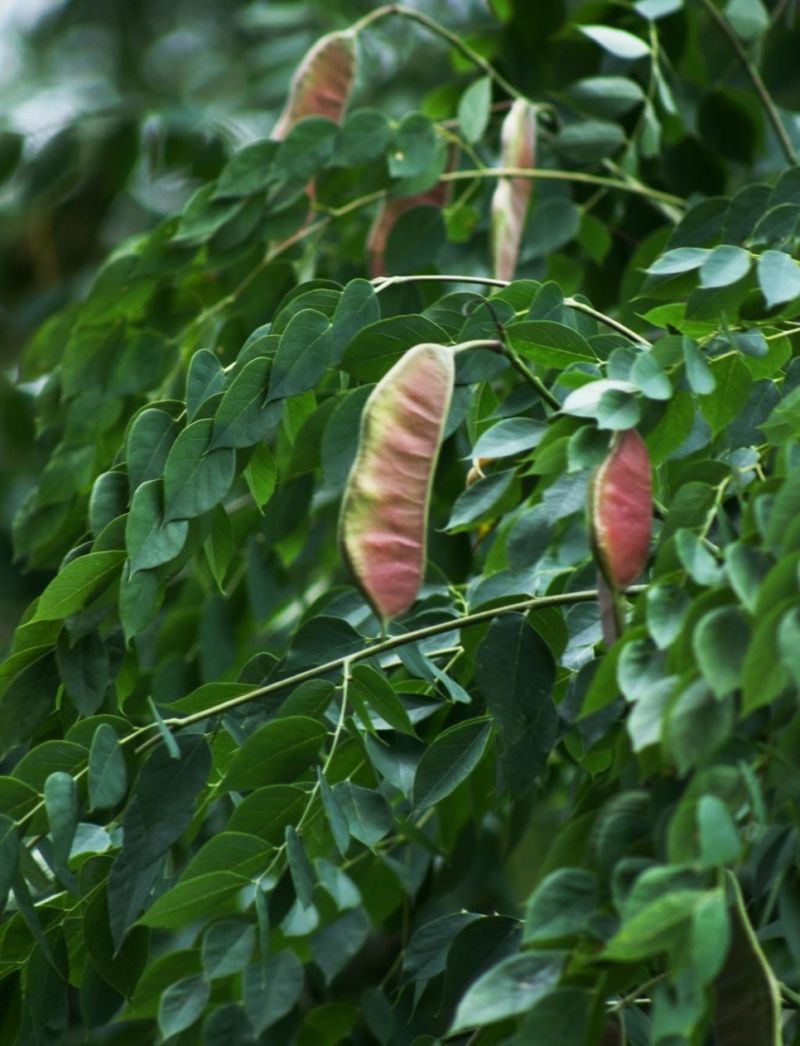
Early Kentucky settlers reportedly roasted the seeds of this tree as a coffee substitute, which explains its quirky name. Raw seeds and the sticky pulp inside the pods are another story, since they can make animals quite sick.
The main culprit is cytisine, a bitter alkaloid that affects the nervous system and badly upsets the stomach lining. Most documented poisonings involve grazing cattle and horses, but curious dogs chewing the pods could face similar trouble too.
Thick leathery pods drop from female trees through winter, and they rattle like maracas when you give them a shake. Fair to say my young retriever found those rattling pods irresistible until I started gathering them each weekend.
Plenty of towns in Indiana plant this native along streets because it shrugs off city pollution and tough clay. Many nurseries now sell seedless male cultivars such as Espresso, which skip the messy and risky pods altogether.
If a female tree already shades your yard, rake up the pods before the dogs get bored on chilly afternoons. Watch closely for vomiting or unusual twitching after any pod chewing, and call your veterinarian promptly with any questions.
9. Apple
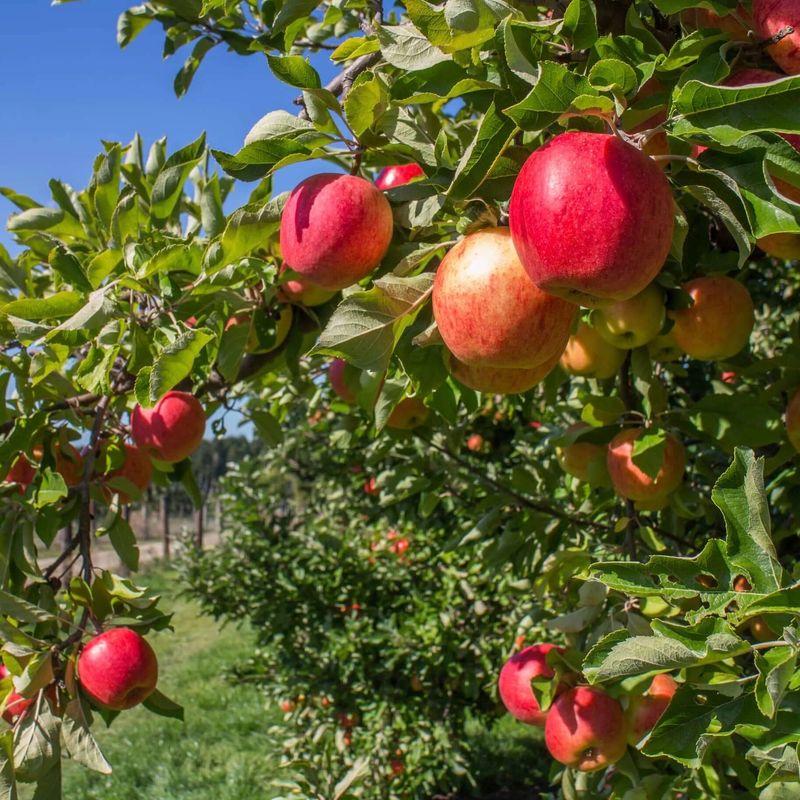
Backyard apple trees feel wholesome, and honestly a crisp slice of fresh apple makes a fine occasional dog treat. Trouble hides in the seeds and woody stems, which the ASPCA lists as toxic for household pets and horses.
Those parts, along with the leaves, contain cyanogenic glycosides, and the foliage grows riskier once it wilts after a storm. A few accidentally swallowed seeds rarely cause harm, but a dog gorging on a pile of fallen cores is another story.
Rotting windfall apples bring a sneaky second problem, since moldy fruit can upset a dog’s stomach quite badly. Yellowjackets also swarm those mushy apples in late summer, and one sting on a curious nose really hurts.
Guilty as charged, I used to leave fallen apples scattered in the grass for the neighborhood deer to enjoy. These days I collect them every couple of days and compost them in a sturdy closed bin the dogs cannot open.
When sharing apple slices with your pup, remove the core and seeds first, and offer only a few small pieces. Ornamental crabapples carry similar seed concerns, so give those pretty flowering trees the same tidy autumn cleanup routine too.
10. Red Maple
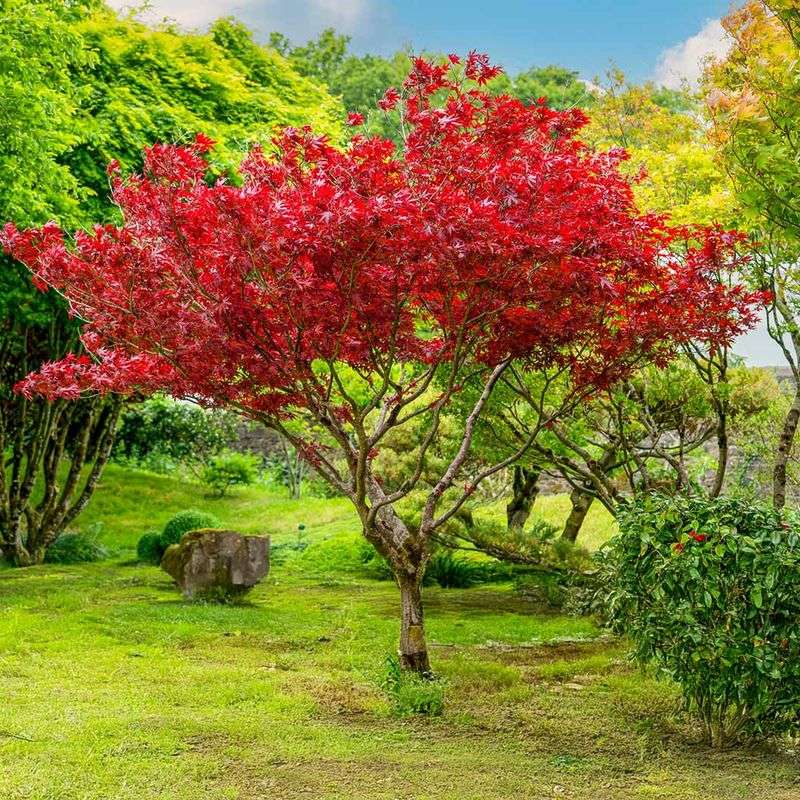
Few sights beat a red maple blazing scarlet in October, and plenty of Indiana yards proudly show them off. I didn’t expect a tree this gorgeous to land on a pet safety list, but horse owners know.
Wilted or dried red maple leaves contain gallic acid and related compounds that badly damage a horse’s red blood cells. The result is hemolytic anemia, and just a few pounds of wilted leaves can seriously harm an adult horse.
Dogs and cats do not appear to face the same serious risk, according to most current veterinary toxicology sources. Still, any pet that munches a big crunchy pile of autumn leaves may end up with a mildly upset tummy.
Storm season is the sneaky danger, since a broken limb wilts quickly on the ground where hungry horses can reach it. Walk your fence lines after every windstorm and haul away any fallen maple branches before turning your animals back out.
Silver maples and hybrid maples may carry similar compounds, so many equine vets suggest caution with them too. Keep maples planted well outside pastures, and you can enjoy that fiery fall color with a clear conscience.