This Mouse-Sized Indiana Mammal Packs a Venomous Bite and May Be Hiding Under Your Mulch
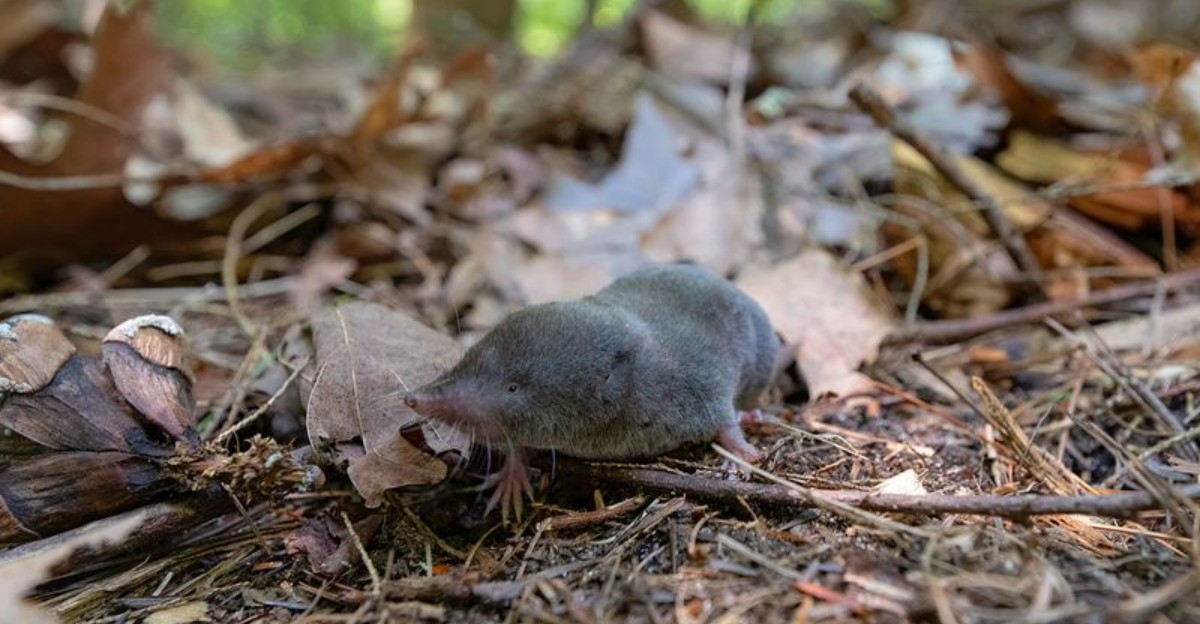
Somewhere under your mulch, a creature small enough to fit in your palm may be carrying venom in its spit. Not a snake. Not a spider. A furry mammal that weighs less than an ounce.
I used to think every gray blur in my flower beds was a field mouse. Then I learned the hard way that some of those blurs have tiny eyes, a pointed snout, and a bite that can sting for days. Funny thing is, this little hunter is common across Indiana.
It eats almost nonstop and stays busy all year, even under snow. Its venom is strong enough to stop a worm or beetle in its tracks.
With pinhead eyes, a musky smell, and narrow tunnels in your mulch, this little venomous hunter leaves plenty of clues, and its habits around your tomatoes may change how you see it. What I learned surprised me more than I expected.
That Pointy-Nosed Critter In Your Leaf Litter Is No Mouse
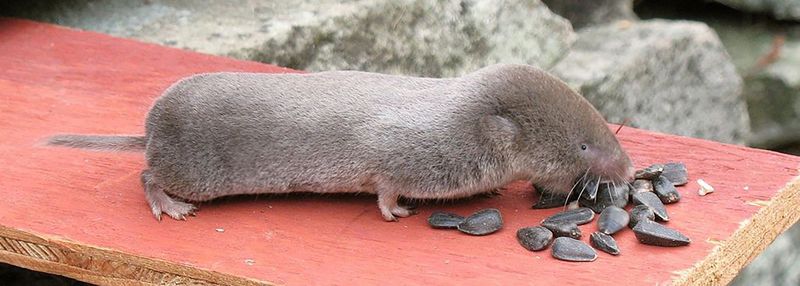
Lift a corner of old mulch, and you might catch a dark gray flash that looks like a mouse in a hurry. Look again, though, because that critter is likely a northern short-tailed shrew.
This shrew measures roughly four to five inches long, including its stubby tail. It usually weighs under an ounce, so it could sit in the palm of your hand with room to spare. Its fur is thick and velvety, ranging from slate gray to almost black.
The biggest giveaway is the face. Mice have big round ears, bulging eyes, and blunt noses. Shrews have a long, wiggly snout, eyes the size of pinheads, and ears tucked out of sight in their fur.
Shrews are not rodents at all. They belong to a separate group of mammals more closely related to moles. That explains the tunneling habits and the hunting lifestyle.
This species is widespread across the state, from farm fields to suburban backyards. You have probably shared your garden with one already without knowing it.
Next time a small gray shape zips past your trowel, check the nose. That pointy profile tells you exactly who you are dealing with.
Venomous Shrew Saliva Packs A Real Punch For Something So Small
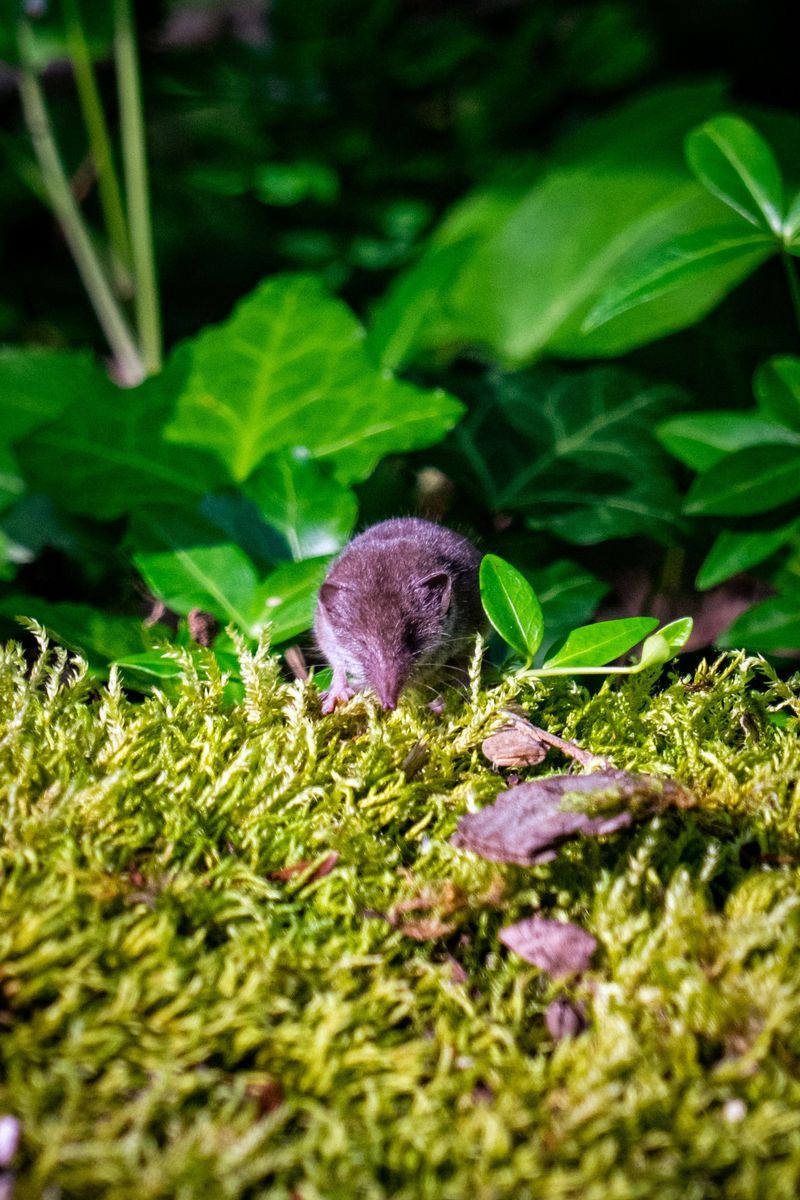
Very few mammals on Earth produce venom, and one of them lives in Hoosier flower beds. The northern short-tailed shrew makes a toxic saliva in glands near its lower jaw.
When it bites, grooves in its teeth help the venom flow into the wound. The toxin affects the nervous system of small prey, slowing them down or paralyzing them. Scientists believe shrews sometimes store paralyzed insects and snails to eat later, like a living snack pantry.
So what happens if one bites you? For people, the bite is not considered medically serious. Most reports describe burning pain, swelling, and soreness around the bite that can linger for several days.
Bites usually happen when someone grabs or picks up a shrew. Gardeners with bare hands and curious kids are the most common targets. A pair of gloves solves most of the problem.
If you do get bitten, wash the spot well with soap and water. Watch for signs of infection, and call your doctor if swelling spreads or you feel unwell.
Fun fact: researchers have studied this shrew’s venom for possible medical uses, including pain and cancer research. Tiny animal, big scientific curiosity.
Soft Mulch Beds Make A Perfect Shrew Hideout
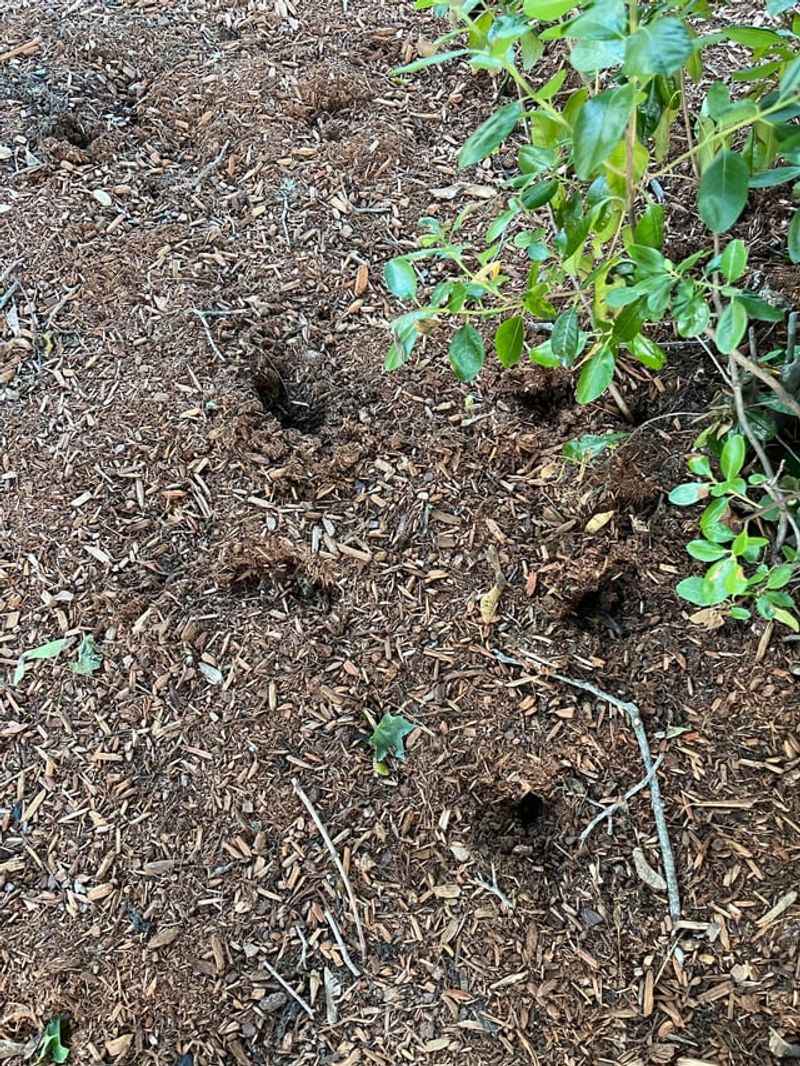
Honestly, if I were a shrew, I would move into my garden too. Mulch stays cool, damp, and loose, which is exactly what this little animal wants.
Northern short-tailed shrews dig shallow runways just under the surface of mulch, leaves, and soft soil. They also borrow tunnels left behind by moles and voles. Moisture matters a lot, since these shrews lose water quickly through their skin and breath.
Thick mulch also brings food. Earthworms, beetle larvae, slugs, and centipedes gather in that dark, moist layer. For a hungry shrew, a well-mulched bed works like an all-you-can-eat buffet with a roof.
Other favorite hideouts include brush piles, woodpiles, compost bins, dense ground covers, and the edges of wooded lots. Stone walls and old boards lying on the lawn can host a shrew nest too.
Nests are round balls of shredded grass and leaves tucked under logs or underground. You might uncover one while pulling weeds or turning compost.
Fair warning for spring and fall cleanup days. Wear gloves and move slowly when you shift mulch piles or lift boards. A startled shrew prefers to run, but cornered ones may bite.
Tiny Tunnels And A Musky Smell Give Shrews Away
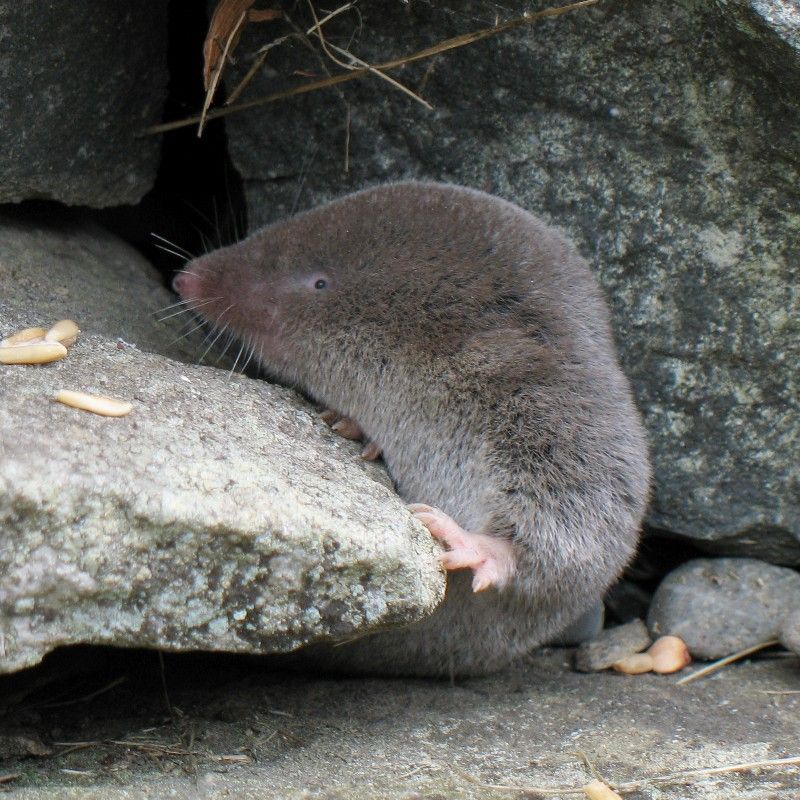
Spotting the shrew itself is tricky, because it spends most of its time under cover. Luckily, it leaves clues behind for sharp-eyed gardeners.
Look for narrow runways under leaf litter and holes about an inch wide at the base of plants or along walkways. These can resemble vole trails, so damage helps you tell them apart. Voles chew roots, bark, and bulbs, while shrews mainly hunt animals and rarely damage plants.
Your nose may help too. Shrews have scent glands on their sides that give off a strong musky odor. Many predators find that smell unpleasant.
That odor explains a common backyard puzzle. Cats often catch shrews but leave them uneaten on the porch. If your cat drops a small gray animal with a pointed snout and tiny eyes, you have found a shrew.
Winter offers another clue. After snow melts, you might see winding trails pressed into the grass where shrews traveled under the snow.
Moles leave raised ridges and volcano-shaped mounds, which are larger and easier to see. Shrew signs are smaller and subtler. Put on your detective hat and check the mulch edges after rain.
Slugs And Grubs Don’t Stand A Chance Against This Garden Hunter
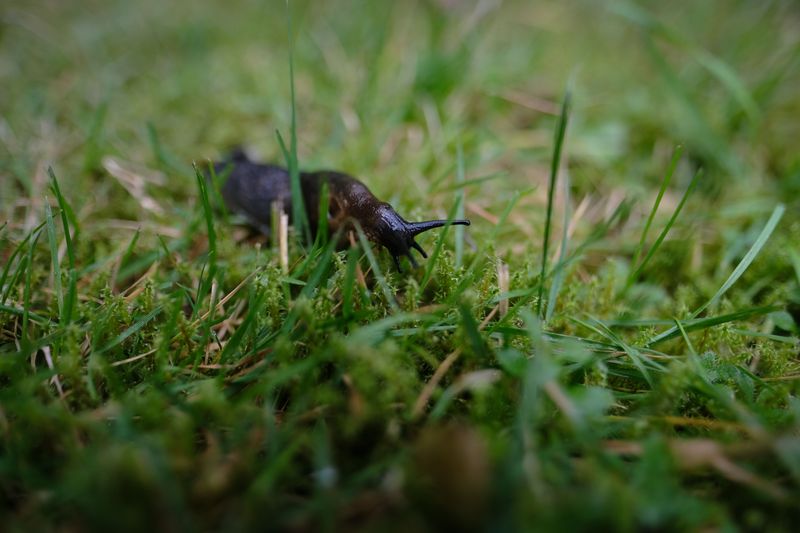
Here is my favorite part of the whole story. This tiny predator is basically free pest control working the night shift.
Northern short-tailed shrews have an extremely fast metabolism. They eat often and can consume about their own body weight in food each day, sometimes more. That appetite keeps them hunting around the clock.
The menu includes slugs, snails, beetle grubs, cutworms, insect larvae, centipedes, and spiders. Earthworms are a big part of the diet too, which is a small trade-off. Shrews will also take mice, salamanders, and the occasional seed or fungus.
Slug-chewed hostas and grub-damaged lawns are common headaches in the Midwest. A shrew patrolling your beds helps keep those populations in check without sprays or baits.
Because they eat so many insects, shrews are sensitive to pesticides in their food. Cutting back on chemical treatments protects your helpers along with bees and birds.
I get it, a venomous animal in the garden sounds alarming at first. Then you see fewer holes in your lettuce and start thinking of the shrew as a hardworking teammate. Give it some leaf litter and let it earn its keep.
Garden Gloves Keep Shrew Encounters Friendly

Trust me on this one, gloves are your best friend in shrew country. Most bites happen when people try to pick up or trap these animals bare-handed.
Shrews are solitary and fiercely territorial with each other, but they want nothing to do with you. Given an escape route, they will vanish into the nearest tunnel. Simply step back and let them go.
Teach kids to look and not touch when they find a small gray animal in the yard. Keep pets supervised too, since dogs and cats may get nipped while pawing at one.
Shrews can sneak into garages and basements in fall or winter. Seal gaps around doors, vents, and foundation cracks with sturdy materials like hardware cloth or caulk. Keep stored birdseed and pet food in tight containers to reduce attraction to insects and mice.
If one wanders indoors, open a door and gently guide it out with a broom. You can also cover it with a bucket, slide cardboard underneath, and release it outside.
Poisons rarely target shrews well and can harm pets and wildlife. Coexisting peacefully takes less effort than fighting them.
Your Shrew Neighbor Works Under The Snow All Winter
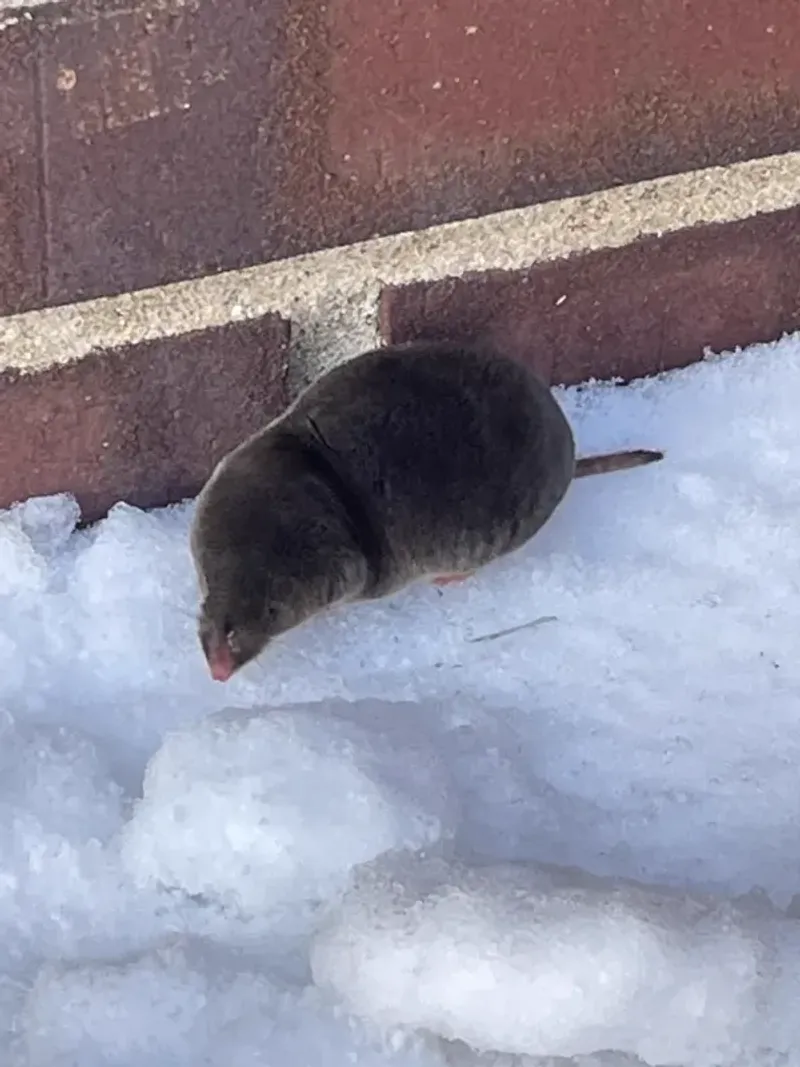
Every winter, I wonder how anything that small survives a Midwest freeze. The northern short-tailed shrew does not hibernate, and it stays active through the coldest months.
Snow actually helps it. Under a blanket of snow, the ground stays warmer than the air, and shrews tunnel through this hidden layer hunting dormant insects and larvae. Their thick fur and stored food help them get through cold snaps.
Life moves fast for these animals. Breeding usually runs from early spring into fall, and females can raise a couple of litters each year. Most shrews live only about a year or two in the wild.
The species is common throughout Indiana and is not considered threatened. Owls, hawks, foxes, and snakes all hunt them, making shrews an important link in the backyard food web.
For a shrew-friendly yard, leave some leaf litter in quiet corners and keep a brush pile at the edge of your property. Go easy on pesticides, and wear gloves when you work the beds.
The next time you spread mulch, remember who may be living below. Give that tiny hunter some room, and your garden gains a tireless ally.