20 Vegetables Arizona Gardeners Grow In A No-Dig Bed Without Ever Turning The Caliche
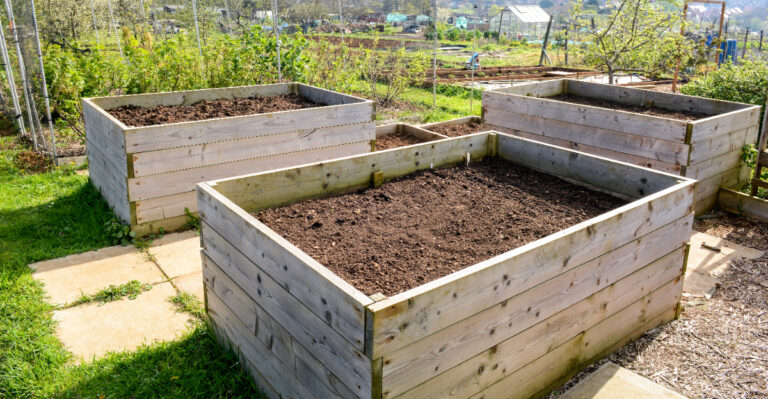
Digging into Arizona soil often means hitting caliche, a rock-hard layer that stops shovels and roots cold. Instead of fighting it, smart desert gardeners build up rather than dig down, layering cardboard, compost, and mulch to create rich beds right on top.
This no-dig method saves water, blocks weeds, and lets vegetables thrive in brutal heat with barely any fuss. Here are 20 vegetables that flourish in a low-desert no-dig bed while the caliche stays right where it is.
1. Okra
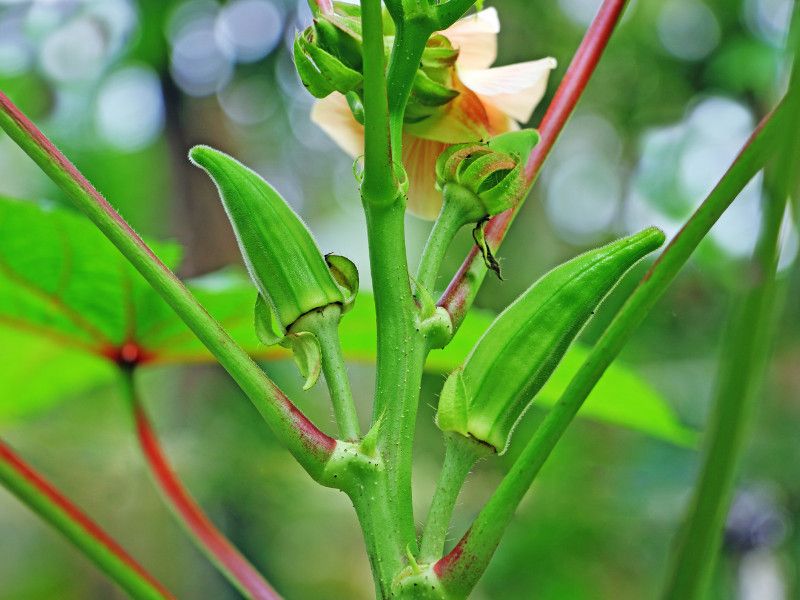
Southern gardeners have long known okra laughs at heat, and Arizona pushes that trait to the extreme. When July temperatures climb past 105 degrees and other plants wilt, okra keeps pumping out pods like it is having the time of its life.
Sitting on top of a no-dig bed, its roots stretch happily through the loose compost and mulch layers instead of banging into caliche below. That soft, moisture-holding foundation matters because okra wants steady water without soggy roots.
You will want to pick pods young, around three inches long, since they turn woody fast in the desert warmth. Harvest every day or two during peak season and the plants respond by producing even more.
The tall, hibiscus-like flowers add a bonus by drawing in bees and other pollinators, turning your vegetable patch into a small habitat corner. Fun fact: okra belongs to the same family as cotton and hollyhock, which explains those pretty blooms.
For a low-fuss summer crop that shrugs off heat and drought, few vegetables reward Arizona no-dig gardeners as reliably as okra does through the long, hot months.
2. Sweet Potatoes
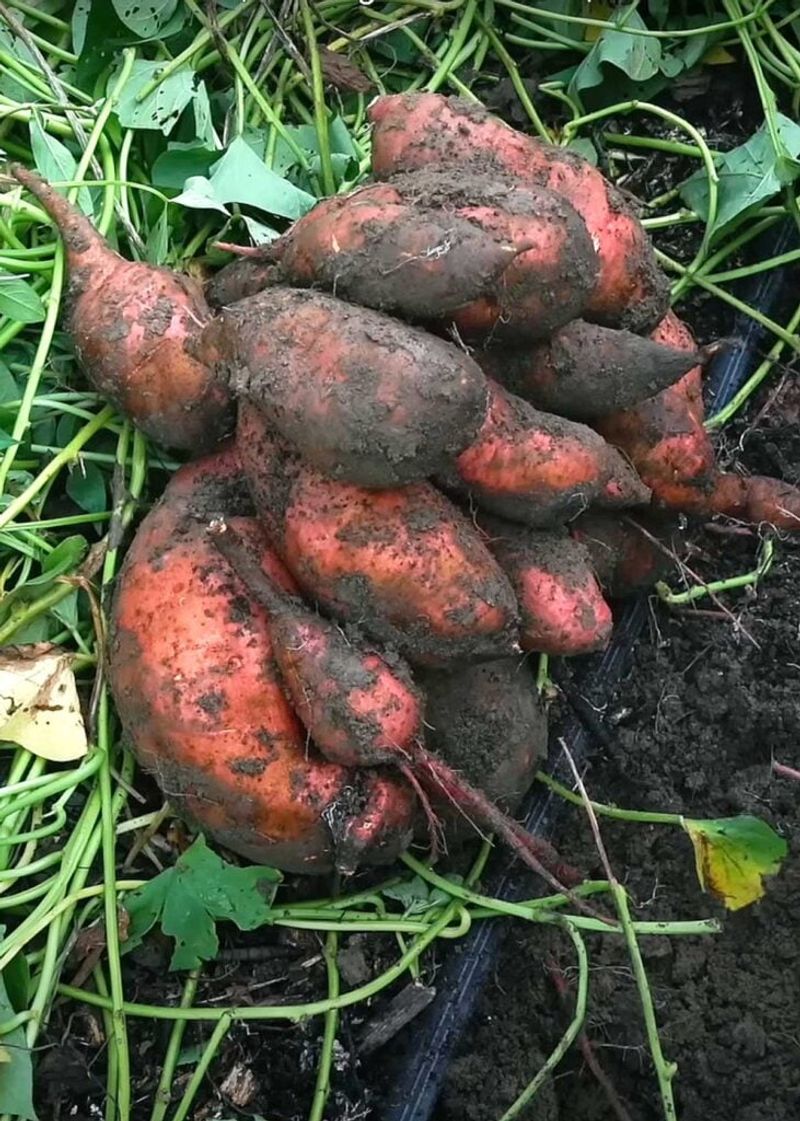
Give sweet potatoes a hot summer and a loose bed of mulch, and they will reward you with a sprawling carpet of vines and hidden treasure below. Arizona’s blazing season is exactly what these tropical-loving tubers crave.
Because a no-dig bed is built up with soft compost and organic material, the developing tubers have room to swell without hitting the concrete-like caliche. That extra depth is the whole secret to a good harvest here.
Water needs stay modest once the vines establish, making sweet potatoes a smart pick for water-conscious desert households. The dense foliage also shades the soil, holding in moisture and cooling the bed on brutal afternoons.
In Arizona’s mild winters, plants often survive to grow again the next season, behaving almost like a perennial. The young leaves are edible too, giving you two crops from one plant.
Slip a few sprouted slips into your bed in late spring, keep them lightly watered, and by fall you will be digging gently through fluffy compost to uncover a generous batch of homegrown sweet potatoes with almost no effort.
3. Eggplant
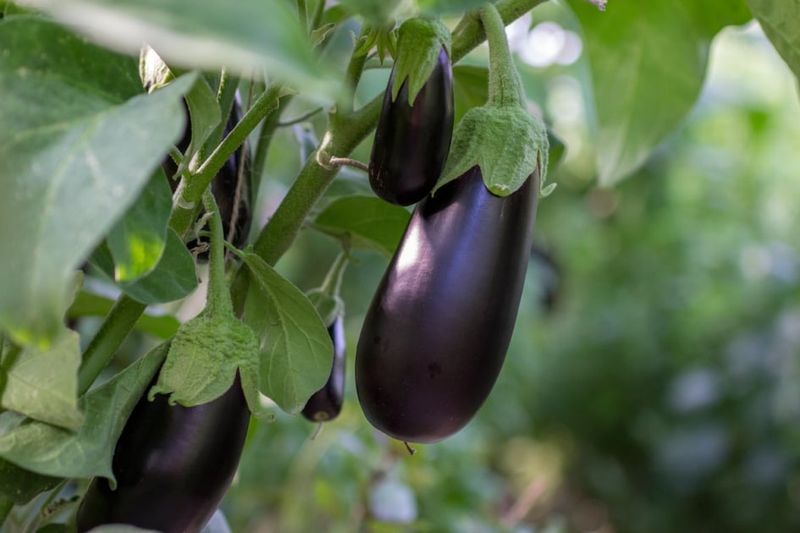
Few vegetables handle desert heat with the calm confidence of eggplant. While tomatoes sulk and stop setting fruit in extreme temperatures, certain eggplant varieties keep cranking out glossy fruit through the worst of an Arizona summer.
Planted in a no-dig bed, eggplant sends roots into the airy compost layers where they stay cooler and better hydrated than they ever would in cracked native ground. The thick mulch cap keeps moisture from vanishing in the dry air.
Your Arizona Garden Changes Every Week. Your Plan Should Too.
Gardening in Arizona changes quickly throughout the season. Every Friday you’ll receive a simple weekly plan showing exactly what to plant, prune, fertilize, harvest, and protect so you never miss the right timing.
Some heat-loving types, especially slender Asian and Italian varieties, tolerate warmth that would stop other so-called heat-tough crops in their tracks. That resilience makes eggplant a quiet hero of the low-desert vegetable patch.
Here is a bonus many gardeners miss: in the frost-free pockets of the low desert, eggplant can live on as a perennial, producing for more than one season from the same plant.
Feed it occasionally, keep the water steady, and stand back. An easygoing, productive plant that thrives when everything else is struggling earns eggplant a permanent home in your no-dig lineup.
4. Peppers (Bell & Hot)
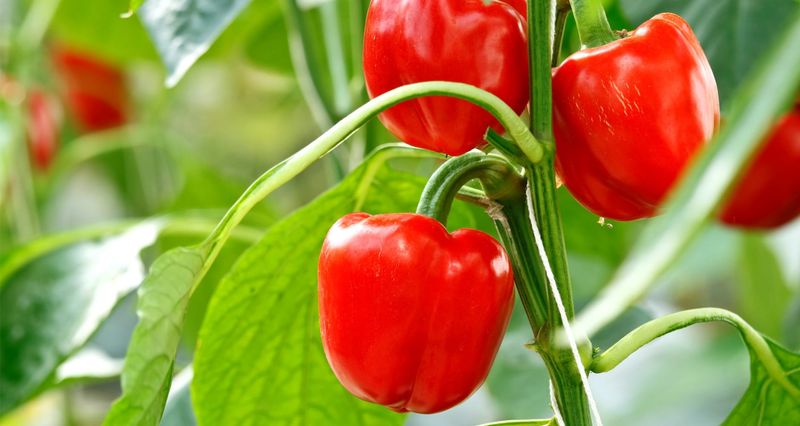
Peppers were practically built for a sun-drenched Arizona bed. Both sweet bells and fiery chiles soak up full sun and warm nights, rewarding gardeners with a steady stream of colorful fruit all season long.
Growing them in a no-dig setup gives their roots the cool, moist compost they love, buffering them from the temperature swings that stress plants rooted in bare desert dirt. The mulch layer becomes their best friend during heat waves.
Hot peppers in particular seem to thrive on desert intensity, often developing bolder flavor and more heat under strong sun. Bells appreciate a little afternoon shade during the fiercest weeks to keep from scalding.
Many pepper plants behave as perennials in the low desert, surviving mild winters and bouncing back thicker and more productive the following year. That means one planting can feed you for several seasons.
Their small flowers also invite pollinators into the garden, adding a little wildlife value alongside the harvest. Tuck a few pepper plants into your no-dig bed and you will have crunchy, spicy, endlessly useful produce with barely any maintenance required.
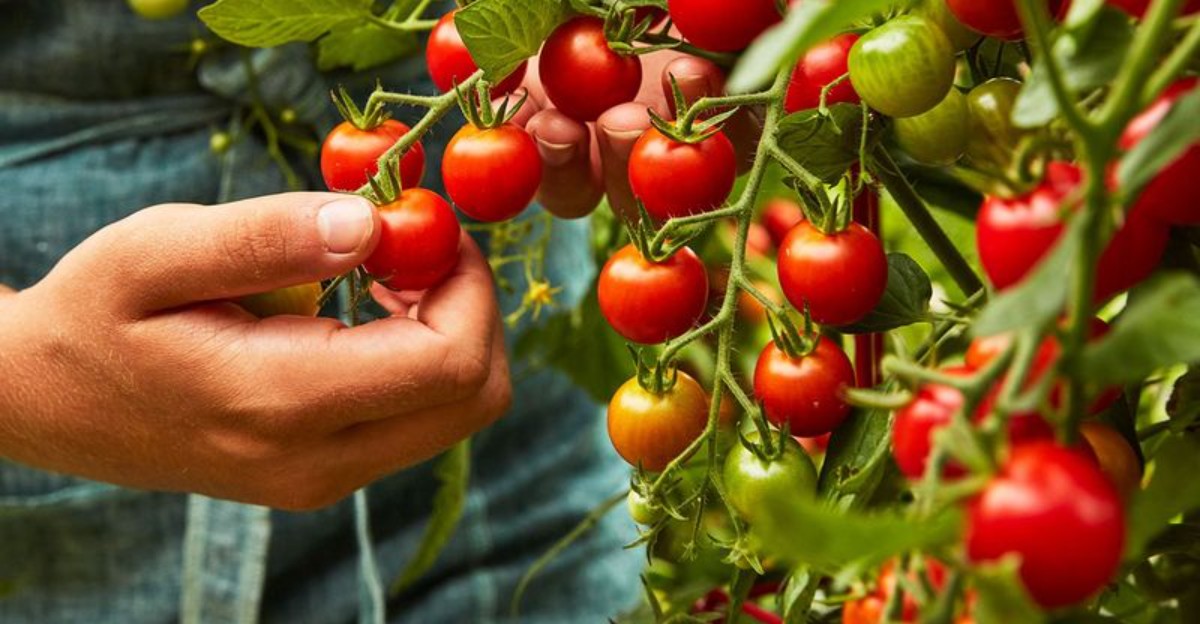
5. Cherry Tomatoes
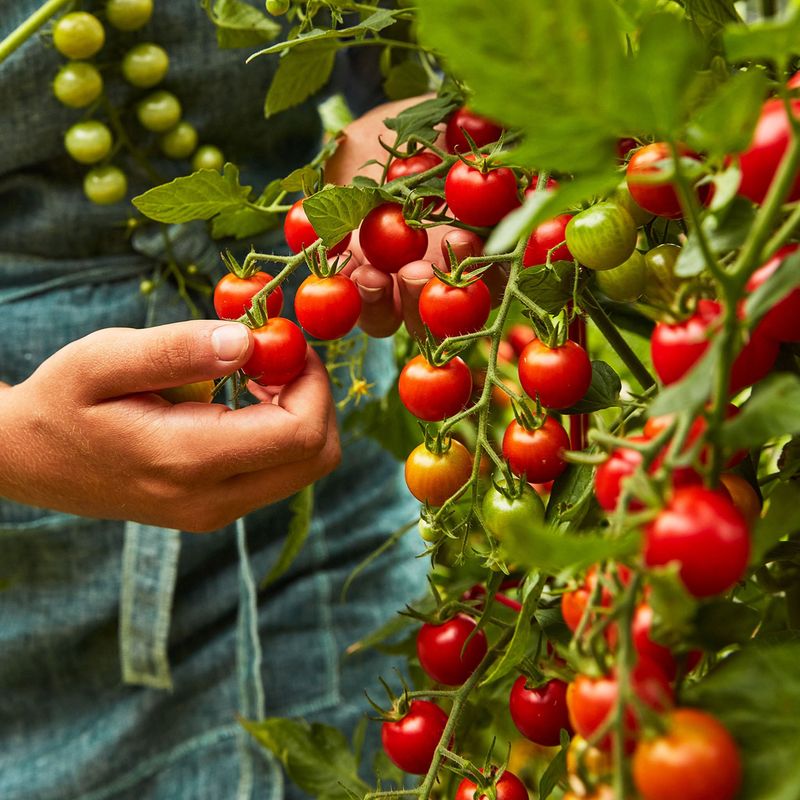
Big slicing tomatoes tend to throw a tantrum in desert heat, but their little cherry cousins are far tougher. These bite-sized fruits keep setting even as temperatures rise, making them the reliable tomato choice for Arizona gardeners.
A no-dig bed suits them beautifully because the deep organic layers hold moisture evenly, preventing the cracking and blossom-end trouble that comes from erratic watering in bone-dry conditions. Roots ramble through soft compost instead of stalling at caliche.
Plant them in late spring so they hit their stride before the worst heat, and provide a trellis to keep vines off the hot mulch. Good airflow helps ward off common issues.
In some sheltered desert spots, cherry tomatoes will overwinter and behave like perennials, giving you a head start the next year. That is a rare treat in the tomato world.
The nonstop clusters of sweet fruit are perfect for snacking straight off the vine, and the flowers bring in helpful pollinators too. For dependable homegrown tomatoes despite the heat, cherry varieties deliver where the big ones fail.
6. Yardlong Beans
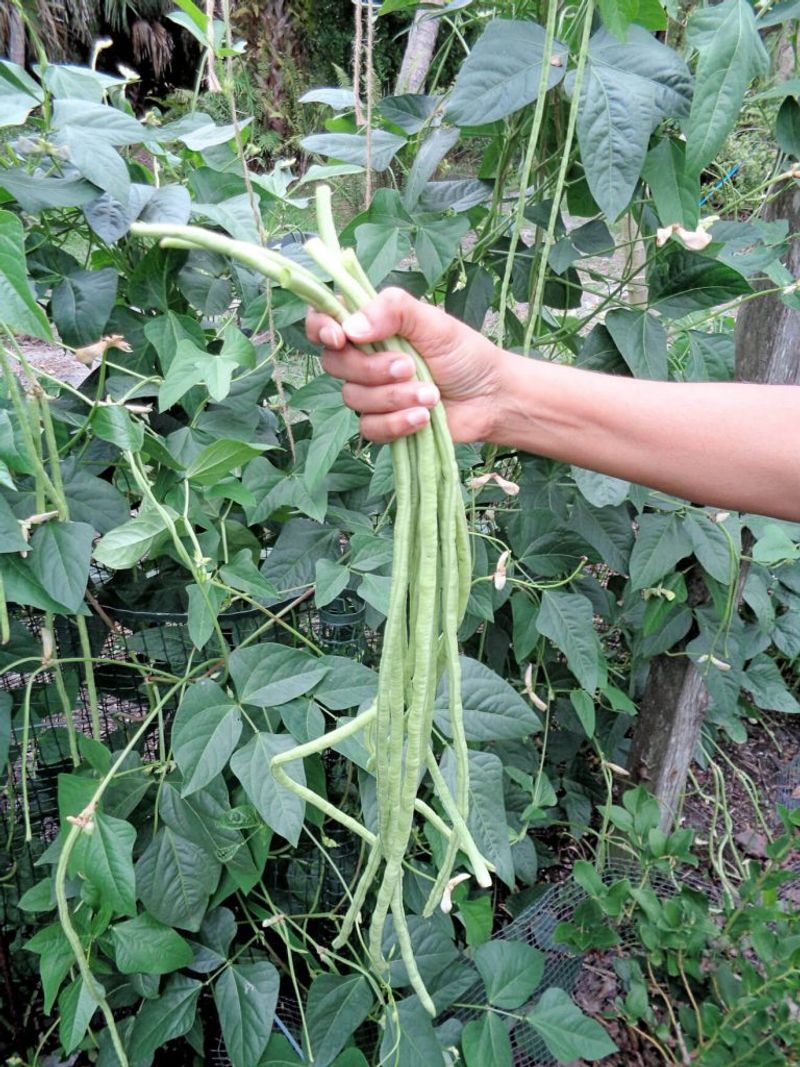
Watch a yardlong bean vine take off in July and you will understand why desert gardeners adore it. While regular green beans quit in the heat, these vigorous climbers grow faster and stronger as the thermometer rises.
Trained up a sturdy trellis, they make brilliant use of vertical space in a compact no-dig bed, leaving room below for other crops. Their roots enjoy the loose, rich layers you have built on top of the caliche.
The pods really can stretch toward a foot and a half long, hanging in curtains that are almost comical the first time you grow them. Pick them young and tender for the best snap and flavor.
As legumes, they even give back by fixing nitrogen into your soil, quietly improving the bed for whatever you plant next. That is a gardener’s dream: a crop that feeds the ground.
Heat-proof, space-saving, and wildly productive, yardlong beans turn the brutal Arizona summer into a bean bonanza. Toss the young pods into a stir-fry and enjoy a harvest most cool-climate gardeners can only envy.
7. Malabar Spinach
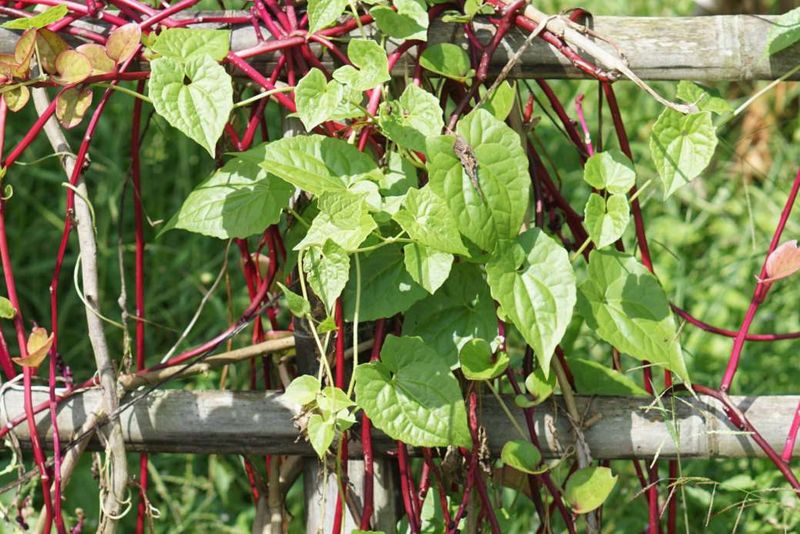
Craving fresh greens when normal spinach has long since bolted? Malabar spinach steps in exactly when you need it, thriving in the muggy monsoon heat that finishes off cool-season leafy crops.
Not a true spinach at all, this thick-stemmed climbing vine offers glossy, succulent leaves with a mild flavor and a texture that turns slightly slippery when cooked, a bit like okra. That quirk makes it lovely in soups and stir-fries.
In a no-dig bed, it climbs eagerly up any support you offer, its roots nestled in cool compost that keeps it hydrated through scorching afternoons. The dense foliage even helps shade the soil beneath.
You harvest by simply pinching off leaves and tender tips, and the plant responds by branching out even fuller. The more you pick, the more you get.
Its cheerful vining habit and heat-defying leaves fill the summer salad-green gap that stumps so many Arizona gardeners. If you have missed having greens on the hottest days, Malabar spinach is the low-fuss, heat-loving answer your no-dig bed has been waiting for.
8. Blackeye Beans
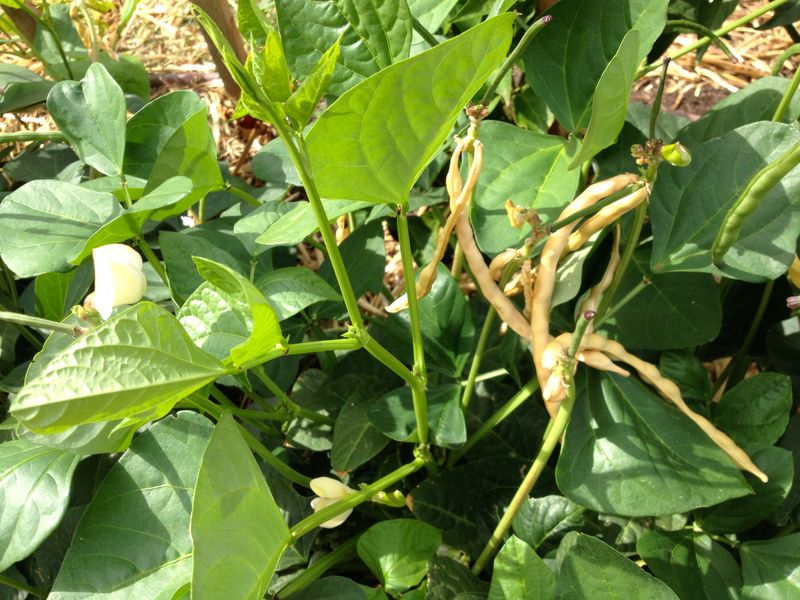
Blackeye beans, also called black-eyed peas, were made for punishing summer sun. These Southern-cowpea favorites shrug off heat that flattens ordinary beans and keep producing through the dog days of an Arizona July.
Set into a no-dig bed, they root easily through the soft organic layers and ask for very little water once established, a real plus when the well of patience for watering runs dry. Their drought tolerance fits the desert perfectly.
Like other legumes, they pull nitrogen from the air and enrich the soil around them, quietly building fertility in your bed for future crops. You get food and free fertilizer in one plant.
Harvest the pods young for tender fresh peas, or let them dry on the vine for a shelf-stable pantry staple you grew yourself. Both options work beautifully.
The low, bushy plants also help shade and cool the mulch surface as they spread. Tough, generous, and undemanding, blackeye beans turn the harshest stretch of summer into a productive season and leave your no-dig bed richer than they found it.
9. Corn (Flour, Ornamental, Popcorn, Sweet)
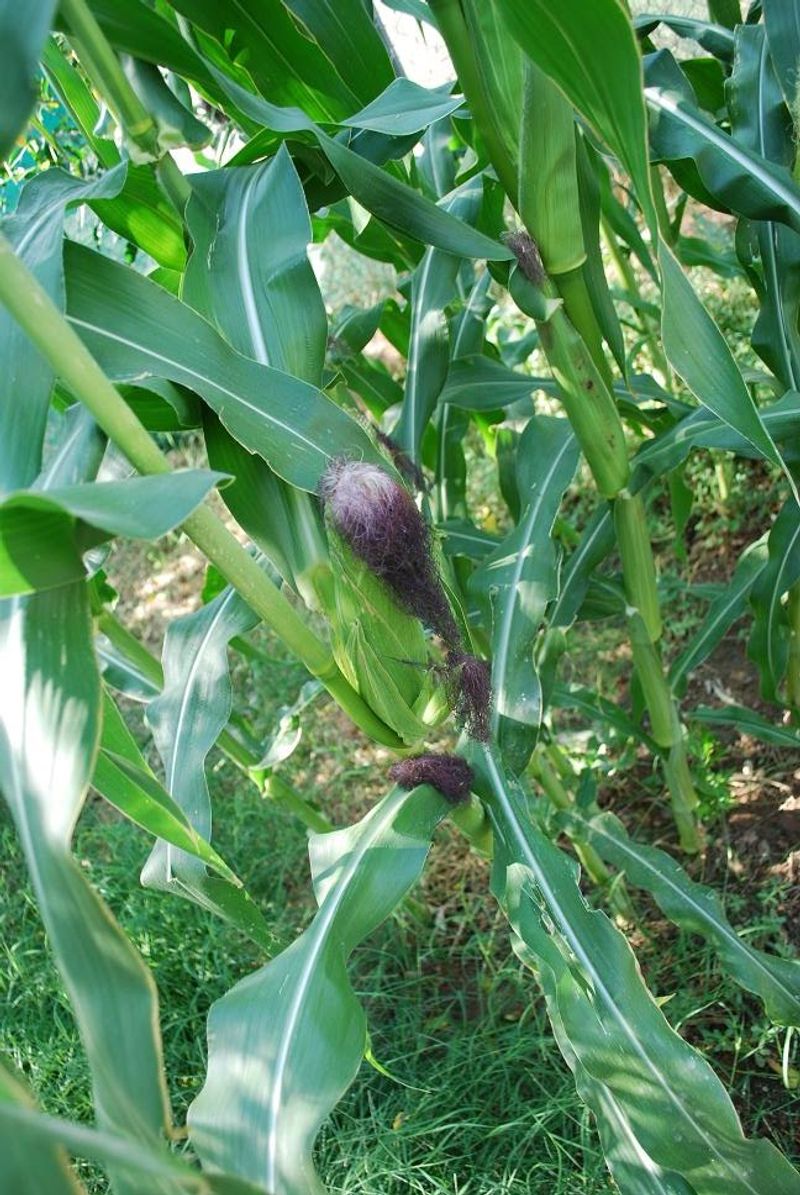
Corn has deep desert roots, with many native Southwestern varieties bred over centuries to handle arid heat. Flour, popcorn, ornamental, and sweet types all find a home in the Arizona no-dig garden.
The key trick is planting in a block rather than a single row, since corn relies on wind to move pollen from tassel to silk. A minimum ten-by-ten-foot square gives you far better ear filling than a long skinny line.
Built-up compost beds give those hungry corn roots the rich, moisture-holding footing they crave without demanding you break through caliche. Keep the water steady, especially as ears form.
Native flour and popcorn varieties tend to be the most drought-tolerant, having adapted to survive on desert rainfall patterns. They are a nod to the region’s long agricultural history.
Tall stalks also create welcome light shade for smaller heat-sensitive plants tucked at their base, a classic companion-planting move. Whether you want fresh sweet ears off the grill or colorful ornamental cobs for fall, corn brings height, heritage, and harvest to your no-dig bed with surprising ease.
10. Cucumber (Armenian)
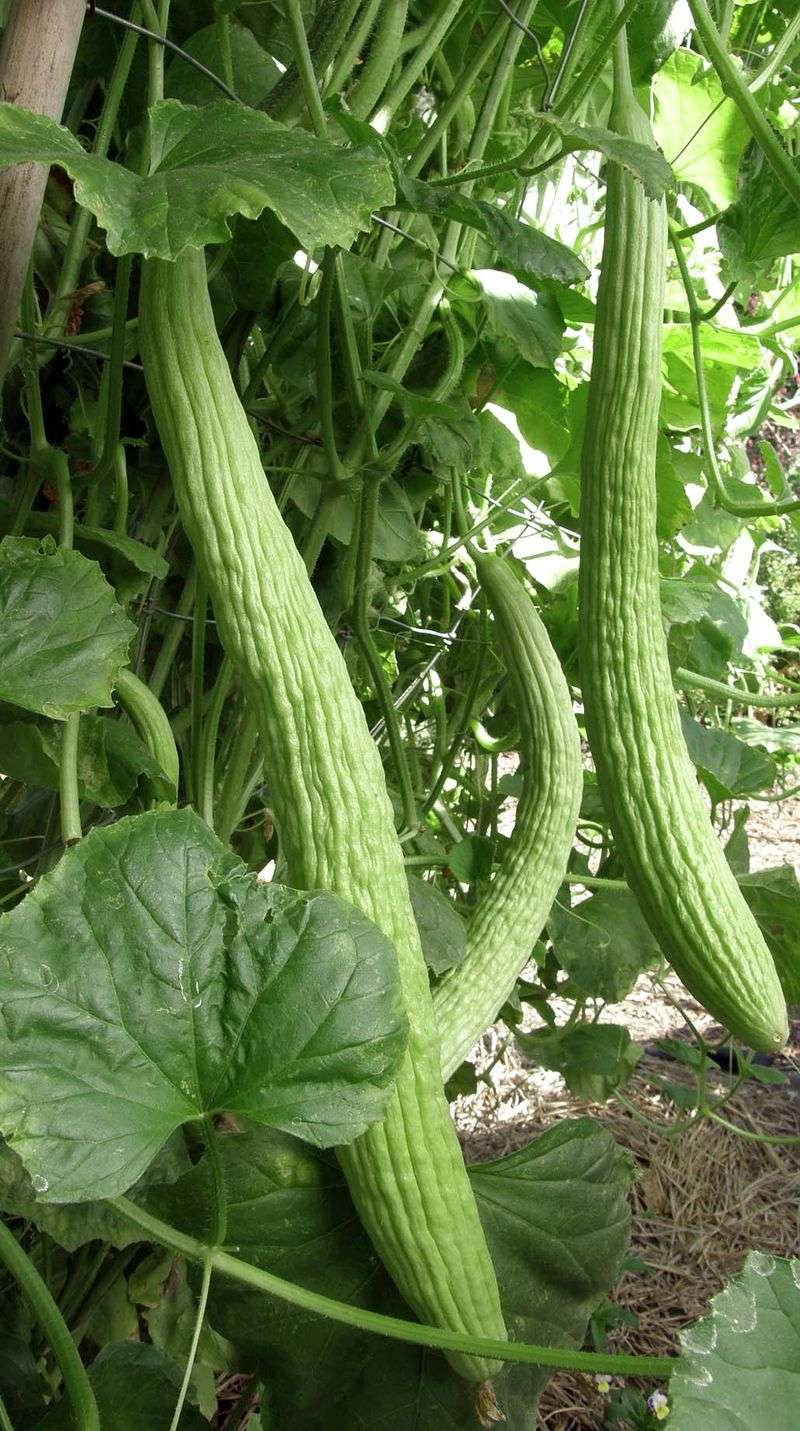
Standard cucumbers turn bitter and quit when the desert really heats up, but the Armenian cucumber is a different animal entirely. Technically a melon, it powers through high temperatures that would ruin ordinary slicers.
Its long, ribbed, pale green fruits stay sweet and mild even in the thick of summer, delivering that crisp cucumber crunch when you need it most. The skin is thin and never needs peeling.
Grown up a trellis in a no-dig bed, the vines sprawl vigorously while their roots draw steady moisture from the rich compost layers below. Vertical growing keeps the fruit clean and straight.
Because the plants keep setting through the heat, regular picking keeps them cranking out more, so check the vines often. Fruits can hit a couple of feet long if you look away too long.
Pollinators love the yellow blossoms, adding a little buzz of habitat to your patch. For anyone who has given up on cucumbers in Arizona, the Armenian variety is a heat-beating revelation that keeps salads cool all summer.
11. Melons
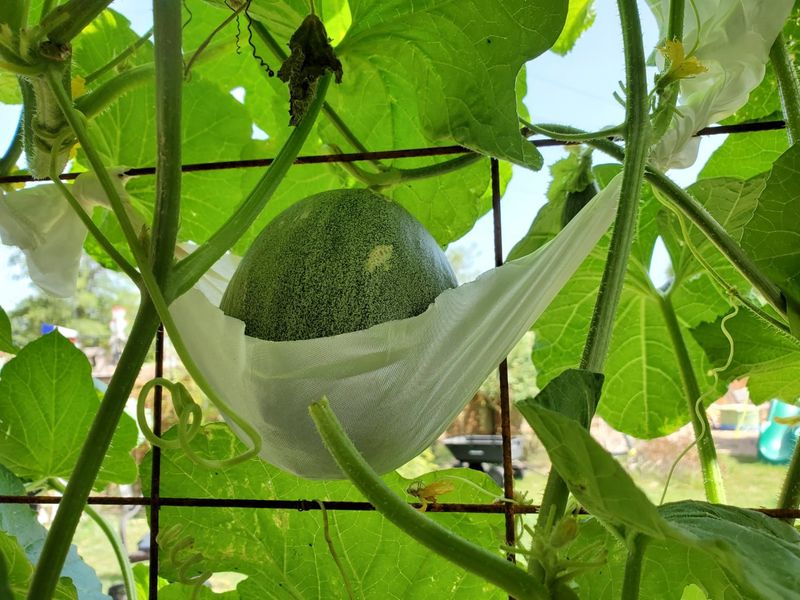
Sun-ripened melons taste like summer itself, and Arizona’s long, hot season is ideal for growing them sweet. Cantaloupe, honeydew, and their kin love the heat that other crops fear.
They do demand rich soil and plenty of elbow room, which is where a generous no-dig bed shines. The deep, fertile layers of compost and manure feed those hungry vines while the caliche stays undisturbed beneath.
Plant seeds or transplants in early April so the fruit ripens through the intense late-summer warmth that concentrates the sugars. Give the sprawling vines space to roam or train them up sturdy supports with slings.
Consistent water while fruits are sizing up makes all the difference between watery and honey-sweet melons. Ease off a bit as harvest nears to boost flavor.
The wandering foliage shades the bed and locks in precious moisture, working with the mulch to fight evaporation. Bees flock to the blossoms, pulling pollinators into your yard.
Few homegrown rewards beat slicing into a melon you nursed through the desert summer, dripping with flavor no store fruit can match.
12. Squash (Summer & Winter)
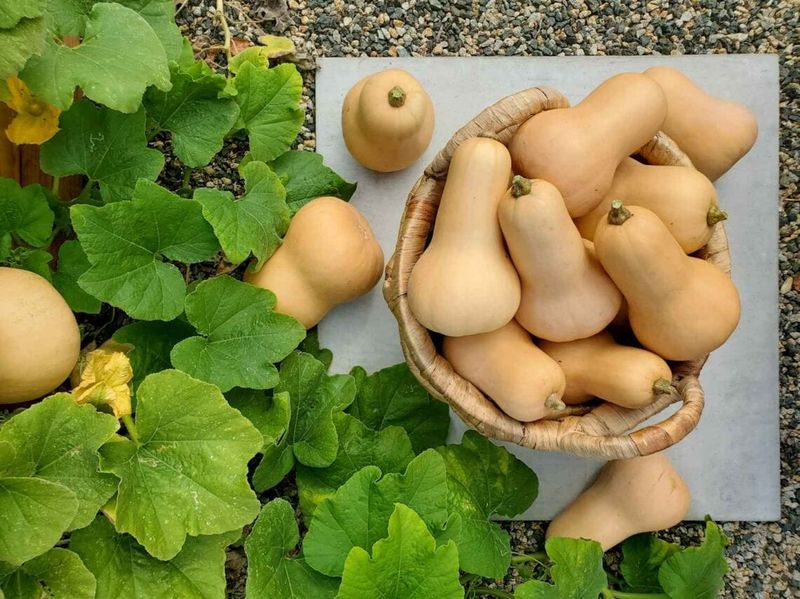
Squash comes in two personalities, and both earn a spot in the desert no-dig bed. Summer squash like zucchini grows so fast it practically leaps out of the ground, while winter squash plays the long game.
The catch with summer types is that you must pick them constantly, sometimes daily, or the plants slow down and stop producing. Stay on top of harvest and they gush out tender fruit for weeks.
Winter squash, on the other hand, wants patience. The longer those thick-skinned fruits ripen on the vine, the sweeter and more storable they become, giving you produce that lasts well past the growing season.
A no-dig bed suits both, offering rich, loose compost for their sprawling roots and mulch that keeps moisture from disappearing into the dry air. The big leaves shade the soil and cool the bed.
Bright yellow blossoms draw bees and are themselves edible, adding an extra treat. Whether you crave quick summer zucchini or hearty winter storage squash, this versatile crop delivers generously from a no-dig Arizona garden with minimal digging or drama.
13. Watermelon
Is there anything more satisfying than cracking open a homegrown watermelon on a blistering Arizona afternoon? These sun-worshippers turn desert heat into pure sugary refreshment when given what they need.
What they need is rich soil, generous watering, and a lot of room to roam, all of which a well-built no-dig bed can provide. The deep organic layers feed the vines and hold water while the caliche stays sealed away below.
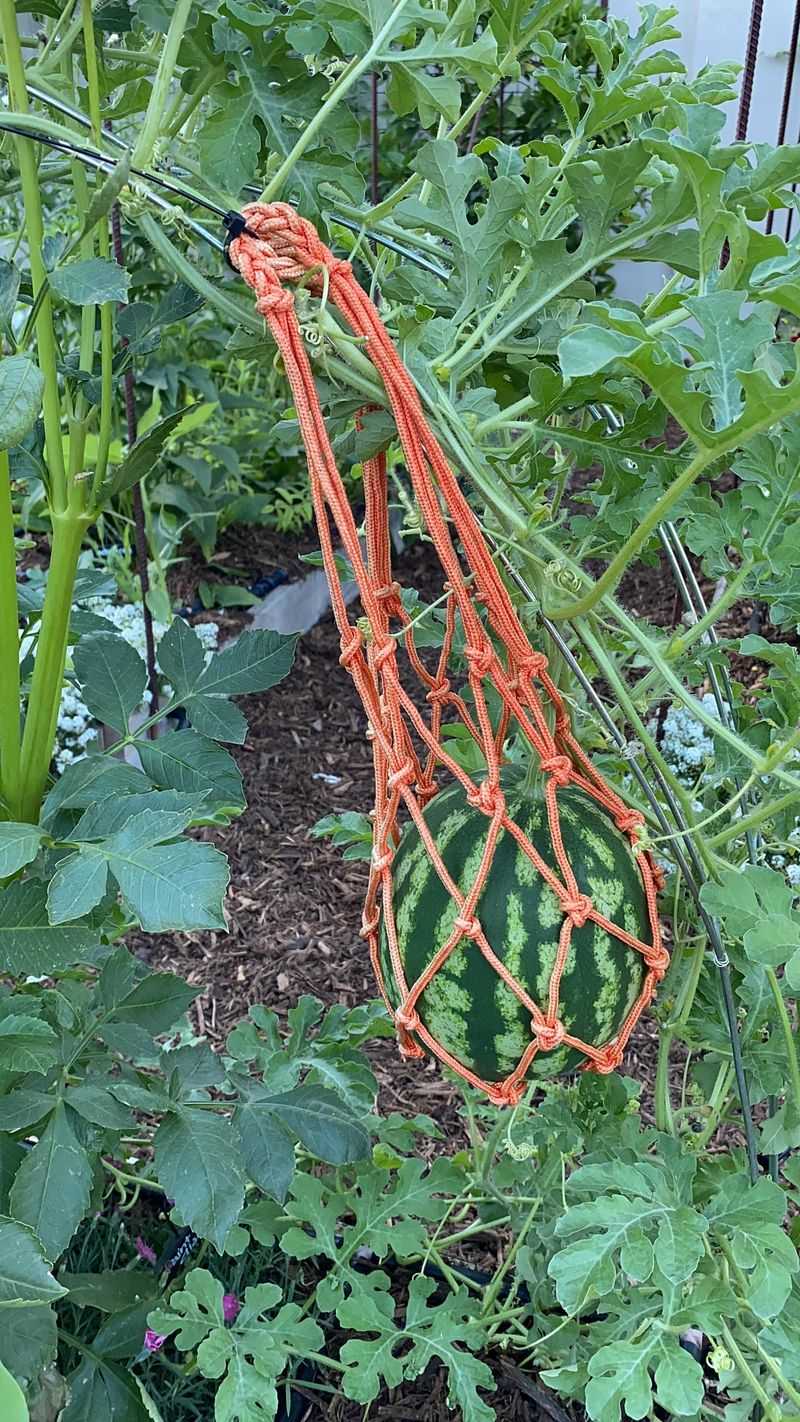
Vines wander far, so give them a corner where they can stretch or a strong trellis with fabric slings to cradle the heavy fruit. Consistent moisture during fruit swelling keeps them from splitting.
The trick to sweetness is easing back on water as harvest approaches, letting the sugars concentrate under that intense sun. Tap for a hollow sound to test ripeness.
Sprawling leaves shade the bed and cut evaporation, while the blossoms invite bees to visit. It takes patience and space, but a juicy, homegrown watermelon pulled from your no-dig patch is one of the sweetest payoffs the desert garden offers.
14. Sunflowers
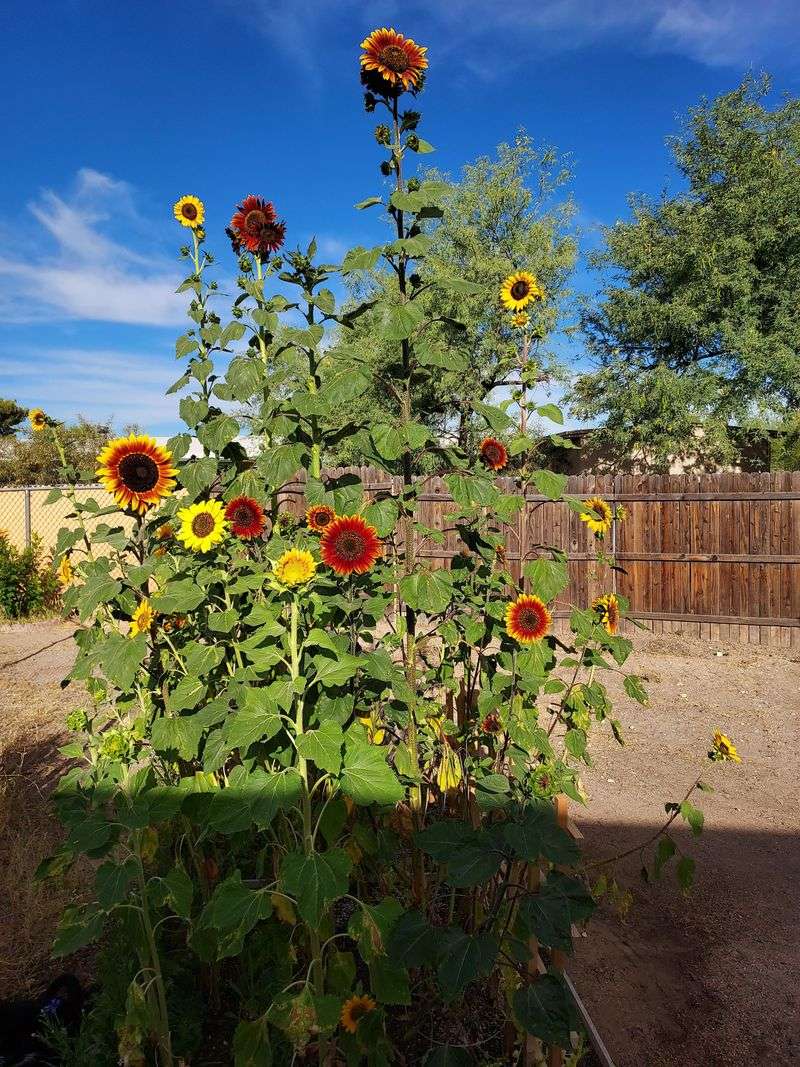
Standing tall and beaming through the hottest days, sunflowers do far more than look cheerful. These drought-tolerant giants shrug off desert heat and reward you with edible seeds, making them a working member of the vegetable garden.
Their deep, thirsty taproots find moisture in a no-dig bed’s rich layers, letting them sail through dry spells with little help from the hose. Once established, they are famously self-sufficient.
Plant them along the north side of your bed so their height does not shade smaller crops, and use them to screen tender plants from harsh afternoon sun. They double as living shade providers.
The real bonus is habitat. Sunflower blooms are pollinator magnets, buzzing with bees, and the seed heads later feed desert birds and other wildlife, turning your yard into a small ecosystem.
Once the heads dry, harvest the seeds for snacking or roasting, or leave a few for the birds. Cheerful, tough, and genuinely useful, sunflowers bring beauty, food, and wildlife value to a no-dig Arizona bed while asking almost nothing in return.
15. Artichokes
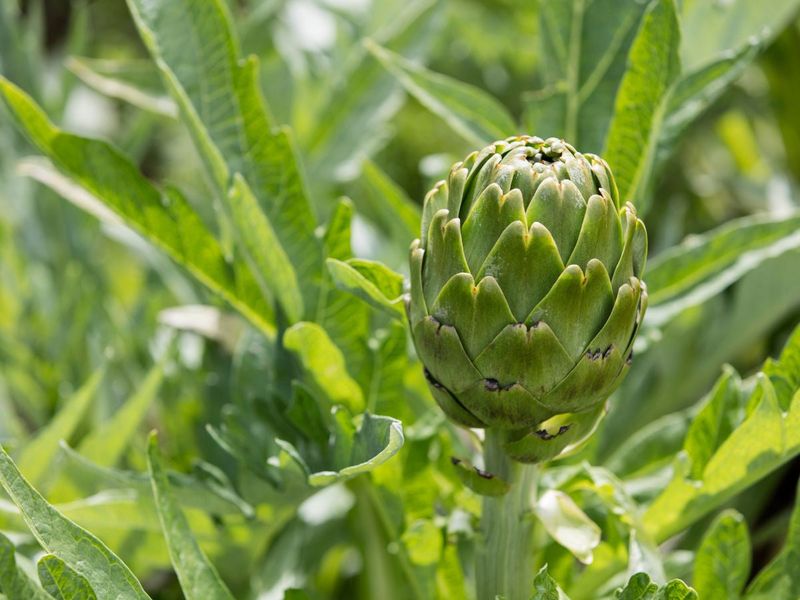
Artichokes bring a touch of Mediterranean elegance to the desert garden, and they earn their keep as edible perennials. Once settled into a no-dig bed, these dramatic silvery plants return year after year with almost no replanting.
Their bold, arching foliage makes them a striking centerpiece, but the real prize is those tender flower buds you harvest before they open. Miss the window and they burst into stunning purple thistle blooms instead.
The deep, rich compost of a no-dig bed suits their substantial root systems perfectly, cushioning them from the caliche and holding the moisture they appreciate. A layer of mulch keeps their roots cool through summer.
In the low desert, artichokes often prefer a spot with some afternoon shade to ease the harshest heat. Treated well, a single plant produces for several seasons.
If you let a few buds flower, the blossoms draw in bees and add wildlife value to the bed. Part vegetable, part ornamental, and reliably perennial, artichokes give Arizona gardeners a low-fuss, long-lived crop with genuine drama and delicious reward.
16. Asparagus
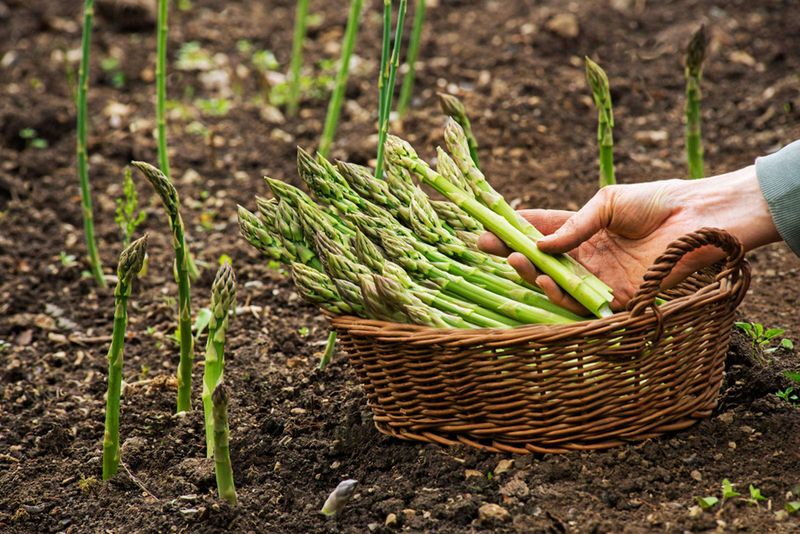
Plant asparagus once and you could be harvesting spears for a decade or more. That long-term payoff makes this perennial a favorite for patient desert gardeners who want a crop that keeps giving.
Surprisingly, asparagus handles Arizona’s hot climate well once established, going dormant in the heat and pushing up tender spears in the cooler stretches. A no-dig bed’s deep, rich layers give its crowns exactly the room they need above the caliche.
The first couple of years call for restraint, since letting the plants build strong roots before harvesting heavily sets them up for years of abundance. It is a small wait for a big reward.
After harvest season, the spears grow into tall, feathery ferns that soak up sun and feed next year’s crop, adding soft texture to the garden. Mulch heavily to protect the crowns and hold moisture.
Low-maintenance and long-lived, asparagus asks for a good start and then quietly delivers spring after spring. For a no-dig bed you plan to keep for years, few vegetables offer such a lasting, dependable return.
17. Longevity Spinach
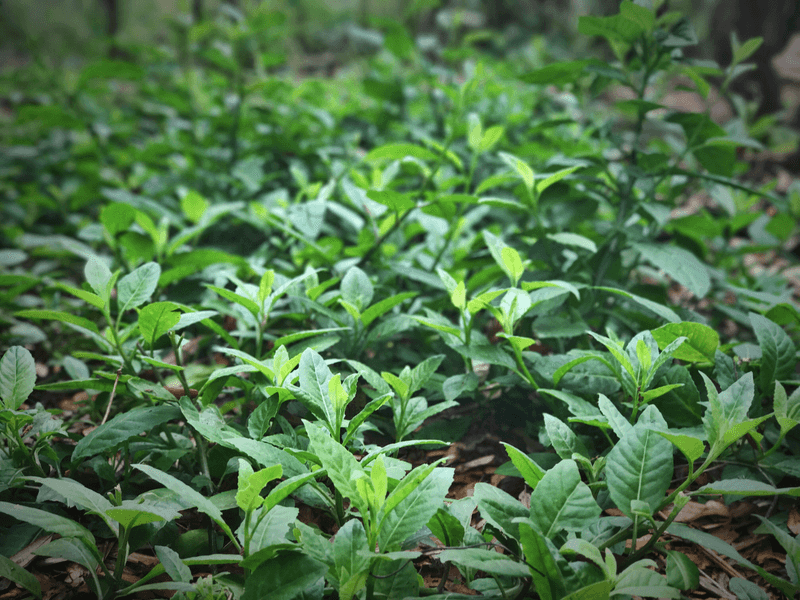
Some plants demand constant attention, and then there is longevity spinach, which practically thrives on neglect. This leafy perennial green is one of the most forgiving edibles you can tuck into a desert no-dig bed.
It happily grows in partial shade, making it perfect for the cooler, protected corners of your garden where other crops struggle. Under a taller plant or along a shaded edge, it fills in as a lush green ground cover.
The tender, slightly succulent leaves are edible raw or cooked, offering nonstop greens without the bolting that plagues true spinach in the heat. Just pinch what you need and the plant keeps coming back.
Rooted in the moisture-holding compost of a no-dig bed, it needs little water and even less fuss to stay happy. It spreads gently, covering bare soil and helping keep the bed cool.
As a low-growing perennial, it returns season after season, quietly earning its place. If you want reliable leafy greens with almost zero maintenance, longevity spinach is the set-it-and-forget-it crop your Arizona bed will love.
18. Jerusalem Artichoke / Sunchoke
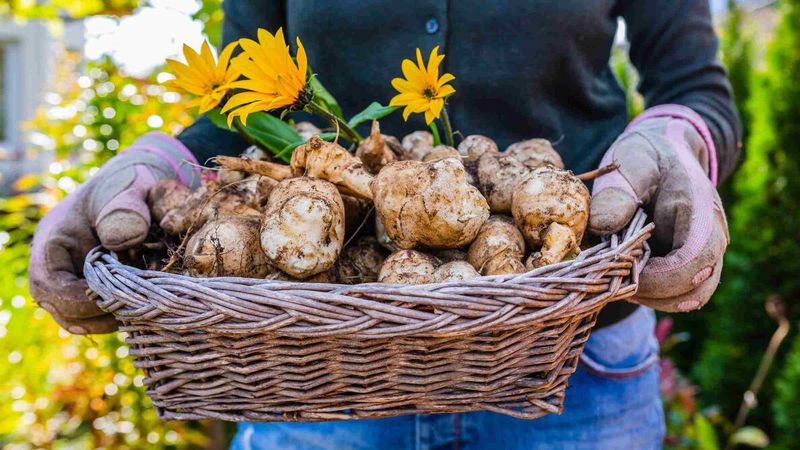
Do not let the name fool you, because the Jerusalem artichoke is neither from Jerusalem nor an artichoke. It is actually a type of sunflower, and its knobby tubers taste nutty and crisp, a bit like water chestnut.
This tough plant flat-out loves Arizona’s sunny, blistering climate, growing tall and vigorous where fussier crops would fail. In a no-dig bed, the tubers form easily in the soft compost layers instead of fighting the caliche.
Here is the fun part: once you harvest, any tubers you leave behind will sprout again next season, making sunchokes an almost self-perpetuating crop. Some gardeners find they never need to replant.
The cheerful yellow blooms atop the tall stalks pull in bees and add pollinator habitat while the tubers fatten below. They also cast light shade over neighboring plants.
Give them their own dedicated corner, since their eager spreading habit can crowd tamer neighbors. Undemanding, productive, and practically permanent, the sunchoke delivers a steady harvest of crunchy tubers year after year with barely any input from you.
19. I’itoi Onions
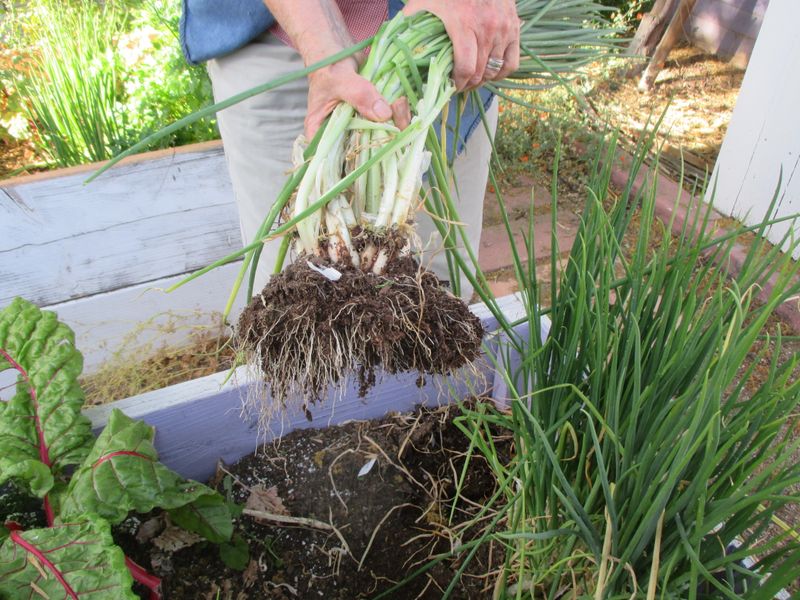
Rooted deep in the heritage of the Sonoran Desert, I’itoi onions carry generations of history in every tiny bulb. These small, multiplying onions are native to the region and perfectly attuned to Arizona’s demanding conditions.
Plant a single clump and it quickly divides into many, giving you a self-renewing patch that returns faithfully year after year. That reliable comeback makes them one of the lowest-fuss crops a desert gardener can grow.
Their shallow roots settle happily into the loose organic layers of a no-dig bed, never needing to reach through the caliche below. Once established, they ask for little water and even less babysitting.
The flavor sits somewhere between a shallot and a green onion, delicate and slightly sweet, and both bulbs and green tops are wonderful in the kitchen. Snip what you need and let the clump keep multiplying.
Because they are so well adapted to the desert, they sail through heat and drought with ease. For a native, endlessly renewing, no-maintenance allium with deep regional roots, I’itoi onions are a true Arizona treasure.
20. Chiltepin
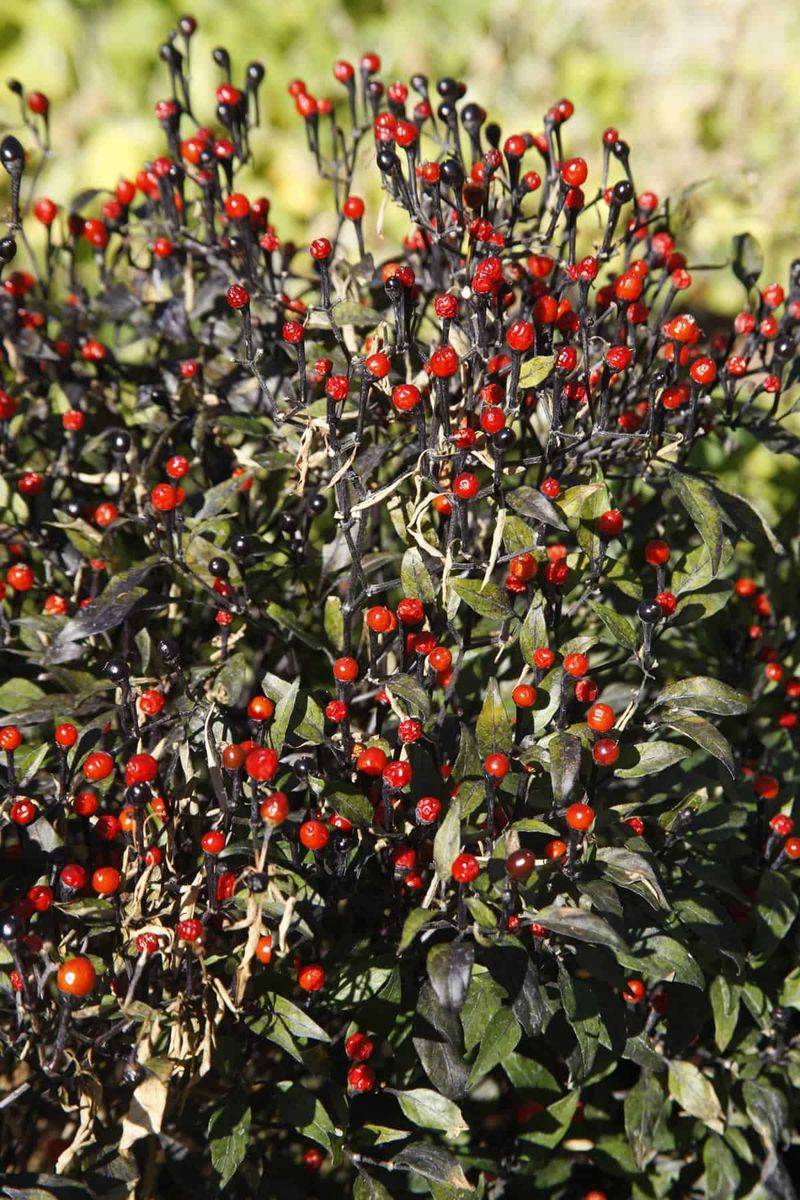
Tiny but mighty, the chiltepin packs a fierce, fleeting burst of heat into a pepper barely bigger than a pea. Known as the wild ancestor of many cultivated chiles, this desert native is built for Arizona living.
As a heat-loving perennial, it thrives in blazing sun and shrugs off drought once established, returning season after season from the same bush. That toughness makes it an almost carefree addition to a no-dig bed.
Its roots settle comfortably into the rich compost layers, sheltered from the caliche and needing little supplemental water. In the wild, chiltepins often grow beneath nurse shrubs, so a spot with light afternoon shade suits them well.
The little round fruits ripen bright red and bring bold, wild flavor to salsas and stews, a spicy nod to the region’s culinary roots. Birds love the berries too, which is how the plant spreads naturally.
That bird appeal adds a bit of wildlife habitat to your patch. Perennial, native, drought-proof, and full of fiery character, the chiltepin is a fittingly spicy finale for any Arizona no-dig garden.