The White Specks Drifting Across Kentucky Yards Are Not Seeds
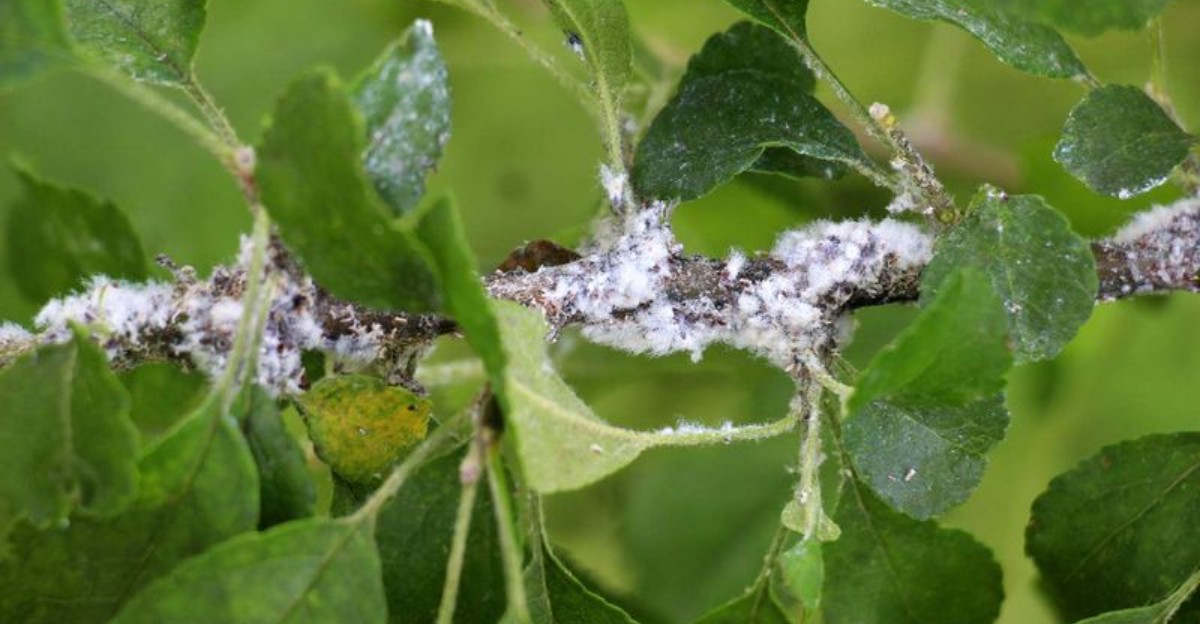
Step outside on a warm September afternoon in Kentucky and the air suddenly looks faintly, impossibly snowy. Tiny white flecks drift past the mailbox, catch the low afternoon light, and stubbornly refuse to land.
Most people assume a nearby tree is shedding something, maybe stray seeds or leftover springtime fluff. That guess feels perfectly reasonable until one small speck lands on your forearm and starts walking.
The floating cotton has a plan, a destination, and a surprisingly tight travel schedule ahead of it. Yards all across the state host this yearly performance, right when the evenings finally turn crisp.
Figure out what you’re watching, and ordinary autumn porch time gets far more entertaining. Nobody in Kentucky warns you that snow occasionally shows up with six tiny working legs.
The Fuzzy Travelers Behind The Floating White Flecks
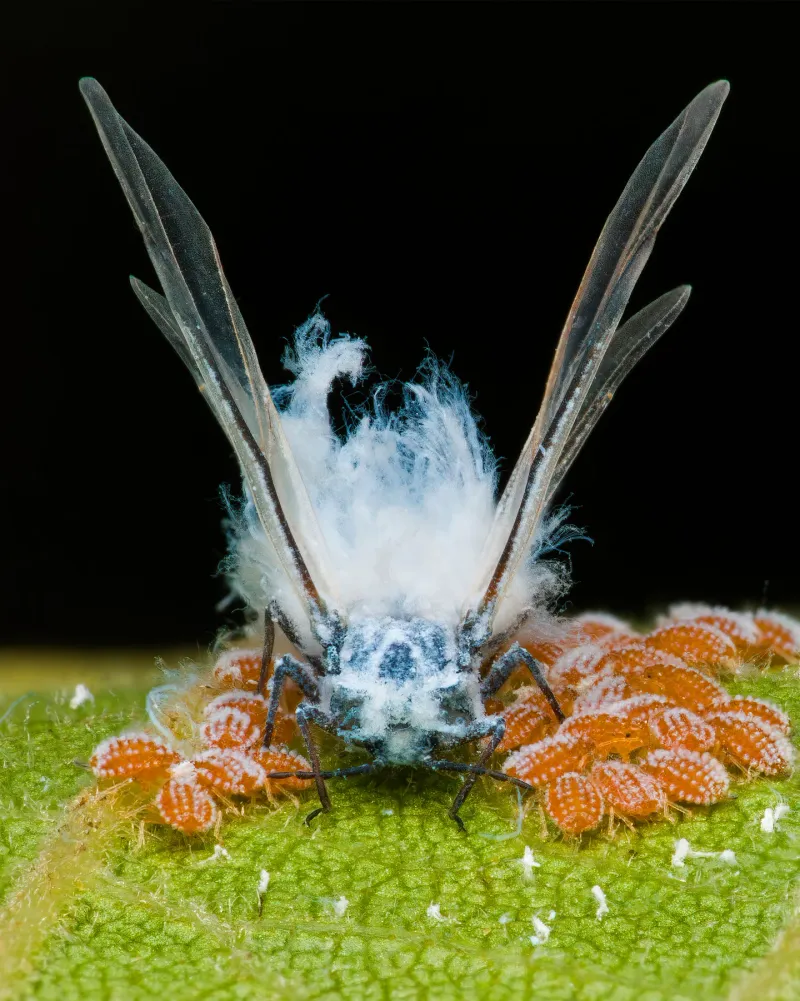
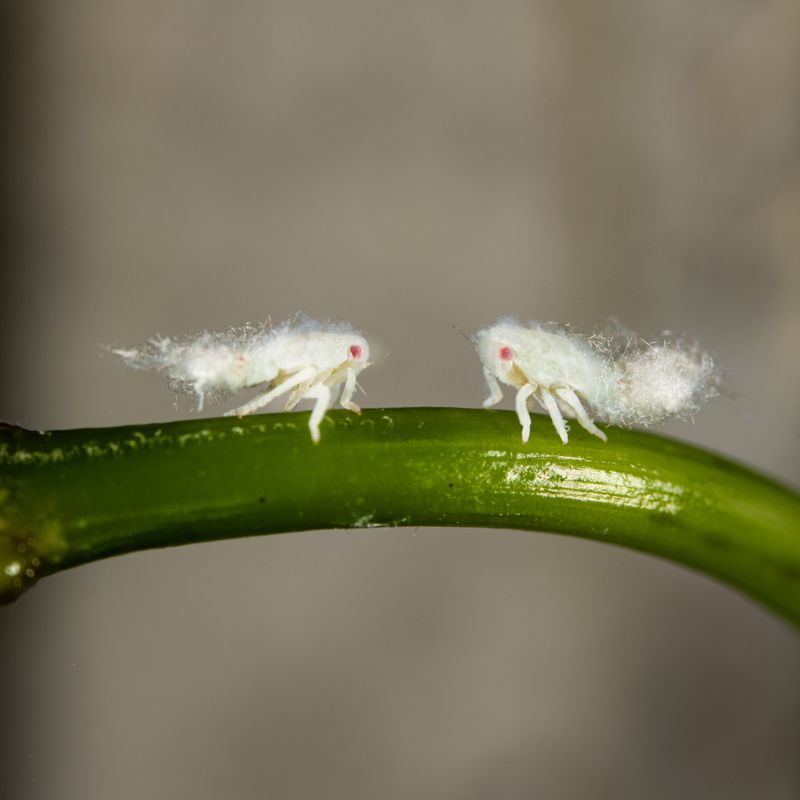
Those drifting white specks have legs, antennae, and a very small appetite for sap. Woolly aphids coat themselves in waxy threads, which makes each insect look like flying lint.
The wax is produced by glands along their backs, and it builds up quickly. Wind catches the fluff, so a weak flier can travel across several Kentucky yards.
Most of the year, these aphids stay hidden on twigs, branches, or plant roots. In fall, winged adults leave the colony and search for a different host plant.
Silver maple, hackberry, apple, and alder trees host the largest groups in Kentucky. Some species move between two hosts, using one for summer and another for winter eggs.
Catch one on your sleeve and you will see a pale body under the fuzz. A gentle pinch leaves a smear of wax, which is a reliable identity check.
Seeds do not steer, land on your arm, and then crawl toward your elbow. Aphids do exactly that, which is how most folks figure out the difference fast.
Homeowners often call them fairy flies, angel bugs, or snow bugs during heavy flights. Extension offices across Kentucky hear those nicknames each autumn, usually with photos attached.
Kids love catching them, and no bite or sting follows the capture. Hands may pick up a faint waxy dust, which washes off with plain water.
Knowing what floats past your porch turns a mystery into a manageable garden question. The fluff is odd, harmless to people, and honestly kind of charming up close.
Late Summer Flights And The Kentucky Calendar
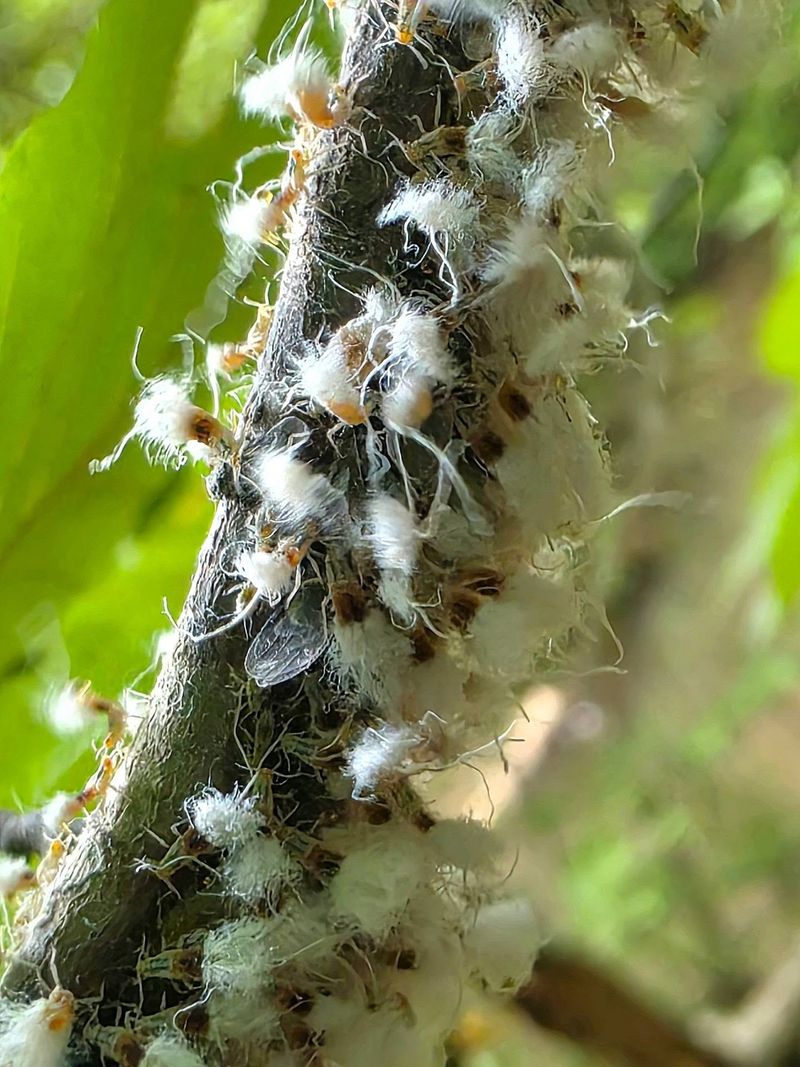
Kentucky yards usually see the first floaters in late August, right as evenings cool. Flights peak through September and October, then taper off after a hard frost.
Colonies build all summer while females produce young without mating, one generation after another. Crowding and aging leaves trigger the winged forms that eventually drift into open air.
Warm afternoons with light breezes bring the heaviest movement across lawns and driveways. Calm, humid mornings keep most of them parked on bark and leaf undersides.
Eggs tucked into bark crevices wait out winter, hidden from cold and hungry birds. Spring hatch begins around April, and the first colonies stay small and easy to miss.
Your Kentucky Garden Changes Every Week. Your Plan Should Too.
Gardening in Kentucky changes quickly throughout the season. Every Friday you’ll receive a simple weekly plan showing exactly what to plant, prune, fertilize, harvest, and protect so you never miss the right timing.
By June, sticky leaves and curled tips hint that populations are climbing fast. July inspections often reveal white patches on branch collars and along twig joints.
Timing matters because control works best before the fluff takes to the sky. Once adults are airborne, sprays reach only a small share of the population.
Mark a reminder for late May and again for mid July on your calendar. Two quick inspections beat one frantic reaction in October when the air looks snowy.
Weather swings can shift the schedule by two or three weeks in either direction. A mild autumn often stretches flights into early November across central Kentucky.
Watching the pattern year after year makes the surprise factor fade considerably. Neighbors still text photos asking about snow in seventy degree weather.
Common Mix-Ups With Cotton Fluff And Mealybugs
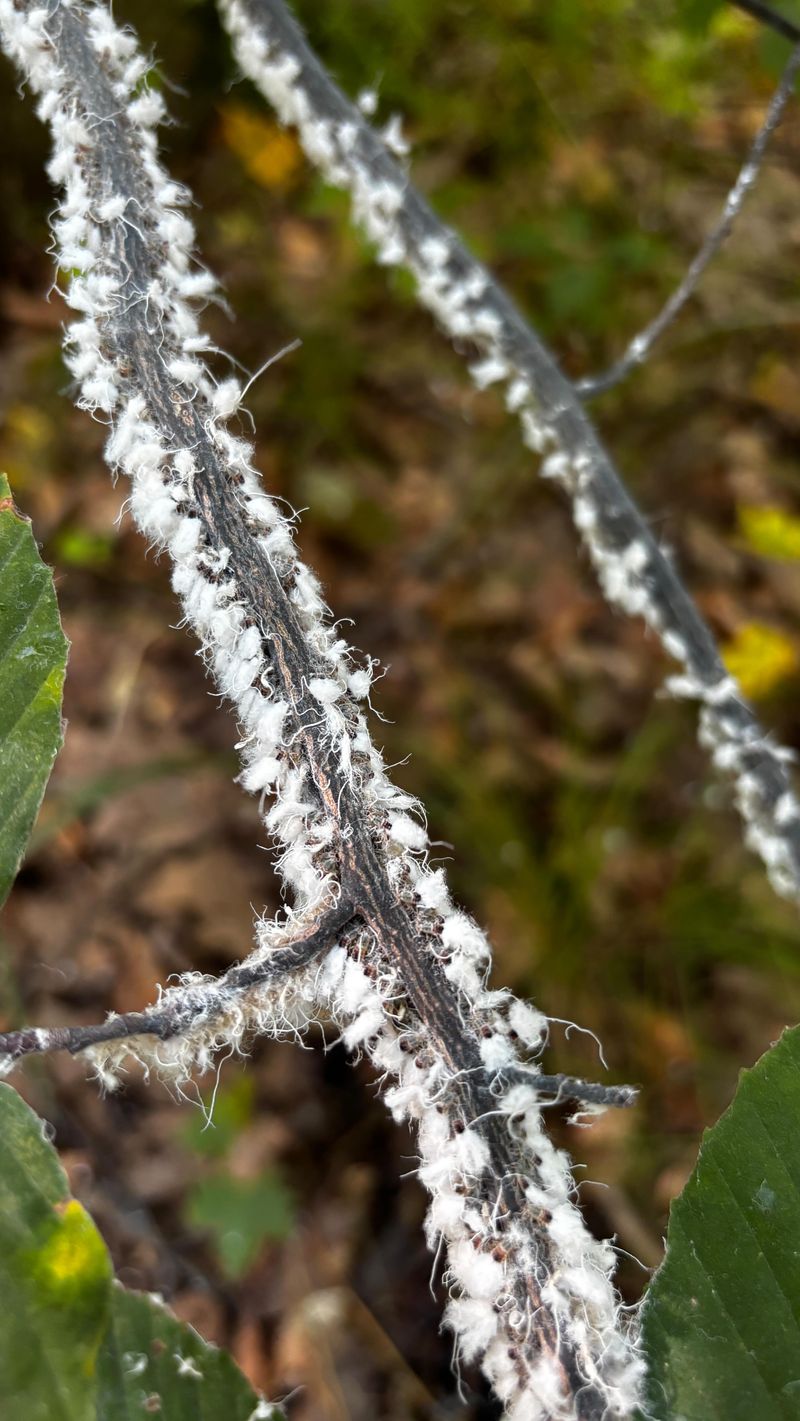
Plenty of folks blame cottonwood trees, dandelions, or thistle for the floating white bits. Plant fluff drifts in a straight, lazy line and cannot change direction on purpose.
Aphids hover, rise, and swerve, because tiny wings are doing the steering. Watch a single speck for ten seconds and the difference becomes obvious.
Another mix-up involves mealybugs, which look similar but stay put on stems and roots. Mealybugs rarely fly around yards, so airborne fluff points toward aphids instead.
Some people assume the specks are snow fleas, which are actually springtails near soil. Springtails jump, live in damp leaf litter, and stay close to the ground.
The costliest mistake is spraying the whole yard with insecticide during peak flights. Wandering adults are already leaving, so broad sprays hit beneficial insects for little gain.
Lady beetle larvae, lacewings, and tiny wasps feed on these colonies constantly. Wiping them out often leads to bigger aphid numbers the following season.
Another slip is treating a maple when the real colony sits on an apple branch. Tracing sticky residue back to its source saves both money and effort.
Look for shiny leaves, black sooty film, and ants marching up trunks. Those clues point to the host tree faster than chasing fluff around the yard.
Bring a sample indoors in a jar and check it under decent light. A hand lens turns a white speck into an insect with obvious legs.
Guessing wrong is common, and honestly the disguise is pretty convincing. Cotton with a flight plan would be a far stranger headline.
Sticky Honeydew, Sooty Mold, And Stressed Branches
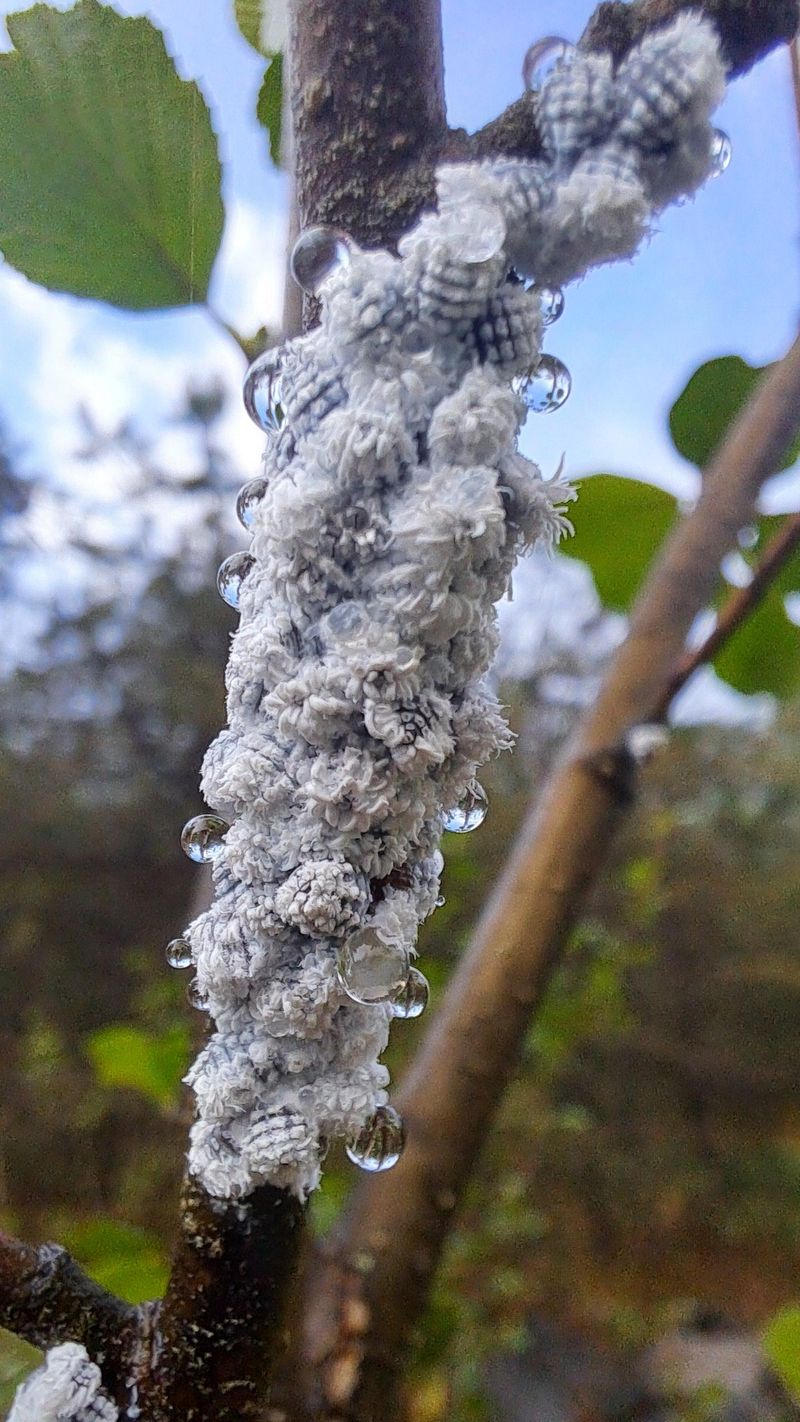
Park under an infested maple and your windshield gains a faint, sticky glaze. That residue is honeydew, the sugary waste aphids leave behind as they feed.
Honeydew coats leaves, patio furniture, and anything unlucky enough to sit below. Black sooty mold then grows on the sugar, turning surfaces dark and grimy.
Sooty mold does not feed on the plant, but it blocks sunlight from leaves. Heavy coating can slow growth and make an otherwise healthy tree look tired.
Ants love honeydew and will protect colonies from predators to keep the supply flowing. Seeing ant traffic on a trunk usually means aphids are working overhead.
Feeding damage shows up as curled, puckered leaves and weak, stunted new growth. Established shade trees usually shrug off light infestations without any lasting harm.
Root-feeding species are the bigger concern, especially on young apple trees. Swollen galls on roots can weaken a sapling over several growing seasons.
Wasps and bees visit honeydew too, which surprises people at backyard cookouts. Extra stinging insects near the picnic table make the problem feel personal.
Rinsing hard surfaces with soapy water removes most residue before mold settles in. A pressure washer handles driveways, while a hose works fine for furniture.
Check leaf undersides in July for white cottony patches near the veins. Early detection keeps honeydew from ever reaching the sidewalk below.
Damage stays cosmetic in most Kentucky landscapes, all things considered. Your car, sadly, does not share that relaxed point of view.
Practical Treatment Steps For Trees And Shrubs
A strong blast from the garden hose remains the cheapest fix available. Water knocks colonies off branches, and most dislodged aphids cannot climb back up.
Insecticidal soap works well on shrubs, especially when sprayed directly onto the white patches. The waxy coating repels water, so add a spreader or use warm water.
Horticultural oil applied during dormancy smothers overwintering eggs on bark. Late winter treatments in Kentucky usually land between February and mid March.
Systemic products containing imidacloprid can help with heavy infestations on valuable trees. Apply as a soil drench in spring, and follow label directions closely.
Skip systemic treatments on flowering trees during bloom to protect visiting pollinators. Timing the application after petal fall reduces risk considerably.
Pruning out heavily infested twigs removes a large share of the colony instantly. Bag the clippings rather than tossing them into a brush pile nearby.
Reducing nitrogen fertilizer helps, since lush new growth feeds aphids beautifully. Slow, steady feeding produces tougher tissue that colonies find less appealing.
Large shade trees rarely need any treatment at all, despite the dramatic display. County extension agents often recommend patience over chemicals for mature maples.
If you hire a service, ask for a colony inspection before any spraying happens. Good arborists identify the host plant first and treat only what needs it.
Repeat hose treatments every few days during June for the best results. Persistence beats strength when the target weighs less than a raindrop.
Jot down dates and products in a phone note. Next June arrives sooner than anyone expects.
Long-Term Habits That Keep Colonies Small
Prevention starts with plant choice, believe it or not. Silver maple, hackberry, and crabapple invite the heaviest colonies in Kentucky neighborhoods.
Planting a mix of species spreads the risk across your whole landscape. A yard built on one tree type gives aphids an easy buffet.
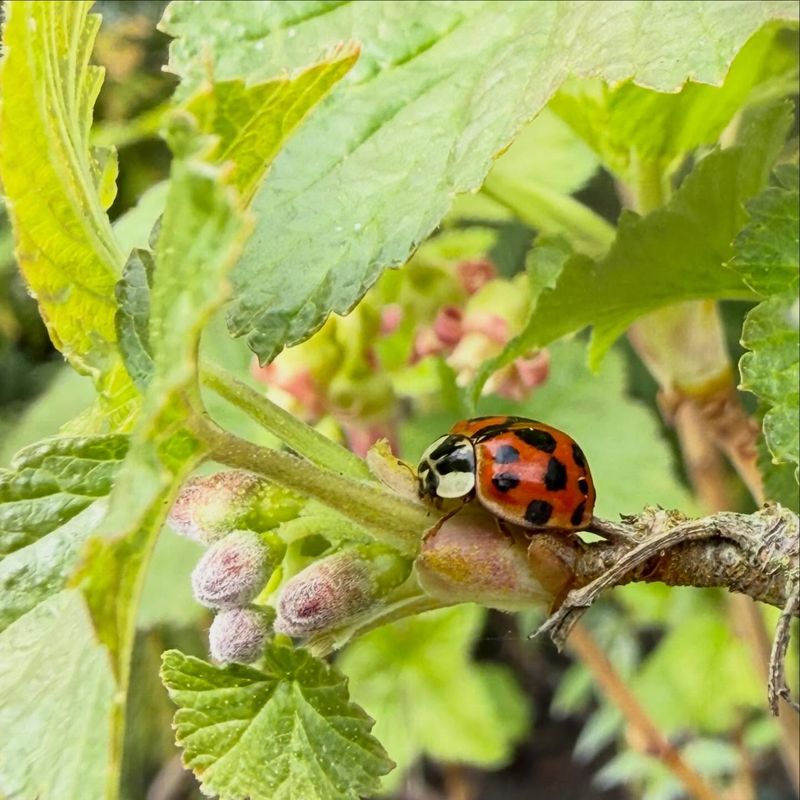
Encouraging predators pays off more than any spray schedule ever will. Yarrow, dill, and coneflower attract lacewings and lady beetles all summer long.
Leaving a few weedy corners near the fence supports beneficial insect populations. Those helpers patrol your trees for free, month after month.
Dormant oil in late winter cuts the starting population before spring hatch. One well-timed application often reduces autumn flights noticeably.
Watering during summer droughts keeps trees strong enough to handle feeding pressure. Stressed trees attract more pests and recover from damage slowly.
Mulch rings protect roots and reduce mower damage that weakens young trunks. Keep mulch a few inches away from the bark to avoid rot.
Healthy soil supports healthy roots, which supports everything above ground. A simple soil test every few years guides fertilizer decisions well.
Checking branch undersides twice each summer catches colonies while they remain small. Five minutes with a flashlight beats an afternoon of cleanup later.
Talk with neighbors, since aphids drift freely across property lines. A shared inspection often finds the one tree hosting the whole crowd.
Accepting a little fluff each fall is part of Kentucky yard life. Some seasons you manage the aphids, and some seasons you just wave.