8 Plants To Bring Indoors Before A November Cold Snap In California
Many tropical potted plants can suffer real damage at 50 degrees, which feels like sweater weather to us. Gardeners call it chilling injury, and it can show up days before any frost appears on the lawn.
California stretches from USDA zone 5a in the mountains to zone 11b along warm coastal and desert spots. That huge range means a cold snap in Sacramento looks quite different from one in sunny San Diego.
I have to admit my patio pots get spoiled every summer with long days of sunshine and attention. I can’t imagine watching those happy plants sulk because I waited one chilly night too long.
November in California often brings the first nights that dip toward the 40s, even in fairly mild inland valleys. So which of your favorite outdoor pots should be the first to head inside this month?
1. Tropical Hibiscus
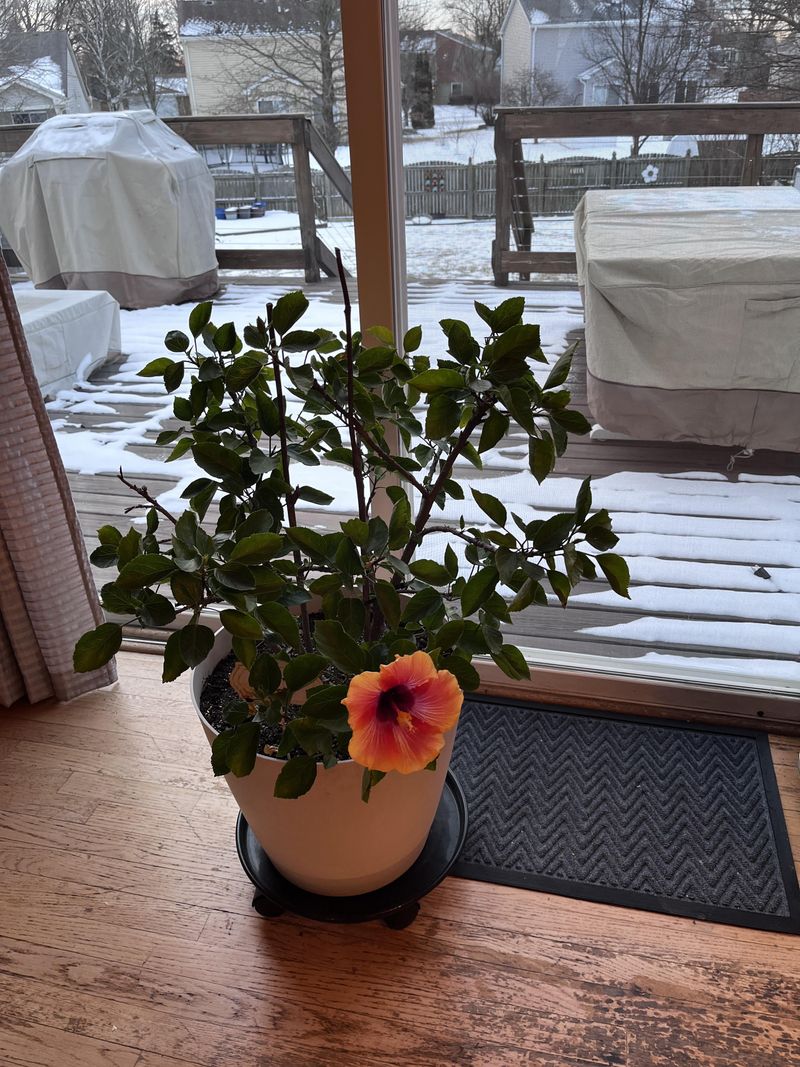
Those dinner plate blooms on tropical hibiscus each last about a day, yet the plant keeps producing new ones all summer. I love how a single shrub can make a plain patio feel like a beach vacation.
Unfortunately, Hibiscus rosa-sinensis has zero tolerance for frost, and damage can start quickly once nights drift toward freezing. Younger plants struggle more than older ones with thick, woody trunks that store extra energy for winter.
You should move your pot inside once overnight lows keep dipping below 50 degrees on a regular basis. Before carrying it through the door, check under the leaves for spider mites and aphids.
A bright south or west window works best, since hibiscus still wants plenty of sun during short winter days. Keep the room between 65 and 75 degrees, and avoid spots near heating vents or drafty doors.
Water less often than you did in summer, letting the top of the soil dry slightly between drinks. Mushy stems usually point to soggy roots, so ease up on the watering can if you notice them.
You might notice some yellow leaves dropping during the first couple of weeks after the move indoors. Personally, I see that as normal adjustment drama, and most plants settle down once they adapt.
Late winter is a smart time to trim leggy branches back to encourage fuller, bushier growth next spring. By the time warm nights return, your plant should be ready to bloom its heart out again.
2. Potted Citrus Trees
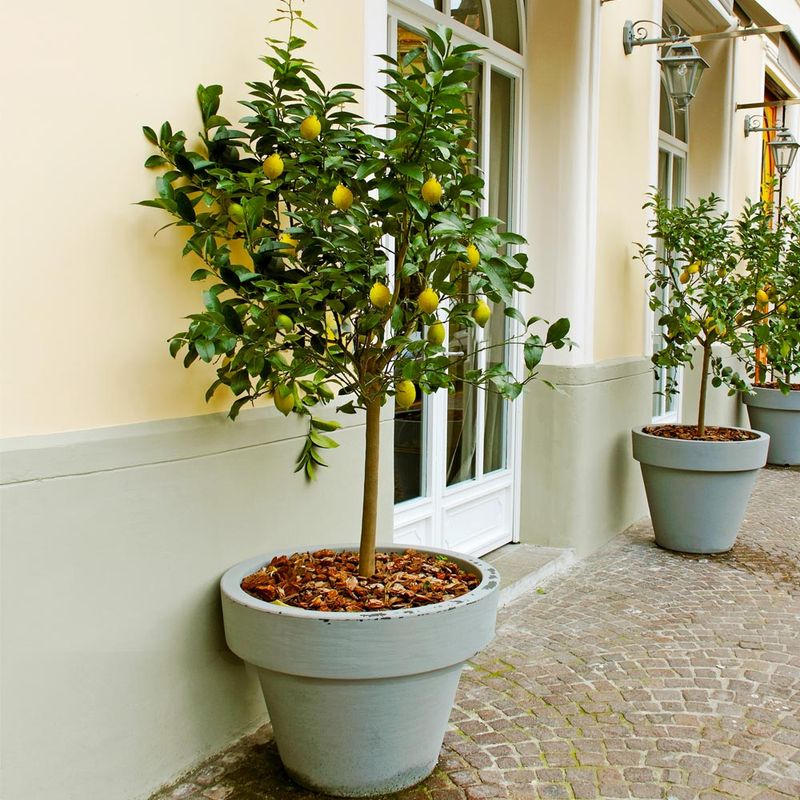
Few things beat stepping outside to pick a fresh Meyer lemon straight from a pot on your own patio. I believe every citrus tree in a container deserves a little extra care once nights turn crisp.
Lemons and limes handle cold worse than most other citrus, and damage often appears around 30 to 32 degrees. Container roots sit above ground, so they chill faster than roots tucked safely into garden soil.
Many growers suggest bringing potted trees inside when overnight lows settle around 40 degrees on a steady basis. Coastal gardeners may get a longer window, while inland valley folks often need to act sooner.
Light matters more than anything once your tree moves indoors, so a south facing window is the top choice. A grow light running eight to twelve hours a day can make a huge difference during gloomy weeks.
Indoor heating dries the air quickly, and citrus prefers humidity around 50 percent for happy, glossy leaves. A pebble tray with water underneath helps, as long as the pot itself sits above the waterline.
Let the top two inches of soil dry out before watering again, and skip fertilizer through the winter months. Soggy soil invites root rot, so a pot with good drainage holes is a must.
You’re in for a small shock when a few leaves or fruits drop after the move. That response is normal stress, so inspect for scale and aphids, then give your tree time to adjust.
3. Mandevilla
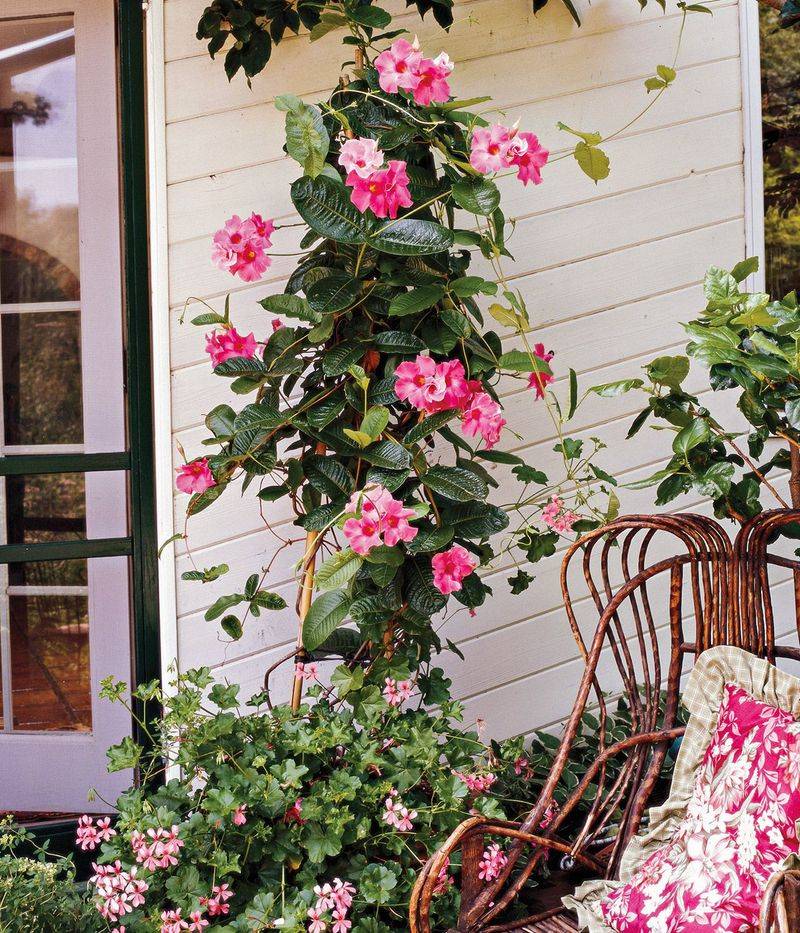
Glossy leaves and trumpet shaped flowers make mandevilla look like it escaped from a tropical resort brochure. Hummingbirds seem to agree, and I love watching them zip between the pink blooms on a summer trellis.
Sadly, this tropical vine cannot handle freezing weather, and even a string of chilly nights can stress it. Plan to move your pot inside once evening temperatures slide toward 50 degrees and stay there.
You actually get two choices for winter care, depending on how much space and light you have. One option keeps the vine growing as a houseplant, while the other lets it rest in dormancy.
As a houseplant, it needs a south or west window where the room stays near 65 to 70 degrees. Water whenever the top inch or two of soil feels dry when you poke it with a finger.
Dormancy takes less effort, and it starts by cutting the vine back to roughly 8 to 12 inches tall. Then move it to a cool, dark garage or basement that stays between 50 and 60 degrees.
Resting plants need only a small drink every few weeks, just enough to keep the soil from drying out. Skip fertilizer during winter with either method, since the vine is not trying to grow much.
Before bringing anything indoors, rinse the leaves and look closely for hitchhiking pests like mealybugs or spider mites. Keep the pot away from heater vents too, because sudden blasts of dry air upset the foliage.
4. Bougainvillea

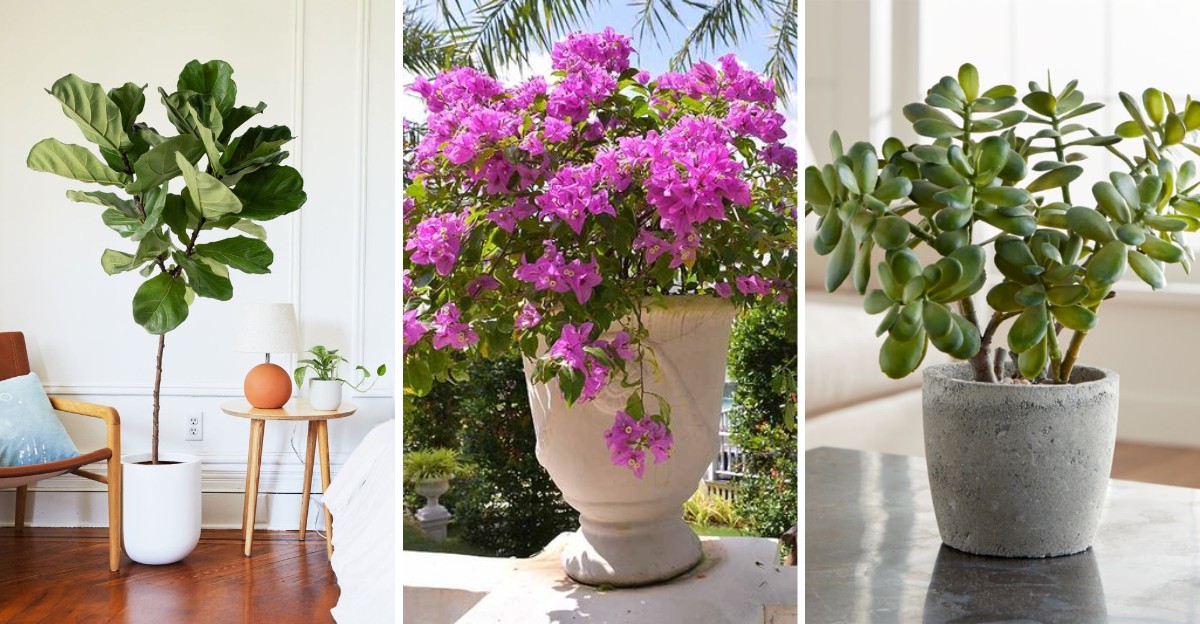
Those bright magenta petals on bougainvillea are not flowers at all, but papery leaves called bracts. The real flowers are tiny white tubes hiding in the center, and I still find that trick delightfully sneaky.
Many coastal gardens grow this vine in the ground year round, since mild winters there rarely bring hard frost. Potted plants in colder inland areas face more risk, because even light frost can damage tender growth.
Bring containers inside or into a bright, sheltered spot when a cold snap shows up in the forecast. A sunroom or enclosed porch with plenty of daylight works nicely for this sun loving plant.
You might notice leaves falling soon after the move, which can feel alarming the first time you see it. Leaf drop during cool winter months is a normal response, and fresh growth usually returns in spring.
Water sparingly while it rests, letting the soil dry well between drinks to avoid root trouble. Honestly, bougainvillea tends to bloom better when it is a little neglected rather than fussed over.
Wear thick gloves before you grab that pot, because the sharp thorns can pierce skin surprisingly easily. Some people also develop itchy rashes from contact, so long sleeves are a smart choice during the move.
Bougainvillea is considered only mildly toxic, though nibbling pets or kids can get an upset stomach. The thorns are the bigger concern, so place your plant where curious hands and paws cannot reach.
5. Geraniums
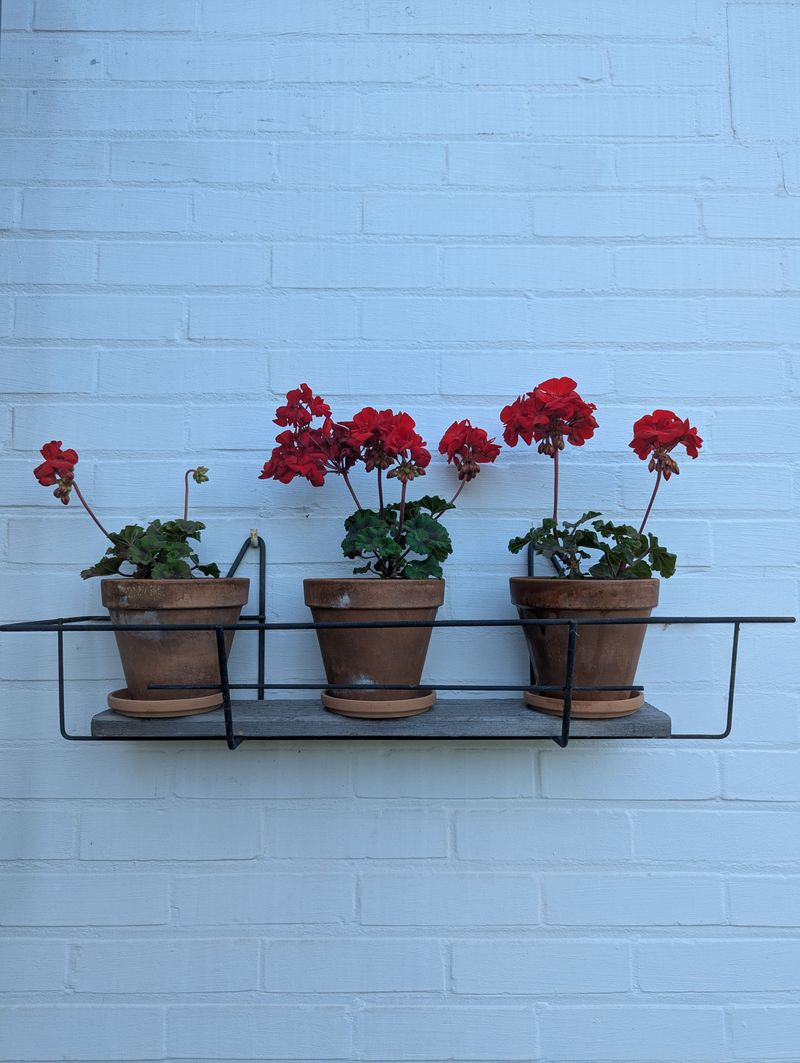
Grandma’s window box favorite has a secret identity, because common garden geraniums are actually Pelargonium hybrids. True geraniums, often called cranesbills, are tough hardy cousins, while these pelargoniums sulk badly the moment frost arrives.
Plan to bring them inside once nights hover around 50 to 55 degrees for several evenings in a row. I like how many ways there are to save them, so you can pick whatever suits your home.
The easiest route is keeping them as houseplants in a sunny window with less water and fertilizer than summer. Flowers may slow down, but the fuzzy foliage often stays green and cheerful until spring returns.
Old timers often prefer a dormant method that sounds strange but works well for many gardeners. Dig plants up before freezing weather, shake off the soil, and let them dry for a few days.
Next, store them upside down in paper bags somewhere cool and dark, around 55 to 60 degrees. Another option is trimming them by half and keeping them cool and bright with very little water.
Cuttings are my favorite backup plan, since a few short stems root easily in moist potting mix. You end up with fresh young plants that take up far less space on a windowsill.
Pet owners should know pelargoniums are toxic to cats and dogs, thanks to compounds called geraniol and linalool. Vomiting and sluggishness can follow a nibble, so keep pots on high shelves away from curious noses.
6. Fiddle Leaf Fig
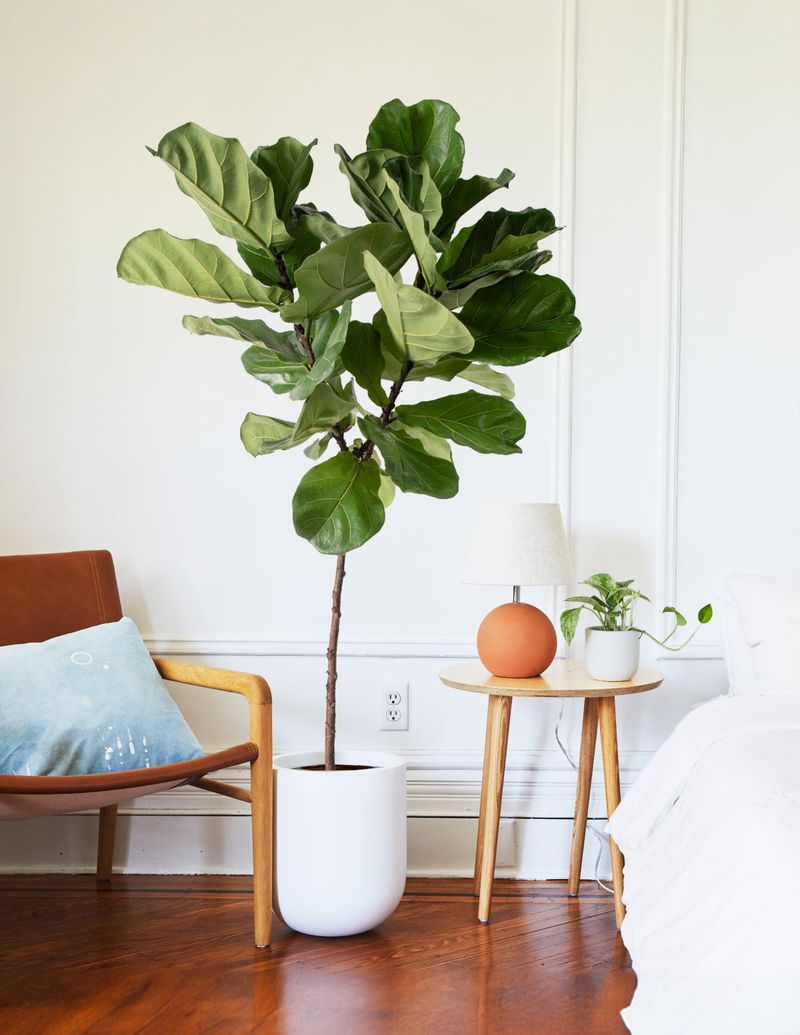
Leaves shaped like violins can grow over a foot long on a happy fiddle leaf fig, which explains the name. Many Californians summer these trees on shady patios, and they look stunning against a stucco wall.
Ficus lyrata comes from tropical West Africa, so chilly nights below 50 degrees can stress it fast. Bring yours inside before that point, ideally on a calm day to reduce shock from the move.
What surprises me most is how dramatic these trees act about drafts, both hot and cold. One gust from an opening door or blasting heater vent can trigger sudden leaf drop.
Find a spot with bright, indirect light, such as near a south or west window with a sheer curtain. Harsh afternoon sun through glass can scorch those big leaves, leaving brown patches that stay put.
Water sparingly in winter, letting the top inch or two of soil dry before you give another drink. Growth slows down in cooler months, so the roots simply need less moisture than they did in July.
Try to keep the room steady between 65 and 75 degrees, because swinging temperatures make this tree cranky. Once you find a good spot, resist the urge to keep moving it around the house.
All parts contain calcium oxalate crystals, which can irritate the mouths of pets that chew on leaves. The milky sap may bother skin too, so slip on gloves before pruning or wiping down foliage.
7. Jade Plant
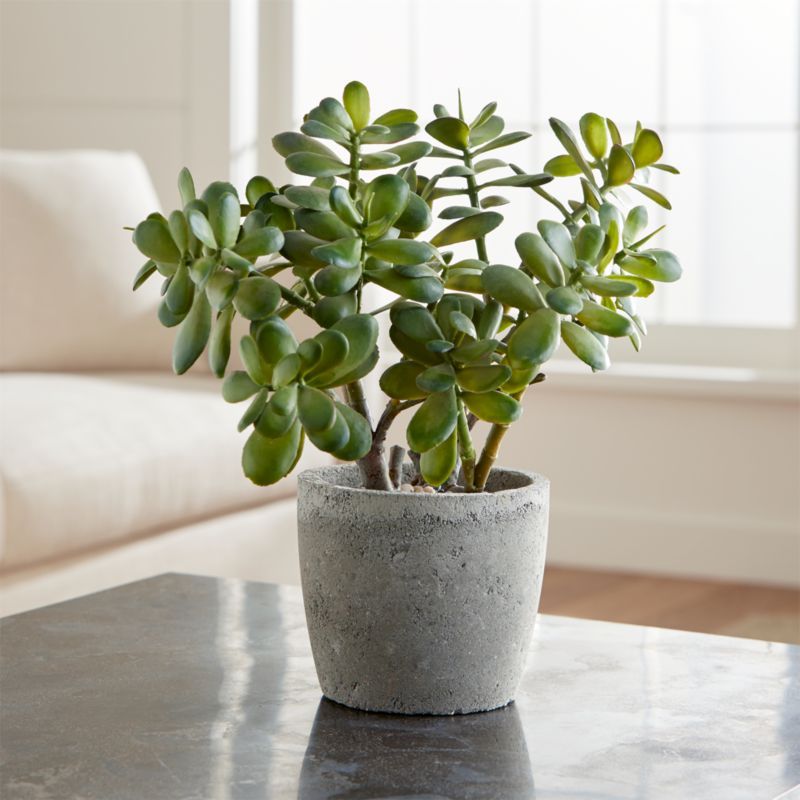
Some jade plants live for decades, getting passed between family members like a green heirloom with chunky little leaves. I love how its thick trunk makes it look like a tiny tree from a storybook forest.
Crassula ovata hails from South Africa and is not frost tolerant, despite its tough reputation as a succulent. Move it indoors before nights consistently drop to about 50 degrees, and keep it out of cold drafts.
Sunlight is the secret ingredient here, so aim for at least six hours from a south or west window. A jade stuck in a dim corner tends to stretch out and lose its compact, sturdy shape.
Winter is a resting season, which means this plant wants very little water until spring warms things up. Let the soil dry out fully, and you may only need to water about once a month.
Overwatering causes far more trouble than thirst, especially in heavy soil that stays damp for days. A gritty cactus or succulent mix in a pot with drainage holes keeps roots healthy and firm.
Mature plants can sometimes surprise you with starry white or pale pink flowers during winter indoors. Blooms are rare inside homes, but cool nights and dry soil give your plant the best chance.
Jade is toxic to cats and dogs, and nibbling can cause vomiting or wobbly, sluggish behavior. Keep it on a high shelf, and consider gloves since the sap can irritate sensitive skin.
8. Elephant Ear
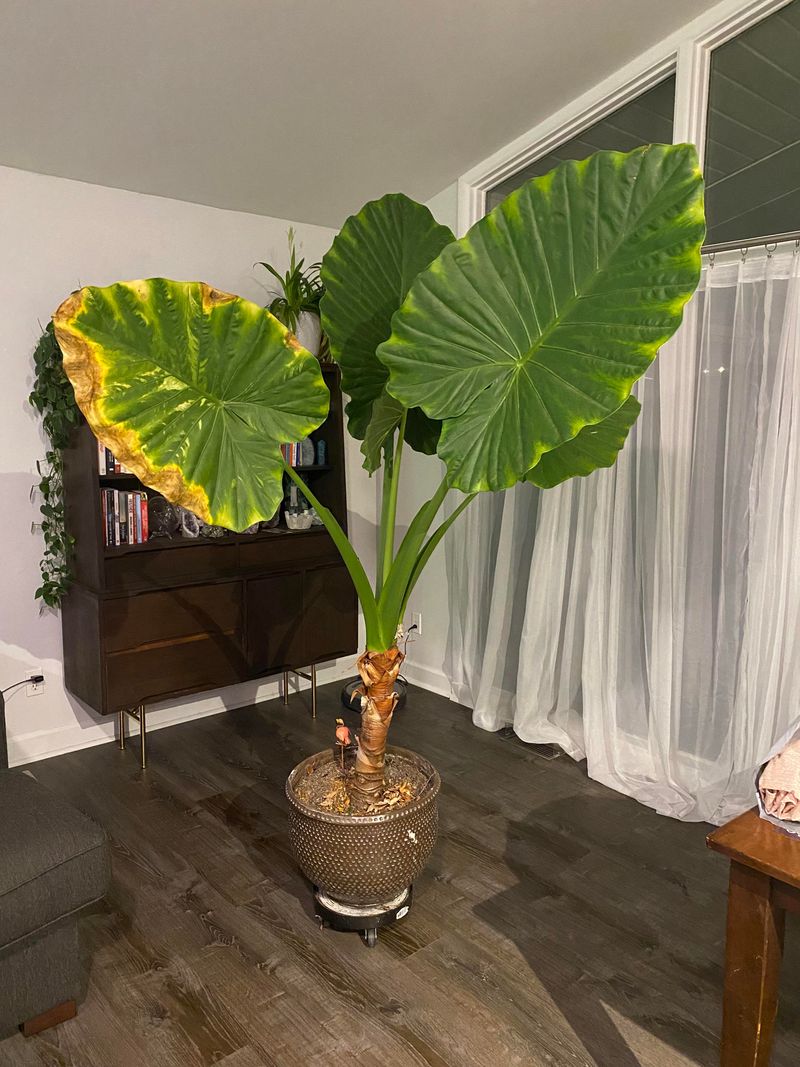
Heart shaped leaves on elephant ears can stretch two to three feet long, big enough to shade a sleeping cat. Honestly, every summer garden photo I snap seems to feature one of these leafy giants somewhere.
Colocasia esculenta is a true tropical plant, and it struggles once temperatures stay below about 40 degrees. Frost scorches the foliage quickly, so potted plants should head indoors before a cold snap arrives.
You can keep yours growing as a houseplant if you have room for something this dramatic. Give it bright, indirect light, and water less often as growth naturally slows in shorter days.
When indoor space runs short, many gardeners store the dormant corms instead, after light frost nips the leaves. Dig them up gently and let them air dry for several days in a shady, airy spot.
Pack the dry corms in peat moss or wood shavings, then store them somewhere cool and dry. Good airflow matters a lot, because trapped moisture can lead to rot before spring planting time.
Safety deserves real attention with this plant, since every part contains needle shaped calcium oxalate crystals. Chewing even a small piece of leaf can cause intense burning and swelling in the mouths of people and pets.
Wear gloves when handling the plant, because the sap can irritate skin during repotting or cleanup. Taro corms are eaten in many cultures, but only after thorough cooking, so skip sampling any ornamental plant.