Should California Homeowners Worry About Boxelder Bugs Gathering On Their Walls?
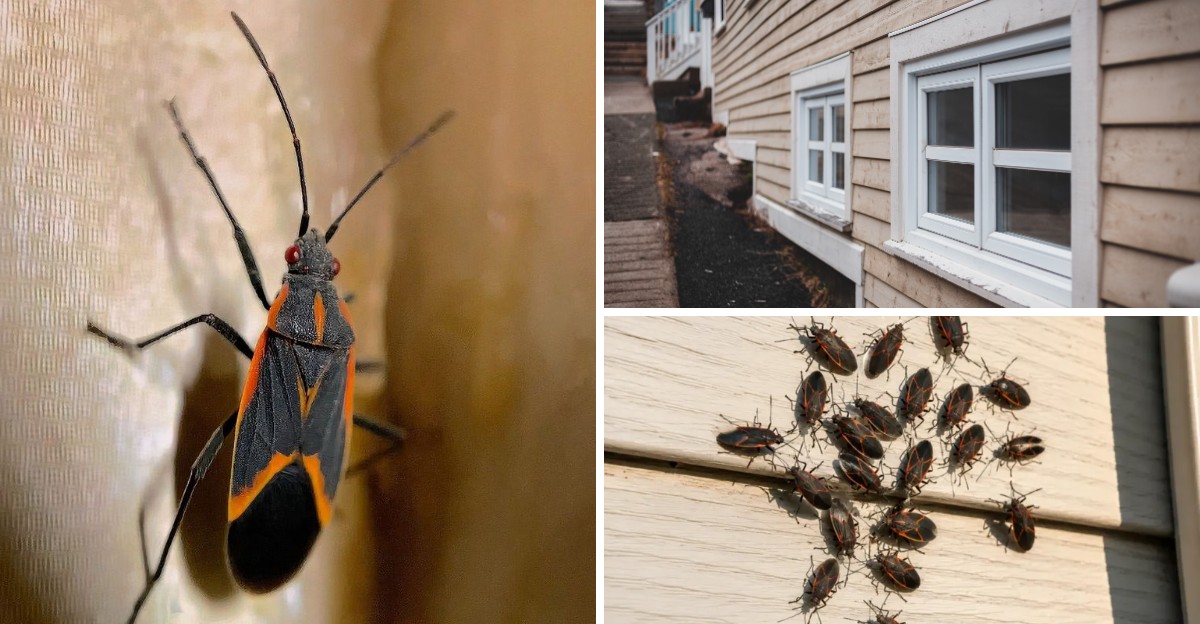
Seed-bearing female trees of one native maple relative attract far more red-and-black wall visitors than male trees, which skip seeds entirely. That detail explains why one yard can swarm while the house next door stays surprisingly quiet.
These sun-loving insects don’t chew wood, sting, or spread disease, though crushing them releases a strong odor and reddish stains. Warmer parts of California may even see two generations in a single year, which means bigger fall crowds.
Here’s my two cents: a slow walk around the house in late summer beats any spray can. You might notice bright red, wingless youngsters on tree bark in June, long before the striped adults show up.
Plenty of homeowners panic at the sight of a crowded wall, yet these visitors want shelter, not your kitchen. A few simple habits with a rake, weatherstripping, and gentle soapy water could keep them comfortably outside until spring.
Those Red-Striped Bugs On Your Sunny Wall Have A Winter Plan
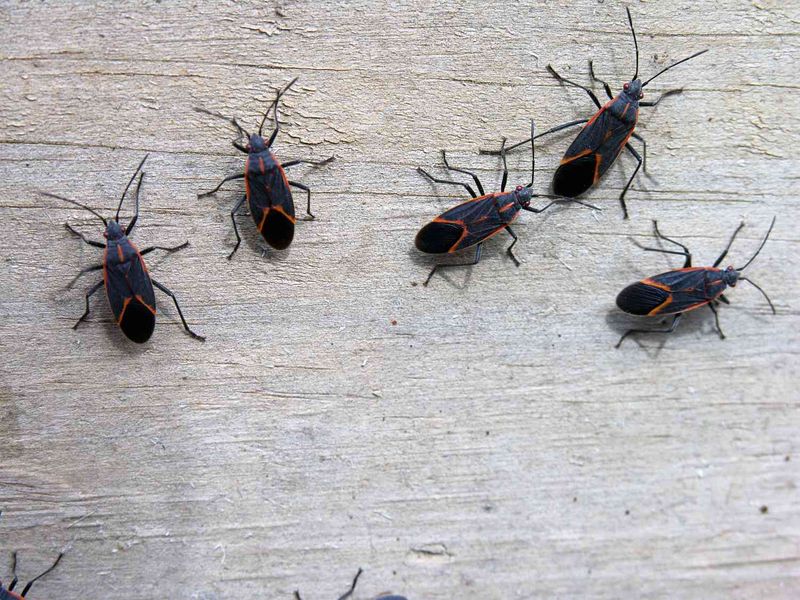
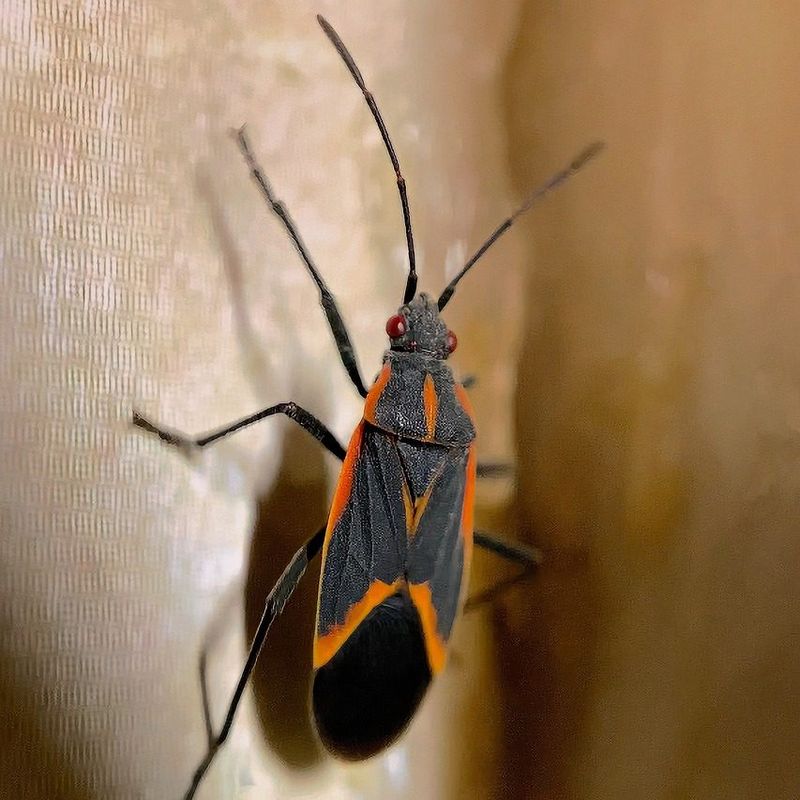
Sunshine is the magnet here. Those black insects with thin red lines are most likely western boxelder bugs, known to scientists as Boisea rubrolineata.
As days cool in late summer and fall, the adults start hunting for a protected place to spend winter. Your house, especially a south or west wall that soaks up afternoon heat, feels like a cozy hotel to them.
Clusters often form on siding, fences, window frames, and tree trunks. The bugs bask together, then creep toward tiny cracks around windows, doors, vents, and the foundation.
I find it oddly charming how organized they seem. They aren’t wandering around at random. Each bug is searching for a dry, sheltered gap where it can rest quietly until spring warms things up again.
In California, timing varies by region. Inland valleys and foothills with colder winters tend to see bigger fall gatherings than mild coastal neighborhoods.
Spotting them on warm winter days is normal too. A sunny afternoon can wake a few sleepers, sending them out to stroll across walls or even indoor windowsills.
Knowing their goal is the first step. Once you see them as tenants looking for shelter rather than invaders looking for food, the whole situation feels far less alarming.
Boxelder Bugs Are A Nuisance, Not A Threat To Your House
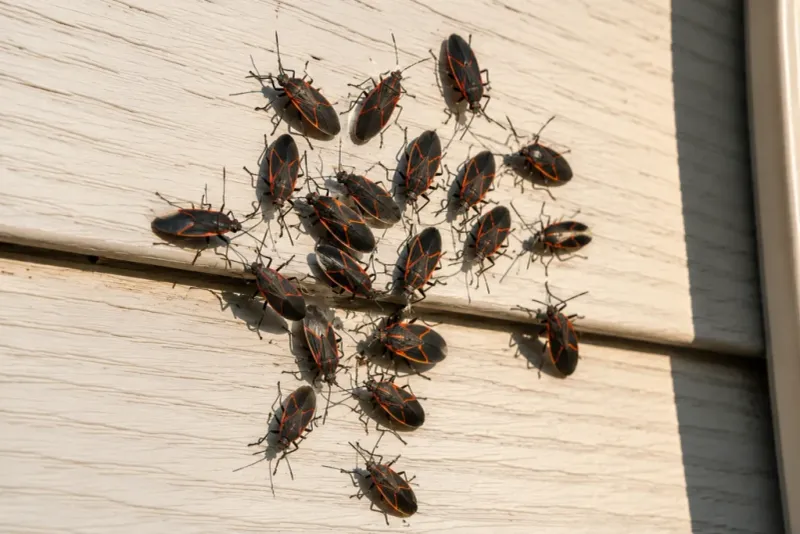
Relax your shoulders a bit. University of California pest experts classify boxelder bugs as nuisance pests, which means they bother us more than they harm us.
They don’t chew through wood, drywall, insulation, or wiring. Your framing and beams are safe because these insects feed on plant juices, not building materials.
Health worries are low too. They don’t sting, and they aren’t known to spread disease to people or pets. A bite is rare and usually happens only if one is pressed against skin, leaving little more than a small, itchy spot.
So what is the real downside? Mostly annoyance, and a bit of mess.
Crushing them releases a strong, unpleasant odor. Their droppings and body fluids can leave reddish or brownish stains on light curtains, painted walls, and fabrics.
Pets may sniff or nibble a few out of curiosity. Boxelder bugs taste bad, so most animals give up quickly, but keep an eye out for mild stomach upset.
Personally, I’d rank them below ants in the kitchen on the trouble scale. Worry is optional here, but a little prevention is a smart choice if you’d rather not share your living room this winter.
Sealing Cracks Around Windows And Doors Keeps Them Outside
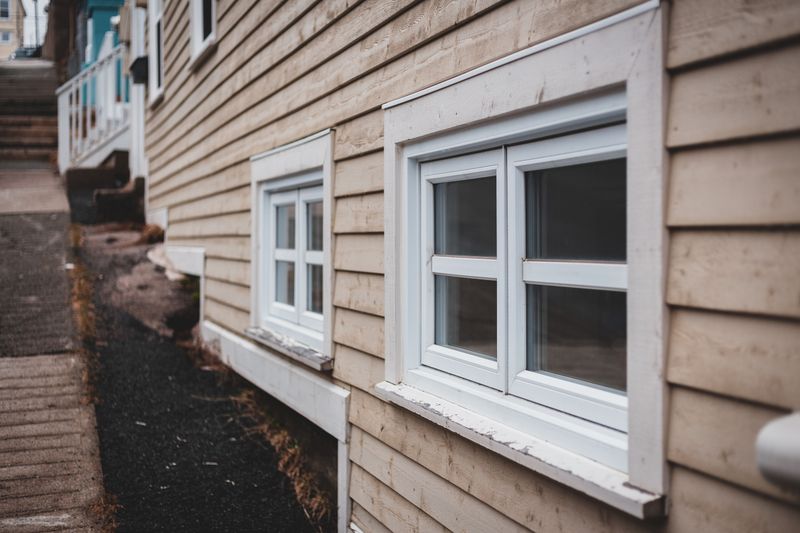
Caulk might be the most underrated pest tool in your garage. UC IPM recommends exclusion, meaning blocking entry points, as the most effective way to manage boxelder bugs.
Start with a slow walk around your home in late summer, before the big fall gatherings begin. Look closely at the warm south and west sides first.
Check these common trouble spots:
Gaps around window and door frames. Openings where pipes, cables, and dryer vents enter the wall. Cracks along the foundation and under siding.
Fill small gaps with a good quality exterior caulk. Add weatherstripping and door sweeps where you can see daylight sneaking in.
Screens matter more than you’d guess. Patch any tears in window and door screens, and cover attic and crawl space vents with fine mesh.
I like doing this job on a mild afternoon with a podcast playing. It feels a little tedious at first, yet it pays off beyond bugs, since it helps with drafts, spiders, and energy bills too.
Even a careful seal won’t stop every single bug. Still, closing the main doorways means far fewer surprise visitors crawling up your curtains in January.
A Garden Hose And Soapy Water Handle Outdoor Clusters
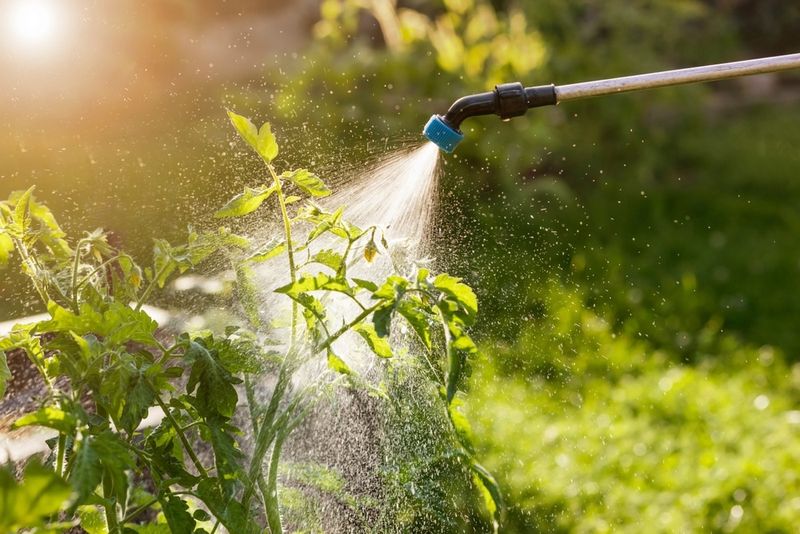
Grab the hose before you grab a spray can. A strong blast of water knocks clusters off walls, fences, and tree trunks without bringing harsh chemicals near your garden.
Aim for the thickest groups on warm afternoons when they’re out basking. Repeat every few days during peak season, because new arrivals tend to fill the gaps.
Soapy water works even better on the bugs you can reach directly. UC IPM notes that a simple solution of household dish soap and water, sprayed straight onto them, can reduce numbers. The soap has to touch the insects, so this is a hands-on job.
Insecticidal soaps from garden stores work the same way. They are gentler options for people who want results without strong products.
Why skip stronger sprays? Residual insecticides on walls rarely give lasting control, since fresh bugs keep flying in. They can also harm beneficial insects and drift into nearby plants.
If clusters are enormous every year, a licensed pest professional can help. Ask about targeted exterior treatments timed before bugs move inside.
I’ll admit there’s something satisfying about rinsing a wall clean. Just don’t spray into vents or open windows, or you’ll send them right where you don’t want them.
Female Boxelder Trees Are Usually Behind Big Bug Crowds
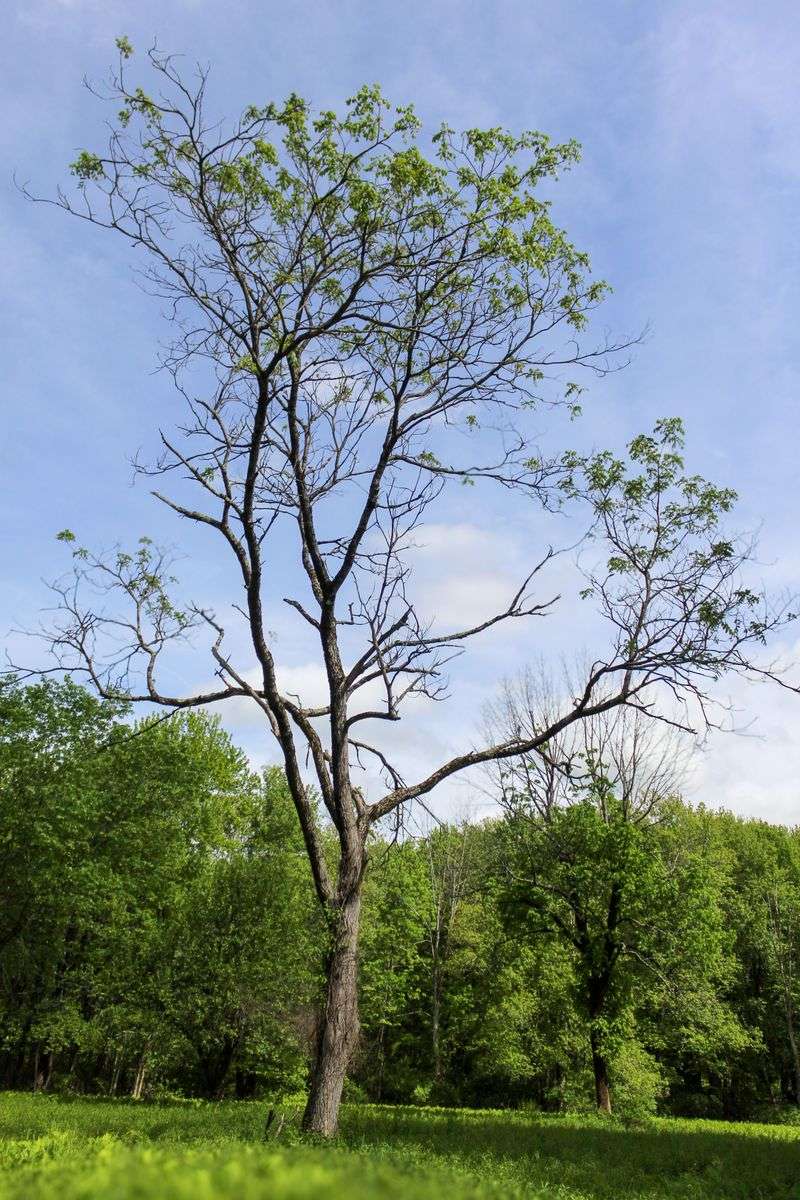
Follow the bugs and you’ll often find a tree. Boxelder bugs mostly feed on the seeds, leaves, and flowers of seed-bearing female boxelder trees, Acer negundo.
Male trees don’t produce seeds, so they attract far fewer bugs. That’s a handy detail if you’re wondering why one yard swarms while the next stays quiet.
California also has a native variety, sometimes called California boxelder, growing along streams and in valley landscapes. It’s a common shade tree in some older neighborhoods too.
The bugs occasionally feed on other maples, ash, and certain fruit trees such as apple, plum, and cherry. They may leave small marks on fruit, though serious crop damage is uncommon.
Here’s a fun detail. Those winged seeds, called samaras, twirl down like little helicopters, and the young bugs happily sip from fallen ones on the ground.
No boxelder tree in your yard? A neighbor’s tree, a park, or a creek corridor might be the source. Adults can fly a surprising distance, sometimes a few blocks or more.
I find it helpful to look up and around before panicking. Spotting the host tree explains a lot and helps you plan smarter prevention next season.
Bright Red Boxelder Nymphs Show Up In Spring And Summer
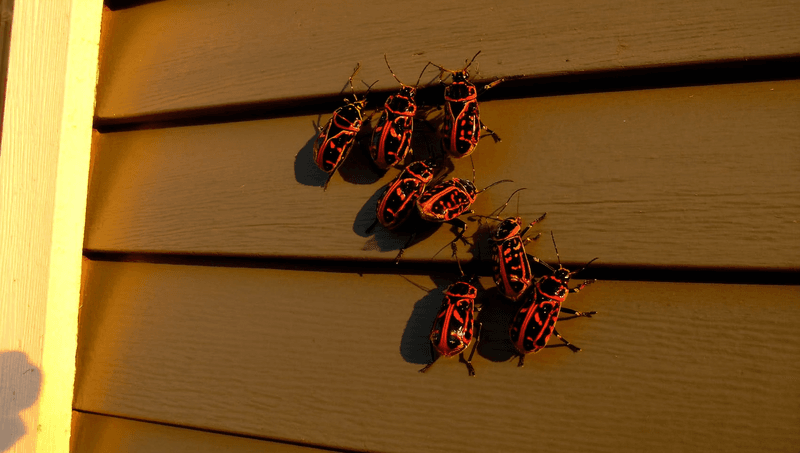
Tiny red specks on tree bark in June? You’re likely looking at young boxelder bugs, called nymphs.
Their year follows a tidy pattern. Adults that spent winter tucked in cracks wake up in spring, return to host trees, and lay small reddish eggs on bark, leaves, and seeds.
The nymphs hatch bright red and wingless. As they grow through summer, they molt several times and slowly gain black coloring with red markings, until fully winged adults appear.
By late summer and fall, those new adults look for winter shelter. That’s when the wall gatherings begin, and the cycle starts over.
Warm parts of California may see two generations in a year. That can mean bigger fall crowds after a long, hot summer.
Knowing this calendar helps you act at the right moment. Spring and summer are great times to rake fallen seeds and hose nymphs off trunks.
Fall is the time for sealing gaps, before adults move in.
I love how predictable they are once you know the rhythm. Watching those red babies turn into striped adults is like a nature lesson happening right in your backyard.
Cleaning Up Seeds And Clutter Near Your Foundation Pays Off
Long-term peace starts with a rake. Clearing fallen boxelder seeds under host trees removes a food source for young bugs and can shrink next year’s crowd.
Tidy the zone around your foundation as well. Leaf piles, woodpiles, rock piles, and stacked boxes give bugs shady hiding spots right beside your walls.
Some homeowners consider removing female boxelder trees. That can reduce local numbers, though bugs from nearby trees may still visit.
Before cutting anything, think about the bigger picture. Native boxelders offer shade and wildlife value, and many homeowners are happy to tolerate a seasonal bug show.
If you’re planting a new shade tree, a male boxelder or another well-adapted California tree is a smart pick. Ask your local nursery or UC Master Gardener program for suggestions suited to your zone and water needs.
So, should you worry? I’d say no, but plan ahead. Seal gaps in late summer, hose off outdoor clusters, vacuum indoor wanderers, and keep the yard tidy.
With that routine, boxelder bugs become a quirky sign of fall rather than a household headache. Honestly, I’ve come to enjoy their red stripes against a golden autumn wall.