7 Cold Frame Crops Virginians Can Harvest Through December
Some salad greens can freeze solid on a frosty night and still taste fine once they thaw slowly in the sun. That delightful fact turns winter gardening from a gamble into a fun little science project.
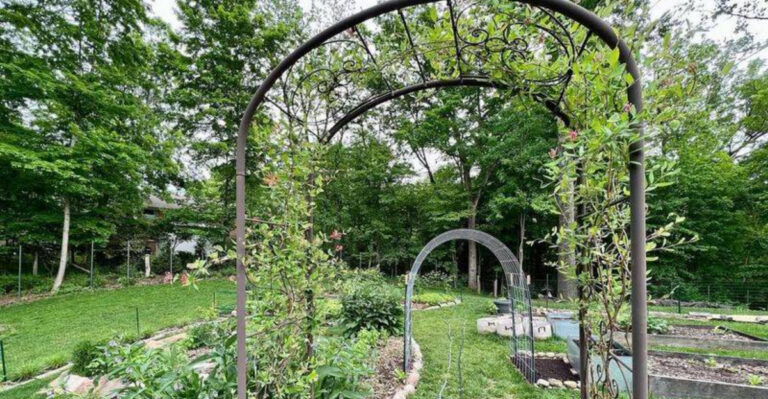
Here in Virginia, a simple wooden box with a clear lid can keep fresh harvests coming long after the summer tomatoes fade.
Fairfax Master Gardeners have even grown leafy crops through winter in Reston using this basic, low-cost setup.
Certain vegetables also get surprisingly sweet once cold weather settles over the garden. Plants convert stored starches into sugars as a natural shield against freezing, and our taste buds get the lucky bonus.
There’s something special about lifting that lid on a gray morning and finding bright green leaves waiting below.
Which crops deserve a cozy spot in your Virginia cold frame before the holiday dinners arrive?
1. Spinach
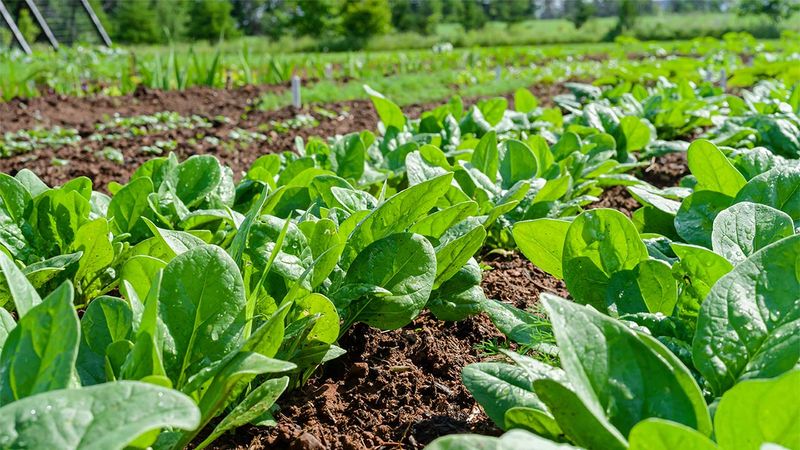
Thick, crinkled spinach leaves feel almost leathery in December, and that toughness is exactly what helps them shrug off frost. I love how a handful picked on a chilly morning tastes sweeter than anything from summer.
Spinach, known to scientists as Spinacia oleracea, handles temperatures near 15°F, and sometimes even lower without much fuss. Inside a cold frame, harvests often stretch through December and can continue into early January in many gardens.
Timing matters more than anything else with this crop, since growth slows sharply once the days get very short. Aim for young plants carrying roughly two to six leaves by Thanksgiving, so they enter winter with sturdy rosettes.
Piedmont gardeners can sow spinach from September onward, while Tidewater growers usually start their seeds a bit later in October. Savoy and semi-savoy types such as Winter Bloomsdale and Giant Winter are favorites for cold frames.
During deep winter, the plants mostly thicken the leaves they already have instead of pushing out lots of new ones. That is why a strong fall start gives you far more to pick when the holidays roll around.
Water less often as daylight shrinks, and check the soil about once a week with a finger poked into the bed. Watering on mild mornings lets leaves dry before night, which helps reduce mold and rot problems later.
Pick outer leaves first, and the center keeps growing slowly for future meals throughout the cold months ahead of you. You can also cut the whole plant when you need a big batch for soup or a warm salad.
2. Lettuce
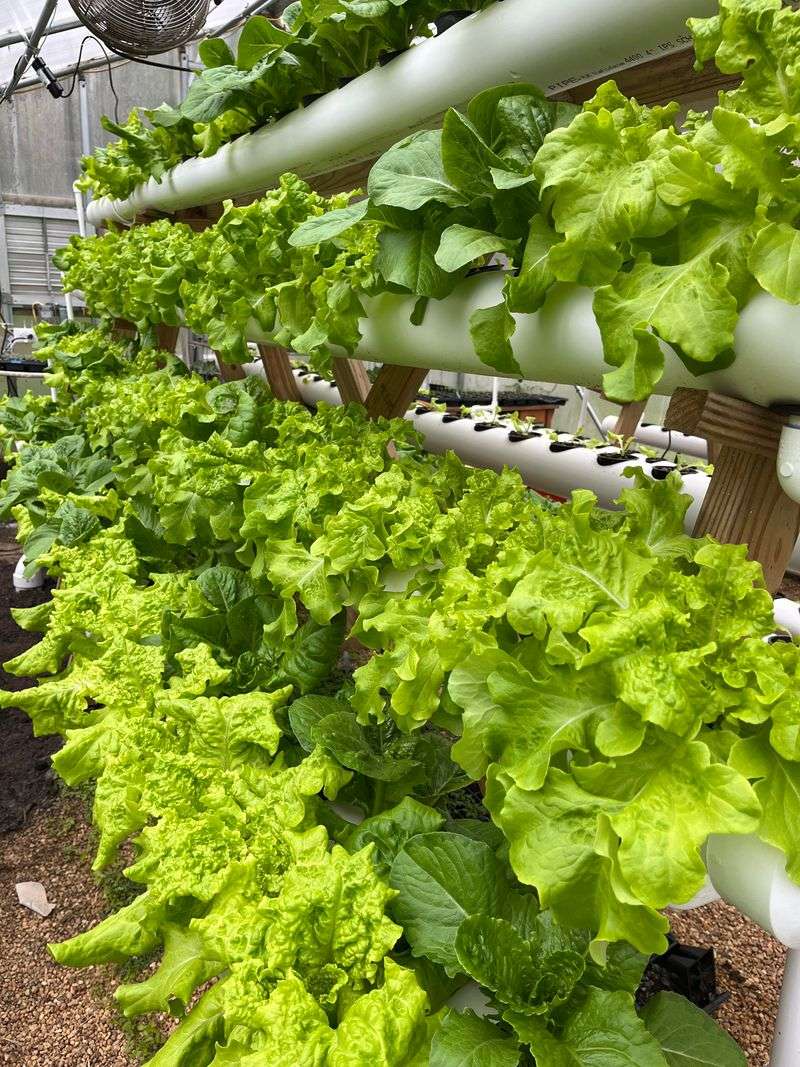
Lettuce has a quirky party trick that still makes me grin every winter in my own little backyard garden beds. The leaves can freeze solid overnight, then recover nicely once they thaw slowly without being handled or rushed.
Lactuca sativa comes in dozens of varieties, but only some of them truly enjoy the shorter, colder days of December. Winter Density, Rouge d’Hiver, Arctic King, and New Red Fire are popular picks for a winter cold frame.
Rouge d’Hiver is a red romaine that grows deeper in color as temperatures drop, which looks gorgeous on a plate. Winter Density is a compact cross between romaine and butterhead, so it fits nicely into smaller frames.
In central Virginia, early September is a smart time to sow these hardy types directly inside your cold frame. Plants need to reach good size before daylight fades, so aim for six to eight weeks before hard frost.
Ventilation is the secret skill here, because a closed frame can heat up quickly on a bright sunny afternoon. Prop the lid open during sunny days, then close it well before sunset to hold onto the stored warmth.
Once nights dip into the low twenties, outer leaves may show some damage, though the inner hearts often stay fine. At that point, harvesting whole heads is a sensible move before a serious cold snap settles across the region.
Pick loose-leaf types when outer leaves reach about four to six inches long, and they will keep producing more. Early morning harvests give you the crispest leaves, though frozen ones should thaw first before you touch them.
3. Swiss Chard
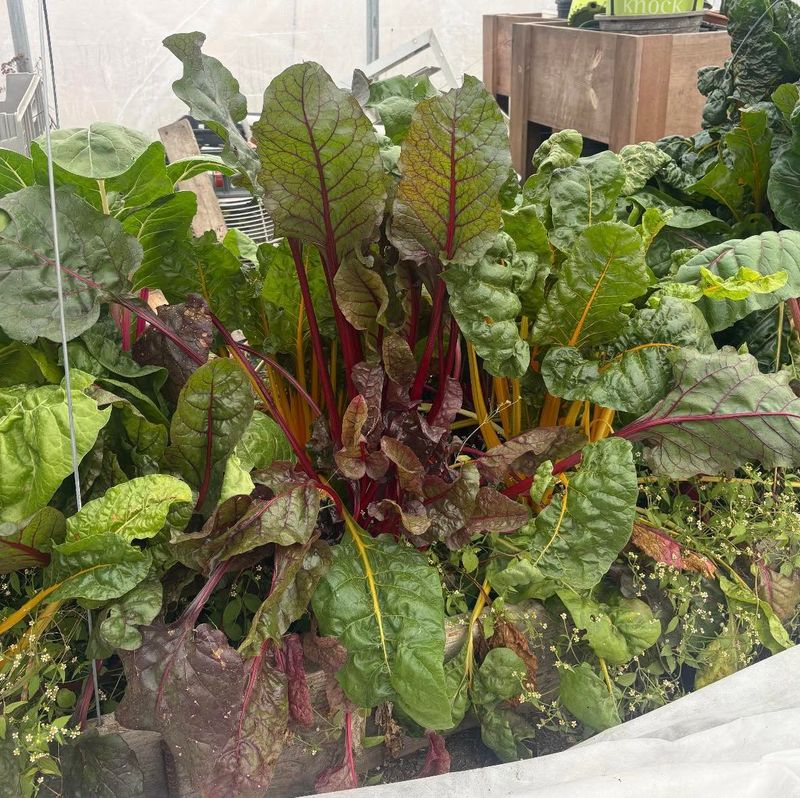
Rainbow stems glowing under a frosty cold frame lid look like a burst of summer color in the middle of winter. Honestly, chard might be the most cheerful vegetable you can grow when everything else outside turns brown.
Swiss chard belongs to the same species as beets, Beta vulgaris, but it is grown for leaves and stems instead. You get the earthy goodness of beet greens without waiting around for any roots to swell under the soil.
Frost actually helps this crop, since cold weather tends to sweeten the flavor of the big, crinkly green leaves. Temperatures below about 15°F can cause serious harm, so the frame provides the shelter it needs during cold snaps.
Growers in nearby West Virginia report steady chard harvests well into December with a cold frame covering their plants. Many gardeners consider it one of the most productive crops you can tuck inside a frame for winter.
Give chard fertile, well-drained soil with a pH somewhere between 6.0 and 6.8 for the healthiest growth possible. Keep the soil evenly moist, and choose a spot that receives full sun through the short winter days.
Winter stalks may stay a little smaller than summer ones, which honestly makes them more tender for quick cooking. I like slicing the colorful stems thinly and sautéing them with garlic before adding the chopped leaves on top.
Harvest the older outer leaves first, and the center will keep sending up fresh growth for many weeks ahead. You can pick leaves at almost any size, so small ones make a lovely addition to salads.
4. Carrots
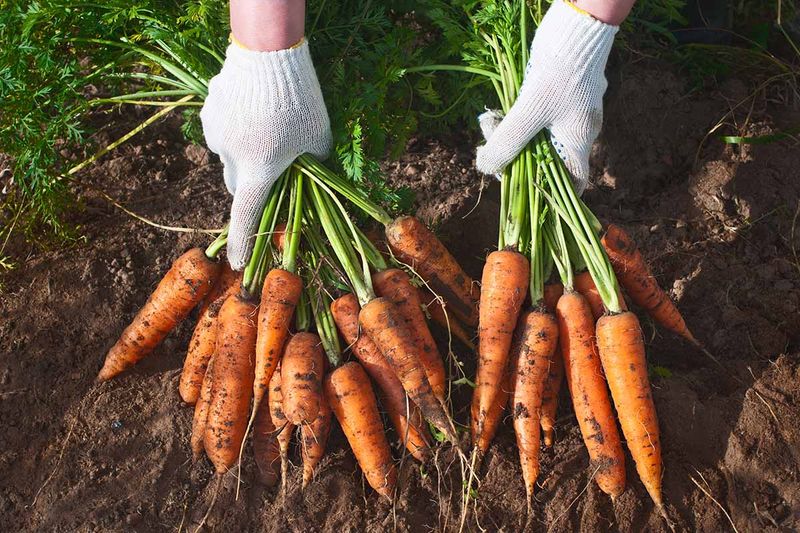
Pulling a carrot from thawed soil while frost coats the rest of the yard feels like finding buried treasure. The cold weather even does some cooking for you, since carrots turn starches into sugars after a frosty spell.
Daucus carota subspecies sativus is the scientific name for our familiar garden carrot, a crop that loves cool seasons. Winter-grown roots often taste noticeably sweeter than summer ones, which surprises many people trying them for the first time.
A cold frame keeps the ground from freezing hard, so digging up a few roots stays easy all winter long. That simple benefit alone makes a frame worth building if you love fresh carrots for holiday dinners and snacks.
Plant seeds roughly 60 days before your first expected frost to give the roots plenty of time to size up. Varieties like Nantes, Chantenay, and Mokum are often recommended because they handle chilly growing conditions quite well.
Carrots want loose, sandy soil free of rocks, since anything hard in the way causes twisted and forked roots. Mixing in some compost improves the soil structure, and steady moisture keeps the roots from cracking or splitting apart.
Tuck straw or dried leaves around the plants for extra insulation during the coldest nights of the season ahead. Brush snow off the lid so sunlight reaches inside, and crack the frame open whenever a warm afternoon arrives.
Dig carrots whenever you need them, but try to finish harvesting by early February at the latest each year. New spring growth can make the roots stringy and woody, which takes away much of that sweet crunch.
5. Tatsoi
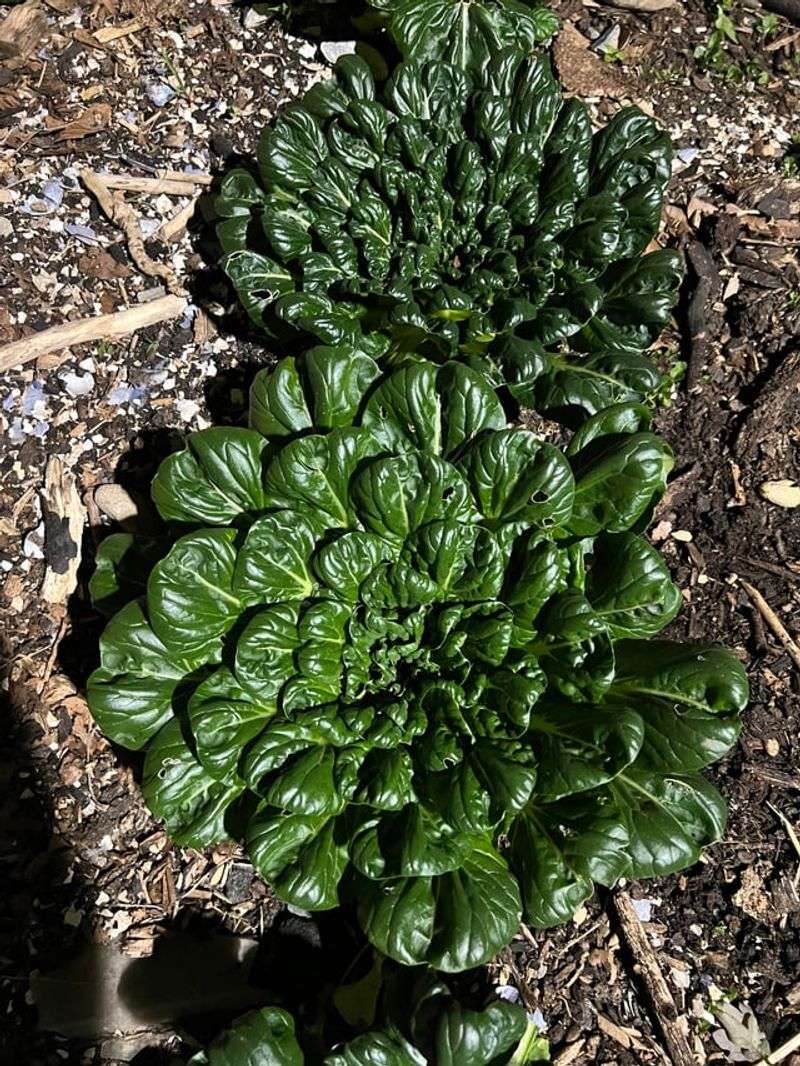
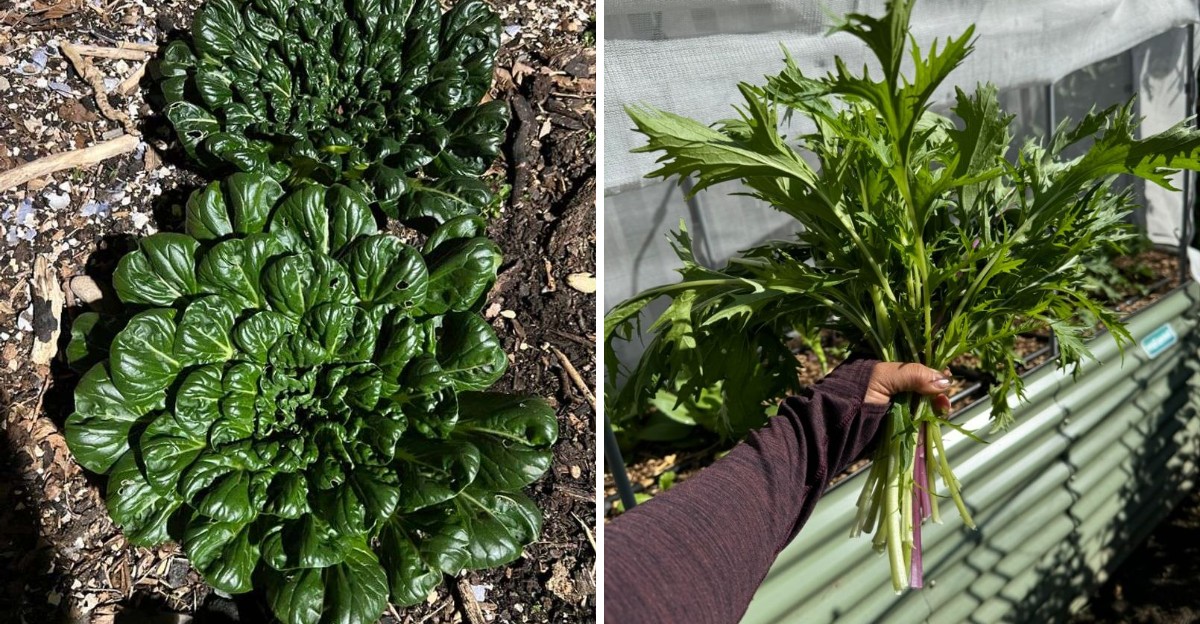
Tatsoi grows in flat, glossy rosettes that look a bit like a green flower made from tiny spoons. The first time I saw one hugging the soil in December, I honestly thought someone had planted an ornamental.
Also called Chinese savoy, this Asian green carries the scientific name Brassica rapa subspecies narinosa in most references. Its flavor is mild and slightly sweet, with a creamy quality that makes it friendly for picky salad eaters.
Cold barely bothers tatsoi, since it handles temperatures in the twenties and is reported hardy to about 10°F. A light frost can even improve the taste, giving the leaves a sweeter edge than summer greens usually offer.
Gardeners in Zone 7b find it especially reliable for fall and winter growing under a simple, unheated cold frame. No extra heat is needed, and the plants often stay productive even after hard frosts settle in.
Sow seeds between late August and October for harvests that stretch from late autumn into early spring next year. Hot weather causes problems for this crop, so waiting until temperatures cool down is a smart move for success.
Rich, well-drained soil and steady moisture keep the rosettes healthy and full through the short, chilly winter days. Full sun works well, though partial shade is fine too if your frame sits near a fence or wall.
Baby leaves are ready in about three weeks, while full rosettes need roughly 40 to 50 days to mature. Cutting a rosette one inch above the soil often lets it regrow two or three more times afterward.
6. Mizuna
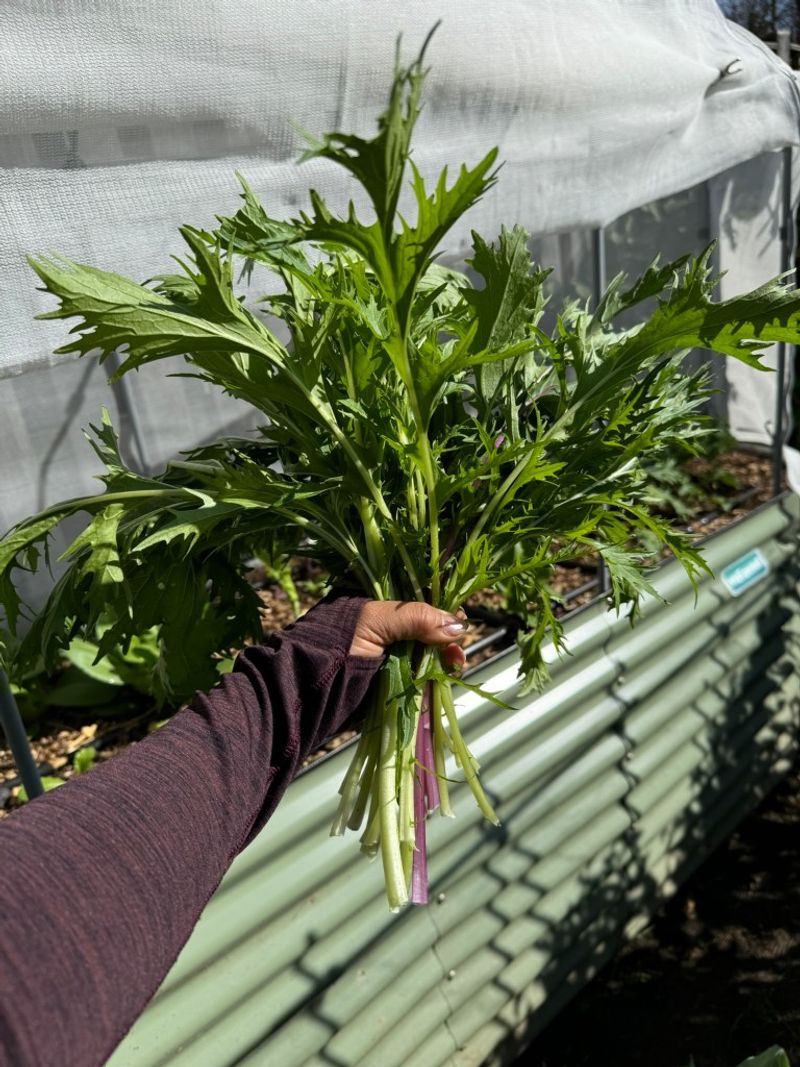
Feathery, jagged mizuna leaves look like something a fairy would use as a fancy fan on a summer day. Their peppery bite wakes up a winter salad better than any store-bought green I have ever tried.
Known as Japanese mustard greens, mizuna goes by the scientific name Brassica rapa subspecies nipposinica in most plant guides. You can find both green and purple-red varieties, and mixing them makes a cold frame look surprisingly pretty.
This plant tolerates hard frost and is considered hardy to around 15°F, depending on the variety and conditions. Inside a cold frame, it often survives colder spells and keeps growing slowly through the darkest weeks of winter.
Northern Virginia gardens in Zone 7 suit mizuna nicely, and even Zone 6b growers can overwinter it with frame protection. Seeds can sprout in soil around 40°F, which gives you some flexibility with fall planting dates.
Speed is a big part of its charm, since baby leaves are ready about 20 to 25 days after sowing. Plant a few short rows a couple of weeks apart, and you will have a steady supply for months.
Fertile, moist soil and a sunny spot help the plants grow thick clumps of tender, frilly leaves for harvesting. Watch for flea beetles on young seedlings, since they chew tiny holes that weaken small plants early in fall.
Cut leaves a little above the soil line, leaving the crown untouched so it can regrow several more times. Flavor tends to turn sharper after flowering begins, so enjoy the mildest leaves during the cool months.
7. Claytonia
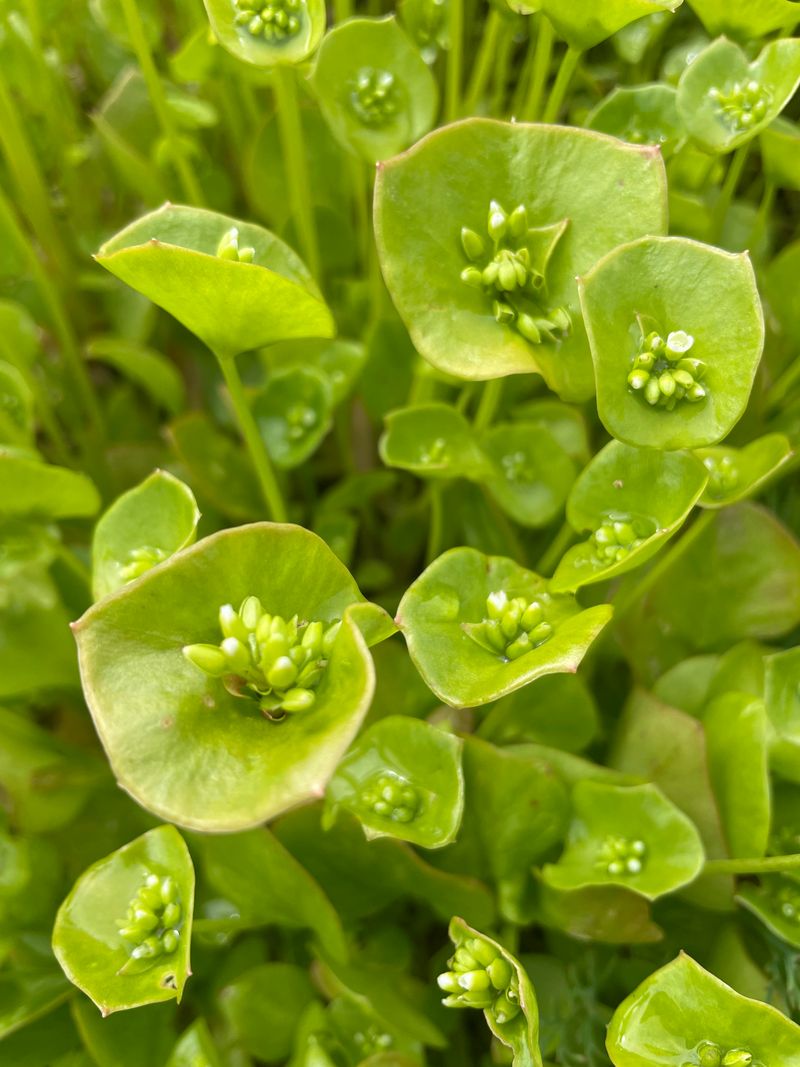
Round leaves that look like tiny green plates wrapped around each stem make claytonia one of the quirkiest salad greens around. Kids usually want to pick it just because it looks like something from a storybook garden.
Claytonia perfoliata is often called miner’s lettuce, a name tied to gold rush miners who reportedly ate it for vitamin C. That old story makes sense, since the whole plant above the roots is edible and nutritious.
Cold rarely slows this crop much, and it can handle roughly 10°F without protection in milder growing zones. Some gardeners in Zone 7 call it a foolproof winter green, which feels like high praise during frosty weeks.
Seeds sprout best in cool soil between 40 and 55°F, and they need light to germinate well after sowing. Chilling seeds in the refrigerator for two or three weeks before planting can noticeably improve your germination rates.
Sow between late August and October for harvests from late autumn through early spring in an unheated cold frame. Open the lid on sunny days to prevent overheating, since stuffy air can encourage mildew on the tender leaves.
Claytonia prefers moist, sandy loam with plenty of organic matter and a nearly neutral soil pH around 6.5 to 7.0. Light shade suits it fine, so this crop works well in frames that miss some afternoon sun.
Leaves taste mild and slightly sweet, a bit like butter lettuce with a gentle mineral finish that I really enjoy. Cut plants at the base, and they often regrow two or three times before small flowers appear.