8 Animals That Spend the Winter Hidden in Arizona Yards
Some of your quietest neighbors are about to vanish underground for months, and they will skip nearly every meal. I find it wild that a creature can doze through winter beneath a shrub you walk past daily.
Desert reptiles slow their hearts and breathing when the soil cools, a sleepy state that biologists call brumation. Many spiders and beetles also tuck into cracks and leaf piles until warm spring days return across the Sonoran Desert.
Here in Arizona, October is the month when these hidden guests start choosing their winter bedrooms in our yards. Personally, I love knowing that many of them spent summer eating crickets and even scorpions near my patio.
A few deserve a cozy welcome, while one Arizona resident deserves a firm eviction notice before cold weather arrives. So which of these secret sleepers do you think is curled up under your rock pile?
1. Desert Tortoise
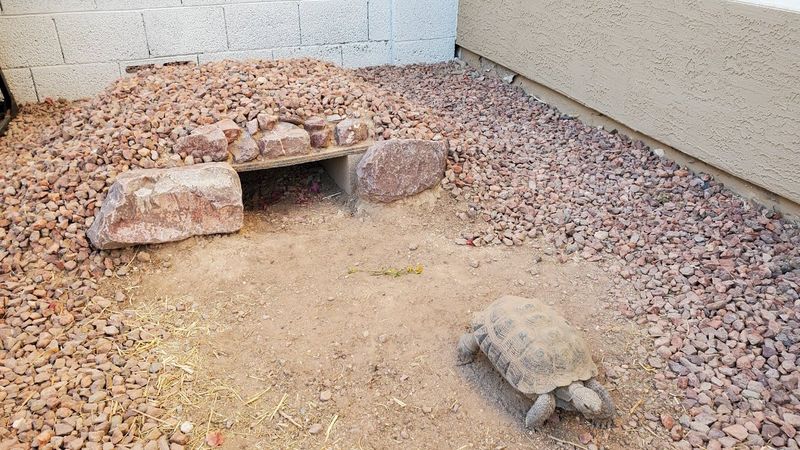
Somewhere under a shady bush, a backyard tortoise may already be digging the bedroom it will use until March. I love how they shuffle in backward and leave only a sleepy face peering out at the world.
As October cools, Sonoran desert tortoises eat less and lean on fat they stored during the busy summer months. Their winter rest, called brumation, slows breathing and heart rate until spring warmth wakes them up again.
You need to check burrow placement now, because winter rains can flood a hole dug in low ground. Higher spots with north or east exposure keep temperatures steadier, and soft, undisturbed soil makes digging much easier.
Prickly pear and desert spoon make excellent cover, since their spiny leaves discourage curious dogs from poking around. Rock piles also give a tortoise extra shelter when it pokes out on a warm winter afternoon.
Grazing is their favorite hobby, and native globemallow or desert marigold makes a tasty, chemical-free salad bar for them. Skip herbicides in those patches, because anything you spray could end up in a tortoise’s next lunch.
Wild desert tortoises are protected, and folks who keep one usually adopt through the state’s official adoption program. Releasing a pet tortoise into the wild is illegal, so contact Arizona Game and Fish if one wanders in.
2. Sonoran Desert Toad
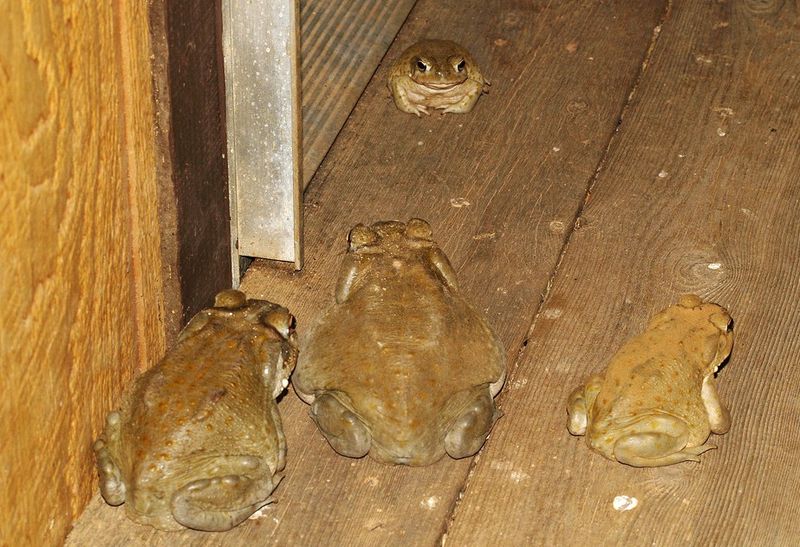
Few backyard visitors can swallow a scorpion whole, yet this hefty olive-green toad handles one like a midnight snack. I have to admit, that talent makes me forgive its loud and slightly grumpy croak on monsoon nights.
By October, most of these toads are heading underground, often borrowing burrows that rodents dug during earlier seasons. They stay tucked away through the cool months and resurface when summer storms soak the desert once again.
Their peak season runs from late May through September, so October sightings are rarer and usually follow warm rain. You might notice one lingering near a pool edge or a leaky irrigation line well after dark.
Beetles make up most of their diet, though centipedes and snails also land on the menu fairly often. That appetite makes them a welcome partner for anyone trying to keep crawling pests in check without chemicals.
One serious caution belongs here, because their skin glands release a powerful toxin that can sicken curious dogs quickly. Call your veterinarian right away if your pup mouths a toad, and rinse its mouth gently with water.
Cutting back on pesticides helps these amphibians thrive and keeps their insect buffet healthy through the coming year. Personally, I leave a few undisturbed corners where an old burrow can stay quiet and safe until spring.
3. Desert Spiny Lizard
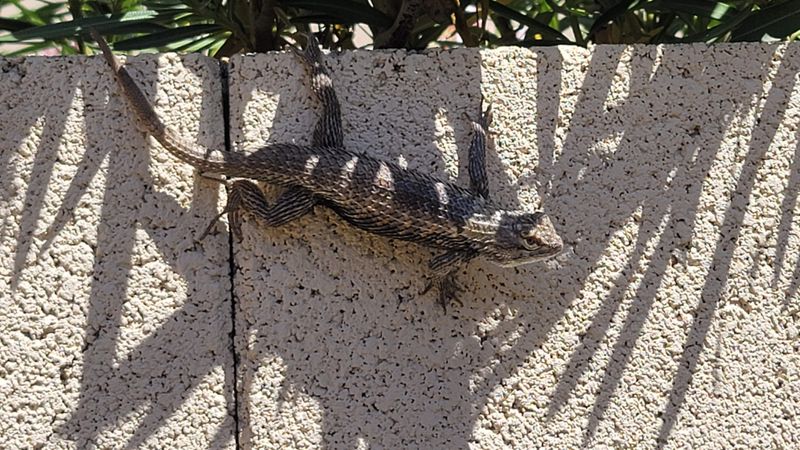
Spend a sunny December afternoon in the yard, and you may spot a spiny lizard basking on a block wall. Those pointed, keeled scales and blue belly patches on males make it look like a tiny armored dragon.
Activity drops sharply from December through February, though warm midday sun can coax them out for a short sunbath. Most nights they wedge into wall cracks or slip deep inside a dense, shady shrub for safety.
I love how these lizards earn their keep, snapping up ants, crickets, and beetles all season long. Some larger individuals even grab small scorpions, which makes them a genuinely useful neighbor around the patio and pool.
Your rock piles and broken terra-cotta pots double as cozy winter apartments, so resist the urge to tidy everything. A layer of fallen leaves under shrubs also shelters the insects that will feed lizards when spring returns.
Prickly pear and cholla give them a spiny fortress where hawks and roadrunners struggle to reach a resting lizard. Planting a few natives near a sunny wall creates a perfect warm-up spot for chilly mornings later on.
Skip broad insecticide sprays this fall, because they reduce the very bugs these reptiles rely on for their food. Come March through May, you will likely see push-up displays as males start showing off for breeding season.
4. Gopher Snake
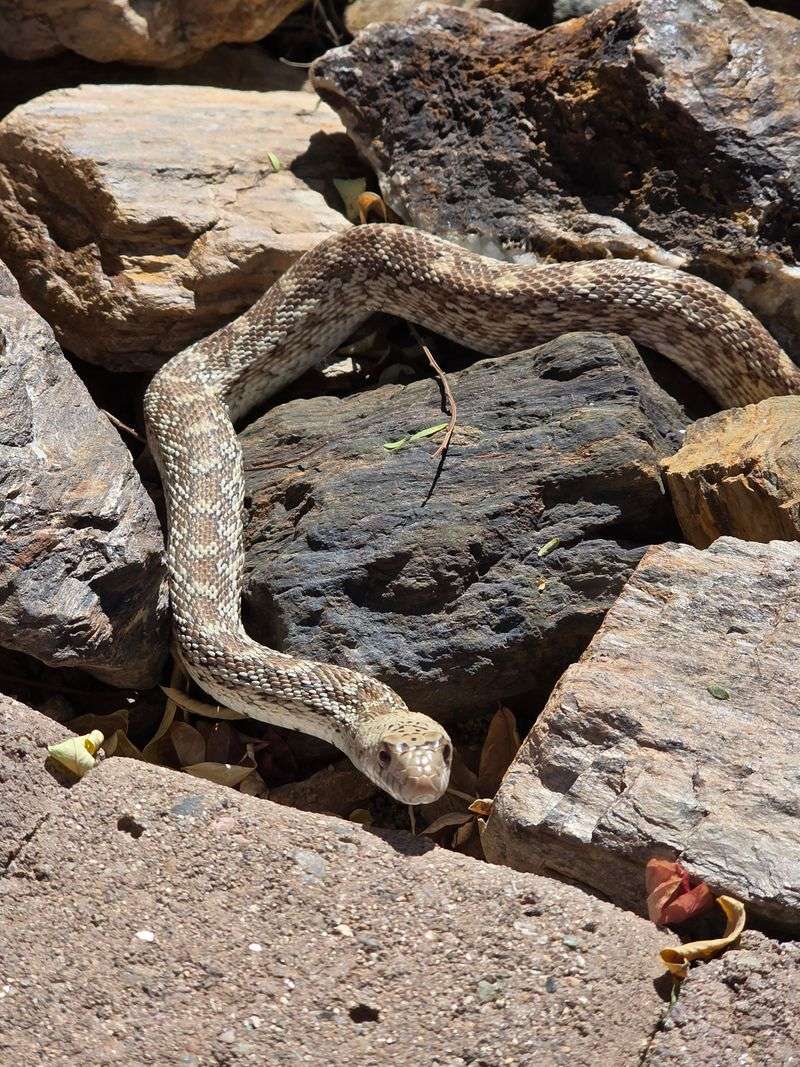
Gophers chewing your drip lines have a natural enemy, and it may already be sleeping under your rock pile. Gopher snakes are long, tan, and boldly blotched, and people often mistake them for rattlesnakes at first sight.
October is a busy feeding month, as these constrictors fill up on rodents before slipping into winter brumation. Once the cold settles in, they stop eating and rest in burrows or deep inside sheltered rock piles.
Dens often sit near sunny, south-facing slopes, so a warm winter afternoon might tempt one out to bask briefly. Give it space, and it will usually glide away calmly or slide back into its hidden shelter.
What surprises me most is the bluff, because a nervous gopher snake can hiss loudly and vibrate its tail. That rattlesnake impression scares off predators, yet the snake itself is nonvenomous and quite helpful around homes.
Pocket gophers and ground squirrels rank high on the menu, making this snake a free rodent control service. Leaving a quiet, undisturbed corner with rocks or brush gives one a good reason to stick around your property.
If you are unsure about a snake’s identity, keep your distance and call a local snake removal service. Rattlesnakes usually show a rattle and a wide triangular head, while gopher snakes have narrower heads and pointed tails.
5. Wolf Spider
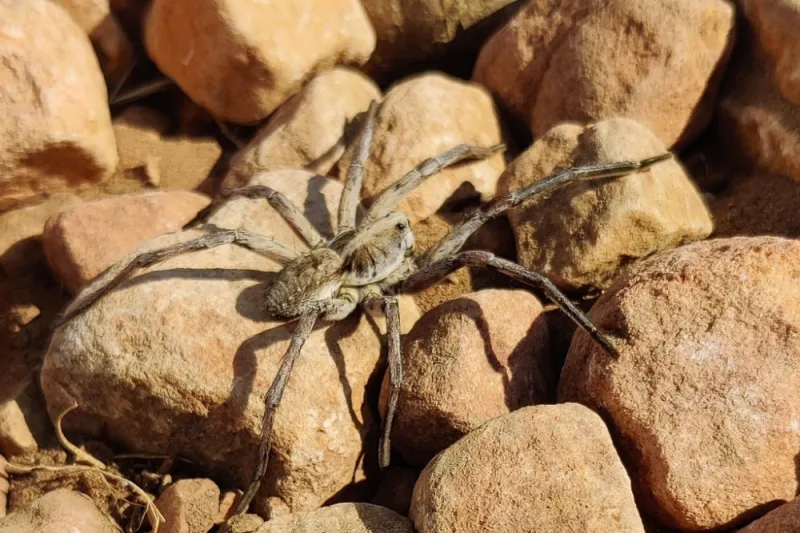
Shine a flashlight across your gravel at night, and tiny green sparkles may glint back from wolf spider eyes. That eyeshine trick is one of my favorite fall yard games, and kids usually love it as well.
Unlike web builders, these fuzzy brown hunters chase down crickets and roaches on foot under cover of darkness. They make sturdy allies in the garden, even if their size startles people who spot them without warning.
As October nights cool, wolf spiders start settling into leaf litter and mulch, or tucking themselves beneath loose stones. Some wander indoors when outdoor prey grows scarce, which explains those surprise encounters near the laundry room.
Mother wolf spiders carry egg sacs on their spinnerets, then haul dozens of babies piggyback once they finally hatch. I can’t imagine a more devoted parent among backyard bugs, and it makes them easier to appreciate up close.
Their bite is uncommon and usually mild, though anyone with sensitive skin should clean any bite and watch it. Most simply flee from people, so a gentle cup-and-paper relocation outside works better than a panicked stomp.
Sealing foundation gaps and keeping clutter away from walls helps keep them outdoors where they belong this winter. Avoiding broad-spectrum sprays protects them, along with the many other helpful predators patrolling your flower beds at night.
6. Arizona Blonde Tarantula
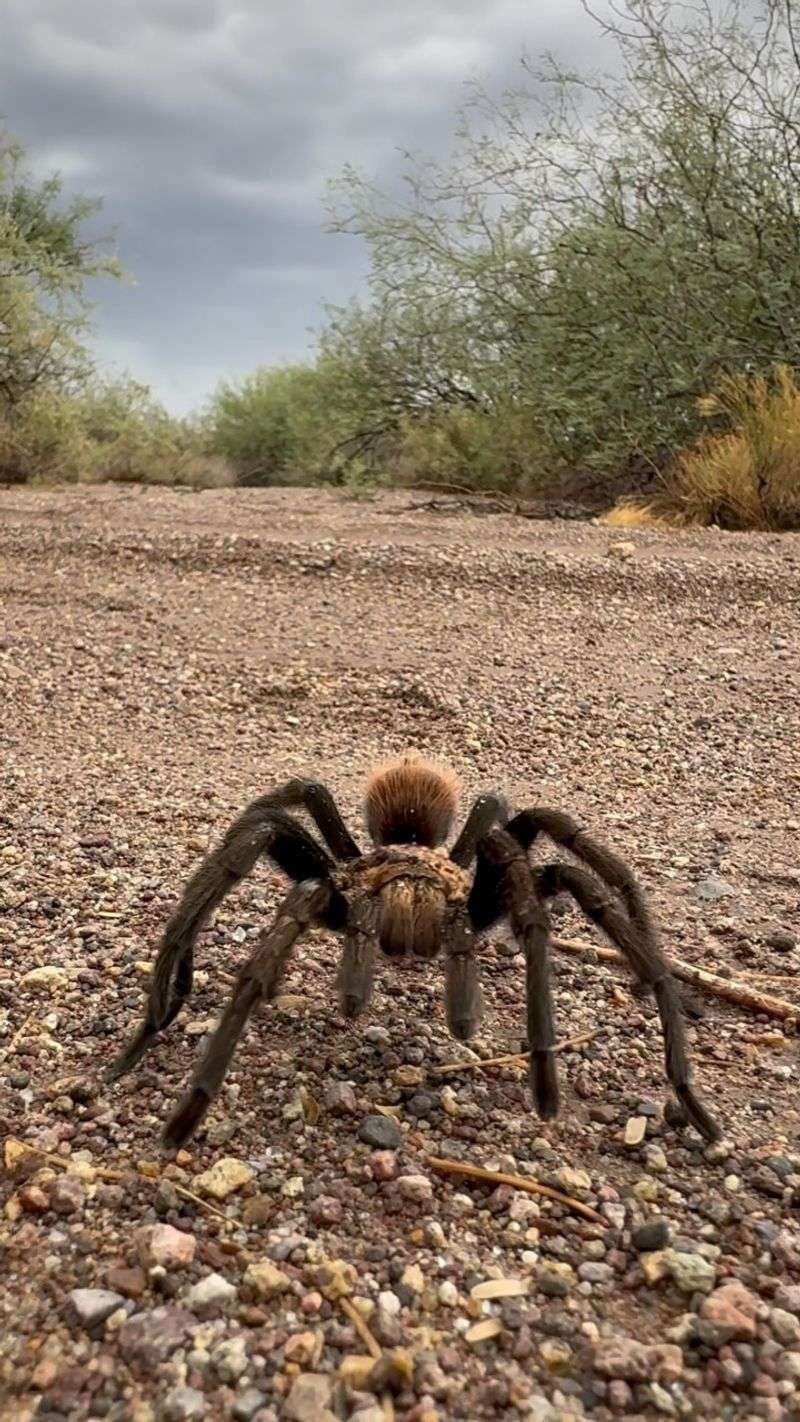
Fall is when you might meet a tarantula strolling across your driveway like it owns the whole neighborhood. Those wanderers are usually males on a romantic mission, searching for females hidden in nearby underground burrows.
Mating season runs from roughly June into October, which is why sightings spike after the summer storms pass. Females mostly stay home, lining their burrows with silk and rarely venturing far from the entrance at night.
Once cooler weather settles in, tarantulas retreat into burrows or beneath stacked firewood to wait out the winter. Many plug the entrance with silk and soil, then rest patiently until warm spring nights return again.
I believe these big spiders get an unfair reputation, because their venom is mild and they are slow to bite. Their main defense is flicking irritating hairs from the abdomen, so admire them without handling one bare-handed.
Crickets, beetles, and roaches make up much of their nightly menu, which helps keep insect numbers lower outside. Females can live for two decades or more, so a backyard burrow might belong to a longtime neighbor.
Clearing debris right next to your house reduces accidental indoor visits without bothering burrows out in the yard. If one wanders onto the patio, slide a container over it and carry it gently to a quiet corner.
7. Lady Beetle
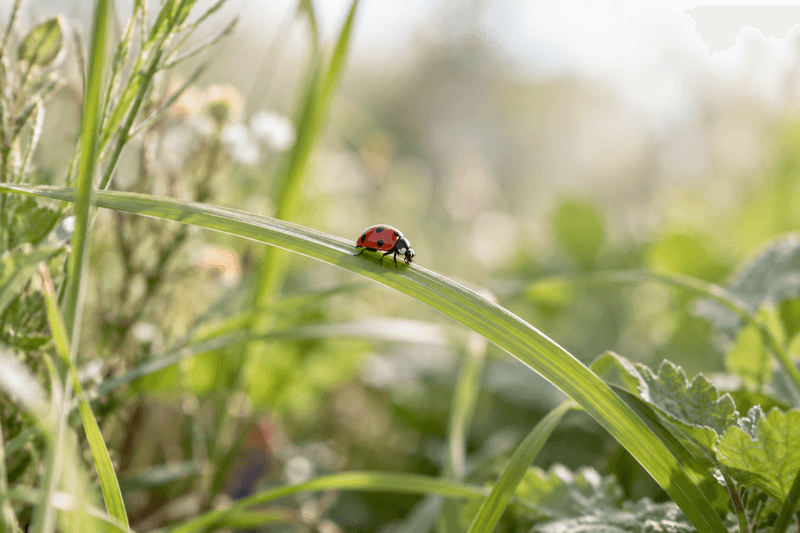
A single ladybug can eat thousands of aphids in its lifetime, which makes it a superstar in any vegetable bed. In the desert, many of these spotted beetles vanish during the hottest weeks and reappear when temperatures soften.
October brings them back to gardens, where they hunt aphids and fuel up before settling in for the winter. Some species cluster in big groups under bark or inside thick bunch grasses for a bit of shared warmth.
Personally, I leave a few spent plants and some leaf litter standing in fall just to give them hiding spots. That small dose of messiness pays off later, when aphids show up on spring roses and leafy greens.
You might be tempted to buy boxes of ladybugs, but store-bought beetles often fly away soon after their release. Attracting local populations with blooming calendula and cilantro usually works far better over time in a home garden.
Besides aphids, they also eat mealybugs and scale insects, and some species happily nibble pollen and nectar too. Their spiky, alligator-shaped larvae are even hungrier, so learn to recognize them before you reach for a sprayer.
Avoiding pesticides protects every life stage of these helpful beetles, especially during their vulnerable winter rest period. October is a great month to sow cool-season flowers that will welcome them back when warmer days arrive.
8. Arizona Bark Scorpion
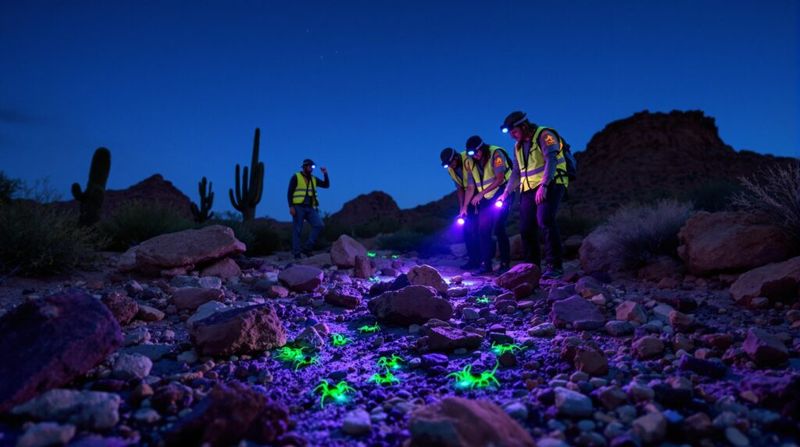
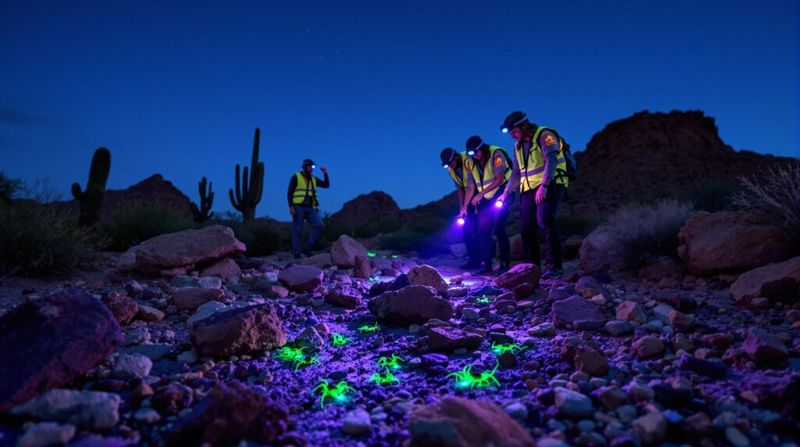
Under a black light, a bark scorpion glows an eerie blue-green, and that trick makes nighttime hunting surprisingly easy. It is the one hidden guest on this list that I gladly evict before winter settles in.
Bark scorpions do not truly hibernate, but they slow down and often cluster in groups as temperatures drop. Favorite hideouts include woodpiles and palm tree bark, plus the cool shadows tucked under patio furniture and trash cans.
Their sting is considered the most medically significant of any scorpion in the United States, especially for small children. Call Poison Control at 1-800-222-1222 or seek medical care right away if a young child or pet is stung.
October is a smart time to move firewood and rock piles away from your foundation before scorpions settle in. Seal gaps around doors and windows with caulk or weatherstripping to block their favorite routes into the house.
Moisture attracts them, so fix leaky drip lines and avoid overwatering beds that sit right against the house. Shaking out shoes and gloves stored in the garage becomes a wise habit during the cooler months as well.
Luckily, several animals on this list, including desert toads and spiny lizards, happily snack on young scorpions. Supporting those native predators gives you a quiet, low-effort way to keep scorpion numbers lower around your yard.