7 Spreading Plants Arizona Gardeners Regret Planting

One shady tree in a Phoenix yard can drop enough seeds to sprout dozens of volunteers in neighboring gravel beds. I learned that lesson the hard way, tugging tiny seedlings out of my rock mulch every single weekend.
Some popular nursery favorites in Arizona spread by underground runners or wind-blown seed long after the plant tag stops talking. A few even escape into desert washes, where they crowd out native plants that shelter quail and lizards.
I love a lush garden, but I also want plants that work with our heat instead of against it. You might notice that the toughest spreaders often guzzle extra water or create cozy hiding spots for scorpions.
October is prime planting season in the low desert, which makes it a smart moment to rethink your choices. Which of these seven troublemakers has already claimed a corner of your Arizona yard without asking permission?
1. Fountain Grass
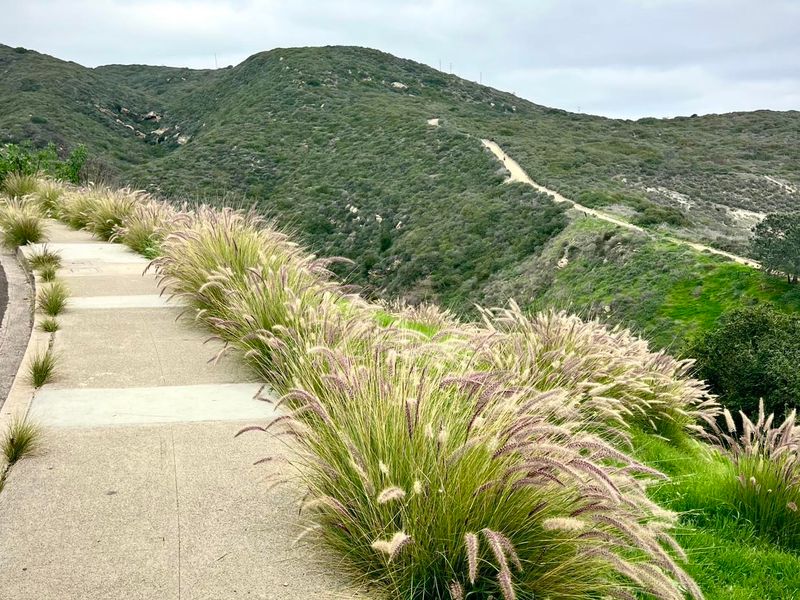
Those fluffy pink plumes swaying along Tucson roadsides look harmless, yet each one carries hundreds of tiny seeds. I adored them in my first desert garden, until baby clumps started popping up in cracks across the driveway.
Fountain grass, Pennisetum setaceum, comes from North Africa and the Middle East, and it handles brutal heat with ease. Seeds ride the wind and monsoon runoff into washes, where dense clumps push out native grasses and wildflowers.
Fire is the bigger worry, since dried clumps burn hot and fast in a landscape poorly adapted to flames. Several desert cities restrict new plantings, and many local nurseries no longer stock the green seeding type.
Purple fountain grass is usually sterile, though experts still suggest watching for any seedlings near your plantings. October is a great month to cut back seed heads before fall winds scatter them across the neighborhood.
Digging out old clumps takes muscle, so water the soil a day ahead to loosen the stubborn roots. Bag the seed heads before removal, because shaking them over the yard simply plants next year’s crop.
Personally, I swapped mine for deergrass, a native that offers the same graceful look with far less trouble. Its dense base also shelters ground-feeding birds, which happily scratch for insects among the arching leaves.
2. African Sumac
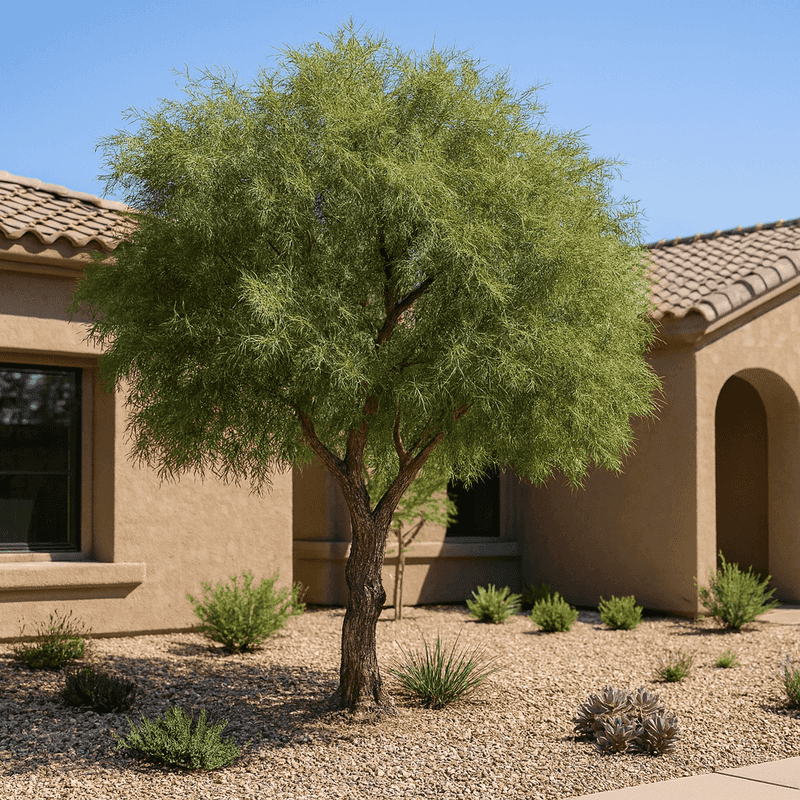
Few shade trees win hearts faster than African sumac, with its weeping willowy leaves and quick cooling canopy. Then female trees start fruiting, and suddenly you are yanking seedlings from gravel beds and the neighbor’s yard.
Rhus lancea, now often listed as Searsia lancea, hails from southern Africa and thrives in our heat. Birds eat the small fruits and drop the seeds far away, which explains volunteers in washes and vacant lots.
Male trees release pollen that bothers many allergy sufferers, especially during the late winter flowering season. Shallow, wide roots can also lift pavement and compete hard with nearby plants for every drop of water.
You might notice constant leaf litter under the canopy, and that shady debris makes a comfy daytime retreat for scorpions. Raking regularly and keeping trimmed branches off walls helps make your yard less inviting to these nighttime hunters.
October is a good time to pull young seedlings, ideally right after watering when the soil lets go easily. Pull them while they are pencil thin, because older saplings develop tough taproots that snap off and resprout.
For a native shade tree, I lean toward velvet mesquite, which feeds bees and wildlife without the seedling army. Desert willow makes another lovely native pick, with orchid-like blooms that hummingbirds visit through the warm months.
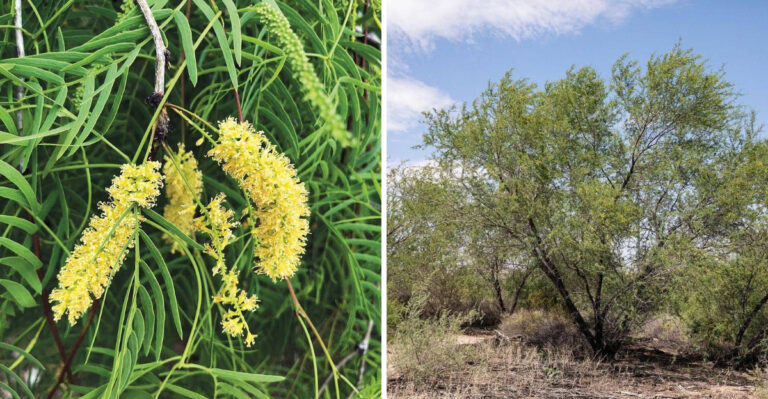
3. Mexican Palo Verde
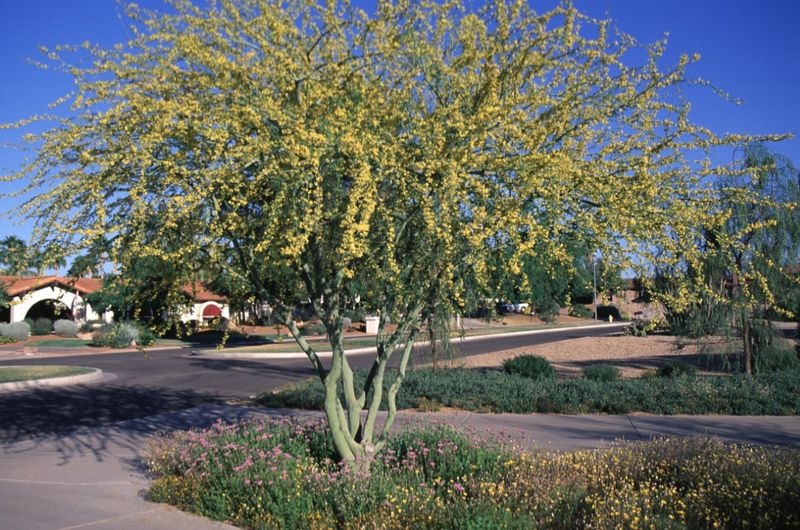
Green bark and bright yellow flowers make Mexican palo verde look like a perfect desert native at first. The catch is that it seeds prolifically, and its sharp spines make each volunteer a prickly chore.
Botanists debate its native range, but Arizona land managers treat escaped stands along rivers as invasive. Seed pods float on water, so stands spread quickly along washes and canals after heavy summer storms.
In a home yard, dropped pods sprout readily in irrigated beds, especially near drip emitters and lawn edges. Thorny seedlings grow fast, and waiting even one season turns a quick tug into a shovel job with gloves.
October offers a smart window to rake up old pods before winter rains wake them up. Bag the pods instead of composting them, because home compost piles rarely run hot enough to stop sprouting.
Wear thick gloves when pulling volunteers, since the paired spines along each leaf node bite surprisingly hard. I have to admit the tree is gorgeous in bloom, but native palo verdes deliver similar beauty with fewer headaches.
Blue palo verde and foothills palo verde both host native bees and feed birds with their seeds. Fall is also an excellent season for planting native palo verdes, giving roots months to settle before summer heat.
4. Bermudagrass
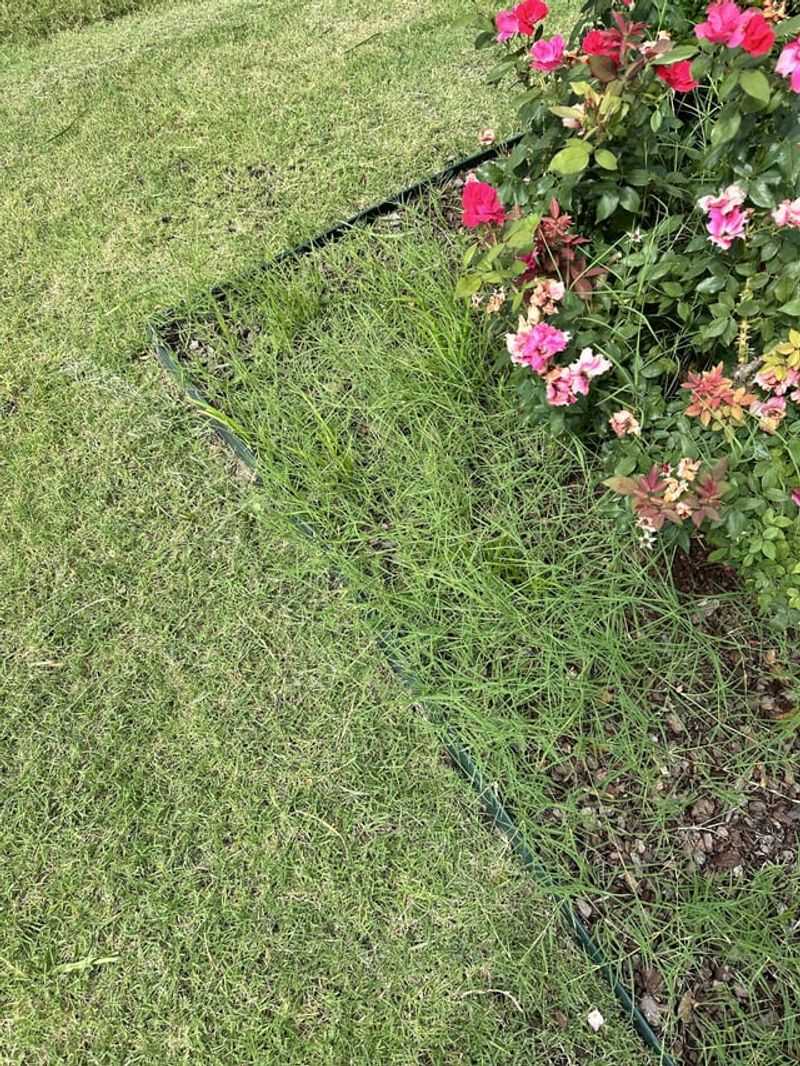
Bermudagrass is the lawn that refuses to stay in the lawn, sneaking into rose beds and vegetable plots within weeks. Its runners travel above and below ground, so a single forgotten stolon can start a whole new patch.
Cynodon dactylon loves blazing sun and heat, which is exactly why it became the go-to desert lawn grass. Rhizomes can reach several inches deep, letting the grass slip beneath edging and resprout on the other side.
Pollen from common Bermudagrass triggers allergies, and Pima County restricts planting that type for that very reason. Hybrid turf types produce far less pollen, though they still spread aggressively wherever water and sunlight allow.
Right now in October, the grass slows as nights cool, and it goes dormant and tan after frost. Dormant grass is harder to control with sprays, so pulling runners from beds during cooler weather works better.
You need deep edging, at least six inches, plus patience, because shallow plastic borders rarely stop determined runners. Thick mulch helps smother small invasions, but sprigs pushing through need prompt pulling before they root again.
Personally, I shrank my lawn and filled the space with native groundcovers that welcome lizards, which happily munch insects. Less lawn also means less watering, which matters more every year as desert water budgets tighten.
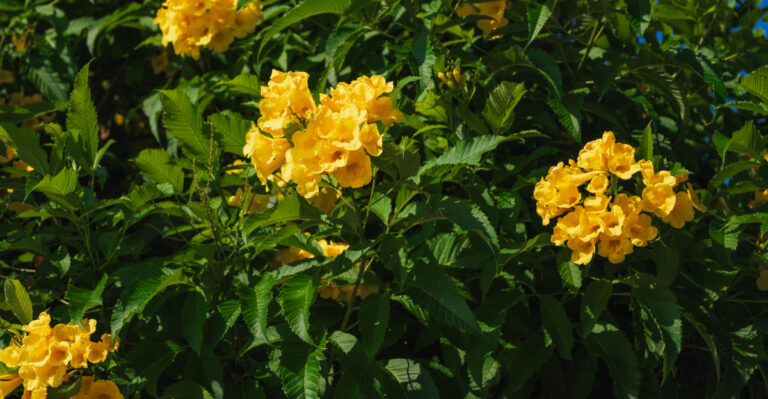
5. Mexican Petunia
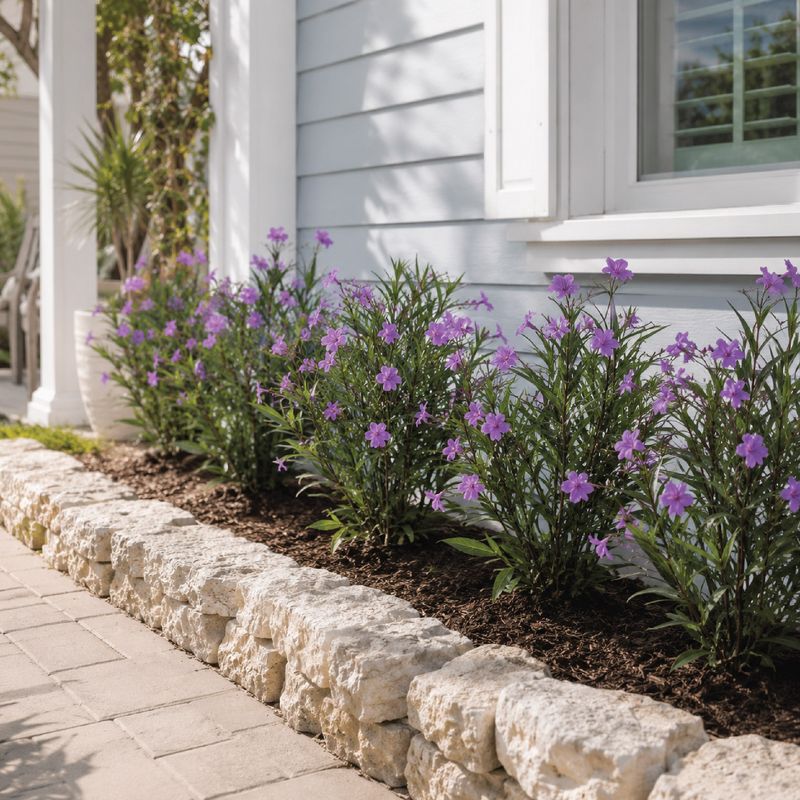
Purple trumpet flowers open fresh every morning on Mexican petunia, and hummingbirds sometimes stop by for a sip. That charm hides a habit of spreading through creeping rhizomes and exploding seed capsules that fling seeds outward.
Ruellia simplex hails from Mexico and South America, and Florida lists it as a serious invasive plant. In desert gardens, it thrives with regular irrigation and quickly fills shady corners near patios and pools.
What surprises me most is how fast a small nursery pot becomes a thick stand several feet wide. Roots snap when you pull them, and each broken piece can produce fresh shoots within a few weeks.
Sterile cultivars like the Mayan series set little seed, yet they can still creep slowly by rhizomes. Water-hungry clumps also stay damp and dense, offering shelter for crickets that draw hungry scorpions closer to the house.
October brings its final flush of blooms, which makes it a nice moment to cut stems before capsules ripen. Digging out an established patch takes repeated passes, so plan to check the spot monthly through next spring.
Sifting the soil while digging catches root fragments that otherwise sneak back once warm weather returns. For native color, try Parry’s penstemon, which hummingbirds adore and which handles drought far better.
6. Running Bamboo

Golden bamboo can send underground rhizomes many feet from the original clump, popping up shoots where nobody expected them. I once watched a friend discover fresh spears sprouting through her lawn nearly fifteen feet from the planter.
Phyllostachys aurea comes from China and handles desert heat surprisingly well when it gets steady irrigation. That thirst is a real drawback here, since a dense grove needs far more water than native screening shrubs.
Rhizomes can travel beneath sidewalks and fences, creating tense conversations with neighbors who did not ask for bamboo. Containment requires a sturdy polyethylene barrier sunk around two to three feet deep, with the top edge slightly above grade.
Removing an escaped grove is hard work, because leftover rhizome pieces readily send up fresh shoots. Cutting new shoots to the ground repeatedly will slowly starve the roots, though it takes several seasons.
October is a good month to walk your property line and check for wandering rhizomes near walls. Catching runners early saves your patio, and it keeps peace with whoever lives on the other side.
If you love the look, clumping bamboos stay put far better, although they still drink plenty of water. I prefer native screens like desert hackberry, which offers berries for birds and dense cover for quail.
7. Mint
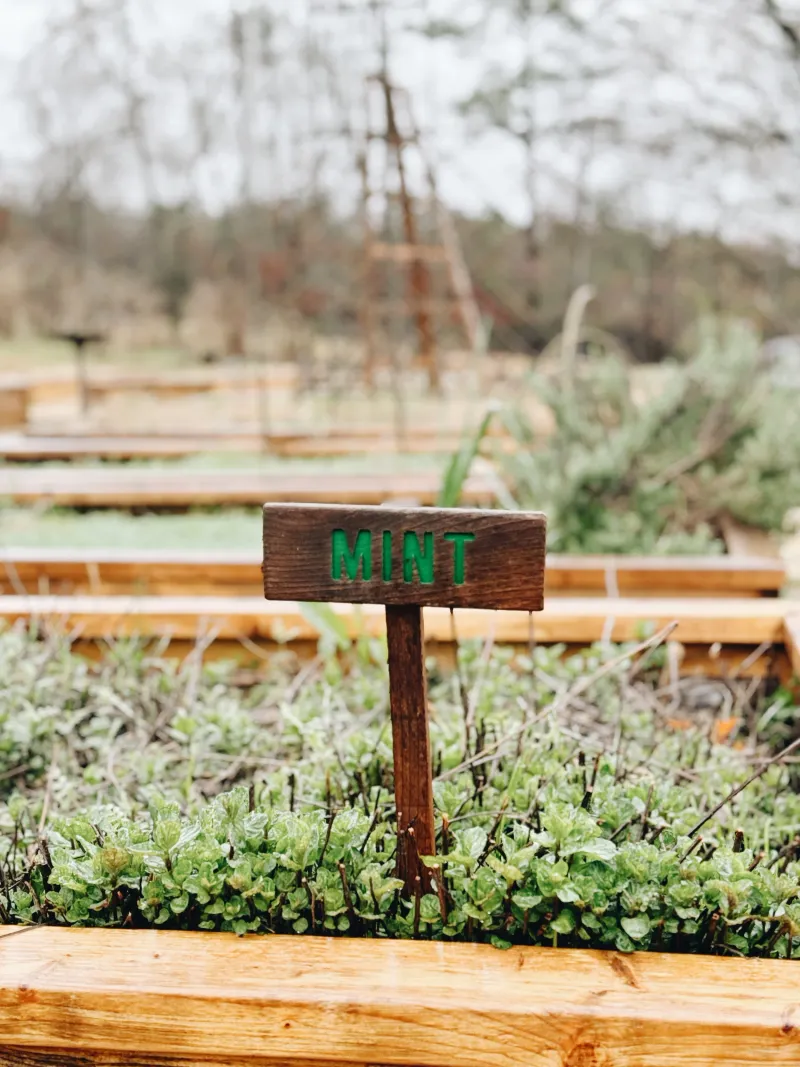
A single sprig of spearmint tucked into a moist corner can become a sprawling carpet by the following summer. I love fresh mint in iced tea, but I learned to give it walls before letting it loose.
Mentha species spread through fast-moving runners, both underground and along the soil surface, rooting wherever they touch. In desert gardens, mint craves shade and frequent watering, so it often colonizes the leakiest corner near the hose.
Pulling it out rarely works on the first try, since small root pieces regrow into fresh plants within weeks. Its tangled roots also weave through neighboring herbs, making careful removal a frustrating job for any gardener.
October is a great time to replant mint in containers as the low desert finally cools down. Fall and winter are mint’s happiest seasons here, when it grows lush without scorching in afternoon sun.
Sinking a pot into the bed works, as long as the rim sits a couple inches above the soil. Check drainage holes now and then, because runners sometimes escape through the bottom or creep over the rim.
For a fragrant native alternative, try desert lavender, which bees adore and which thrives on very little water. Its gray leaves smell wonderful when brushed, giving you that herbal hit without the backyard takeover.