7 Texas Peach Tree Mistakes That Can Cost You Next Year’s Harvest
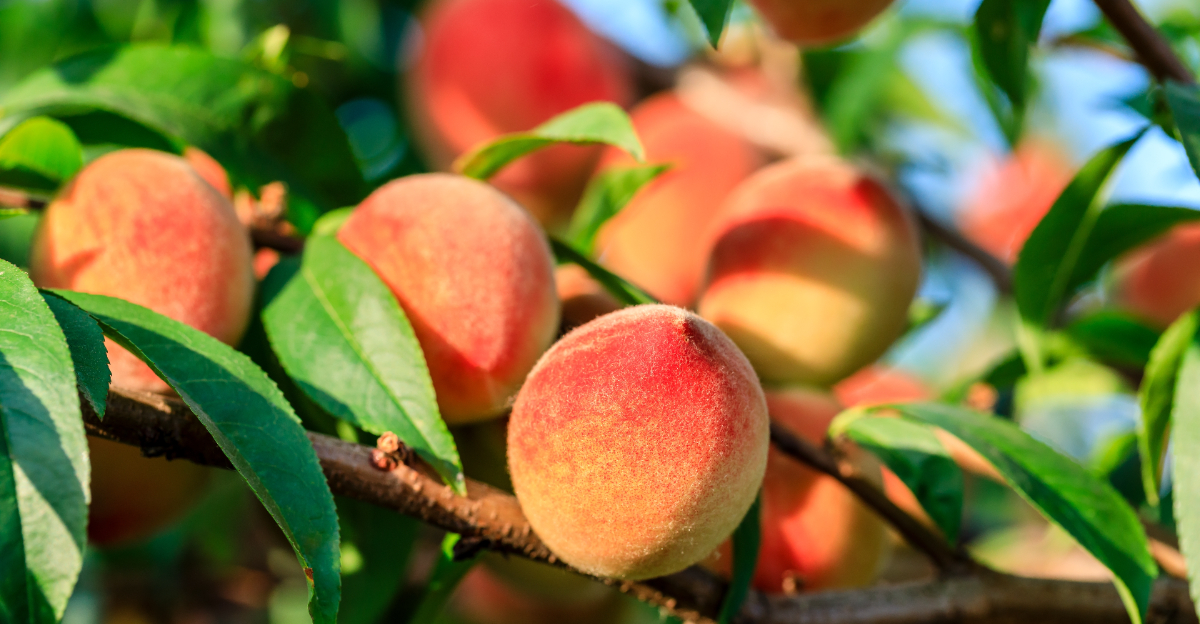
Growing peaches in Texas is one of the most rewarding things you can do in your backyard or orchard.
But here is the honest truth: what you do to your tree right now, long before next spring blooms, shapes exactly how many peaches you will pull off the branch next summer.
One skipped watering session after harvest, one late dose of fertilizer, or a pruning saw used at the wrong time can quietly shrink your crop before the first bud even opens.
Most Texas peach growers are surprised to learn that the decisions made in summer and fall matter just as much as what happens in spring.
The tree is always working, always responding to what you give it or withhold, and it keeps a running tab on every mistake until harvest day arrives and the bill comes due.
If your tree gave you a disappointing harvest this year, or you want to protect a strong one, these seven common Texas peach tree mistakes are worth reading carefully before the season gets away from you.
1. Skipping Winter Pruning Crowds The Tree
A pruning saw left hanging in the barn through January is one of the most expensive mistakes a Texas peach grower can make.
Skipping winter pruning lets the canopy fill up with crossing branches, water sprouts, and weak wood that blocks sunlight from reaching the fruiting spurs below.
Without light, those lower spurs stop producing.
Year after year, the tree pushes fruit higher and higher until harvesting becomes a ladder workout with shrinking results.
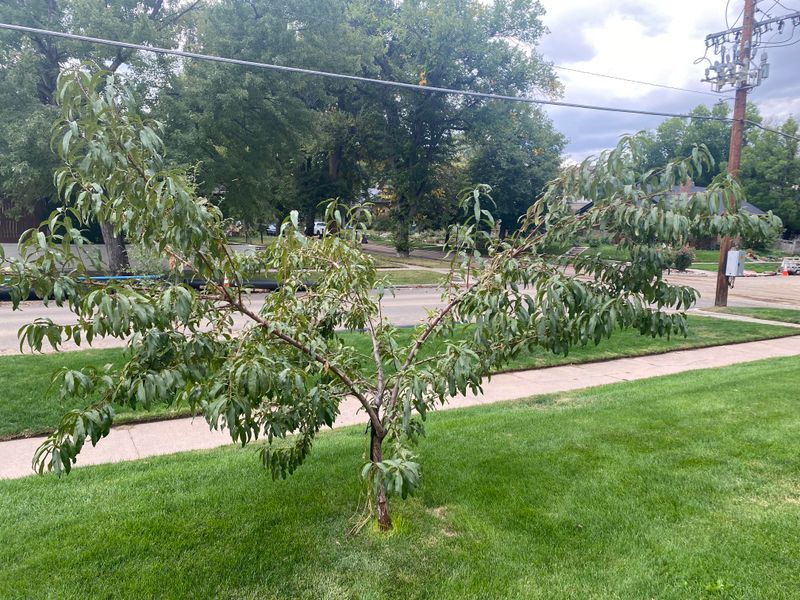
Texas A&M AgriLife Extension recommends pruning peach trees to an open-center shape, sometimes called a vase shape.
This structure removes the central leader and keeps three to five main scaffold branches spreading outward. The goal is simple: let sunlight and air reach every part of the canopy.
Good airflow also reduces fungal pressure, which is a real threat in humid Texas springs.
Pruning in late January through mid-February, after the coldest weather passes but before buds swell too far, gives you the best results.
Remove diseased, crossing, and downward-facing wood first. Then step back and look for branches crowding the center.
Heading cuts on last year’s growth encourage new fruiting shoots for the coming season.
Peach trees produce fruit on one-year-old wood, so you need that fresh growth every single year.
Skip pruning once, and you lose a full season of productive wood.
Skip it twice, and the tree becomes a shady tangle that barely fruits at all.
The time you invest in a good January pruning session pays back in armloads of full-sized, properly ripened fruit the following summer, and that math never gets old.
2. Pruning Too Early Risks Buds
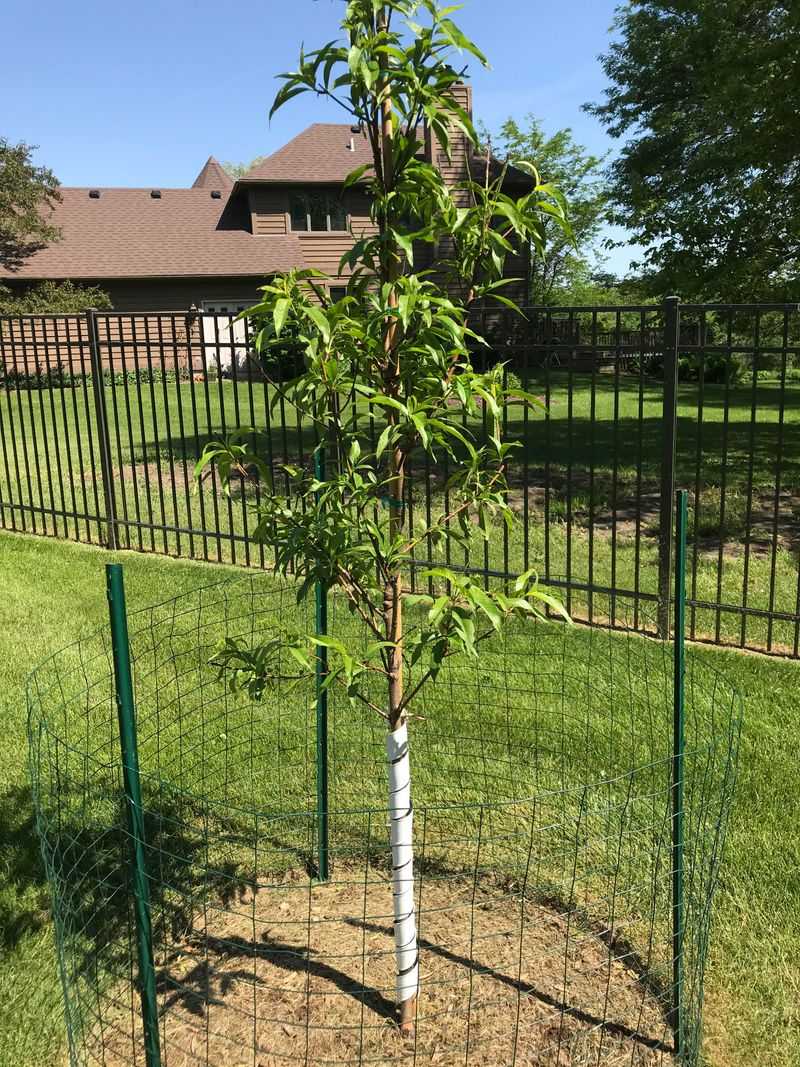
Grab the pruning shears too soon, and you might regret it by March.
Pruning peach trees too early in the fall or in early December can stimulate new bud activity right before a hard freeze rolls through Central or West Texas.
That tender growth has almost no cold hardiness, and a single night below 28 degrees Fahrenheit can damage or destroy the buds you were counting on for next summer’s fruit.
Your Texas Garden Changes Every Week. Your Plan Should Too.
Gardening in Texas changes quickly throughout the season. Every Friday you’ll receive a simple weekly plan showing exactly what to plant, prune, fertilize, harvest, and protect so you never miss the right timing.
Texas peach varieties are selected for specific chill hour requirements, typically between 400 and 1,000 hours below 45 degrees Fahrenheit depending on the cultivar.
Pruning before the tree has fully hardened off for winter interrupts that dormancy process.
The tree reads the pruning cut as a signal to start growing again, which is exactly the wrong message to send in November.
The sweet spot for pruning in Texas is late January into mid-February.
By then, the worst cold has usually passed, and you can actually see which buds survived the winter before you start cutting.
Buds that look plump and green are alive. Buds that look shriveled or dark brown are gone.
Pruning after you can assess bud survival means you make smarter cuts and keep more productive wood.
Timing is everything with peaches.
A few extra weeks of patience in winter can be the difference between a loaded tree in June and a sparse, disappointing harvest that leaves you scratching your head at the farmers market.
One of the hardest things about growing fruit trees is resisting the urge to do something useful on a warm December afternoon, but in this case, doing nothing is genuinely the right move.
3. Leaving Too Many Peaches Shrinks Fruit
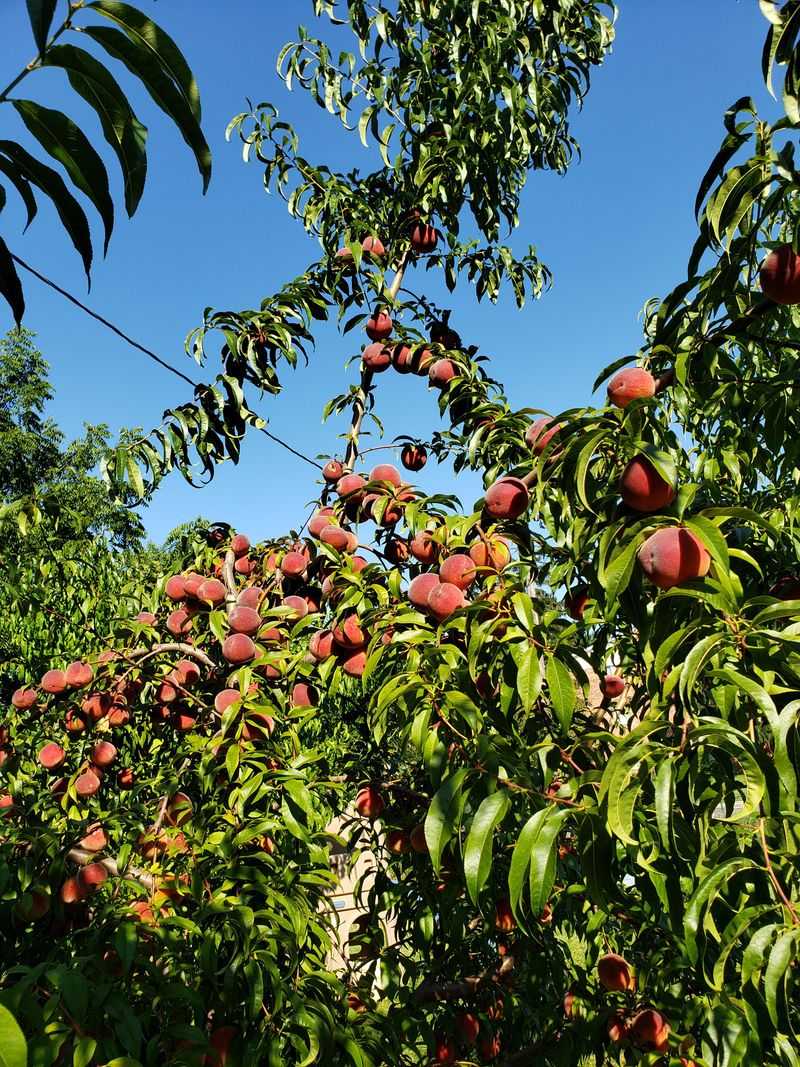
A branch sagging under the weight of fifty tiny green peaches looks promising in May, but it is actually a warning sign.
Leaving too much fruit on the tree forces every peach to compete for the same pool of sugars, water, and nutrients.
The result is a tree full of small, flavorless fruit that barely fills a grocery bag.
Worse, the extra weight stresses the branches and can set the tree up for a weak flowering season the following year.
Fruit thinning is one of the most important steps in Texas peach production, and it is one that home growers skip most often.
Texas A&M AgriLife Extension recommends thinning peaches to one fruit every four to six inches along each branch.
Thinning should happen when the fruit is about the size of a nickel or dime, usually three to five weeks after bloom. Waiting longer reduces the benefit because the tree has already spent energy on fruit it will not keep.
Thinning by hand takes time, but the payoff is real.
Fewer peaches on the tree means each remaining fruit gets a bigger share of the tree’s resources.
The result is larger, juicier peaches with better color and flavor.
Thinning also reduces the physical stress on scaffold branches, lowering the chance of breakage during a heavy crop year.
Think of it like editing a rough draft. Cutting the weak parts makes everything that stays behind shine a whole lot brighter.
Some Texas growers find it genuinely painful to knock perfectly good-looking baby peaches off the branch, but experienced orchardists will tell you that hesitation at thinning time is one of the most reliable predictors of a mediocre harvest.
Commit to the cut and trust the math.
4. Ignoring Postharvest Water Weakens Wood
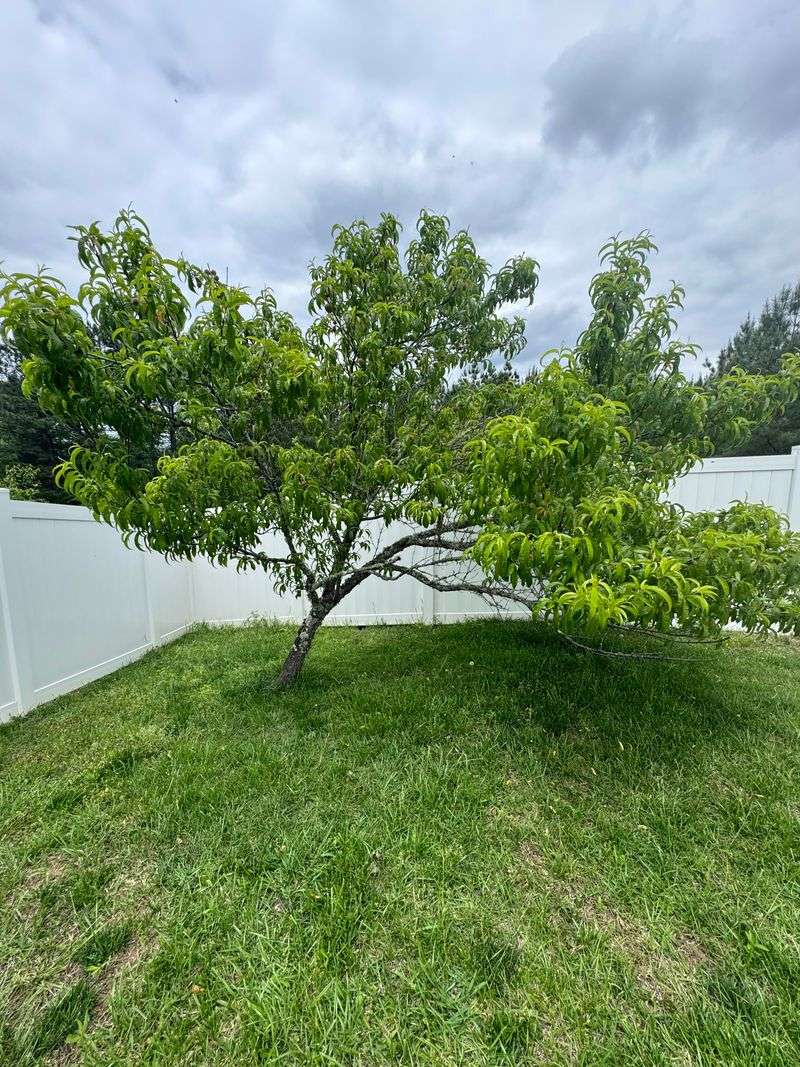
A postharvest dry spell in July or August feels harmless because the fruit is already off the tree.
But the tree is far from done working.
Right after harvest, a peach tree shifts all its energy toward rebuilding carbohydrate reserves in the wood, setting flower buds for next spring, and hardening the scaffold branches for winter.
If the soil goes bone dry during this critical window, all three of those processes suffer.
Texas summers are brutal.
Temperatures above 95 degrees Fahrenheit combined with low rainfall can push peach trees into serious water stress within days of harvest.
A stressed tree closes its stomata to conserve moisture, which slows photosynthesis and starves the wood of the sugars it needs.
Flower buds that form under drought stress are often smaller and less cold-hardy, which means they are more vulnerable when a late freeze arrives in February or March.
Texas A&M AgriLife Extension recommends keeping soil moisture consistent through the growing season and into the postharvest period.
Drip irrigation or soaker hoses work well for maintaining even soil moisture without wetting the foliage.
A general guideline is to provide about one inch of water per week during summer heat, adjusting for rainfall.
Mulching around the base of the tree with three to four inches of wood chips helps hold moisture and keeps roots cooler.
Protecting your tree through the hot months after harvest is just as important as anything you do in spring.
The growers who understand this principle are the ones who show up to next year’s harvest with full baskets while everyone else is still wondering what went wrong.
Postharvest care is the investment that nobody sees and everybody benefits from twelve months later.
5. Feeding Nitrogen Too Late Pushes Growth
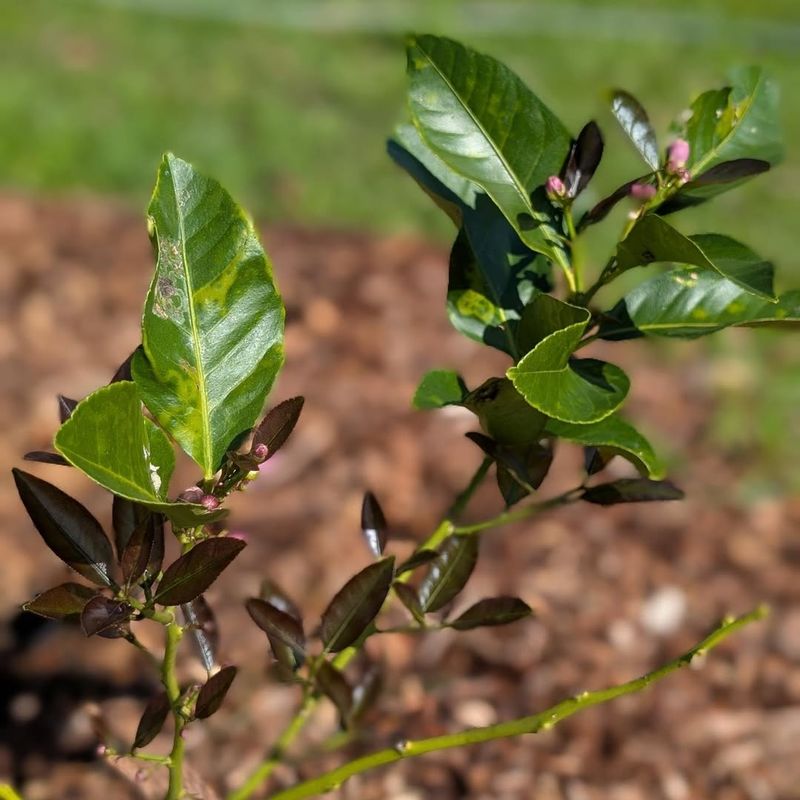
Fertilizing feels productive, like you are doing something good for the tree.
But slide that nitrogen application into August or September, and you have just sent your peach tree a very confusing message.
Late nitrogen pushes a flush of soft, leafy growth right when the tree should be slowing down and preparing for dormancy.
That tender new growth has almost no time to harden before cold weather arrives, leaving it wide open to freeze injury.
Texas A&M AgriLife Extension recommends applying nitrogen fertilizer to peach trees no later than early June in most parts of Texas.
For young trees, a split application works well: one dose in late February when buds are swelling and a second smaller dose in May.
For mature bearing trees, a single application in late winter or early spring is often enough.
The exact amount depends on tree size and soil test results, but over-fertilizing is just as problematic as late fertilizing.
Too much nitrogen at any time pushes excessive vegetative growth, which actually reduces fruit production.
Peach trees that grow too fast put energy into leaves and shoots instead of flower buds.
A soil test every two to three years takes the guesswork out of fertilizer decisions and tells you exactly what nutrients your soil is missing.
Phosphorus and potassium matter too, not just nitrogen.
Feeding your tree at the right time and in the right amount is one of those quiet, unsexy orchard habits that pays off in a big, juicy way come harvest season.
If you are standing in the feed store in September trying to decide between fertilizer options for your peach tree, put them all back and come again in February.
Your tree will thank you for the restraint.
6. Letting Suckers Steal Light
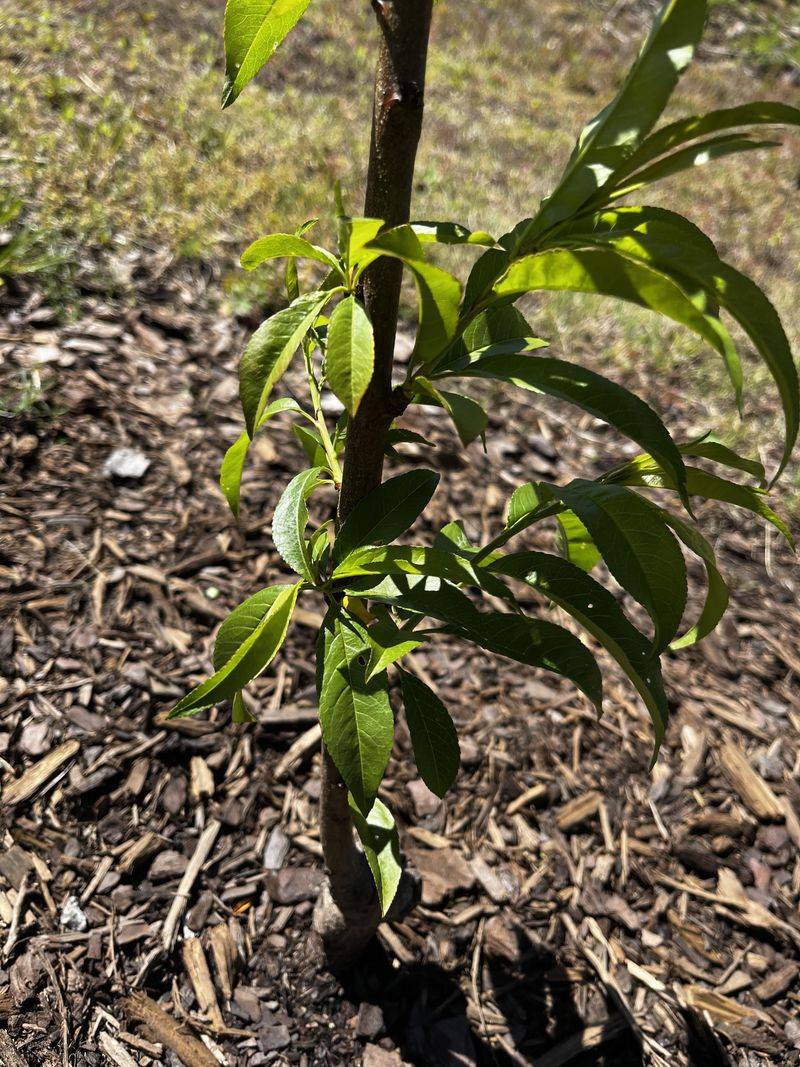
A sucker shoot sprouting from the base of a peach tree looks innocent enough, but that fast-growing stem is one of the most quietly destructive things in your orchard.
Suckers that grow from the rootstock below the graft union are a completely different variety from the tree you planted.
They grow with tremendous speed and vigor, pulling water, nutrients, and stored carbohydrates away from the productive canopy above.
Left unchecked, rootstock suckers can eventually outcompete the grafted variety and take over the tree entirely.
Even before that happens, they shade the lower canopy, reduce airflow, and create hiding spots for insects and fungal spores.
Water sprouts, which shoot straight up from scaffold branches inside the canopy, cause similar problems.
Both types of unwanted growth need to be removed as soon as you spot them throughout the growing season.
Removing suckers is straightforward but needs to be done correctly.
Pull them off by hand as close to the root or branch origin as possible rather than cutting them with shears.
Cutting often leaves a stub that sprouts two or three new suckers in its place.
For water sprouts inside the canopy, a clean cut flush with the branch collar is the right move.
Checking for suckers and sprouts every few weeks during spring and summer keeps the canopy open, balanced, and focused on making fruit instead of feeding freeloaders.
A tidy tree is a productive tree, and that is a deal worth taking every time.
The few minutes it takes to pull a sucker in April saves you a far more difficult renovation pruning job in January when the stems have turned woody and stubborn.
7. Forgetting Disease Timing Early
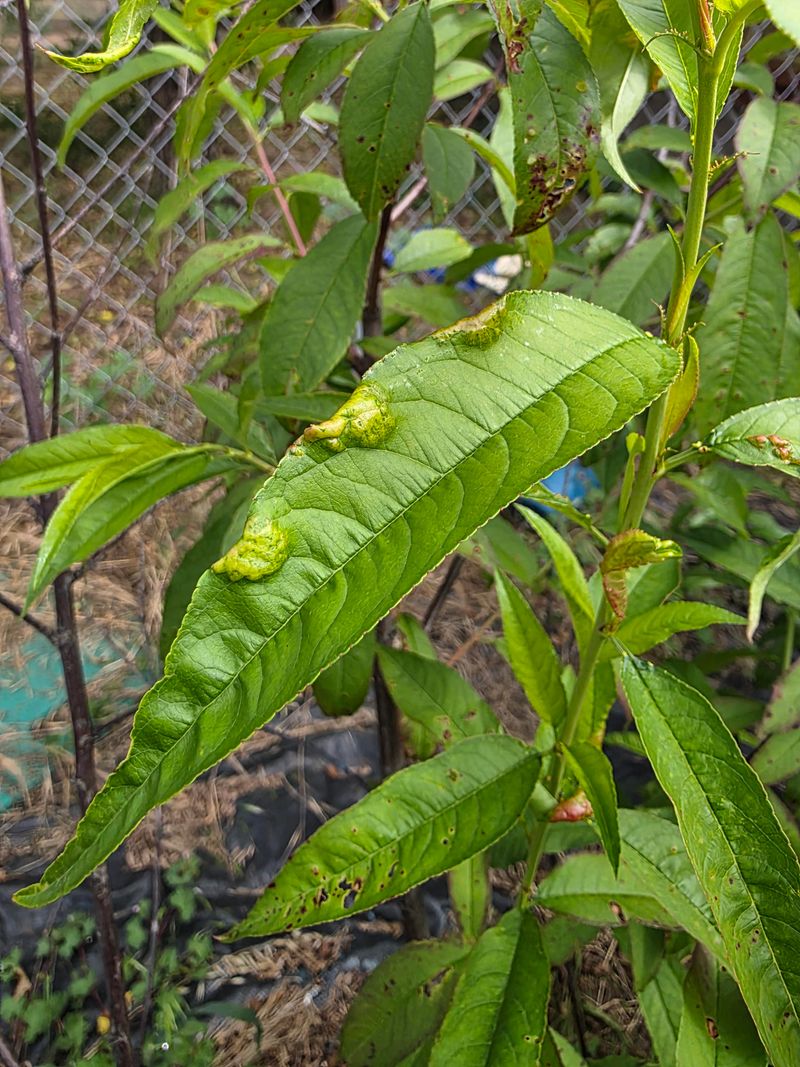
Brown rot, peach leaf curl, and bacterial spot are not problems that show up and politely wait for you to get ready.
By the time you see symptoms on the leaves or fruit, the infection has already been spreading for days or weeks.
Effective disease management in Texas peach trees is almost entirely about timing, and that timing starts earlier than most growers expect.
Texas A&M AgriLife Extension recommends beginning a fungicide program at petal fall, the window right after bloom when petals drop and young fruit first becomes visible.
Brown rot is the most damaging disease for Texas peach growers, and it spreads rapidly in warm, humid spring weather.
Copper-based fungicides applied during dormancy help reduce bacterial spot pressure before the season gets rolling.
Missing the early spray windows means playing catch-up all season, which rarely works out well.
Good sanitation practices support your spray program.
Remove and dispose of mummified fruit left on branches from the previous season. Those dried-up peaches harbor fungal spores that splash onto new growth during spring rains.
Pruning for airflow, as covered earlier, also reduces the humid microclimate inside the canopy where disease thrives.
Keep spray records so you know exactly what you applied and when.
Rotating fungicide chemistries helps prevent resistance from building up over multiple seasons.
Disease management is not glamorous orchard work, but skipping it is the fastest way to watch a promising crop turn to mush before you ever get a taste.
The growers who take disease timing seriously every single season are the ones who still have clean, beautiful fruit hanging in the tree when everyone else is cleaning up the mess.
Start the program early, stay consistent, and let your record-keeping do the remembering so you can spend harvest day doing what you planted a peach tree to do in the first place.