These California Yard Mistakes Attract More Black Widows During Heat Waves
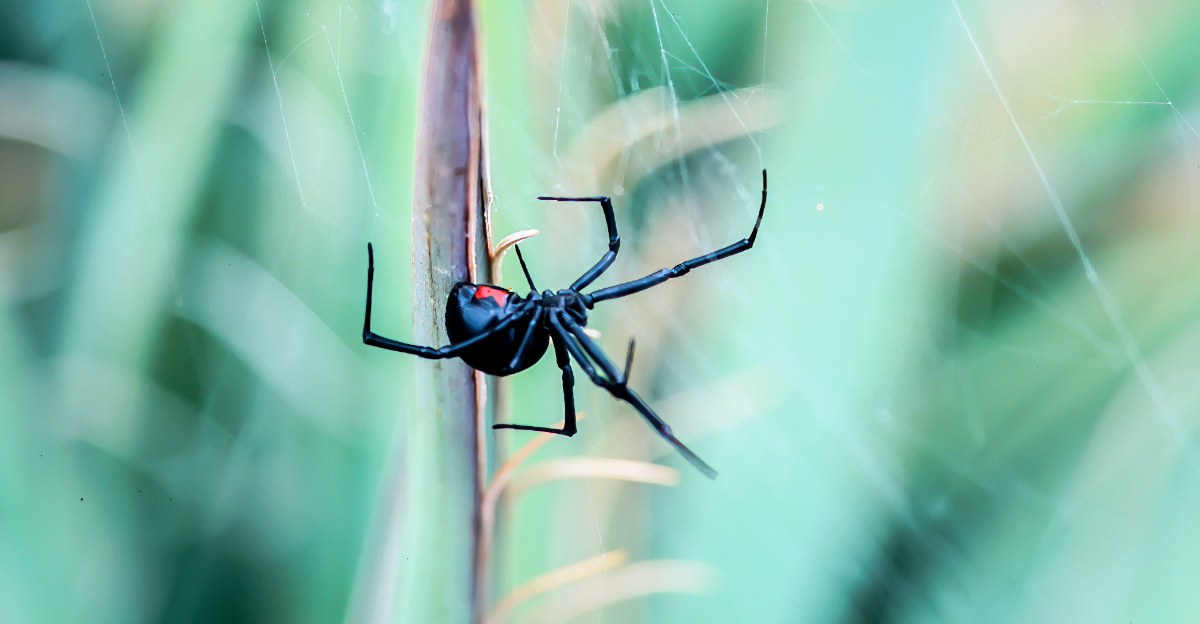
A few overlooked corners of your yard can become prime hiding spots when California temperatures climb.
During heat waves, black widows search for cool, protected places where they can stay out of sight and wait for prey.
Cluttered storage areas, stacked pots, unused furniture, dense ground cover, and debris tucked against walls can all make a property more inviting without homeowners realizing it.
Even habits that seem harmless, like leaving gloves on the patio or letting webs collect beneath outdoor equipment, can increase the chances of an unwelcome encounter.
The goal is not to panic or strip the yard bare. It is to recognize the conditions that give these spiders shelter close to doors, garages, play areas, and frequently used spaces.
Once you know which common mistakes are creating cover, you can make simple changes that leave fewer places for them to settle during the hottest weeks of summer.
1. Letting Yard Clutter Become Spider Real Estate
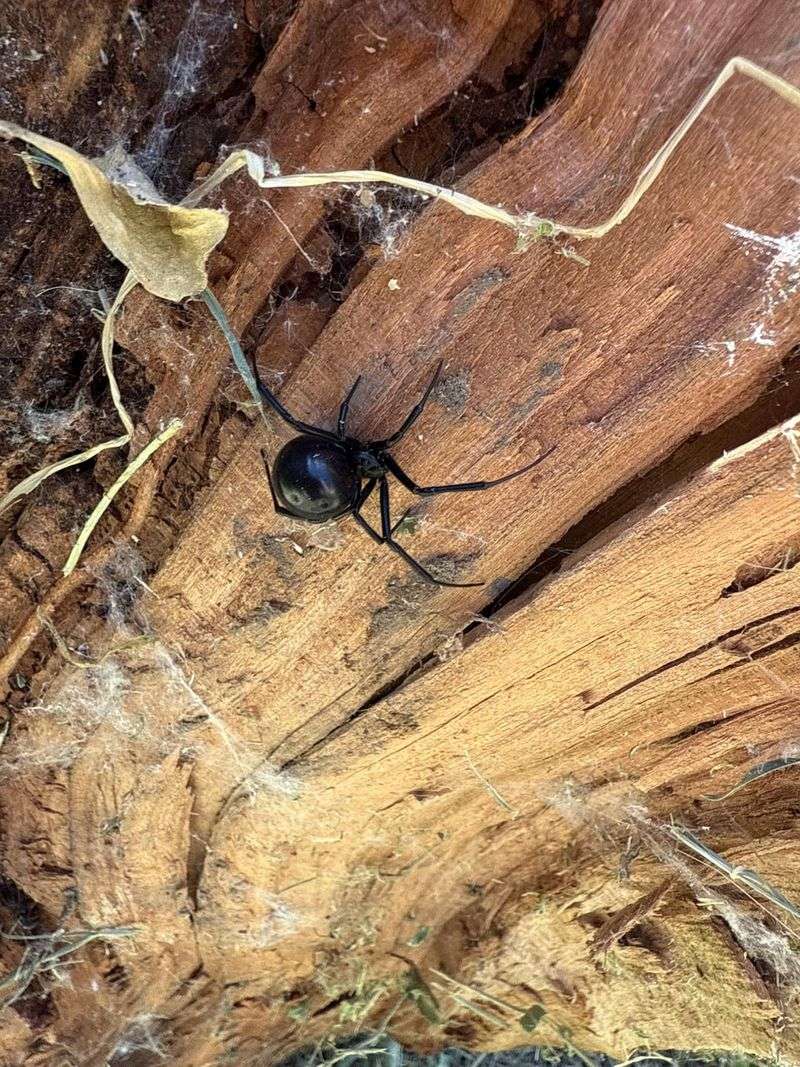
Clutter is basically a luxury apartment complex for black widow spiders. Old boards, broken tools, unused hoses, and random junk piled up in a corner give spiders exactly what they want: dark, tight spaces that rarely get touched.
During a heat wave, these cool, shaded pockets become even more attractive.
Black widows do not like open, bright areas. They prefer spots where they feel hidden and safe.
When your yard has a lot of clutter, you are handing them dozens of perfect hiding places. The more undisturbed those spots are, the more likely a spider will move in and start laying eggs.
One egg sac from a black widow can hold up to 300 eggs. That means one cluttered corner can turn into a serious spider problem very quickly.
During hot months, spiders are also more desperate for shade and shelter, so they search harder and settle faster.
The fix is straightforward. Go through your yard and remove anything you have not used in the past six months.
Store wood piles off the ground and away from your home. Keep items in sealed bins rather than loose piles.
A cleaner yard gives spiders fewer reasons to stick around. Spending just one afternoon clearing clutter could save you a lot of trouble later on in the season.
2. Stacking Empty Pots In Dark Little Corners
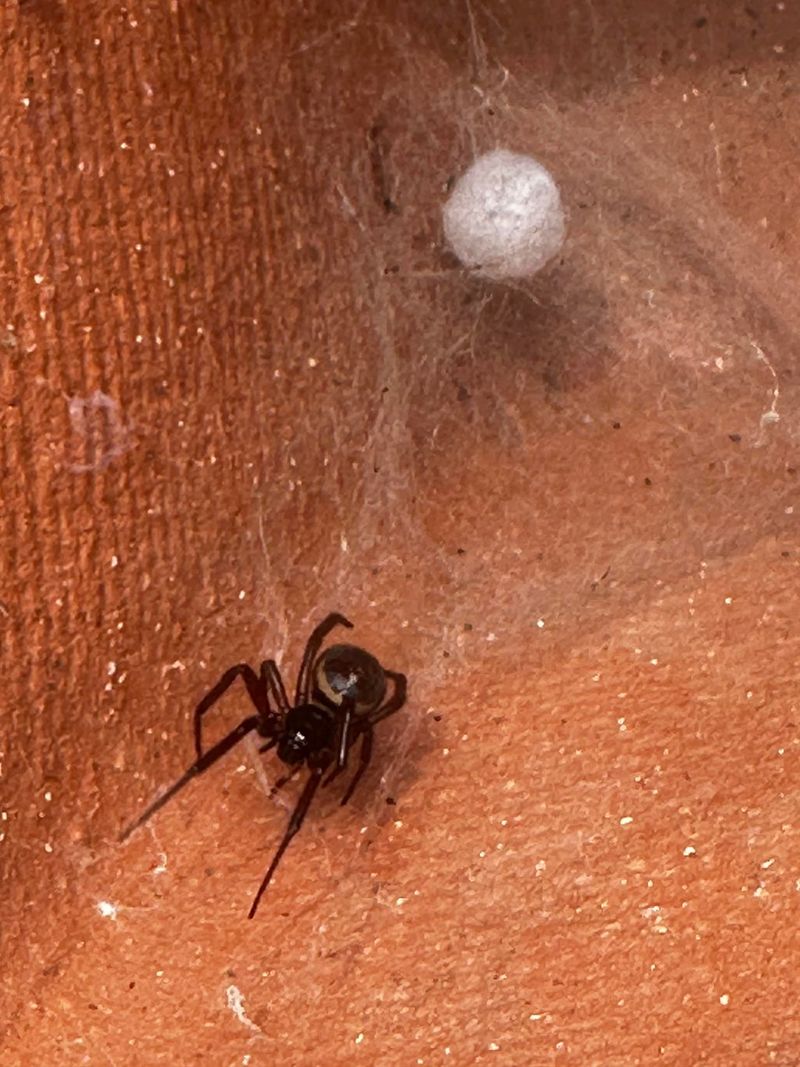
Empty plant pots seem harmless enough, but stack a few of them in a shady corner and you have created a black widow bed and breakfast.
The dark, hollow insides of pots are exactly the kind of sheltered space these spiders love to call home.
They are cool during a heat wave and almost never disturbed by humans.
Many gardeners stack pots near fences or against walls and forget about them for weeks. That is plenty of time for a black widow to spin a web, lay eggs, and get very comfortable.
When you eventually reach in to grab a pot without looking first, that is when things can go wrong fast.
Spiders in pots are one of the most common ways people in California get bitten without expecting it. The bite often happens to the hand or fingers, and it can be very painful within minutes.
Your California Garden Changes Every Week. Your Plan Should Too.
Gardening in California changes quickly throughout the season. Every Friday you’ll receive a simple weekly plan showing exactly what to plant, prune, fertilize, harvest, and protect so you never miss the right timing.
During warmer months, spiders are also more likely to be active inside those pots rather than hiding deeper inside.
A simple habit change makes a huge difference. Store empty pots upside down so spiders cannot nest inside.
Keep them in a sealed bin or a well-lit area. Before picking up any pot, tap it firmly on the ground first and give it a shake.
Always wear thick gardening gloves when handling pots that have been sitting untouched for a while.
3. Keeping Sheds Messy And Rarely Disturbed
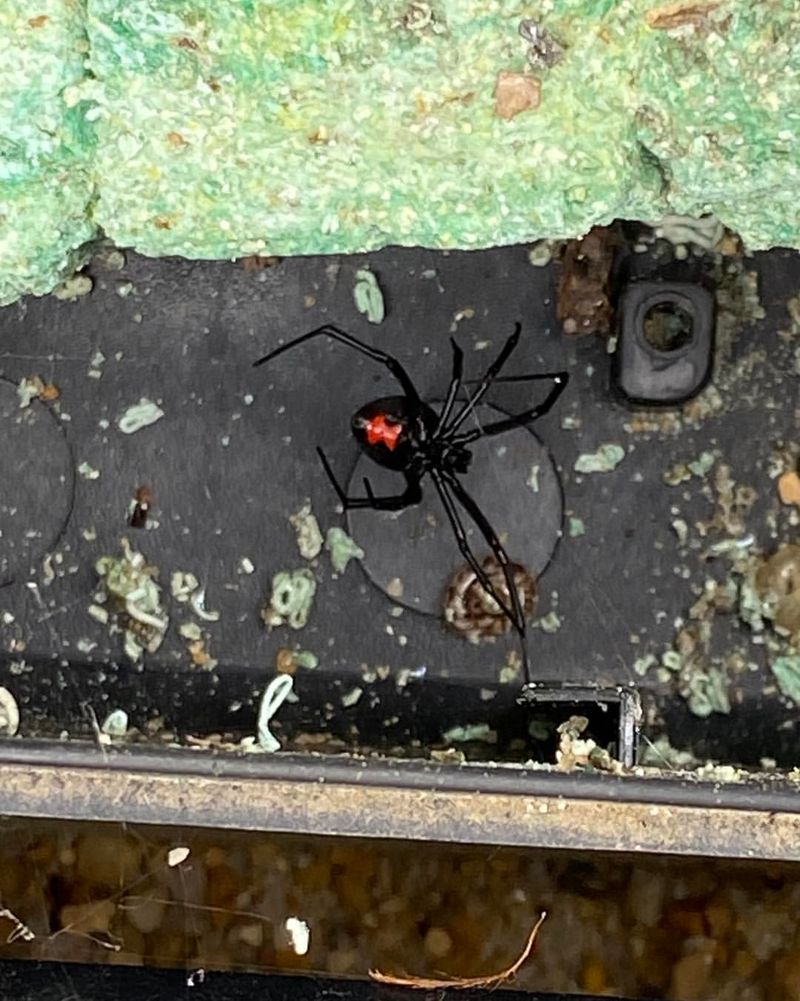
A messy shed that nobody visits often is basically a dream home for a black widow. Sheds offer everything these spiders need: low light, tight corners, stable temperatures, and very little human foot traffic.
Add a heat wave outside, and the cool interior of a shed becomes even more appealing to them.
Most people store old paint cans, sports gear, garden tools, and boxes in their sheds without organizing them well. All of those items create layers of hiding spots that spiders can move between easily.
The longer a shed goes without being cleaned out, the more established a spider population can become inside it.
Black widows in sheds tend to build their webs low to the ground, often behind boxes or under shelving. That puts them right at hand level when you reach for something without looking.
Bites in shed environments are very common, especially in late summer when spider activity peaks across California.
Cleaning your shed twice a year is a smart habit. Remove everything, sweep out webs, and reorganize items so there are fewer hidden gaps.
Use sealed plastic bins instead of open boxes. Install a simple light inside so the space stays brighter.
Wear gloves every time you work in the shed, even if you just cleaned it recently. A little effort goes a long way toward keeping that space safe for your whole family.
4. Leaving Cardboard Boxes Outside For Too Long
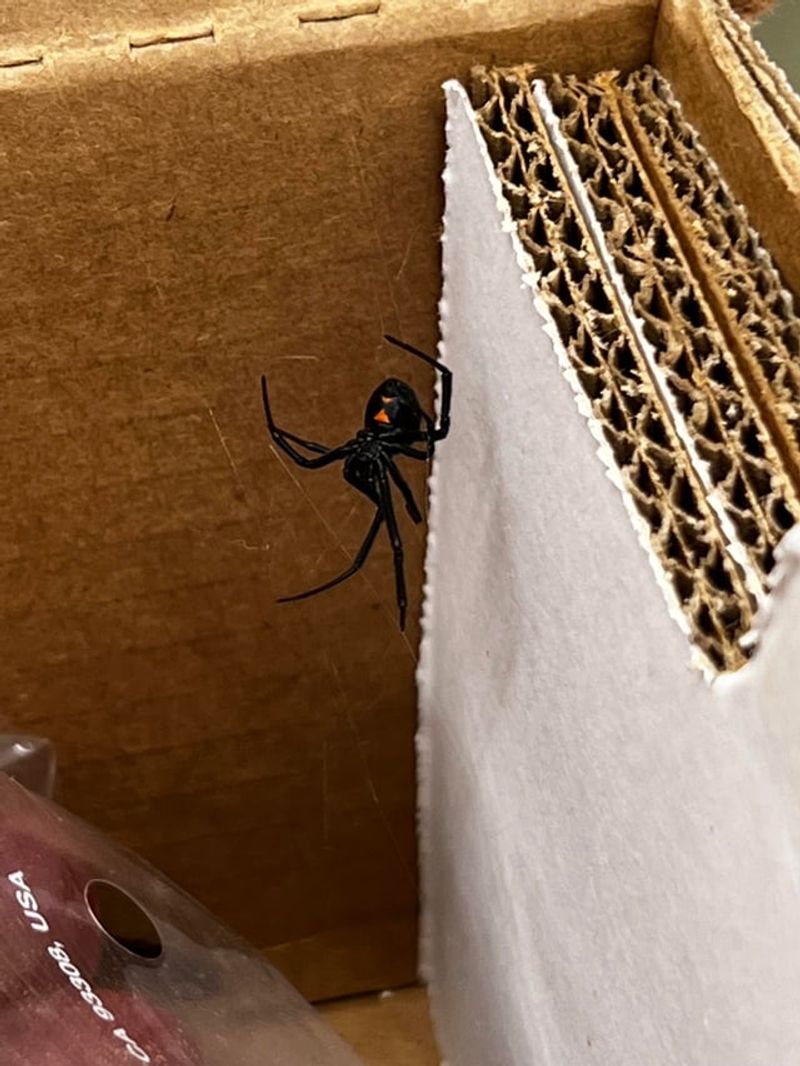
Cardboard boxes left outside are one of the most overlooked black widow attractors in any yard. They hold moisture, create dark interior spaces, and break down slowly enough to stay useful as shelter for weeks.
During a heat wave, the slight coolness trapped inside a cardboard box is very inviting to a spider looking for relief from the heat.
Spiders often build webs inside boxes, underneath them, or in the folds at the bottom. If the box has been sitting in one spot for more than a few days, there is a real chance something has moved in.
Black widows particularly like the flap openings at the bottom of boxes because they are narrow and easy to defend.
People often move these boxes without thinking, reaching underneath or tipping them over quickly. That sudden movement can startle a spider, and a startled black widow may bite in response.
It is not trying to be aggressive. It is just scared, and it reacts fast.
The best rule is simple: do not leave cardboard outside at all. Break down boxes and put them in your recycling bin right away.
If you must store something temporarily outside, use plastic bins with lids. Before moving any box that has been sitting still, use a stick or broom handle to tip it first.
Give it a moment before putting your hands near it. That pause could prevent a very unpleasant experience.
5. Using Bright Lights That Bring In Spider Snacks
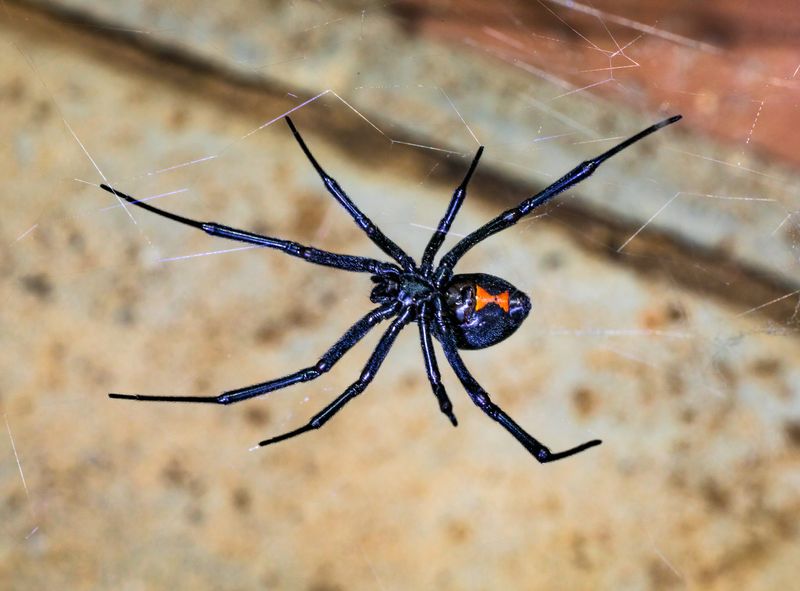
Here is something most people do not connect right away: your outdoor lights are feeding black widows. Bright lights attract moths, gnats, beetles, and other flying insects at night.
Those insects are exactly what black widows eat. So when you leave bright lights on all night, you are running a free buffet right outside your door.
Black widows do not fly toward light themselves. Instead, they are smart enough to build their webs near light sources where prey comes to them.
Over time, a well-lit porch or garage entrance becomes a reliable hunting ground. The more insects the light pulls in, the more spiders move in to take advantage of the easy meals.
During heat waves, insects are also more active at night because it is cooler after sunset. That means your lights are pulling in even more bugs than usual, which makes the area even more attractive for spiders setting up webs nearby.
It is a cycle that grows fast.
Switching to yellow or amber LED bulbs makes a noticeable difference. These bulbs produce a wavelength of light that insects are less drawn to.
Motion-activated lights are another smart option because they only turn on when needed. You can also keep lights positioned away from doorways and windows so insects are not clustering right at your entry points.
Small lighting adjustments can reduce spider activity around your home significantly over just a few weeks.
6. Ignoring Thick Webs Under Patio Furniture
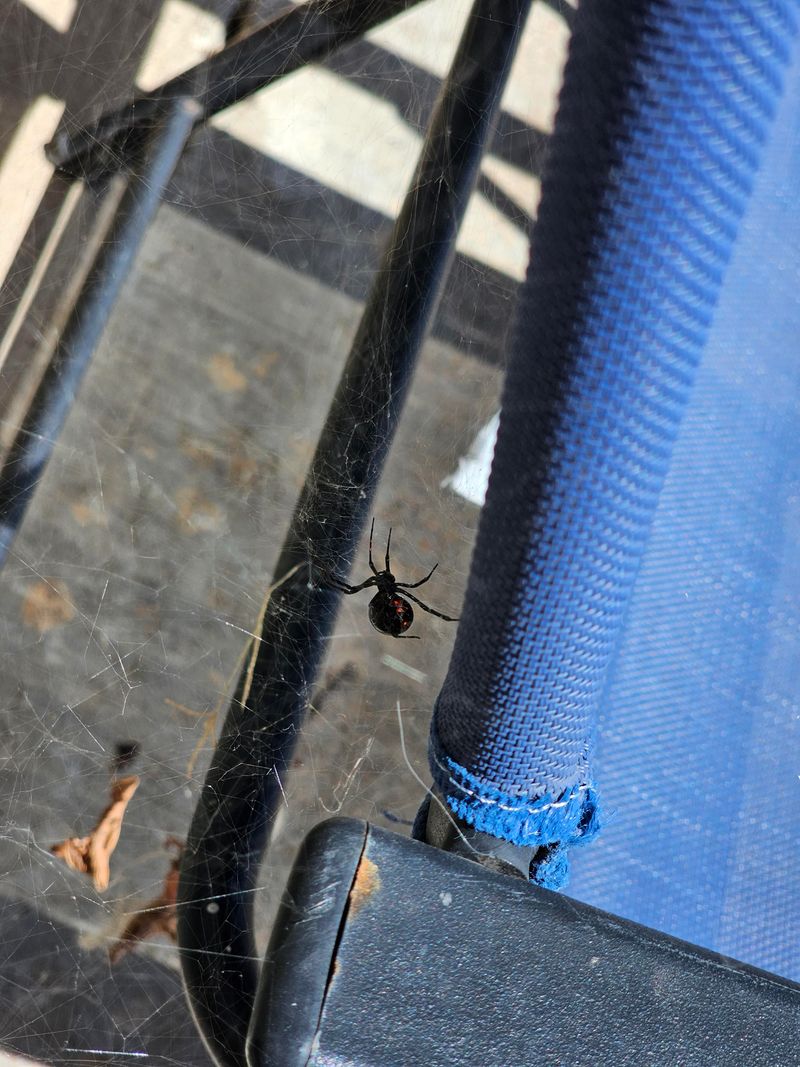
Most people look at the tops of their patio chairs and tables when they clean up outside. But black widows almost never build webs on top of furniture.
They prefer the undersides, the joints between legs, and the hollow tubes inside metal frames. Those spots are dark, sheltered, and rarely touched.
A thick, messy, tangled web with a funnel-like center near the ground is a strong sign of black widow activity. Their webs are not the pretty, round kind you see in cartoons.
They look more like chaotic, sticky tangles close to the surface. If you see one of those under your furniture, take it seriously.
During hot weather, spiders become more defensive because heat affects their body chemistry. A spider that might normally retreat when disturbed could react more aggressively when temperatures are high.
That makes undisturbed patio furniture webs especially risky in the summer months.
Make it a habit to check the undersides of all outdoor furniture at least once a week during warm months. Use a broom handle or a long stick to brush away any webs you find.
Wear gloves when doing this. Consider spraying the undersides of furniture with a natural peppermint oil spray, which spiders tend to avoid.
Keeping furniture away from walls and fences also reduces the chance of spiders using it as a bridge to build their webs. Consistency is what keeps them from coming back.
7. Letting Dry Leaves Pile Up Near Walls
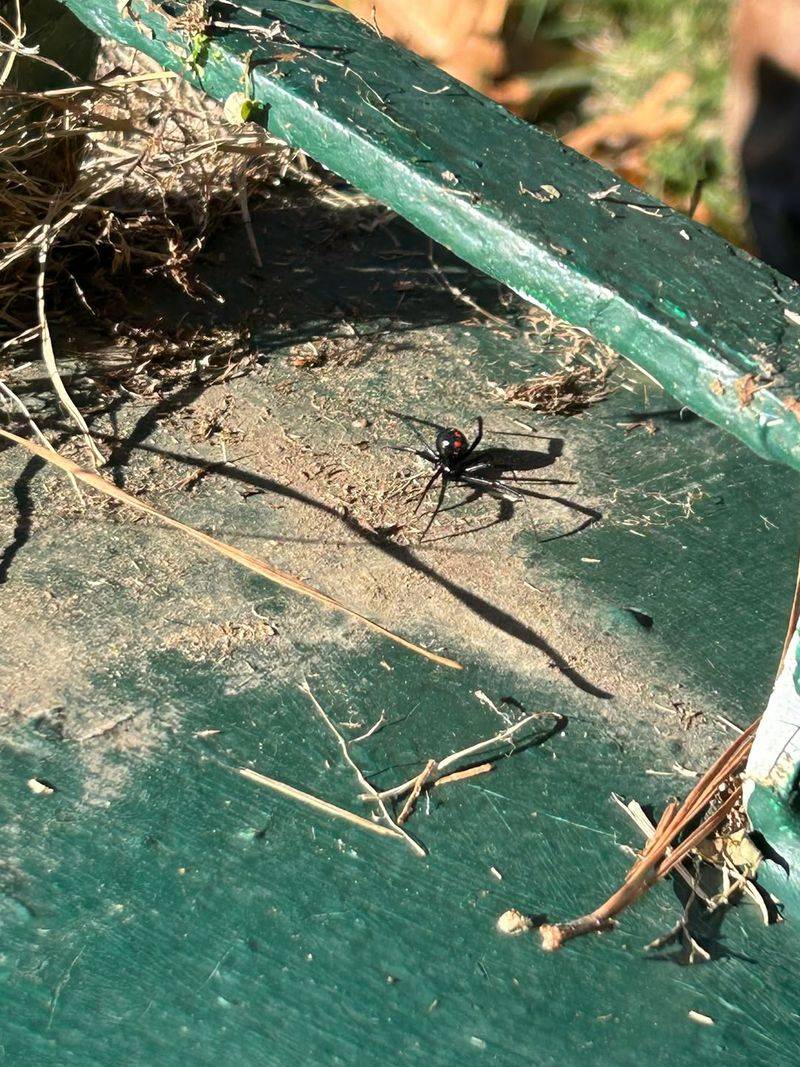
Dry leaves piled up against walls or fences look like a minor yard maintenance issue, but they create a surprisingly effective spider habitat.
The spaces between leaves are dark, cool relative to the surrounding air, and full of the tiny insects that black widows love to eat.
A leaf pile against a wall is basically a stocked pantry and a furnished apartment all in one.
During heat waves, moisture trapped in leaf piles attracts small bugs like ants, beetles, and earwigs. Black widows follow those bugs.
Once a spider finds a reliable food source, it will stay close and build a web in the nearby wall cracks, gaps in siding, or along the base of the fence.
Leaf piles near doorways or windows are especially concerning. Spiders nesting in those spots are only a few inches away from entry points into your home.
Over time, some of them may find their way inside, especially as temperatures drop slightly at night during a heat wave.
Raking and bagging leaves regularly is one of the easiest prevention steps you can take. Do not let leaves sit against walls for more than a day or two.
Use a leaf blower to clear them away from the base of fences and walls. Composting is fine, but keep your compost bin well away from the house.
A clean perimeter around your home removes one of the most common reasons black widows settle in close to where people live.
8. Forgetting To Seal Cracks Around Garages And Sheds
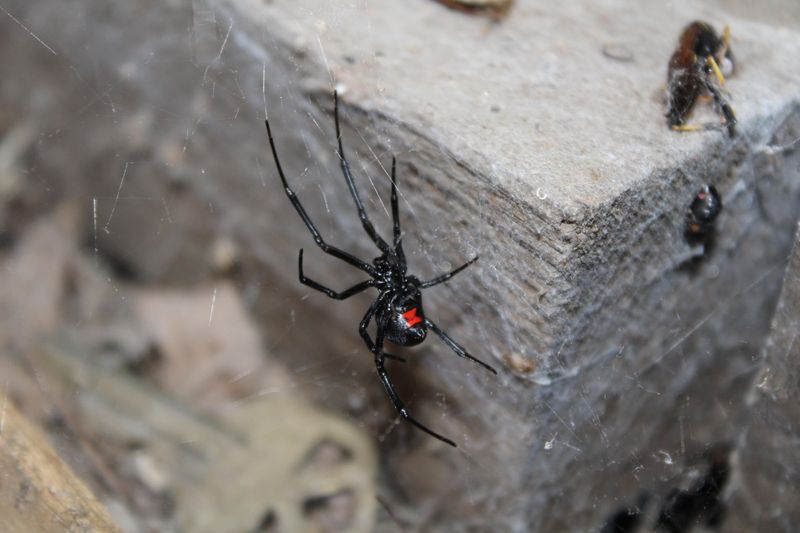
Cracks around garages and sheds are like open invitations for black widows looking for somewhere cool and safe to settle.
Even a small gap in the wall, a loose piece of weather stripping, or a crack in the foundation gives a spider all the access it needs.
Once inside, they are very hard to spot until you disturb them accidentally.
During heat waves, spiders move more often because they are searching for better conditions. A crack in a shaded wall feels like a perfect escape from the scorching outdoor temperature.
They move in, build a web in the dark interior corner, and start hunting. In many cases, homeowners in California do not realize there is a spider living in their garage until someone gets bitten reaching for a tool or a box.
The good news is that sealing cracks is not expensive or complicated. A tube of weatherproof caulk and an hour of your time can close off most of the gaps that spiders use to get inside.
Pay close attention to the areas where pipes or cables enter the building. Those openings are often overlooked and are common entry points for spiders and other pests.
Check your garage and shed doors to make sure the weather stripping at the bottom is tight and not cracked or missing. Replace any that is damaged.
Installing door sweeps on exterior doors also helps block ground-level access. Doing a full perimeter check twice a year, especially before summer, keeps your structures much more secure and significantly reduces the chance of a black widow moving in uninvited.