7 Things Arizona Homeowners Shouldn’t Burn in a Backyard Fire Pit
Starting in October, Maricopa County can declare No Burn Days that restrict wood fires in backyard fire pits and fireplaces. I love how cooler Arizona evenings pull everyone outside, but a few common items can turn cozy flames into a smoky problem.
Some of them hide in garages, while others grow right in our own desert yards. Can you guess which surprising shrub made my list of things to keep far from the flames?
1. Pressure-Treated Lumber Scraps
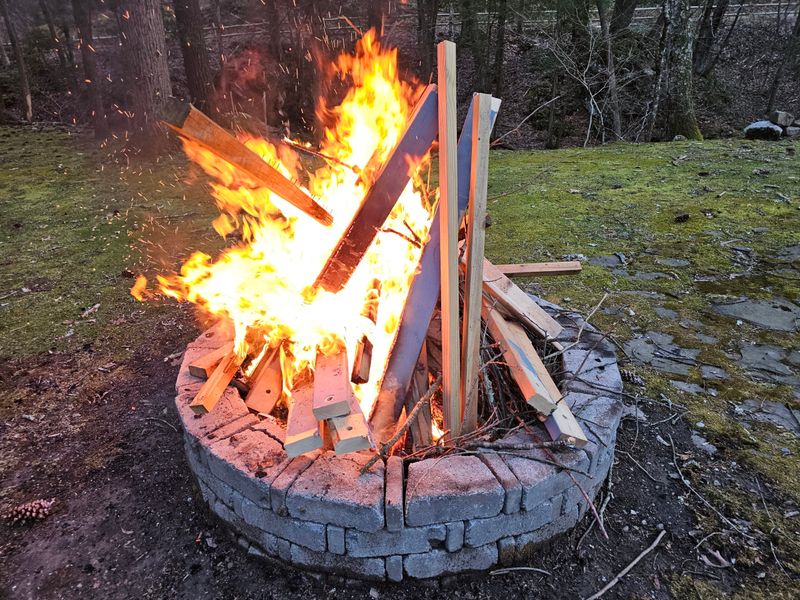
That leftover deck board looks like free firewood, yet it hides chemical preservatives designed to fight rot and hungry termites. I have to admit, I once eyed a pile of old fence scraps and almost tossed them in myself.
Older treated wood often contains chromated copper arsenate, a preservative the EPA phased out for most home uses around 2003. Burning it can release arsenic into the smoke, and the leftover ash holds concentrated metals as well.
Newer treated lumber uses copper-based mixes, but health agencies still advise against burning any pressure-treated wood at home. You simply cannot tell by looking which chemicals soaked into that faded greenish board years ago.
Ash from these fires should stay out of garden beds, since metals can build up in soil around your vegetables. That matters a lot if you like sprinkling fire pit ash around roses or backyard citrus trees.
Instead, haul treated scraps to your local landfill or check your city’s bulk trash pickup schedule this fall. Your lungs and your garden soil will both thank you for that small extra trip to the curb.
2. Plastic Bags And Bottles
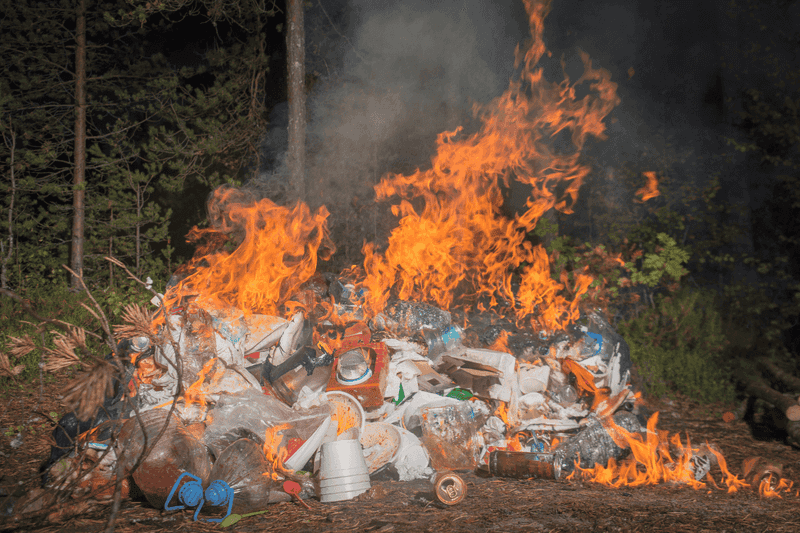
A single melting water bottle can fill your patio with a sharp chemical stink that clings to clothes for hours. Personally, I can’t imagine anything spoiling a crisp autumn night faster than that greasy black smoke.
Burning plastic releases dioxins and other harmful compounds that irritate lungs and settle onto nearby plants and patio furniture. Backyard fire pits burn far cooler than industrial incinerators, so those pollutants drift straight toward you and your guests.
Maricopa County rules prohibit burning household waste, and plastic packaging falls squarely into that category for local homeowners. Many other counties and cities around the state follow similar rules, so check your local ordinance before lighting up.
Melted plastic also leaves a sticky residue on fire pit grates and stones that is stubborn to scrub away later. I find that a small recycling bin parked near the patio quietly solves the temptation for good.
Kids sometimes toss wrappers into flames just to watch them curl, so a friendly heads-up helps before the marshmallows come out. Keeping the fire for clean, dry wood makes every gathering smell like a campfire instead of a factory.
3. Food Scraps And Kitchen Trash
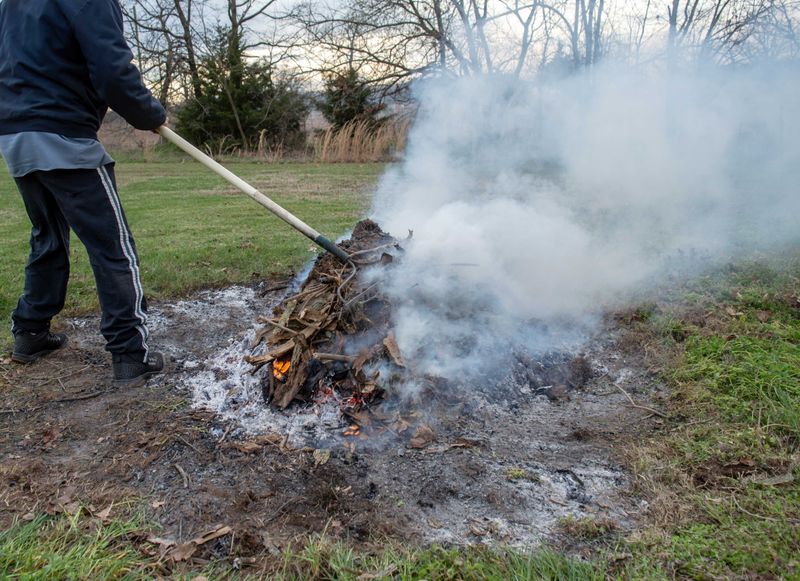
Those half-burned corn cobs and greasy paper plates might seem harmless, yet smelly leftovers can invite curious critters to visit. You might notice packrats and roof rats sniffing around the patio after a messy cookout night.
Food remnants rarely burn cleanly in a backyard fire, so charred bits linger in the ash for days afterward. Those scraps attract insects, and insects in turn can draw scorpions hunting for an easy meal near your home.
I love seeing quail and lizards in my yard, but I prefer they visit for native plants rather than trash. A tidy fire pit helps keep your outdoor space welcoming to helpful wildlife instead of uninvited nighttime pests.
Greasy food and coated paper plates also create heavy smoke that bothers neighbors sitting on nearby patios and balconies. Many plates carry plastic linings too, which brings back the same pollution concerns as bottles and bags.
Compost fruit and vegetable peels instead, since our warm October days help a compost pile work faster than you might expect. Meat scraps and greasy waste belong in a sealed trash can with a snug lid to discourage furry visitors.
4. Green Or Freshly Cut Wood
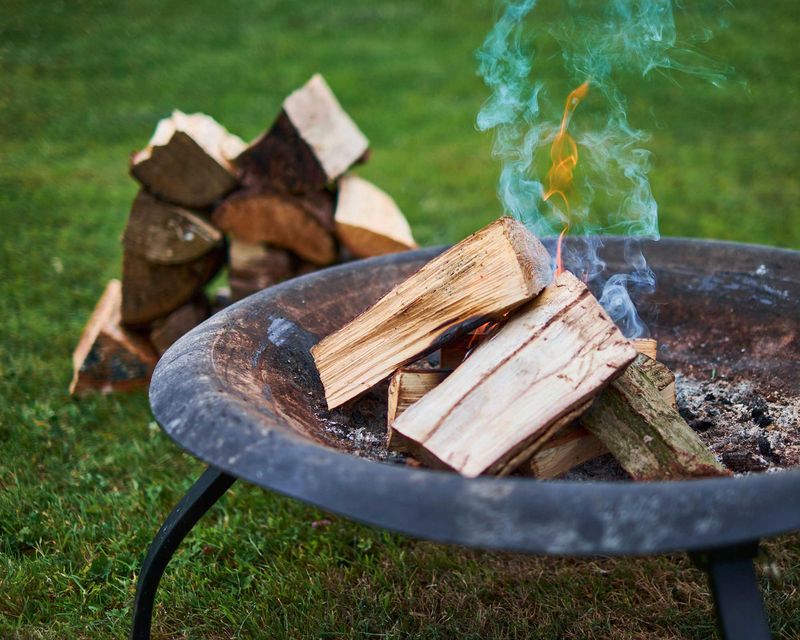
Freshly cut branches can hold close to half their weight in water, which explains all that sputtering and hissing. I have to admit, my first fall fire pit night produced more coughing than warmth thanks to soggy logs.
Wet wood wastes much of its energy boiling off moisture, so the fire burns cooler and smokes far more. That smoke carries fine particles that irritate eyes and lungs, especially for anyone with asthma sitting nearby.
Air quality matters a great deal in the Valley during fall and winter, when temperature inversions trap smoke close to the ground. Those stagnant evenings are exactly when Maricopa County is most likely to call a No Burn Day.
Seasoned firewood usually needs six months or more of drying, and it should read under twenty percent moisture on a meter. Our dry desert air helps here, so pruned mesquite from spring may be ready to burn by late fall.
Look for cracked ends, lighter weight, and a hollow knock when two logs tap together before buying a bundle. Stack wood off the ground and away from walls, since woodpiles can shelter scorpions and black widows too.
5. Oleander Branches And Trimmings
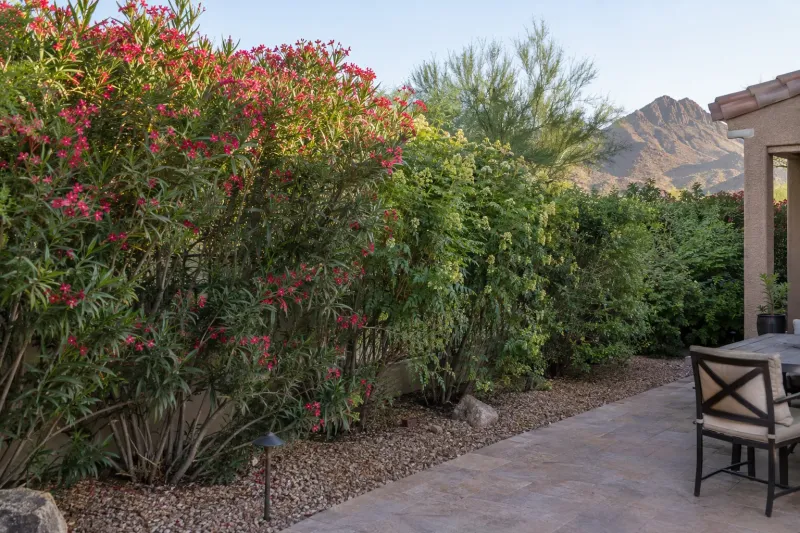
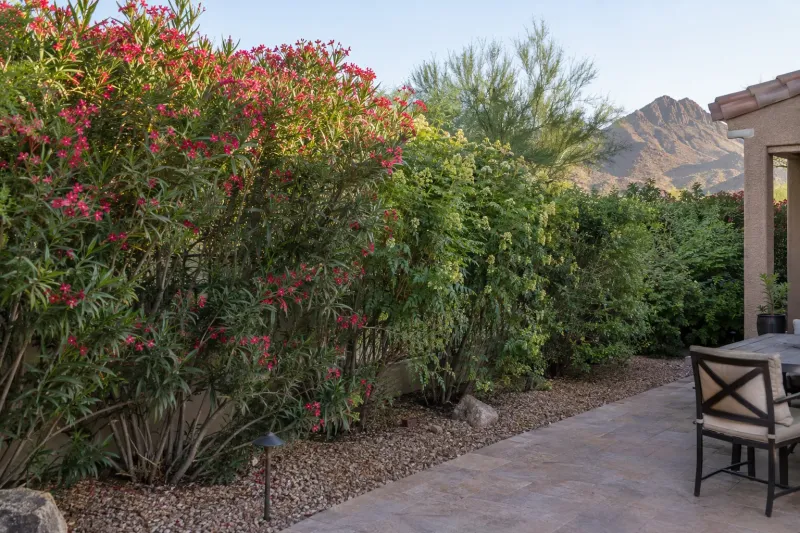
What surprises me most is how many desert yards still grow oleander, a tough shrub with a seriously toxic side. Every part of Nerium oleander contains cardiac glycosides, compounds that can harm people, pets, and livestock when swallowed.
Poison control centers and veterinary groups advise against burning oleander, since smoke from the branches may carry irritating plant compounds. Research on smoke exposure is limited, but I’d rather skip the gamble than breathe it around my family.
Fall is a popular pruning season for oleander hedges, which means piles of tempting branches appear in many yards right now. Wear gloves while trimming, because the milky sap can irritate skin and eyes for some sensitive gardeners.
Bag trimmings for green waste pickup if your city accepts them, or check local guidance on oleander disposal first. Avoid composting the clippings for garden beds, and keep them away from curious dogs who like chewing sticks.
If you’re replacing an old hedge, native options like desert hackberry or Texas ranger can offer screening with fewer worries. Those natives also welcome birds and pollinators, which makes your yard work harder for local wildlife.
6. Piles Of Dry Leaves And Pine Needles
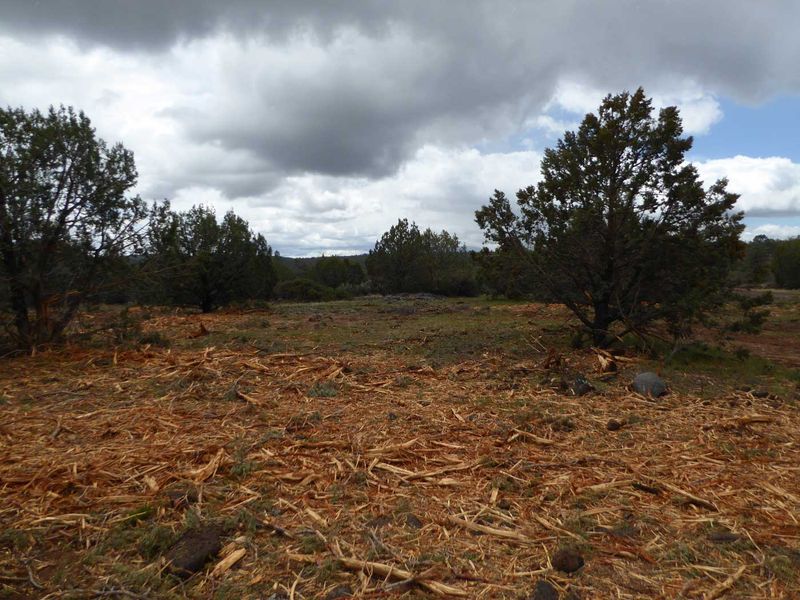
A heap of crunchy leaves can flare up in seconds and toss glowing embers well past your fire pit walls. Up in pine country, a single wind gust can carry those sparks toward dry brush or a wooden fence.
Leaves and needles burn fast and hot at first, then smolder into thick smoke filled with fine particles and carbon monoxide. Many local rules ban open burning of yard waste for exactly that reason, so a fire pit offers no loophole.
University of Arizona Cooperative Extension firewise guidance recommends clearing pine needles from roofs and areas close to homes. Raking them up is smart, but burning them in a backyard pit undoes much of that careful safety work.
I like to shred fallen leaves and spread them under shrubs as mulch, where they slowly feed the soil. You can also add them to compost, mixing dry leaves with green kitchen scraps for a healthy balance.
Pine needles make decent mulch around acid-loving plants, though keep them several feet from structures in fire-prone areas. Mountain communities often host free fall slash and needle drop-off days, so check with your county.
7. Plywood And Particleboard Furniture

That wobbly old bookshelf might look like wood, but it’s mostly sawdust held together with powerful glues and resins. You’re in for a big surprise if you expect it to burn like a clean oak or mesquite log.
Plywood, particleboard, and oriented strand board often contain formaldehyde-based adhesives that release harmful fumes when heated. Laminated surfaces add plastic coatings into the mix, which creates even more acrid smoke around your seating area.
Painted or stained furniture brings its own concerns, especially older pieces that may contain lead-based paint from decades past. Homes built before 1978 sometimes hide lead paint on trim and cabinets, so scraps from remodels deserve extra caution.
I’ve learned that many cities offer bulk trash collection a few times each year for broken furniture and remodeling debris. Some donation centers also accept sturdy pieces, giving that dresser a second life instead of a smoky ending.
Stick with clean, untreated, seasoned hardwood or bundled firewood from a trusted local seller for your fall fire pit nights. Your guests will enjoy the warm glow and the sweet scent, and nobody will need to dodge chemical smoke.