8 Protected Animals Illinois Homeowners Can’t Remove Without A Permit
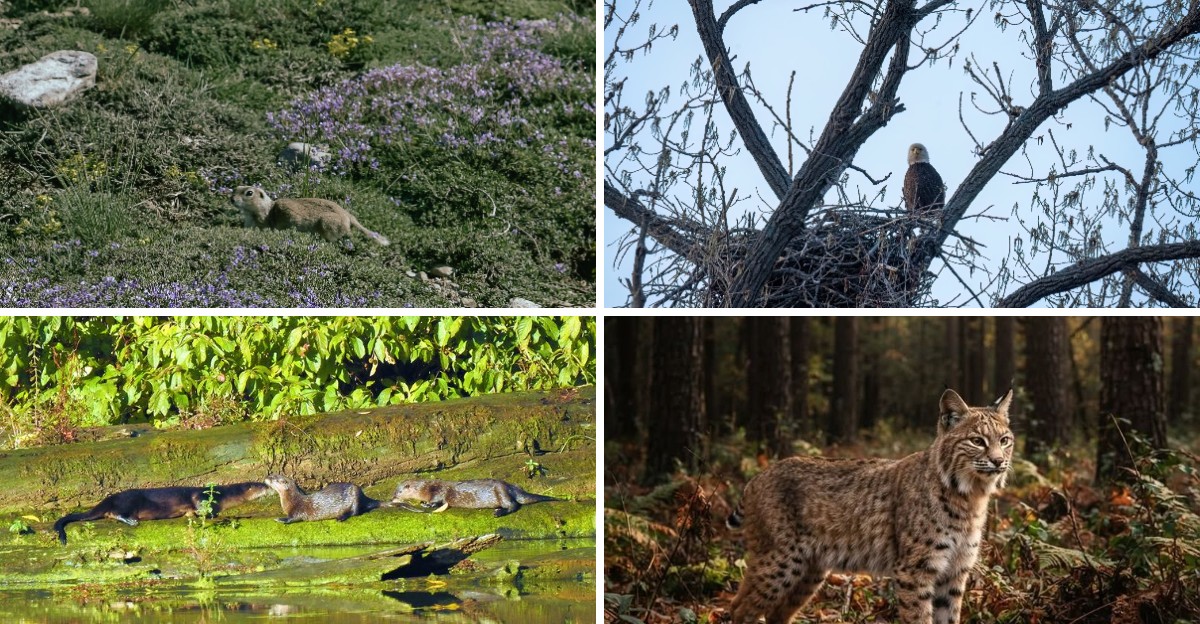
A small snake with a salmon-red belly can legally outrank your shovel in some Chicago-area suburban backyards. Moving one without permission from state wildlife officials can bring fines, even when your intentions feel helpful.
Illinois protects hundreds of plants and animals under its Endangered Species Protection Act, and some of them wander into ordinary yards.
Others are common furbearers, yet the law still requires a special permit before anyone traps or relocates them.
I nearly learned this the hard way after reaching for a garden glove instead of my phone camera. You might notice that the creatures we chase off are sometimes the rarest neighbors we will ever host in a lifetime.
One of these visitors builds a messy stick fortress, while another wears a permanent grin on its jaw. Which protected neighbor do you suspect is quietly sharing your Illinois yard with you right now?
1. Kirtland’s Snake Hiding Under Garden Boards
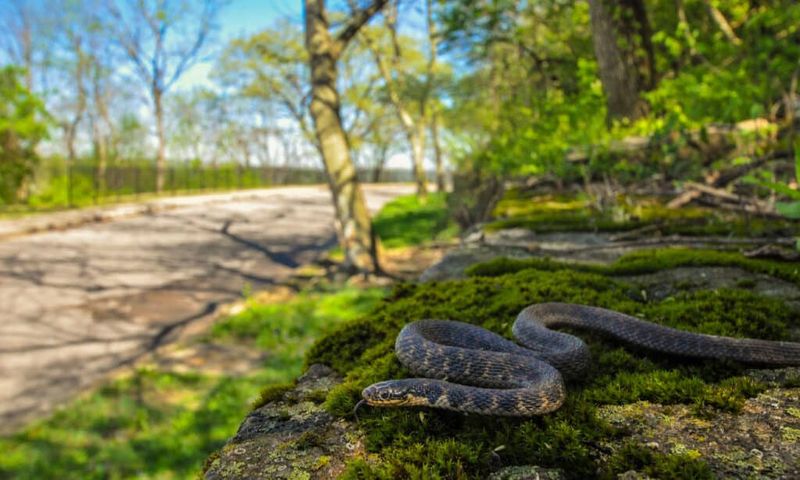
Flip an old board near a soggy corner of your lawn, and a tiny snake with a red belly may stare back. That bright underside belongs to a Kirtland’s snake, a shy reptile listed as endangered in Illinois.
Most adults stretch only about 14 to 18 inches, so many folks mistake them for young garter snakes. Look for a gray or brown back with rows of dark blotches and black dots lining that rosy belly.
I adore how they react when nervous, because they flatten their bodies like a ribbon and stay still. That bluff looks dramatic, yet these snakes are harmless and carry no venom whatsoever for people or pets.
Wet meadows and old prairie edges suit them best, though some surprisingly hang on in vacant suburban lots across Illinois. They often shelter inside crayfish burrows, which gives you another reason to leave those muddy chimneys alone.
Earthworms and slugs make up much of their menu, so a Kirtland’s snake quietly helps your hostas and lettuce. Leeches appear on that list too, which makes this little reptile a surprisingly useful garden partner for wet yards.
Because the species is endangered, taking or possessing one is illegal without authorization from wildlife officials in Illinois. Simply set the board back down gently and let the snake continue its secretive routine undisturbed in peace.
Want to help them more directly? Skip heavy pesticide use near damp areas, and consider leaving a few flat boards or stones as cozy hiding spots.
2. Blanding’s Turtle With A Bright Yellow Chin
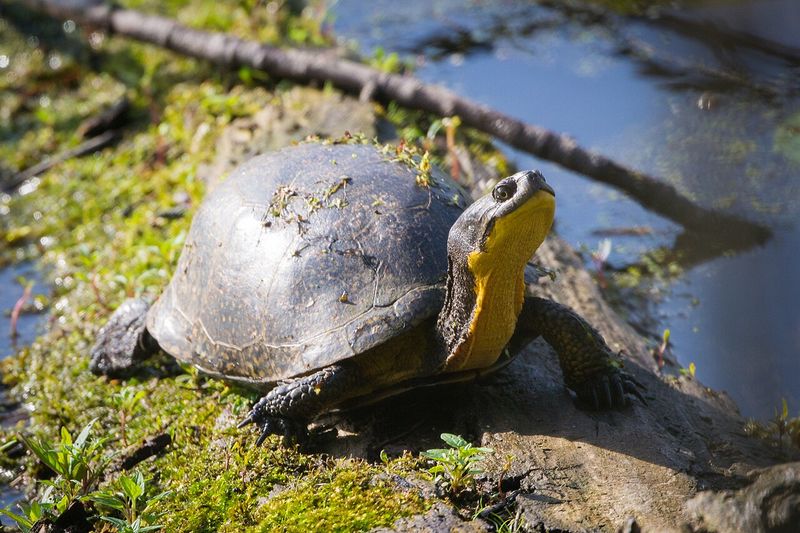
Few reptiles look as cheerful as a Blanding’s turtle, thanks to a notched upper jaw that resembles a grin. Add a lemon-yellow chin and throat, and you have one of the friendliest faces in any wetland.
Sadly, that smile hides a worrying story, since the species has been listed as state endangered since 2009. Taking, possessing, or selling one is illegal, and that includes scooping it up to keep as a backyard pet.
Late May and June bring the busiest travel season, when females leave the water to find nesting spots. You might spot one crossing a lawn or driveway, sometimes quite a distance from the nearest marsh or pond.
My instinct once was to carry a wandering turtle back toward water, but that move can confuse its journey. These turtles know where they are heading, so the kindest choice is usually to watch from a respectful distance.
Fun fact for curious gardeners: Blanding’s turtles can live for many decades, with some wild individuals topping seventy years. That long life means every adult female matters greatly, because each one takes years before she begins laying eggs.
Homeowners near marshes can help by keeping some sunny, sandy soil undisturbed during early summer for possible nests. Slow down on roads near wetlands too, since vehicle strikes remain a serious threat for traveling turtles each year.
Report sightings to state wildlife biologists, because your snapshot can help them track this rare and slow-moving neighbor.
3. Franklin’s Ground Squirrel In Tall Prairie Grass
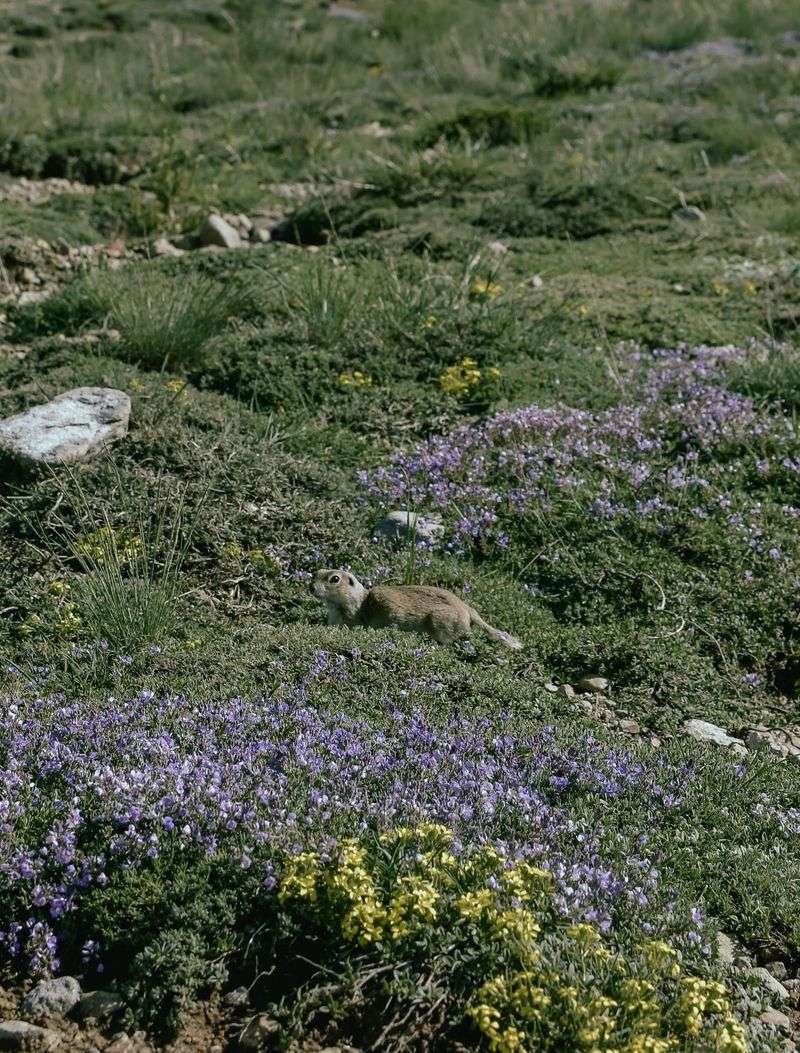
Spot a gray squirrel popping out of a hole in the ground, and you might have found something special. Franklin’s ground squirrels look a lot like tree squirrels, but their ears are shorter and their tails less fluffy.
Their olive-gray fur carries black speckles, giving them a slightly salt-and-pepper look up close in good sunlight. Illinois lists the species as threatened, so trapping or relocating one requires a special permit from wildlife officials.
Tall grass is their happy place, and they favor prairies, roadside ditches, and old railroad corridors with thick cover. Neat, closely mowed lawns rarely appeal to them, which explains why many homeowners never notice their quiet presence nearby.
These squirrels are true omnivores with surprisingly wild appetites for such small animals living in grassy edges. Insects and plants fill most meals, yet frogs, bird eggs, and even small birds occasionally land on the menu.
One detail that amazes me is how much time they spend underground, sleeping away a large share of the year. Hibernation can start in late summer and stretch into spring, so you get only a short window for sightings.
If one starts burrowing near your garden beds, contact a district wildlife biologist with the state natural resources department. Those experts can suggest legal solutions, and sometimes simply letting a grassy border grow taller keeps everyone content.
Leaving an unmowed strip along fences can give these squirrels cover while your vegetables stay safely out of reach.
4. Eastern Woodrat Building Stick Nests In Rocky Bluffs
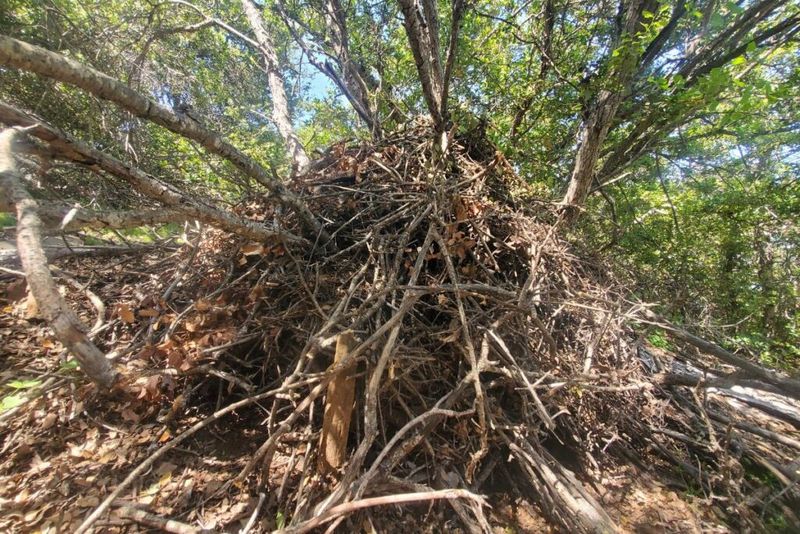
Forget the image of a city sewer rat, because the eastern woodrat looks more like a soft storybook character. Big dark eyes and rounded ears give it a gentle expression, and its belly is a clean white shade.
Southern bluffs and rocky outcrops are where these rodents live, especially around the rugged Shawnee Hills region. The state sits at the northern edge of their range, which helps explain their endangered status here today.
Woodrats are famous builders, piling sticks, leaves, and odd treasures into bulky nests tucked among rocks and crevices. Old folks sometimes call them packrats because they collect shiny objects, and I find that habit endlessly charming.
Their diet leans heavily on plants, including seeds, nuts, fungi, and tender greens gathered from nearby forest floors. They stash extra food inside their nests for leaner months, much like gardeners filling a pantry before cold weather.
If you own land near southern cliffs or caves, an unusual stick pile might deserve a closer look. Removing or harming an endangered woodrat is illegal, so call wildlife officials before disturbing any suspicious nest you find.
Habitat loss and a parasite carried by raccoons have both contributed to their decline across the region over time. Keeping pet food and trash secured reduces raccoon visits, which may indirectly help these shy rodents nearby.
Sharing your land with something so rare feels like owning a small piece of wild southern history yourself.
5. Protected Bats Roosting In Attics And Trees
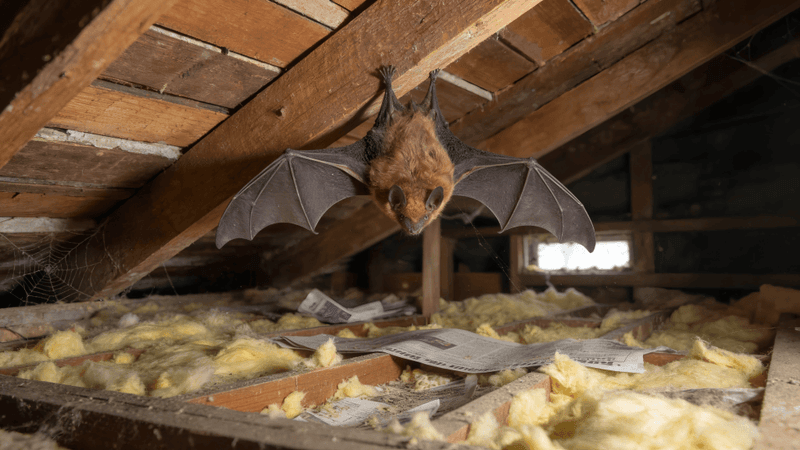
Hearing faint squeaks above your ceiling on a summer evening can make anyone jump out of their favorite chair. Before grabbing a broom, remember that bats in the state receive protection under wildlife laws and conservation rules.
Several species face serious trouble, including the Indiana bat and gray bat, both listed as federally endangered for years. The northern long-eared bat joined that federal endangered list in 2023 after steep population declines across much of its range.
Indiana bats often raise young under loose bark on declining or shaggy trees during the warm months. Gray bats prefer caves, while common species like big brown bats happily move into attics, barns, and wall spaces.
Removing a bat colony yourself can be risky and may be restricted by wildlife rules, so hire a licensed nuisance wildlife professional for the job. Experts use one-way exclusion devices that let bats leave safely, then seal entry points once the building is empty.
Timing matters a lot here, because excluding bats during summer pup season can trap flightless babies inside your walls. Most professionals wait until late summer, after young bats can fly on their own and feed independently at night.
I welcome bats into my garden because a single colony eats enormous numbers of night-flying insects each season. Mounting a bat house on a sunny pole or building wall offers a legal and friendly alternative to attics.
Leaving shaggy hickories standing, when safe, also gives tree-roosting species a valuable place to raise their pups.
6. Bald Eagle Nesting In A Tall Shoreline Tree
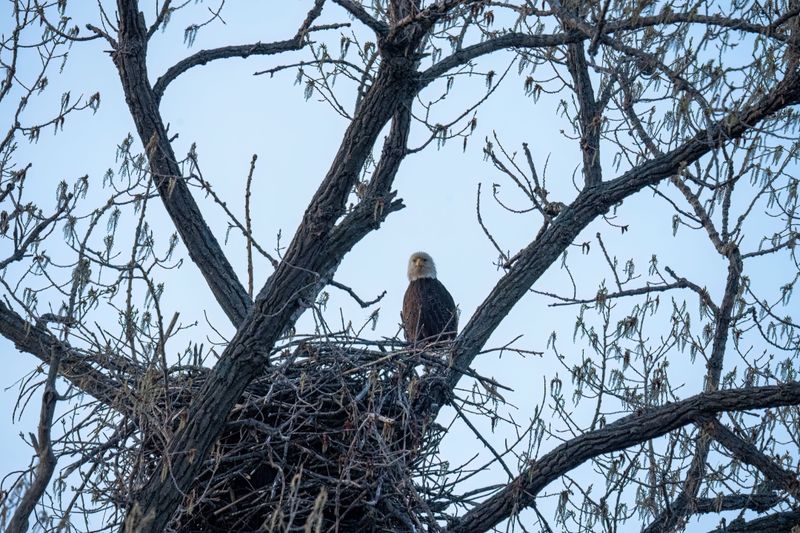
Watching a bald eagle glide over a winter river still gives me goosebumps, even after dozens of sightings. Those white heads and yellow beaks look almost painted, especially against a pale gray sky near open water.
Eagles recovered so well that they left the federal endangered list in 2007, which feels like a real conservation victory. Federal law still protects them strongly, mainly through the Bald and Golden Eagle Protection Act and migratory bird rules.
Disturbing a nest or a winter roost without federal permits is illegal, and that includes cutting down an active nest tree. Federal guidelines generally recommend keeping noisy work about 660 feet from nests during the sensitive breeding season.
Nests can grow staggeringly large because eagle pairs often reuse and add to them for many years running. Some reach several feet across and weigh hundreds of pounds, perched high in sturdy cottonwoods or sycamores near water.
Fish make up most of their diet, though eagles also scavenge carrion and grab small mammals when opportunity arises. Riverside homeowners might notice them hunting along shorelines, especially when ice forces fish into open patches of water.
If an eagle pair settles near your property, celebrate quietly and contact federal wildlife officials before planning any tree work. Keeping dogs leashed and avoiding loud projects nearby can help nesting adults feel secure while raising their chicks.
A spotting scope from your porch offers incredible views without bothering these proud and fiercely protected birds at all.
7. River Otter Raiding A Backyard Fish Pond

Missing koi from your pond might point toward a playful culprit with whiskers and a very healthy appetite. River otters are expert swimmers, and a backyard pond can look like an easy buffet to a hungry visitor.
Their comeback story is impressive, because reintroduction efforts during the 1990s helped them return to many waterways statewide. Otters were removed from the threatened list in 2004, and today wildlife officials consider them common and native.
Even so, otters remain protected as furbearers under the state wildlife code, so homeowners cannot simply trap and remove them. A Nuisance Animal Removal Permit is required, and getting one involves consulting a district wildlife biologist first.
Adults often weigh around 20 to 25 pounds, with webbed toes and a thick tail that works like a rudder. They eat fish, crayfish, frogs, and mussels, which explains their love for creeks, rivers, and well-stocked garden ponds.
I find them hilarious to watch, especially when they slide down muddy banks like kids on a snowy hill. That charm fades fast when they empty your pond, so prevention becomes the smartest move for most homeowners.
Sturdy netting over small ponds or a secure fence around the edge often discourages these clever fishermen quite effectively. Adding deep hiding spots like submerged pipes or rock caves also gives your fish a safer place to shelter.
Should damage continue, call state wildlife staff before attempting any removal yourself on your property.
8. Bobcat Prowling Along A Wooded Yard Edge
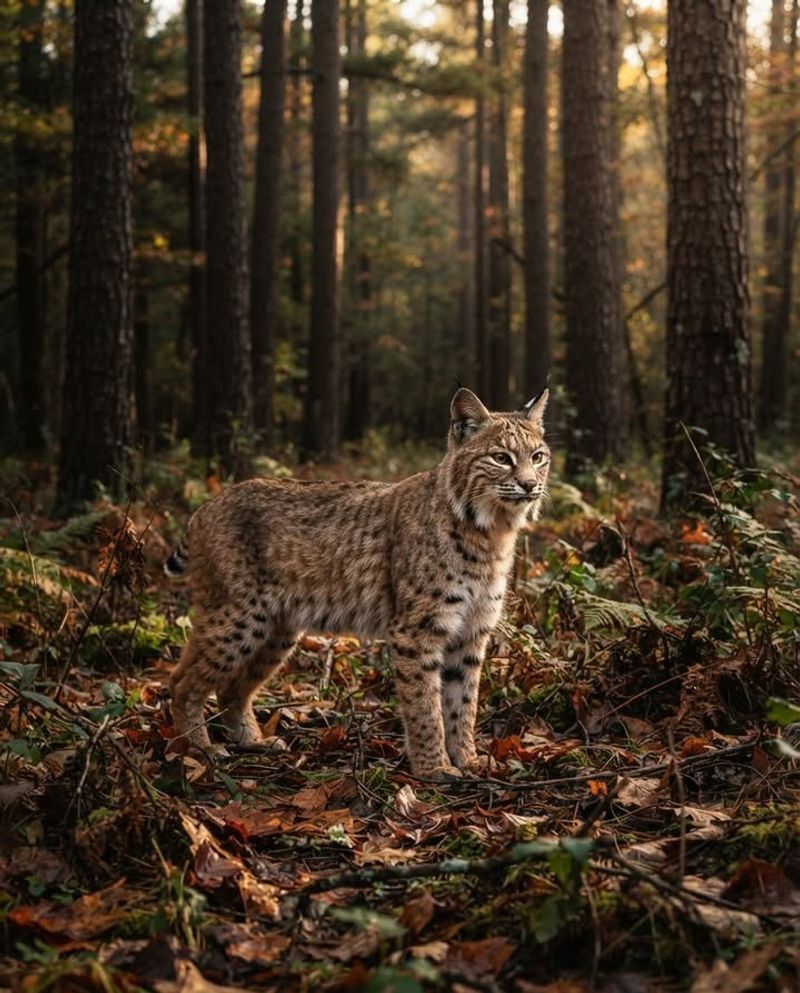
Trail cameras catch some amazing surprises, and few beat a bobcat strolling past your compost pile at midnight. Tufted ears and a stubby tail give this wild cat a look that feels both elegant and slightly mischievous.
Bobcats are the only native wild cats in Illinois, and they once faced serious trouble across much of the state. They were listed as threatened from 1977 until 1999, but populations have since rebounded across many counties.
Today they are protected as furbearers, which means homeowners cannot trap or remove them without proper authorization. A district wildlife biologist must agree that a nuisance permit is warranted before anyone takes action against one legally.
Most adults weigh between 15 and 30 pounds, so they are larger than house cats yet far from giant predators. Mice, voles, and rabbits fill most of their meals, which makes them surprisingly helpful partners for vegetable gardeners.
I cheered the first time I spotted one, because rabbits had been chewing my bean seedlings for weeks. Bobcats are mostly secretive and active at night, so daytime encounters remain uncommon and usually brief for homeowners.
Keep small pets indoors after dark and secure chickens inside sturdy coops with tight wire on every side. Removing brush piles near your house also discourages close visits while still leaving wilder edges for hunting rodents.
If a bobcat ever acts boldly or threatens safety, contact state wildlife officials instead of handling things yourself.