Why California Tomato Plants Are Struggling To Recover From This Summer’s Heat
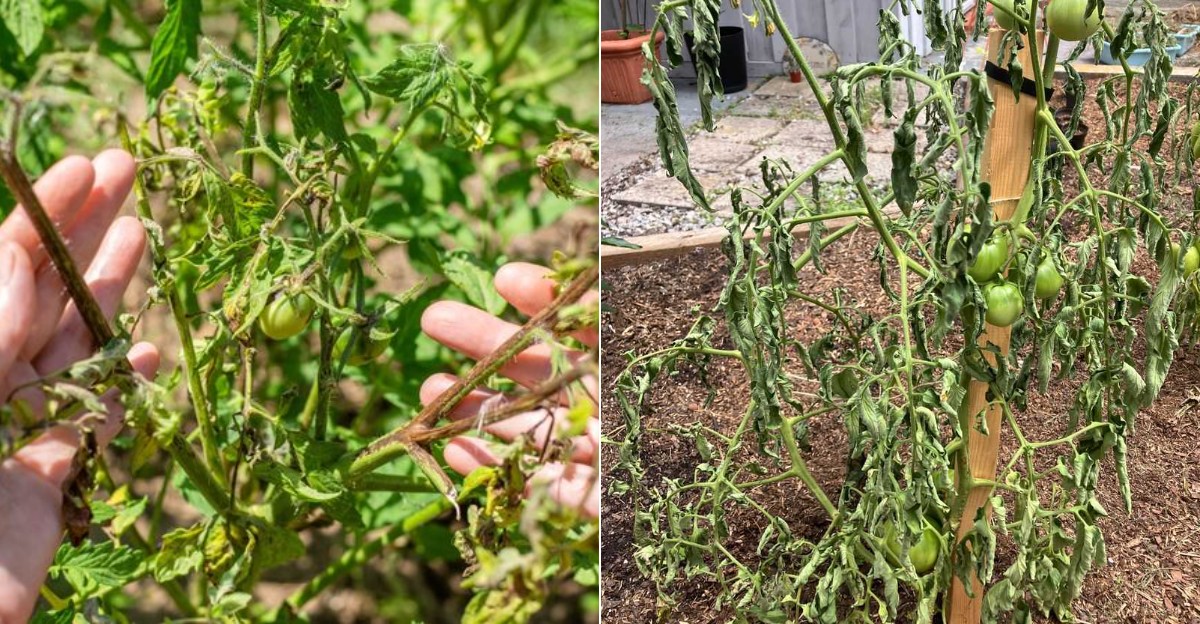
Your tomato plants may still look exhausted long after the worst summer heat has passed. Leaves can stay curled or scorched, flowers may have dropped, and fruit production can slow to a crawl even as temperatures begin to ease.
That does not necessarily mean your plants are finished for the season. Extreme California heat can disrupt several parts of a tomato plant at once, and recovery is not always immediate.
Damaged foliage, stressed roots, poor pollination, and inconsistent moisture can all leave plants struggling after temperatures return to more comfortable levels. The goal now is to support recovery without piling on extra stress.
A careful look at your plants can help you decide what needs attention and what simply needs time.
With the right care, some heat-stressed tomatoes can regain their strength and continue producing before the growing season winds down.
1. Heat Can Keep Tomatoes Stressed Long After Hot Days End
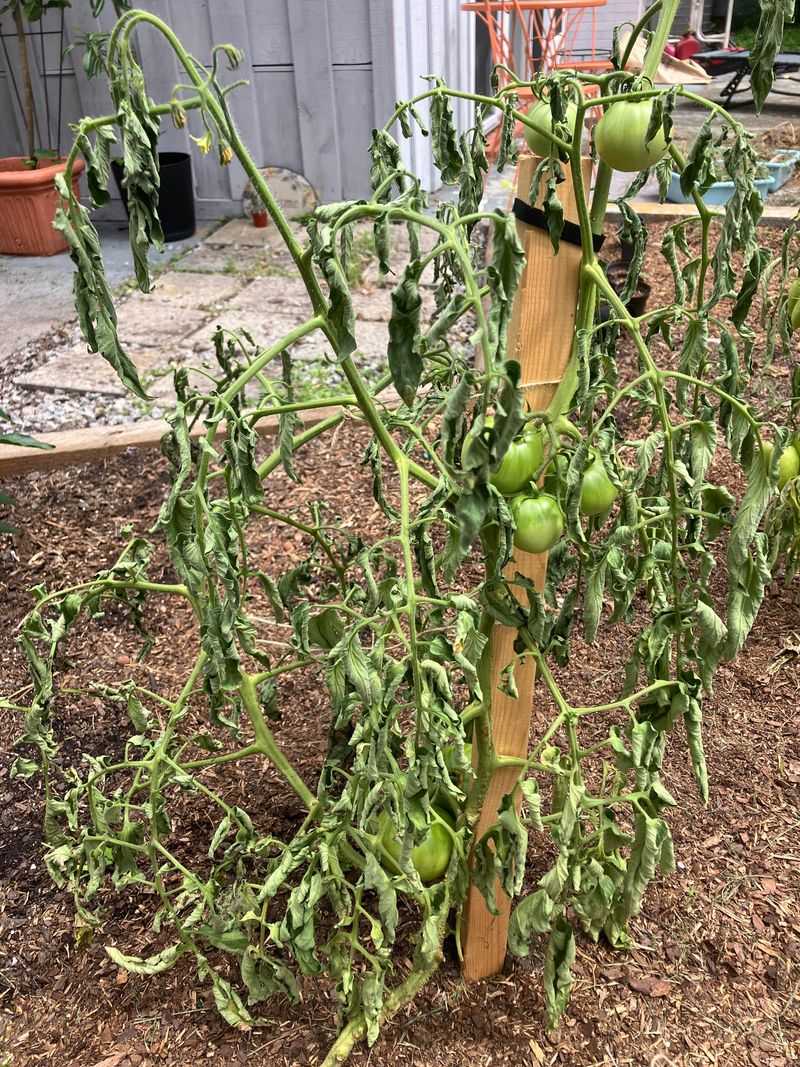
A lot of gardeners think their tomatoes will perk right up the moment the weather cools. That is not really how it works.
When a plant goes through days of extreme heat, its whole system gets thrown out of balance. The stress does not simply vanish when the temperature drops a few degrees. Instead, the plant keeps working hard to repair damage inside its cells.
Think of it like getting over a bad fever. You might feel a little better, but your body still needs days of rest before you are truly back to normal. Tomatoes go through something similar.
During intense heat, the plant slows down important jobs like making food through its leaves. Even after the hot spell passes, those slowed systems take time to speed back up.
You may notice your plant looks weak or pale for a while. That is normal, and patience really helps here.
The best thing you can do is keep conditions steady and calm. Avoid making big changes all at once, since that adds more stress.
Give your plants consistent water and a little shade during hot California afternoons. Over time, they will settle down and start growing again. Recovery is a slow process, but with steady care, most healthy plants will find their footing.
2. Roots May Still Be Struggling Beneath The Soil
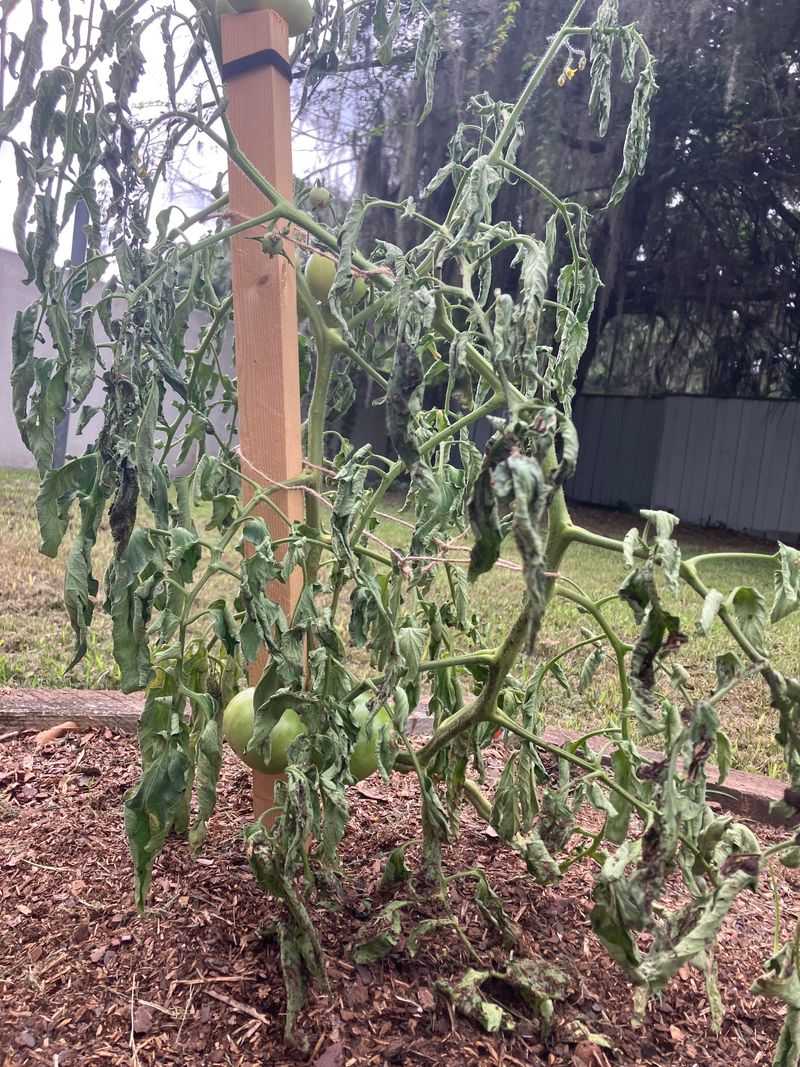
What happens underground matters just as much as what you see above the soil. When it gets really hot, the roots take a beating too.
Roots are the part of the plant that soaks up water and nutrients. During a heat wave, dry and hot soil can damage these tiny feeding roots. Once they are hurt, the plant cannot drink or eat properly.
Here is the tricky part. Even when the air cools off, damaged roots do not heal instantly. They need time to grow new tips that can gather water again.
Picture trying to run a race with a sore ankle. You can still move, but not at full speed. That is what your tomato plant is dealing with below the surface.
Because of this, the top of the plant may look thirsty even when the soil feels a little moist. The roots just cannot keep up yet.
Your California Garden Changes Every Week. Your Plan Should Too.
Gardening in California changes quickly throughout the season. Every Friday you’ll receive a simple weekly plan showing exactly what to plant, prune, fertilize, harvest, and protect so you never miss the right timing.
To help, keep the soil evenly damp but never soggy. Gentle, regular watering encourages fresh root growth.
Adding compost around the base can also feed the soil and support healthy roots. Avoid digging or disturbing the area near the plant, since that can harm the roots even more.
Give them time, and those roots will slowly rebuild their strength beneath the ground.
3. Scorched Leaves Cannot Recover
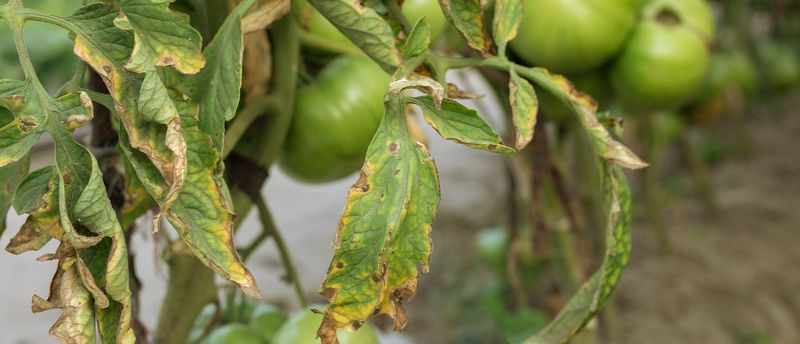
Ever notice those crispy brown patches on tomato leaves after a heat wave? Once a leaf gets scorched, it will not turn green and healthy again.
Leaves are like little solar panels. They catch sunlight and turn it into food for the plant. When the sun is too strong, the leaf tissue basically gets sunburned.
That damaged tissue is gone for good. No amount of watering or care will bring those brown parts back to life.
This can be frustrating, but it helps to understand what is happening. The plant knows those leaves are no longer useful, so it stops sending energy to them.
Your job is to focus on the healthy parts instead. You can gently trim away the badly scorched leaves so the plant can put its energy toward fresh growth.
Be careful not to remove too much at once, though. The plant still needs some leaves, even damaged ones, to keep making food while it heals.
Going forward, try shading your plants during the hottest part of the day. A light cloth or shade net works great for this.
Watering early in the morning also helps leaves stay strong before the afternoon California sun hits. Protecting new leaves matters far more than saving the old, crispy ones that are already lost.
4. High Temperatures Can Disrupt New Flowering
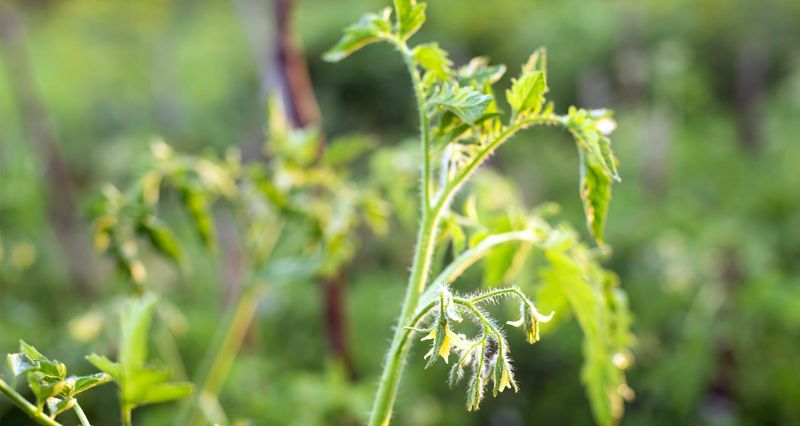
Wondering why your plant stopped making flowers even after the weather improved? Heat has a sneaky way of messing with a tomato’s ability to bloom.
Tomato flowers are pretty picky about temperature. When days get too hot, usually above the mid nineties, the flowers often drop off before they can turn into fruit.
This is called blossom drop, and it is super common during California summers. The plant is basically protecting itself by pausing fruit production.
The problem does not stop the moment things cool down, though. It can take a few weeks for the plant to start forming healthy flowers again.
That delay leaves many gardeners scratching their heads, wondering where all the tomatoes went. Rest assured, your plant is just resetting.
To encourage new blooms, keep your plant well fed with a balanced fertilizer that is not too heavy on nitrogen. Too much nitrogen grows leaves instead of flowers.
Consistent watering also helps the plant feel safe enough to bloom again. Stress makes it hold back.
Some gardeners gently tap or shake the flower clusters to help pollination once blooms return. This little trick can boost your fruit count.
Be patient during this stage. As cooler, steadier weather settles in, your tomato will slowly begin producing those cheerful yellow flowers once more, and fruit will follow.
5. Dry Soil Can Make Recovery Take Longer
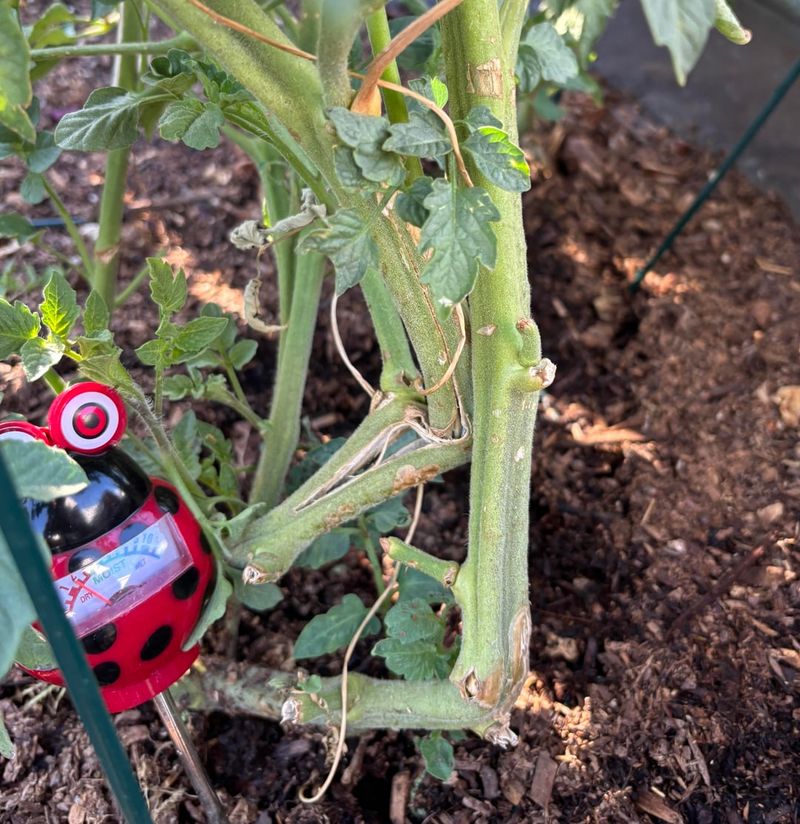
Soil that has dried out completely during a heat wave can slow your plant’s comeback more than you might expect. Once soil bakes hard, it struggles to hold water again.
When dirt gets really dry, it can actually turn crusty and even repel water. Instead of soaking in, the water just runs off the top and away from the roots.
That means your thirsty plant may not be getting a drink even when you water it. The moisture never reaches where it is needed most.
This creates a slow, frustrating cycle. The plant stays stressed because it cannot rehydrate properly, and recovery drags on.
To fix crusty soil, try watering slowly and in small amounts a few times instead of one big splash. This gives the water a chance to sink in.
Loosening the very top layer of soil gently with a small hand tool can also help water move down. Just be careful near the roots.
Adding compost or organic matter improves how well soil holds moisture over time. Rich, spongy soil hangs onto water much better than dry, packed dirt.
Checking soil moisture with your finger before watering is a smart habit. Stick it an inch down and feel around. If it feels dry, your plant needs a slow, deep drink to bounce back.
6. Sudden Heavy Watering Can Stress Roots Further
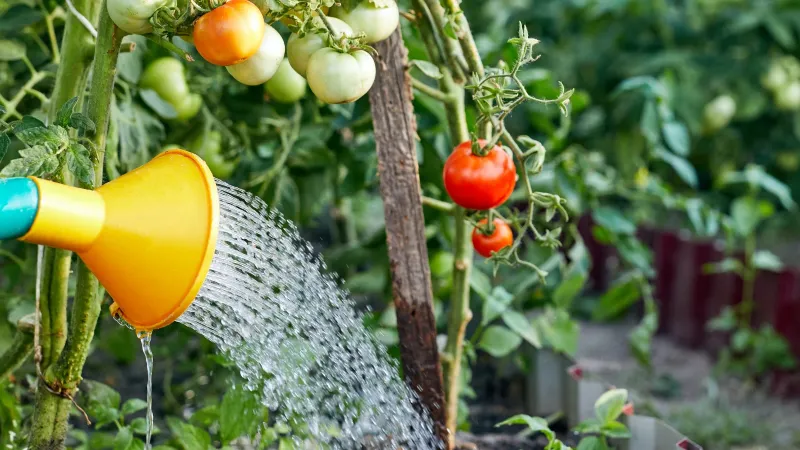
When you see a droopy plant, it feels natural to want to drown it in water to save it. Believe it or not, that can actually make things worse.
Roots that are already weak from heat can get overwhelmed by a sudden flood of water. Too much water fills the spaces in the soil where air should be.
Roots need oxygen just like they need water. When the soil stays soggy, the roots cannot breathe, and they start to rot.
So a plant that was struggling from heat can end up struggling from soggy soil instead. That is a double whammy nobody wants.
The trick is to water steadily and gently rather than all at once. Slow and deep beats fast and flooding every time.
Let the top inch of soil dry out a bit between waterings. This gives the roots a healthy balance of moisture and air.
Using a drip system or watering can helps you control the flow better than a blasting hose. Gentle is the goal here.
Pay attention to how your plant responds over a few days. Slow, even care lets the damaged roots recover without getting shocked again.
Patience really pays off. A steady watering routine helps your tomato ease back to health instead of throwing it into a new kind of stress.
7. Mulch Helps Keep Root Temperatures More Stable
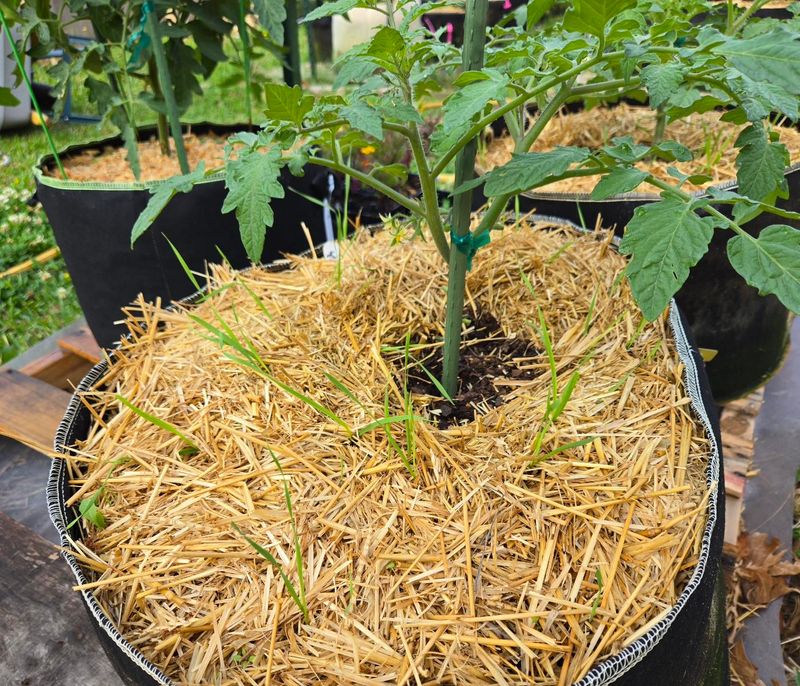
One of the easiest tricks for helping heat-stressed tomatoes is also one of the most overlooked. A good layer of mulch can work small wonders.
Mulch is simply a covering you spread over the soil, like straw, wood chips, or dried leaves. It acts like a cozy blanket for the ground.
During hot days, mulch keeps the soil underneath much cooler than bare dirt. Cooler soil means happier, less stressed roots.
It also helps the soil hold onto moisture longer. That means you water less often, and the plant gets a steadier supply.
Think of mulch as a shield against wild temperature swings. It stops the soil from baking during the day and cooling too fast at night.
Stable soil temperatures make it much easier for damaged roots to heal and grow. Consistency is exactly what a recovering plant craves.
To use mulch, spread a few inches around the base of your plant. Leave a little gap right around the stem so it does not stay too wet there.
Refresh the mulch as it breaks down over the season. Organic mulch even adds nutrients to the soil as it decomposes.
This simple, cheap step can make a big difference in how quickly your tomatoes recover. It is one of the friendliest favors you can do for stressed plants.
8. Fresh Growth Is A Better Sign Than Old Leaves
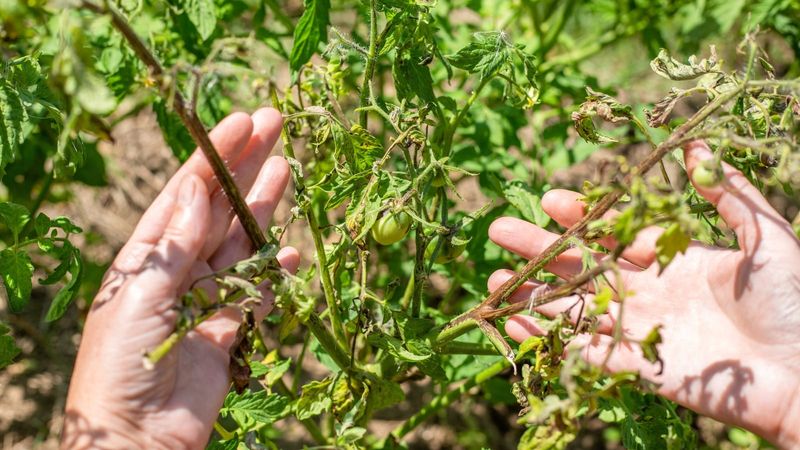
When checking if your tomato is bouncing back, do not judge it by the tired old leaves. The real story lives in the brand new growth.
Old, scorched leaves will always look rough. They cannot heal, so they are not a good way to measure recovery.
Instead, look at the top of the plant and the tips of the branches. Fresh green shoots and tiny new leaves are the true signs of health.
When you spot bright, healthy new growth, that means the roots are working again and the plant is finally on the mend. It is a moment worth celebrating.
This little shift in what you watch for can save you a lot of worry. A plant covered in crispy leaves can still be perfectly healthy underneath.
Keep giving steady water, a bit of afternoon shade, and gentle care during this stage. New growth needs support to keep coming.
You can even mark the date you first see fresh leaves. Then you will notice how quickly the plant picks up speed over the following weeks.
Try not to overreact and trim everything just because it looks messy. Let the plant use its energy where it wants to grow.
Watching for new green tips turns worry into hope. It is the clearest reminder that your patient care is truly working, and better days are ahead.