8 Florida Nurseries Selling Native Grasses Worth Swapping For Turf
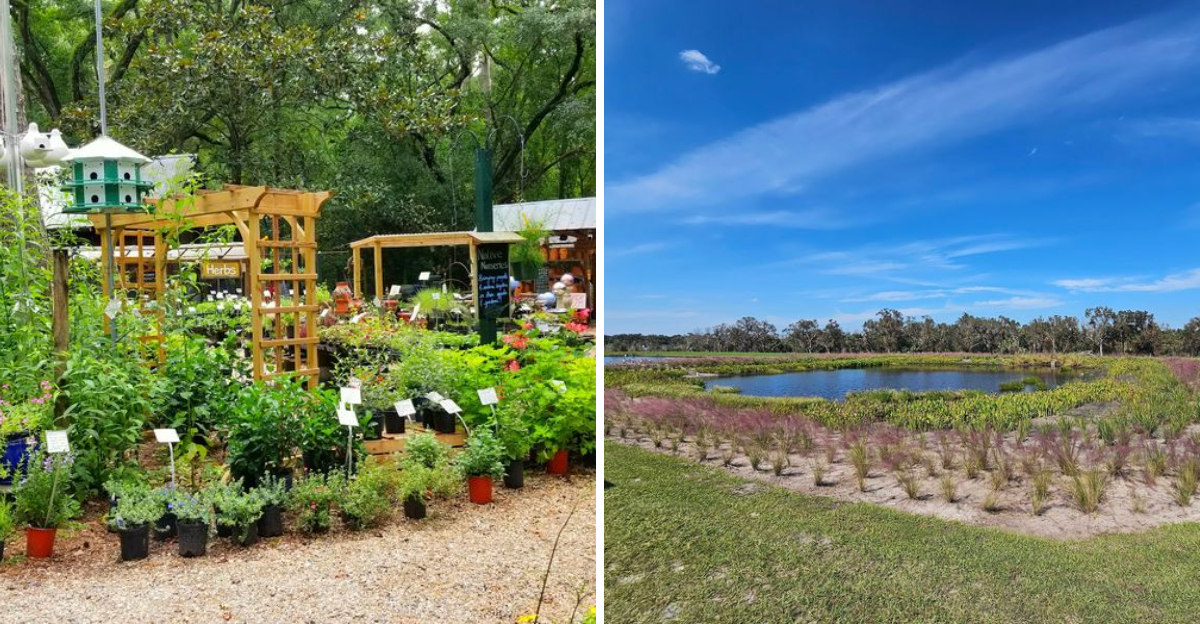
Florida lawns can be thirstier than a tourist in August.
The sprinklers run. The grass still sulks. Then the water bill shows up with the confidence of someone who knows exactly what happened.
That is when native grasses start looking very interesting.
They bring movement, texture, pollinator value, and that soft meadow feeling most regular lawn aisles never offer.
Even better, the right Florida grass can handle sandy soil, heat, heavy rain, coastal air, or weird wet patches without needing constant rescue.
The trick is finding nurseries that actually know these plants.
Native grasses are not one-size-fits-all. A species that loves a soggy swale may hate a dry dune-like yard. A coastal grass may laugh at salt spray while another wants woodland shade.
So where do Florida homeowners shop when they are ready to trade thirsty turf for something smarter?
Start with nurseries that grow for real Florida conditions, give site-specific advice, and understand that the best grass for your yard may not look anything like a lawn at all.
1. Florida Native Plants Nursery Stocks The Swap
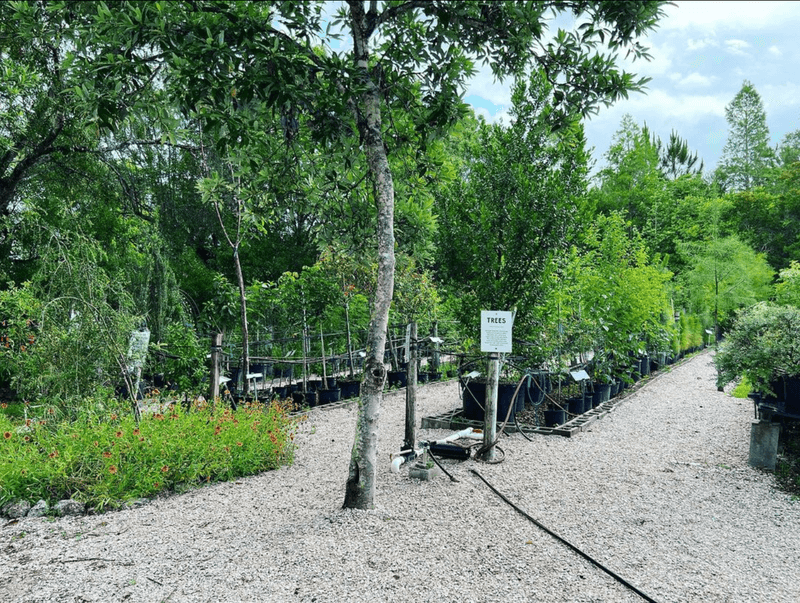
Sandy yard driving you to frustration? Florida Native Plants Nursery at 730 Myakka Road in Sarasota understands the struggle because they have been growing solutions for exactly that kind of Florida landscape challenge.
The nursery has a strong reputation for carrying species suited to turf replacement projects, which is exactly the swap more Florida homeowners are trying to pull off right now.
Native grasses from this nursery tend to be well-rooted and grown with Florida conditions in mind from the start.
That matters more than most people realize. A plant grown in a climate-controlled greenhouse up north and then shipped south often struggles to adapt. Locally grown plants skip that rough transition period and get established much faster in your yard.
The nursery stocks grasses that work beautifully in meadow-style front yards, pollinator patches, and low-maintenance borders.
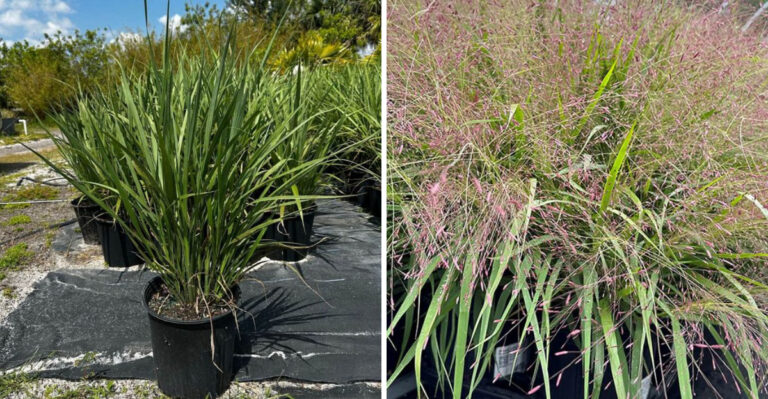
Species like sand cordgrass, lovegrass, and bottlebrush grass can pop up depending on the season and what is currently in production.
The staff are knowledgeable and happy to walk you through what fits your specific site conditions, sun exposure, and soil type.
Call before your visit to ask about current grass selections because availability shifts quickly.
2. Natives Of Corkscrew Goes Big On Grasses
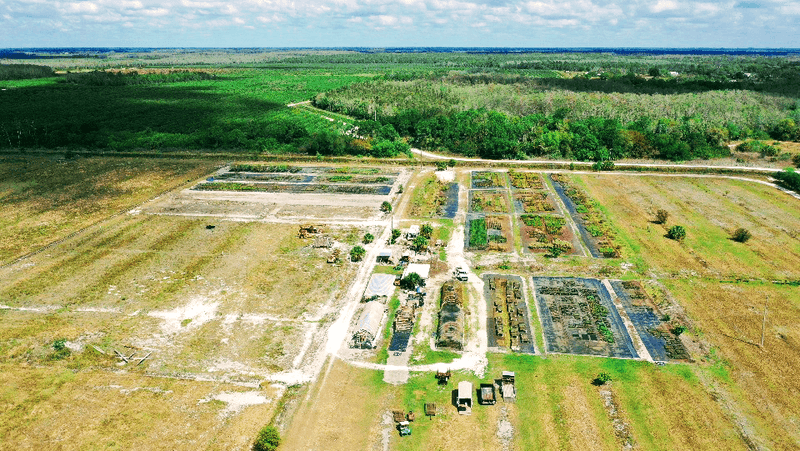
Some nurseries dabble in native grasses. Natives of Corkscrew at 13321 Peace Road in Fort Myers, near Estero, takes them seriously, and habitat-minded gardeners across Southwest Florida have noticed.
The nursery sits close to the Corkscrew Swamp area, which means the staff think about plants the way ecologists do, in terms of function, food webs, and long-term landscape health.
For homeowners trying to replace a lawn with something that actually supports local wildlife, this is a deeply practical place to shop.
Native grasses provide seeds for birds, structure for nesting insects, and root systems that hold sandy Florida soil in place during heavy rains.
Natives of Corkscrew leans into all of that, offering species that serve your yard and the broader ecosystem at the same time.
You might find gulf muhly, fakahatchee grass, or other regionally appropriate species depending on current inventory.
The selection reflects what actually grows well in Southwest Florida rather than what looks trendy in a national gardening magazine.
Staff can help you figure out which grasses fit a wet spot versus a dry ridge, which is the kind of site-specific advice that saves you from replanting the same area twice.
Reach out before visiting to confirm what is on the ground. It is worth the drive for serious habitat gardeners.
3. Wilcox Nursery Brings Gulf Coast Options
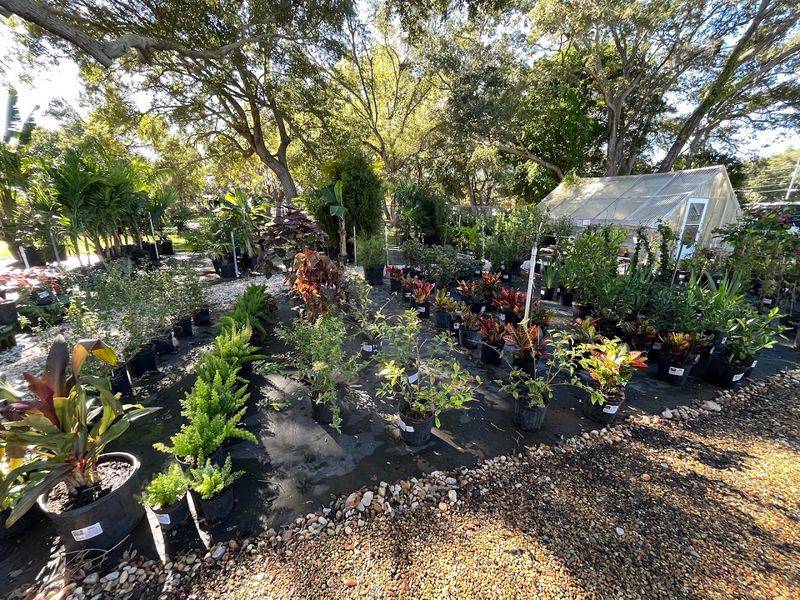
Driving along the Gulf Coast with a car full of empty pots and a list of native grasses to track down?
Wilcox Nursery and Landscape at 12501 Indian Rocks Road in Largo has been a go-to stop for Tampa Bay area gardeners who need plants that can handle salt air, blazing heat, and the kind of sandy soil that drains before the hose is even turned off.
Gulf Coast conditions are no joke, and most generic nursery plants are not built for them.
Wilcox carries a mix of Florida-friendly plants with a genuine focus on species that perform well in coastal and near-coastal yards.
Salt-tolerant native grasses are especially useful along Gulf Coast properties where sea breeze and occasional flooding push ordinary turf to its limits.
Grasses like sea oats, saltmeadow cordgrass, and similar coastal species show up here in ways they simply do not at hardware store garden centers.
The nursery has been operating long enough to earn real trust in the local gardening community, and staff tend to know their stock well.
If you are replacing a struggling turf lawn with something tougher and more wildlife-friendly, the team can help you match grass species to your exact microclimate.
Call ahead and confirm what native grasses are in stock before making the trip.
4. Native Nurseries Of Tallahassee Serves The North
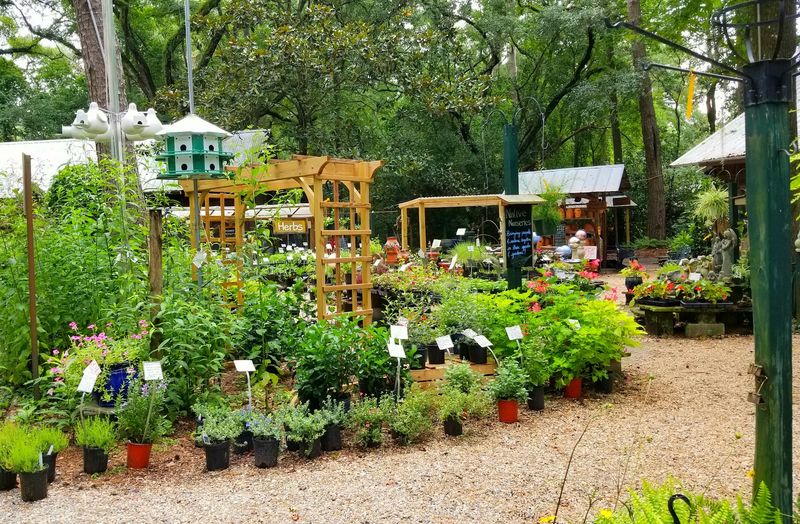
North Florida gardeners have a different set of challenges than their cousins down in Miami or Naples.
The winters are cooler, the soils shift between red clay and deep sand, and the plant palette that works in South Florida can flop completely up near the Georgia border.
Native Nurseries of Tallahassee at 1661 Centerville Road gets that in a way that matters when you are shopping for grasses to replace a lawn.
This Tallahassee institution has been serving North Florida plant lovers for decades and carries a curated selection of native grasses suited to Panhandle and North Central Florida conditions.
Species like splitbeard bluestem, Elliott’s lovegrass, and wiregrass are deeply rooted in the longleaf pine ecosystem that defines so much of this region.
Planting them is not just a landscaping choice. It is a way of reconnecting the yard to the broader native landscape that once covered this part of the state.
The staff are genuinely passionate about native plants and tend to be generous with advice about site prep, spacing, and which grasses work in sun versus partial shade.
Inventory varies by season and growing cycle, so calling ahead is always wise. Check the Florida Native Plant Society resources for contact details and confirm current grass availability before making the drive.
5. Green Isle Gardens Rewards Grass Hunters
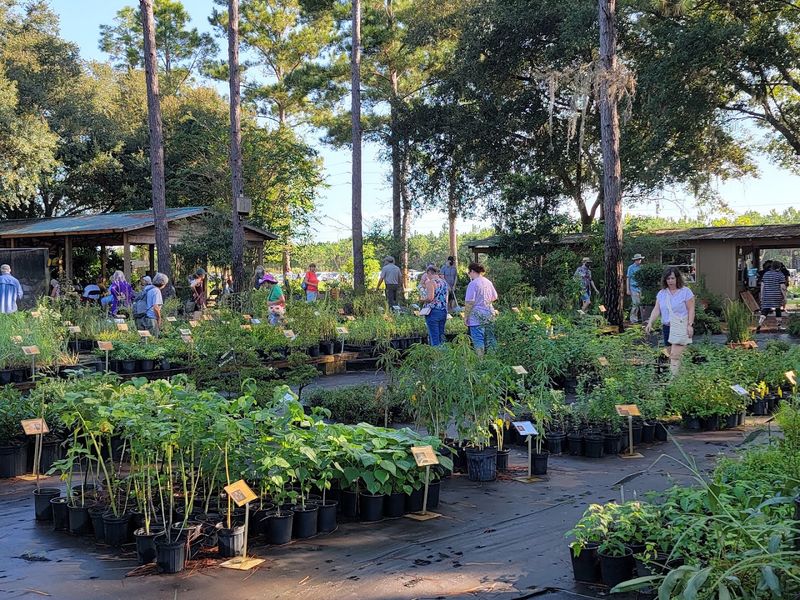
There is a particular joy that comes from finding a grass you have been hunting for months sitting quietly on a bench at a specialty nursery you almost did not visit.
Green Isle Gardens at 11303 Florida 33 in Groveland has that kind of energy. It is the sort of place where serious native plant enthusiasts drive past three other nurseries to reach, and they usually leave satisfied.
The nursery leans toward specialty native finds, which makes it a strong destination for grass hunters who have already checked the obvious spots and come up empty.
Green Isle has been recognized within Florida native plant circles for stocking species that are harder to source. You might find lopsided indiangrass, blue maidenhair grass, or other species that rarely appear at mainstream garden centers.
Because the selection is specialized, inventory genuinely changes from week to week and month to month.
Checking in before you visit is not just a suggestion here. It is basically required if you want to avoid the disappointment of a long drive for a sold-out species.
Green Isle Gardens has a presence through the Florida Association of Native Nurseries and staff often have a sense of what is coming in next.
Bring a cooler with ice packs if you are making a long haul, because you will probably want to load up when you find what you came for.
6. Chiappini Farm Native Nursery Adds Depth
Farm-grown plants hit different.
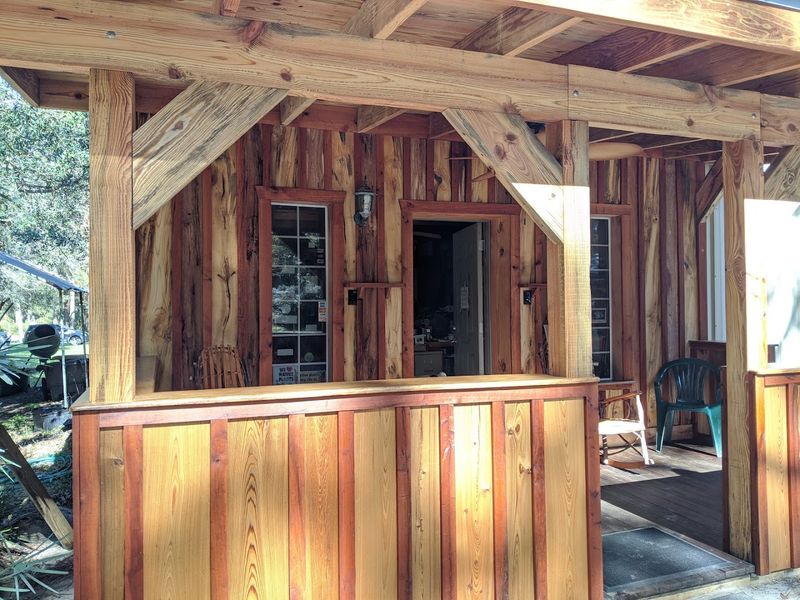
Chiappini Farm Native Nursery at 150 Chiappini Farm Road in Hawthorne operates with a production model rooted in actually growing plants in Florida soil rather than sourcing them from elsewhere and reselling.
That approach produces native grasses with root systems and conditioning that match what your yard is about to throw at them, heat, sandy soil, summer downpours, and dry stretches that last longer than you expect.
The nursery focuses on regional resilience, which is a fancy way of saying the plants are toughened up before they ever reach your garden.
For turf replacement projects, that matters a lot. Plugs and pots from Chiappini tend to establish faster and hold up better through the first summer, which is often the hardest season for newly planted native grasses.
The farm-nursery model also means staff understand the full life cycle of the plants they sell, from seed selection to mature growth habits.
That depth of knowledge shows up in the quality of advice you get when you visit.
Check the Florida Association of Native Nurseries or the Florida Native Plant Society directory for current contact info.
Call before visiting to ask what native grasses are available and whether the timing works for your planting schedule.
7. Sandhill Native Nursery Fits Tough Sites
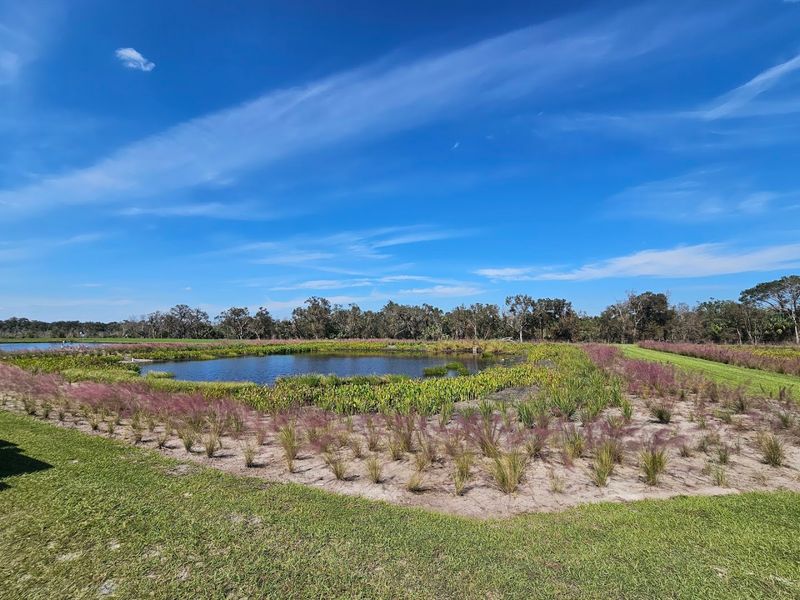
Sandy soil is not a problem. It is a plant selection problem, and Sandhills Native Nursery at 19326 Merritt Road in Fountain exists precisely to solve it.
Scrubby, fast-draining, nutrient-poor Florida sand is the natural home for some genuinely beautiful native grasses, and this nursery stocks species that have been thriving in exactly those conditions for thousands of years.
Homeowners who have watched turf struggle and fade in sandy yards often assume the solution is more irrigation or different fertilizer. The real answer is usually different plants.
Native grasses adapted to sandhill and scrub habitats have deep root systems that reach moisture well below the surface and store energy through dry spells without needing any help from a garden hose.
Sandhills Native Nursery carries species like wiregrass, chalky bluestem, and other sandhill-community grasses that turn a frustrating dry yard into a low-maintenance native landscape.
The nursery understands the ecological context of these plants, which means staff can help you think about your yard as a small piece of Florida’s larger natural mosaic.
That perspective makes shopping here feel more like a collaboration than a transaction.
Inventory rotates with production and season, so always call ahead to confirm what native grasses are currently available.
Tough yards finally have a grass worth rooting for.
8. Plant Local Brings Lakeland Into The Native Grass Hunt
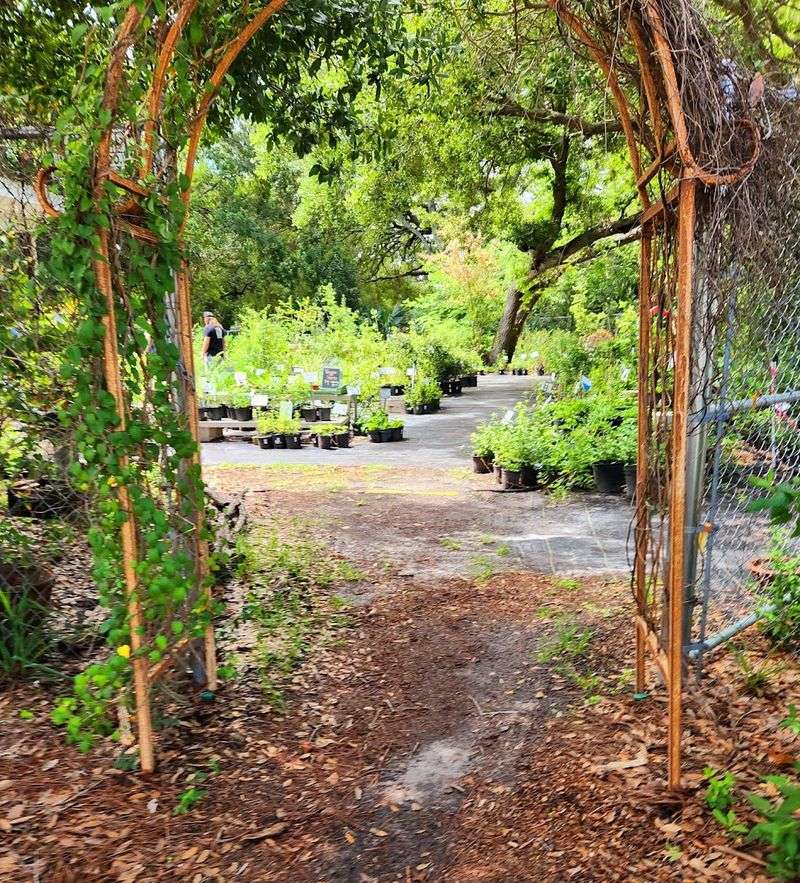
Central Florida grass hunters get a practical, photo-worthy stop with Plant Local, formerly The Nectary, at 1047 E. Main Street in Lakeland.
This native plant nursery has the kind of approachable, garden-shop feel that makes a turf replacement project seem much less intimidating.
Instead of wandering through generic plant racks and hoping something works, homeowners can talk through real Florida conditions with people who understand sandy soil, heat, pollinators, and low-input landscapes.
That matters when you are replacing thirsty grass.
Native grasses need to match the site, not just the dream photo in your head.
A dry sunny patch, a damp swale, and a partly shaded edge all need different plant choices, and a small native-focused nursery can help you avoid the classic mistake of planting the right idea in the wrong spot.
Plant Local is especially useful for gardeners who want the whole yard to feel more alive, not just less watered.
Ask what grasses or grass-like natives are currently available, and bring photos of the space you want to convert.
Inventory changes, so call or check current hours before visiting.
This is the kind of stop where a simple grass question can turn into a full native yard plan before you make it back to the car.