8 Herbs to Harvest and Freeze Before Thanksgiving in Florida
Our coolest gardening season in Florida kicks off right when northern gardens are getting buried under frost and snow. That timing flips the usual calendar, so late fall often brings the lushest leafy growth of the year.
UF/IFAS lists the cooler months, from fall through early spring, as prime planting time for many cool-season leafy crops in Florida. Even a light frost up north can flatten tender leaves overnight, while ours keep growing well past the holidays.
I learned the hard way that a thriving garden bed does not guarantee fresh flavor on the big day. A surprise cold snap or a pack of hungry caterpillars can strip your plans before you even preheat the oven.
Why not tuck a little backyard flavor into the freezer now, while the stems look their very best? Trust me, your Florida stuffing will taste noticeably brighter when the green bits come from your own garden.
1. Rosemary
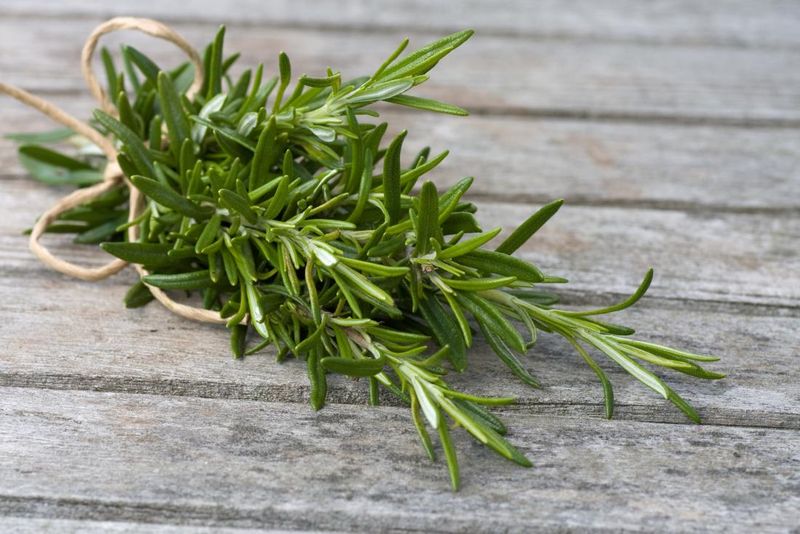
Brush your hand across a rosemary bush and the piney scent clings to your fingers for a good hour. I keep one by the back steps just so I can snag a sniff on my way inside.
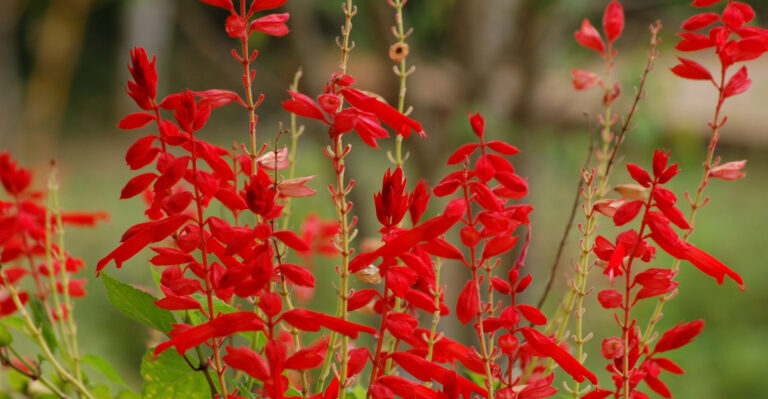
Botanists moved this herb into the sage genus in 2017, so its official name is now Salvia rosmarinus. That makes rosemary and garden sage close cousins, which explains why they taste so lovely together in stuffing.
Rosemary is an evergreen shrub that grows year-round across much of Florida when it gets sun and sharp drainage. Soggy roots are its biggest problem here, so raised beds or terra cotta pots work better than heavy soil.
For harvest, snip the soft green tips rather than the woody base, and take no more than one third. Fresh growth carries the strongest oils, and light trimming keeps the plant bushy instead of tall and leggy.
Freezing could not be easier, since the tough needles hold their shape far better than softer leafy herbs do. Rinse the sprigs, pat them bone dry, then lay them flat in a labeled freezer bag.
If you prefer chopped leaves, strip them from the stems and freeze them in ice cube trays under olive oil. Each little cube can go straight into a roasting pan with potatoes or a turkey breast.
Honestly, a handful of frozen rosemary sprigs tucked under turkey skin smells like the holidays before guests arrive. Use them within about six months, because flavor slowly fades the longer they sit in the cold.
2. Sage
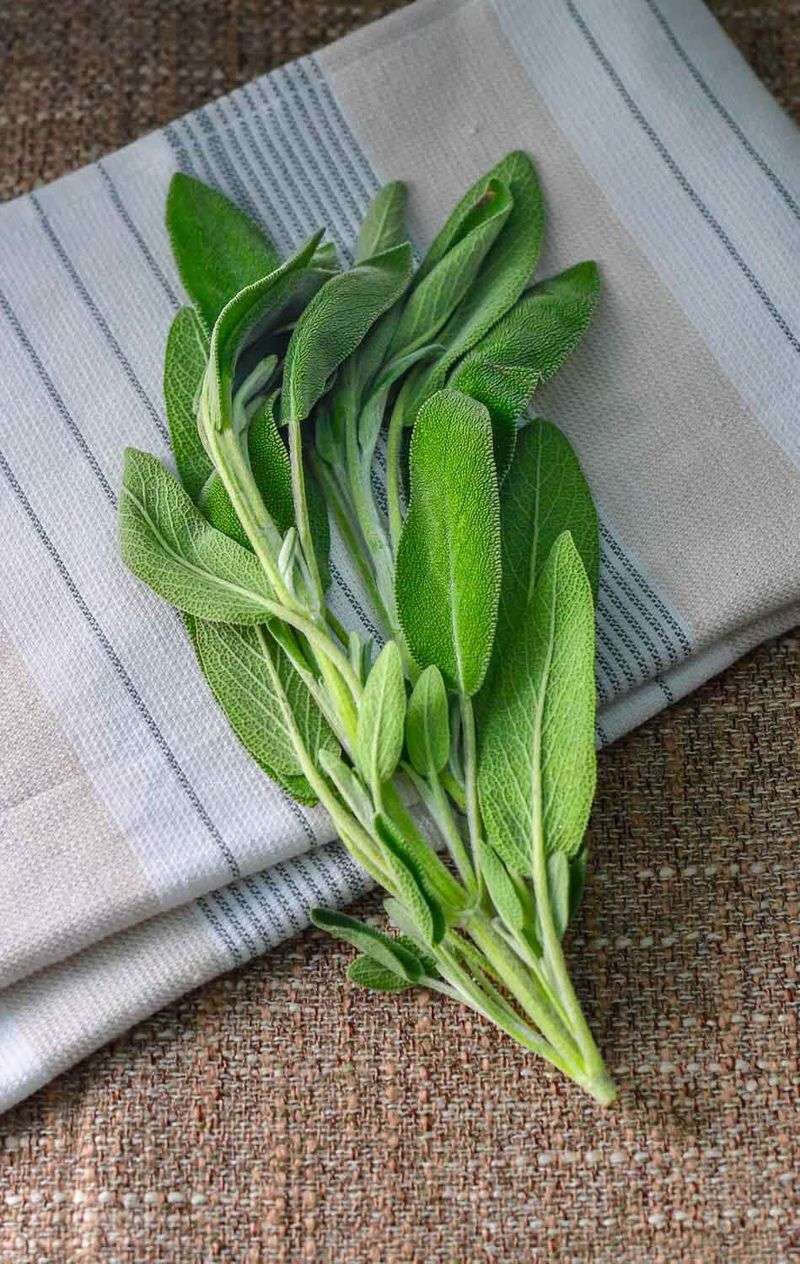
Sage leaves feel like soft gray felt, and they release a warm, earthy smell the moment you rub one. Not going to lie, that scent is basically Thanksgiving stuffing in plant form for me and my family.
Culinary sage, Salvia officinalis, comes from the Mediterranean and prefers dry air over our sticky summer humidity. Many gardeners in the central and southern parts of the state grow it as a cool-season annual instead.
Fall is when sage finally relaxes, pushing out fresh leaves once the nights cool down and rains ease up. Give it full sun and sandy soil that drains fast, with space for air to move around the stems.
Pick leaves in the morning after the dew dries, when their oils are concentrated and flavor feels strongest. Pinch off any flower spikes you spot, since leaves taste best before the plant shifts its energy to blooms.
Freezing works beautifully here, and some cooks argue frozen sage tastes brighter than the dried jar version. Spread clean, dry leaves on a baking sheet so they freeze separately instead of sticking together in clumps.
After an hour or two, slide the stiff leaves into an airtight container and push out extra air. They will darken a little, but the flavor holds up nicely once they hit hot butter or gravy.
My favorite trick is chopping sage and freezing it with melted butter in small silicone molds. On the big day, one cube melted into a skillet gives you instant sage brown butter for stuffing.
3. Thyme
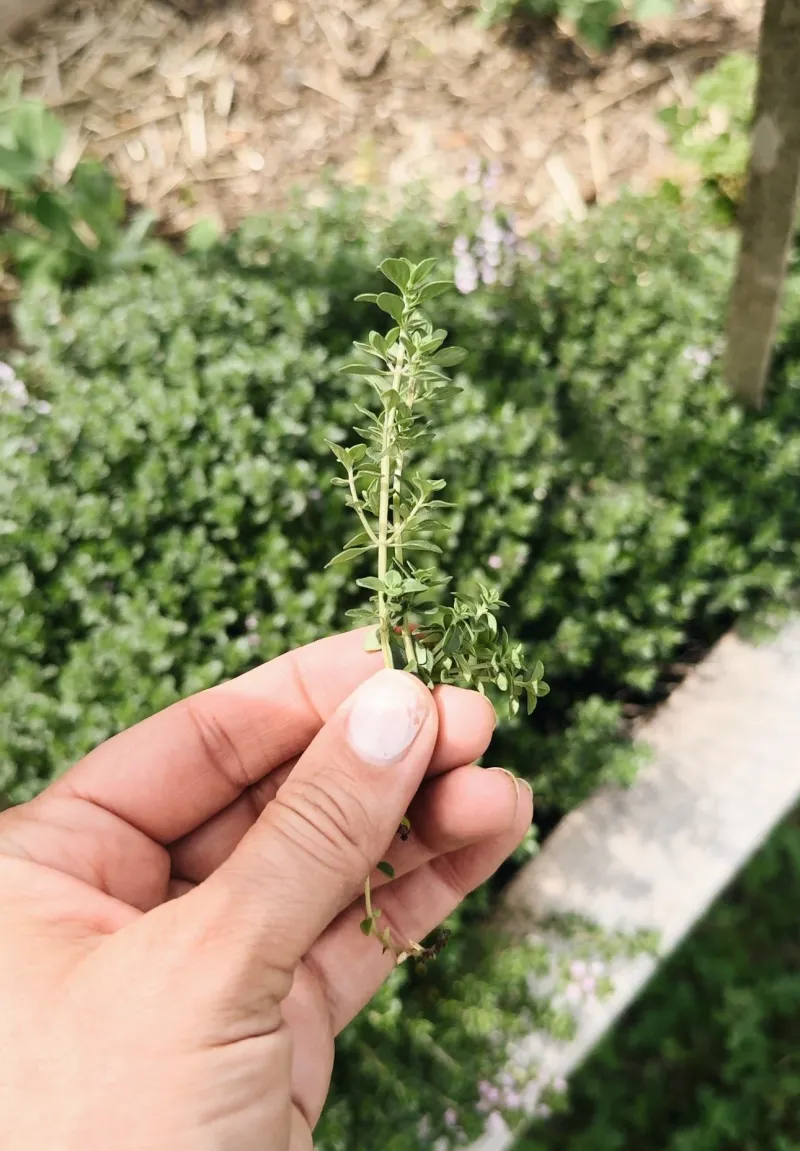
Tiny leaves can pack a huge punch, and thyme proves it every time you crush a sprig between your fingers. The aroma lands somewhere between lemon peel and a warm pine forest, which still surprises me.
Ancient Greeks reportedly burned thyme as incense, and its name may trace back to a Greek word linked to smoke. Common garden thyme, Thymus vulgaris, is a low, woody perennial that rarely grows taller than a foot.
In Florida, it often struggles during rainy summers, so fall and winter are when it looks happiest and fullest. Plant it in full sun with gritty, fast-draining soil, and hold back on water once roots settle in.
I’m the first to admit I overwatered my first thyme plant until its stems turned brown and mushy. These days I let the top inch of soil dry out before reaching for the hose.
Harvest by snipping the top few inches of stems, ideally just before tiny flowers start to open. Leave plenty of green growth behind, since cutting into bare woody stems can slow the plant’s recovery.
Thyme handles freezing better than most herbs, because the small sturdy leaves keep their texture surprisingly well. Freeze whole sprigs in a bag, then strip the leaves by running your fingers down the frozen stems.
They pop off with almost no effort, which feels a bit like magic on a busy cooking morning. Toss them straight into gravy or roasted carrots without bothering to thaw them first, since they soften fast.
4. Parsley
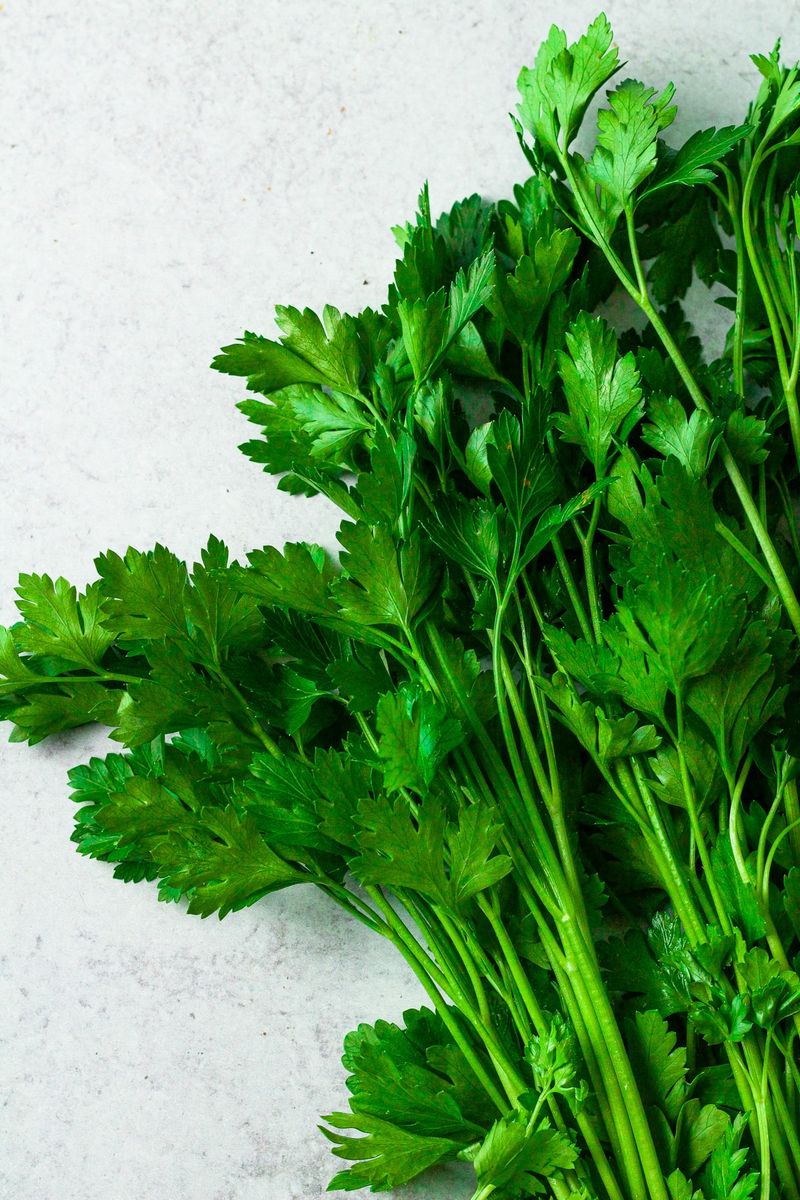
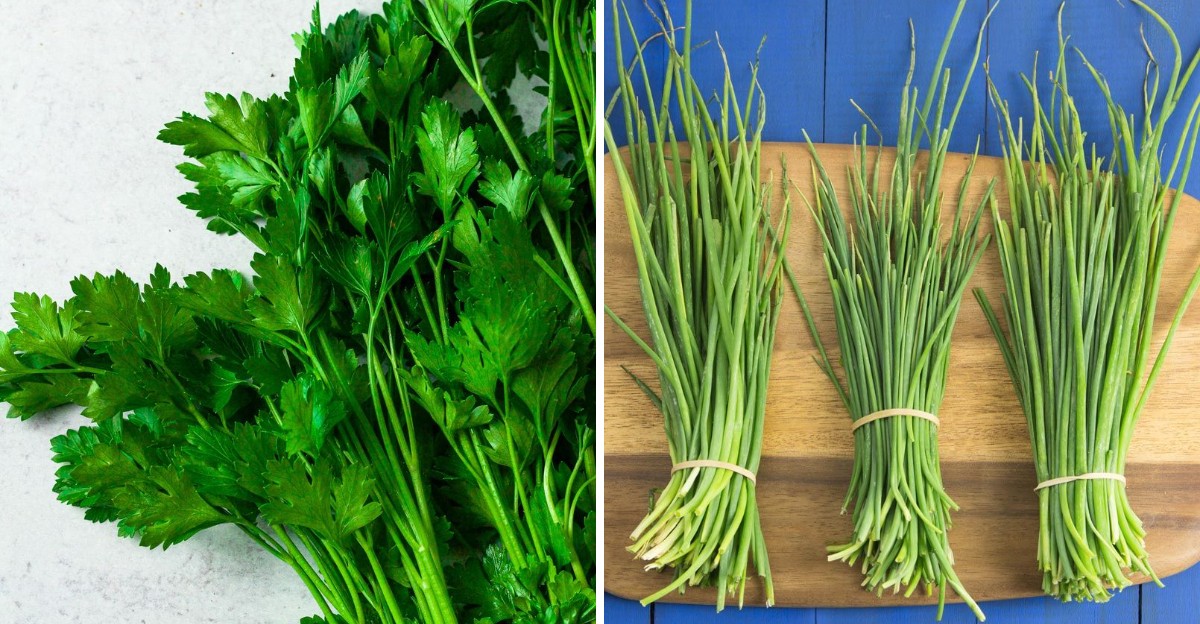
Parsley gets treated like a plate decoration, but I think it deserves a much bigger role at dinner. Its bright, grassy bite cuts through rich gravy and buttery potatoes like a fresh breeze through a stuffy kitchen.
Petroselinum crispum is technically a biennial, but our summer heat usually turns it into a cool-season annual. Plants set out in early fall can produce steady harvests from late autumn well into spring.
Fun fact for butterfly fans: black swallowtail caterpillars love parsley and can strip a plant in days. I plant a few extra just for them, because those striped little munchers become gorgeous butterflies later.
Flat-leaf Italian parsley usually has stronger flavor, while curly types hold up a bit better as garnish. Grow either kind in full sun to light shade, with rich soil that stays evenly moist.
Harvest the outer stems at the base first, letting the center keep pushing up new leaves all season. That simple habit keeps one plant productive far longer than shearing the whole thing at once.
For freezing, I swear by the herb log, which sounds odd but works like a charm. Pack dry, chopped parsley tightly into a freezer bag, then roll it into a firm cylinder before freezing.
When you need some, just slice a coin off the end with a sharp knife and return the rest. Frozen parsley loses its crispness, so stir it into soups and gravy rather than using it as a fresh garnish.
5. Cilantro
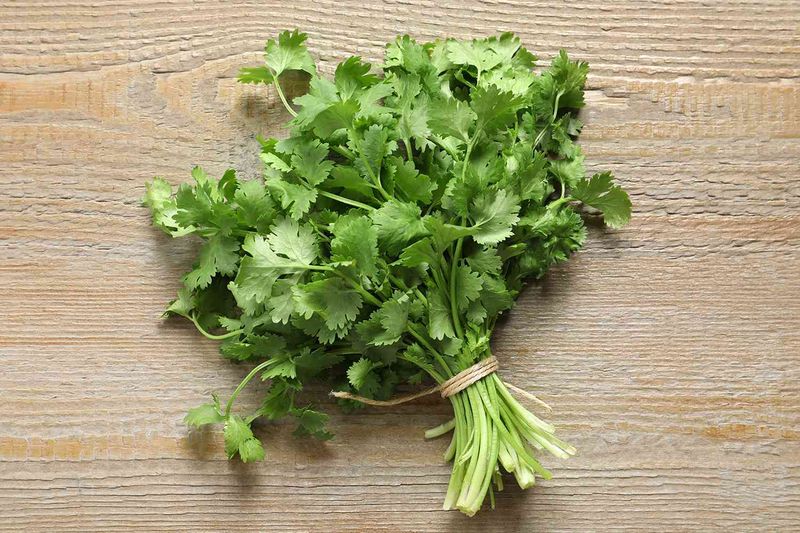
Cilantro splits dinner tables like few other herbs, and science suggests genes play a part in that. Some people taste bright, fresh citrus, while others swear it tastes like a bar of soap.
If you land on the citrus side, fall is your moment, since this herb hates heat. UF/IFAS suggests planting Coriandrum sativum during the cooler months, from fall through early spring, for the best results in Florida.
Warm weather pushes cilantro to bolt, which means it rushes to flower and the leaves turn bitter and lacy. Those seeds are coriander, though, so a bolting plant still offers a second spice worth saving for later.
Sow seeds directly in full sun or partial shade, because seedlings resent being moved once they sprout. I sow a short row every few weeks, which keeps fresh leaves coming long after the first batch fades.
Start snipping once plants reach about six inches tall, taking outer leaves and leaving the center alone. Regular cutting slows flowering a bit, though no trick holds off bolting forever when temperatures climb.
Fair warning, frozen whole leaves turn limp, so plan to use them in cooked dishes or blended sauces. Chop leaves along with the tender stems, which carry loads of flavor, and pack them into ice cube trays.
Top each cube with water or olive oil, then move the frozen cubes into a labeled bag. A cube or two stirred into black bean soup or a holiday dip brings back that bright zing instantly.
6. Chives
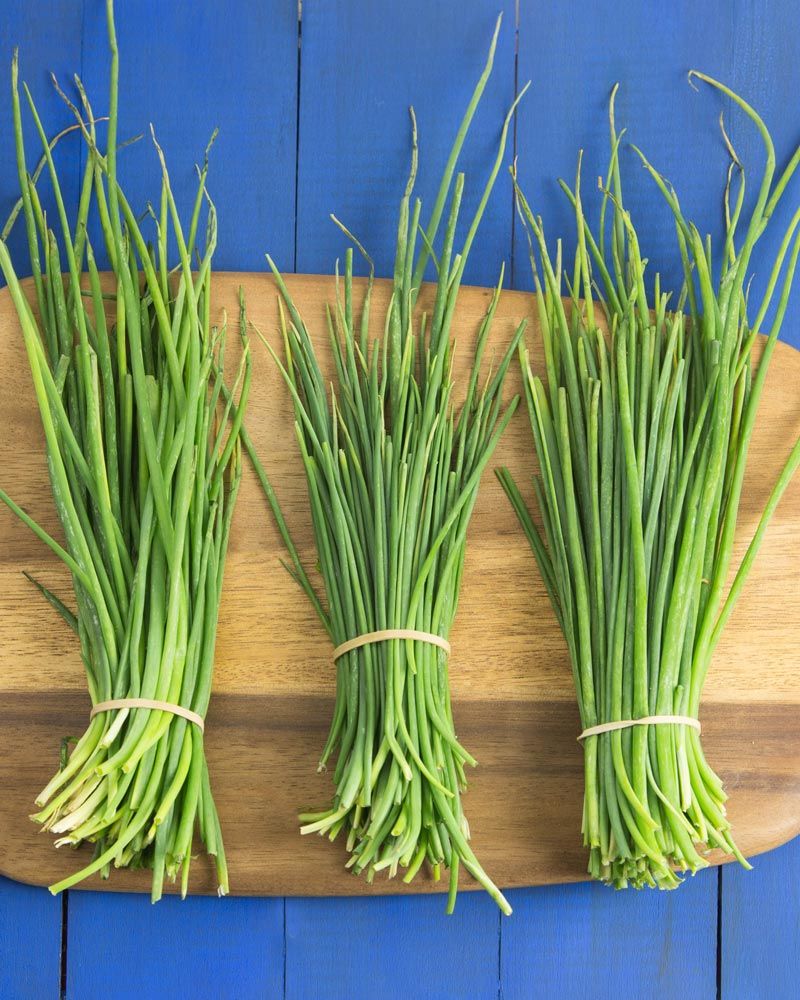
Snip a few chive blades and you get a gentle onion flavor without a single tear in your eyes. I’m a sucker for that easy trade, especially when mashed potatoes need a little green on top.
Chives, or Allium schoenoprasum, are close relatives of onions and garlic, and they grow in tidy grassy clumps. Their round purple flower heads are edible too, and pollinators visit them eagerly when spring arrives.
In our warm climate, chives grow best through the cooler months and often sulk once summer humidity kicks in. Give them plenty of sun and well-drained soil, and water whenever the top inch feels dry.
Harvest by cutting blades about an inch above the soil, rather than trimming just the tips. Cutting low encourages tender new growth, and the clump bounces back within a couple of weeks.
Chives might be the easiest herb to freeze, since they need no blanching and very little prep. Rinse and dry them well, then slice into small rings with sharp scissors so the blades stay unbruised.
Spread the rings on a lined tray and freeze them for about an hour until firm. Once solid, they pour from a jar like green confetti, ready for a quick pinch whenever you need it.
Frozen chives soften a little, so sprinkle them onto warm dishes where the texture change goes unnoticed. Stirred into sour cream for baked potatoes, they taste almost exactly like the fresh ones from your garden.
7. Dill
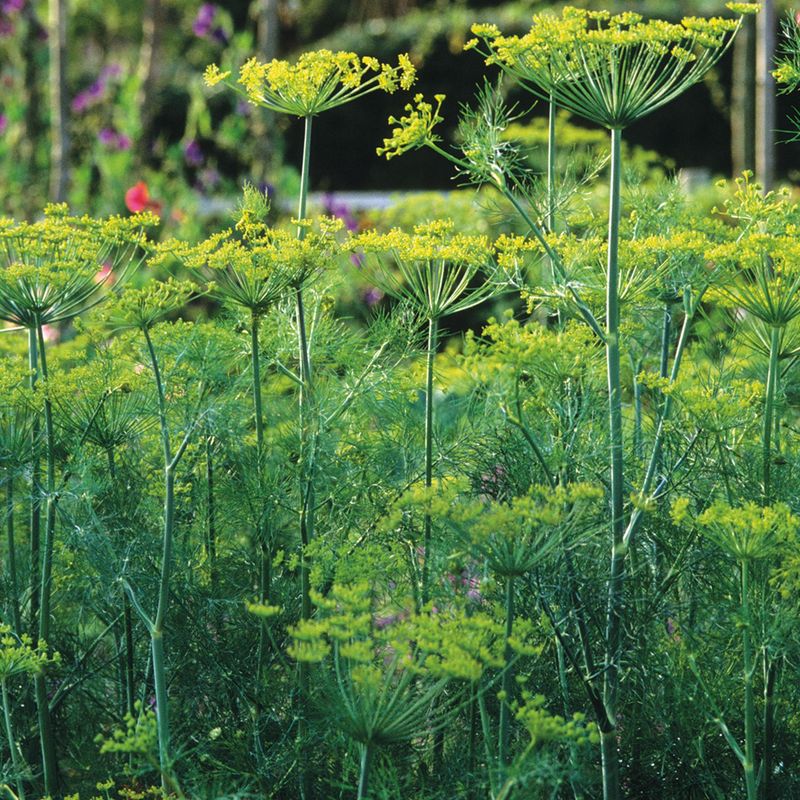
Dill looks like a cloud of green feathers, and it smells faintly of anise with a cool, grassy edge. Every fall, I scatter seeds along the bed’s edge just so I can brush past and sniff it.
Anethum graveolens is a cool-season annual in Florida, and UF/IFAS recommends planting it from fall into early spring. Summer heat pushes it to flower fast, so the cooler stretch gives you far more leafy harvests.
Sow seeds straight into the garden, because dill grows a long taproot that dislikes being transplanted. Full sun and well-drained soil keep plants sturdy, though tall varieties may still need a stake on windy days.
Butterfly gardeners, take note, because dill is another favorite food for black swallowtail caterpillars in home gardens. I’m not proud of this, but I once relocated a dozen of them to a backup plant.
Harvest feathery fronds by snipping them close to the main stem once the plant has several sets of leaves. Young leaves carry the sweetest flavor, so frequent light cutting beats one giant haul at the end.
Freezing keeps dill tasting far fresher than drying does, which surprised me the first time I tried it. Lay clean, dry sprigs on a baking sheet until frozen solid, then bag them loosely together.
Flash freezing keeps the fronds separate, so you can grab a single sprig without hacking at a frozen clump. Crumble a few over roasted salmon or creamy potato salad for a holiday side that tastes like spring.
8. Mint
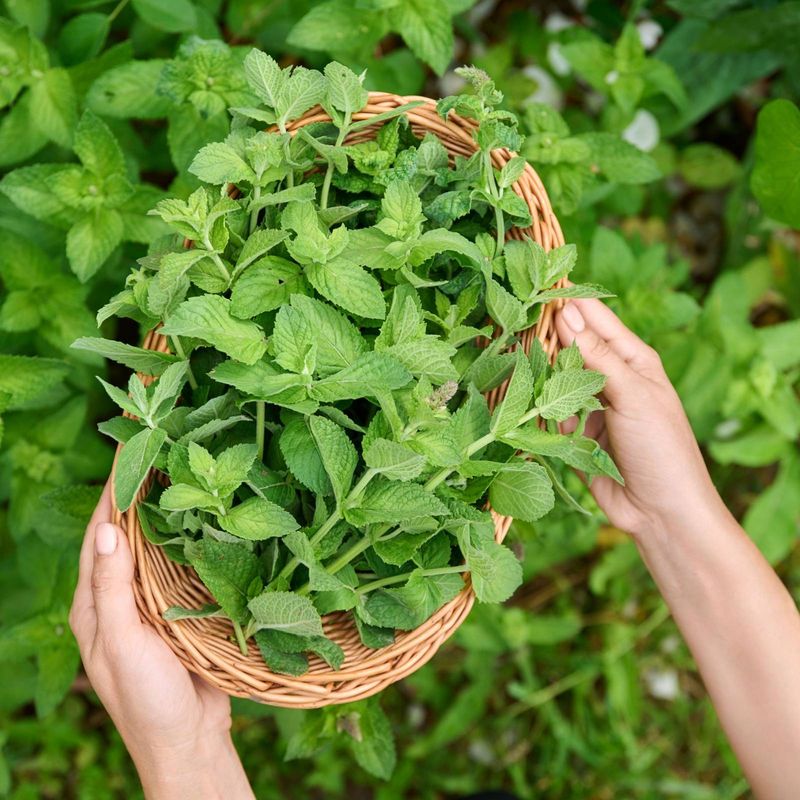
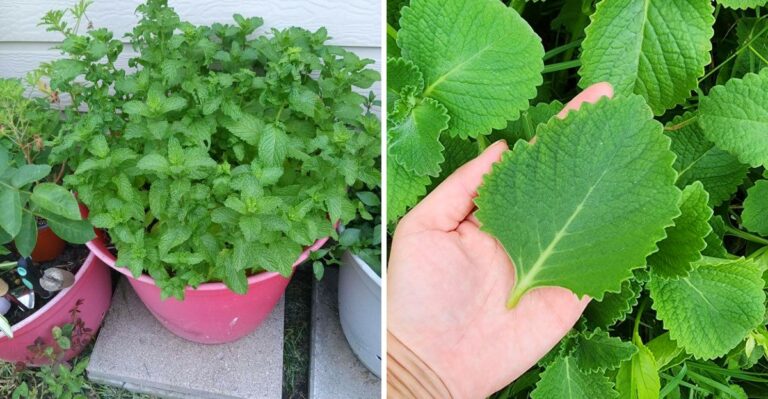
Mint has a reputation as the houseguest who rearranges your furniture and politely refuses to leave. Its underground runners creep sideways fast, so a single plant can claim a whole bed in one season.
Guilty as charged, I planted spearmint in the ground once and spent two years pulling stray shoots. Now every mint I grow lives in a container, which keeps it tidy and easy to water.
Mentha species range from classic spearmint to fun, quirky types like chocolate mint and pineapple mint. Most grow happily in Florida with morning sun and some afternoon shade to soften the harsh heat.
Mint likes its soil evenly moist, so check potted plants often because containers dry out quickly. Fall weather tends to bring a flush of lush leaves, making this a smart window for a big harvest.
Cut stems just above a pair of leaves, and new shoots will branch out from that spot. Frequent trimming keeps the plant bushy and delays flowering, which can make the leaves taste a bit harsher.
For freezing, flash freeze single leaves on a tray, then store them in an airtight container. Whole frozen leaves look pretty floating in a pitcher of iced tea or a bowl of fruit punch.
Chopped mint frozen in water cubes makes a cheerful addition to lemonade for the kids’ table. Stir a cube into peas or a fruit salad, and your holiday spread suddenly tastes a little more homegrown.